Windows play a crucial role in our homes, providing natural light, ventilation, and a connection to the outdoors. However, over time, windows can deteriorate, leading to drafts, dirt and grime inside, reduced energy efficiency, and outdated aesthetics.

A few years ago, I had the windows in my home replaced with ones that would help cut down on the road noise since we live in the city. We could feel the difference the minute the last window went in: it was like the feeling you get when your ears finally stop ringing. The dust and pollen stopped coating our windowsills and our energy bills showed a notable dip.

There is undeniable value in updating your windows. Here are six long-term benefits new windows can bring to you and your home:

  1. Increased Energy Efficiency: Older windows can be a significant source of energy loss. By updating to modern, energy-efficient windows, you can significantly reduce heat transfer, keeping your home cooler in the summer and warmer in the winter. This translates into lower energy bills and a reduced carbon footprint. Newer windows often feature double or triple glazing, low-emissivity coatings, and advanced weatherstripping, all designed to enhance insulation and minimize air leakage.
  2. Enhanced Comfort: Outdated windows may allow drafts, noise pollution, dust and debris, and uncomfortable temperature fluctuations. Upgrading to new windows can improve the comfort of your living spaces by reducing drafts, minimizing outside noise, a cleaner home, and maintaining a consistent indoor temperature. You’ll be able to enjoy a more pleasant and tranquil home environment year-round.
  3. Improved Natural Light and Views: Windows not only serve as functional elements but also contribute to the aesthetic appeal of your home. Updating your windows can provide an opportunity to enhance natural light and maximize your views. Consider options such as larger windows, strategically placed skylights, or bay windows to bring in more sunlight and create a brighter, more inviting atmosphere.
  4. Upgraded Safety and Security: Older windows may have outdated or worn-out locking mechanisms, making your home more susceptible to intrusions. Modern windows often come with advanced security features, including multiple locking points, impact-resistant glass, and reinforced frames. These upgrades offer peace of mind, ensuring the safety of your loved ones and your valuable possessions.
  5. Reduced Maintenance and Longevity: If you have older windows, you’re likely familiar with the regular maintenance they require, such as scraping, painting, and repairing rotting frames. Newer windows often feature low-maintenance materials like vinyl, fiberglass, or aluminum, which resist peeling, cracking, and warping. Investing in updated windows can save you time and money on maintenance while increasing their lifespan.
  6. Increased Property Value: When it comes to selling your home, updated windows can significantly enhance its market appeal and value. Prospective buyers recognize the benefits of energy-efficient, well-maintained windows, and are often willing to pay a premium for them. High-quality windows not only improve the aesthetics of your home’s exterior but also contribute to its overall curb appeal and desirability.

Updating your home’s windows brings a multitude of benefits, ranging from improved energy efficiency and increased comfort to enhanced aesthetics and higher property value. Whether you’re motivated by energy savings, a more pleasant living environment, or an upcoming sale, investing in new windows is a wise decision.

If you need help deciding whether new windows are a good idea for you or finding a contractor to replace your windows, contact Properties on the Potomac at 703-624-8333. Your long-term return on your investment is important to us.
As realtors, we often get asked by those looking to sell their home about potential remodels or updates. Friends and family with long-term value in mind want to know if remodeling their kitchen, or installing new flooring, or adding an addition will be worth the investment when it comes time to sell.

But what about bathrooms?

Here’s the truth: updating a bathroom can be one of the most cost-effective ways to increase the value of your home. According to a report from Remodeling Magazine, an average bathroom remodel can recoup up to 60% of its cost at resale, making it a valuable investment for homeowners looking to increase the value of their property.

Here are some reasons why updating your bathroom before selling your home can be a smart investment:

  1. It improves the appearance of your home: a dated and worn-out bathroom can be a major turnoff for potential buyers. Updating the bathroom with new fixtures, flooring, and lighting can significantly improve its appearance and make a better impression on buyers.
  2. It increases functionality: upgrading the bathroom can also improve its functionality and make it more appealing to buyers. Adding a double sink, a larger shower, or a separate tub can make the bathroom more functional and appealing to buyers.
  3. It boosts energy efficiency: updating the bathroom can also include the installation of energy-efficient fixtures and appliances, such as low-flow toilets, LED lighting, and water-saving showerheads. These updates can help reduce energy and water consumption, lower utility bills, and appeal to eco-conscious buyers.
  4. It adds value to your home: a bathroom remodel can add value to your home, making it more attractive to potential buyers. By investing in the bathroom, you can increase the overall value of your property and potentially earn a higher selling price.
  5. It increases your home’s competitiveness: with many homes on the market, updating your bathroom can help your home stand out from the competition. A modern and updated bathroom can be a major selling point for potential buyers, especially if it offers features that other homes in the area lack.

When updating your bathroom, consider making updates that are neutral and timeless. Avoid trendy designs or bold colors that may not appeal to all buyers. Opt for classic fixtures and finishes that can appeal to a wide range of buyers and make the bathroom look clean, bright, and spacious.

In short: updating your bathroom can be a smart investment before selling your home. It improves the appearance and functionality of your home, boosts energy efficiency, adds value to your property, and makes your home more competitive in the market. By investing in your bathroom, you can increase your chances of selling your home quickly and for a higher price.

Thinking about updating your home with resale value in mind? Give Properties on the Potomac a call at 703-624-8333 for a free consultation!

In recent years, smart home technology has become increasingly popular, offering homeowners greater control and convenience over their living spaces. From security systems to smart lighting, there are a variety of devices available to turn any home into a smart home. And, with real estate in mind, today’s buyers appreciate the added value of a smart home already installed for them. If you’re interested in making your home a smart home, read on…

Start with a smart hub
The first step in making your home a smart home is to invest in a smart hub. A smart hub is a device that connects to all your smart devices, allowing you to control them from a single app. There are several popular smart hubs on the market, including Amazon Echo, Google Home, and Apple HomeKit. Once you have a smart hub in place, you can begin adding other smart devices to your home.

Add smart lighting
One of the easiest ways to make your home a smart home is to add smart lighting. Smart light bulbs can be controlled from your smartphone, allowing you to turn them on and off, dim them, and even change their color. You can also set schedules for your lights to turn on and off automatically, making it look like someone is home even when you’re away. Lighting options include Philips Hue, LIFX, and TP-Link Kasa.

Install a smart thermostat
A smart thermostat is a smart home device that can save you money on your energy bills. Smart thermostats can learn your habits and adjust the temperature of your home accordingly. They can also be controlled remotely from your smartphone, allowing you to adjust the temperature even when you’re away from home. Thermostat options include Nest, Ecobee, and Honeywell.

Consider smart security
Smart security devices can give you greater peace of mind by allowing you to monitor your home from anywhere. Smart security cameras can be accessed from your smartphone, allowing you to check in on your home at any time. You can also receive alerts if the camera detects motion or sound. Other smart security devices include smart locks, which allow you to lock and unlock your doors remotely, and smart doorbells, which allow you to see and talk to anyone who comes to your door. Smart security options include Ring, Arlo, and August.

Add smart entertainment
Finally, you can make your home a smart home by adding smart entertainment devices. Smart TVs can be controlled from your smartphone, allowing you to change channels, adjust the volume, and even launch apps. You can also add a smart speaker, such as the Amazon Echo, Sonos, or Google Home, to stream music, podcasts, and audiobooks throughout your home.

Making your home a smart home can be a fun and rewarding experience. By adding smart devices, you can make your home more convenient, secure, and energy-efficient. Whether you’re looking to add smart lighting, a smart thermostat, or smart security devices, there are plenty of options available to suit your needs and budget.

Want more tips and tricks for upgrading your home and/or making it more valuable for homebuyers? Give Properties on the Potomac a call at 703-624-8333.

As an extreme analytical, I like to research things to death, ruminate on the findings, ruminate some more, and then maybe–just maybe–make a decision. So when a client mentioned to me that they had decided to install solar panels on their roof, I was intrigued…and then I went down a rabbit hole.

For six solid months, I researched, interviewed solar companies, evaluated cost versus benefit, researched some more, discussed ad nauseum with my husband, and then finally made the decision to install solar panels on my roof.

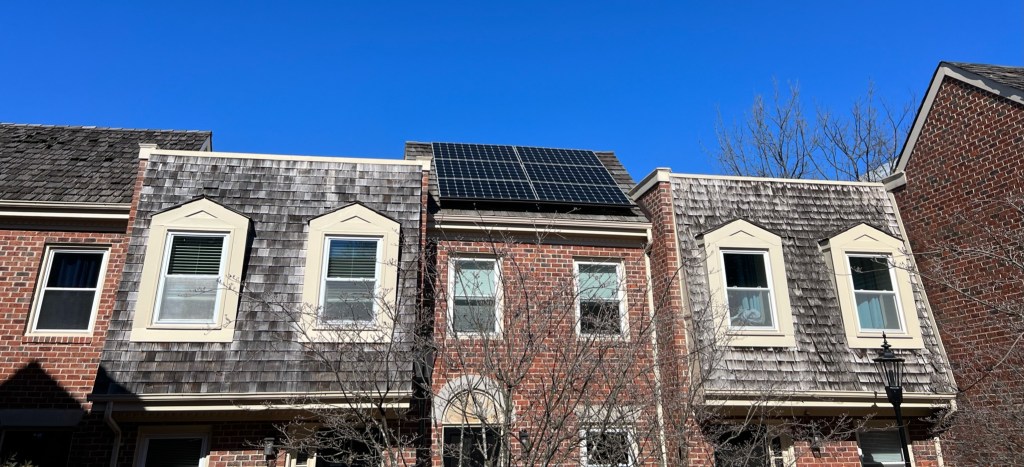
Obviously, I decided that the pros of installing solar panels outweighed the cons for me. But is it the right decision for you? Let my research and rumination benefit you—below are the pros and cons of installing solar panels:

Pros:

  1. The most obvious: solar reduces your electric bill. Not only can solar offset your electric usage, but you could also be eligible for net metering, an electric billing tool that sends the excess power your panels produce back to the electric grid. If in a day your solar panels produce 20kWs and your home only uses 15kWs, 5kWs get sent back to the grid and offset your electric bill.
  2. Your potential monetary savings will increase over time as electricity continues to increase in price year over year.
  3. You should be eligible for federal tax credits, if you own your system. Currently the Federal Solar Tax credit is 30% of the cost for installation (until 2032). So, if your system costs $30,000, you could be eligible for a $9,000 tax credit, thus lowing the net cost of the system to $21,000. Obviously, consult with your tax professional to make sure it works for you.
  4. You also could potentially sell SRECs, or Solar Renewable Energy Credits. SRECs are created for each megawatt-hour of electricity generated from the solar energy system. Some states have created SREC markets to boost solar installations by requiring electricity suppliers (Pepco, BG&E, etc.) to purchase SRECs produced by in-state solar energy systems as part of their obligation under the state’s Renewable Portfolio Standard (RPS). In our area, the District of Columbia and Maryland offer SREC programs. The value of the SRECs can vary state by state and month by month. DC has one of the more robust SREC markets.
  5. Solar panels are low maintenance. You don’t really need to do anything to the panels other than keep debris off of them.
  6. Solar will decrease your dependence on non-renewable resources. Because saving the planet is always a pro.

And the Cons:

  1. The up-front cost can be cost prohibitive. It can cost between $2,750-$4,000 per kW system, so if you have a 10kW system the range should be $27,500-$40,000. Obviously this is a lot of money up-front and it can take years to recoup the cost.
  2. Some HOAs may not allow them or restrict where they can be placed on your home.
  3. If you live in a wooded area or in the shadow of larger buildings, you won’t be able to reap the maximum benefits.
  4. If you don’t own your roof (common element of a condo/co-op), you likely won’t be able to install solar panels.
  5. The overall aesthetic. Let’s be honest: they aren’t the most aesthetically pleasing part of a house.

I have not regretted my decision to install solar panels for one minute. Since doing so, my husband and I have been able to take advantage of the tax credit, we’ve been able to sell our SREC credits (we live in DC), and our electric bills have reduced significantly (we’ve even had negative balances some months). And the most fun part is logging into the app to see how much energy we’re producing.

If you are thinking of adding solar to your home, give us a call at 703-624-8333. Properties on the Potomac would be happy to talk you through the process and make recommendations.

Here are some additional solar resources.