Latest Posts

In recent years, smart home technology has become increasingly popular, offering homeowners greater control and convenience over their living spaces. From security systems to smart lighting, there are a variety of devices available to turn any home into a smart home. And, with real estate in mind, today’s buyers appreciate the added value of a smart home already installed for them. If you’re interested in making your home a smart home, read on…

Start with a smart hub
The first step in making your home a smart home is to invest in a smart hub. A smart hub is a device that connects to all your smart devices, allowing you to control them from a single app. There are several popular smart hubs on the market, including Amazon Echo, Google Home, and Apple HomeKit. Once you have a smart hub in place, you can begin adding other smart devices to your home.

Add smart lighting
One of the easiest ways to make your home a smart home is to add smart lighting. Smart light bulbs can be controlled from your smartphone, allowing you to turn them on and off, dim them, and even change their color. You can also set schedules for your lights to turn on and off automatically, making it look like someone is home even when you’re away. Lighting options include Philips Hue, LIFX, and TP-Link Kasa.

Install a smart thermostat
A smart thermostat is a smart home device that can save you money on your energy bills. Smart thermostats can learn your habits and adjust the temperature of your home accordingly. They can also be controlled remotely from your smartphone, allowing you to adjust the temperature even when you’re away from home. Thermostat options include Nest, Ecobee, and Honeywell.

Consider smart security
Smart security devices can give you greater peace of mind by allowing you to monitor your home from anywhere. Smart security cameras can be accessed from your smartphone, allowing you to check in on your home at any time. You can also receive alerts if the camera detects motion or sound. Other smart security devices include smart locks, which allow you to lock and unlock your doors remotely, and smart doorbells, which allow you to see and talk to anyone who comes to your door. Smart security options include Ring, Arlo, and August.

Add smart entertainment
Finally, you can make your home a smart home by adding smart entertainment devices. Smart TVs can be controlled from your smartphone, allowing you to change channels, adjust the volume, and even launch apps. You can also add a smart speaker, such as the Amazon Echo, Sonos, or Google Home, to stream music, podcasts, and audiobooks throughout your home.

Making your home a smart home can be a fun and rewarding experience. By adding smart devices, you can make your home more convenient, secure, and energy-efficient. Whether you’re looking to add smart lighting, a smart thermostat, or smart security devices, there are plenty of options available to suit your needs and budget.

Want more tips and tricks for upgrading your home and/or making it more valuable for homebuyers? Give Properties on the Potomac a call at 703-624-8333.

Spring is finally here (in case the pollen count had not already alerted you) and what better way to celebrate the season than by exploring the abundance of parks and natural areas that the DC area has to offer? From the lush gardens of the National Arboretum to the tranquil waters of Lake Needwood, there’s no shortage of natural beauty to discover in and around the nation’s capital. Whether you’re a nature lover, an outdoor enthusiast, or simply looking for a peaceful retreat from the city, gather up your favorite food, a blanket, and a friend and head out to one of these beautiful parks in or around DC.

Rock Creek Park: Rock Creek Park is a 1,754-acre park that offers miles of hiking trails, picnic areas, and recreational activities like tennis and golf. Parts of Beach Dr are closed to vehicles making it a fun place to ride a bike, roller-skate/blade, run, and walk! It also includes the National Zoo and the Carter Barron Amphitheatre.

Lake Needwood: Lake Needwood is a beautiful 75-acre lake located in Rockville, Maryland, surrounded by 1,500 acres of scenic parkland. The lake offers a variety of recreational opportunities, including boating, fishing, and hiking on the nearby trails. Visitors can also enjoy picnicking and grilling in the park’s many picnic areas.

Great Falls Park

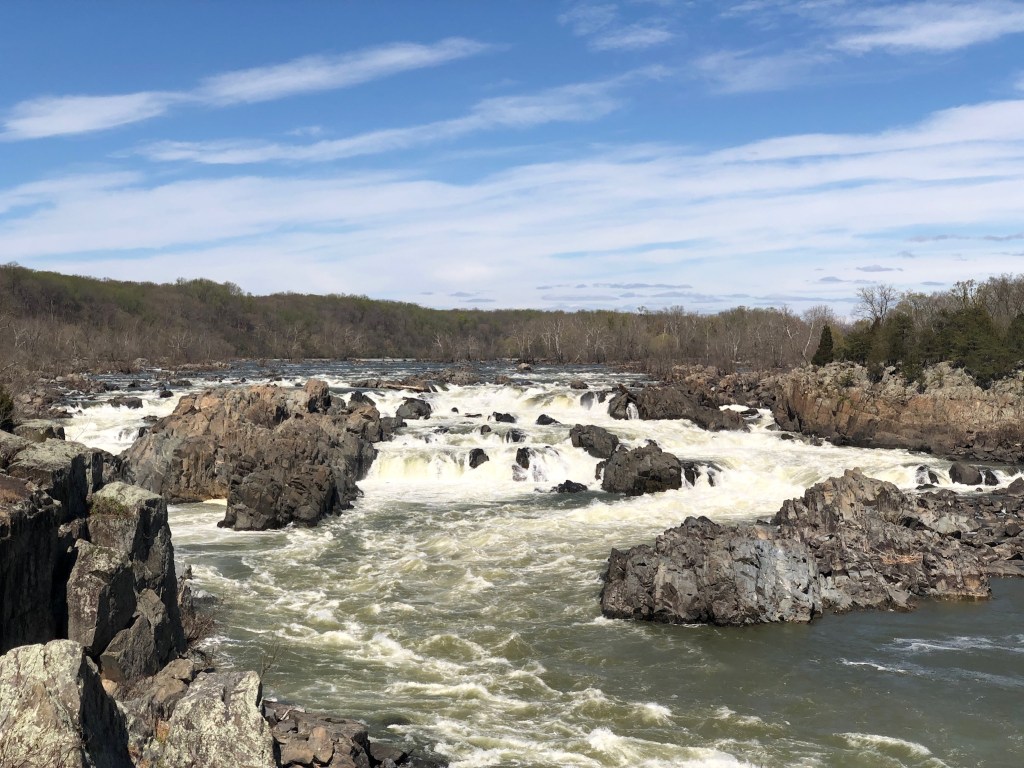
Great Falls Park: Visit Great Falls Park on both sides of the Potomac. Great Falls Park in Virginia is located just 15 miles outside of DC and offers stunning views of the Potomac River and the Great Falls. Want to stay on the Maryland side of the river? There is another Great Falls Park in Potomac, MD. Visitors to both sides can enjoy hiking trails and picnic areas.

Theodore Roosevelt Island

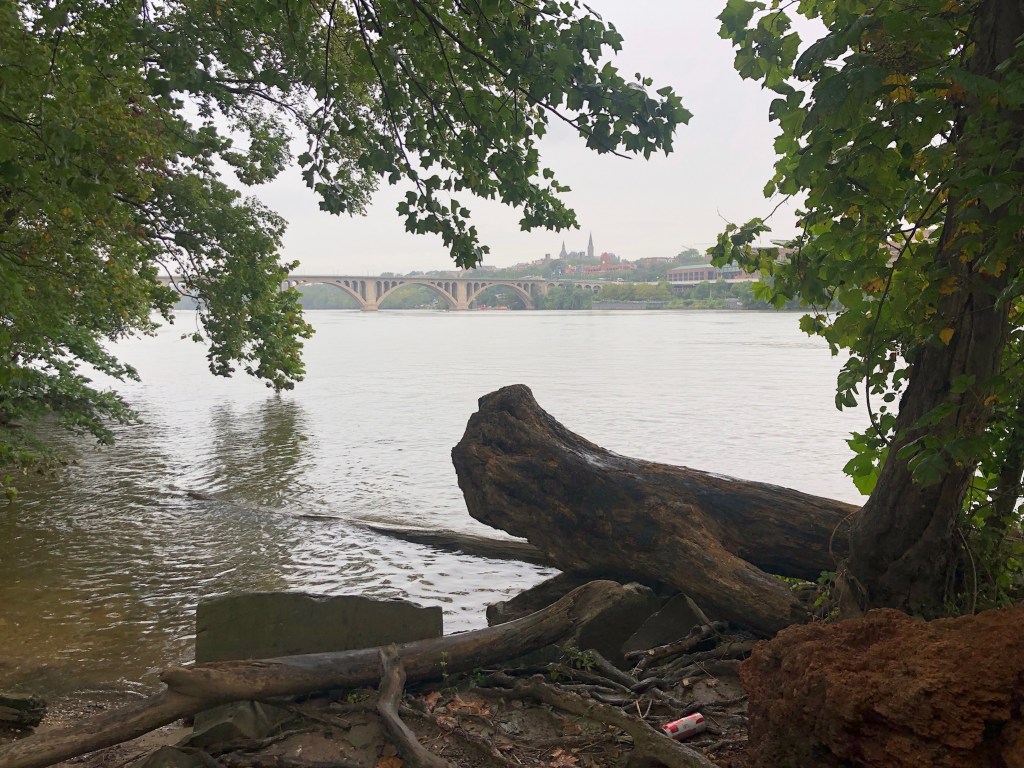
Theodore Roosevelt Island: Theodore Roosevelt Island is a peaceful 88-acre oasis located in the Potomac River, accessible by footbridge from Arlington, Virginia. The island is home to miles of scenic hiking trails, lush forests, and a variety of wildlife habitats. Visitors can also explore the island’s rich history through its monuments and exhibits dedicated to the legacy of President Theodore Roosevelt, including the 17-foot-tall statue of the president located in the island’s central plaza.

Meridian Hill Park: Also known as Malcolm X Park, this park is located in the heart of DC. It is a beautiful 12-acre park that was recently updated by the National Park Service to make it more accessible and added more trees and shrubs. It features a cascading fountain, a historic statue, and a vibrant weekly drum circle.

Kenilworth Park and Aquatic Gardens

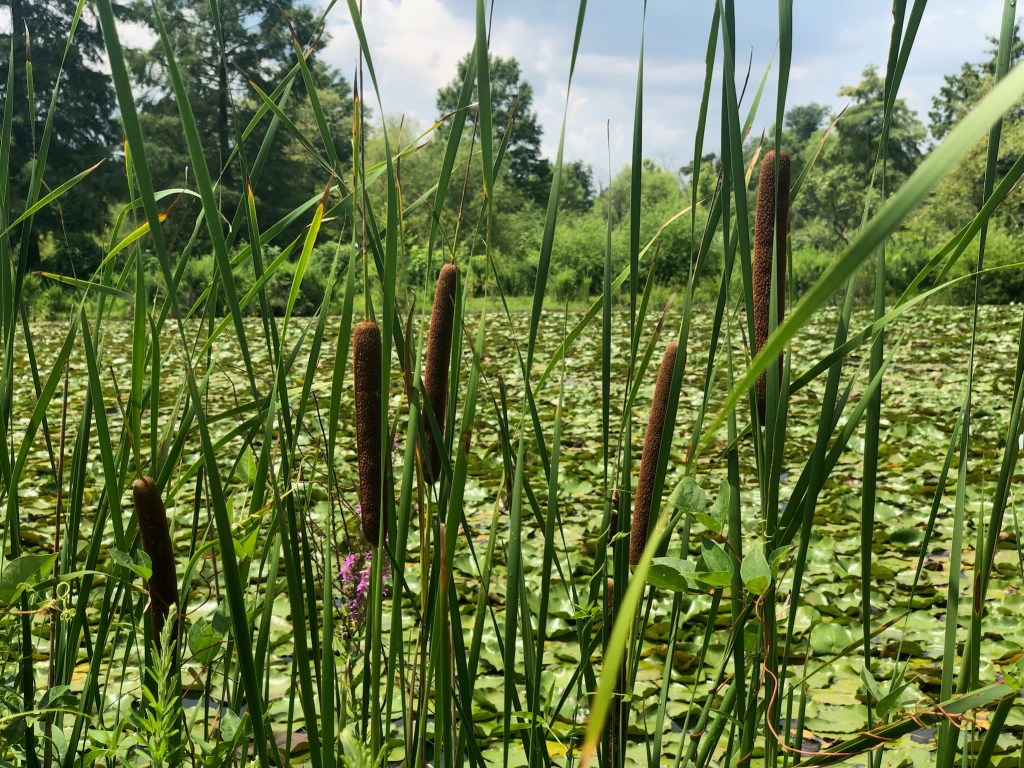
Kenilworth Park and Aquatic Gardens: Kenilworth Park and Aquatic Gardens is a hidden gem located in Washington, DC, offering visitors a unique opportunity to explore the beauty of aquatic plants and wildlife. The park features acres of stunning water lilies, lotus flowers, and other aquatic plants, as well as hiking trails, fishing piers, and picnic areas. The annual Lotus and Water Lily Festival, held July 15-22, 2023, is a highlight of the year, where you can see the lotus and water lilies in full bloom.

Anacostia Park: Anacostia Park is a sprawling urban oasis located in the heart of Washington, DC, offering visitors a wide range of recreational activities. The park’s 1,200 acres includes hiking and biking trails, playgrounds, picnic areas, and athletic fields, as well as access to the Anacostia River for kayaking, fishing, and boating. The park also hosts a variety of events and festivals throughout the year, including concerts, movie screenings, and cultural celebrations. It’s an ideal destination for families, nature lovers, and anyone seeking outdoor fun in the city.

National Arboretum

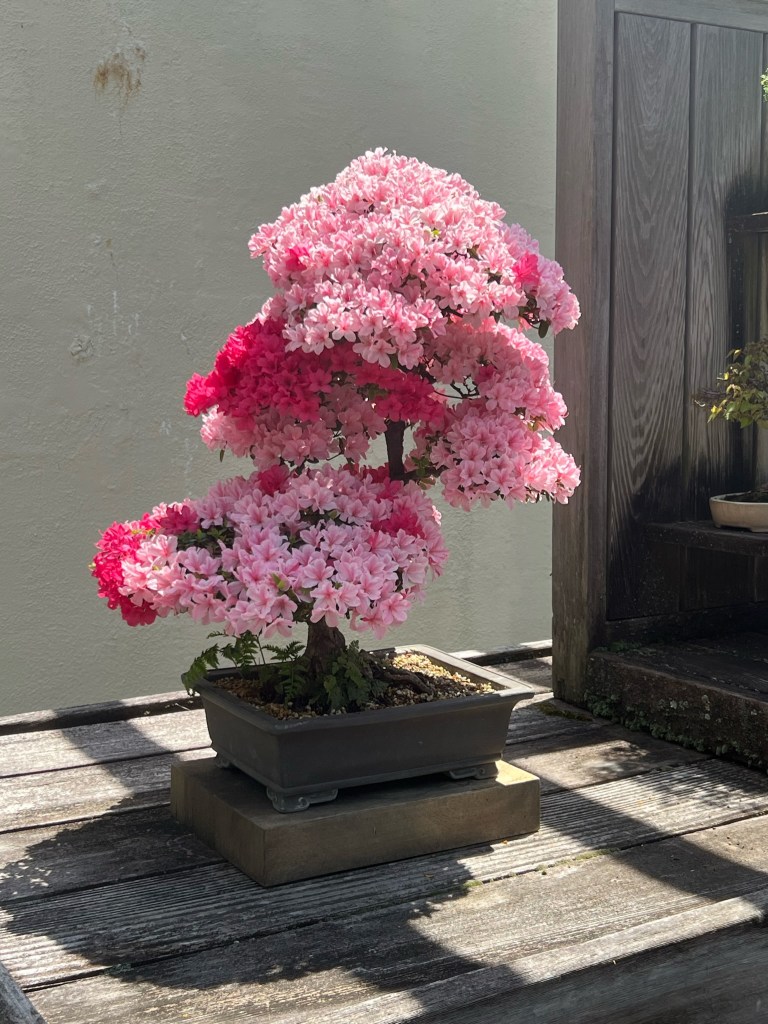
National Arboretum: The National Arboretum is a 446-acre living museum located in Washington, DC, showcasing over 6,000 species of plants and trees from around the world. Visitors can explore the park’s collections through self-guided tours, educational programs, and special exhibits. Highlights of the arboretum include the iconic National Capitol Columns, the Bonsai and Penjing Museum, and the picturesque Capitol Hill neighborhood vistas. It’s a must-visit destination for anyone interested in horticulture, botany, or simply seeking a serene natural escape in the heart of the city.

Fort Washington Park

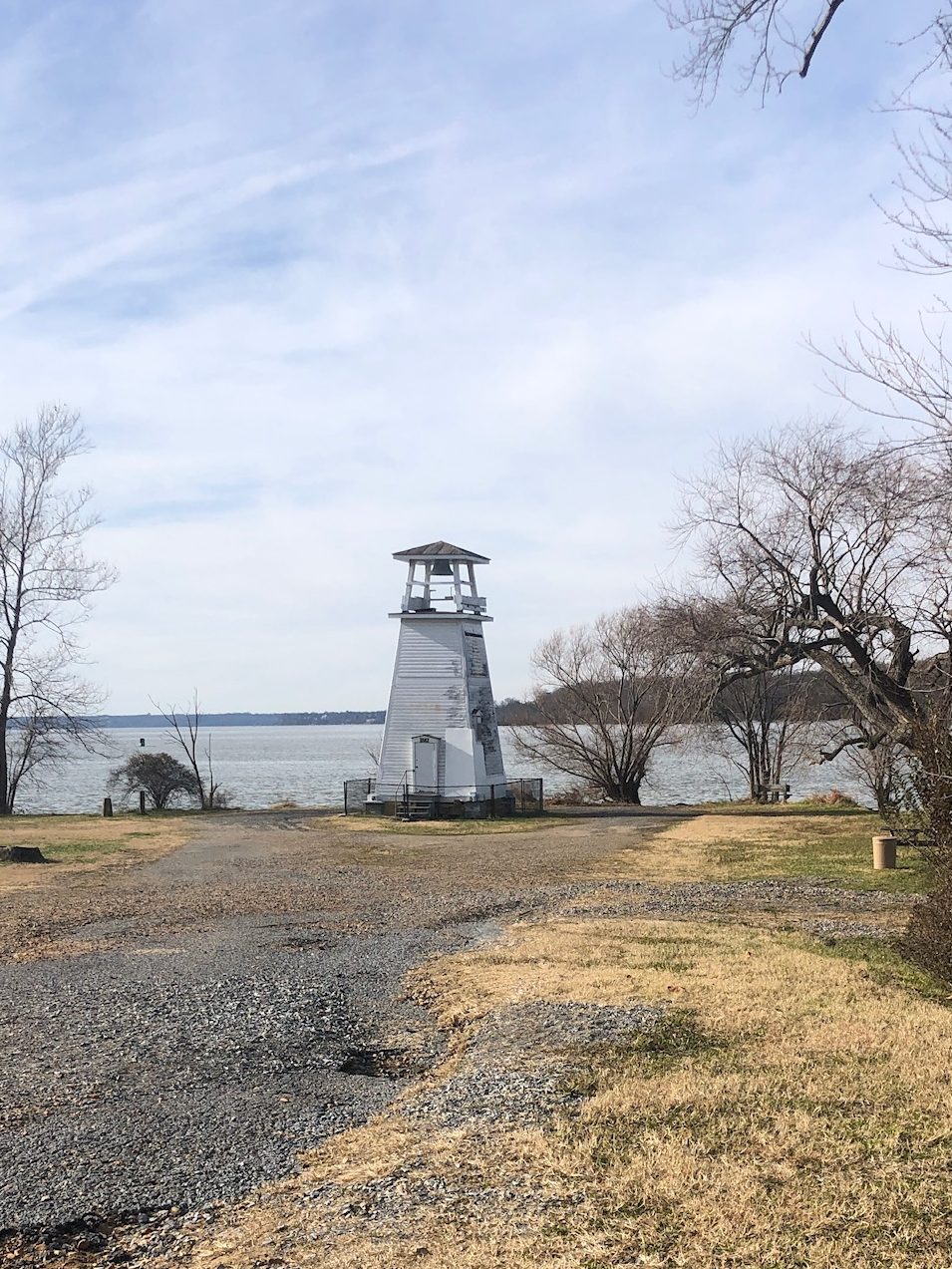
Fort Washington Park: Originally built to defend the river approach to Washington DC, Fort Washington is a historic site located in Fort Washington, Maryland. Visitors can explore the fort’s rich history through exhibits, tours, and ranger-led programs. The park also offers scenic views of the Potomac River and opportunities for hiking, fishing, and picnicking. It’s a great destination for history buffs and outdoor enthusiasts alike.

Huntley Meadows Park: Huntley Meadows is a 1,500-acre natural oasis in Alexandria, Virginia, offering visitors the chance to explore a variety of habitats, including wetlands, meadows, and forests. The park’s boardwalk trails and observation platforms provide excellent opportunities for birdwatching and wildlife spotting. Visitors can also participate in guided nature walks, photography workshops, and educational programs hosted by the park’s rangers. It’s a must-visit destination for anyone interested in nature and outdoor recreation.

Properties on the Potomac realtors know more than just real estate. We can also help you find your new favorite neighborhood park, coffee shop, or restaurant. Give us a call at 703-624-8333 to find your new neighborhood.

Why does one house sell in a day and another on the same street stays on the market? The answer is often an intangible “feeling” that one house provides over the other.

That feeling is happiness. Happy houses sell faster even if they are not perfectly staged and pristine. The occupants have decorated their house with joy and incorporated elements that they love. The house feels authentic and welcoming. Unlike formulaic staging, happiness cannot be “staged.” It has to be accumulated over time in layers and often begins on the day the occupants moved in.

Often, homeowners decorate and improve their houses for “resale” value; not necessarily that the improvement pleases them. That is when the authenticity issues rise. Those who design and furnish their homes to their taste, incorporating personal and family treasures and art, remain authentic to themselves and their homes show it.

Whenever my husband and I bought a new house, I decorated for our taste. I boldly painted two walls in a two-story foyer in a gloss “shutter green.” At the time, beige was the color of choice. Every time we entered our foyer, we were thrilled with the color. Neighbors and family expressed concerns that nobody would buy the house with the colors. The reality was that when we decided to sell it, we received two full price offers almost immediately.

Clients often ask me to give them “permission” to improve their homes for resale value even though they may have just moved in. My response is categorically, “Will this improvement make you happy?”

We spend a lot of time in our houses. Our environment must please us and not a prospective buyer. Tastes and trends change quickly so best to design and enjoy the home for yourself and your family.

When the time to sell approaches, that is when condition and design must be evaluated. Below is a list of improvements to make to improve resale value:

  • Replace carpets
  • Declutter
  • Clear closets
  • Clean landscaping and mulch
  • Seal driveway
  • Have windows washed
  • Replace/remove any worn or broken elements
  • Paint, if walls show wear or if paint is dated
  • Make sure that everything works properly
  • Have the house professionally cleaned

Below are some things not to do in preparation for sale:

  • Do not replace appliances
  • Do not change kitchen or bath counter tops
  • Do not remodel bathrooms or kitchen
  • If the basement is not finished, do not finish it for resale

When we meet with potential sellers, we discuss what it will take to get the house sold. We suggest improvements and staging, if any. Our goal is to make your house sell well and quickly.

If you are considering a move, please contact Properties on the Potomac at 703-624-8333 to review your house and design a plan for making it irresistible.

While scam artists have always been around, modern technology has made their work easier and more effective. Readily accessible public records are fodder for them.

Recently, I received a text with the look and feel of an authentic inquiry. The writer inquired about commissions and timing. When I called the writer, he answered the phone. Our dialogue was typical of a potential seller. They responded with an Outlook email address to my request for their email address. The property address and description matched as well as the name given during our conversation.

The potential “seller” knew about the property’s features, details, and general acquisition information. My intuition had an initial twinge when I learned that the caller was out of town and wanted to sell as soon as possible. My scam antennae were on mild alert. I was planning identity verification measures before concluding the initial conversation.

The property in question was a vacant lot of substantial value. Fortunately, I am familiar with the area and the associated lots. My former investigator self was devising plans to verify the veracity of the caller.

Upon my return to my office, I dug deeper into the owner. I discovered phone numbers that did not match the one from which the text was sent. A phone call to the newly discovered phone number confirmed my suspicions. The caller/texter was a scam. The actual property owner confirmed that they had not spoken to me or asked to sell their lot. The owner was naturally upset. Was he being targeted, was someone trying to steal the lot, or was the texter trying to “tunnel” into my computer network?

How can someone other than the actual owner sell a property? There are many ways. One of the easiest ways is a gullible agent. Forged documents, identity theft, an absentee owner, an owner’s death, and many other scenarios can separate a rightful owner from their property.

What can a property owner do to protect the titles to their properties? Here are some ways:

  • If closing on a new purchase, buy owner’s title insurance. However, enhanced title insurance is typically not available for vacant land.
  • Another option is to subscribe to an identity protection service with a title monitoring option.
  • If you own investment property or vacant land, visit your properties, introduce yourself to the neighbors and ask them to alert you to any suspicious activities or strange or repeated visitors, visits or unexpected surveys.

At Properties on the Potomac, Inc., we are implementing new and higher levels of security to safeguard our community from this form of theft. We are educating our agents, working with professionals, and designing stringent security measures. The increased security measures might seem invasive to callers to our office and agents. Please know that we intend to protect property owners’ rights and never be duped to the contrary.

Through our affiliation with the National Association of Realtors, Northern Virginia Association of Realtors, and the Greater Capital Area Association of Realtors, we have available sophisticated resources and research tools with which we can help protect our clients and our community. If you have questions or concerns about real estate scams, call Properties on the Potomac at 703-624-8333.

I recently showed a home that was set slightly below the road. I was immediately apprehensive.

Obviously not all homes can be built at the top of a hill—if they were, neighborhoods would look more like tiny Tuscan villages. But whenever a house is set below the road or otherwise at the bottom of a hill, you have to worry about water. Maybe the Tuscans had the right idea—they were protected from invaders and water.

Real estate pictures tend to only show the positive attributes of a home, and many times these photos don’t show the house in relation to the surrounding topography. If only technology came with a scratch and sniff feature, we could easily tell if incoming water was an issue without having to be in the home.

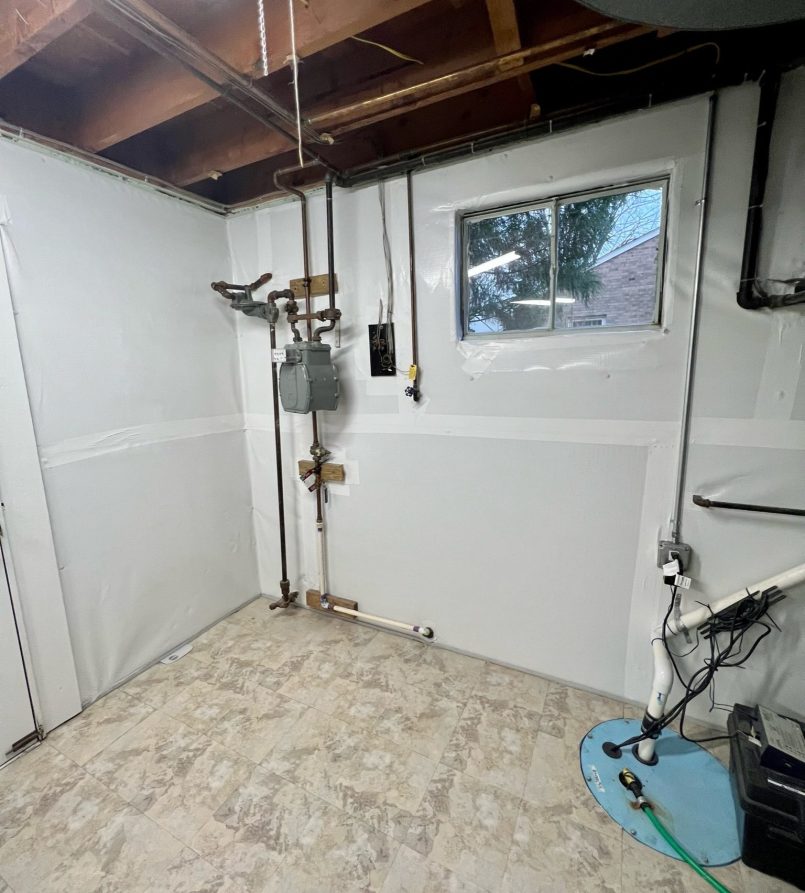
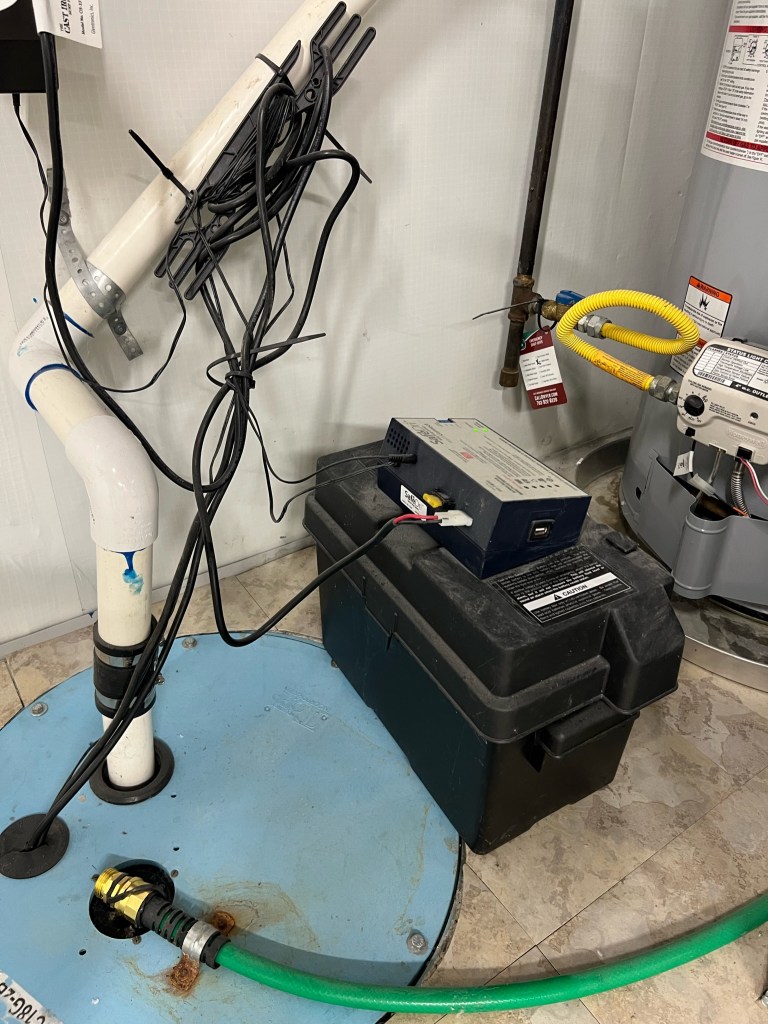
The basement of this home proved my suspicions correct—it had previously had a problem with water intrusion. How did I know for sure? It had been professionally waterproofed. In the unfinished portion of the basement, along two of the perimeter walls, there was concrete repair and a little piece of plastic that sticks out around the edge. These are telltale signs a waterproofing company had trenched around the interior perimeter of the basement and installed a drainage system that empties into a sump pump. The sump pump then pumps the water out and away from the house.


Now the home seems dry, but it will be something that a future homeowner will need to monitor in the future, and it’s definitely something you should know when considering purchasing a house.

If you ever do have issues with water coming into your home, here are some remedies:

1.If there is a sump pump installed, make sure it is working properly. You might also want to consider installing a backup battery on the sump pump in case of power outages.

2. If there are exterior stairs to the basement with a drain at the bottom, that drain must always be kept clear. At the very least, install an elevated drain cover to keep leaves and debris from covering it completely. If possible, consider building a roof over top of the stairs, to direct water away.

3. Extend downspouts away from the home. This can be done hrough a gutter extension kit (either above ground or dig a trench and extend it underground). A rain barrel is another good option, just make sure that the overflow extends away from the home.


4. Landscaping should be slightly elevated and sloped away from the foundation. Aside from the aesthetic, foundation flower beds serve an important purpose. They not only direct water away from the home, but the plants also help absorb any remaining water.

5. Put a cover over any window wells. You can purchase an inexpensive plastic cover from your local hardware store. They come in multiple sizes and shapes depending on what you need. If the window well is in a more prominent part of your home you, you can have a custom one made that is more aesthetically pleasing.

6. Apply a sealant to the interior foundation walls. Interior sealants are not a permanent solution but can help keep humidity levels down in the lower level.

7. Have the home professionally waterproofed. This is an effective, long-term solution to move water away from the foundation of the home.

It is extremely important to keep your home dry. Damp basements can lead to mold and mold can travel through the ductwork of your home, creating a toxic health hazard.

If you have any questions about keeping water out of your basement, reach out to us at 703-624-8333. Properties on the Potomac can help guide you to the right contractor.

Loudoun County, Virginia is the wealthiest and fastest growing county in the country. While these statistics may bring to mind McMansions crowding the landscape, those visions couldn’t be farther from the truth. In fact, the western portion of the county is actually very rural, with breathtaking views. The rolling hillsides are dotted with horses grazing, cows, grape vines, and countless fields of hay, corn, and other crops. Loudoun County is known for horses, horse shows, fox hunting, and multidisciplinary horseback riding from children’s lead line to world class show jumping, Olympic level eventing and dressage. With robust real estate demand, Loudoun is where technology and rural pursuits blend.

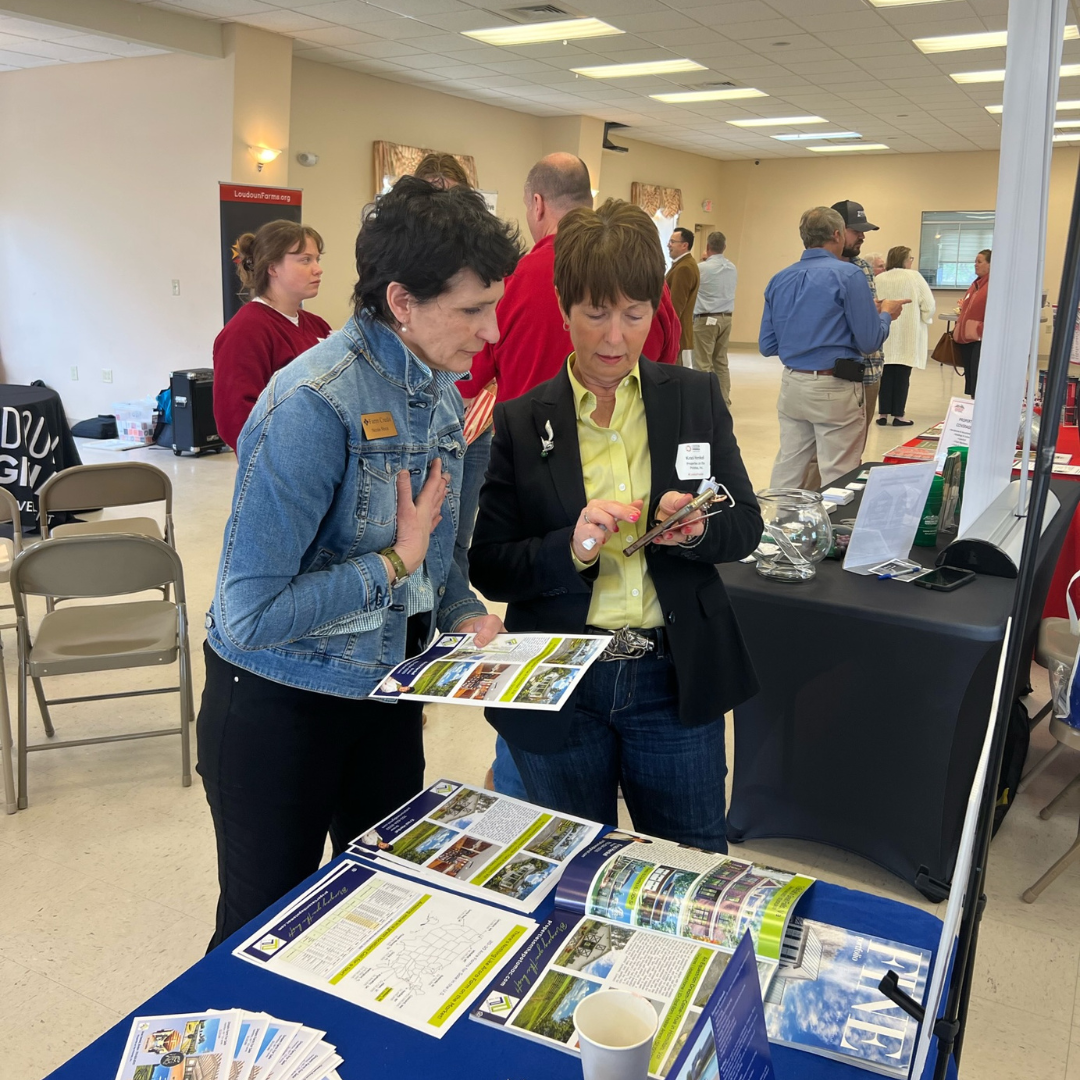
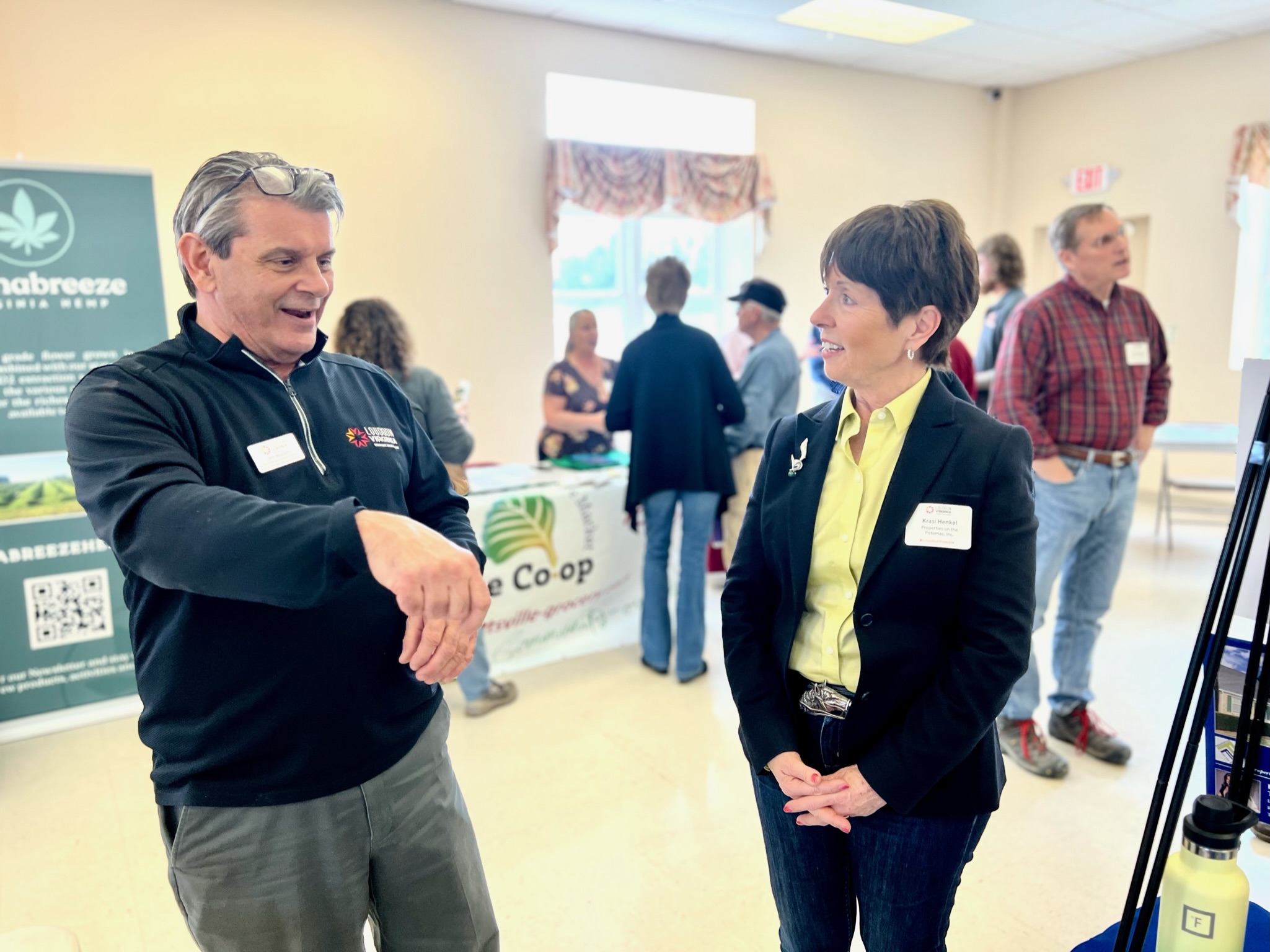
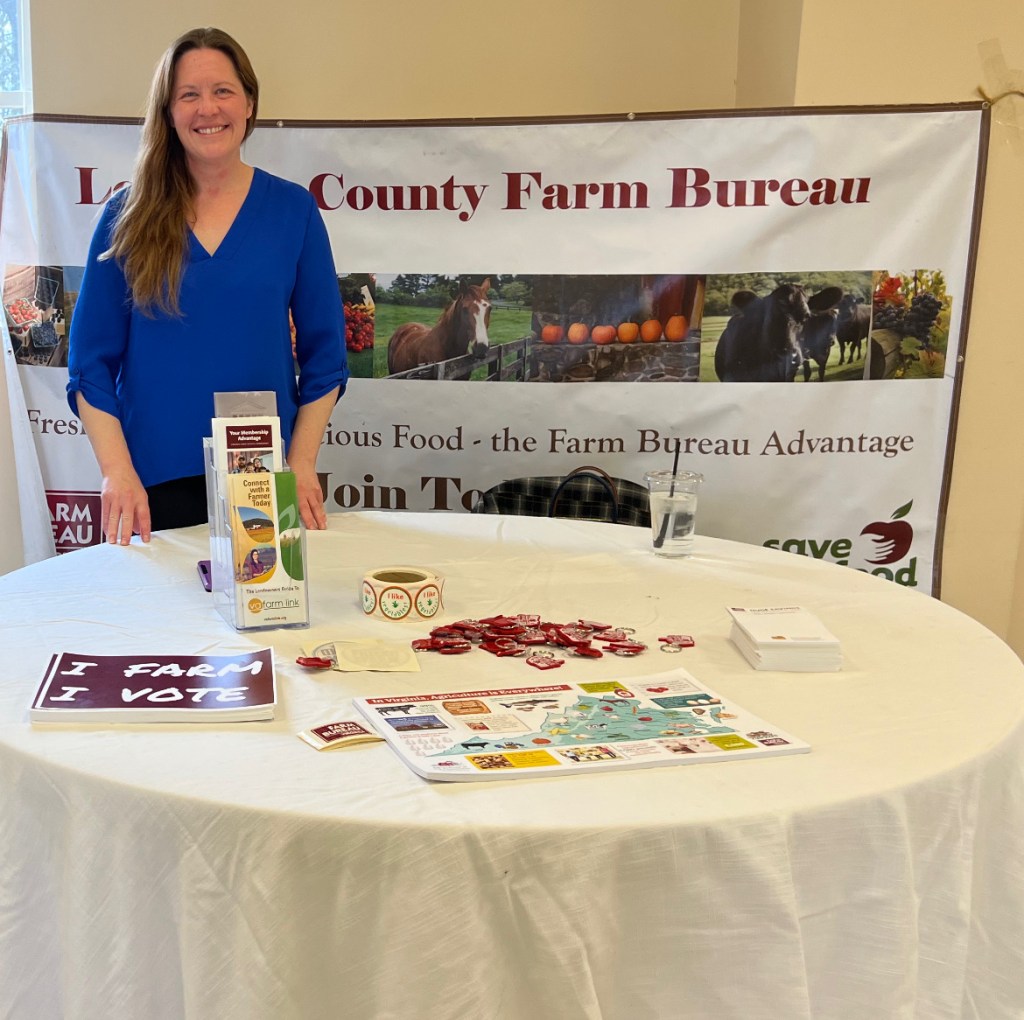
And so it makes sense that the Loudoun County Department of Economic Development recently hosted a Farm Exchange event. As the name suggests, participants discovered, or “exchanged,” resources, suppliers, and service providers related to agribusiness. Those who participated are right here in the community and offer valuable services that can help our clients achieve their agribusiness goals in the upcoming season.

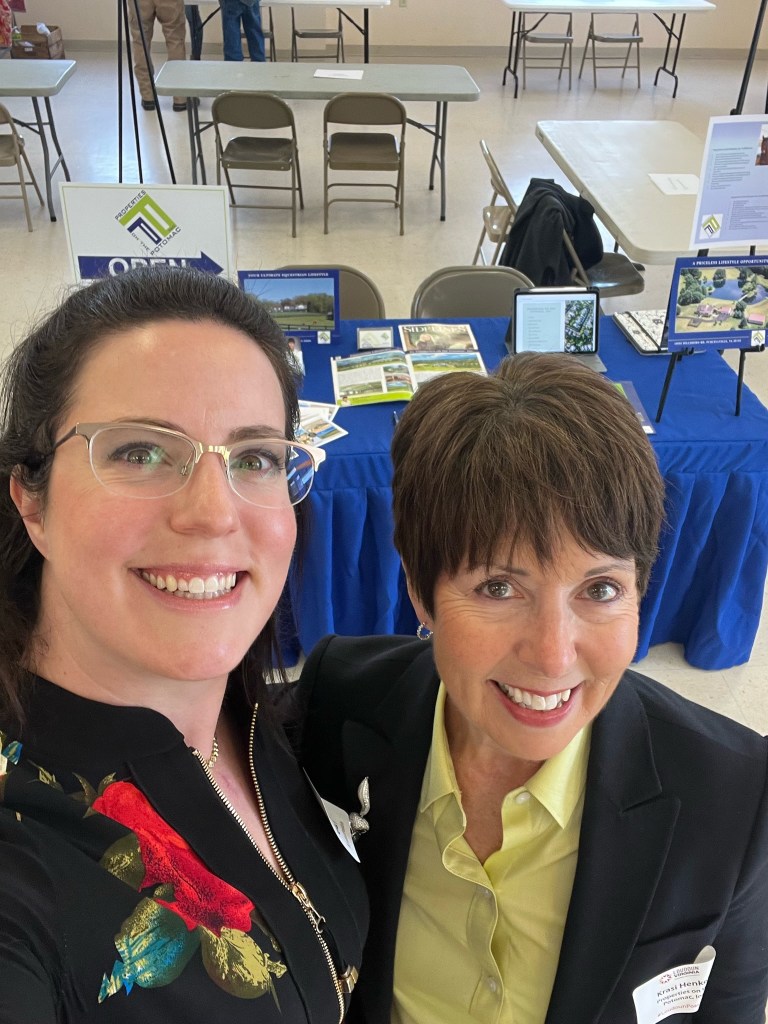
As the only real estate services provider present, we promoted our farm property listings as well as upcoming custom homes. In addition to representing our services, we also forged valuable connections that we can utilize for our clients, including mortgage lenders, barn builders, insurance companies, landscape and tree services, soil and water management, farm equipment sales, rentals, and service, and a number of other businesses that would make any new farm owners’ business and recreation activities more pleasant and efficient.

This was the first such “exchange” and it was well received. Properties on the Potomac was honored to participate, and we look forward to additional events where we can make even more connections for our clients.

Whether you are looking to acquire raw land for development or an existing horse farm, our contacts and recourses can assist with every aspect of land acquisition and development. Contact Properties on the Potomac at 703-624-8333 today!

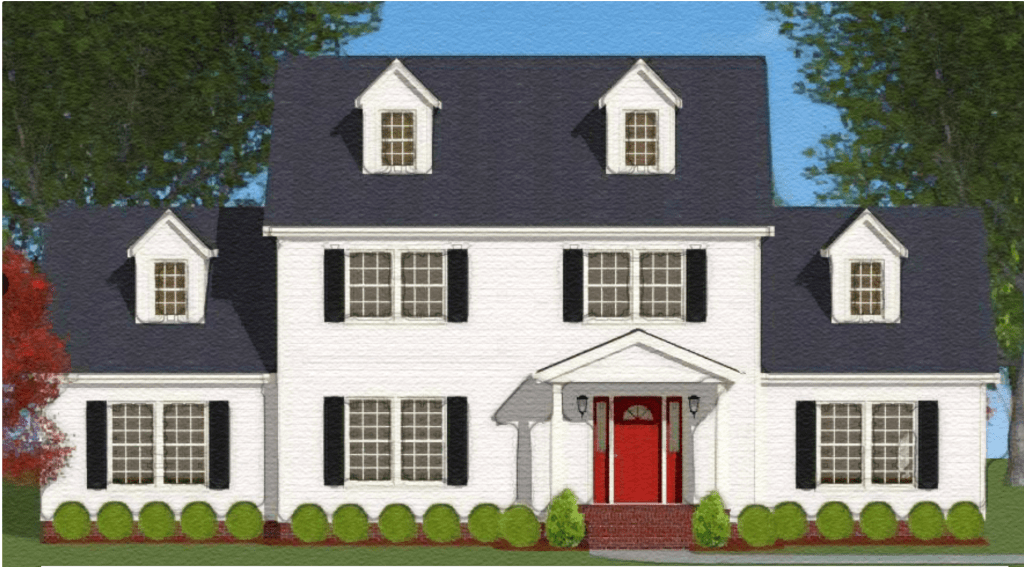
Pre-fabricated homes come in a variety of prebuilt conditions. You may have heard the terms “modular home” or “panelized home” but what do these really mean? Regardless of the name, the ultimate outcome is that the house arrives in some form of units to be assembled on a lot. The idea often conjures up visions of mobile homes or plain houses without character, but the reality of these homes is very different.

Properties on the Potomac has sold homes that were panelized for millions of dollars. In McLean, Virginia, an entire subdivision was developed with modular homes that now resell for over $1.5 million. From a real estate perspective, modular houses can perform similar to those that were stick built on the lot.

Modular homes come in “modules.” Typically, a module would be 12 feet wide. Therefore, many of the rooms in such houses max out at 12 feet. Modules come complete with hung doors, installed windows, and even with drywall.

Panelized homes come in panels ready to assemble. The panels are typically the lumber part of the construction and streamline construction time. Many contemporary designs rely on panels to create the clean lines and tall walls. Panels do not warp and often come pre-insulated.

Another form of panels are precast cement panels used for basement walls. They are taller and energy efficient.

In the modular systems, the houses provide minimum change opportunities from the plans as presented. The key is to find the right plan. These homes save hundreds of thousands of dollars over custom-built or stick-built.

Some of the benefits of using modular include the following:

  • The structure is built indoors and is not exposed to the elements.
  • Because it is not in the elements, the structures remain clean and free of mold.
  • According to the manufacturers, the joints at connections are stronger and more rigid, thus less susceptible to storm damage and soil shifts;
  • The timing of a project is predictable.
  • Modular homes are less susceptible to supply chain fluctuations.
  • Pricing is very predictable and often fixed at time of order.

Modular house square footage can range from under 1,000 to over 5,000. The cost for the package as listed is typically the cost of the building materials. The price does not reflect the cost of land, land engineering, basements and foundations, and water and sewer taps or well and septic development.

The builders that we recommend can build from scratch or build with modules or panels. They can also add to modules, including garages and porches.

If you have considered a custom home only to be discouraged by the high cost of building, let’s explore modular or panelized systems to determine if that would be a good option. Call Properties on the Potomac at
703-624-8333.

The facts indicate that there is a market shift in progress. Higher interest rates with minimal inventory is spurring some sellers to remain aggressive when pricing their homes for sale. Last year at this time, some listings were selling for as much as 33% over their list prices. However, interest rates were in the low 3% range. In the end, it is about what buyers can afford to pay in a monthly payment.

The active homes (for sale) inventory across our region is at historic lows. The current Washington, D.C. Metro inventory is between a 30-60 day (depending on location) supply based on last week’s contract activities.

My market analysis disclosed that the active to under contract prices show a dramatic price disparity of 15% to 60% (location based) higher than the average prices of the properties that went under contract. Accordingly, the average days on the market for the active properties is also 33-57 days longer (about 66%) than the under contract properties.

In our recently wild market, it was impossible to underprice a property because it would get bid up to above its market value. Therefore, the real estate agent’s role was that of order taker and contract dissector. That condition has now changed. Now, the experienced, knowledgeable agent will analyze the market’s activity, study recent comparable sales, and recommend the best pricing for your property to get is sold as quickly as possible because that is when the optimal price will be received.

Under today’s changing circumstances, we often hear, “If they don’t like our price, they can make us an offer.” The reality is that they will not make an offer and will buy another property that they deem better priced. Buyers do not want to get too creative or too aggressive. They do not want to enter into negotiations that could end badly while losing better opportunities.

In any market, an overpriced property will languish. In fact, not only will the property languish, but it will ultimately sell for below market value. The chart below shows how the initial price affects the sales price. You can see the importance of pricing the property correctly from the outset.

If a property is overpriced by five percent, it is not unusual to have a final sales price of 3%-5% below actual market value. Why give up value on the gamble that a buyer will overpay in today’s market?

In our industry, the saying goes, “The first offer is usually the best offer.” The first offer typically comes in quickly with a good price and strong terms. Missing out on that first offer will diminish the seller’s ultimate return.

How is market value determined? The skilled, experienced, and knowledgeable real estate agent knows their market, their buyers’ expectations, and is well connected with the top agents in the area. Their wealth of knowledge and experience will help you make the correct pricing decision.

The bottom line: properties that are priced in line with buyer affordability are selling quickly. Properties pushing prices beyond market values are staying on the market.

Are prices falling? No. Many homes are being priced incorrectly and need reductions to bring them in line with actual market values.

If you are thinking about selling your property this year, do yourself a favor and call one of our exceptional agents for a market analysis at 703-624-8333. You will know that the price you set on your property will be competitive, thus bringing you the best returns.

By Andrea Justus, Properties on the Potomac Realtor

It’s that time of year: the time to plan your garden and start seeds. Vegetable gardening is easy and fun and the prep starts eight weeks prior to planting time. In Northern Virginia, planting time is generally the weekend of Mother’s Day. Although beautiful Spring days are tempting, I have “early planted” and lost a garden or two due to late season snow and cold snaps. I now am a firm advocate of Mother’s Day planting.   

Seeds can be planted directly into the ground for items like spinach, radishes, beets and herbs, as long as the ground is 50 degrees. For non-leafy vegetables, it’s important to start your plants early to get a jump on the growing season. I start tomatoes, eggplant, okra, cucumbers, squash and pumpkins in early March so that by early May the plants are large and healthy enough to withstand weather and insects and flourish. (For pumpkins, you can also sow the seeds in the ground in June for pumpkins in Fall.) March is also a good time to start flowers like Astilbe, Dahlias, and Croscomia. By starting in March, the flowers will bloom early and throughout summer.

What is the best method for starting seeds? There are many approaches, from dirt in a cup to seed-starting trays with heating pads and overhead lights. I make my own seed-starting blend with a Miracle Grow soil, worm castings, vermiculite and peat moss mixture. The mix is approximately 5 parts soil, two parts worm castings, one part vermiculite and a handful of peat moss. This gives the seeds an airy and nutritious start. You can use seed-starting trays or mini pots available at most gardening stores. Solo cups in trays also work well. I start mine in the basement next to the door so they get natural light. I use solar blankets on the ground and behind the seed table to capture any warmth and sunlight available.

Once the seed starts come up, I transfer them to larger cups and plant them deeper. Sometimes more than one transplant is needed. Water lightly every other day so that the soil is slightly damp, not wet. A gentle hand is critical to transferring the seed starts. Plan on starting more seeds than you need plants so that it’s not a crisis if you break a tender shoot. About 2 weeks before planting, start hardening off the plants by putting them outside. Start with an hour or two and gradually increase the time outside. You can also cover the plants while they are outside with burlap to keep them from being wind and sun burned. Once the plants are hardened, get ready to plant your garden in early May. I like to plant and fertilize with Abernethy and Spencer’s TLC. It gets healthy plants off to a roaring start!

I enjoy gardening and sharing the fruits of my labor with others! If you know me, you know I’m a plant person. Happy Gardening!

Need help figuring out the best landscaping for resale value? Reach out to Properties on the Potomac at
703-624-8333 now!

As an extreme analytical, I like to research things to death, ruminate on the findings, ruminate some more, and then maybe–just maybe–make a decision. So when a client mentioned to me that they had decided to install solar panels on their roof, I was intrigued…and then I went down a rabbit hole.

For six solid months, I researched, interviewed solar companies, evaluated cost versus benefit, researched some more, discussed ad nauseum with my husband, and then finally made the decision to install solar panels on my roof.

Obviously, I decided that the pros of installing solar panels outweighed the cons for me. But is it the right decision for you? Let my research and rumination benefit you—below are the pros and cons of installing solar panels:

Pros:

  1. The most obvious: solar reduces your electric bill. Not only can solar offset your electric usage, but you could also be eligible for net metering, an electric billing tool that sends the excess power your panels produce back to the electric grid. If in a day your solar panels produce 20kWs and your home only uses 15kWs, 5kWs get sent back to the grid and offset your electric bill.
  2. Your potential monetary savings will increase over time as electricity continues to increase in price year over year.
  3. You should be eligible for federal tax credits, if you own your system. Currently the Federal Solar Tax credit is 30% of the cost for installation (until 2032). So, if your system costs $30,000, you could be eligible for a $9,000 tax credit, thus lowing the net cost of the system to $21,000. Obviously, consult with your tax professional to make sure it works for you.
  4. You also could potentially sell SRECs, or Solar Renewable Energy Credits. SRECs are created for each megawatt-hour of electricity generated from the solar energy system. Some states have created SREC markets to boost solar installations by requiring electricity suppliers (Pepco, BG&E, etc.) to purchase SRECs produced by in-state solar energy systems as part of their obligation under the state’s Renewable Portfolio Standard (RPS). In our area, the District of Columbia and Maryland offer SREC programs. The value of the SRECs can vary state by state and month by month. DC has one of the more robust SREC markets.
  5. Solar panels are low maintenance. You don’t really need to do anything to the panels other than keep debris off of them.
  6. Solar will decrease your dependence on non-renewable resources. Because saving the planet is always a pro.

And the Cons:

  1. The up-front cost can be cost prohibitive. It can cost between $2,750-$4,000 per kW system, so if you have a 10kW system the range should be $27,500-$40,000. Obviously this is a lot of money up-front and it can take years to recoup the cost.
  2. Some HOAs may not allow them or restrict where they can be placed on your home.
  3. If you live in a wooded area or in the shadow of larger buildings, you won’t be able to reap the maximum benefits.
  4. If you don’t own your roof (common element of a condo/co-op), you likely won’t be able to install solar panels.
  5. The overall aesthetic. Let’s be honest: they aren’t the most aesthetically pleasing part of a house.

I have not regretted my decision to install solar panels for one minute. Since doing so, my husband and I have been able to take advantage of the tax credit, we’ve been able to sell our SREC credits (we live in DC), and our electric bills have reduced significantly (we’ve even had negative balances some months). And the most fun part is logging into the app to see how much energy we’re producing.

If you are thinking of adding solar to your home, give us a call at 703-624-8333. Properties on the Potomac would be happy to talk you through the process and make recommendations.

Here are some additional solar resources.