Take a Close Look Today

by Krasi Henkel

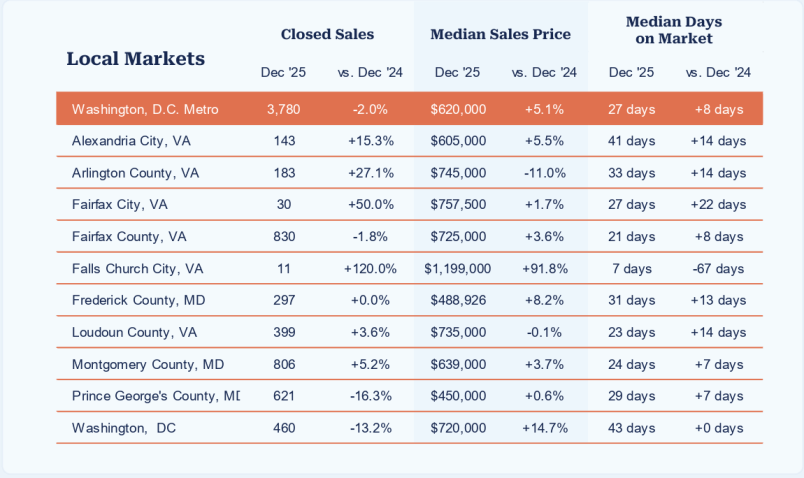
Cold weather changes the rhythm of our homes. We shift from open windows and outdoor evenings to warm fireplaces, hot tea, and the satisfying quiet of a winter night. Yet winter requires more than comfort. It asks that we protect what protects us. A thoughtful checklist now prevents emergencies later.

Protect Pipes from a Cold Night

Few things interrupt a peaceful winter evening like a frozen pipe. When water turns to ice, it expands and can burst pipes behind walls or beneath floors. The damage is both expensive and preventable.
Insulate exposed pipes in garages and crawl spaces. Keep interior temperatures steady, especially overnight. If you plan to be away, leave the heat set above fifty-five degrees. A winter night is no time for the house to fend for itself.

Ice Dams and Rooflines

Snow on the roof is picturesque until warm air beneath melts it, and it refreezes at the eaves. The ice forms a dam, and water has nowhere to go except beneath shingles. It is the hidden kind of problem that appears in March when ceilings become discolored.
Proper attic insulation and ventilation keep temperatures uniform. Clean gutters before the first snowfall, and if heavy snow arrives, use a roof rake from the ground. Let the roof stay cold. That is the goal.

Walkways and Concrete Surfaces

Salt seems like a winter necessity until one remembers that salt breaks down concrete. Over time, it erodes driveways and walkways. The better approach is calcium magnesium acetate or similar products that are kinder to surfaces.
The real secret is prompt snow removal. The less ice forms, the less melting product you need.

Doors, Windows, and Storm Doors

Winter air knows how to slip inside. A loose latch or worn weather stripping can make a room feel twenty degrees cooler.
Take a moment when you close storm doors. Listen for the latch. Check windows and sliding doors for small gaps that invite drafts. Replace worn seals. Secure latches. These are small details that make a noticeable difference on a January morning.

Fireplaces, Embers, and a Cautionary Note

A winter fireplace is one of life’s quiet luxuries: a chair nearby, a warm beverage, and the comfort of real heat. Yet fireplace ash carries a danger many homeowners underestimate. Hot embers can remain active for hours.


Never dispose of them outdoors or in the yard. A breeze can reignite ash and send embers toward siding, mulch, or wood structures. Always place ashes in a metal container with a lid, kept away from the house, until fully cooled. It is a simple precaution that prevents a house fire while everyone is asleep.

Winter Should Be Enjoyed

The purpose of preparation is not worry. It is confidence. Once the essentials are handled, winter can be what we hope it will be: evenings by the fire, comfort in familiar rituals, and the quiet pleasure of knowing the house is ready.

Here’s to enjoying the season prepared and protected.

Nestled in Virginia’s northwest corner, Western Loudoun County represents one of the region’s most distinctive real estate markets. Properties here offer a captivating blend of agricultural heritage and contemporary country living, with investment opportunities ranging from historic estates to luxury new construction. Rolling hills dotted with stone fences frame breathtaking Blue Ridge Mountain vistas, creating premium viewsheds that significantly enhance property values.


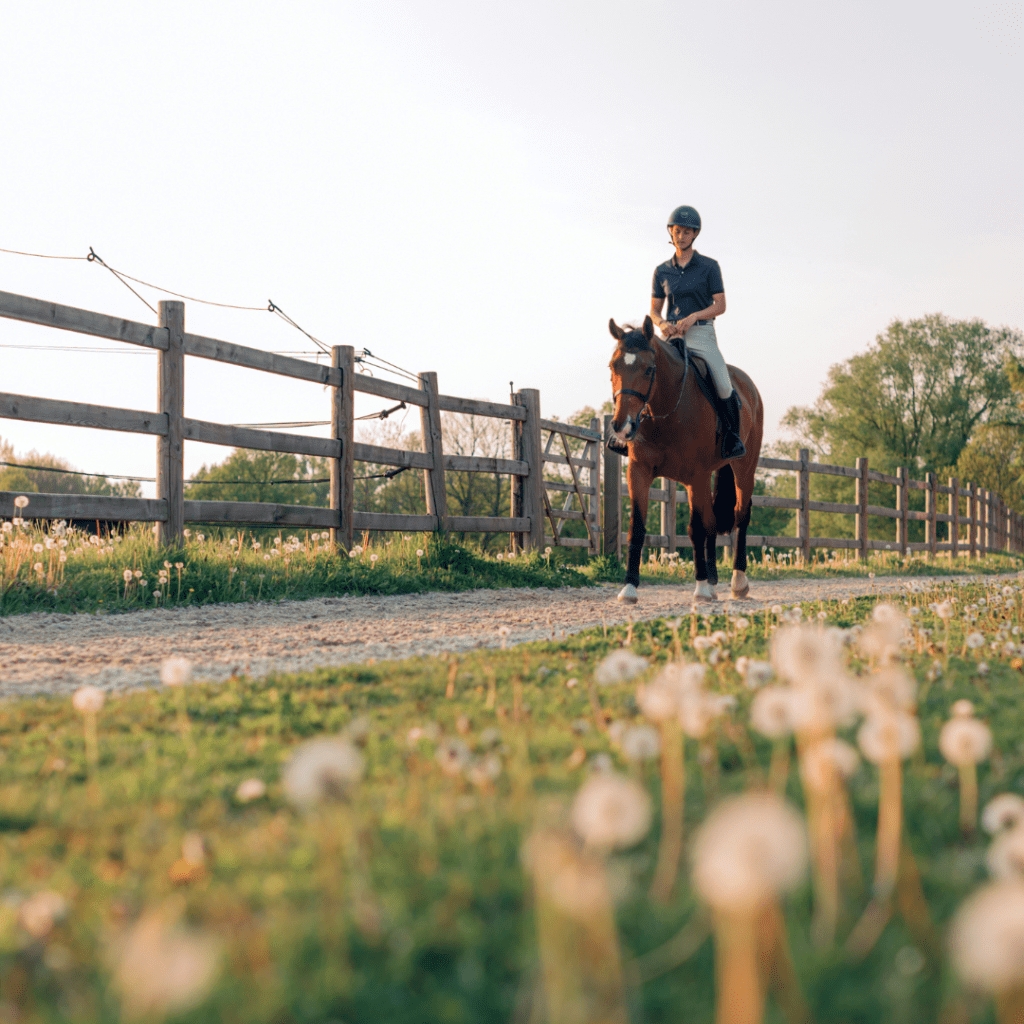
The region’s thriving agribusiness sector supports strong agricultural property demand, from century-old family farms to boutique agricultural ventures. Over 45 award-winning wineries have established Western Loudoun as Virginia’s wine country epicenter, driving specialized vineyard property values. The robust equestrian market features everything from modest hobby farms to world-class training facilities, with proximity to riding trails and hunt country commanding premium pricing.

Western Loudoun proudly preserves its rich foxhunting tradition through prestigious hunt clubs like Loudoun Hunt and Middleburg Hunt. Properties within established hunt territories often enjoy enhanced market appeal and stronger value retention, particularly among equestrian buyers.


Families invest here for top-rated public schools and prestigious private academies. The real estate market benefits from exceptional recreational amenities, charming historic towns, and proximity to Washington DC, creating a perfect balance of rural tranquility and metropolitan access that continues to attract discerning buyers seeking authentic country living without compromise.

If you are considering quality of life and a upscale rural lifestyle, contact our broker, long-term resident, and equestrienne, Krasi Henkel at 703-624-8333, to discuss your goals and options.

“How is the market?”

This is our most frequently asked question. It is understandable given low inventory, rising interest rates, and homes often selling for over list price. Real estate headlines can seem daunting. Headlines notwithstanding, our market is still active. Home values climbed at about 3.5% in the first half of this year as demand continues to outpace supply.

The key to this market is being an educated buyer or seller. Now more than ever, working with the right agent is critical. Selecting a savvy, experienced agent who will give you expert guidance will make all the difference in this competitive market.

Our proven systems help our clients find the right homes and make the best offers. Our success speaks for itself. We leave no details to chance. Our sellers optimize their properties to attract the most qualified buyers who are ready to move quickly.

Today’s most successful real estate agents are taking advance reservations from qualified clients. By planning ahead and partnering with a top agent, buyers and sellers can still achieve their property goals, even in this fast-paced market.

Bottom line: real estate remains an essential need and purchases are happening every day. With the right preparation and guidance, your real estate goals can absolutely become reality. The key to our clients’ success are our well-honed systems.

Do you have real estate plans for 2024? Connect with Properties on the Potomac at 703-624-8333 to start strategizing for your next move!

“My house is the red brick one . . .”

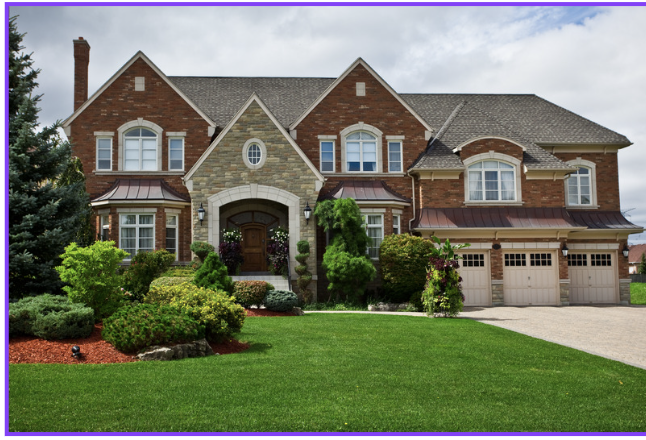
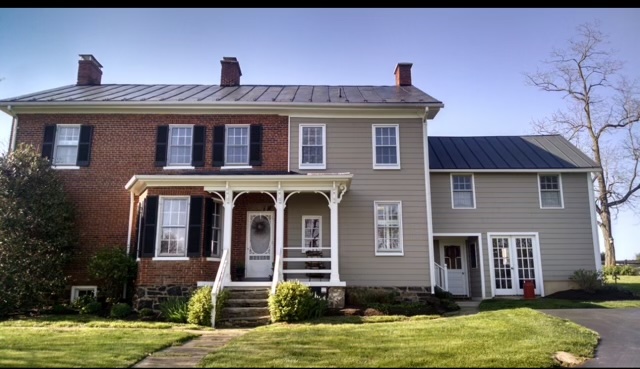
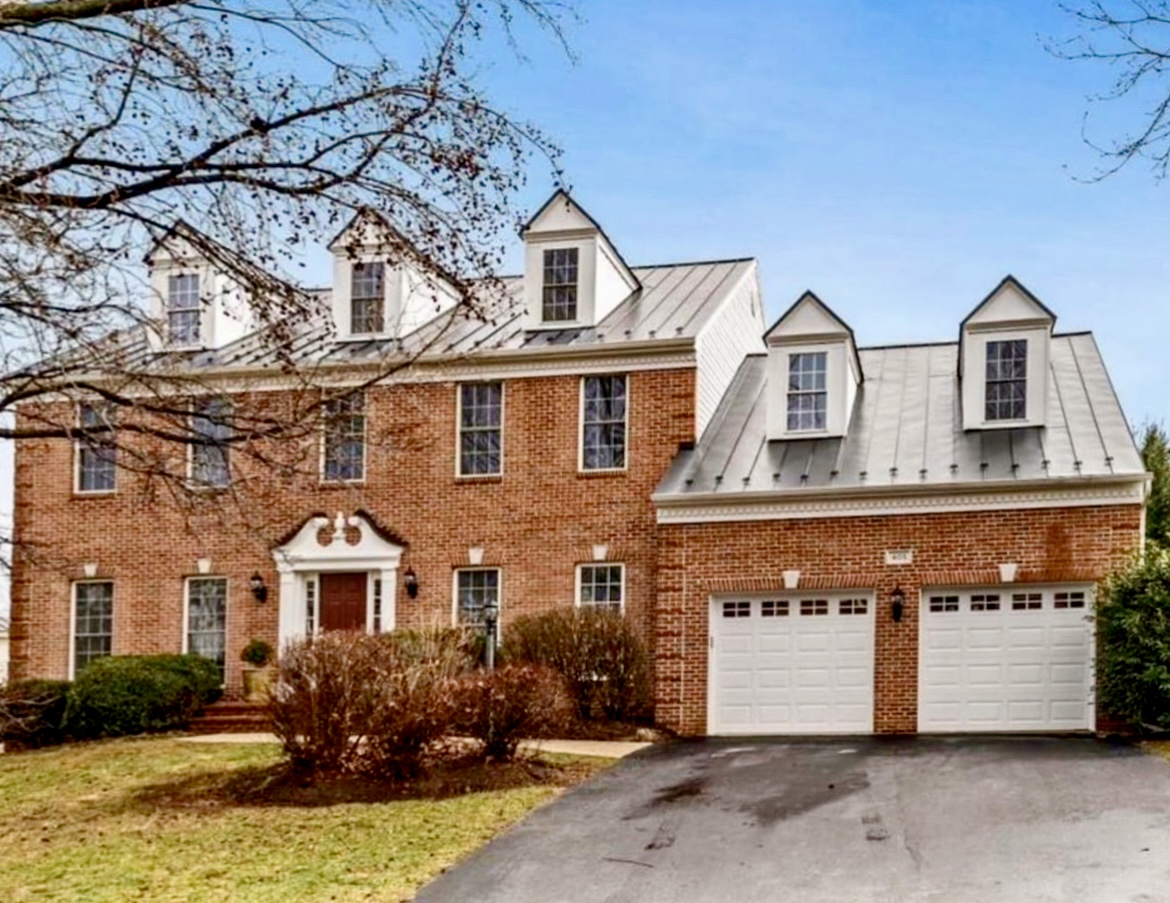
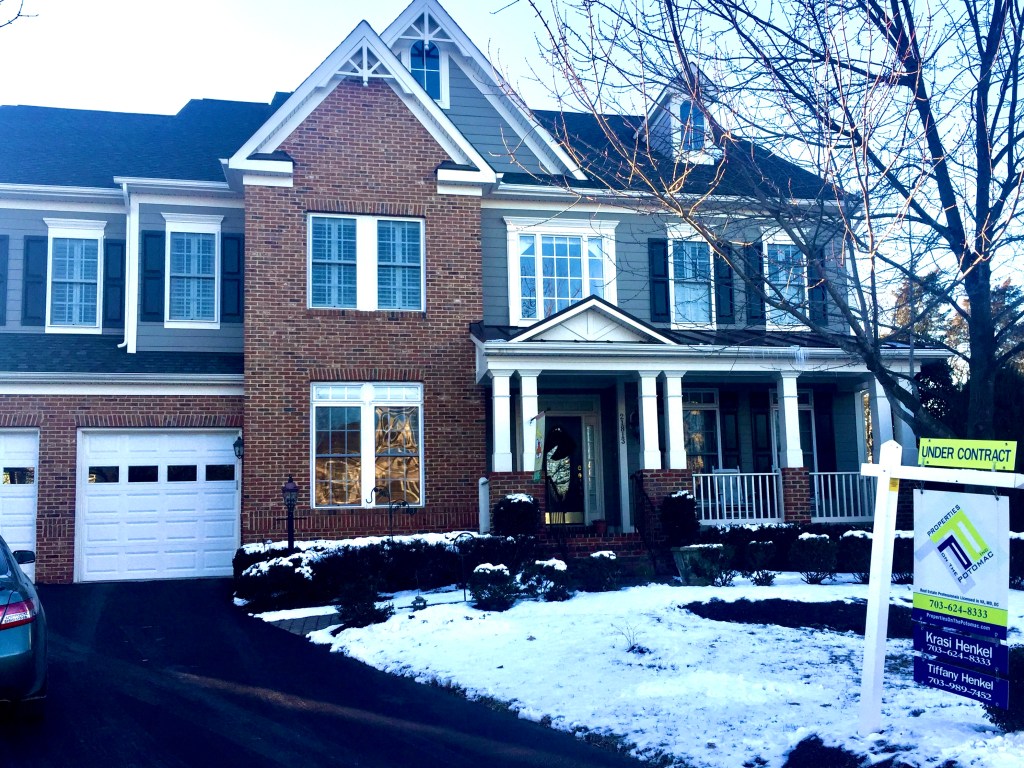
Red brick is distinctive. It has commanded attention over the centuries and does not disappoint today. The Victorian red brick house dates back to the 1870s and was typically a sign of wealth among homeowners, as yellow bricks were far less expensive.

The Empire State building, completed in 1931, is faced with 10 million red bricks. At the time of its opening, it was the tallest building in the world. Why the choice of red brick instead of some other color?

All bricks are not alike. Bricks are classified by color, class, size, and purpose of use. The bricks used to face residences are typically “First Class Bricks.” These bricks are thoroughly burnt, and are copper, dark red, or cherry in color. The bricks should be free of cracks, flaws, or stones. Their texture must be uniform and not be able to be scratched or dented by a fingernail. When two bricks are struck together, they should have a metallic ring. They should not absorb water and lime must not be visible in a brick fracture.

Bricks are made of clay and earthen components. The clay or material used affects the color and class of the bricks. Additionally, the length of time of “firing” affects the color. Extra burning makes a browner brick. Red bricks have to be made “just right” to optimize color and important features.

Because of the careful process needed to create the red bricks, the cost increases accordingly. Lighter colored bricks will have sand or even cement in their mix. Sand based bricks are more porous, thus less water resistant. Those bricks require sealing to remediate water absorption. There was a building in Washington, D.C. constructed with a very attractive red brick façade. Its sides and back were covered with yellow brick. If heavy rains hit from a particular direction, the interior walls of that building became damp. The walls behind the red bricks of the façade remained dry.

In short: the color of brick chosen for a home makes a statement. With today’s technology in brick manufacturing, more colors are available that qualify as first class. And while red brick may no longer be considered prestigious, a red brick house typically sells faster (subject to many other criteria) than a lighter colored brick, or homes clad in other materials.

Looking for your perfect red brick home? Call or text us at 703-624-8333.

It was almost exactly nine years ago that my husband and I purchased our townhome in Washington, DC. It was about eight years and nine months ago (who’s counting?) that I joined our HOA board as Treasurer.

HOAs, or Homeowners Associations, (or COAs/Condo Associations) sometimes get a bad rap. Some people view them as intrusive or overbearing, but HOAs are critical to maintaining many communities and even increasing the value of your home in many instances.

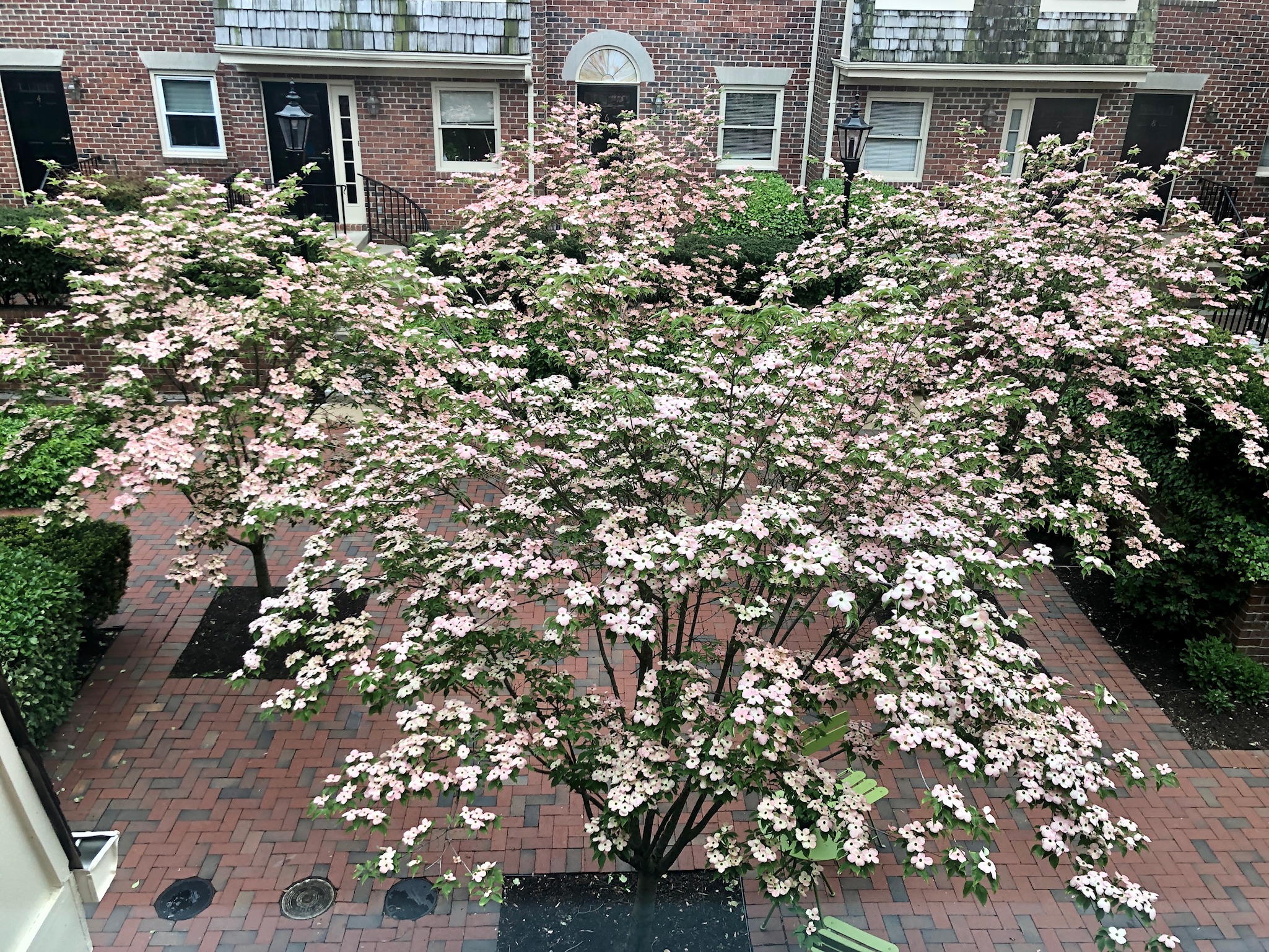
For what it’s worth, I’m still the Treasurer of my HOA (and have recently joined the board of an investment property as well). And the President, secretary, and architectural review board are all still the same people as well. We’ve developed wonderful friendships and have worked to oversee projects big (replacing the entire brick courtyard) and small (planting flowers in the courtyard.) These projects have been integral to maintaining the value of our investment and our community is thriving, well taken care of, and a place I can proudly call home.

Obviously I’m fully on-board and involved with my HOA. Whether you love them or hate them, here’s why you should be involved, too:

  1. Be “in the know” about what is going on in your community. Learn about what projects are planned, how your monthly fees are being spent, when the next community yard sale is, etc…
  2. Be a decision maker. You help decide which projects to prioritize and how the money is spent.
  3. It looks good on your resume. Taking an active leadership role should go on your LinkedIn profile and potentially on your resume. If you are looking to move up in your career, having extracurricular volunteer leadership activities can only help.
  4. Change the status quo. Many associations have had the same rules and regulations in place for years, but they may not be relevant to the times. For example, an HOA might require all front yards to be planted with a specific type of grass. What if that grass no longer grows well in that location? What if you would rather plant clover or flowers for lower maintenance? There are many HOAs that will not allow solar panels or EV chargers. If yours is one of them, consider trying to make that change. I have worked with many clients who view these outdated rules as dealbreakers. For a good laugh, google “weird HOA rules” and you’ll come up with some strange ones like a garage sale dress code or no blue trampolines.
  5. Your property value will thank you. If you have a well-run HOA that makes sure the grass is cut, trees trimmed, snow plowed, trash picked up, etc… and your community looks nice, your home will increase in value tenfold over the community that lets itself fall into disrepair.
  6. Make new friends. We all know that it is much harder for adults to make new friends than it is for children. Why not make it easier on yourself and get to know the people literally in your back yard? What we’ve learned over the past 3 years of a pandemic is that community is an important part of social connection. We spent many evenings out in our courtyard, distantly socializing with our fellow neighbors. It helped keep us all sane.

Help yourself and your neighbors by getting involved in your HOA or COA. You can start small by going to meetings, and then consider pushing yourself to take it one step further and joining the board. Your community and board will thank you. You have nothing to lose.

Are you looking for a home with or without an HOA? Give us a call at 703-624-8333 today!

“We plan to list in spring.”

Most people believe that selling their homes in spring (after March 21) is the best time. However, that is not real estate’s “spring” market.

Real Estate in no longer just regional, but national and even global. What happens in one area affects many others. Our properties in the Washington, D.C. Metro area are affected accordingly. Making decisions that affect one of your largest assets must be made with all of the best possible information. With this in mind, below are the five reasons to consider listing your property for sale now:

  1. We are not in last year’s market. There are no guarantees of unlimited buyers.
  2. The economy and corresponding interest rates are volatile.  
  3. In our decades of professional experience, the BEST time to sell is January, February, and March.
  4. Buyers have been planning their moves before the holidays and purchase after the holidays.
  5. Because most people count on the later market, the serious buyers have already made their decisions and purchased; leaving the inventory of listings to increase while the pool of buyers declines.

An example is from the post-2007 recession market: a client was being relocated to another state. They had to sell their home. We recommended listing it in February. After completing their presale activities, we put the house on the market in February. The first three groups who toured the house made competitive offers. Our clients made their move according to their best plans. Several months later, their neighbors listed their house for sale. Their house remained on the market for considerably longer than our clients’ property; selling with a single offer for slightly below my clients’ price.

In volatile markets such as this, delays can be costly.

If you are planning to sell your property this year, please contact us today so that we can help you make your best plans. Call or text us at 703-624-8333.

Here we are – the beginning of 2023 ! You have been waiting to make decisions and commitments until the holidays are over. Now what?

If you are thinking of moving – up, down, around, or away – here are a few tips to help you structure your activities:

  • Decided whether you want to sell or keep your current real estate. Either way, consult a competent real estate broker. The possibilities are endless and your investment and risk are huge. Be selfish and work with the best (that would be us – read our website and see for yourself).
  • If you plan to sell, list long before you want to go on the market. That way pre-marketing excitement can bring the best buyer.
  • Go through all the nooks and crannies of your home (that includes closest that you often use). Start with all off-season belongings first. Decide whether you will keep, toss, or donate.
  • If you have a home of 2000+ Square Feet, know that it will take you several weeks to complete the culling and packing.
  • Be smart and not impulsive. There are many garments and things, that due to the current circumstances ,have remained unworn or unused. Do not throw away anything on a whim. It doesn’t matter if it makes you happy if you will need it later. You will buy it back for more money and of lesser quality. Keep your stuff. Your happiness will compound with lower bills. Be a good steward.
  • Do not make capital investments in your current home unless it will be a coat of paint and some flooring. Keep it simple. Do not replace appliances with stainless steel.
  • Chose a smart real estate agent who knows what sells and what brings in the most return for your investment. – Again, that would be us – not bragging, just the facts.
  • In 2022, our listings sold for 105% of list price and our buyers paid 95.5% of list price. How is that? Ask us.
  • We’ll be happy to show you how you can benefit from our 35 years of experience in all sorts of markets.

Looking to make a move in 2023? Give Properties on the Potomac a call at 703-624-8333!