If you think of the word “cottage,” what do you see?  Do you envision images of warmth, coziness, and flowers climbing on front porches? Or maybe a smaller, less ornate house, and a lifestyle of tranquility and serenity.

A cottage may look different depending on the beholder, but one thing that is certain is that the term describes a category of house and a lifestyle rather than an architectural style.

Historically, the term was used to denote more than charm and tranquility. During the Gilded Age in Newport, Rhode Island, the “Summer Cottages” were anything but today’s typical image of a cottage. There, the opulent and sumptuously appointed summer retreats were built to outshine one another among the wealthy elite during the summer months of vacationing and partying.

Today, the term has evolved to denote a quaint, cozy, charming, smaller house, often in a more rural setting, although cottages can be found in some cities as well. There are thatched-roof cottages in the English countryside, Tudor-style cottages on both sides of the Atlantic, and even fairy tale cottages in, well, fairy tales. Among the more famous cottages is Green Gables of Anne of Green Gables fame.

But the history of the word goes back even further than Gilded Age New England: according to Southern Living writer Maggie Burch, “The term ‘cottage’ and the house style most closely associated with it originated in England during the Middle Ages. Peasant farmers were known as “cotters,” and their modest, rural homes came to be called cottages. Even today, a cottage-style house in the U.K. has the same description it did hundreds of years ago—the homes are simple dwellings meant to fight off the cold, typically with one large living room downstairs and two bedrooms upstairs, under a thatched roof.” The house in the Cotswolds featured in the movie, The Holiday, is the quintessential English cottage.

Today, there are a variety of cottage styles in the U.S.

The “Coastal Cottage” denotes being near the beach. Massachusetts and Connecticut have a great many of these charming homes. The architectural term “Cape Cod” is a cottage style associated with Cape Cod, Martha’s Vineyard, and Nantucket. The clapboard siding, the red brick chimneys, their meandering walkways, and charming flower-covered fences evoke a longing for innocence.

The “English Cottage,” with its thatched roof and overgrown gardens and open spaces, will be found in the English countryside. (Designing an overgrown garden in many newer communities in our areas could invoke the wrath of homeowners’ associations.)

“Creole Cottages” have evolved from New Orleans and the “Low Country.” They are often narrow, have front porches, and covered outdoor living areas. They are light and breezy: picture white gauze curtains billowing in the breeze.

A “bungalow” can be a cottage. Its defining features are a sloping roof, dormer windows, and an overhanging porch. This style of house can be found throughout the U.S., from Craftsman post-and-beam construction to brick bungalows with horizontal dormers found in the Chicago area.

What are the key elements of the cottage? Outside, they will have natural building material – callboard and/or wood shingles all set amid casual and lush landscapes. The interior elements of the cottage will feature lush textiles, pillows, rugs, curtains, blankets, and comfortable furniture. Fireplaces, nooks, and cozy kitchens are hallmarks of the style.

In our local real estate market, many homeowners love the cottage style. Although recent trends have been minimalistic in shades of gray; cottage-style homes with their cozy elements have resold quickly –  many over list price. Cottage style tugs at the heartstrings, offering the dream of intimate and quiet family times.

In search of your diamond-in-the-rough cottage? Contact Properties on the Potomac at 703-624-8333 today!

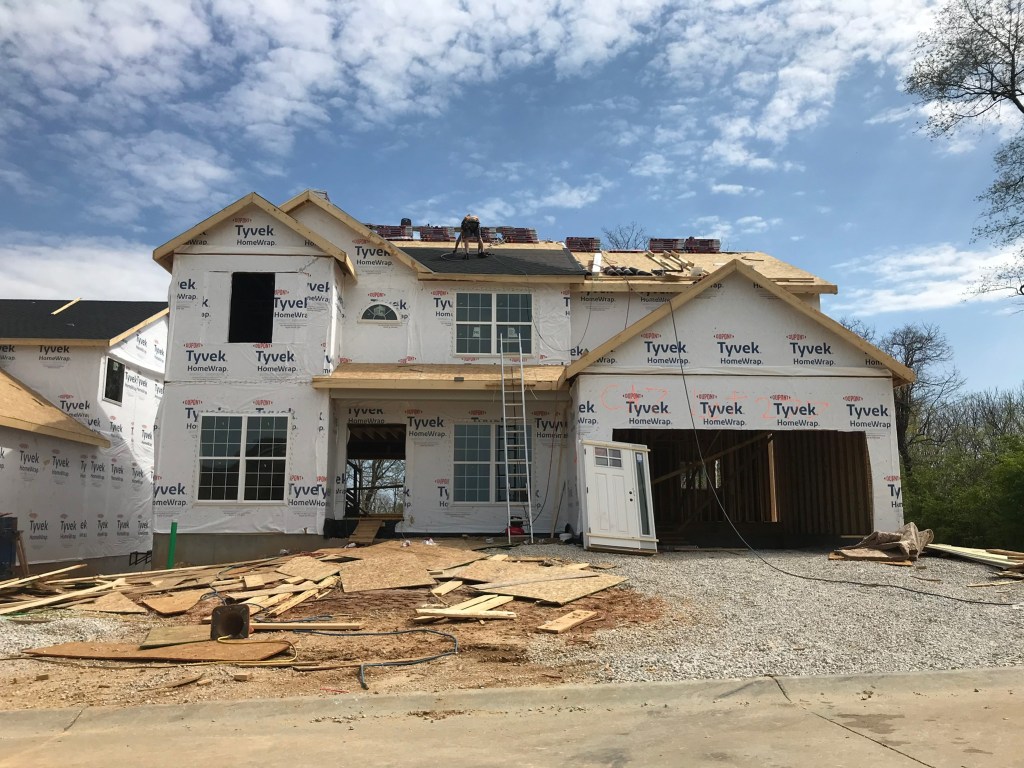
Touring a new home subdivision with beautifully decorated model homes is exciting. Walking a vacant lot and imagining your home built on it is exhilarating. Not having to overbid, or hold your breath if your offer is accepted on a resale house can make the home-buying experience less stressful.

With low housing resale inventory, many buyers are turning to builders of new homes. But between falling in love with that magnificent model home and signing a contract, buyers should know these eight critical things:

  1. Research the builder’s reputation.
    Is this a builder who has a good reputation of delivering homes to many satisfied buyers? How are their reviews? Are there any lawsuits pending against them? 

  2. Does the neighborhood have an HOA?
    Is the house you are considering located in an existing HOA or Condo Association or will it be a brand new HOA? Who controls the HOA? Often the builder controls it until all lots are sold. Be sure to get a copy of the HOA/Condo Documents and review them carefully. Most jurisdictions provide for contract rescission within 3-5 days if for any reason the documents are unacceptable to the buyer.

  3. Understand the purpose of the deposit.
    While an earnest money deposit is made with a resale purchase contract, not all new home contracts take an “earnest money deposit.” Builders take a deposit. Some builders do not consider it an earnest money deposit, but a direct deposit toward the construction of the house, therefore it will be deposited in the builder’s operating account rather than in an escrow account.

  4. Are incentives offered by the builder?
    In certain situations, builders will offer free upgrades and/or closing cost assistance to the buyer. Be sure that you understand exactly what is being offered and that it is in writing with the exact terms represented by the builder’s representative. As in all real estate agreements, to be enforceable, terms, conditions, and promises must be in writing.

  5. What does the buyer have to do to qualify for those incentives?
    “Free recreation room” or “$10,000 in closing costs” or “Free Kitchen Upgrade” and many more iterations can be offered. Upgrades and closing costs are certainly appealing. What will be required of the buyer to qualify for the incentive(s)?

    Will the builder insist that the buyer finance with their lender and/or their title company? What is the actual cost of that requirement? Sometimes, the actual “cost” of the incentives exceed the benefit of the incentive. It is important to understand all costs and fees.

  6. What warranties and post-settlement services are included?
    In Virginia, a builder must warranty their construction for 12 months after settlement. Many builders offer 10 year warranties, 2-10 warranties, and/or pass on equipment warranties. All warranties are not the same. One question to ask is whether drywall imperfections post-closing are covered. Some builders will only correct drywall imperfections identified during the pre-settlement walk-through. Others will warrant drywall for extended periods.

    Will a list of the trades be available for ease of service, or must repairs/service be channeled through a central division of the builder? Is there a response timeframe? Be sure that all warranty questions are answered and verified in writing.

  7. Review the contract…then review it again.
    The builder’s contract has been written by their attorneys to be in their favor. Aside from contingencies specifically written into the contract, once the contract has been signed by all parties, it is an enforceable contract. The buyer should expect that they will settle on the sale. Before signing the contract, be sure that all terms are written as represented, all questions have been answered, and that you are prepared to move forward with the project. Know when (if) additional deposit(s) are due. Be prepared to attend inspections and builder meetings when they are called. While most builders want to be flexible, to be able to deliver a new home, schedules must be respected. Be sure to leave the contract signing meeting with a complete contract including all schedules and selections (to that point – more will be needed later).

  8. The model home decoration, appointments, & upgrades are for display purposes only.
    Your new house will come with plain walls, no window coverings, tiny landscape plants, and grass that you will have to water to establish.

    Depending on the builder, design choices can be included in the contract price. Design options can include flooring, shade/blinds, appliance upgrades, tile, counters and cabinets, faucets, sinks, lighting, and other options as available.

With many choices, state of the art equipment, and everything bright and shiny, it is easy to begin to believe that each option is indispensable. Be careful to keep within your budget and your lender qualification. Once options are selected and ordered, making changes can become very costly.

Contracting for a home to be built can be exciting and rewarding, and can result in the house of your dreams. Done incorrectly, the process can become a nightmare. It is for the above and countless other reasons that having an experienced Realtor representing your interests can save you money and sanity.

At Properties on the Potomac, Inc. we have been helping our clients select and design beautiful new homes for more than 35 years. We know the builders, the lenders, the incentives, the warranties, and most builders’ process. We know where to look and the questions to ask.

Is a newly built house in your future? Take the first step and give us a call: 703-624-8333.

“My house is the red brick one . . .”

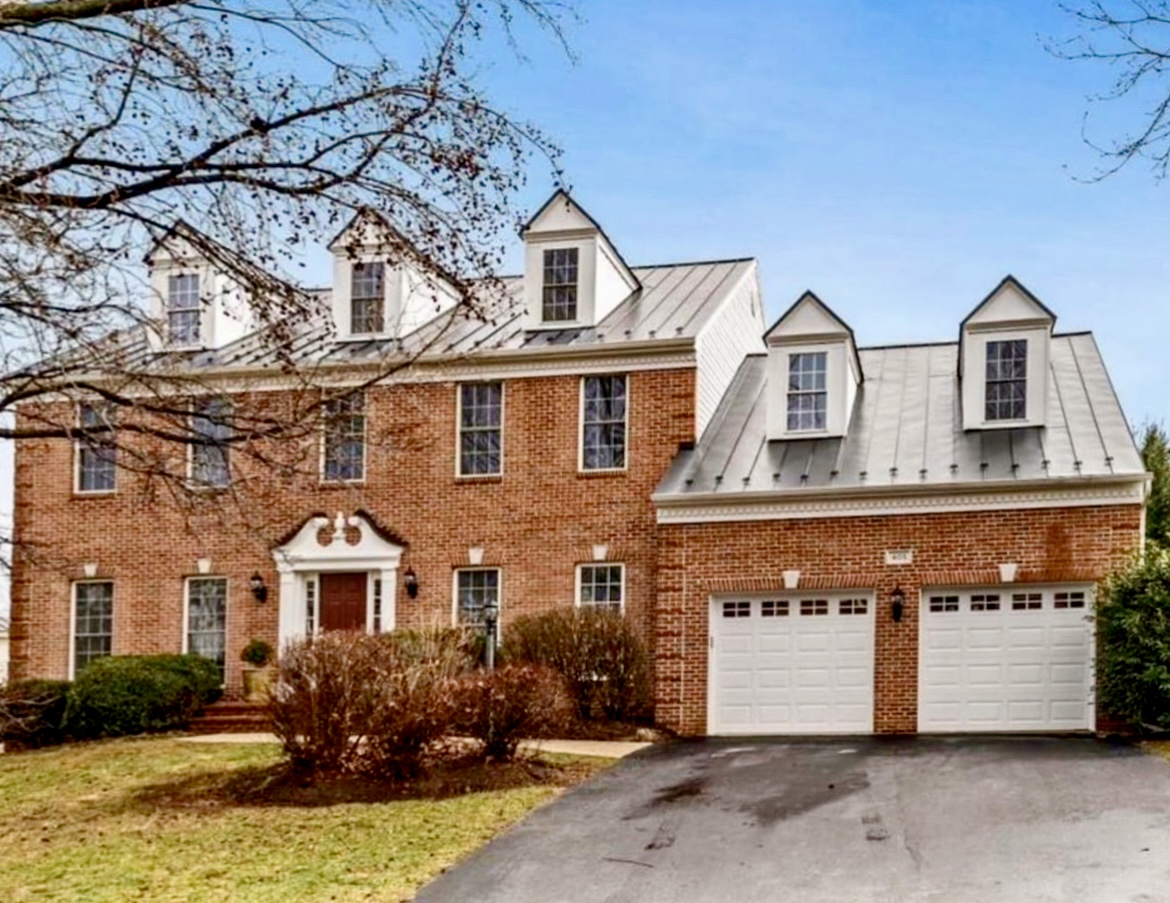
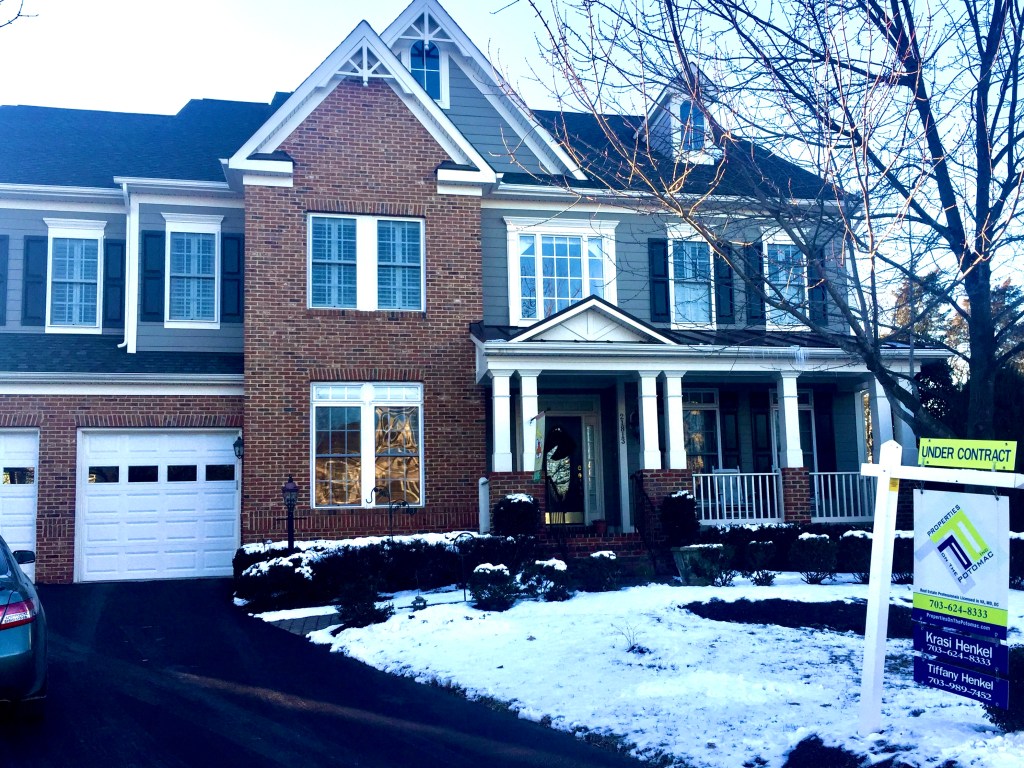
Red brick is distinctive. It has commanded attention over the centuries and does not disappoint today. The Victorian red brick house dates back to the 1870s and was typically a sign of wealth among homeowners, as yellow bricks were far less expensive.

The Empire State building, completed in 1931, is faced with 10 million red bricks. At the time of its opening, it was the tallest building in the world. Why the choice of red brick instead of some other color?

All bricks are not alike. Bricks are classified by color, class, size, and purpose of use. The bricks used to face residences are typically “First Class Bricks.” These bricks are thoroughly burnt, and are copper, dark red, or cherry in color. The bricks should be free of cracks, flaws, or stones. Their texture must be uniform and not be able to be scratched or dented by a fingernail. When two bricks are struck together, they should have a metallic ring. They should not absorb water and lime must not be visible in a brick fracture.

Bricks are made of clay and earthen components. The clay or material used affects the color and class of the bricks. Additionally, the length of time of “firing” affects the color. Extra burning makes a browner brick. Red bricks have to be made “just right” to optimize color and important features.

Because of the careful process needed to create the red bricks, the cost increases accordingly. Lighter colored bricks will have sand or even cement in their mix. Sand based bricks are more porous, thus less water resistant. Those bricks require sealing to remediate water absorption. There was a building in Washington, D.C. constructed with a very attractive red brick façade. Its sides and back were covered with yellow brick. If heavy rains hit from a particular direction, the interior walls of that building became damp. The walls behind the red bricks of the façade remained dry.

In short: the color of brick chosen for a home makes a statement. With today’s technology in brick manufacturing, more colors are available that qualify as first class. And while red brick may no longer be considered prestigious, a red brick house typically sells faster (subject to many other criteria) than a lighter colored brick, or homes clad in other materials.

Looking for your perfect red brick home? Call or text us at 703-624-8333.

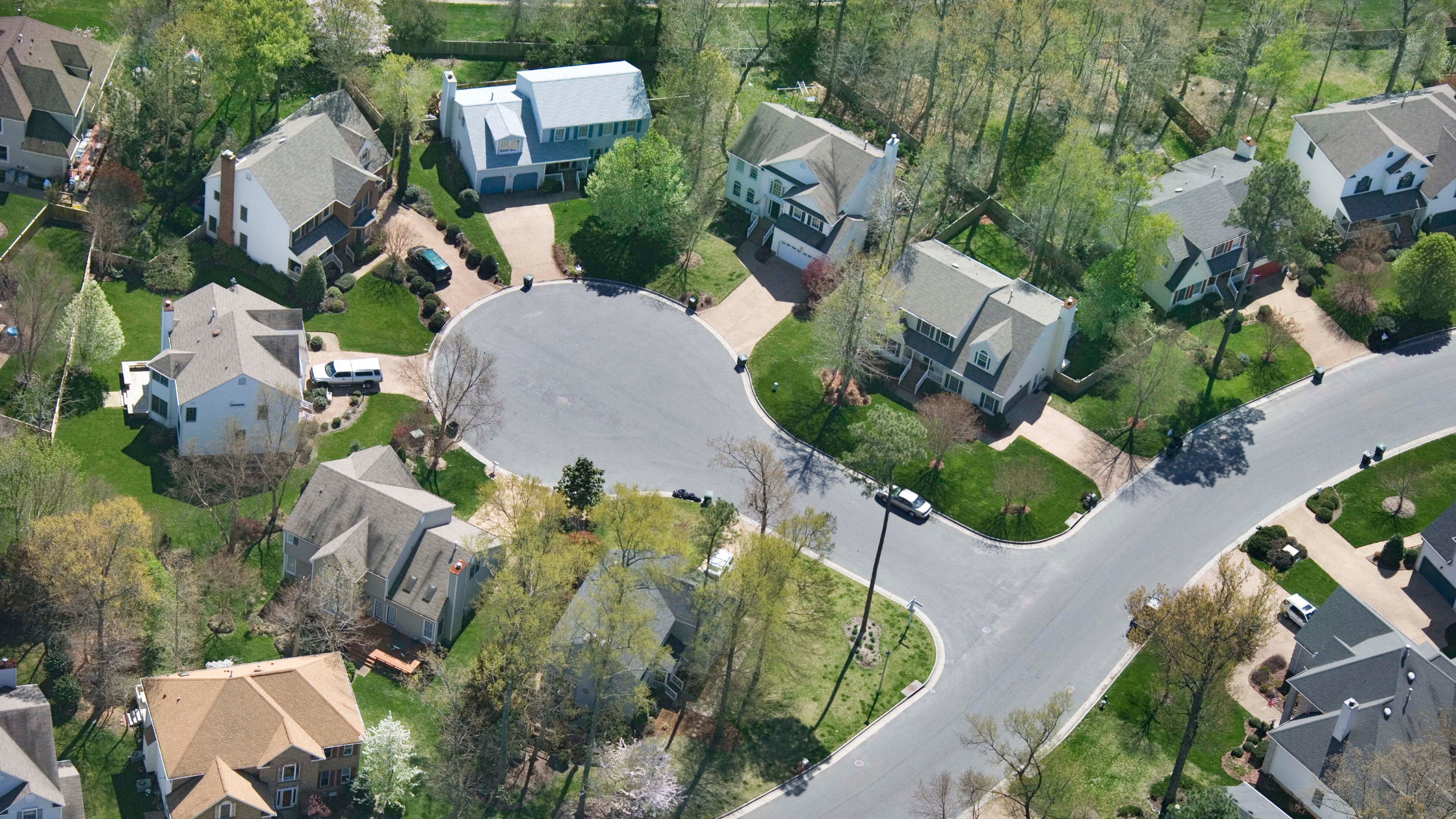
The houses may look the same. The lots may all be the same size. In some communities, there may not be a lot differentiating one house from the next, at least not externally. But living on a cul-de-sac is different. A cul-de-sac adds value. And when it comes time to sell, houses in a cul-de-sac have the upper hand over their non-cul-de-sac neighbors. Here’s why:

  1. Instant community
    For a new buyer, living on a cul-de-sac means it might be easier to get to know your neighbors. It is often easier to share a refreshment, make introductions, and, maybe, find common ground.
  2. Security
    Quite literally, being at the end of the road makes it difficult for cars to speed past your home. It’s safer to walk and to congregate outside. Children can play, ride their bikes, skate, or play ball, while the windows of 3-4 homes overlook the area.
  3. Social activity
    On warm summer evenings, it is not unusual to see neighbors enjoying a beverage together on the cul-de-sac where children have played most of the day. It is a great place to invite children and adults alike to get away from screens and get some fresh air and human interaction.
  4. Relaxing environment
    Without having cars driving past your front yard, the noise and level of activity is greatly diminished. Relaxation comes with an absence of movement and noise. Yes, children might laugh and shout, but these are the happy sounds of life – not the road noise and speed of business life.
  5. It is a throwback to earlier times of children playing outdoors
    The cul-de-sac is where children of all ages can play together. It is heartwarming to see the older kids teaching the younger ones to shoot a basket in a hoop or to learn to ride a bicycle. It frees up parents to relax without managing children’s every activity. It stimulates sociability and friendship and expands energy for a good night’s sleep. “It is one of the last remaining ways to give children an old-fashioned childhood,” says Patricia Shannon of Southern Living magazine.

While there are exceptions to all of these, my 37 years of serving clients has proven that cul-de-sacs are a great place for building friendships, relaxing, and hours of safe play for children. Historically, homes on cul-de-sacs command higher resale values. Why? Limited supply with greater demand (as listed above) boost value. The cul-de-sac is a special place.

Is a new home on your list for this year? We know where the cul-de-sacs are. Call or text us at 703-624-8333 to help you find the perfect setting.

It was almost exactly nine years ago that my husband and I purchased our townhome in Washington, DC. It was about eight years and nine months ago (who’s counting?) that I joined our HOA board as Treasurer.

HOAs, or Homeowners Associations, (or COAs/Condo Associations) sometimes get a bad rap. Some people view them as intrusive or overbearing, but HOAs are critical to maintaining many communities and even increasing the value of your home in many instances.

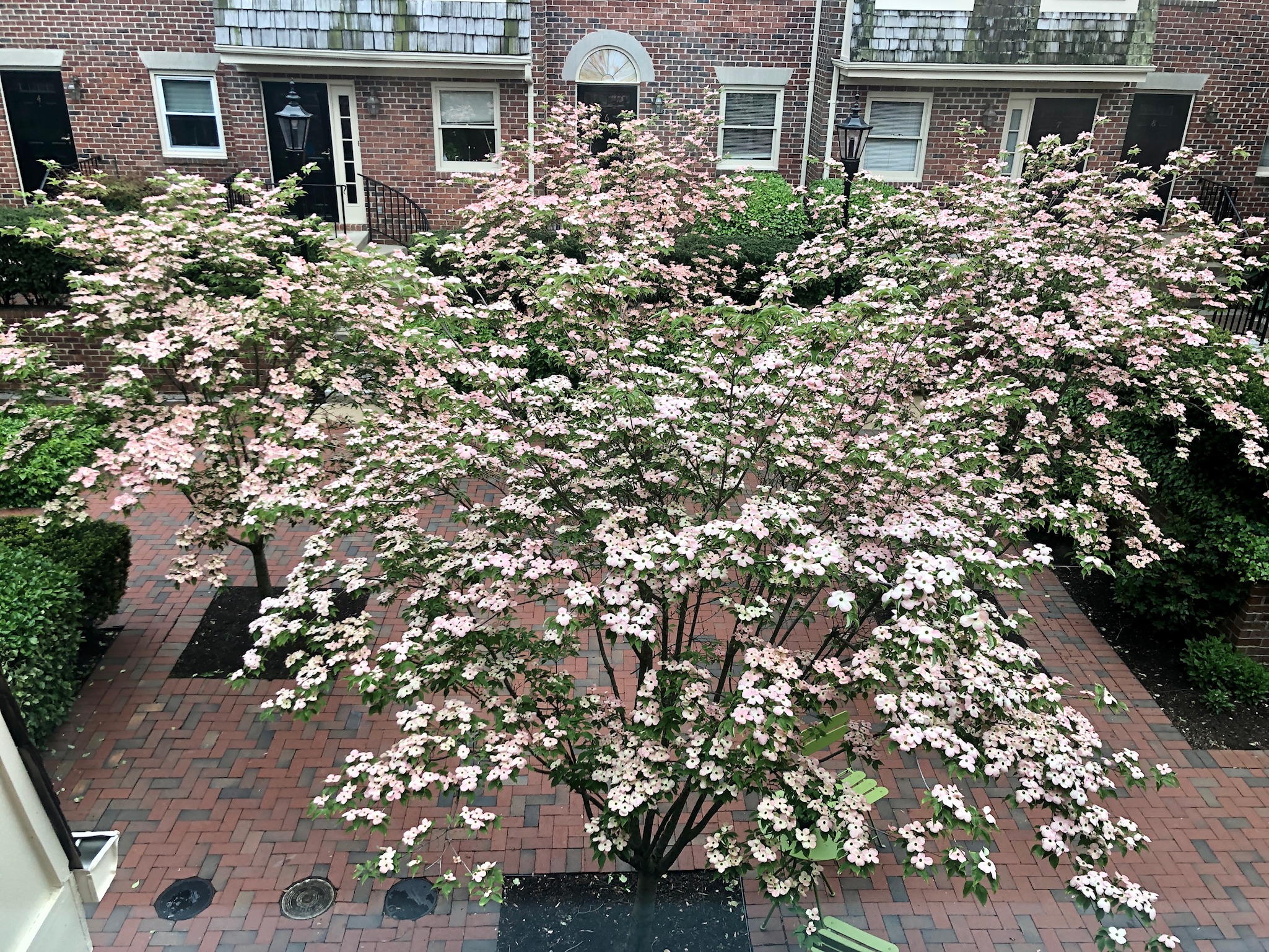
For what it’s worth, I’m still the Treasurer of my HOA (and have recently joined the board of an investment property as well). And the President, secretary, and architectural review board are all still the same people as well. We’ve developed wonderful friendships and have worked to oversee projects big (replacing the entire brick courtyard) and small (planting flowers in the courtyard.) These projects have been integral to maintaining the value of our investment and our community is thriving, well taken care of, and a place I can proudly call home.

Obviously I’m fully on-board and involved with my HOA. Whether you love them or hate them, here’s why you should be involved, too:

  1. Be “in the know” about what is going on in your community. Learn about what projects are planned, how your monthly fees are being spent, when the next community yard sale is, etc…
  2. Be a decision maker. You help decide which projects to prioritize and how the money is spent.
  3. It looks good on your resume. Taking an active leadership role should go on your LinkedIn profile and potentially on your resume. If you are looking to move up in your career, having extracurricular volunteer leadership activities can only help.
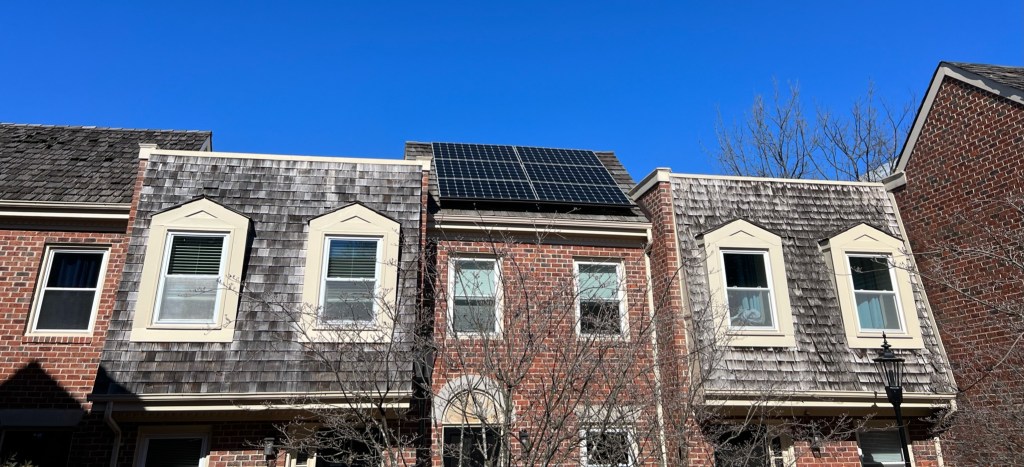
  4. Change the status quo. Many associations have had the same rules and regulations in place for years, but they may not be relevant to the times. For example, an HOA might require all front yards to be planted with a specific type of grass. What if that grass no longer grows well in that location? What if you would rather plant clover or flowers for lower maintenance? There are many HOAs that will not allow solar panels or EV chargers. If yours is one of them, consider trying to make that change. I have worked with many clients who view these outdated rules as dealbreakers. For a good laugh, google “weird HOA rules” and you’ll come up with some strange ones like a garage sale dress code or no blue trampolines.
  5. Your property value will thank you. If you have a well-run HOA that makes sure the grass is cut, trees trimmed, snow plowed, trash picked up, etc… and your community looks nice, your home will increase in value tenfold over the community that lets itself fall into disrepair.
  6. Make new friends. We all know that it is much harder for adults to make new friends than it is for children. Why not make it easier on yourself and get to know the people literally in your back yard? What we’ve learned over the past 3 years of a pandemic is that community is an important part of social connection. We spent many evenings out in our courtyard, distantly socializing with our fellow neighbors. It helped keep us all sane.

Help yourself and your neighbors by getting involved in your HOA or COA. You can start small by going to meetings, and then consider pushing yourself to take it one step further and joining the board. Your community and board will thank you. You have nothing to lose.

Are you looking for a home with or without an HOA? Give us a call at 703-624-8333 today!

“We plan to list in spring.”

Most people believe that selling their homes in spring (after March 21) is the best time. However, that is not real estate’s “spring” market.

Real Estate in no longer just regional, but national and even global. What happens in one area affects many others. Our properties in the Washington, D.C. Metro area are affected accordingly. Making decisions that affect one of your largest assets must be made with all of the best possible information. With this in mind, below are the five reasons to consider listing your property for sale now:

  1. We are not in last year’s market. There are no guarantees of unlimited buyers.
  2. The economy and corresponding interest rates are volatile.  
  3. In our decades of professional experience, the BEST time to sell is January, February, and March.
  4. Buyers have been planning their moves before the holidays and purchase after the holidays.
  5. Because most people count on the later market, the serious buyers have already made their decisions and purchased; leaving the inventory of listings to increase while the pool of buyers declines.

An example is from the post-2007 recession market: a client was being relocated to another state. They had to sell their home. We recommended listing it in February. After completing their presale activities, we put the house on the market in February. The first three groups who toured the house made competitive offers. Our clients made their move according to their best plans. Several months later, their neighbors listed their house for sale. Their house remained on the market for considerably longer than our clients’ property; selling with a single offer for slightly below my clients’ price.

In volatile markets such as this, delays can be costly.

If you are planning to sell your property this year, please contact us today so that we can help you make your best plans. Call or text us at 703-624-8333.

Here we are – the beginning of 2023 ! You have been waiting to make decisions and commitments until the holidays are over. Now what?

If you are thinking of moving – up, down, around, or away – here are a few tips to help you structure your activities:

  • Decided whether you want to sell or keep your current real estate. Either way, consult a competent real estate broker. The possibilities are endless and your investment and risk are huge. Be selfish and work with the best (that would be us – read our website and see for yourself).
  • If you plan to sell, list long before you want to go on the market. That way pre-marketing excitement can bring the best buyer.
  • Go through all the nooks and crannies of your home (that includes closest that you often use). Start with all off-season belongings first. Decide whether you will keep, toss, or donate.
  • If you have a home of 2000+ Square Feet, know that it will take you several weeks to complete the culling and packing.
  • Be smart and not impulsive. There are many garments and things, that due to the current circumstances ,have remained unworn or unused. Do not throw away anything on a whim. It doesn’t matter if it makes you happy if you will need it later. You will buy it back for more money and of lesser quality. Keep your stuff. Your happiness will compound with lower bills. Be a good steward.
  • Do not make capital investments in your current home unless it will be a coat of paint and some flooring. Keep it simple. Do not replace appliances with stainless steel.
  • Chose a smart real estate agent who knows what sells and what brings in the most return for your investment. – Again, that would be us – not bragging, just the facts.
  • In 2022, our listings sold for 105% of list price and our buyers paid 95.5% of list price. How is that? Ask us.
  • We’ll be happy to show you how you can benefit from our 35 years of experience in all sorts of markets.

Looking to make a move in 2023? Give Properties on the Potomac a call at 703-624-8333!