By Andrea Justus, Properties on the Potomac Realtor

It’s that time of year: the time to plan your garden and start seeds. Vegetable gardening is easy and fun and the prep starts eight weeks prior to planting time. In Northern Virginia, planting time is generally the weekend of Mother’s Day. Although beautiful Spring days are tempting, I have “early planted” and lost a garden or two due to late season snow and cold snaps. I now am a firm advocate of Mother’s Day planting.   

Seeds can be planted directly into the ground for items like spinach, radishes, beets and herbs, as long as the ground is 50 degrees. For non-leafy vegetables, it’s important to start your plants early to get a jump on the growing season. I start tomatoes, eggplant, okra, cucumbers, squash and pumpkins in early March so that by early May the plants are large and healthy enough to withstand weather and insects and flourish. (For pumpkins, you can also sow the seeds in the ground in June for pumpkins in Fall.) March is also a good time to start flowers like Astilbe, Dahlias, and Croscomia. By starting in March, the flowers will bloom early and throughout summer.

What is the best method for starting seeds? There are many approaches, from dirt in a cup to seed-starting trays with heating pads and overhead lights. I make my own seed-starting blend with a Miracle Grow soil, worm castings, vermiculite and peat moss mixture. The mix is approximately 5 parts soil, two parts worm castings, one part vermiculite and a handful of peat moss. This gives the seeds an airy and nutritious start. You can use seed-starting trays or mini pots available at most gardening stores. Solo cups in trays also work well. I start mine in the basement next to the door so they get natural light. I use solar blankets on the ground and behind the seed table to capture any warmth and sunlight available.

Once the seed starts come up, I transfer them to larger cups and plant them deeper. Sometimes more than one transplant is needed. Water lightly every other day so that the soil is slightly damp, not wet. A gentle hand is critical to transferring the seed starts. Plan on starting more seeds than you need plants so that it’s not a crisis if you break a tender shoot. About 2 weeks before planting, start hardening off the plants by putting them outside. Start with an hour or two and gradually increase the time outside. You can also cover the plants while they are outside with burlap to keep them from being wind and sun burned. Once the plants are hardened, get ready to plant your garden in early May. I like to plant and fertilize with Abernethy and Spencer’s TLC. It gets healthy plants off to a roaring start!

I enjoy gardening and sharing the fruits of my labor with others! If you know me, you know I’m a plant person. Happy Gardening!

Need help figuring out the best landscaping for resale value? Reach out to Properties on the Potomac at
703-624-8333 now!

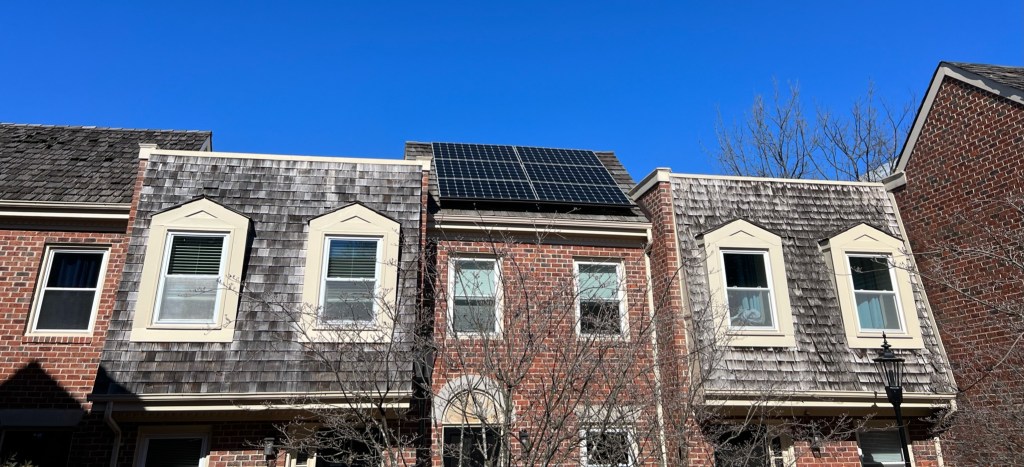
As an extreme analytical, I like to research things to death, ruminate on the findings, ruminate some more, and then maybe–just maybe–make a decision. So when a client mentioned to me that they had decided to install solar panels on their roof, I was intrigued…and then I went down a rabbit hole.

For six solid months, I researched, interviewed solar companies, evaluated cost versus benefit, researched some more, discussed ad nauseum with my husband, and then finally made the decision to install solar panels on my roof.

Obviously, I decided that the pros of installing solar panels outweighed the cons for me. But is it the right decision for you? Let my research and rumination benefit you—below are the pros and cons of installing solar panels:

Pros:

  1. The most obvious: solar reduces your electric bill. Not only can solar offset your electric usage, but you could also be eligible for net metering, an electric billing tool that sends the excess power your panels produce back to the electric grid. If in a day your solar panels produce 20kWs and your home only uses 15kWs, 5kWs get sent back to the grid and offset your electric bill.
  2. Your potential monetary savings will increase over time as electricity continues to increase in price year over year.
  3. You should be eligible for federal tax credits, if you own your system. Currently the Federal Solar Tax credit is 30% of the cost for installation (until 2032). So, if your system costs $30,000, you could be eligible for a $9,000 tax credit, thus lowing the net cost of the system to $21,000. Obviously, consult with your tax professional to make sure it works for you.
  4. You also could potentially sell SRECs, or Solar Renewable Energy Credits. SRECs are created for each megawatt-hour of electricity generated from the solar energy system. Some states have created SREC markets to boost solar installations by requiring electricity suppliers (Pepco, BG&E, etc.) to purchase SRECs produced by in-state solar energy systems as part of their obligation under the state’s Renewable Portfolio Standard (RPS). In our area, the District of Columbia and Maryland offer SREC programs. The value of the SRECs can vary state by state and month by month. DC has one of the more robust SREC markets.
  5. Solar panels are low maintenance. You don’t really need to do anything to the panels other than keep debris off of them.
  6. Solar will decrease your dependence on non-renewable resources. Because saving the planet is always a pro.

And the Cons:

  1. The up-front cost can be cost prohibitive. It can cost between $2,750-$4,000 per kW system, so if you have a 10kW system the range should be $27,500-$40,000. Obviously this is a lot of money up-front and it can take years to recoup the cost.
  2. Some HOAs may not allow them or restrict where they can be placed on your home.
  3. If you live in a wooded area or in the shadow of larger buildings, you won’t be able to reap the maximum benefits.
  4. If you don’t own your roof (common element of a condo/co-op), you likely won’t be able to install solar panels.
  5. The overall aesthetic. Let’s be honest: they aren’t the most aesthetically pleasing part of a house.

I have not regretted my decision to install solar panels for one minute. Since doing so, my husband and I have been able to take advantage of the tax credit, we’ve been able to sell our SREC credits (we live in DC), and our electric bills have reduced significantly (we’ve even had negative balances some months). And the most fun part is logging into the app to see how much energy we’re producing.

If you are thinking of adding solar to your home, give us a call at 703-624-8333. Properties on the Potomac would be happy to talk you through the process and make recommendations.

Here are some additional solar resources.

Touring a new home subdivision with beautifully decorated model homes is exciting. Walking a vacant lot and imagining your home built on it is exhilarating. Not having to overbid, or hold your breath if your offer is accepted on a resale house can make the home-buying experience less stressful.

With low housing resale inventory, many buyers are turning to builders of new homes. But between falling in love with that magnificent model home and signing a contract, buyers should know these eight critical things:

  1. Research the builder’s reputation.
    Is this a builder who has a good reputation of delivering homes to many satisfied buyers? How are their reviews? Are there any lawsuits pending against them? 

  2. Does the neighborhood have an HOA?
    Is the house you are considering located in an existing HOA or Condo Association or will it be a brand new HOA? Who controls the HOA? Often the builder controls it until all lots are sold. Be sure to get a copy of the HOA/Condo Documents and review them carefully. Most jurisdictions provide for contract rescission within 3-5 days if for any reason the documents are unacceptable to the buyer.

  3. Understand the purpose of the deposit.
    While an earnest money deposit is made with a resale purchase contract, not all new home contracts take an “earnest money deposit.” Builders take a deposit. Some builders do not consider it an earnest money deposit, but a direct deposit toward the construction of the house, therefore it will be deposited in the builder’s operating account rather than in an escrow account.

  4. Are incentives offered by the builder?
    In certain situations, builders will offer free upgrades and/or closing cost assistance to the buyer. Be sure that you understand exactly what is being offered and that it is in writing with the exact terms represented by the builder’s representative. As in all real estate agreements, to be enforceable, terms, conditions, and promises must be in writing.

  5. What does the buyer have to do to qualify for those incentives?
    “Free recreation room” or “$10,000 in closing costs” or “Free Kitchen Upgrade” and many more iterations can be offered. Upgrades and closing costs are certainly appealing. What will be required of the buyer to qualify for the incentive(s)?

    Will the builder insist that the buyer finance with their lender and/or their title company? What is the actual cost of that requirement? Sometimes, the actual “cost” of the incentives exceed the benefit of the incentive. It is important to understand all costs and fees.

  6. What warranties and post-settlement services are included?
    In Virginia, a builder must warranty their construction for 12 months after settlement. Many builders offer 10 year warranties, 2-10 warranties, and/or pass on equipment warranties. All warranties are not the same. One question to ask is whether drywall imperfections post-closing are covered. Some builders will only correct drywall imperfections identified during the pre-settlement walk-through. Others will warrant drywall for extended periods.

    Will a list of the trades be available for ease of service, or must repairs/service be channeled through a central division of the builder? Is there a response timeframe? Be sure that all warranty questions are answered and verified in writing.

  7. Review the contract…then review it again.
    The builder’s contract has been written by their attorneys to be in their favor. Aside from contingencies specifically written into the contract, once the contract has been signed by all parties, it is an enforceable contract. The buyer should expect that they will settle on the sale. Before signing the contract, be sure that all terms are written as represented, all questions have been answered, and that you are prepared to move forward with the project. Know when (if) additional deposit(s) are due. Be prepared to attend inspections and builder meetings when they are called. While most builders want to be flexible, to be able to deliver a new home, schedules must be respected. Be sure to leave the contract signing meeting with a complete contract including all schedules and selections (to that point – more will be needed later).

  8. The model home decoration, appointments, & upgrades are for display purposes only.
    Your new house will come with plain walls, no window coverings, tiny landscape plants, and grass that you will have to water to establish.

    Depending on the builder, design choices can be included in the contract price. Design options can include flooring, shade/blinds, appliance upgrades, tile, counters and cabinets, faucets, sinks, lighting, and other options as available.

With many choices, state of the art equipment, and everything bright and shiny, it is easy to begin to believe that each option is indispensable. Be careful to keep within your budget and your lender qualification. Once options are selected and ordered, making changes can become very costly.

Contracting for a home to be built can be exciting and rewarding, and can result in the house of your dreams. Done incorrectly, the process can become a nightmare. It is for the above and countless other reasons that having an experienced Realtor representing your interests can save you money and sanity.

At Properties on the Potomac, Inc. we have been helping our clients select and design beautiful new homes for more than 35 years. We know the builders, the lenders, the incentives, the warranties, and most builders’ process. We know where to look and the questions to ask.

Is a newly built house in your future? Take the first step and give us a call: 703-624-8333.

“My house is the red brick one . . .”

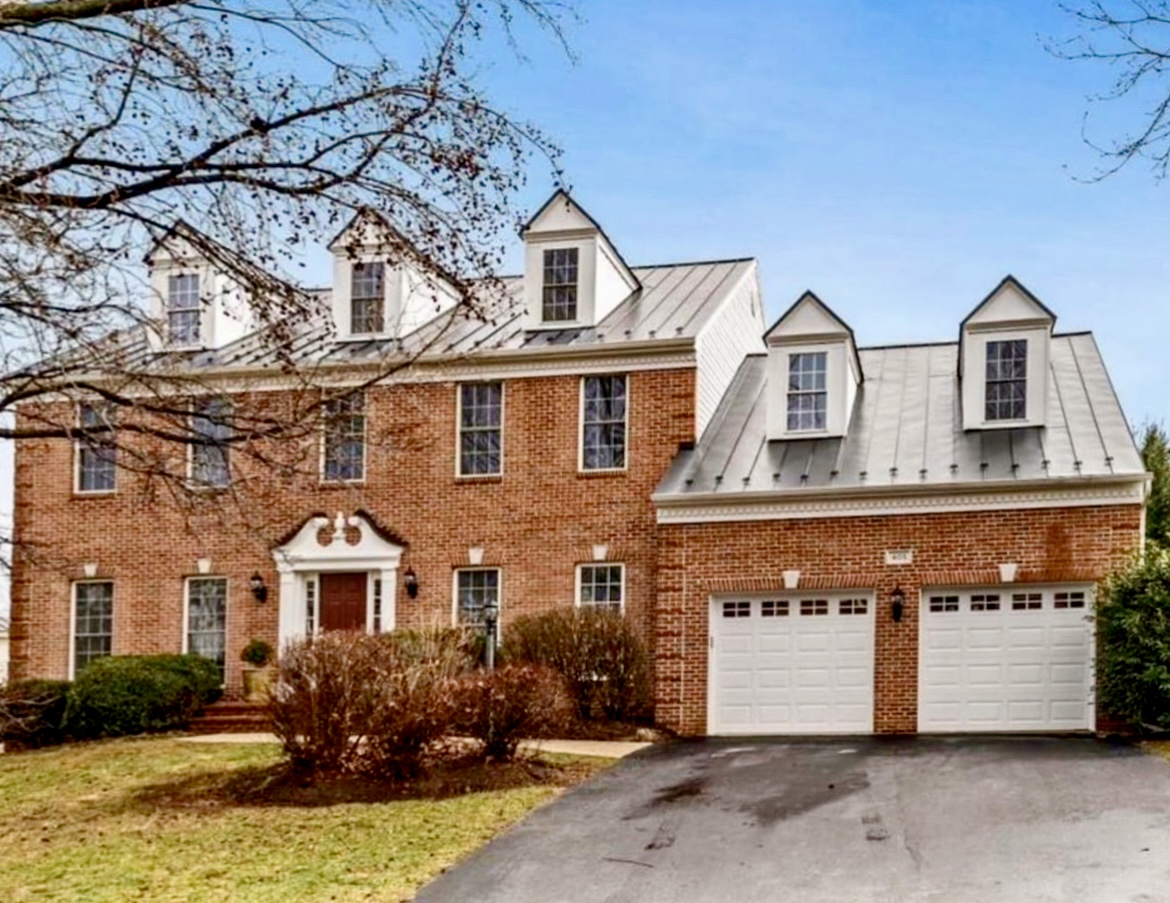
Red brick is distinctive. It has commanded attention over the centuries and does not disappoint today. The Victorian red brick house dates back to the 1870s and was typically a sign of wealth among homeowners, as yellow bricks were far less expensive.

The Empire State building, completed in 1931, is faced with 10 million red bricks. At the time of its opening, it was the tallest building in the world. Why the choice of red brick instead of some other color?

All bricks are not alike. Bricks are classified by color, class, size, and purpose of use. The bricks used to face residences are typically “First Class Bricks.” These bricks are thoroughly burnt, and are copper, dark red, or cherry in color. The bricks should be free of cracks, flaws, or stones. Their texture must be uniform and not be able to be scratched or dented by a fingernail. When two bricks are struck together, they should have a metallic ring. They should not absorb water and lime must not be visible in a brick fracture.

Bricks are made of clay and earthen components. The clay or material used affects the color and class of the bricks. Additionally, the length of time of “firing” affects the color. Extra burning makes a browner brick. Red bricks have to be made “just right” to optimize color and important features.

Because of the careful process needed to create the red bricks, the cost increases accordingly. Lighter colored bricks will have sand or even cement in their mix. Sand based bricks are more porous, thus less water resistant. Those bricks require sealing to remediate water absorption. There was a building in Washington, D.C. constructed with a very attractive red brick façade. Its sides and back were covered with yellow brick. If heavy rains hit from a particular direction, the interior walls of that building became damp. The walls behind the red bricks of the façade remained dry.

In short: the color of brick chosen for a home makes a statement. With today’s technology in brick manufacturing, more colors are available that qualify as first class. And while red brick may no longer be considered prestigious, a red brick house typically sells faster (subject to many other criteria) than a lighter colored brick, or homes clad in other materials.

Looking for your perfect red brick home? Call or text us at 703-624-8333.

The houses may look the same. The lots may all be the same size. In some communities, there may not be a lot differentiating one house from the next, at least not externally. But living on a cul-de-sac is different. A cul-de-sac adds value. And when it comes time to sell, houses in a cul-de-sac have the upper hand over their non-cul-de-sac neighbors. Here’s why:

  1. Instant community
    For a new buyer, living on a cul-de-sac means it might be easier to get to know your neighbors. It is often easier to share a refreshment, make introductions, and, maybe, find common ground.
  2. Security
    Quite literally, being at the end of the road makes it difficult for cars to speed past your home. It’s safer to walk and to congregate outside. Children can play, ride their bikes, skate, or play ball, while the windows of 3-4 homes overlook the area.
  3. Social activity
    On warm summer evenings, it is not unusual to see neighbors enjoying a beverage together on the cul-de-sac where children have played most of the day. It is a great place to invite children and adults alike to get away from screens and get some fresh air and human interaction.
  4. Relaxing environment
    Without having cars driving past your front yard, the noise and level of activity is greatly diminished. Relaxation comes with an absence of movement and noise. Yes, children might laugh and shout, but these are the happy sounds of life – not the road noise and speed of business life.
  5. It is a throwback to earlier times of children playing outdoors
    The cul-de-sac is where children of all ages can play together. It is heartwarming to see the older kids teaching the younger ones to shoot a basket in a hoop or to learn to ride a bicycle. It frees up parents to relax without managing children’s every activity. It stimulates sociability and friendship and expands energy for a good night’s sleep. “It is one of the last remaining ways to give children an old-fashioned childhood,” says Patricia Shannon of Southern Living magazine.

While there are exceptions to all of these, my 37 years of serving clients has proven that cul-de-sacs are a great place for building friendships, relaxing, and hours of safe play for children. Historically, homes on cul-de-sacs command higher resale values. Why? Limited supply with greater demand (as listed above) boost value. The cul-de-sac is a special place.

Is a new home on your list for this year? We know where the cul-de-sacs are. Call or text us at 703-624-8333 to help you find the perfect setting.

Here we are – the beginning of 2023 ! You have been waiting to make decisions and commitments until the holidays are over. Now what?

If you are thinking of moving – up, down, around, or away – here are a few tips to help you structure your activities:

  • Decided whether you want to sell or keep your current real estate. Either way, consult a competent real estate broker. The possibilities are endless and your investment and risk are huge. Be selfish and work with the best (that would be us – read our website and see for yourself).
  • If you plan to sell, list long before you want to go on the market. That way pre-marketing excitement can bring the best buyer.
  • Go through all the nooks and crannies of your home (that includes closest that you often use). Start with all off-season belongings first. Decide whether you will keep, toss, or donate.
  • If you have a home of 2000+ Square Feet, know that it will take you several weeks to complete the culling and packing.
  • Be smart and not impulsive. There are many garments and things, that due to the current circumstances ,have remained unworn or unused. Do not throw away anything on a whim. It doesn’t matter if it makes you happy if you will need it later. You will buy it back for more money and of lesser quality. Keep your stuff. Your happiness will compound with lower bills. Be a good steward.
  • Do not make capital investments in your current home unless it will be a coat of paint and some flooring. Keep it simple. Do not replace appliances with stainless steel.
  • Chose a smart real estate agent who knows what sells and what brings in the most return for your investment. – Again, that would be us – not bragging, just the facts.
  • In 2022, our listings sold for 105% of list price and our buyers paid 95.5% of list price. How is that? Ask us.
  • We’ll be happy to show you how you can benefit from our 35 years of experience in all sorts of markets.

Looking to make a move in 2023? Give Properties on the Potomac a call at 703-624-8333!


pexels-photo-1043506.jpeg

What exactly does it mean to you when your mortgage has been “sold?”


The sale of mortgage “paper” and/or servicing is common practice.


Federal law requires that the outgoing mortgage holder must send you in writing, notification of the sale and provide you with the new company’s contact information. The new company must also send you in writing their “welcome” letter and provide you with clear instructions on how and where to pay your mortgage. To learn more, visit http://www.consumerfinance.gov/askcfpb/215/what-happens-if-my-mortgage-servicer-changes-what-do-i-do.html


So what could possibly go wrong? Realize that many of the servicing agents are not located in the United States; data from the loan package is often manually entered into a new database; and escrow accounts can slip into an abyss. Because you, the mortgagor, are ultimately responsible for your mortgage, taxes, and insurance; you must be vigilant.


The subject of escrows held by a lender (or lender’s servicing company) has been tested in court and it has been determined that “when the lender holds escrow funds for property tax payments, a fiduciary duty exists.” This is a very important decision inasmuch as the lender has the obligation to you to pay all taxes and insurance (should they be collecting for that as well) in a timely manner.


A client recently contacted us for help sorting out the sale of their mortgage and getting their taxes paid on time. After two months of phone calls, and several emails, their property taxes were finally paid. However, the County and Town tax records now show  that late payment interest and penalty fees had been levied and received. This indication is not on the servicer’s record, it is on the homeowner’s record.


What’s a homeowner to do?”


  1. Open all lender correspondence promptly.
  2. Act on the correspondence immediately.
  3. Do not be put off by promises or delays.
  4. Keep copious notes of names, times, dates, and agreements. Record the conversations, if possible (they record theirs)
  5. Follow up, follow up, follow up.
  6. Get everything in writing.
  7. Keep all contact numbers handy.
  8. Do not hesitate to contact the investor of your loan to let them know of your problems inasmuch as the investor usually contracts the servicers.


If you have any questions, you can always contact us.

By Andrea Justus

As the weather improves a good number of us are looking at our gardens and landscaping and thinking, where do I start?  Here are some easy tips for preparing your garden.

Remove all dead garden debris as it may harbor pests or disease from last year.   After the debris is removed it is time to weed.

Remove all growing weeds by the root using a hand weeder – tilling can break apart and spread roots resulting in more weeds down the road.  It is tempting to use technology to get things done faster.  I prefer not to use weed spray in my vegetable garden and find that pulling by the roots lasts longer. My favorite hand weeder is the type that telescopes with a claw on one side and a hoe on the other.  A weed hoe is also helpful in soft soil to loosen the plants so you can pull them by the roots.

Prepare the soil – Incorporate compost by digging in with a garden fork. Refresh soil in raised beds, talk with your local gardening supply store or Master Gardener for soil amendment recommendations.   Incorporate appropriately labeled dry vegetable fertilizer before planting vegetables.   Time release fertilizer is best as the plant can absorb it over time.

Know the appropriate planting dates for summer vegetables. There are many resources available including the library, plant labels, local plant nurseries, and the Virginia Cooperative Extension Master Gardeners.  See  http://loudouncountymastergardeners.org/ for the Master Gardeners events calendar for planting information and to learn where in the county they are holding lectures or Garden Clinics in season.

pexels-photo-95215.jpeg

Have stakes, trellises, twine, hoses and other garden tools ready for when the vegetables are ready to be planted.  Pay attention to planting depth, for tomatoes plant them up to the first set of leaves to establish strong roots and plants. After planting it is helpful to sprinkle some Preen between the rows  to minimize summer weeding, (do not use Preen in beds if you are going to plant seeds for a second harvest).

Water in all plantings.  Consider covering the rows and walkways in straw to keep weeds down and help plants retain moisture. Hand watering works well for many people, remember that what you water grows whether it is weeds or vegetables.  You can avoid watering weeds by using a garden watering system of hoses with water holes every 12 inches. These systems are relatively inexpensive, convenient, and last a long time especially when covered in straw.

Get started! Rediscover the fun of growing things and share the hobby.

To talk to Andrea about gardening, or finding the farm of your dreams, click here!

pexels-photo-255501.jpeg


If you look hard enough, you can find almost anything on the internet. When it comes to buying, selling, or renting, there are plenty of websites where you can connect directly with buyers, tenants, landlords, and homes for sale.

Why should you bother finding a real estate agent when you have Google?

pexels-photo-356079.jpeg

Trust

Real estate scams are a thing, particularly for rentals. The FTC provides information on their site for how to recognize a scam, and one way you can spare yourself the trouble is to find an agent you trust who will sift through the market for you. That agent will be sifting through properties listed with agents.

Properties listed with an agent, both to buy or rent, will have a number of things going for them. First, it is in the best interest of the listing agent to make sure that the landlord actually owns the property he or she is listing. Second, the listing agent also wants to get the property rented or sold, so they will do their best to make the property attractive, accessible, and well priced. Third, they will make sure the money and paperwork goes to the right people in a timely fashion.

For sellers and landlords, working with a realtor also provides the safety and comfort that someone prescreened the folk who will be trooping through your home. Your realtor will know which realtors have shown your house, and will have talked personally to any buyers or tenants without agents who want to see the place.

Besides the practical reasons to do good work, realtors have a fiduciary duty to look after the interests of their clients. accountant-accounting-adviser-advisor-159804.jpeg

Wisdom

The internet provides knowledge and very general information. But how do you apply the information, or even determine if it is reliable?

According to Zillow, “Nationwide, Zestimates are currently within 5% of the final sale price 52.9% of the time,” and “Nationally, Zestimates are currently within 20% of the final sale price 85.8% of the time.”

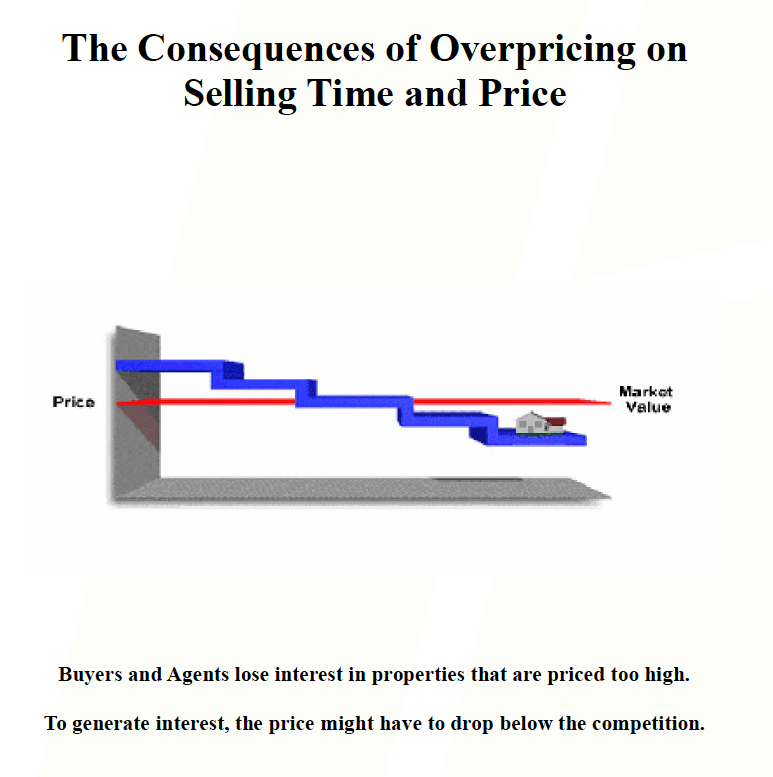
These percentages turn into pretty significant numbers when you’re dealing with houses. It’s easy to set a price too high, or too low, and lose a great deal of money. You could even lose the sale entirely because the price is far higher than the actual appraisal by the lender.

pexels-photo-206673.jpeg

Why does Zestimate have such a huge margin of error?

Zillow can’t walk into a house and get the feel for it’s actual condition and layout. What about how the light moves through the house? Or, how the light moves through the other houses in the neighborhood, or the other houses in the region that have the particular features this particular buyer is looking for?

A good realtor can help you take into account the unquantifiable factors of a home.

pexels-photo-601170.jpeg

Connections

Price is only one part of buying or selling a house.  Home inspectors, contractors, title companies and the like, all provide services essential to a transaction. Services that absolutely must be done well because they have far reaching ramifications. A good realtor will have good people to recommend to you.

When working with a realtor to sell a house, you’re not just relying on their knowledge to set the price and make the best repairs, you’re tapping into their network of human beings who might want to buy or know someone who might want to buy your property. And nobody networks like a realtor.

When working with a realtor to buy a house, you’re tapping into their resources and knowledge of the area, the market, and the professionals. They also have direct access to the most up to date information about the market, and are happy to spend time tracking down the best options for you. You should still do your homework on schools and crime rates, because a realtor can’t make those choices for you–but a good realtor is absolutely invaluable.

At Properties on the Potomac, we pride ourselves in our commitment to our clients. We share our knowledge and our connections with our clients. If you are thinking of buying or selling and want to find out more about how we can help you, contact us here.