The aspiration of homeownership, often regarded as a key driver of wealth for many Americans, faces significant hurdles in the current real estate landscape. The housing market has evolved into a complex arena, particularly for first-time home buyers. This blog post delves into the challenges encountered by these buyers, exploring factors such as high interest rates and soaring property prices that are reshaping the journey toward owning a home.

First-Time Home Buyers at a Crossroads
As economic conditions shift, those looking to purchase their first homes have found themselves facing slow economic growth since entering the workforce. Coupled with student loan debt and childcare expenses, their path to homeownership has been far from smooth. Rising interest rates and elevated property prices have further compounded their challenges, influencing their purchasing power and timelines. As a result, the median age of first-time home buyers has risen to 36, marking a departure from historical trends.

The Struggle for First-Time Buyers
The housing market’s changing landscape is evident from the numbers. Federal Reserve data indicates a 26% increase in median home prices since early 2020, with average prices reaching $416,100 nationally. This surge is particularly noticeable in the Northeast and the West. Meanwhile, the average 30-year, fixed-rate mortgage is currently hovering around 7%, nearly triple the rate recorded in 2021!

Navigating Uncertainty
First-time home buyers, regardless of their generational labels, find themselves at a crossroads due to the unpredictability of interest rates and property values. The adage “marry the house, date the rate” has gained popularity, suggesting that buyers secure a property and consider refinancing later when rates drop. However, experts caution that this approach comes with inherent risks and complexities. Refinancing entails costs that need to be balanced against potential savings from lower rates.

Planning for the Future
For those contemplating their first home purchase, the dilemma of whether to buy now or await changes in rates and prices is a significant consideration. Amidst the prevailing uncertainty, experts advise careful planning and preparation. Acknowledging the reality of high interest rates and planning for them is a prudent strategy. The historical pattern of fluctuating rates underscores the importance of making decisions aligned with long-term financial objectives, rather than attempting to time the market. If you wait until rates drop, we will see a surge of homebuyers flooding back into the market, raising prices further.

The evolving housing market presents a challenging landscape for first-time home buyers with dreams of owning their own homes. Despite the hurdles, first-time home buyers persist in their pursuit of a place to call their own, working to reshape the American dream for their generation.

At Properties on the Potomac, we understand the unique challenges that first-time home buyers face in today’s dynamic market. Our dedicated team of professionals has a proven track record of successfully guiding clients through these complexities to find the right property for them. With a deep understanding of market trends, interest rate fluctuations, and financial planning, we provide personalized solutions tailored to each client’s needs. Our commitment to empowering first-time home buyers sets us apart, as we strive to make the journey to homeownership a rewarding and fulfilling experience. Give us a call at 703-624-8333 today–with our expertise by your side, you can confidently navigate this intricate market and secure a place to call your own.

Home is where the heart is, but it can also be a potential source of hidden dangers, one of which is radon gas. Many homeowners might not even be aware of the existence of this invisible threat lurking in their home. So…what is it? And, more importantly, why should I care if I have it in my home? Read on for the answers:

What is Radon?
Radon is a colorless, odorless, and tasteless gas that occurs naturally in the environment. It is formed through the decay of uranium, thorium, and radium present in soil, rocks, and water. When radon is released into the air, it disperses and becomes diluted, posing little to no threat. However, it becomes hazardous when it accumulates in enclosed spaces, such as homes, reaching high concentrations that can lead to serious health issues.

What are the Health Risks of Radon Exposure?
Radon exposure is a serious health concern as it is the second leading cause of lung cancer, trailing only behind smoking. The radioactive particles released by decaying radon can be inhaled, and when they break down further, they can damage the lung tissue, potentially leading to lung cancer over time. Non-smokers can also be at risk, but the danger is significantly higher for smokers exposed to radon.

According to the United States Environmental Protection Agency (EPA), approximately 21,000 lung cancer deaths each year in the US can be attributed to radon exposure. The risk is especially high for those who have spent many years living in homes with elevated radon levels.

Why Should I Test for Radon?
1. Protect Your Health and Loved Ones

As mentioned earlier, radon is invisible, tasteless, and odorless, making it impossible to detect without specialized testing. By testing your home for radon, you can gain awareness of any potential hazards and take necessary actions to mitigate the risks. It’s about safeguarding the health of your loved ones, particularly children and the elderly, who might be more vulnerable to its effects.

2. Identify High Radon Levels in Your Home

Radon levels can vary significantly from one home to another, even if they are located in the same neighborhood. The only way to know the radon concentration in a particular home is through testing. By conducting a radon test, homeowners can determine if their property’s radon levels are within safe limits or if mitigation measures are necessary.

3. Peace of Mind

Testing for radon provides homeowners with peace of mind. Knowing that your living spaces are free from hazardous radon concentrations allows you to enjoy your home without the constant worry of potential health risks.

4. Easy and Affordable Testing

Radon testing is a simple and relatively inexpensive process. Homeowners can purchase DIY radon test kits or hire a professional radon testing service to assess the levels in their homes. In fact, some states and local governments offer free or discounted radon test kits to encourage testing.

How Do I Protect Against Radon?
If your radon test reveals elevated levels, there’s no need to panic. Several effective methods can be employed to reduce radon concentrations in your home. Radon mitigation systems, such as soil suction, sub-slab depressurization, and ventilation techniques, can significantly lower radon levels, ensuring a safer living environment for you and your family.

Radon is a silent threat that could be present in any home. While it remains invisible to our senses, the health risks associated with long-term exposure to elevated radon levels are very real. By taking the proactive step of testing for radon, homeowners can protect themselves and their loved ones from potential health hazards. Regular radon testing should be an essential part of maintaining a safe and healthy home environment. Don’t let this unseen danger compromise your well-being—get your home tested for radon today!

At Properties on the Potomac, we care deeply about your well-being and are committed to helping you navigate any radon-related concerns. Call us at 703-624-8333 for professional recommendations for radon testing and mitigation services. Your safety and peace of mind are important.

It sure is hot out there. The middle of summer in the DC region could easily be described as ‘sweltering.’ With all of this heat and humidity, it sure would be nice to have a pool, right? But public pools can be hard to come by, and pool memberships can be expensive. Which leaves the option of installing your own private pool. If you have the space and budget, it can definitely seem like a dream come true—but is it? Before taking the plunge into pool ownership, let’s weigh the pros and cons:

Pros:
Before delving into the potential regrets, let’s acknowledge the undeniable allure of having a swimming pool in your backyard. A pool offers various benefits, including:

  • Aesthetic Appeal – Pools can enhance the overall aesthetics of your property, creating a beautiful and relaxing outdoor space.
  • Recreation and Entertainment – Pools provide endless opportunities for outdoor recreation and entertainment, making them ideal for family gatherings and social events.
  • Physical Health – Swimming is a fantastic form of exercise that is easy on the joints, making it an excellent option for staying active.
  • Property Value – A well-maintained pool can add value to your property and make it more attractive to potential buyers in the future.

Cons:
While the idea of owning a pool may seem enticing, there are several factors that could lead to potential regrets:

  • High Maintenance Costs – Pools require regular maintenance, which can be time-consuming and expensive. From cleaning and balancing chemicals to repairing equipment, these costs can add up over time.
  • Higher Insurance Premiums – Insurance companies see pools as a liability. Build a pool and your insurance premium will likely increase.
  • Safety Concerns – A pool can be a safety hazard, especially for families with young children or pets. Proper safety measures such as fencing and pool covers are essential but can add to the expense.
  • Limited Usage – In the DC area, unless your pool is heated, it may only be useful from Memorial Day to Labor Day. Although you do have the flexibility of choosing your own schedule.
  • Resale Value – While some buyers may see a pool as a valuable asset, others may view it as a burden, potentially limiting your “pool” of potential buyers when selling the property.

Before making a final decision, it’s essential to assess your lifestyle, budget, and long-term plans. Consider the amount of time you plan to spend in the property and the willingness to take on the responsibilities of pool ownership.

Remember, each property and individual’s circumstances are unique. For some, a pool may be a perfect addition, while others may find it more of a burden. It’s crucial to be well-informed before making such a significant investment.

Whether you are looking to buy a home with a pool or sell the one you have, we can help. Give Properties on the Potomac a call at 703-624-8333 today!
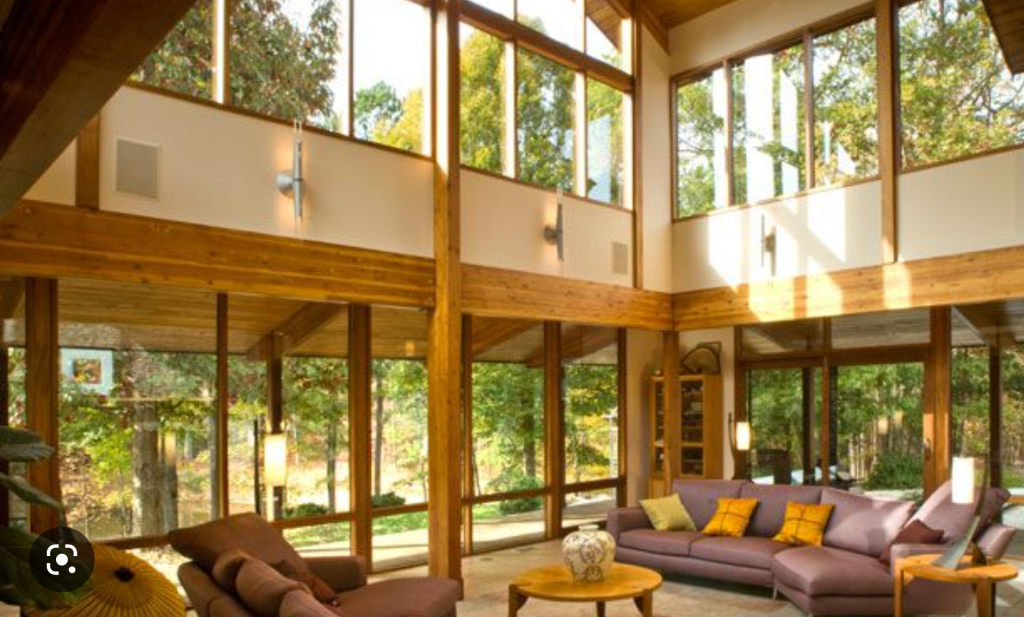
For the past 3+ years the DC Metro area has been in what realtors would call a “seller’s market.” In a seller’s market, where demand outweighs housing supply, homeowners may be tempted to forgo certain maintenance tasks or overlook the condition of their homes because of the perception that their home will sell no matter what. However, regardless of market conditions, maintaining and presenting your home at its best is crucial to getting top dollar. By prioritizing upkeep and addressing any potential issues, you can maximize your chances of attracting buyers, securing favorable offers, and ultimately achieving a successful sale.

Here are some reasons why maintaining your home is a good idea when it comes time to sell:

  1. Stand Out from the Competition: In a seller’s market, there is often increased competition among homeowners trying to sell their properties. By ensuring your home is in excellent condition, you gain a competitive edge. Buyers are more likely to be drawn to a well-maintained home that stands out from others on the market. Attention to detail and a pristine appearance can make a significant difference in capturing the attention and interest of potential buyers.
  2. First Impressions Matter: When it comes to selling a home, first impressions can make or break a deal. Buyers often form initial opinions within moments of entering a property. By maintaining your home’s excellent condition, you create a positive and inviting atmosphere right from the start. This includes well-kept landscaping, a clean and clutter-free interior, and ensuring that all essential systems and fixtures are in good working order. A strong first impression sets the tone for the rest of the viewing and increases the likelihood of buyers envisioning themselves living in your home.
  3. Maximize Appraisal Value: Even in a seller’s market, appraisals remain an essential part of the home buying process. The condition of your home can impact its appraised value. Well-maintained homes with minimal repairs or issues tend to appraise higher, providing a solid foundation for negotiating a favorable sales price. Neglecting maintenance tasks and allowing your home’s condition to deteriorate could result in a lower appraised value, potentially leading to challenges in finalizing the sale.
  4. Smooth Transaction Process: A home in excellent condition tends to encounter fewer obstacles during the transaction process. Buyers and their agents will likely feel more confident about the property, leading to smoother negotiations, inspections, and potential financing approvals. By addressing any maintenance issues beforehand, you reduce the chances of surprises or setbacks that may arise during the sales process. This can save time, minimize stress, and increase the likelihood of a successful and timely closing.
  5. Preserve Buyer Confidence: When buyers see a well-maintained home, it instills confidence in the overall quality and integrity of the property. Conversely, a home with visible issues or neglect may raise concerns and create doubt in the minds of potential buyers. By proactively maintaining your home, you build trust and reassure buyers that they are making a sound investment. This confidence can translate into more competitive offers, fewer contingencies, and a smoother negotiation process.

In a seller’s market, it’s easy to assume that the demand for homes will outweigh any concerns about their condition. However, markets can change quickly and maintaining your home remains crucial. By prioritizing upkeep, making necessary repairs, and presenting your home at its best, you will ensure your home is a valuable asset that can lead to a successful and profitable sale.

Contact Properties on the Potomac at 703-624-8333 to learn more about what it takes to get your home sold.

As realtors, we often get asked by those looking to sell their home about potential remodels or updates. Friends and family with long-term value in mind want to know if remodeling their kitchen, or installing new flooring, or adding an addition will be worth the investment when it comes time to sell.

But what about bathrooms?

Here’s the truth: updating a bathroom can be one of the most cost-effective ways to increase the value of your home. According to a report from Remodeling Magazine, an average bathroom remodel can recoup up to 60% of its cost at resale, making it a valuable investment for homeowners looking to increase the value of their property.

Here are some reasons why updating your bathroom before selling your home can be a smart investment:

  1. It improves the appearance of your home: a dated and worn-out bathroom can be a major turnoff for potential buyers. Updating the bathroom with new fixtures, flooring, and lighting can significantly improve its appearance and make a better impression on buyers.
  2. It increases functionality: upgrading the bathroom can also improve its functionality and make it more appealing to buyers. Adding a double sink, a larger shower, or a separate tub can make the bathroom more functional and appealing to buyers.
  3. It boosts energy efficiency: updating the bathroom can also include the installation of energy-efficient fixtures and appliances, such as low-flow toilets, LED lighting, and water-saving showerheads. These updates can help reduce energy and water consumption, lower utility bills, and appeal to eco-conscious buyers.
  4. It adds value to your home: a bathroom remodel can add value to your home, making it more attractive to potential buyers. By investing in the bathroom, you can increase the overall value of your property and potentially earn a higher selling price.
  5. It increases your home’s competitiveness: with many homes on the market, updating your bathroom can help your home stand out from the competition. A modern and updated bathroom can be a major selling point for potential buyers, especially if it offers features that other homes in the area lack.

When updating your bathroom, consider making updates that are neutral and timeless. Avoid trendy designs or bold colors that may not appeal to all buyers. Opt for classic fixtures and finishes that can appeal to a wide range of buyers and make the bathroom look clean, bright, and spacious.

In short: updating your bathroom can be a smart investment before selling your home. It improves the appearance and functionality of your home, boosts energy efficiency, adds value to your property, and makes your home more competitive in the market. By investing in your bathroom, you can increase your chances of selling your home quickly and for a higher price.

Thinking about updating your home with resale value in mind? Give Properties on the Potomac a call at 703-624-8333 for a free consultation!

Why does one house sell in a day and another on the same street stays on the market? The answer is often an intangible “feeling” that one house provides over the other.

That feeling is happiness. Happy houses sell faster even if they are not perfectly staged and pristine. The occupants have decorated their house with joy and incorporated elements that they love. The house feels authentic and welcoming. Unlike formulaic staging, happiness cannot be “staged.” It has to be accumulated over time in layers and often begins on the day the occupants moved in.

Often, homeowners decorate and improve their houses for “resale” value; not necessarily that the improvement pleases them. That is when the authenticity issues rise. Those who design and furnish their homes to their taste, incorporating personal and family treasures and art, remain authentic to themselves and their homes show it.

Whenever my husband and I bought a new house, I decorated for our taste. I boldly painted two walls in a two-story foyer in a gloss “shutter green.” At the time, beige was the color of choice. Every time we entered our foyer, we were thrilled with the color. Neighbors and family expressed concerns that nobody would buy the house with the colors. The reality was that when we decided to sell it, we received two full price offers almost immediately.

Clients often ask me to give them “permission” to improve their homes for resale value even though they may have just moved in. My response is categorically, “Will this improvement make you happy?”

We spend a lot of time in our houses. Our environment must please us and not a prospective buyer. Tastes and trends change quickly so best to design and enjoy the home for yourself and your family.

When the time to sell approaches, that is when condition and design must be evaluated. Below is a list of improvements to make to improve resale value:

  • Replace carpets
  • Declutter
  • Clear closets
  • Clean landscaping and mulch
  • Seal driveway
  • Have windows washed
  • Replace/remove any worn or broken elements
  • Paint, if walls show wear or if paint is dated
  • Make sure that everything works properly
  • Have the house professionally cleaned

Below are some things not to do in preparation for sale:

  • Do not replace appliances
  • Do not change kitchen or bath counter tops
  • Do not remodel bathrooms or kitchen
  • If the basement is not finished, do not finish it for resale

When we meet with potential sellers, we discuss what it will take to get the house sold. We suggest improvements and staging, if any. Our goal is to make your house sell well and quickly.

If you are considering a move, please contact Properties on the Potomac at 703-624-8333 to review your house and design a plan for making it irresistible.

While scam artists have always been around, modern technology has made their work easier and more effective. Readily accessible public records are fodder for them.

Recently, I received a text with the look and feel of an authentic inquiry. The writer inquired about commissions and timing. When I called the writer, he answered the phone. Our dialogue was typical of a potential seller. They responded with an Outlook email address to my request for their email address. The property address and description matched as well as the name given during our conversation.

The potential “seller” knew about the property’s features, details, and general acquisition information. My intuition had an initial twinge when I learned that the caller was out of town and wanted to sell as soon as possible. My scam antennae were on mild alert. I was planning identity verification measures before concluding the initial conversation.

The property in question was a vacant lot of substantial value. Fortunately, I am familiar with the area and the associated lots. My former investigator self was devising plans to verify the veracity of the caller.

Upon my return to my office, I dug deeper into the owner. I discovered phone numbers that did not match the one from which the text was sent. A phone call to the newly discovered phone number confirmed my suspicions. The caller/texter was a scam. The actual property owner confirmed that they had not spoken to me or asked to sell their lot. The owner was naturally upset. Was he being targeted, was someone trying to steal the lot, or was the texter trying to “tunnel” into my computer network?

How can someone other than the actual owner sell a property? There are many ways. One of the easiest ways is a gullible agent. Forged documents, identity theft, an absentee owner, an owner’s death, and many other scenarios can separate a rightful owner from their property.

What can a property owner do to protect the titles to their properties? Here are some ways:

  • If closing on a new purchase, buy owner’s title insurance. However, enhanced title insurance is typically not available for vacant land.
  • Another option is to subscribe to an identity protection service with a title monitoring option.
  • If you own investment property or vacant land, visit your properties, introduce yourself to the neighbors and ask them to alert you to any suspicious activities or strange or repeated visitors, visits or unexpected surveys.

At Properties on the Potomac, Inc., we are implementing new and higher levels of security to safeguard our community from this form of theft. We are educating our agents, working with professionals, and designing stringent security measures. The increased security measures might seem invasive to callers to our office and agents. Please know that we intend to protect property owners’ rights and never be duped to the contrary.

Through our affiliation with the National Association of Realtors, Northern Virginia Association of Realtors, and the Greater Capital Area Association of Realtors, we have available sophisticated resources and research tools with which we can help protect our clients and our community. If you have questions or concerns about real estate scams, call Properties on the Potomac at 703-624-8333.

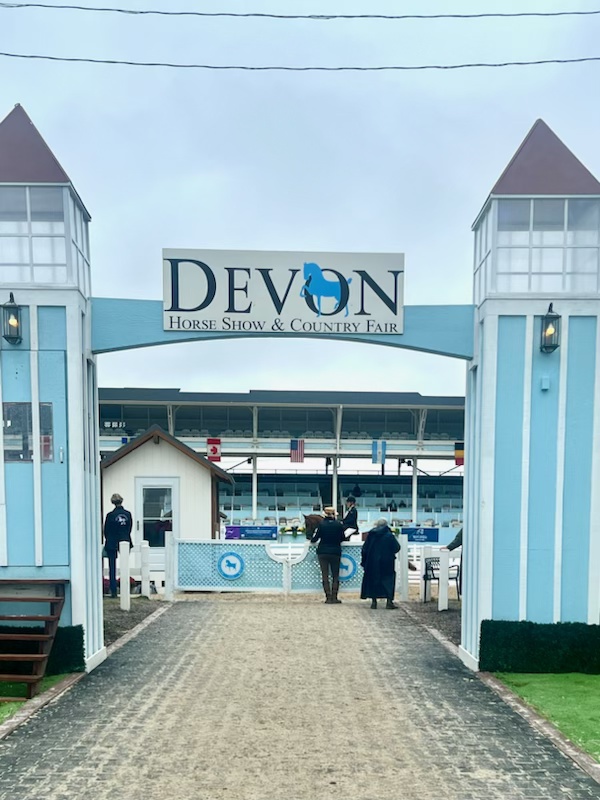
Loudoun County, Virginia is the wealthiest and fastest growing county in the country. While these statistics may bring to mind McMansions crowding the landscape, those visions couldn’t be farther from the truth. In fact, the western portion of the county is actually very rural, with breathtaking views. The rolling hillsides are dotted with horses grazing, cows, grape vines, and countless fields of hay, corn, and other crops. Loudoun County is known for horses, horse shows, fox hunting, and multidisciplinary horseback riding from children’s lead line to world class show jumping, Olympic level eventing and dressage. With robust real estate demand, Loudoun is where technology and rural pursuits blend.

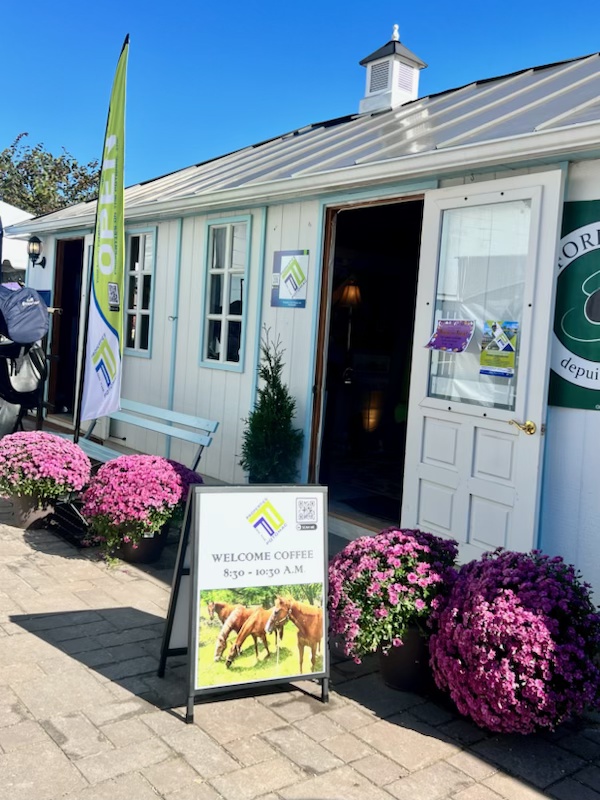
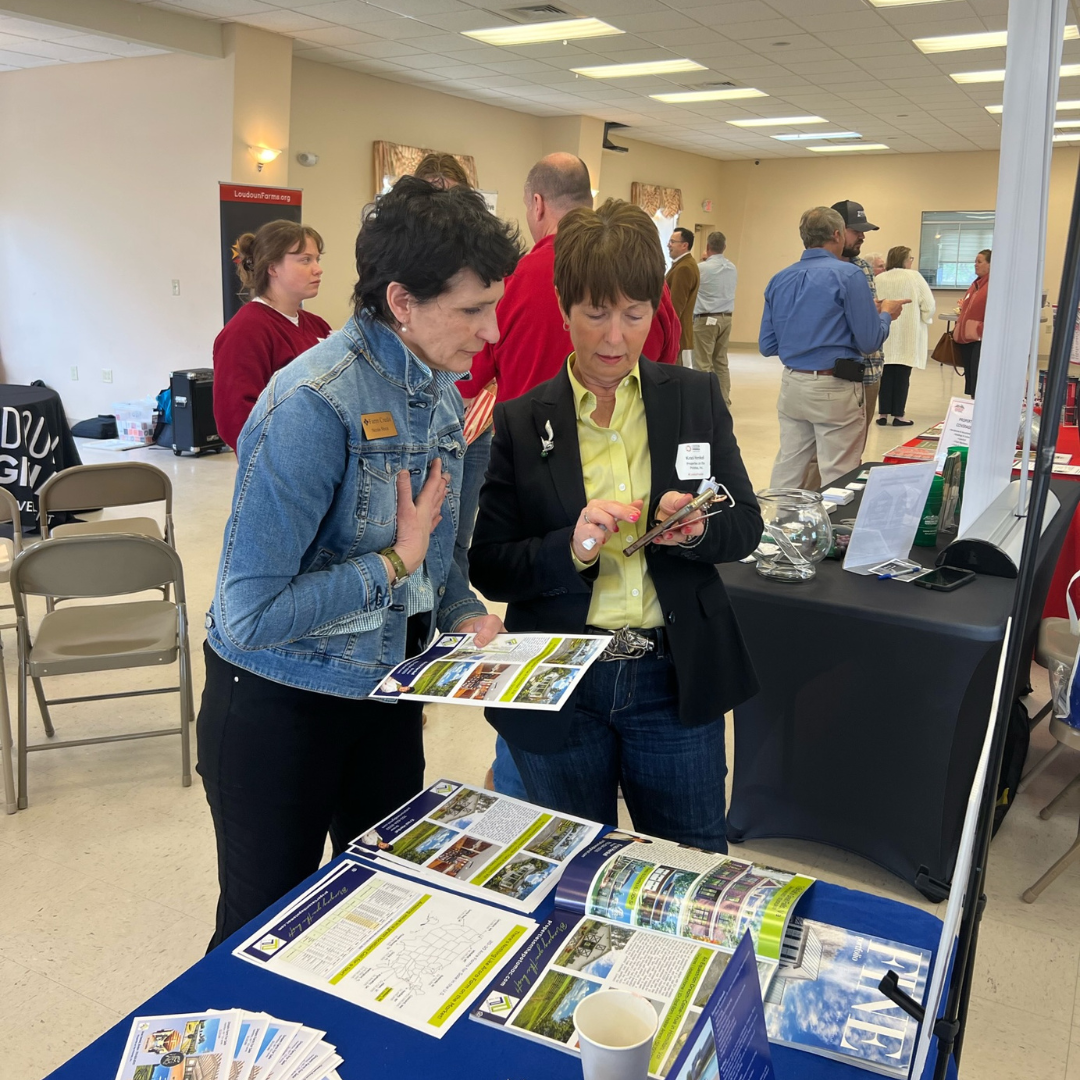
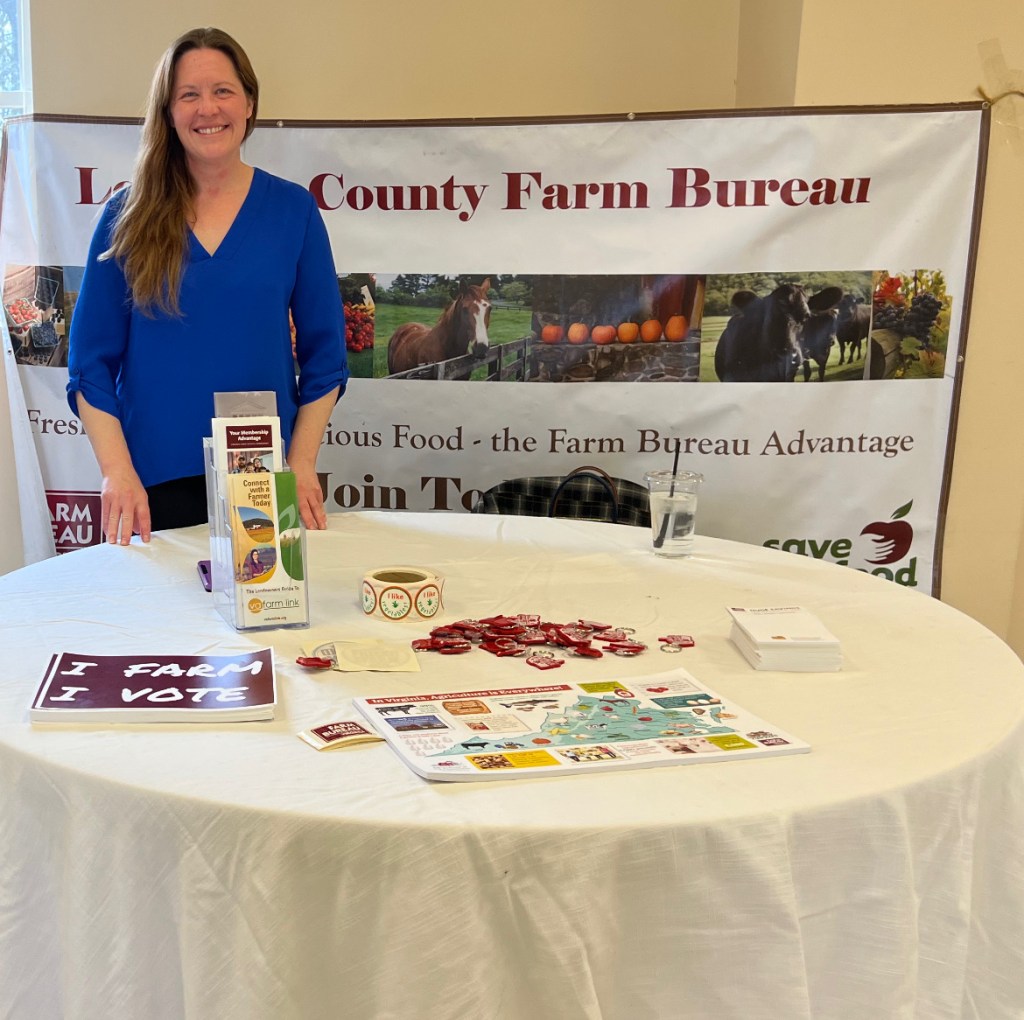
And so it makes sense that the Loudoun County Department of Economic Development recently hosted a Farm Exchange event. As the name suggests, participants discovered, or “exchanged,” resources, suppliers, and service providers related to agribusiness. Those who participated are right here in the community and offer valuable services that can help our clients achieve their agribusiness goals in the upcoming season.

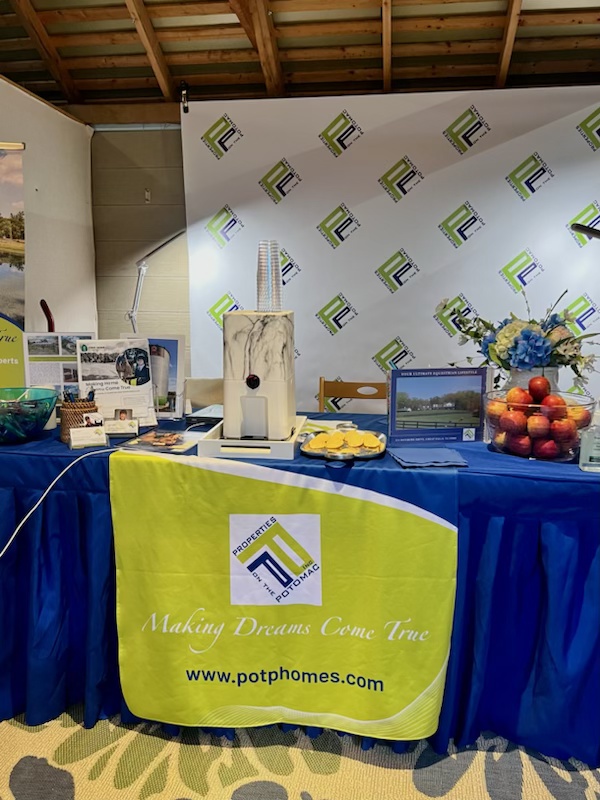
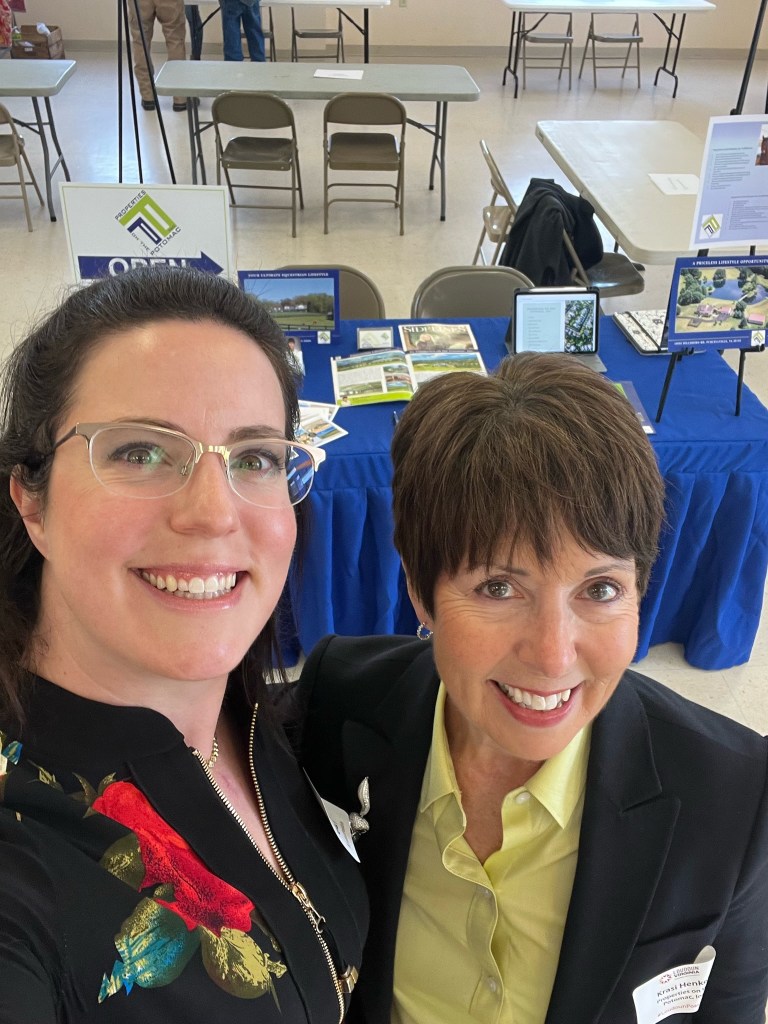
As the only real estate services provider present, we promoted our farm property listings as well as upcoming custom homes. In addition to representing our services, we also forged valuable connections that we can utilize for our clients, including mortgage lenders, barn builders, insurance companies, landscape and tree services, soil and water management, farm equipment sales, rentals, and service, and a number of other businesses that would make any new farm owners’ business and recreation activities more pleasant and efficient.

This was the first such “exchange” and it was well received. Properties on the Potomac was honored to participate, and we look forward to additional events where we can make even more connections for our clients.

Whether you are looking to acquire raw land for development or an existing horse farm, our contacts and recourses can assist with every aspect of land acquisition and development. Contact Properties on the Potomac at 703-624-8333 today!

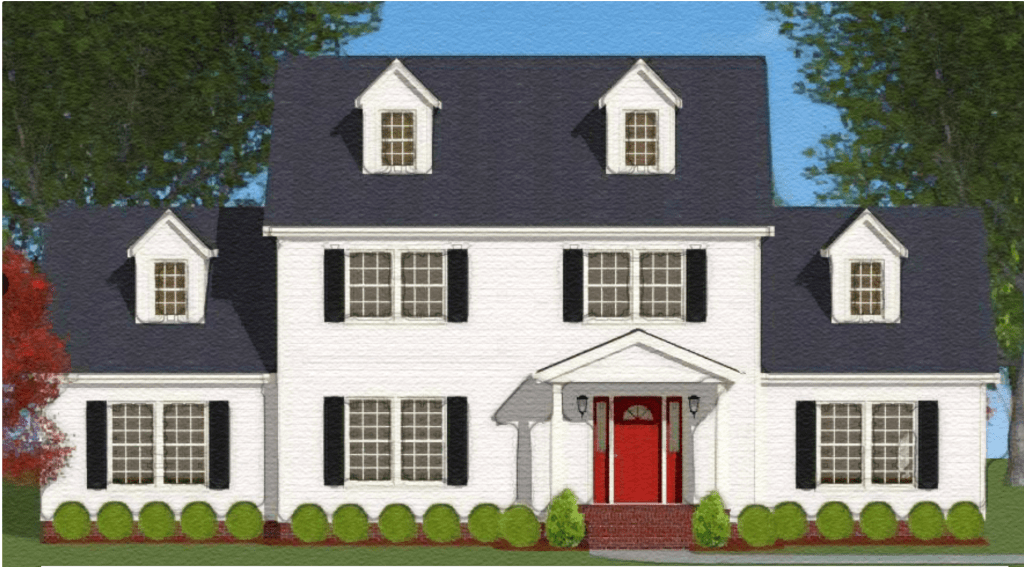
Pre-fabricated homes come in a variety of prebuilt conditions. You may have heard the terms “modular home” or “panelized home” but what do these really mean? Regardless of the name, the ultimate outcome is that the house arrives in some form of units to be assembled on a lot. The idea often conjures up visions of mobile homes or plain houses without character, but the reality of these homes is very different.

Properties on the Potomac has sold homes that were panelized for millions of dollars. In McLean, Virginia, an entire subdivision was developed with modular homes that now resell for over $1.5 million. From a real estate perspective, modular houses can perform similar to those that were stick built on the lot.

Modular homes come in “modules.” Typically, a module would be 12 feet wide. Therefore, many of the rooms in such houses max out at 12 feet. Modules come complete with hung doors, installed windows, and even with drywall.

Panelized homes come in panels ready to assemble. The panels are typically the lumber part of the construction and streamline construction time. Many contemporary designs rely on panels to create the clean lines and tall walls. Panels do not warp and often come pre-insulated.

Another form of panels are precast cement panels used for basement walls. They are taller and energy efficient.

In the modular systems, the houses provide minimum change opportunities from the plans as presented. The key is to find the right plan. These homes save hundreds of thousands of dollars over custom-built or stick-built.

Some of the benefits of using modular include the following:

  • The structure is built indoors and is not exposed to the elements.
  • Because it is not in the elements, the structures remain clean and free of mold.
  • According to the manufacturers, the joints at connections are stronger and more rigid, thus less susceptible to storm damage and soil shifts;
  • The timing of a project is predictable.
  • Modular homes are less susceptible to supply chain fluctuations.
  • Pricing is very predictable and often fixed at time of order.

Modular house square footage can range from under 1,000 to over 5,000. The cost for the package as listed is typically the cost of the building materials. The price does not reflect the cost of land, land engineering, basements and foundations, and water and sewer taps or well and septic development.

The builders that we recommend can build from scratch or build with modules or panels. They can also add to modules, including garages and porches.

If you have considered a custom home only to be discouraged by the high cost of building, let’s explore modular or panelized systems to determine if that would be a good option. Call Properties on the Potomac at
703-624-8333.

The facts indicate that there is a market shift in progress. Higher interest rates with minimal inventory is spurring some sellers to remain aggressive when pricing their homes for sale. Last year at this time, some listings were selling for as much as 33% over their list prices. However, interest rates were in the low 3% range. In the end, it is about what buyers can afford to pay in a monthly payment.

The active homes (for sale) inventory across our region is at historic lows. The current Washington, D.C. Metro inventory is between a 30-60 day (depending on location) supply based on last week’s contract activities.

My market analysis disclosed that the active to under contract prices show a dramatic price disparity of 15% to 60% (location based) higher than the average prices of the properties that went under contract. Accordingly, the average days on the market for the active properties is also 33-57 days longer (about 66%) than the under contract properties.

In our recently wild market, it was impossible to underprice a property because it would get bid up to above its market value. Therefore, the real estate agent’s role was that of order taker and contract dissector. That condition has now changed. Now, the experienced, knowledgeable agent will analyze the market’s activity, study recent comparable sales, and recommend the best pricing for your property to get is sold as quickly as possible because that is when the optimal price will be received.

Under today’s changing circumstances, we often hear, “If they don’t like our price, they can make us an offer.” The reality is that they will not make an offer and will buy another property that they deem better priced. Buyers do not want to get too creative or too aggressive. They do not want to enter into negotiations that could end badly while losing better opportunities.

In any market, an overpriced property will languish. In fact, not only will the property languish, but it will ultimately sell for below market value. The chart below shows how the initial price affects the sales price. You can see the importance of pricing the property correctly from the outset.

If a property is overpriced by five percent, it is not unusual to have a final sales price of 3%-5% below actual market value. Why give up value on the gamble that a buyer will overpay in today’s market?

In our industry, the saying goes, “The first offer is usually the best offer.” The first offer typically comes in quickly with a good price and strong terms. Missing out on that first offer will diminish the seller’s ultimate return.

How is market value determined? The skilled, experienced, and knowledgeable real estate agent knows their market, their buyers’ expectations, and is well connected with the top agents in the area. Their wealth of knowledge and experience will help you make the correct pricing decision.

The bottom line: properties that are priced in line with buyer affordability are selling quickly. Properties pushing prices beyond market values are staying on the market.

Are prices falling? No. Many homes are being priced incorrectly and need reductions to bring them in line with actual market values.

If you are thinking about selling your property this year, do yourself a favor and call one of our exceptional agents for a market analysis at 703-624-8333. You will know that the price you set on your property will be competitive, thus bringing you the best returns.