Courtyards, those serene and open spaces tucked away within the heart of buildings, have a rich history that spans across cultures and centuries. These versatile architectural elements have evolved from functional necessities to aesthetic havens, reflecting the changing societal values, technological advancements, and artistic tastes of their times. In this journey through history, we will explore the evolution of courtyards from their humble beginnings to their modern interpretations, highlighting their significance and enduring charm.

Ancient Origins
The concept of courtyards dates back to ancient civilizations, where they emerged as practical solutions to address the challenges of urban living. In ancient Mesopotamia, as early as 4,000 BCE, residents built homes with central open spaces to facilitate ventilation and provide a source of light. These early courtyards not only served as gathering areas but also played a crucial role in regulating temperature within the structures.

Egyptian architecture also embraced the courtyard as an integral part of their designs. The ancient Egyptians utilized courtyards as private oases, often featuring gardens and pools surrounded by residential or religious structures. These courtyards symbolized fertility, rebirth, and the connection between life and the afterlife.

Greco-Roman Influence
The Greek and Roman civilizations further developed the concept of courtyards, integrating them into various building types. The peristyle, a colonnaded courtyard surrounded by columns, became a defining feature of ancient Roman villas and public buildings. This architectural innovation blended functionality with aesthetics, offering shaded areas for relaxation and socializing while emphasizing the visual appeal of symmetry and proportion.

Medieval Retreats
As societies transitioned into the medieval era, courtyards continued to evolve. In Europe, monasteries and castles featured cloister courtyards, enclosed areas with covered walkways surrounding gardens. These courtyards served as peaceful sanctuaries for monks and residents alike, where they could contemplate, meditate, and engage in other religious activities away from the bustling outside world.

Renaissance Elegance
The Renaissance period witnessed a revival of interest in classical architectural principles, and courtyards played a significant role in this resurgence. Palaces and grand residences of the Renaissance embraced the concept of the “courtyard house,” where a central courtyard acted as the focal point of the building. These courtyards were adorned with sculptures, fountains, and intricate architectural details, showcasing the wealth and cultural refinement of the patrons.

Courtyards Around the World
As exploration and trade expanded, courtyards found their way into various cultures worldwide. Islamic architecture, for example, perfected the art of the courtyard, creating intricate designs known for their geometric patterns, lush gardens, and tranquil reflecting pools. The Alhambra in Spain and the courtyard houses of Morocco exemplify the enduring allure of Islamic courtyard design.

In East Asia, traditional Chinese architecture incorporated courtyards into the layout of siheyuan, enclosed compounds where multiple buildings surrounded a central courtyard. These structures emphasized privacy, family unity, and the harmonious integration of human habitation with nature.

Modern Interpretations
In the modern era, the concept of courtyards has expanded beyond residential and religious contexts. Urban planners and architects recognize the value of these spaces in densely populated areas, fostering a sense of community, providing natural light, and improving ventilation. Modern courtyards can be found in commercial buildings, educational institutions, and even public spaces, each with a unique interpretation that blends functionality with contemporary design sensibilities.

From ancient civilizations to modern times, courtyards have maintained their relevance and allure as architectural elements that harmonize human habitation with the natural world. The evolution of courtyards showcases the adaptability of this design concept to different cultural, social, and technological contexts. As we continue to appreciate their beauty and functionality, courtyards remain a testament to the enduring connection between architecture, nature, and human well-being.

Are you looking for your own “courtyard house”? Properties on the Potomac can help. Give us a call at 703-624-8333 to find your outdoor oasis today!

A lush green lawn has long been a symbol of a well-maintained home and a source of pride for many homeowners. However, traditional lawns can require significant resources like water, fertilizer, and regular mowing, which can be environmentally unsustainable and costly in the long run.

The DC Metro region is in hardiness zone 7 (as defined by the USDA), which means we have moderate winters and hot summers. Those hot summers are not conducive to growing grass without large amounts of water, which can be expensive and likely won’t be sustainable for the long-term. Embracing alternative lawns can offer a more sustainable and ecologically responsible solution, while still providing a beautiful outdoor space.

The Benefits of Alternative Lawns
Before diving into specific alternative lawn options, let’s understand the benefits they offer:

1. Water Conservation: Alternative lawns require significantly less water than traditional grass lawns, reducing your water consumption and lowering your water bill.

2. Low Maintenance: Many alternative lawns require minimal maintenance compared to traditional grass lawns. Say goodbye to frequent mowing, fertilizing, and weed control.

3. Biodiversity and Pollinators: Some alternative lawns support a diverse array of native plants, attracting beneficial insects like bees and butterflies, thereby contributing to the local ecosystem.

4. Drought Resistance: Alternative lawns often have deep root systems, making them more resilient to drought conditions.

5. Reduced Chemical Use: With less need for fertilizers and pesticides, alternative lawns reduce the use of harmful chemicals that can negatively impact the environment and kill/detract pollinators

Alternative Lawn Options
Now that you know the benefits…what are the options?

1. Native Grasses: Utilizing native grass species is a smart choice as they are well-adapted to the local climate and soil conditions. Some native grass options include Little Bluestem (Schizachyrium scoparium), Switchgrass (Panicum virgatum), and Eastern Gamagrass (Tripsacum dactyloides). These grasses offer a natural and low-maintenance look while supporting local biodiversity.

2. Clover Lawns: White clover (Trifolium repens) is an excellent alternative to traditional grass lawns. It is nitrogen-fixing, which means it takes nitrogen from the air and stores it in the soil, enriching it naturally. Clover lawns stay green during dry spells and require less mowing.

3. Moss Lawns: Moss lawns are a perfect solution for shaded areas where grass struggles to grow. Moss is a low-maintenance ground cover that adds a lush green carpet to your garden. It thrives in moist, shady environments and is incredibly drought tolerant.

4. Buffalo Grass: Buffalo grass (Buchloe dactyloides) is native to the Great Plains and is well-suited to our climate. It requires little water and minimal mowing, making it an ideal option for those seeking a natural look with minimal maintenance.

5. Perennial Ground Covers: Many perennial ground cover plants like creeping thyme, sedum, and creeping Jenny can create a dense and attractive carpet in your lawn. They are low growing, require little maintenance, and add texture and color to your landscape.

6. Artificial Turf: While not a natural option, artificial turf can be considered as an alternative for those who desire a green lawn appearance without the need for watering or mowing. High-quality artificial turf can withstand pets and stay green all year long.

7. No-Mow Lawn Mixes: No-mow lawn mixes consist of a blend of low-growing, slow-growing grasses and ground covers that require infrequent mowing. These mixes offer a lawn-like appearance while significantly reducing maintenance.

Transitioning to an alternative lawn can be a transformative experience for both your landscape and the environment. By reducing water consumption, minimizing chemical use, and supporting local biodiversity, you contribute to a more sustainable and ecologically responsible way of living. Whether you choose native grasses, clover, moss, or any other alternative lawn option, you’re making a positive impact on the planet while still enjoying a beautiful outdoor space to relax and unwind.

If you’re inspired by the idea of embracing an alternative lawn and making your outdoor space more sustainable, Properties on the Potoamac can help you find the perfect property that suits your vision. Call us today at 703-624-8333 to get started.

As the fireworks light up the night sky and the scent of barbecues fills the air, Independence Day reminds us of the cherished values that define our great nation. It’s a time to celebrate the freedom we hold dear, and for many, that freedom extends to the pride and joy of owning their own homes. As a Realtor, I am thrilled to share this moment with you and explore how homeownership reflects the spirit of independence and the pursuit of the American dream.

Owning your own home represents a significant milestone on your journey to personal freedom. It’s more than just a financial investment; it’s a place to call your own, where you can create lasting memories and build a foundation for the future. A home is where you can express your unique style, make your own rules, and have the freedom to shape your living space according to your needs and desires. It offers stability and a sense of belonging, providing a safe haven where you can truly be yourself.

This Independence Day, take a moment to reflect on the many benefits of homeownership. It’s a symbol of your hard work, determination, and commitment to building a better life. From the pride of homeownership to the financial advantages of building equity and potential tax benefits, owning a home offers a sense of security and stability that can truly enhance your quality of life.

Whether you’re a first-time buyer or considering a new home, there’s no better time than now to explore the possibilities of homeownership. At Properties on the Potomac, we are here to guide you through the process, helping you navigate the market and find the perfect home that aligns with your dreams and aspirations. Let’s celebrate the freedom of homeownership and embark on a journey towards a brighter, more independent future.

Contact Properties on the Potomac at 703-624-8333 to discuss your homeownership goals and let’s make your dream of owning a home a reality. Together, we can navigate the real estate market and find the perfect property that suits your needs.

When it comes to creating an outdoor living area, two popular options are decks and patios. Both offer unique advantages and can enhance the beauty and functionality of your home. However, understanding the differences between decks and patios is essential for making an informed decision. Let’s help you determine the perfect outdoor space for your home by comparing decks and patios, discussing their characteristics, benefits, and considerations.

1. Materials and Construction:

Decks are typically constructed using wood or composite materials, such as vinyl or PVC. They are elevated structures that can be attached to the house or built as freestanding units. Patios, on the other hand, are typically made of concrete, brick, pavers, or stone. They are ground-level structures that can be installed directly on the ground or built onto a base. The choice of materials will depend on your aesthetic preferences, budget, and desired level of maintenance.

2. Cost and Installation:

When it comes to cost, decks tend to be more expensive than patios. The materials used for decks, especially hardwood or composite decking, can be pricier. Additionally, the need for structural support, like footings and beams, can add to the overall cost. Patios, on the other hand, are generally more affordable since they involve less complex construction and materials. However, costs can vary depending on the type of material chosen for the patio surface.

3. Design and Aesthetics:

Decks offer a versatile design range and can be customized to fit your specific preferences. They can be built at various heights, allowing for multi-level designs, and can incorporate features like built-in seating, railings, and stairs. Decks also provide an elevated view, making them ideal for homes with scenic surroundings. Patios, on the other hand, offer a wide array of design options using different materials, patterns, and layouts. They can be seamlessly integrated into the ground and can accommodate various shapes and sizes, making them adaptable to different landscape styles. If privacy is what you seek, a patio behind a privacy fence or hedge might be the right call for you.

4. Durability and Maintenance:

Decks require regular maintenance to ensure their longevity. Wood decks need periodic sealing or staining to protect them from weathering and insect damage. Composite decks are generally more durable and require less maintenance but may still need occasional cleaning. Patios, on the other hand, are known for their durability and require minimal upkeep. Regular cleaning and sealing of the patio surface may be necessary, depending on the material used, but overall, patios tend to be more resistant to wear and tear.

5. Local Regulations and Restrictions:

Before deciding between a deck and a patio, it’s important to check local regulations and restrictions. Some neighborhoods or homeowner associations may have specific guidelines on the construction and appearance of outdoor structures. Obtain any necessary permits and ensure compliance with building codes before proceeding with your project.

Choosing between a deck and a patio depends on your personal preferences, budget, maintenance capabilities, and the specific characteristics of your home and location. Decks offer versatility and elevated views, while patios provide durability and privacy. Both offer a range of design options. Consider the amount of maintenance you’re willing to undertake and any local regulations to make an informed decision. Whether you opt for a deck or a patio, both can create an inviting outdoor space that allows you to relax, entertain, and enjoy the beauty of nature right at your doorstep.

But before you take on any expensive project, make sure it is worth the investment. Give Properties on the Potomac a call at 703-624-8333 to discuss your options.

Your home’s landscaping plays a significant role in creating a welcoming atmosphere and enhancing curb appeal. From vibrant flower beds to lush green lawns, a well-maintained garden can instantly elevate your property’s aesthetics. One crucial aspect of plant care, often overlooked, is watering. Let’s dive into how watering your plants, including established landscaping, not only contributes to curb appeal but also helps maintain and even increase your home’s value.

  1. Preserving Vibrancy and Health: Regular watering is essential for the health and vitality of your plants. Even established landscaping requires adequate moisture to thrive. When plants receive sufficient water, their foliage remains vibrant and lush, creating an eye-catching display for passersby and potential buyers. Neglecting watering can lead to wilted leaves, browning foliage, and overall diminished curb appeal.
  2. Enhancing Curb Appeal: Curb appeal is crucial when it comes to attracting potential buyers or simply impressing your neighbors. A well-maintained garden showcases your attention to detail and demonstrates pride in homeownership. Regular watering ensures your plants remain robust, colorful, and full, making your property stand out in the neighborhood. A visually appealing exterior creates a positive first impression, which can significantly impact the perceived value of your home.
  3. Protecting Long-Term Investments: Landscaping is an investment in your home’s value. A thoughtfully designed and properly cared-for garden can increase your property’s worth over time. Regular watering helps protect this investment by preserving the health and longevity of your plants. Neglecting watering can lead to plant loss, requiring costly replacements and potentially compromising the overall aesthetic appeal of your landscaping. By maintaining proper moisture levels, you safeguard the value of your home and ensure a beautiful outdoor space for years to come.
  4. Watering Best Practices: To maximize the benefits of watering, it’s essential to follow a few best practices:
    Deep Watering: Rather than light sprinkling, focus on deep watering sessions. This encourages plants to develop deep root systems, making them more resilient to drought conditions.
    Timing Matters: Water your plants early in the morning or late in the evening to minimize evaporation. This allows the water to penetrate the soil effectively, reaching the roots where it’s needed most.
    Consistency is Key: Establish a regular watering schedule based on the specific needs of your plants and the climate in your area. Consistency ensures that plants receive the necessary hydration without overwatering, which can lead to root rot and other issues.
    Mulching: Apply a layer of organic mulch around your plants to help retain moisture in the soil. Mulch also acts as an insulator, protecting roots from extreme temperatures.

Watering your plants, including established landscaping, is an integral part of maintaining curb appeal and preserving your home’s value. By providing adequate moisture, you promote healthy growth, vibrant colors, and a visually appealing outdoor space. Investing time and effort into proper plant care will pay dividends in the form of an attractive home exterior and increased property value.

Ready to enhance your home’s curb appeal and maximize its value? Contact our experienced real estate team at 703-624-8333 today for expert advice and assistance with buying or selling properties. Let’s make your real estate dreams a reality!

Spring is finally here (in case the pollen count had not already alerted you) and what better way to celebrate the season than by exploring the abundance of parks and natural areas that the DC area has to offer? From the lush gardens of the National Arboretum to the tranquil waters of Lake Needwood, there’s no shortage of natural beauty to discover in and around the nation’s capital. Whether you’re a nature lover, an outdoor enthusiast, or simply looking for a peaceful retreat from the city, gather up your favorite food, a blanket, and a friend and head out to one of these beautiful parks in or around DC.

Rock Creek Park: Rock Creek Park is a 1,754-acre park that offers miles of hiking trails, picnic areas, and recreational activities like tennis and golf. Parts of Beach Dr are closed to vehicles making it a fun place to ride a bike, roller-skate/blade, run, and walk! It also includes the National Zoo and the Carter Barron Amphitheatre.

Lake Needwood: Lake Needwood is a beautiful 75-acre lake located in Rockville, Maryland, surrounded by 1,500 acres of scenic parkland. The lake offers a variety of recreational opportunities, including boating, fishing, and hiking on the nearby trails. Visitors can also enjoy picnicking and grilling in the park’s many picnic areas.

Great Falls Park

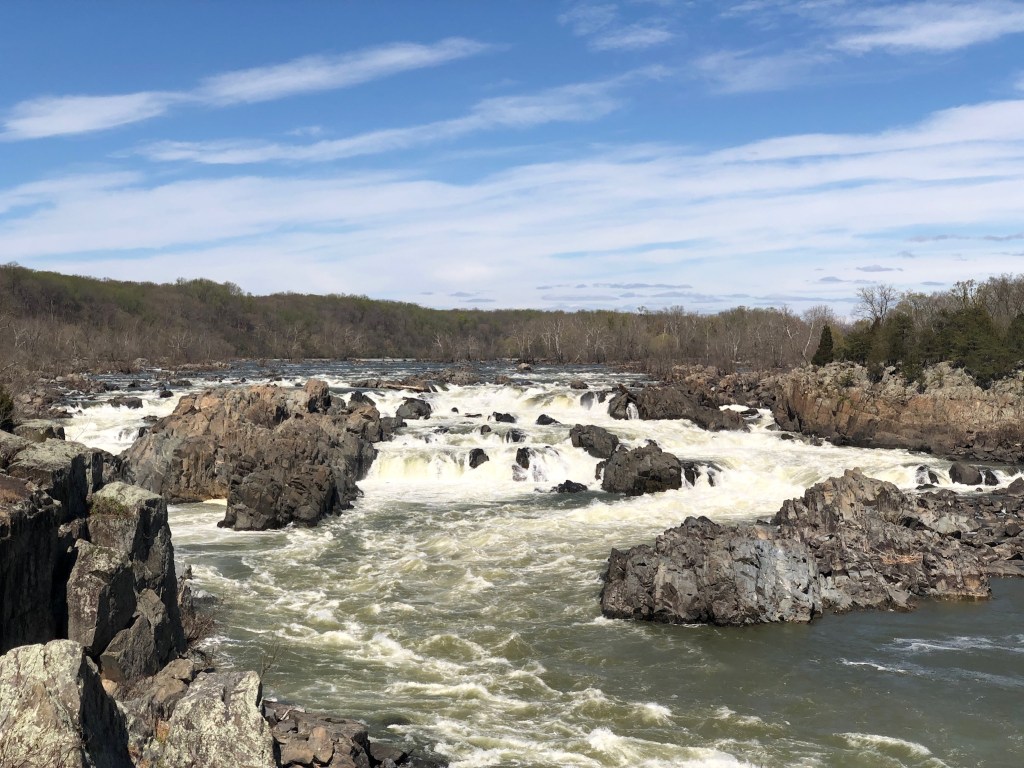
Great Falls Park: Visit Great Falls Park on both sides of the Potomac. Great Falls Park in Virginia is located just 15 miles outside of DC and offers stunning views of the Potomac River and the Great Falls. Want to stay on the Maryland side of the river? There is another Great Falls Park in Potomac, MD. Visitors to both sides can enjoy hiking trails and picnic areas.

Theodore Roosevelt Island

Theodore Roosevelt Island: Theodore Roosevelt Island is a peaceful 88-acre oasis located in the Potomac River, accessible by footbridge from Arlington, Virginia. The island is home to miles of scenic hiking trails, lush forests, and a variety of wildlife habitats. Visitors can also explore the island’s rich history through its monuments and exhibits dedicated to the legacy of President Theodore Roosevelt, including the 17-foot-tall statue of the president located in the island’s central plaza.

Meridian Hill Park: Also known as Malcolm X Park, this park is located in the heart of DC. It is a beautiful 12-acre park that was recently updated by the National Park Service to make it more accessible and added more trees and shrubs. It features a cascading fountain, a historic statue, and a vibrant weekly drum circle.

Kenilworth Park and Aquatic Gardens

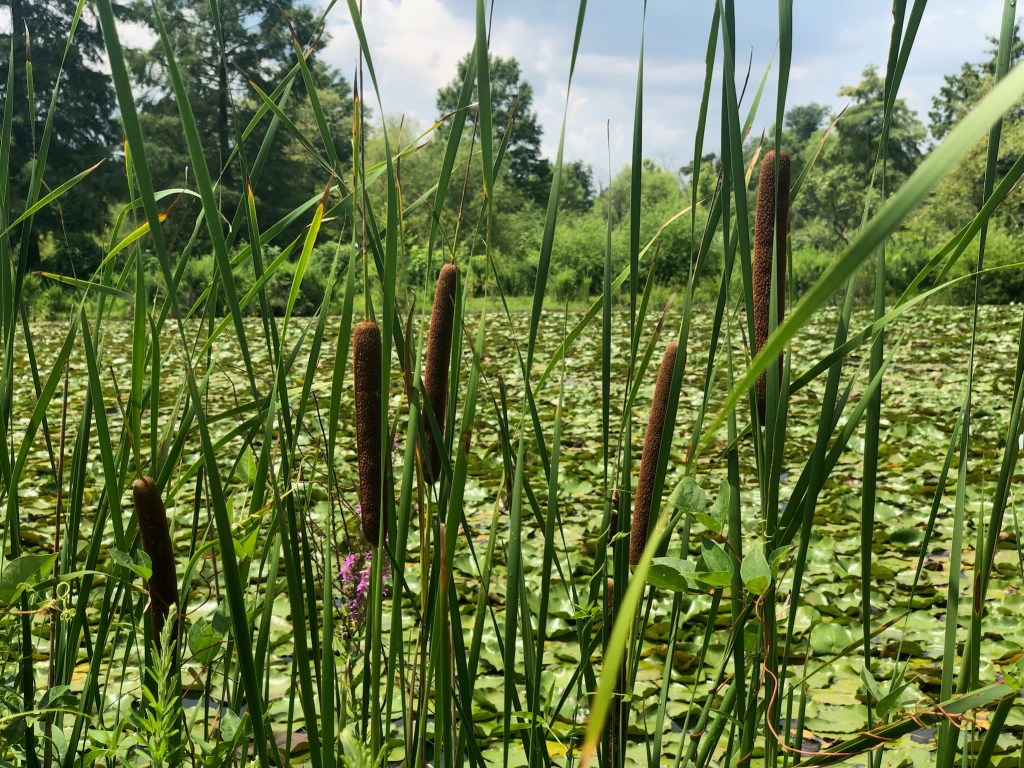
Kenilworth Park and Aquatic Gardens: Kenilworth Park and Aquatic Gardens is a hidden gem located in Washington, DC, offering visitors a unique opportunity to explore the beauty of aquatic plants and wildlife. The park features acres of stunning water lilies, lotus flowers, and other aquatic plants, as well as hiking trails, fishing piers, and picnic areas. The annual Lotus and Water Lily Festival, held July 15-22, 2023, is a highlight of the year, where you can see the lotus and water lilies in full bloom.

Anacostia Park: Anacostia Park is a sprawling urban oasis located in the heart of Washington, DC, offering visitors a wide range of recreational activities. The park’s 1,200 acres includes hiking and biking trails, playgrounds, picnic areas, and athletic fields, as well as access to the Anacostia River for kayaking, fishing, and boating. The park also hosts a variety of events and festivals throughout the year, including concerts, movie screenings, and cultural celebrations. It’s an ideal destination for families, nature lovers, and anyone seeking outdoor fun in the city.

National Arboretum

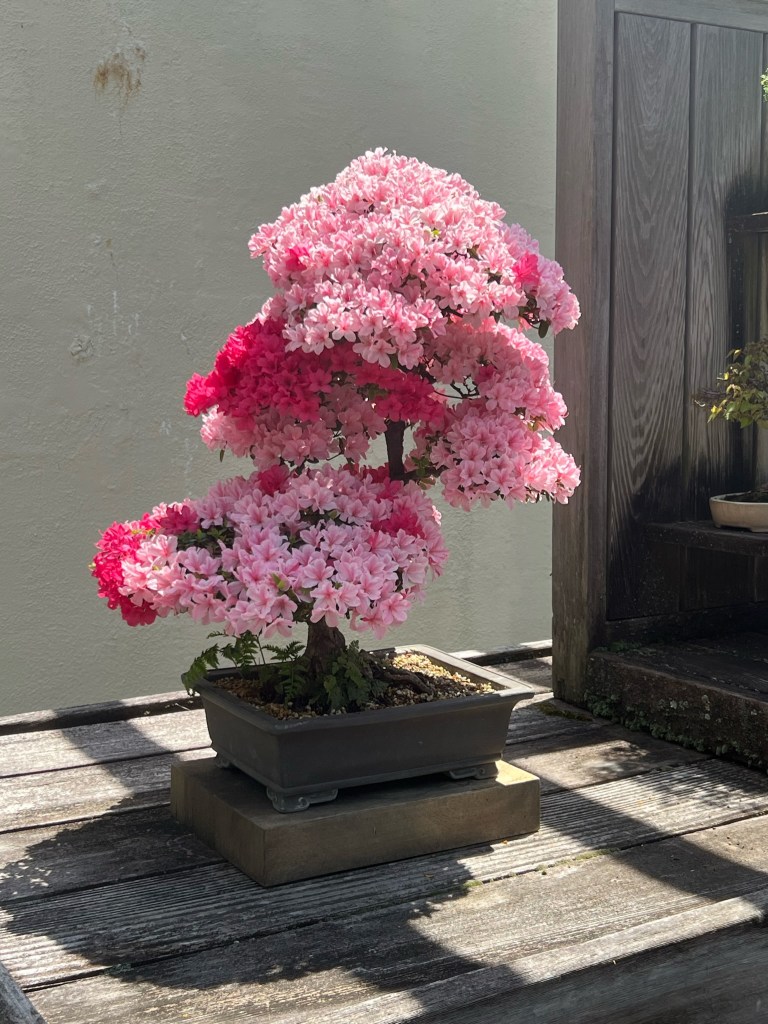
National Arboretum: The National Arboretum is a 446-acre living museum located in Washington, DC, showcasing over 6,000 species of plants and trees from around the world. Visitors can explore the park’s collections through self-guided tours, educational programs, and special exhibits. Highlights of the arboretum include the iconic National Capitol Columns, the Bonsai and Penjing Museum, and the picturesque Capitol Hill neighborhood vistas. It’s a must-visit destination for anyone interested in horticulture, botany, or simply seeking a serene natural escape in the heart of the city.

Fort Washington Park

Fort Washington Park: Originally built to defend the river approach to Washington DC, Fort Washington is a historic site located in Fort Washington, Maryland. Visitors can explore the fort’s rich history through exhibits, tours, and ranger-led programs. The park also offers scenic views of the Potomac River and opportunities for hiking, fishing, and picnicking. It’s a great destination for history buffs and outdoor enthusiasts alike.

Huntley Meadows Park: Huntley Meadows is a 1,500-acre natural oasis in Alexandria, Virginia, offering visitors the chance to explore a variety of habitats, including wetlands, meadows, and forests. The park’s boardwalk trails and observation platforms provide excellent opportunities for birdwatching and wildlife spotting. Visitors can also participate in guided nature walks, photography workshops, and educational programs hosted by the park’s rangers. It’s a must-visit destination for anyone interested in nature and outdoor recreation.

Properties on the Potomac realtors know more than just real estate. We can also help you find your new favorite neighborhood park, coffee shop, or restaurant. Give us a call at 703-624-8333 to find your new neighborhood.

By Andrea Justus, Properties on the Potomac Realtor

It’s that time of year: the time to plan your garden and start seeds. Vegetable gardening is easy and fun and the prep starts eight weeks prior to planting time. In Northern Virginia, planting time is generally the weekend of Mother’s Day. Although beautiful Spring days are tempting, I have “early planted” and lost a garden or two due to late season snow and cold snaps. I now am a firm advocate of Mother’s Day planting.   

Seeds can be planted directly into the ground for items like spinach, radishes, beets and herbs, as long as the ground is 50 degrees. For non-leafy vegetables, it’s important to start your plants early to get a jump on the growing season. I start tomatoes, eggplant, okra, cucumbers, squash and pumpkins in early March so that by early May the plants are large and healthy enough to withstand weather and insects and flourish. (For pumpkins, you can also sow the seeds in the ground in June for pumpkins in Fall.) March is also a good time to start flowers like Astilbe, Dahlias, and Croscomia. By starting in March, the flowers will bloom early and throughout summer.

What is the best method for starting seeds? There are many approaches, from dirt in a cup to seed-starting trays with heating pads and overhead lights. I make my own seed-starting blend with a Miracle Grow soil, worm castings, vermiculite and peat moss mixture. The mix is approximately 5 parts soil, two parts worm castings, one part vermiculite and a handful of peat moss. This gives the seeds an airy and nutritious start. You can use seed-starting trays or mini pots available at most gardening stores. Solo cups in trays also work well. I start mine in the basement next to the door so they get natural light. I use solar blankets on the ground and behind the seed table to capture any warmth and sunlight available.

Once the seed starts come up, I transfer them to larger cups and plant them deeper. Sometimes more than one transplant is needed. Water lightly every other day so that the soil is slightly damp, not wet. A gentle hand is critical to transferring the seed starts. Plan on starting more seeds than you need plants so that it’s not a crisis if you break a tender shoot. About 2 weeks before planting, start hardening off the plants by putting them outside. Start with an hour or two and gradually increase the time outside. You can also cover the plants while they are outside with burlap to keep them from being wind and sun burned. Once the plants are hardened, get ready to plant your garden in early May. I like to plant and fertilize with Abernethy and Spencer’s TLC. It gets healthy plants off to a roaring start!

I enjoy gardening and sharing the fruits of my labor with others! If you know me, you know I’m a plant person. Happy Gardening!

Need help figuring out the best landscaping for resale value? Reach out to Properties on the Potomac at
703-624-8333 now!

If you think of the word “cottage,” what do you see?  Do you envision images of warmth, coziness, and flowers climbing on front porches? Or maybe a smaller, less ornate house, and a lifestyle of tranquility and serenity.

A cottage may look different depending on the beholder, but one thing that is certain is that the term describes a category of house and a lifestyle rather than an architectural style.

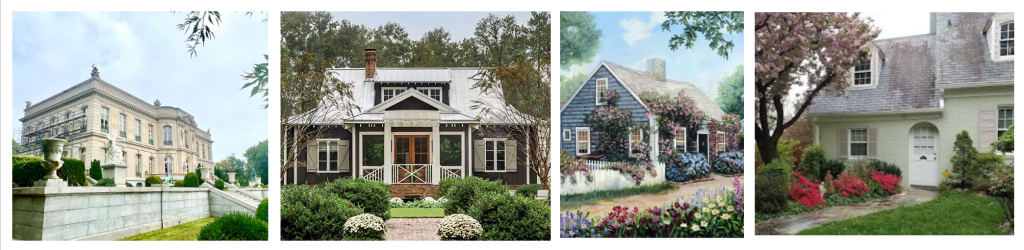
Historically, the term was used to denote more than charm and tranquility. During the Gilded Age in Newport, Rhode Island, the “Summer Cottages” were anything but today’s typical image of a cottage. There, the opulent and sumptuously appointed summer retreats were built to outshine one another among the wealthy elite during the summer months of vacationing and partying.

Today, the term has evolved to denote a quaint, cozy, charming, smaller house, often in a more rural setting, although cottages can be found in some cities as well. There are thatched-roof cottages in the English countryside, Tudor-style cottages on both sides of the Atlantic, and even fairy tale cottages in, well, fairy tales. Among the more famous cottages is Green Gables of Anne of Green Gables fame.

But the history of the word goes back even further than Gilded Age New England: according to Southern Living writer Maggie Burch, “The term ‘cottage’ and the house style most closely associated with it originated in England during the Middle Ages. Peasant farmers were known as “cotters,” and their modest, rural homes came to be called cottages. Even today, a cottage-style house in the U.K. has the same description it did hundreds of years ago—the homes are simple dwellings meant to fight off the cold, typically with one large living room downstairs and two bedrooms upstairs, under a thatched roof.” The house in the Cotswolds featured in the movie, The Holiday, is the quintessential English cottage.

Today, there are a variety of cottage styles in the U.S.

The “Coastal Cottage” denotes being near the beach. Massachusetts and Connecticut have a great many of these charming homes. The architectural term “Cape Cod” is a cottage style associated with Cape Cod, Martha’s Vineyard, and Nantucket. The clapboard siding, the red brick chimneys, their meandering walkways, and charming flower-covered fences evoke a longing for innocence.

The “English Cottage,” with its thatched roof and overgrown gardens and open spaces, will be found in the English countryside. (Designing an overgrown garden in many newer communities in our areas could invoke the wrath of homeowners’ associations.)

“Creole Cottages” have evolved from New Orleans and the “Low Country.” They are often narrow, have front porches, and covered outdoor living areas. They are light and breezy: picture white gauze curtains billowing in the breeze.

A “bungalow” can be a cottage. Its defining features are a sloping roof, dormer windows, and an overhanging porch. This style of house can be found throughout the U.S., from Craftsman post-and-beam construction to brick bungalows with horizontal dormers found in the Chicago area.

What are the key elements of the cottage? Outside, they will have natural building material – callboard and/or wood shingles all set amid casual and lush landscapes. The interior elements of the cottage will feature lush textiles, pillows, rugs, curtains, blankets, and comfortable furniture. Fireplaces, nooks, and cozy kitchens are hallmarks of the style.

In our local real estate market, many homeowners love the cottage style. Although recent trends have been minimalistic in shades of gray; cottage-style homes with their cozy elements have resold quickly –  many over list price. Cottage style tugs at the heartstrings, offering the dream of intimate and quiet family times.

In search of your diamond-in-the-rough cottage? Contact Properties on the Potomac at 703-624-8333 today!

Here we are – the beginning of 2023 ! You have been waiting to make decisions and commitments until the holidays are over. Now what?

If you are thinking of moving – up, down, around, or away – here are a few tips to help you structure your activities:

  • Decided whether you want to sell or keep your current real estate. Either way, consult a competent real estate broker. The possibilities are endless and your investment and risk are huge. Be selfish and work with the best (that would be us – read our website and see for yourself).
  • If you plan to sell, list long before you want to go on the market. That way pre-marketing excitement can bring the best buyer.
  • Go through all the nooks and crannies of your home (that includes closest that you often use). Start with all off-season belongings first. Decide whether you will keep, toss, or donate.
  • If you have a home of 2000+ Square Feet, know that it will take you several weeks to complete the culling and packing.
  • Be smart and not impulsive. There are many garments and things, that due to the current circumstances ,have remained unworn or unused. Do not throw away anything on a whim. It doesn’t matter if it makes you happy if you will need it later. You will buy it back for more money and of lesser quality. Keep your stuff. Your happiness will compound with lower bills. Be a good steward.
  • Do not make capital investments in your current home unless it will be a coat of paint and some flooring. Keep it simple. Do not replace appliances with stainless steel.
  • Chose a smart real estate agent who knows what sells and what brings in the most return for your investment. – Again, that would be us – not bragging, just the facts.
  • In 2022, our listings sold for 105% of list price and our buyers paid 95.5% of list price. How is that? Ask us.
  • We’ll be happy to show you how you can benefit from our 35 years of experience in all sorts of markets.

Looking to make a move in 2023? Give Properties on the Potomac a call at 703-624-8333!

By Andrea Justus

As the weather improves a good number of us are looking at our gardens and landscaping and thinking, where do I start?  Here are some easy tips for preparing your garden.

Remove all dead garden debris as it may harbor pests or disease from last year.   After the debris is removed it is time to weed.

Remove all growing weeds by the root using a hand weeder – tilling can break apart and spread roots resulting in more weeds down the road.  It is tempting to use technology to get things done faster.  I prefer not to use weed spray in my vegetable garden and find that pulling by the roots lasts longer. My favorite hand weeder is the type that telescopes with a claw on one side and a hoe on the other.  A weed hoe is also helpful in soft soil to loosen the plants so you can pull them by the roots.

Prepare the soil – Incorporate compost by digging in with a garden fork. Refresh soil in raised beds, talk with your local gardening supply store or Master Gardener for soil amendment recommendations.   Incorporate appropriately labeled dry vegetable fertilizer before planting vegetables.   Time release fertilizer is best as the plant can absorb it over time.

Know the appropriate planting dates for summer vegetables. There are many resources available including the library, plant labels, local plant nurseries, and the Virginia Cooperative Extension Master Gardeners.  See  http://loudouncountymastergardeners.org/ for the Master Gardeners events calendar for planting information and to learn where in the county they are holding lectures or Garden Clinics in season.

pexels-photo-95215.jpeg

Have stakes, trellises, twine, hoses and other garden tools ready for when the vegetables are ready to be planted.  Pay attention to planting depth, for tomatoes plant them up to the first set of leaves to establish strong roots and plants. After planting it is helpful to sprinkle some Preen between the rows  to minimize summer weeding, (do not use Preen in beds if you are going to plant seeds for a second harvest).

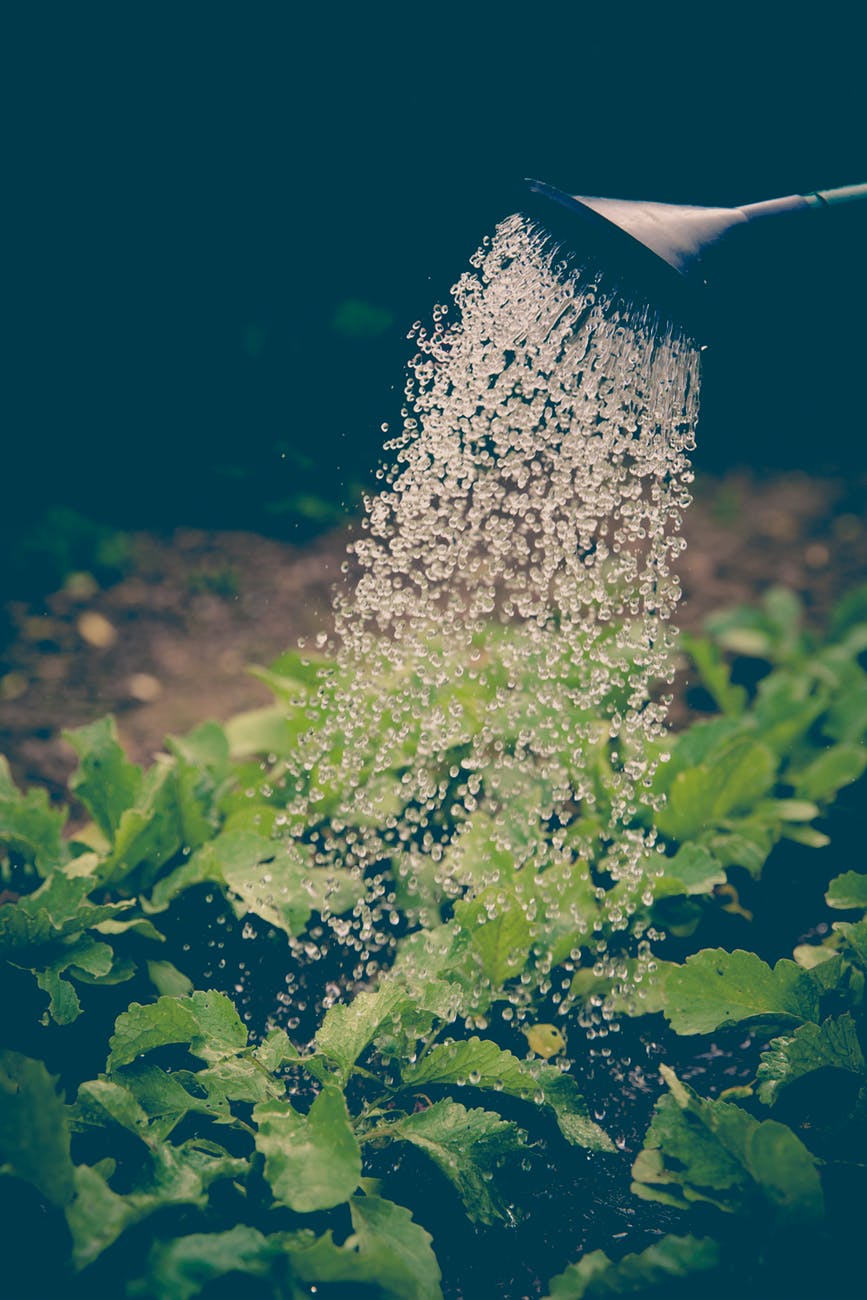
Water in all plantings.  Consider covering the rows and walkways in straw to keep weeds down and help plants retain moisture. Hand watering works well for many people, remember that what you water grows whether it is weeds or vegetables.  You can avoid watering weeds by using a garden watering system of hoses with water holes every 12 inches. These systems are relatively inexpensive, convenient, and last a long time especially when covered in straw.

Get started! Rediscover the fun of growing things and share the hobby.

To talk to Andrea about gardening, or finding the farm of your dreams, click here!

pexels-photo-255501.jpeg