In the realm of real estate, first impressions matter. Whether you’re aiming to sell your property or simply enhance its appeal, creating an inviting atmosphere around your home is key. While landscaping is often the go-to solution, there’s another overlooked gem that can effortlessly elevate your home’s charm: flower container gardens.
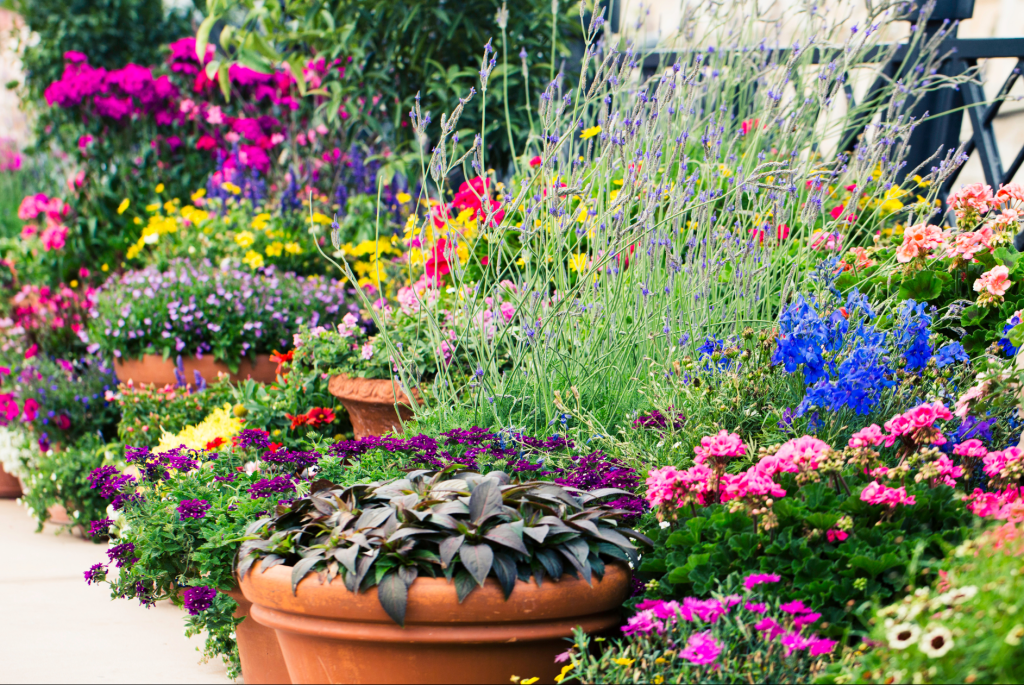
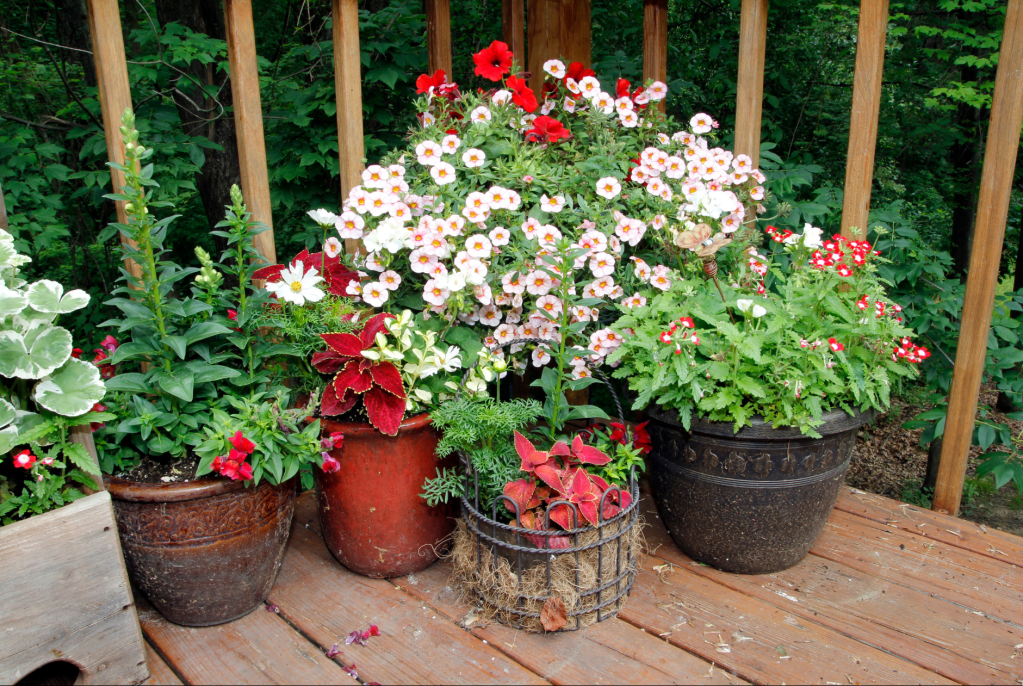
Container gardens offer a versatile and customizable way to add bursts of color, texture, and fragrance to any outdoor space. From quaint balconies to expansive porches, these portable gardens can transform even the smallest areas into captivating oases. Here’s why incorporating flower container gardens into your home’s landscape can make all the difference:

1. Flexibility and Versatility: One of the greatest advantages of container gardening is its flexibility. Whether you’re working with limited space or seeking to revitalize a specific area, containers can be placed virtually anywhere – from patios and decks to windowsills and stairways.
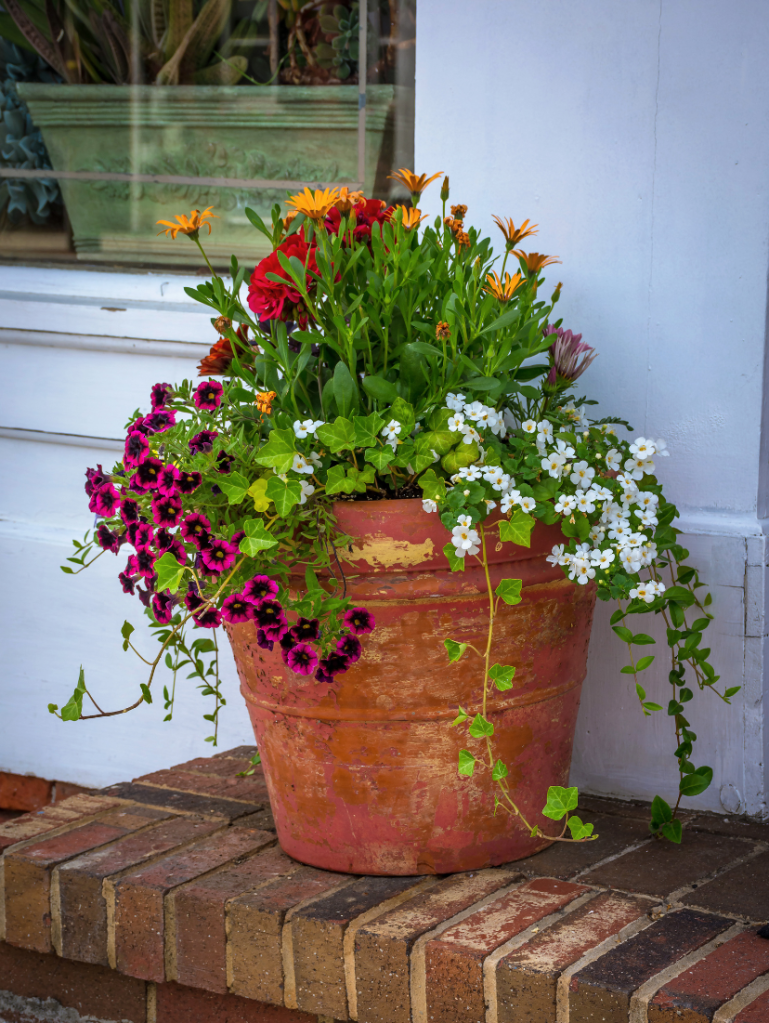
2. Seasonal Variety: With container gardens, you have the freedom to switch up your plant selections with each passing season. From tulips and daffodils in the spring to petunias and marigolds in the summer, there’s no shortage of options to suit every season’s palette. By rotating your plants throughout the year, you can keep your outdoor space looking fresh and inviting.

3. Low Maintenance: For homeowners with busy schedules or minimal gardening experience, container gardens offer a low-maintenance alternative to traditional landscaping. By choosing low-maintenance plants and incorporating self-watering containers, you can enjoy the beauty of flowers without the constant upkeep. With just a bit of occasional pruning and fertilizing, your container garden can thrive with minimal effort, enhancing your home’s curb appeal effortlessly.
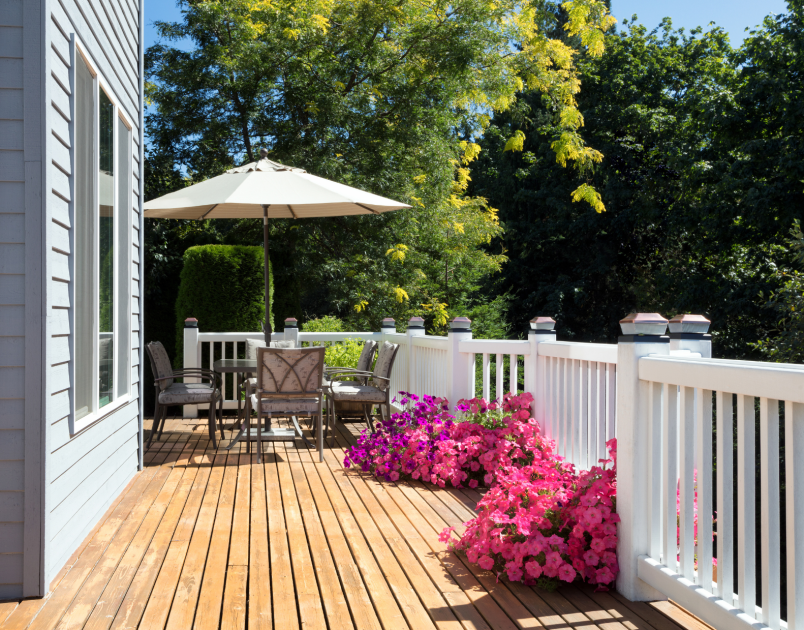
4. Instant Impact: Unlike traditional gardens that require time to mature and fill out, container gardens provide instant gratification. You can create an immediate visual impact that captures attention and admiration. Whether you opt for a single statement container or a series of coordinated planters, the beauty of your container garden will draw eyes and evoke positive emotions, making your home more memorable to potential buyers or visitors.

5. Personalization and Creativity: Above all, container gardening allows you to unleash your creativity and express your personal style. From selecting unique containers and arranging plants to choosing color schemes and themes, the possibilities are endless. Whether you prefer a whimsical cottage garden or a sleek modern display, your container garden can reflect your personality and create a welcoming atmosphere that resonates with others.

Incorporating flower container gardens into your home’s landscape is a simple yet impactful way to enhance its appeal and create lasting impressions. Check out our other blog posts on creating captivating outdoor spaces, or contact Properties on the Potomac at 703-624-8333 for a consultation on making your home more memorable to buyers.
By Krasi Henkel

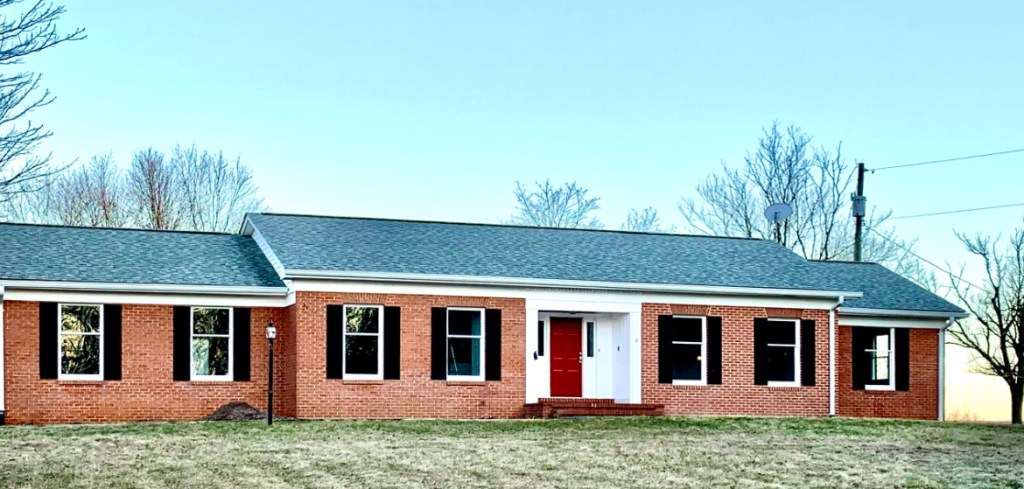
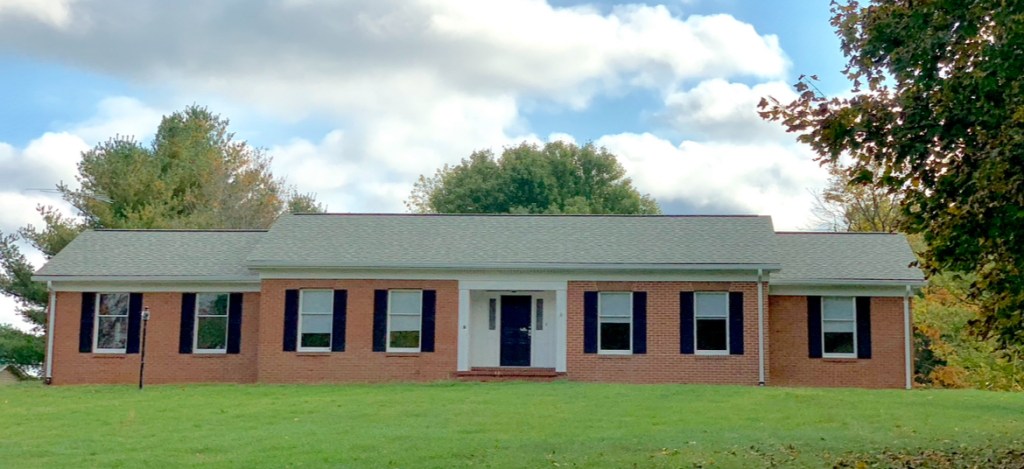
Ranch-style homes have been a popular choice for decades thanks to their practical single-story layouts and flexible spaces. While some home buyers may overlook older ranch houses in favor of newer construction, these modest homes actually offer great opportunities. With some creativity and wise investments, you can remodel a ranch house on a budget.

The Benefits of Buying an Older Ranch:

  • Mail level primary bedroom(s)
  • Mature trees and landscaping
  • Established neighborhoods
  • Lower property taxes
  • Good value per square foot
  • Flexible floor plans
  • Hardwood floors or solid mid-century materials

The Blank Canvas:

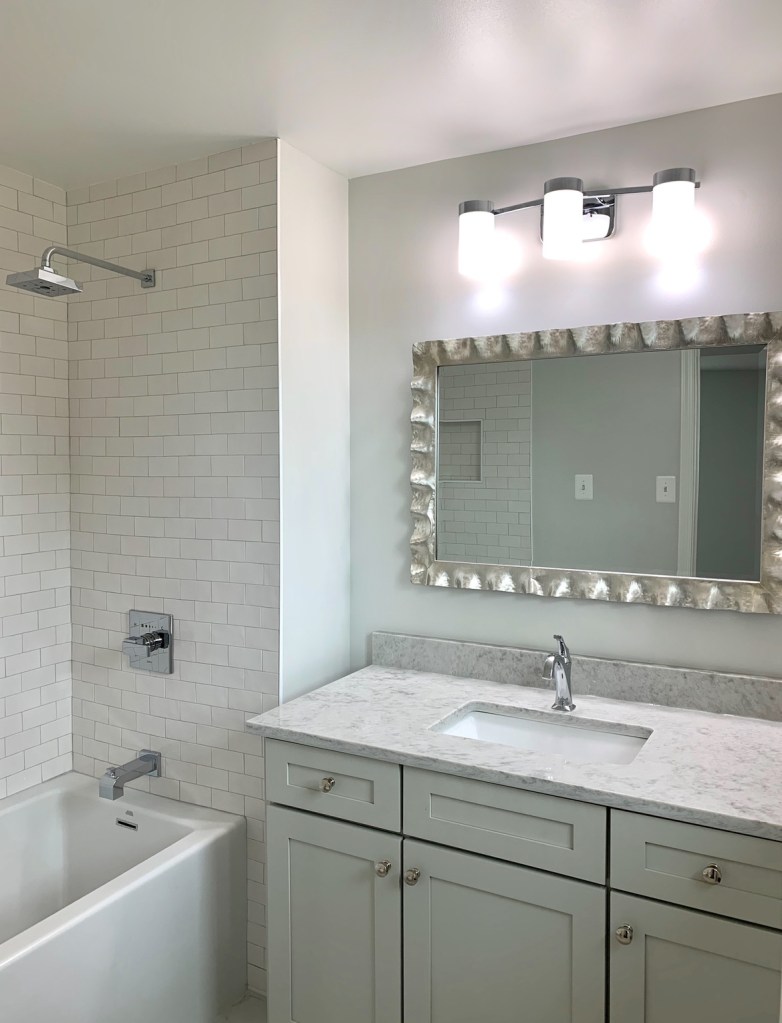
The simple shapes of ranch homes make them perfect blank canvases to incorporate modern style. Minor changes can make ranch homes feel fresh and new without blowing the budget. Consider these economical updates:

  • New paint in contemporary hues
  • Swap dated lighting for streamlined fixtures
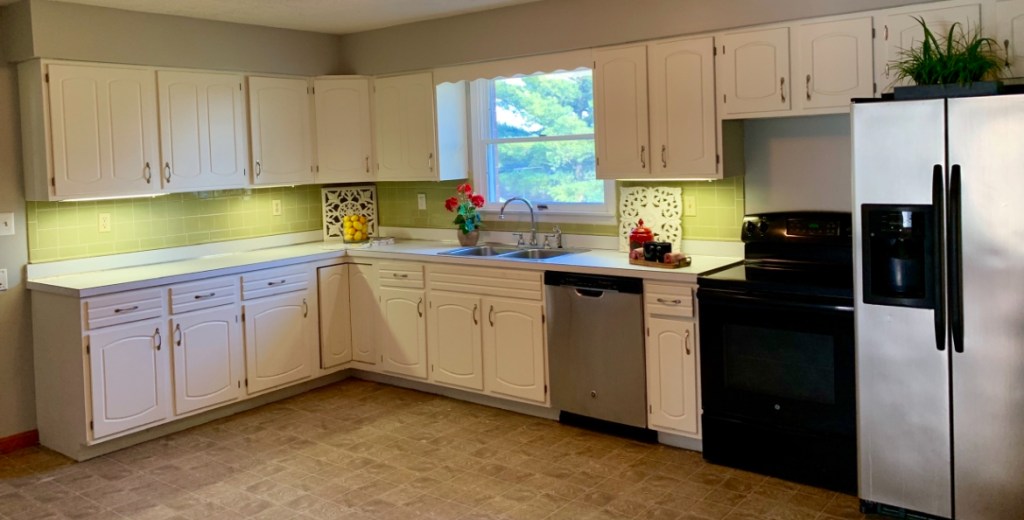
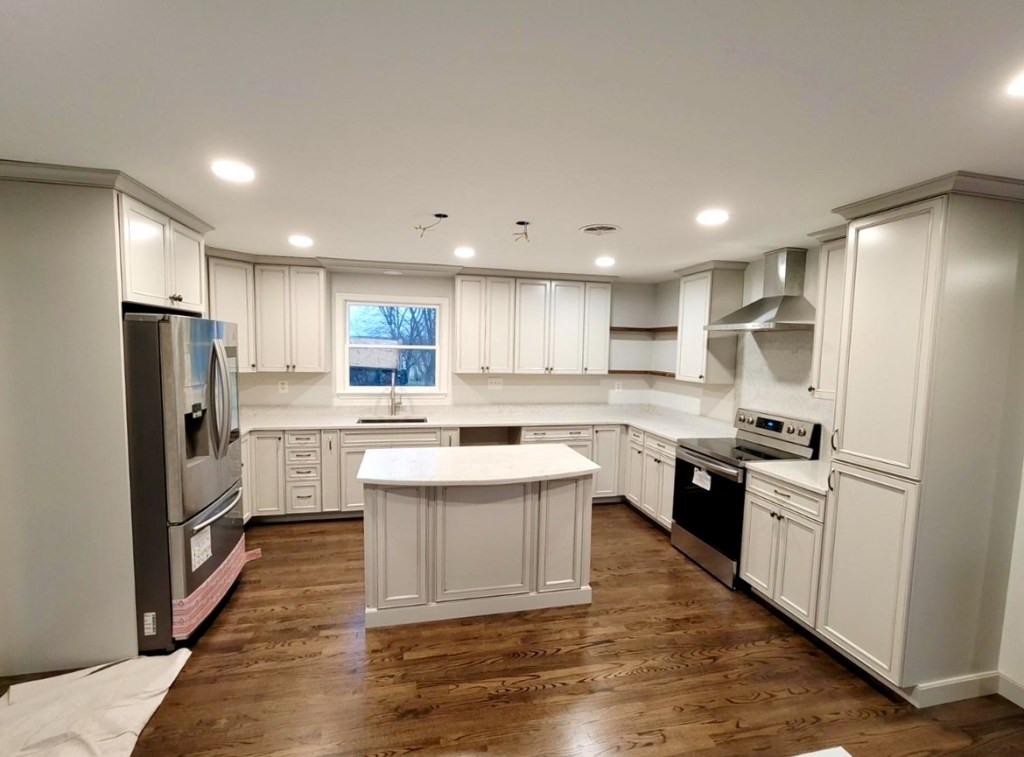
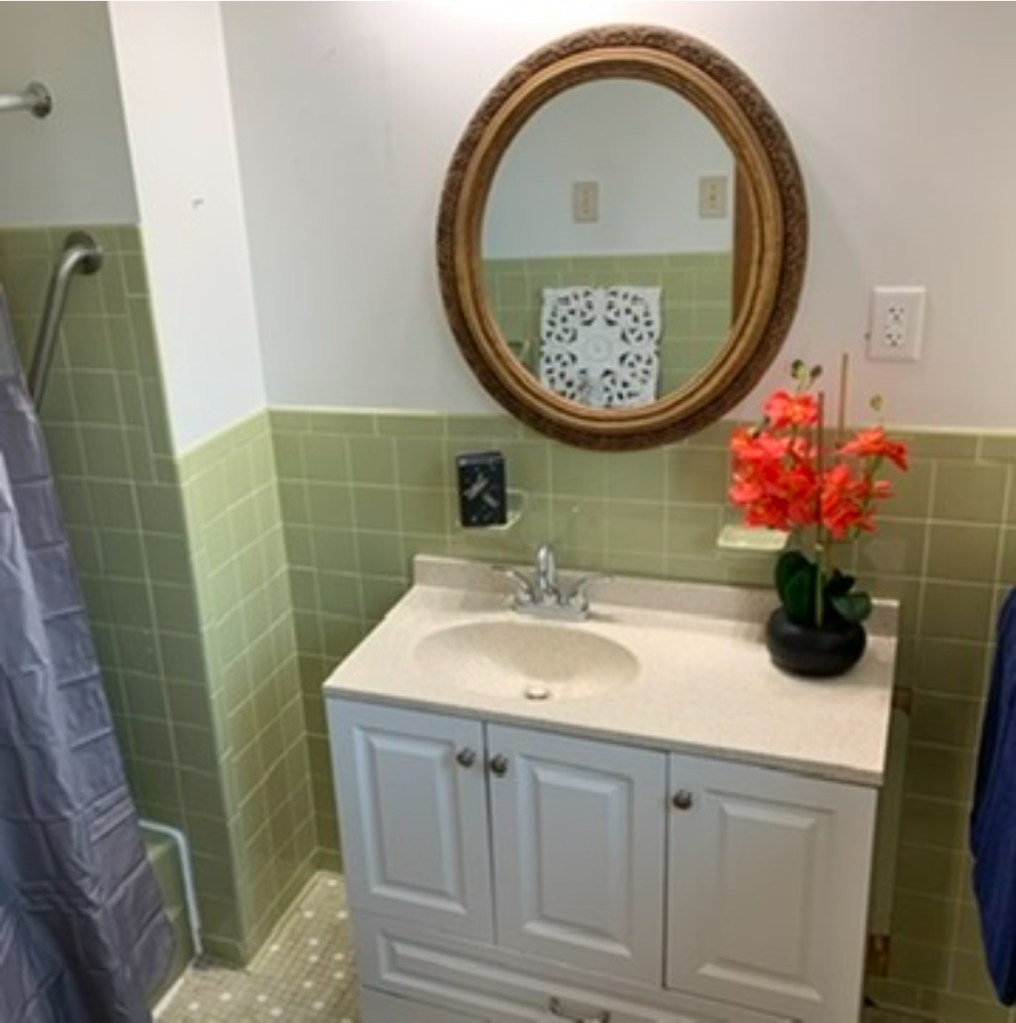
  • Replace builder-basic kitchens and baths with IKEA systems
  • Refinish hardwood flooring hidden under outdated carpeting
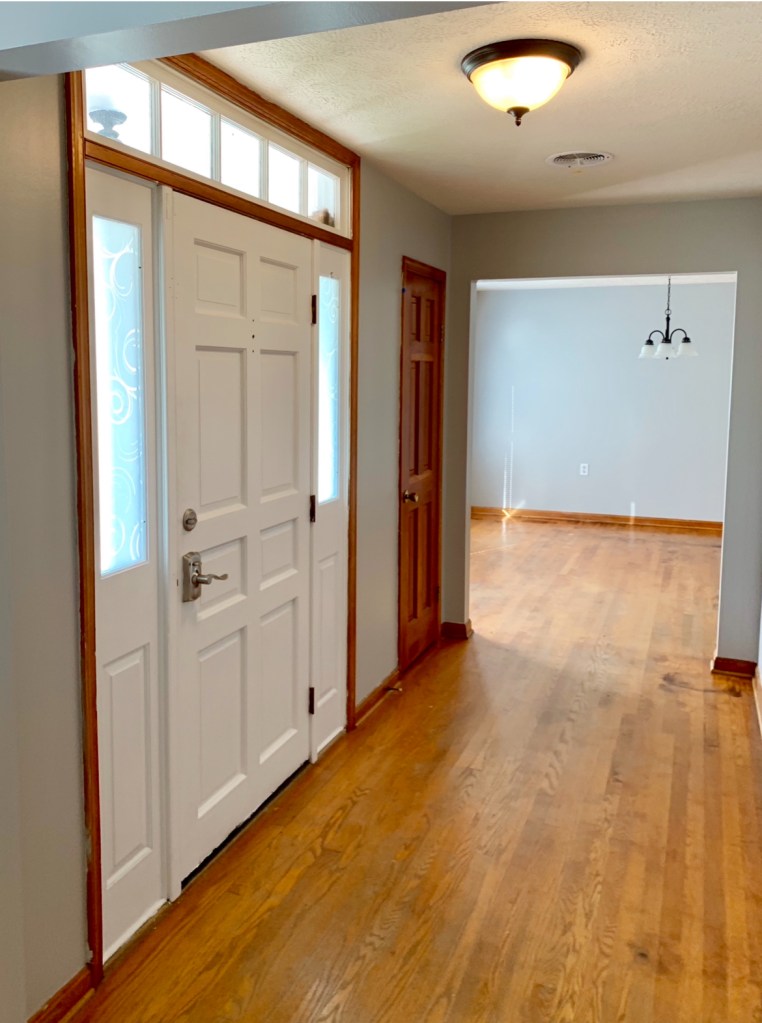
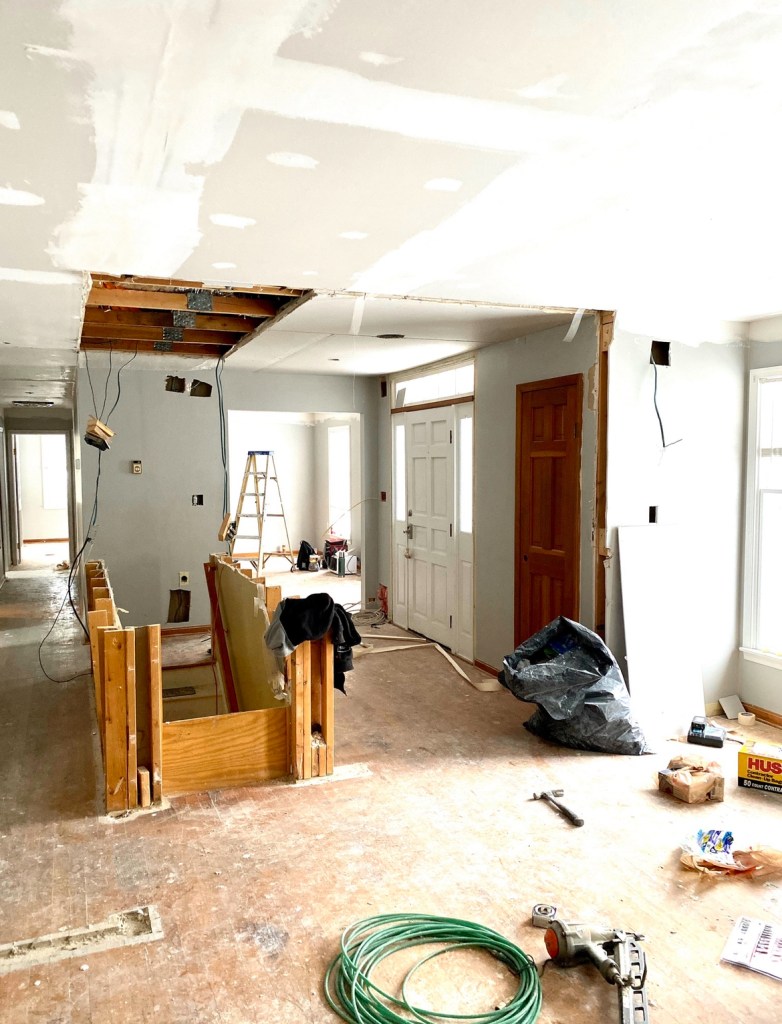
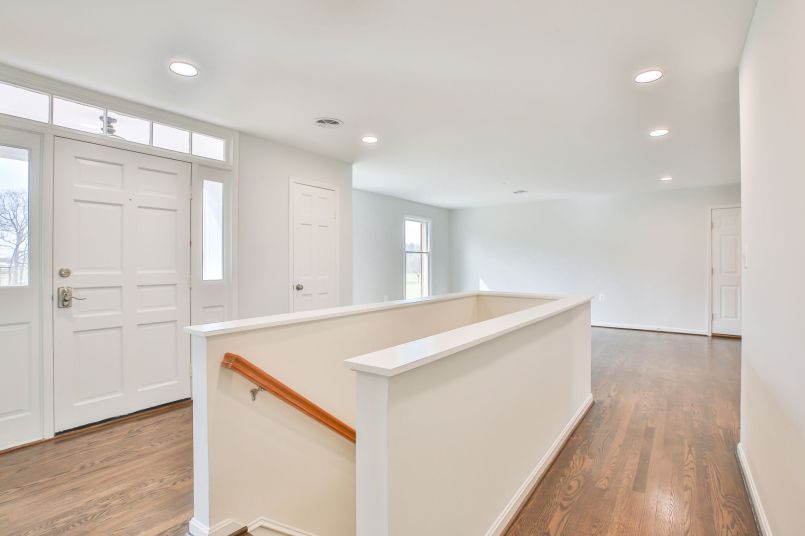
  • Knock down walls to create open-concept spaces
  • Add an addition

Big Style for Small Budgets

You don’t need expensive materials to give a ranch home an interior facelift. Use these design insider tips:

  • Shop for unique vintage details
  • Use bold wallpaper or paint instead of new cabinets
  • Stain concrete floors for an industrial look
  • Upgrade windows and patio doors even if you keep other structural elements

The single-level living and unused basement or attics in ranch homes present opportunities for expansion or converting unused areas into rental units for extra income.

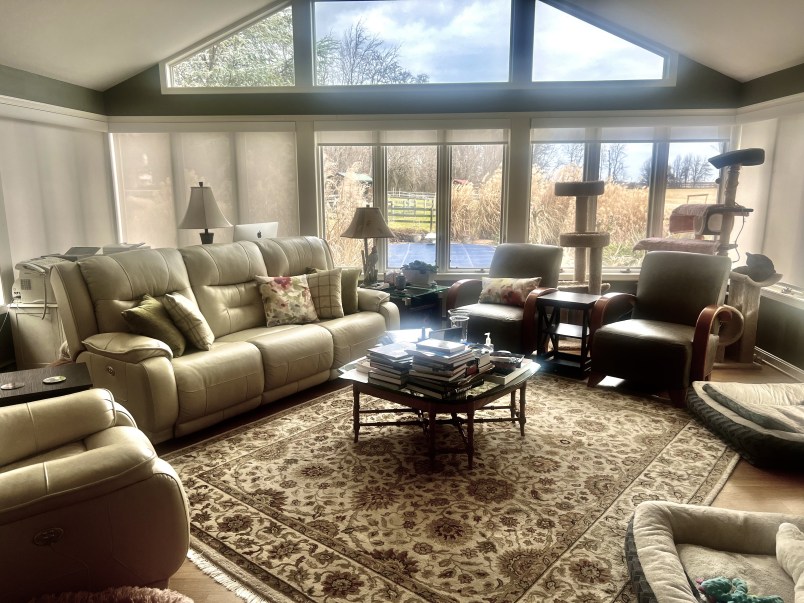
Addition to a ranch home provides tall, open spaces with abundant views

Take a fresh look at older ranch houses. With an updated exterior paint color, strategic refreshes indoors, and your own custom vision, you can personalize a home to suit your needs and style for less than you might expect. The charm and practicality of ranch homes continue to win over buyers who see their outstanding potential.

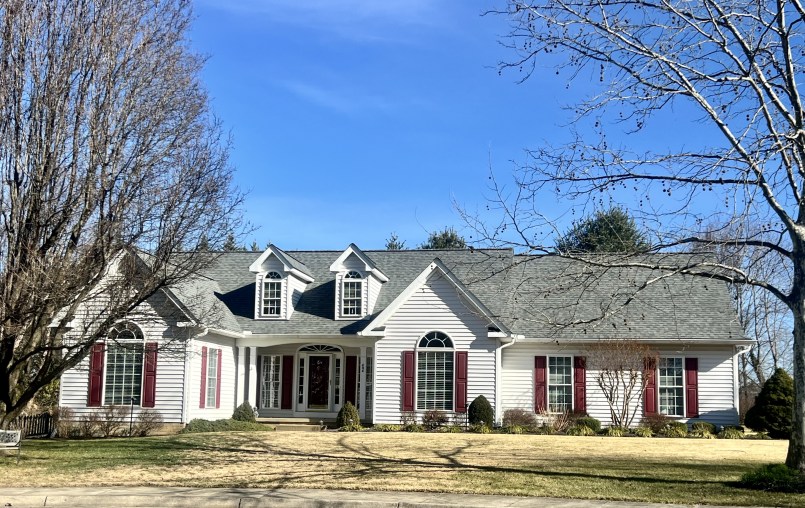
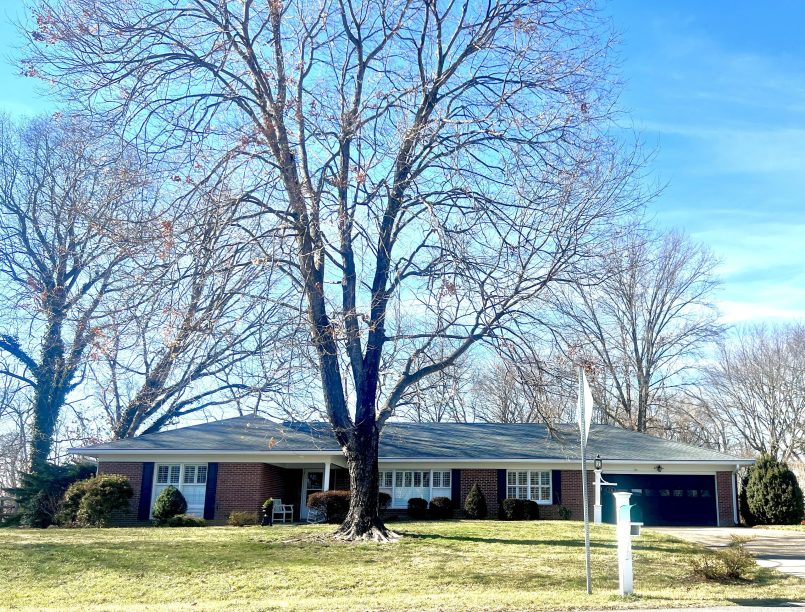
One of my favorite ranch homes in a subdivision that I have sold many ranches and that I love to walk my dog!

“How is the market?”

This is our most frequently asked question. It is understandable given low inventory, rising interest rates, and homes often selling for over list price. Real estate headlines can seem daunting. Headlines notwithstanding, our market is still active. Home values climbed at about 3.5% in the first half of this year as demand continues to outpace supply.

The key to this market is being an educated buyer or seller. Now more than ever, working with the right agent is critical. Selecting a savvy, experienced agent who will give you expert guidance will make all the difference in this competitive market.

Our proven systems help our clients find the right homes and make the best offers. Our success speaks for itself. We leave no details to chance. Our sellers optimize their properties to attract the most qualified buyers who are ready to move quickly.

Today’s most successful real estate agents are taking advance reservations from qualified clients. By planning ahead and partnering with a top agent, buyers and sellers can still achieve their property goals, even in this fast-paced market.

Bottom line: real estate remains an essential need and purchases are happening every day. With the right preparation and guidance, your real estate goals can absolutely become reality. The key to our clients’ success are our well-honed systems.

Do you have real estate plans for 2024? Connect with Properties on the Potomac at 703-624-8333 to start strategizing for your next move!

Courtyards, those serene and open spaces tucked away within the heart of buildings, have a rich history that spans across cultures and centuries. These versatile architectural elements have evolved from functional necessities to aesthetic havens, reflecting the changing societal values, technological advancements, and artistic tastes of their times. In this journey through history, we will explore the evolution of courtyards from their humble beginnings to their modern interpretations, highlighting their significance and enduring charm.

Ancient Origins
The concept of courtyards dates back to ancient civilizations, where they emerged as practical solutions to address the challenges of urban living. In ancient Mesopotamia, as early as 4,000 BCE, residents built homes with central open spaces to facilitate ventilation and provide a source of light. These early courtyards not only served as gathering areas but also played a crucial role in regulating temperature within the structures.

Egyptian architecture also embraced the courtyard as an integral part of their designs. The ancient Egyptians utilized courtyards as private oases, often featuring gardens and pools surrounded by residential or religious structures. These courtyards symbolized fertility, rebirth, and the connection between life and the afterlife.

Greco-Roman Influence
The Greek and Roman civilizations further developed the concept of courtyards, integrating them into various building types. The peristyle, a colonnaded courtyard surrounded by columns, became a defining feature of ancient Roman villas and public buildings. This architectural innovation blended functionality with aesthetics, offering shaded areas for relaxation and socializing while emphasizing the visual appeal of symmetry and proportion.

Medieval Retreats
As societies transitioned into the medieval era, courtyards continued to evolve. In Europe, monasteries and castles featured cloister courtyards, enclosed areas with covered walkways surrounding gardens. These courtyards served as peaceful sanctuaries for monks and residents alike, where they could contemplate, meditate, and engage in other religious activities away from the bustling outside world.

Renaissance Elegance
The Renaissance period witnessed a revival of interest in classical architectural principles, and courtyards played a significant role in this resurgence. Palaces and grand residences of the Renaissance embraced the concept of the “courtyard house,” where a central courtyard acted as the focal point of the building. These courtyards were adorned with sculptures, fountains, and intricate architectural details, showcasing the wealth and cultural refinement of the patrons.

Courtyards Around the World
As exploration and trade expanded, courtyards found their way into various cultures worldwide. Islamic architecture, for example, perfected the art of the courtyard, creating intricate designs known for their geometric patterns, lush gardens, and tranquil reflecting pools. The Alhambra in Spain and the courtyard houses of Morocco exemplify the enduring allure of Islamic courtyard design.

In East Asia, traditional Chinese architecture incorporated courtyards into the layout of siheyuan, enclosed compounds where multiple buildings surrounded a central courtyard. These structures emphasized privacy, family unity, and the harmonious integration of human habitation with nature.

Modern Interpretations
In the modern era, the concept of courtyards has expanded beyond residential and religious contexts. Urban planners and architects recognize the value of these spaces in densely populated areas, fostering a sense of community, providing natural light, and improving ventilation. Modern courtyards can be found in commercial buildings, educational institutions, and even public spaces, each with a unique interpretation that blends functionality with contemporary design sensibilities.

From ancient civilizations to modern times, courtyards have maintained their relevance and allure as architectural elements that harmonize human habitation with the natural world. The evolution of courtyards showcases the adaptability of this design concept to different cultural, social, and technological contexts. As we continue to appreciate their beauty and functionality, courtyards remain a testament to the enduring connection between architecture, nature, and human well-being.

Are you looking for your own “courtyard house”? Properties on the Potomac can help. Give us a call at 703-624-8333 to find your outdoor oasis today!

As the fireworks light up the night sky and the scent of barbecues fills the air, Independence Day reminds us of the cherished values that define our great nation. It’s a time to celebrate the freedom we hold dear, and for many, that freedom extends to the pride and joy of owning their own homes. As a Realtor, I am thrilled to share this moment with you and explore how homeownership reflects the spirit of independence and the pursuit of the American dream.

Owning your own home represents a significant milestone on your journey to personal freedom. It’s more than just a financial investment; it’s a place to call your own, where you can create lasting memories and build a foundation for the future. A home is where you can express your unique style, make your own rules, and have the freedom to shape your living space according to your needs and desires. It offers stability and a sense of belonging, providing a safe haven where you can truly be yourself.

This Independence Day, take a moment to reflect on the many benefits of homeownership. It’s a symbol of your hard work, determination, and commitment to building a better life. From the pride of homeownership to the financial advantages of building equity and potential tax benefits, owning a home offers a sense of security and stability that can truly enhance your quality of life.

Whether you’re a first-time buyer or considering a new home, there’s no better time than now to explore the possibilities of homeownership. At Properties on the Potomac, we are here to guide you through the process, helping you navigate the market and find the perfect home that aligns with your dreams and aspirations. Let’s celebrate the freedom of homeownership and embark on a journey towards a brighter, more independent future.

Contact Properties on the Potomac at 703-624-8333 to discuss your homeownership goals and let’s make your dream of owning a home a reality. Together, we can navigate the real estate market and find the perfect property that suits your needs.

By Andrea Justus, Properties on the Potomac Realtor

It’s that time of year: the time to plan your garden and start seeds. Vegetable gardening is easy and fun and the prep starts eight weeks prior to planting time. In Northern Virginia, planting time is generally the weekend of Mother’s Day. Although beautiful Spring days are tempting, I have “early planted” and lost a garden or two due to late season snow and cold snaps. I now am a firm advocate of Mother’s Day planting.   

Seeds can be planted directly into the ground for items like spinach, radishes, beets and herbs, as long as the ground is 50 degrees. For non-leafy vegetables, it’s important to start your plants early to get a jump on the growing season. I start tomatoes, eggplant, okra, cucumbers, squash and pumpkins in early March so that by early May the plants are large and healthy enough to withstand weather and insects and flourish. (For pumpkins, you can also sow the seeds in the ground in June for pumpkins in Fall.) March is also a good time to start flowers like Astilbe, Dahlias, and Croscomia. By starting in March, the flowers will bloom early and throughout summer.

What is the best method for starting seeds? There are many approaches, from dirt in a cup to seed-starting trays with heating pads and overhead lights. I make my own seed-starting blend with a Miracle Grow soil, worm castings, vermiculite and peat moss mixture. The mix is approximately 5 parts soil, two parts worm castings, one part vermiculite and a handful of peat moss. This gives the seeds an airy and nutritious start. You can use seed-starting trays or mini pots available at most gardening stores. Solo cups in trays also work well. I start mine in the basement next to the door so they get natural light. I use solar blankets on the ground and behind the seed table to capture any warmth and sunlight available.

Once the seed starts come up, I transfer them to larger cups and plant them deeper. Sometimes more than one transplant is needed. Water lightly every other day so that the soil is slightly damp, not wet. A gentle hand is critical to transferring the seed starts. Plan on starting more seeds than you need plants so that it’s not a crisis if you break a tender shoot. About 2 weeks before planting, start hardening off the plants by putting them outside. Start with an hour or two and gradually increase the time outside. You can also cover the plants while they are outside with burlap to keep them from being wind and sun burned. Once the plants are hardened, get ready to plant your garden in early May. I like to plant and fertilize with Abernethy and Spencer’s TLC. It gets healthy plants off to a roaring start!

I enjoy gardening and sharing the fruits of my labor with others! If you know me, you know I’m a plant person. Happy Gardening!

Need help figuring out the best landscaping for resale value? Reach out to Properties on the Potomac at
703-624-8333 now!

If you think of the word “cottage,” what do you see?  Do you envision images of warmth, coziness, and flowers climbing on front porches? Or maybe a smaller, less ornate house, and a lifestyle of tranquility and serenity.

A cottage may look different depending on the beholder, but one thing that is certain is that the term describes a category of house and a lifestyle rather than an architectural style.

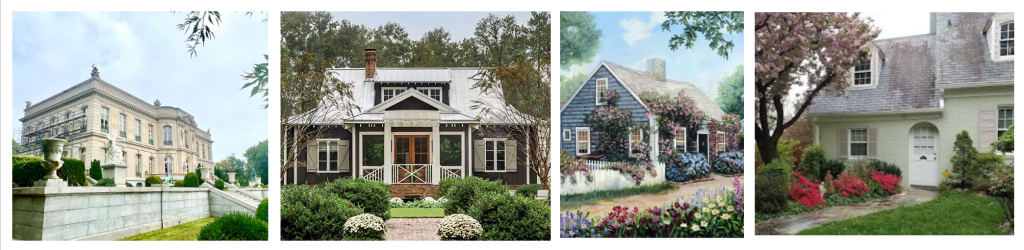
Historically, the term was used to denote more than charm and tranquility. During the Gilded Age in Newport, Rhode Island, the “Summer Cottages” were anything but today’s typical image of a cottage. There, the opulent and sumptuously appointed summer retreats were built to outshine one another among the wealthy elite during the summer months of vacationing and partying.

Today, the term has evolved to denote a quaint, cozy, charming, smaller house, often in a more rural setting, although cottages can be found in some cities as well. There are thatched-roof cottages in the English countryside, Tudor-style cottages on both sides of the Atlantic, and even fairy tale cottages in, well, fairy tales. Among the more famous cottages is Green Gables of Anne of Green Gables fame.

But the history of the word goes back even further than Gilded Age New England: according to Southern Living writer Maggie Burch, “The term ‘cottage’ and the house style most closely associated with it originated in England during the Middle Ages. Peasant farmers were known as “cotters,” and their modest, rural homes came to be called cottages. Even today, a cottage-style house in the U.K. has the same description it did hundreds of years ago—the homes are simple dwellings meant to fight off the cold, typically with one large living room downstairs and two bedrooms upstairs, under a thatched roof.” The house in the Cotswolds featured in the movie, The Holiday, is the quintessential English cottage.

Today, there are a variety of cottage styles in the U.S.

The “Coastal Cottage” denotes being near the beach. Massachusetts and Connecticut have a great many of these charming homes. The architectural term “Cape Cod” is a cottage style associated with Cape Cod, Martha’s Vineyard, and Nantucket. The clapboard siding, the red brick chimneys, their meandering walkways, and charming flower-covered fences evoke a longing for innocence.

The “English Cottage,” with its thatched roof and overgrown gardens and open spaces, will be found in the English countryside. (Designing an overgrown garden in many newer communities in our areas could invoke the wrath of homeowners’ associations.)

“Creole Cottages” have evolved from New Orleans and the “Low Country.” They are often narrow, have front porches, and covered outdoor living areas. They are light and breezy: picture white gauze curtains billowing in the breeze.

A “bungalow” can be a cottage. Its defining features are a sloping roof, dormer windows, and an overhanging porch. This style of house can be found throughout the U.S., from Craftsman post-and-beam construction to brick bungalows with horizontal dormers found in the Chicago area.

What are the key elements of the cottage? Outside, they will have natural building material – callboard and/or wood shingles all set amid casual and lush landscapes. The interior elements of the cottage will feature lush textiles, pillows, rugs, curtains, blankets, and comfortable furniture. Fireplaces, nooks, and cozy kitchens are hallmarks of the style.

In our local real estate market, many homeowners love the cottage style. Although recent trends have been minimalistic in shades of gray; cottage-style homes with their cozy elements have resold quickly –  many over list price. Cottage style tugs at the heartstrings, offering the dream of intimate and quiet family times.

In search of your diamond-in-the-rough cottage? Contact Properties on the Potomac at 703-624-8333 today!

Here we are – the beginning of 2023 ! You have been waiting to make decisions and commitments until the holidays are over. Now what?

If you are thinking of moving – up, down, around, or away – here are a few tips to help you structure your activities:

  • Decided whether you want to sell or keep your current real estate. Either way, consult a competent real estate broker. The possibilities are endless and your investment and risk are huge. Be selfish and work with the best (that would be us – read our website and see for yourself).
  • If you plan to sell, list long before you want to go on the market. That way pre-marketing excitement can bring the best buyer.
  • Go through all the nooks and crannies of your home (that includes closest that you often use). Start with all off-season belongings first. Decide whether you will keep, toss, or donate.
  • If you have a home of 2000+ Square Feet, know that it will take you several weeks to complete the culling and packing.
  • Be smart and not impulsive. There are many garments and things, that due to the current circumstances ,have remained unworn or unused. Do not throw away anything on a whim. It doesn’t matter if it makes you happy if you will need it later. You will buy it back for more money and of lesser quality. Keep your stuff. Your happiness will compound with lower bills. Be a good steward.
  • Do not make capital investments in your current home unless it will be a coat of paint and some flooring. Keep it simple. Do not replace appliances with stainless steel.
  • Chose a smart real estate agent who knows what sells and what brings in the most return for your investment. – Again, that would be us – not bragging, just the facts.
  • In 2022, our listings sold for 105% of list price and our buyers paid 95.5% of list price. How is that? Ask us.
  • We’ll be happy to show you how you can benefit from our 35 years of experience in all sorts of markets.

Looking to make a move in 2023? Give Properties on the Potomac a call at 703-624-8333!

By Andrea Justus

As the weather improves a good number of us are looking at our gardens and landscaping and thinking, where do I start?  Here are some easy tips for preparing your garden.

Remove all dead garden debris as it may harbor pests or disease from last year.   After the debris is removed it is time to weed.

Remove all growing weeds by the root using a hand weeder – tilling can break apart and spread roots resulting in more weeds down the road.  It is tempting to use technology to get things done faster.  I prefer not to use weed spray in my vegetable garden and find that pulling by the roots lasts longer. My favorite hand weeder is the type that telescopes with a claw on one side and a hoe on the other.  A weed hoe is also helpful in soft soil to loosen the plants so you can pull them by the roots.

Prepare the soil – Incorporate compost by digging in with a garden fork. Refresh soil in raised beds, talk with your local gardening supply store or Master Gardener for soil amendment recommendations.   Incorporate appropriately labeled dry vegetable fertilizer before planting vegetables.   Time release fertilizer is best as the plant can absorb it over time.

Know the appropriate planting dates for summer vegetables. There are many resources available including the library, plant labels, local plant nurseries, and the Virginia Cooperative Extension Master Gardeners.  See  http://loudouncountymastergardeners.org/ for the Master Gardeners events calendar for planting information and to learn where in the county they are holding lectures or Garden Clinics in season.

pexels-photo-95215.jpeg

Have stakes, trellises, twine, hoses and other garden tools ready for when the vegetables are ready to be planted.  Pay attention to planting depth, for tomatoes plant them up to the first set of leaves to establish strong roots and plants. After planting it is helpful to sprinkle some Preen between the rows  to minimize summer weeding, (do not use Preen in beds if you are going to plant seeds for a second harvest).

Water in all plantings.  Consider covering the rows and walkways in straw to keep weeds down and help plants retain moisture. Hand watering works well for many people, remember that what you water grows whether it is weeds or vegetables.  You can avoid watering weeds by using a garden watering system of hoses with water holes every 12 inches. These systems are relatively inexpensive, convenient, and last a long time especially when covered in straw.

Get started! Rediscover the fun of growing things and share the hobby.

To talk to Andrea about gardening, or finding the farm of your dreams, click here!

pexels-photo-255501.jpeg


“But how will that affect the future resale value of my home?” is a common refrain from many clients when they are considering decorating and / or improving their home. This is an interesting question and my answer is usually not expected.


Typically, I encourage my clients to pursue their passion and improve their home for their enjoyment. We have all seen formulas for returns on certain improvements. To those formulas, I san “So what?”


You take vacations, attend theater, shop for unnecessary, but desirable things, go to the spa,  and  purchase a host of other “pleasure” related things without concern of  future return. All of a sudden, when it comes to changing a wall color or adding a distinctive fabric, the breaks screech to a halt and the fretting begins. So the question is, how long do you plan to stay in your home? This answer will help you determine the wisdom of painting a wall chartreuse or building the outdoor kitchen.


Over the last 30 years, trends have shifted. Perfectly operating appliances have been discarded and many people have spent thousands of dollars keeping up with their neighbors’ improvements. However, what really makes you happy? Is the color du jour really your taste? Will you cook more at home with stainless steel appliances over the ones you have, and will you bathe/shower  longer or better in  the huge tub and/or shower? Will you be happier if your bank account has an extra zero?


Celebrating my 30th anniversary since my career change to real estate, this year, I have become pragmatic about improving, enhancing, or diminishing home values. Over this period I have learned valuable lessons.  I share 5 of those lessons with you below:


1.      Happy homes sell.

2.      Well-decorated homes with personality (regardless of color scheme) sell.

3.      Clean, well maintained homes, and tidy landscaping sell.

4.      Location sells.

5.      The right price will sell any time.


It is easy to get caught up with TV trends and neighbors’ improvements. I always recommend careful examination of the motivation of a proposed “improvement.” Unless, you will wake up and be deliriously happy  to see and/or use the improvement, bank the cost. If, on the other hand, you will enjoy the improvement, without concern about future return, then treat it as if it were a vacation and get it done. 


Be happy in your home and pay attention to its maintenance – both indoor and out. The worst that can happen is you’ll eventually have to repaint a few walls or you have paid to enjoy a particular feature that was important to you.


Have some fun and enjoy your home.