It is the Holiday Season again. Social calendars and children’s activities are at their peak. A common belief is that December is “quiet” in real estate. In reality, things are abuzz preparing for the New Year. Realtors are planning and wrapping up their year. Many homeowners are thinking, while perhaps, not taking immediate action.
When the calendar slows, distractions abound. Plans percolate. There might be fewer sales. There is also less competition (good for buyers). Are you evaluating how your space functions? Conversations often shift from “Should we?” to “What do we want next?” What do you really want?
The Conversations That Matter Most
Planning conversations revolve around timing, readiness, and sequencing. Much depends on selling or holding the current property. Should you consider a more immediate or deferred approach?
What matters to you most? Do you need more space, a different location, more land? What does your next chapter look like?
Here is why early planning matters. Several years ago, a client shared some plans for the following year. We discussed options and made a plan. I received a distress call shortly before their listing was going on the market. A neighbor was also going on the market at the same time. “What should we do?” I assured them that we are ready to put the house on the market immediately. There were no properties for sale in the entire community. So, “Let’s get you several offers, the best buyer, and the best offer, and those who miss your house can have the next one.” This is exactly what happened. Soon after their sale, three more houses came on the market. There were no multiple offers. Our price remained top for the neighborhood for quite some time.
Financial Considerations
The financial and strategic conversations are inescapable – the “yes…but.” Yet, where there is a will there is a way. You most likely have equity in your current property which will benefit your future purchase. As a seller, tax advantages could help you act sooner than later. Perhaps now is a good time to have a preliminary conversation with your trusted real estate advisor.
Your three percent loan is marvelous, but you can still up or downsize despite interest rate fluctuations. I have structured many happy outcomes and helped my clients build wealth.
Waiting until January or worse, “spring” limits your options. January brings speed, competition, and many external pressures. Making reactive decisions is rarely optimal. Early conversations allow for better evaluation, preparation, and ultimately, execution.
As in any important financial consideration, thoughtful outcomes begin with thoughtful conversations. If you are considering a potential change, contact me now. I will help you sort the pieces and give you meaningful information with which to make good decisions. After all, the best real estate decisions are rarely rushed. They are considered.
After attending the Loudoun County Chamber of Commerce ‘PolicyMaker Series: Postelection Aftermath’ I walked away with concerns and considerations. This blog is not intended to make or take a political stand, but to outline possibilities and current actions. Keeping you informed so that you can make the best possible decisions, is always my goal.
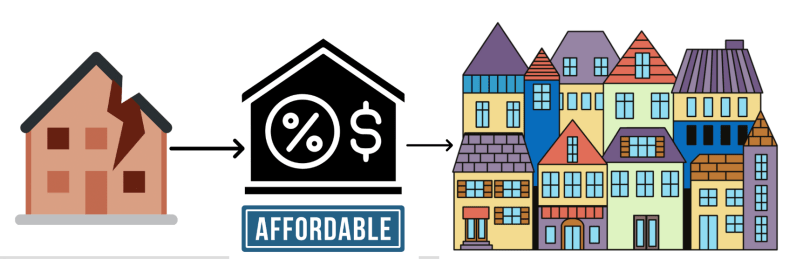
Politicians and analysts banter the term, affordable housing. Let’s unpack this concept and discover how, if at all, affordability can be affected.
The variables of affordability consist of the following obvious pieces:
The price of real estate
The mortgage interest rate
The mortgage term (number of years)
Cost to insure
Taxes
Income tax incentives (if any)
Housing supply and local zoning
To improve affordability, one or more of the above variables must be influenced as follows:
Private property values are subject to market forces.
Mortgage interest rates while variable, can be subsidized by jurisdictions or offset by tax savings
The term of the mortgage 15-30-50 affects the monthly payment
Insurance is partly environmental risk based, and partly determined by your desired value to insure and what to include.
Taxes – real estate taxes are based on jurisdictional assessments. You can appeal assessments. You can elect officials who would reduce tax rates.
The Federal government or even the state can make interest, taxes, etc. deductible at higher rates – AKA – subsidizing through deductibility.
Supply and demand shifts from scarcity to accessibility can partially be accomplished through thoughtful zoning and maybe expeditious reviews.
Below are possible solutions but will require bold federal and state participation.
Let’s clear one thing up – homeowners do not plan to decrease the asking prices for their houses in a scarcity scenario. Insurers have suffered massive losses and will likely not be reducing their rates, and their reinsurers will most likely not be doing the same.
Property taxes – you can evaluate your jurisdictional budgets and determine potential austerity measures with which to justify tax reductions. We all know that this is a long term project involving studies, hearings, and elections.
While on the topic of property taxes and local jurisdictions, one way to increase supply would be to loosen zoning regulations and shorten permit and inspection periods. All of that requires public hearings. Realistically, when was the last time a voting block voted to increase density?
Income tax deductibility or credits could be useful subject to income limits. This will require political maneuvering, bills, vetoes, and committees, and lots of talk and perhaps a little help.
Mortgage interest is a possible variant. When affordability is addressed, it is often addressed for first time home buyers. The US government, states, and local governments offer mortgage loans to offset cash down payments, and structure loans based on a variety of criteria. This is where creativity can set in and offers interesting options to consider.
Let’s look at Virginia for example. There are several assistance loan products including down payment and closing cost grants. After that there is Virginia Housing (formerly VHDA), which is funded through bonds and are not and do not affect the tax base. These loans come with quite a few strings and qualification can be onerous. Looking at today’s mortgage rate, I note that VHDA is offering their loan for 6.5%. Yet FHA, VA, USDA are all below 6%.
Another mortgage alternative is increasing the loan amortization terms from 30 to 50 years. Yes, the total interest paid will be higher, but the monthly payment can become affordable. Consider the example below:
$500,000 loan at 5.75%
30 year principal and interest (PI) payment: $2918
50 year principal and interest (PI) payment: $2540
The monthly savings will be: $ 378
That difference can make the difference in qualifying.
It will cost more over the life of the loan. The reality is that most people move every seven years. Loans can be refinanced if rates decline. I have met very few people who retained their original loan to its final payment. The 30-year mortgage was originally tied to the 30-year treasury bill. Though, the 10-year Treasury Note is a more direct benchmark. The 30-year treasuries are called “long bonds.”
Zoning:
Zoning adjustment measure has been on Virginia’s local jurisdiction radar for over five years. Since 2020 initiatives to modify local zoning to permit density increases have been proposed.
Last week, a circuit court judge recently ruled in favor of the City of Alexandria in the “Zoning for Housing” lawsuit, dismissing the case and allowing the city’s zoning reforms to stand.
The case had been brought by local property owners, Coalition for a Livable Alexandria, protesting the density changes and their perceived impact on their properties. This ruling allows the city’s “Zoning for Housing” ordinance to proceed.
A question: with the decision in place, can a developer now buy a single family house, tear it down and build a multi-family structure? What are the limits? What are the safeguards? Where will those residents park? How will the existing infrastructure support the additional density as far as education and traffic?
In Tysons, a similar initiative has been enacted. Click here to learn more about these and other Virginia measures.
While political promises abound, reality sets in. The recent election platform was heavy on affordable housing. When I inquired at the recent event, about the “how” of the promises, the moderator ‘ran out of time.’ I asked why VHDA loan rates outstrip all other loan rates. When I approached one of the State senators, he told me that they are “looking into it.” The urgency? Subject to interpretation. They seem focused on zoning changes as the primary solution.
There is no easy fix. Everyone must get involved and ask the hard questions: When politicians promise ‘affordable housing,’ ask them: Affordable to BUY, or affordable to RENT? Those are two very different things – one builds wealth and independence, the other creates permanent tenants beholden to landlords and government programs. The days of happy ambivalence are gone. You should pay close attention and make your decisions thoughtfully.
If you want to buy your first home, contact Broker Krasi Henkel. Her nearly 40 years of experience and exceptional lender network, produce dream-come-true scenarios. If you want to be one of the lucky few – text Krasi today – 703-624-8333.
Change is inevitable. With over 100 combined years in the real estate industry, we have seen changes in real estate practices and lending practices. The industry has demonstrated resilience because after all, we all need a home in which to live.
This week, as you have most likely read, The National Association of Realtors has reached a settlement regarding commission practices. The agreement is subject to legal approvals and much additional negotiation. We are closely monitoring these changes and will keep you updated.
Regardless of developments, our commitment to first quality service to you and our future clients will remain unchanged. Your satisfaction and success remain our top priorities. This is a great time to contact us with any questions.
Thank you for your loyalty.
Sincerely, Krasi & Tiffany Henkel Properties on the Potomac, Inc.
Ranch-style homes have been a popular choice for decades thanks to their practical single-story layouts and flexible spaces. While some home buyers may overlook older ranch houses in favor of newer construction, these modest homes actually offer great opportunities. With some creativity and wise investments, you can remodel a ranch house on a budget.
The Benefits of Buying an Older Ranch:
Mail level primary bedroom(s)
Mature trees and landscaping
Established neighborhoods
Lower property taxes
Good value per square foot
Flexible floor plans
Hardwood floors or solid mid-century materials
The Blank Canvas:
BEFOREAFTER
The simple shapes of ranch homes make them perfect blank canvases to incorporate modern style. Minor changes can make ranch homes feel fresh and new without blowing the budget. Consider these economical updates:
New paint in contemporary hues
Swap dated lighting for streamlined fixtures
Replace builder-basic kitchens and baths with IKEA systems
Refinish hardwood flooring hidden under outdated carpeting
Knock down walls to create open-concept spaces
Add an addition
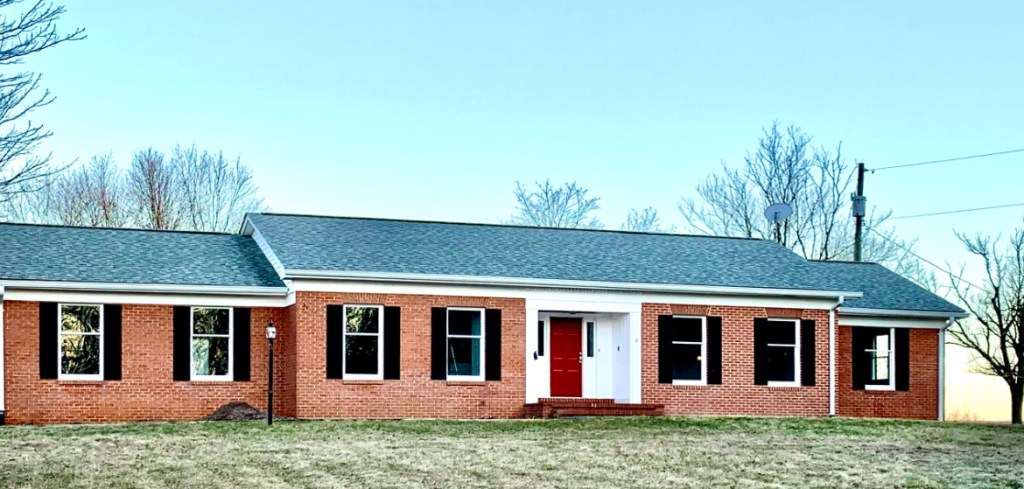
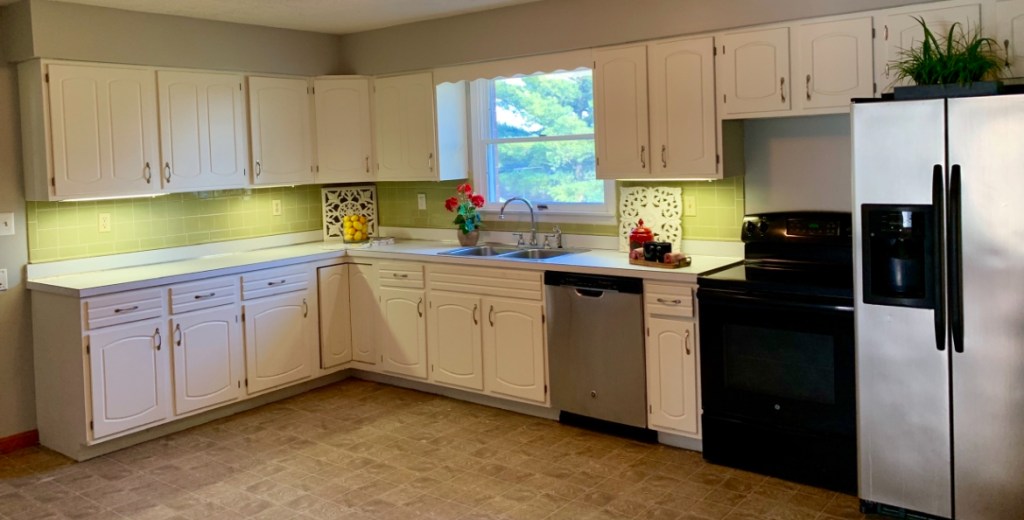
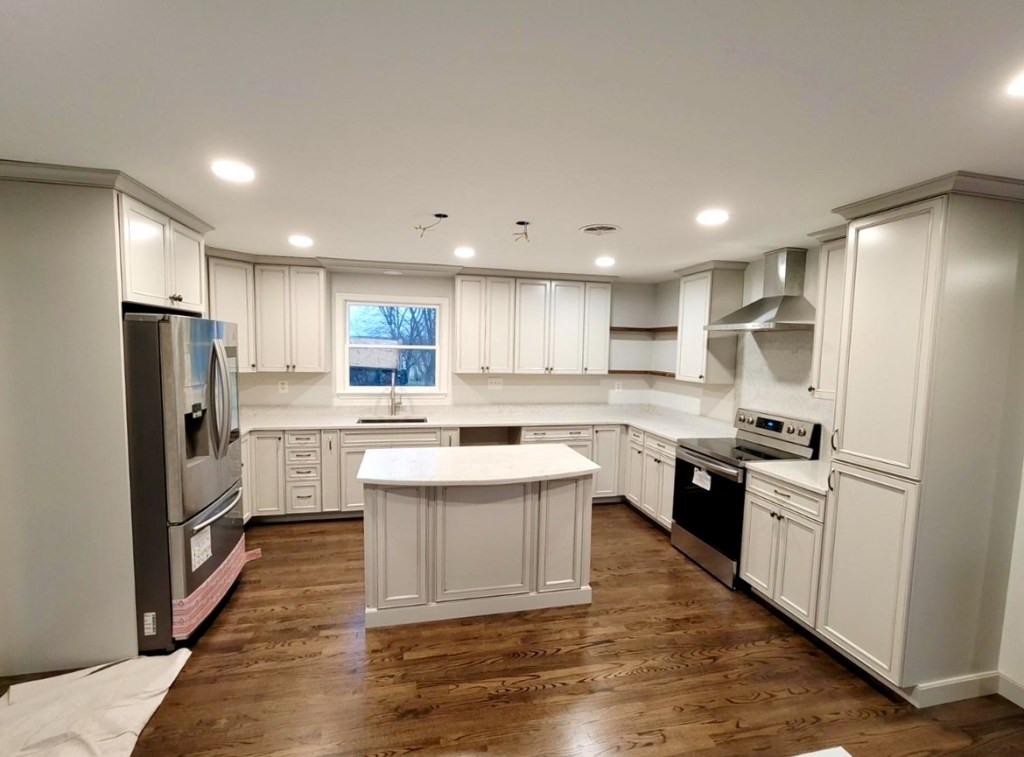
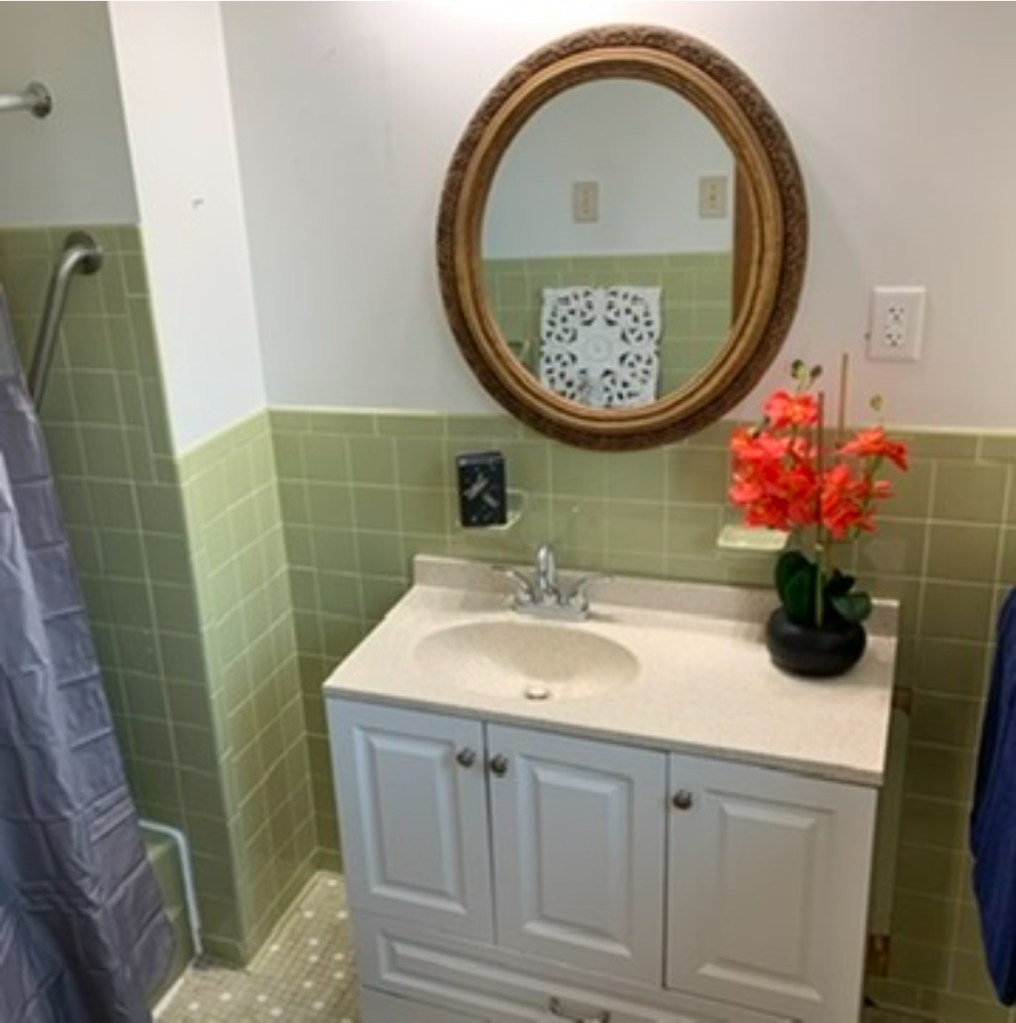
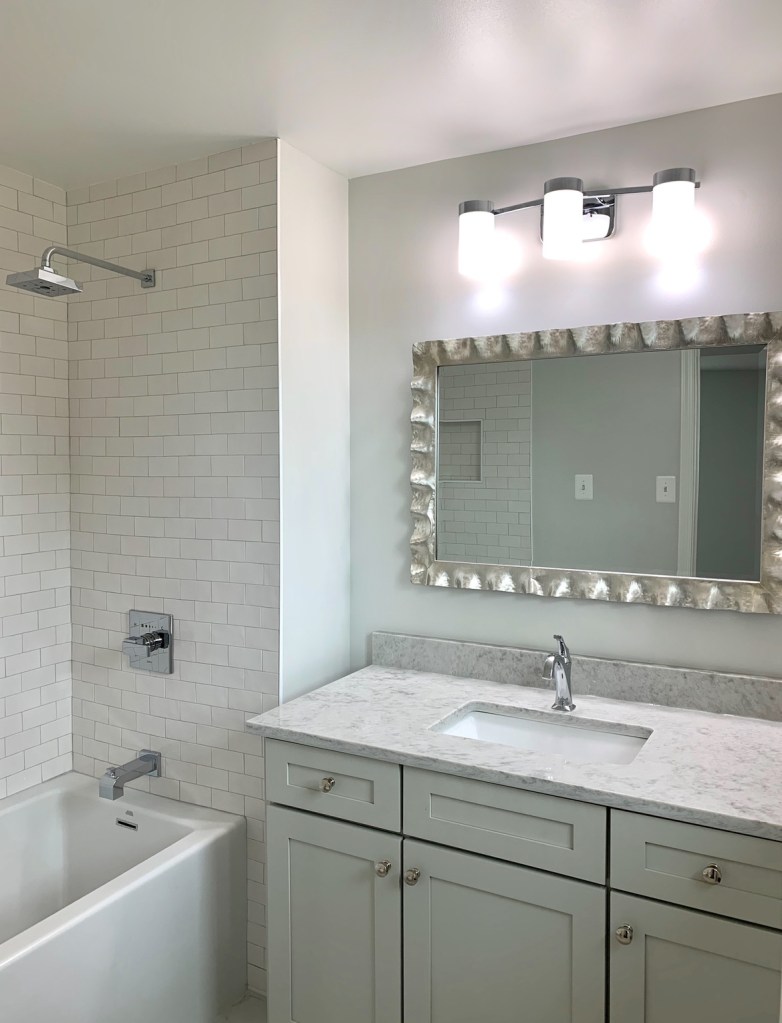
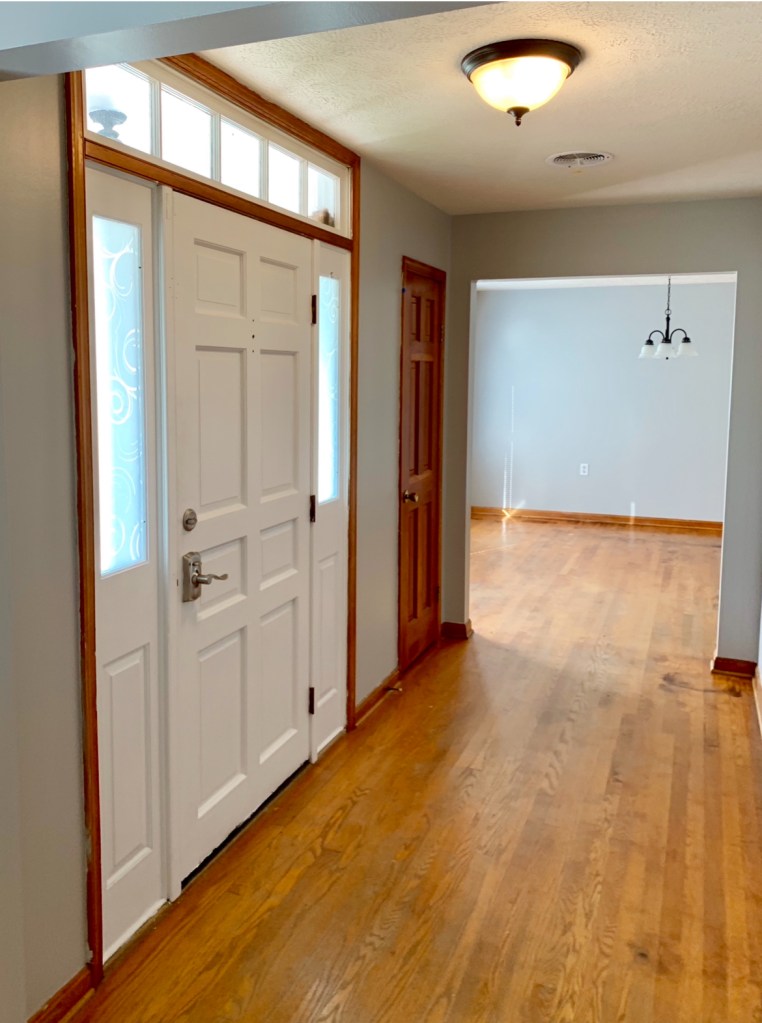
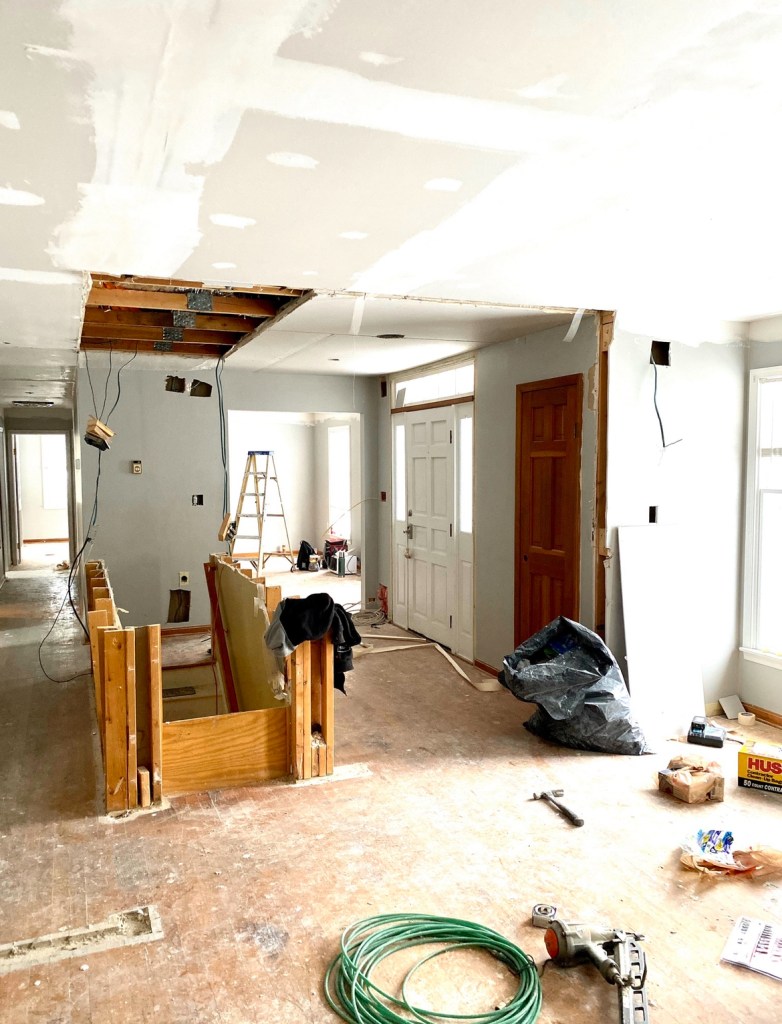
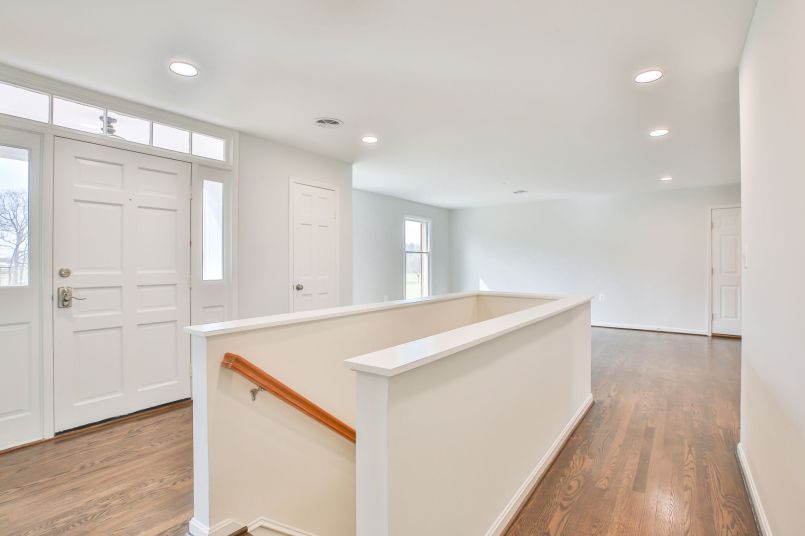
Kitchen BeforeKitchen AfterPrimary Bath BeforePrimary Bath AfterEntry BeforeEntry ConstrucitonEntry After
The above photos were a joint project with Anders Hurd – Faber Custom Builders, Inc. The project was incredibly successful and the property sold to the first buyer ho saw it!!
Big Style for Small Budgets
You don’t need expensive materials to give a ranch home an interior facelift. Use these design insider tips:
Shop for unique vintage details
Use bold wallpaper or paint instead of new cabinets
Stain concrete floors for an industrial look
Upgrade windows and patio doors even if you keep other structural elements
The single-level living and unused basement or attics in ranch homes present opportunities for expansion or converting unused areas into rental units for extra income.
Addition to a ranch home provides tall, open spaces with abundant views
Take a fresh look at older ranch houses. With an updated exterior paint color, strategic refreshes indoors, and your own custom vision, you can personalize a home to suit your needs and style for less than you might expect. The charm and practicality of ranch homes continue to win over buyers who see their outstanding potential.
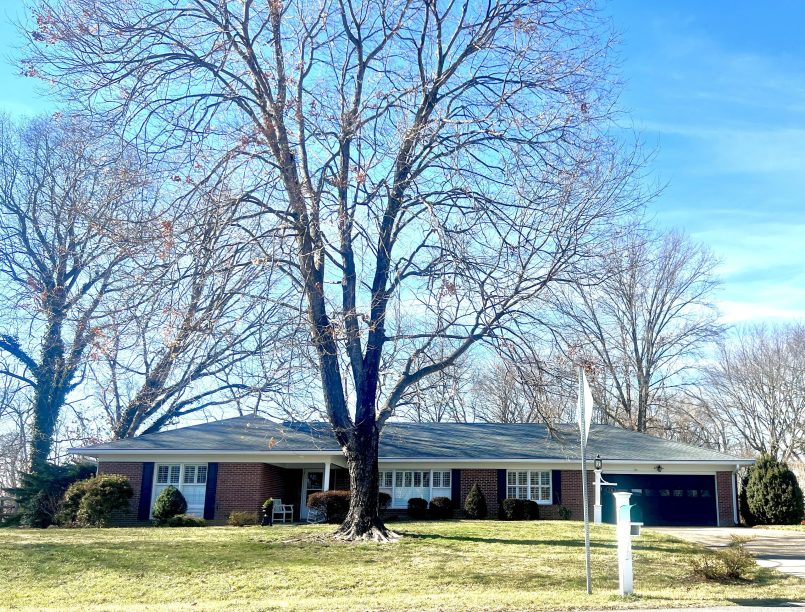
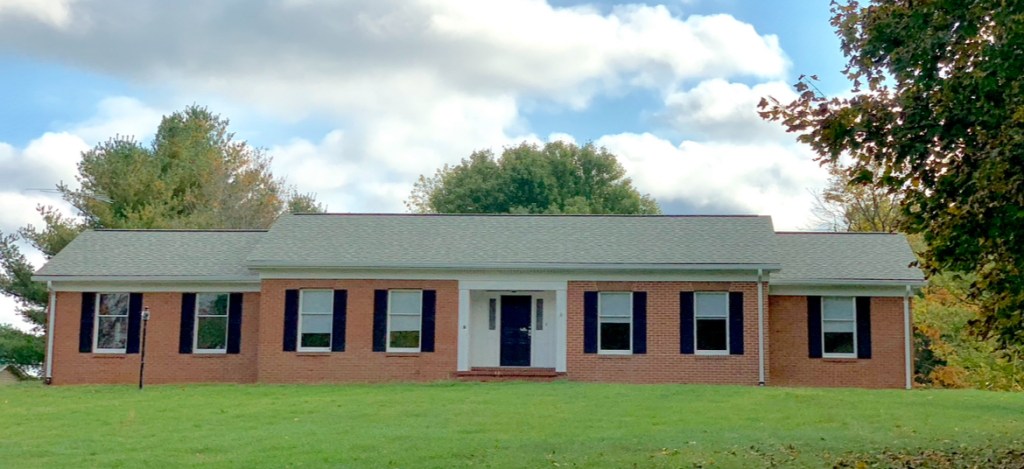
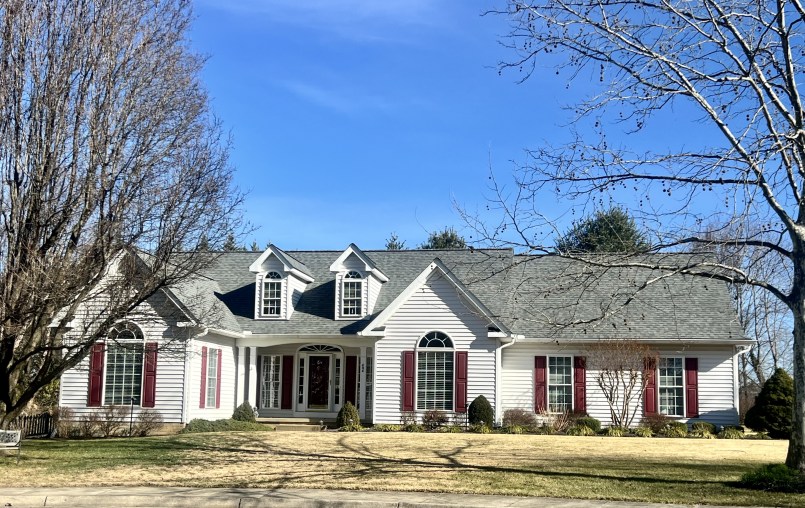
One of my favorite ranch homes in a subdivision that I have sold many ranches and that I love to walk my dog!
This is our most frequently asked question. It is understandable given low inventory, rising interest rates, and homes often selling for over list price. Real estate headlines can seem daunting. Headlines notwithstanding, our market is still active. Home values climbed at about 3.5% in the first half of this year as demand continues to outpace supply.
The key to this market is being an educated buyer or seller. Now more than ever, working with the right agent is critical. Selecting a savvy, experienced agent who will give you expert guidance will make all the difference in this competitive market.
Our proven systems help our clients find the right homes and make the best offers. Our success speaks for itself. We leave no details to chance. Our sellers optimize their properties to attract the most qualified buyers who are ready to move quickly.
Today’s most successful real estate agents are taking advance reservations from qualified clients. By planning ahead and partnering with a top agent, buyers and sellers can still achieve their property goals, even in this fast-paced market.
Bottom line: real estate remains an essential need and purchases are happening every day. With the right preparation and guidance, your real estate goals can absolutely become reality. The key to our clients’ success are our well-honed systems.
Do you have real estate plans for 2024? Connect with Properties on the Potomac at 703-624-8333 to start strategizing for your next move!
As the fireworks light up the night sky and the scent of barbecues fills the air, Independence Day reminds us of the cherished values that define our great nation. It’s a time to celebrate the freedom we hold dear, and for many, that freedom extends to the pride and joy of owning their own homes. As a Realtor, I am thrilled to share this moment with you and explore how homeownership reflects the spirit of independence and the pursuit of the American dream.
Owning your own home represents a significant milestone on your journey to personal freedom. It’s more than just a financial investment; it’s a place to call your own, where you can create lasting memories and build a foundation for the future. A home is where you can express your unique style, make your own rules, and have the freedom to shape your living space according to your needs and desires. It offers stability and a sense of belonging, providing a safe haven where you can truly be yourself.
This Independence Day, take a moment to reflect on the many benefits of homeownership. It’s a symbol of your hard work, determination, and commitment to building a better life. From the pride of homeownership to the financial advantages of building equity and potential tax benefits, owning a home offers a sense of security and stability that can truly enhance your quality of life.
Whether you’re a first-time buyer or considering a new home, there’s no better time than now to explore the possibilities of homeownership. At Properties on the Potomac, we are here to guide you through the process, helping you navigate the market and find the perfect home that aligns with your dreams and aspirations. Let’s celebrate the freedom of homeownership and embark on a journey towards a brighter, more independent future.
Contact Properties on the Potomac at 703-624-8333 to discuss your homeownership goals and let’s make your dream of owning a home a reality. Together, we can navigate the real estate market and find the perfect property that suits your needs.
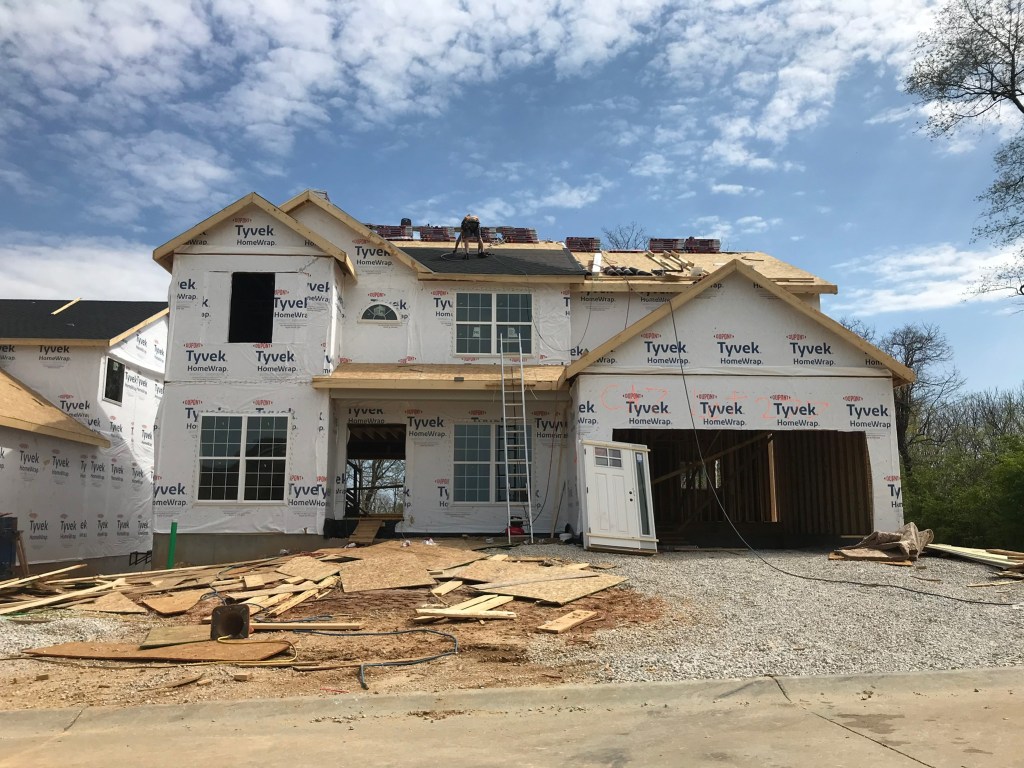
Touring a new home subdivision with beautifully decorated model homes is exciting. Walking a vacant lot and imagining your home built on it is exhilarating. Not having to overbid, or hold your breath if your offer is accepted on a resale house can make the home-buying experience less stressful.
With low housing resale inventory, many buyers are turning to builders of new homes. But between falling in love with that magnificent model home and signing a contract, buyers should know these eight critical things:
Research the builder’s reputation. Is this a builder who has a good reputation of delivering homes to many satisfied buyers? How are their reviews? Are there any lawsuits pending against them?
Does the neighborhood have an HOA? Is the house you are considering located in an existing HOA or Condo Association or will it be a brand new HOA? Who controls the HOA? Often the builder controls it until all lots are sold. Be sure to get a copy of the HOA/Condo Documents and review them carefully. Most jurisdictions provide for contract rescission within 3-5 days if for any reason the documents are unacceptable to the buyer.
Understand the purpose of the deposit. While an earnest money deposit is made with a resale purchase contract, not all new home contracts take an “earnest money deposit.” Builders take a deposit. Some builders do not consider it an earnest money deposit, but a direct deposit toward the construction of the house, therefore it will be deposited in the builder’s operating account rather than in an escrow account.
Are incentives offered by the builder? In certain situations, builders will offer free upgrades and/or closing cost assistance to the buyer. Be sure that you understand exactly what is being offered and that it is in writing with the exact terms represented by the builder’s representative. As in all real estate agreements, to be enforceable, terms, conditions, and promises must be in writing.
What does the buyer have to do to qualify for those incentives? “Free recreation room” or “$10,000 in closing costs” or “Free Kitchen Upgrade” and many more iterations can be offered. Upgrades and closing costs are certainly appealing. What will be required of the buyer to qualify for the incentive(s)?
Will the builder insist that the buyer finance with their lender and/or their title company? What is the actual cost of that requirement? Sometimes, the actual “cost” of the incentives exceed the benefit of the incentive. It is important to understand all costs and fees.
What warranties and post-settlement services are included? In Virginia, a builder must warranty their construction for 12 months after settlement. Many builders offer 10 year warranties, 2-10 warranties, and/or pass on equipment warranties. All warranties are not the same. One question to ask is whether drywall imperfections post-closing are covered. Some builders will only correct drywall imperfections identified during the pre-settlement walk-through. Others will warrant drywall for extended periods.
Will a list of the trades be available for ease of service, or must repairs/service be channeled through a central division of the builder? Is there a response timeframe? Be sure that all warranty questions are answered and verified in writing.
Review the contract…then review it again. The builder’s contract has been written by their attorneys to be in their favor. Aside from contingencies specifically written into the contract, once the contract has been signed by all parties, it is an enforceable contract. The buyer should expect that they will settle on the sale. Before signing the contract, be sure that all terms are written as represented, all questions have been answered, and that you are prepared to move forward with the project. Know when (if) additional deposit(s) are due. Be prepared to attend inspections and builder meetings when they are called. While most builders want to be flexible, to be able to deliver a new home, schedules must be respected. Be sure to leave the contract signing meeting with a complete contract including all schedules and selections (to that point – more will be needed later).
The model home decoration, appointments, & upgrades are for display purposes only. Your new house will come with plain walls, no window coverings, tiny landscape plants, and grass that you will have to water to establish.
Depending on the builder, design choices can be included in the contract price. Design options can include flooring, shade/blinds, appliance upgrades, tile, counters and cabinets, faucets, sinks, lighting, and other options as available.
With many choices, state of the art equipment, and everything bright and shiny, it is easy to begin to believe that each option is indispensable. Be careful to keep within your budget and your lender qualification. Once options are selected and ordered, making changes can become very costly.
Contracting for a home to be built can be exciting and rewarding, and can result in the house of your dreams. Done incorrectly, the process can become a nightmare. It is for the above and countless other reasons that having an experienced Realtor representing your interests can save you money and sanity.
At Properties on the Potomac, Inc. we have been helping our clients select and design beautiful new homes for more than 35 years. We know the builders, the lenders, the incentives, the warranties, and most builders’ process. We know where to look and the questions to ask.
Is a newly built house in your future? Take the first step and give us a call: 703-624-8333.
Here we are – the beginning of 2023 ! You have been waiting to make decisions and commitments until the holidays are over. Now what?
If you are thinking of moving – up, down, around, or away – here are a few tips to help you structure your activities:
Decided whether you want to sell or keep your current real estate. Either way, consult a competent real estate broker. The possibilities are endless and your investment and risk are huge. Be selfish and work with the best (that would be us – read our website and see for yourself).
If you plan to sell, list long before you want to go on the market. That way pre-marketing excitement can bring the best buyer.
Go through all the nooks and crannies of your home (that includes closest that you often use). Start with all off-season belongings first. Decide whether you will keep, toss, or donate.
If you have a home of 2000+ Square Feet, know that it will take you several weeks to complete the culling and packing.
Be smart and not impulsive. There are many garments and things, that due to the current circumstances ,have remained unworn or unused. Do not throw away anything on a whim. It doesn’t matter if it makes you happy if you will need it later. You will buy it back for more money and of lesser quality. Keep your stuff. Your happiness will compound with lower bills. Be a good steward.
Do not make capital investments in your current home unless it will be a coat of paint and some flooring. Keep it simple. Do not replace appliances with stainless steel.
Chose a smart real estate agent who knows what sells and what brings in the most return for your investment. – Again, that would be us – not bragging, just the facts.
In 2022, our listings sold for 105% of list price and our buyers paid 95.5% of list price. How is that? Ask us.
We’ll be happy to show you how you can benefit from our 35 years of experience in all sorts of markets.
Looking to make a move in 2023? Give Properties on the Potomac a call at 703-624-8333!




 Properties on the Potomac, Inc.