
Transom Windows: A Historical Gem for Your Home
Here’s an amusing bit of architectural etymology trivia. What we know as a transom window is called “vasistas” in French. The origin of this term is quite funny: in the 1700s, French builders didn’t have a specific name for these small windows above doors. But whenever their German neighbors visited, they would point at the transoms and ask, “Was ist das?”—meaning “What is that?” The French assumed this was the window’s name and adopted the term. Ironically, the Germans didn’t have a name for it either—they were just curious!
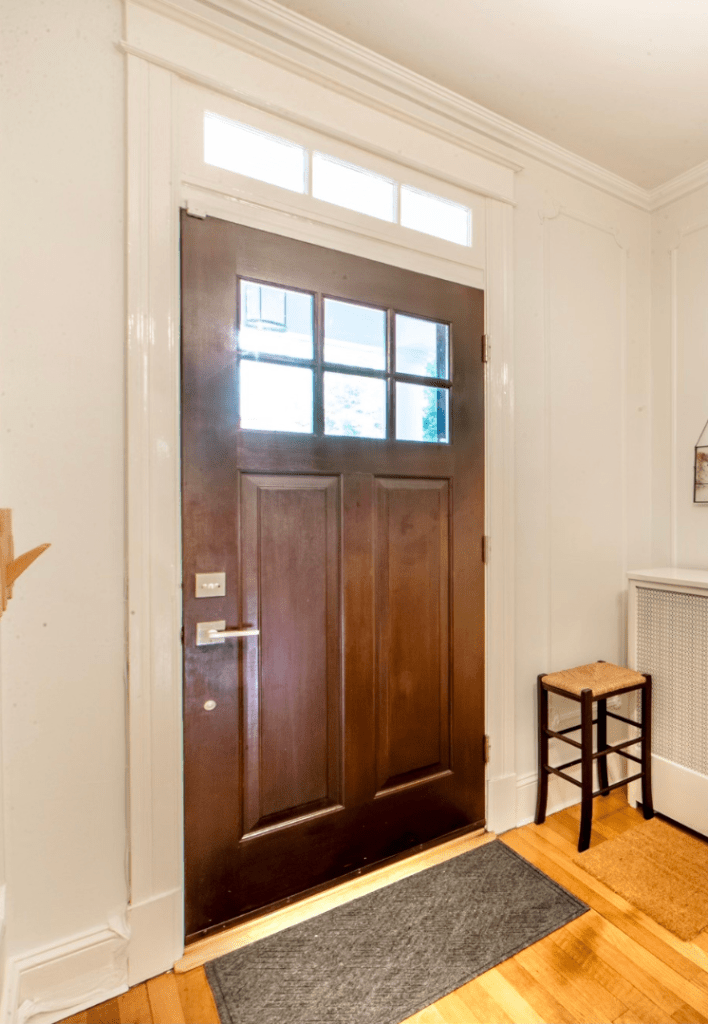
What Are Transom Windows?
Transom windows, often found above doors or larger windows, serve both functional and aesthetic purposes. Historically, they were a common architectural feature in homes before the widespread use of electricity and air conditioning. These small windows allowed light and air to flow between rooms, while maintaining privacy and security.
In older homes, transom windows often have intricate designs or stained glass, adding elegance and charm to any space. Though their use has evolved, transoms remain popular in modern construction, with homeowners and designers incorporating them as both a functional and decorative feature.
Functional Benefits of Transom Windows
Light and Ventilation: In the days before electricity, transom windows helped circulate air and allowed light to pass between rooms. This natural ventilation kept homes cool during warmer months, while the positioning above doors preserved privacy. Even today, transoms can add extra light to dark hallways or interior rooms that may not have direct access to exterior windows.
Architectural Appeal: Transom windows provide an elegant design element to both traditional and modern homes. Their placement above doors or windows breaks up large wall spaces, adding character and style. Many homeowners choose decorative options, like stained glass or patterned grids, to make them stand out as a focal point.
Energy Efficiency: While today’s transom windows may not be used for ventilation as often, they still serve a purpose in energy conservation. High-quality, insulated transoms can help reduce energy costs by providing additional natural light, meaning you’ll need to rely less on artificial lighting during the day.
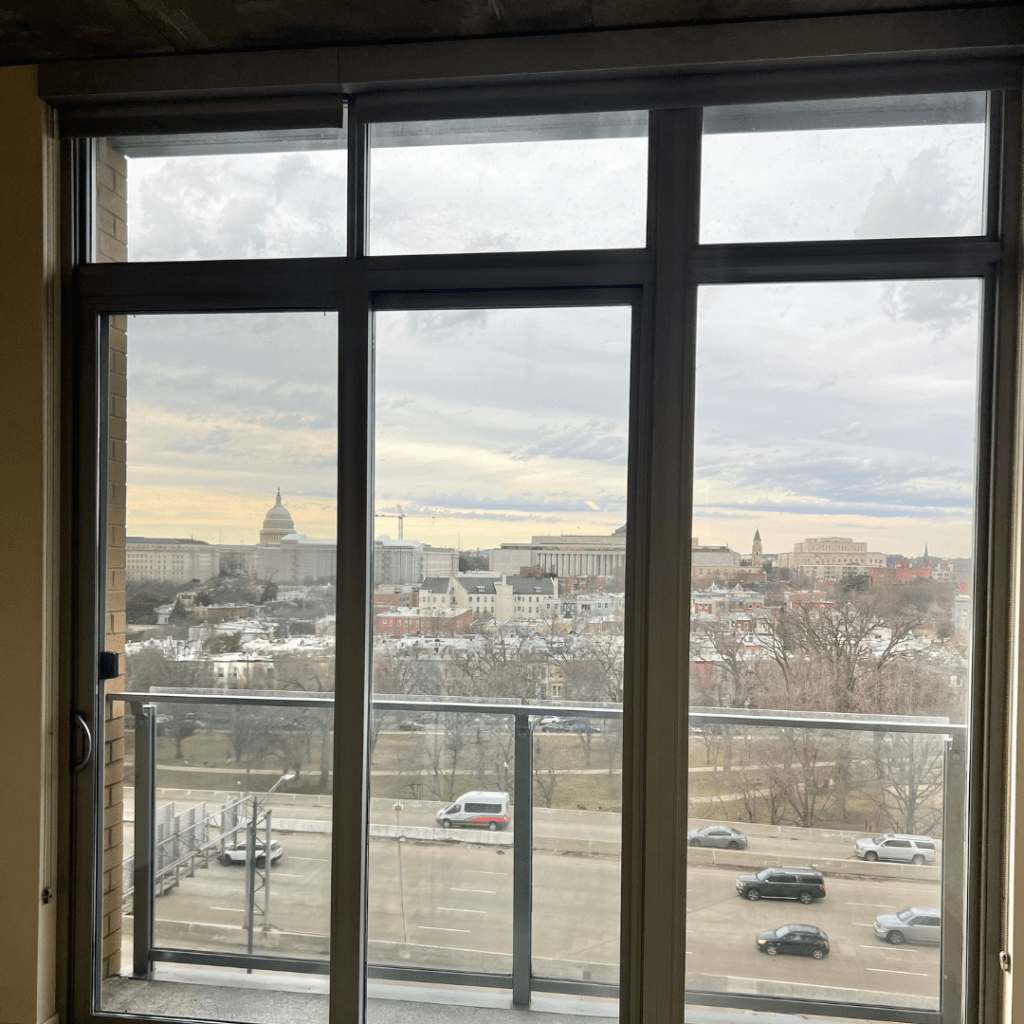
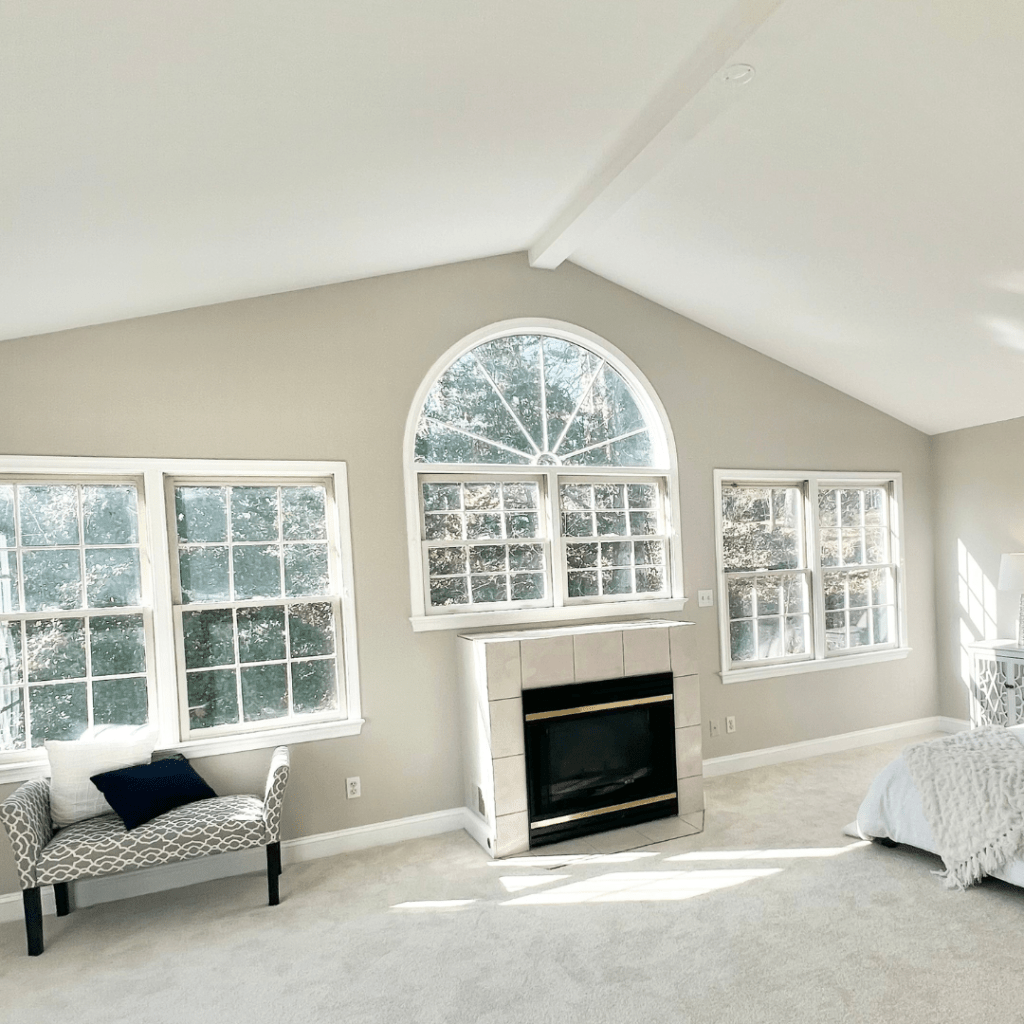
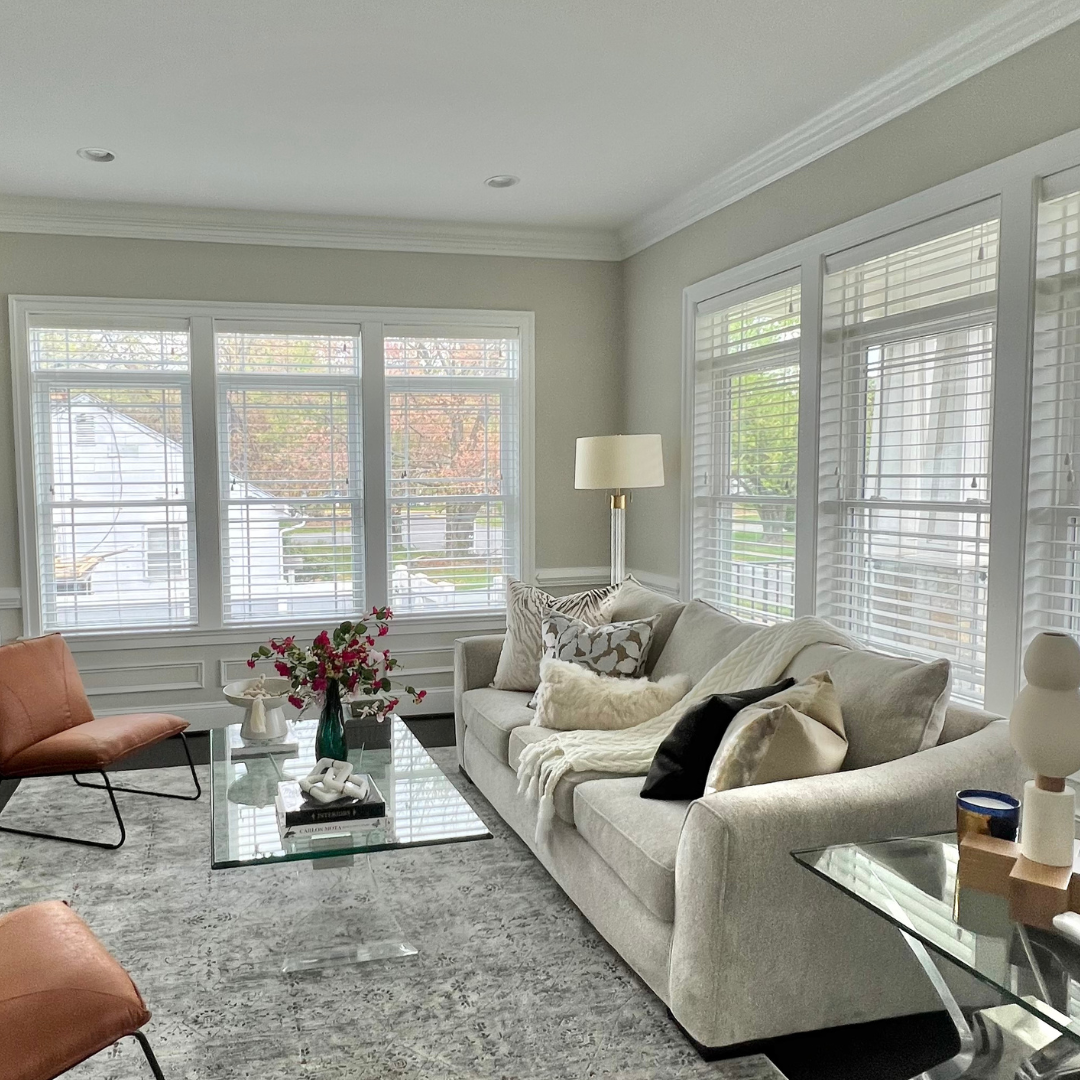
Modern Uses for Transom Windows
While transoms were once a necessity, today they are more of a stylistic choice. In modern homes, transom windows are used to create a feeling of openness, particularly in areas with high ceilings. They can be installed above interior doors to connect spaces visually, or they can be used in exterior walls to make a statement in entryways or living rooms. The versatility of transom windows makes them a popular feature in both contemporary and traditional homes.
Transoms are often custom-designed, allowing homeowners to choose from a variety of shapes, styles, and materials to match their home’s architecture. Whether you want a clean, minimalist look or a more ornate design, transom windows are a great way to add both style and functionality to your home.
Whether you’re renovating a historic property or adding a modern touch to your home, transom windows are a feature worth considering. Their unique history and timeless appeal make them a charming addition to any space. If you’re thinking about incorporating transom windows or other architectural features in your home, or if you’re in the market to buy or sell, contact us Properties on the Potomac at 703-624-8333 today. We’re here to help you find the perfect home with all the features you love—or to guide you through renovations to make your home more beautiful and functional!
 Properties on the Potomac, Inc.