Do Not Ignore THESE Cracks in Your Wall
Cracks in walls are a common issue in many homes, but not all cracks are created equal. Some may be harmless, while others can indicate serious structural problems that require immediate attention. Knowing when to take action can save you from costly repairs down the road.
Types of Cracks and What They Mean
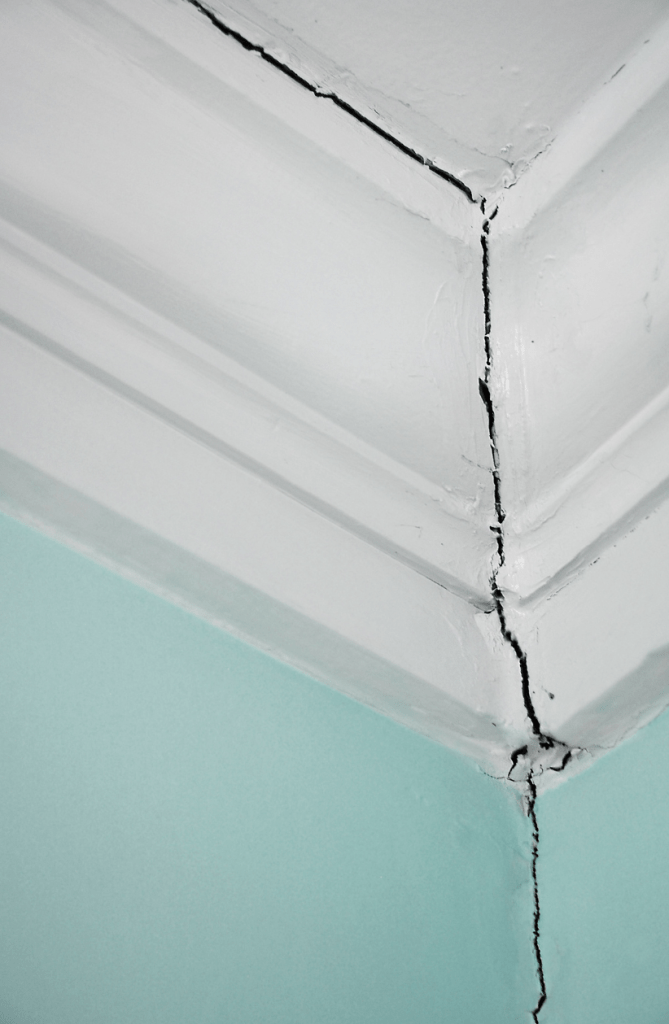
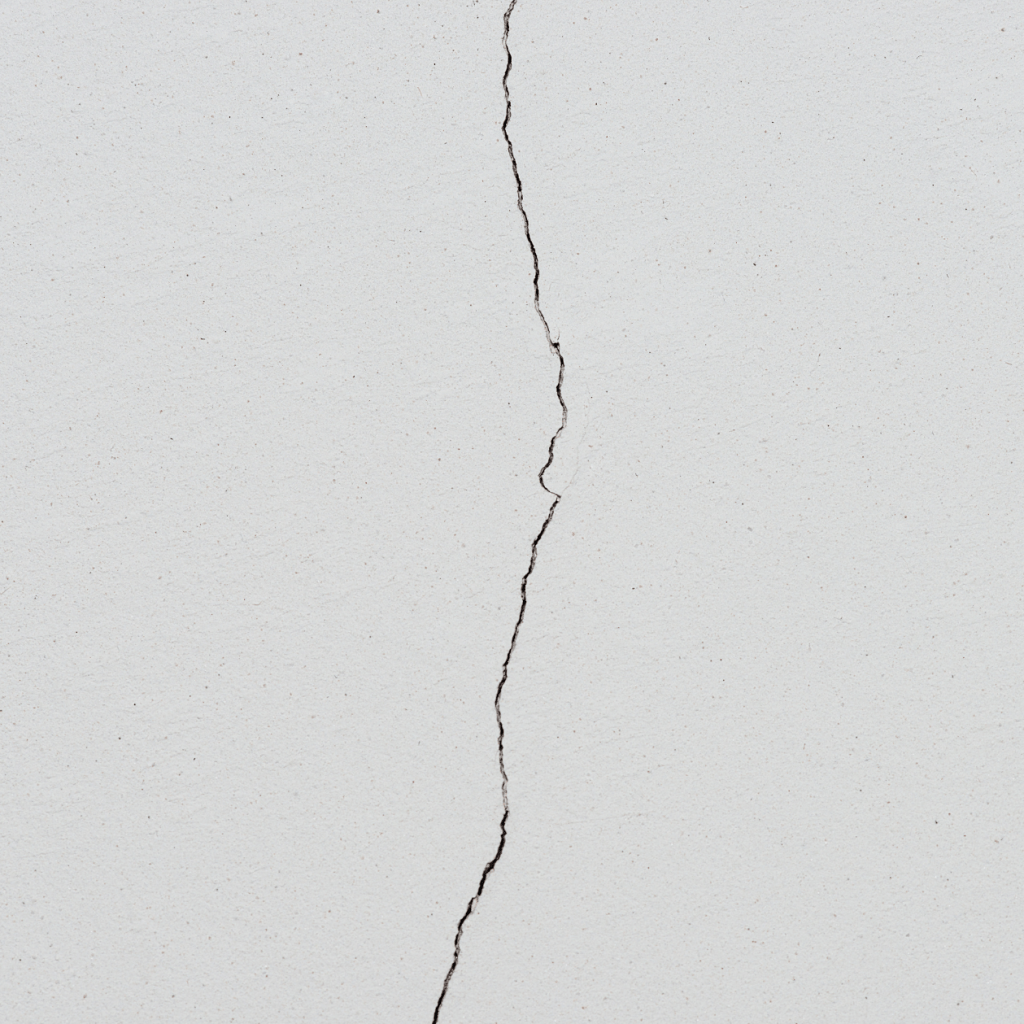
– Hairline Cracks: These are usually less than 1/16 inch wide and often appear in drywall or plaster. They are typically caused by minor settling or shrinkage as the building materials dry out. While they can be unsightly, they usually don’t indicate serious issues.
– Vertical Cracks: These are generally in the same category as hairline cracks, especially if they are narrow and uniformly straight. However, if they are wider at the top or bottom, they might suggest uneven settling of the foundation.
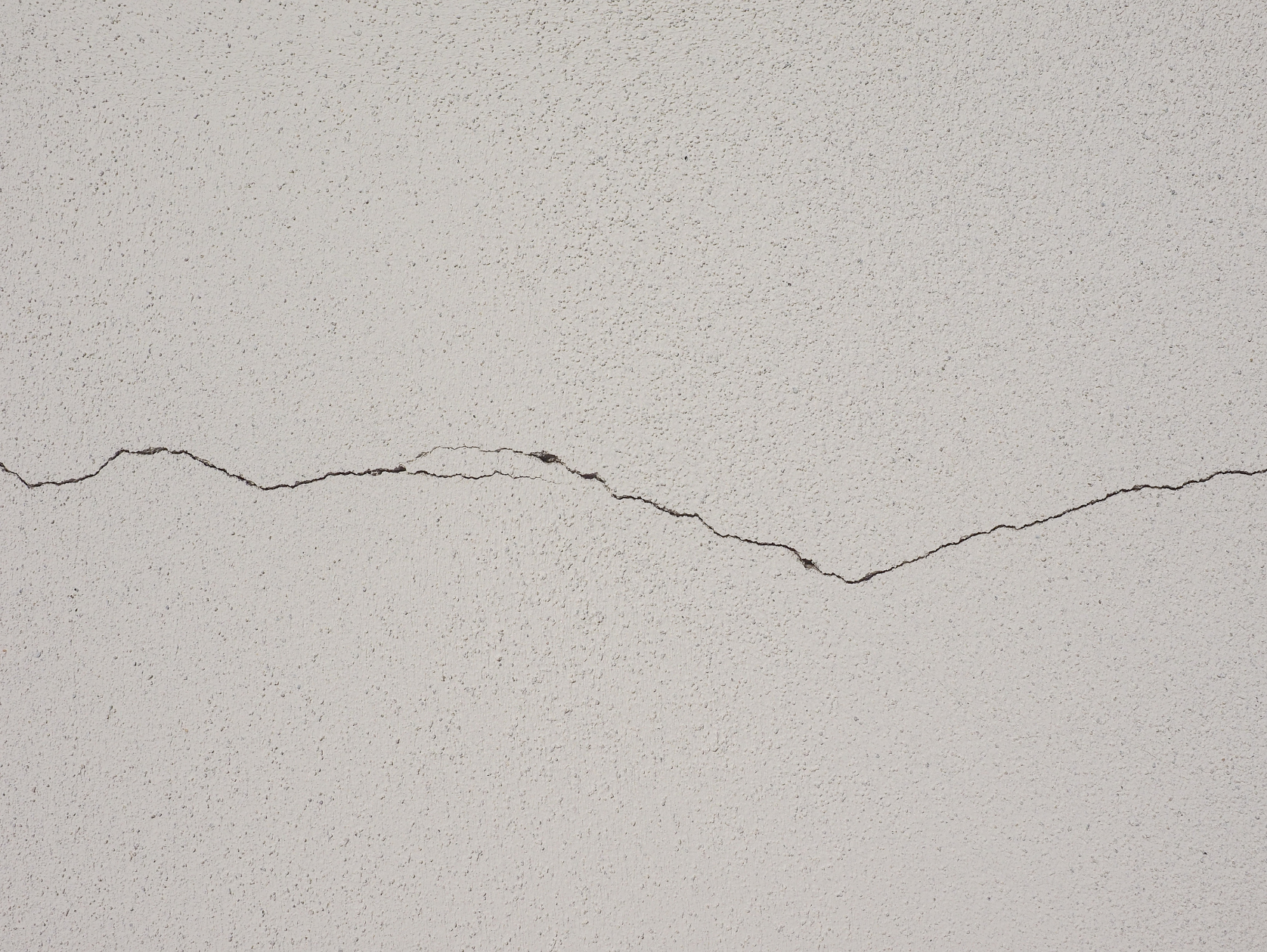
– Diagonal Cracks: Often running at a 30- to 75-degree angle, diagonal cracks can indicate differential settling or foundation movement. The wider the crack, the more serious the potential problem.
– Horizontal Cracks: These are the most concerning and typically signal significant structural issues. Horizontal cracks often indicate that the foundation is experiencing too much lateral pressure, which can lead to wall failure if not addressed promptly.
When to Take Action
If you notice cracks that are wider than 1/8 inch, appear suddenly, or seem to be growing, it’s time to call in a professional. Cracks accompanied by doors and windows that stick, uneven floors, or water seepage are red flags for serious structural problems.
Ignoring significant cracks can lead to worsening damage, higher repair costs, and potential safety hazards. It’s always better to be safe and have a professional assess the situation rather than risk the integrity of your home.
If you need help finding a professional to help you, give Properties on the Potomac a call at 703-624-8333 today. We work with a great group of trusted people and companies and we’d love to help you with a referral.
 Properties on the Potomac, Inc.