It sure is hot out there. The middle of summer in the DC region could easily be described as ‘sweltering.’ With all of this heat and humidity, it sure would be nice to have a pool, right? But public pools can be hard to come by, and pool memberships can be expensive. Which leaves the option of installing your own private pool. If you have the space and budget, it can definitely seem like a dream come true—but is it? Before taking the plunge into pool ownership, let’s weigh the pros and cons:

Pros:
Before delving into the potential regrets, let’s acknowledge the undeniable allure of having a swimming pool in your backyard. A pool offers various benefits, including:

  • Aesthetic Appeal – Pools can enhance the overall aesthetics of your property, creating a beautiful and relaxing outdoor space.
  • Recreation and Entertainment – Pools provide endless opportunities for outdoor recreation and entertainment, making them ideal for family gatherings and social events.
  • Physical Health – Swimming is a fantastic form of exercise that is easy on the joints, making it an excellent option for staying active.
  • Property Value – A well-maintained pool can add value to your property and make it more attractive to potential buyers in the future.

Cons:
While the idea of owning a pool may seem enticing, there are several factors that could lead to potential regrets:

  • High Maintenance Costs – Pools require regular maintenance, which can be time-consuming and expensive. From cleaning and balancing chemicals to repairing equipment, these costs can add up over time.
  • Higher Insurance Premiums – Insurance companies see pools as a liability. Build a pool and your insurance premium will likely increase.
  • Safety Concerns – A pool can be a safety hazard, especially for families with young children or pets. Proper safety measures such as fencing and pool covers are essential but can add to the expense.
  • Limited Usage – In the DC area, unless your pool is heated, it may only be useful from Memorial Day to Labor Day. Although you do have the flexibility of choosing your own schedule.
  • Resale Value – While some buyers may see a pool as a valuable asset, others may view it as a burden, potentially limiting your “pool” of potential buyers when selling the property.

Before making a final decision, it’s essential to assess your lifestyle, budget, and long-term plans. Consider the amount of time you plan to spend in the property and the willingness to take on the responsibilities of pool ownership.

Remember, each property and individual’s circumstances are unique. For some, a pool may be a perfect addition, while others may find it more of a burden. It’s crucial to be well-informed before making such a significant investment.

Whether you are looking to buy a home with a pool or sell the one you have, we can help. Give Properties on the Potomac a call at 703-624-8333 today!

As I sit here and write this blog, I can see the dark clouds gather and hear the rumble of thunder filling the air. A thunderstorm is minutes away from releasing a torrential downpour. Thunderstorms can be both awe-inspiring and terrifying. While they can bring much-needed rainfall and provide an impressive display of nature’s power, thunderstorms also pose potential risks to our homes and safety. By taking some proactive steps and preparing your home in advance, you can ensure the safety of your family and minimize potential damage. Below is a list of some essential tips for preparing your home for thunderstorms, allowing you to weather the storm with confidence.

1. Clear Your Surroundings:
Before a thunderstorm hits, it’s crucial to assess your property’s surroundings and clear any potential hazards. Trim overhanging tree branches that could break and fall onto your home during strong winds. Secure loose objects in your yard, such as patio furniture or garden tools, to prevent them from becoming projectiles. Additionally, ensure gutters and downspouts are clear of debris to prevent water damage.

2. Inspect and Reinforce Doors, Windows, and Drains:
Examine all doors and windows for any cracks, gaps, or loose hinges that could compromise their integrity during a storm. Reinforce doors with sturdy bolts or deadbolts. Seal any gaps around windows and doors with weatherstripping to prevent water from seeping in. Make sure to check any exterior drains for debris. A clogged drain could spell disaster and allow water to accumulate and pour over thresholds, flooding your home.

3. Maintain Roof and Gutters:
A well-maintained roof and gutters are essential for protecting your home during thunderstorms. Regularly inspect your roof for loose or damaged shingles and have them repaired promptly. Clean your gutters and downspouts to ensure they are clear of debris, allowing water to flow freely and preventing potential flooding or water damage.

4. Secure Outdoor Equipment:
If you have outdoor equipment such as air conditioning units, generators, or propane tanks, ensure they are securely anchored or properly stored. Strong winds can cause these objects to become airborne, leading to significant damage to your property or posing a danger to others. Consider creating a designated storage area or securing them with heavy-duty straps or anchors.

5. Install Surge Protectors:
Power surges during thunderstorms can damage sensitive electronic devices in your home. Install surge protectors to safeguard your appliances, computers, and other electronics. Unplug valuable electronics during storms to prevent damage from power surges altogether.

By taking the time to prepare your home for thunderstorms, you can minimize potential risks, protect your property, and ensure the safety of your family. Clearing your surroundings, reinforcing doors and windows, maintaining your roof and gutters, and securing outdoor equipment are vital steps to take. Installing surge protectors, creating an emergency kit, and developing an emergency plan are additional measures that can provide peace of mind during stormy weather. Remember, preparedness is key when it comes to safeguarding your home and loved ones during thunderstorms. Stay safe, stay informed, and be ready to weather any storm that comes your way.

Summer storms getting you down? Properties on the Potomac can help you find a home with less need for storm maintenance. Contact us at 703-624-8333 today!

In the world of investing, there is a prevalent temptation to try to time the market, to predict its ups and downs with precision. Many people believe that by jumping in and out of the market at the right moments, they can maximize their returns and avoid losses. However, history and the wisdom of seasoned investors and real estate professionals…cough, cough, your favorite Properties on the Potomac agent… have repeatedly shown that timing the market is an exercise in futility. Let’s shed some light on the fallacy of market timing and highlight the benefits of a strategic long-term approach to real estate.

1. The Myth of Perfect Timing:
Timing the real estate market involves predicting when to enter or exit the market with the expectation of making significant gains. Unfortunately, accurately predicting short-term fluctuations in the housing market is a daunting task. Real estate markets are influenced by numerous factors, such as economic conditions, interest rates, supply and demand, and local factors, making it nearly impossible to consistently time the market successfully.

2. Emotional Pitfalls and FOMO (fear of missing out):
Attempting to time the real estate market often leads to emotional decision-making, driven by the fear of missing out on potential profits. Buyers may rush into purchasing a home during a market upswing, fearing that prices will rise further, potentially overpaying for a property. On the other hand, sellers may hold onto their homes during a market downturn, hoping for prices to rebound, potentially missing out on better opportunities. Emotions can cloud judgment and lead to poor real estate decisions.

3. Long-Term Market Trends and Cycles:
Real estate markets are subject to cyclical patterns and long-term trends. While short-term fluctuations may occur, over the long term, real estate has historically shown overall growth. Instead of trying to time the market, buyers and sellers can benefit from understanding these broader trends and making informed decisions based on their individual circumstances and goals. A strategic long-term approach allows individuals to navigate the market cycles with greater stability and confidence.

4. Financial Considerations and Transaction Costs:
Timing the real estate market often involves frequent buying and selling, which comes with financial implications. Costs such as real estate agent commissions, closing costs, and potential capital gains taxes can eat into potential profits. Moreover, attempting to time the market may lead to hasty decisions, resulting in undesirable outcomes or the need for costly corrective actions. A long-term approach to real estate transactions minimizes unnecessary expenses and maximizes financial gains.

5. Location and Individual Circumstances:
The value of real estate is heavily influenced by location and individual circumstances. Factors such as job opportunities, local amenities, infrastructure development, and demographic shifts can significantly impact property values. Rather than focusing on market timing, individuals should prioritize thorough research and analysis of the local market conditions, as well as their own specific needs and financial situation. Making informed decisions based on these factors is more likely to yield favorable outcomes.

Timing the real estate market requires careful consideration and a comprehensive understanding of various factors. Don’t let the allure of market timing lead to unnecessary risks and missed opportunities. Instead, take a proactive approach by reaching out to our team of experienced real estate professionals.

Properties on the Potomac can provide valuable insights, personalized guidance, and assist you in making informed decisions tailored to your unique needs. Contact us at 703-624-8333 today to start your journey towards successful real estate transactions.

Your home’s landscaping plays a significant role in creating a welcoming atmosphere and enhancing curb appeal. From vibrant flower beds to lush green lawns, a well-maintained garden can instantly elevate your property’s aesthetics. One crucial aspect of plant care, often overlooked, is watering. Let’s dive into how watering your plants, including established landscaping, not only contributes to curb appeal but also helps maintain and even increase your home’s value.

  1. Preserving Vibrancy and Health: Regular watering is essential for the health and vitality of your plants. Even established landscaping requires adequate moisture to thrive. When plants receive sufficient water, their foliage remains vibrant and lush, creating an eye-catching display for passersby and potential buyers. Neglecting watering can lead to wilted leaves, browning foliage, and overall diminished curb appeal.
  2. Enhancing Curb Appeal: Curb appeal is crucial when it comes to attracting potential buyers or simply impressing your neighbors. A well-maintained garden showcases your attention to detail and demonstrates pride in homeownership. Regular watering ensures your plants remain robust, colorful, and full, making your property stand out in the neighborhood. A visually appealing exterior creates a positive first impression, which can significantly impact the perceived value of your home.
  3. Protecting Long-Term Investments: Landscaping is an investment in your home’s value. A thoughtfully designed and properly cared-for garden can increase your property’s worth over time. Regular watering helps protect this investment by preserving the health and longevity of your plants. Neglecting watering can lead to plant loss, requiring costly replacements and potentially compromising the overall aesthetic appeal of your landscaping. By maintaining proper moisture levels, you safeguard the value of your home and ensure a beautiful outdoor space for years to come.
  4. Watering Best Practices: To maximize the benefits of watering, it’s essential to follow a few best practices:
    Deep Watering: Rather than light sprinkling, focus on deep watering sessions. This encourages plants to develop deep root systems, making them more resilient to drought conditions.
    Timing Matters: Water your plants early in the morning or late in the evening to minimize evaporation. This allows the water to penetrate the soil effectively, reaching the roots where it’s needed most.
    Consistency is Key: Establish a regular watering schedule based on the specific needs of your plants and the climate in your area. Consistency ensures that plants receive the necessary hydration without overwatering, which can lead to root rot and other issues.
    Mulching: Apply a layer of organic mulch around your plants to help retain moisture in the soil. Mulch also acts as an insulator, protecting roots from extreme temperatures.

Watering your plants, including established landscaping, is an integral part of maintaining curb appeal and preserving your home’s value. By providing adequate moisture, you promote healthy growth, vibrant colors, and a visually appealing outdoor space. Investing time and effort into proper plant care will pay dividends in the form of an attractive home exterior and increased property value.

Ready to enhance your home’s curb appeal and maximize its value? Contact our experienced real estate team at 703-624-8333 today for expert advice and assistance with buying or selling properties. Let’s make your real estate dreams a reality!

For the past 3+ years the DC Metro area has been in what realtors would call a “seller’s market.” In a seller’s market, where demand outweighs housing supply, homeowners may be tempted to forgo certain maintenance tasks or overlook the condition of their homes because of the perception that their home will sell no matter what. However, regardless of market conditions, maintaining and presenting your home at its best is crucial to getting top dollar. By prioritizing upkeep and addressing any potential issues, you can maximize your chances of attracting buyers, securing favorable offers, and ultimately achieving a successful sale.

Here are some reasons why maintaining your home is a good idea when it comes time to sell:

  1. Stand Out from the Competition: In a seller’s market, there is often increased competition among homeowners trying to sell their properties. By ensuring your home is in excellent condition, you gain a competitive edge. Buyers are more likely to be drawn to a well-maintained home that stands out from others on the market. Attention to detail and a pristine appearance can make a significant difference in capturing the attention and interest of potential buyers.
  2. First Impressions Matter: When it comes to selling a home, first impressions can make or break a deal. Buyers often form initial opinions within moments of entering a property. By maintaining your home’s excellent condition, you create a positive and inviting atmosphere right from the start. This includes well-kept landscaping, a clean and clutter-free interior, and ensuring that all essential systems and fixtures are in good working order. A strong first impression sets the tone for the rest of the viewing and increases the likelihood of buyers envisioning themselves living in your home.
  3. Maximize Appraisal Value: Even in a seller’s market, appraisals remain an essential part of the home buying process. The condition of your home can impact its appraised value. Well-maintained homes with minimal repairs or issues tend to appraise higher, providing a solid foundation for negotiating a favorable sales price. Neglecting maintenance tasks and allowing your home’s condition to deteriorate could result in a lower appraised value, potentially leading to challenges in finalizing the sale.
  4. Smooth Transaction Process: A home in excellent condition tends to encounter fewer obstacles during the transaction process. Buyers and their agents will likely feel more confident about the property, leading to smoother negotiations, inspections, and potential financing approvals. By addressing any maintenance issues beforehand, you reduce the chances of surprises or setbacks that may arise during the sales process. This can save time, minimize stress, and increase the likelihood of a successful and timely closing.
  5. Preserve Buyer Confidence: When buyers see a well-maintained home, it instills confidence in the overall quality and integrity of the property. Conversely, a home with visible issues or neglect may raise concerns and create doubt in the minds of potential buyers. By proactively maintaining your home, you build trust and reassure buyers that they are making a sound investment. This confidence can translate into more competitive offers, fewer contingencies, and a smoother negotiation process.

In a seller’s market, it’s easy to assume that the demand for homes will outweigh any concerns about their condition. However, markets can change quickly and maintaining your home remains crucial. By prioritizing upkeep, making necessary repairs, and presenting your home at its best, you will ensure your home is a valuable asset that can lead to a successful and profitable sale.

Contact Properties on the Potomac at 703-624-8333 to learn more about what it takes to get your home sold.

Windows play a crucial role in our homes, providing natural light, ventilation, and a connection to the outdoors. However, over time, windows can deteriorate, leading to drafts, dirt and grime inside, reduced energy efficiency, and outdated aesthetics.

A few years ago, I had the windows in my home replaced with ones that would help cut down on the road noise since we live in the city. We could feel the difference the minute the last window went in: it was like the feeling you get when your ears finally stop ringing. The dust and pollen stopped coating our windowsills and our energy bills showed a notable dip.

There is undeniable value in updating your windows. Here are six long-term benefits new windows can bring to you and your home:

  1. Increased Energy Efficiency: Older windows can be a significant source of energy loss. By updating to modern, energy-efficient windows, you can significantly reduce heat transfer, keeping your home cooler in the summer and warmer in the winter. This translates into lower energy bills and a reduced carbon footprint. Newer windows often feature double or triple glazing, low-emissivity coatings, and advanced weatherstripping, all designed to enhance insulation and minimize air leakage.
  2. Enhanced Comfort: Outdated windows may allow drafts, noise pollution, dust and debris, and uncomfortable temperature fluctuations. Upgrading to new windows can improve the comfort of your living spaces by reducing drafts, minimizing outside noise, a cleaner home, and maintaining a consistent indoor temperature. You’ll be able to enjoy a more pleasant and tranquil home environment year-round.
  3. Improved Natural Light and Views: Windows not only serve as functional elements but also contribute to the aesthetic appeal of your home. Updating your windows can provide an opportunity to enhance natural light and maximize your views. Consider options such as larger windows, strategically placed skylights, or bay windows to bring in more sunlight and create a brighter, more inviting atmosphere.
  4. Upgraded Safety and Security: Older windows may have outdated or worn-out locking mechanisms, making your home more susceptible to intrusions. Modern windows often come with advanced security features, including multiple locking points, impact-resistant glass, and reinforced frames. These upgrades offer peace of mind, ensuring the safety of your loved ones and your valuable possessions.
  5. Reduced Maintenance and Longevity: If you have older windows, you’re likely familiar with the regular maintenance they require, such as scraping, painting, and repairing rotting frames. Newer windows often feature low-maintenance materials like vinyl, fiberglass, or aluminum, which resist peeling, cracking, and warping. Investing in updated windows can save you time and money on maintenance while increasing their lifespan.
  6. Increased Property Value: When it comes to selling your home, updated windows can significantly enhance its market appeal and value. Prospective buyers recognize the benefits of energy-efficient, well-maintained windows, and are often willing to pay a premium for them. High-quality windows not only improve the aesthetics of your home’s exterior but also contribute to its overall curb appeal and desirability.

Updating your home’s windows brings a multitude of benefits, ranging from improved energy efficiency and increased comfort to enhanced aesthetics and higher property value. Whether you’re motivated by energy savings, a more pleasant living environment, or an upcoming sale, investing in new windows is a wise decision.

If you need help deciding whether new windows are a good idea for you or finding a contractor to replace your windows, contact Properties on the Potomac at 703-624-8333. Your long-term return on your investment is important to us.

Why does one house sell in a day and another on the same street stays on the market? The answer is often an intangible “feeling” that one house provides over the other.

That feeling is happiness. Happy houses sell faster even if they are not perfectly staged and pristine. The occupants have decorated their house with joy and incorporated elements that they love. The house feels authentic and welcoming. Unlike formulaic staging, happiness cannot be “staged.” It has to be accumulated over time in layers and often begins on the day the occupants moved in.

Often, homeowners decorate and improve their houses for “resale” value; not necessarily that the improvement pleases them. That is when the authenticity issues rise. Those who design and furnish their homes to their taste, incorporating personal and family treasures and art, remain authentic to themselves and their homes show it.

Whenever my husband and I bought a new house, I decorated for our taste. I boldly painted two walls in a two-story foyer in a gloss “shutter green.” At the time, beige was the color of choice. Every time we entered our foyer, we were thrilled with the color. Neighbors and family expressed concerns that nobody would buy the house with the colors. The reality was that when we decided to sell it, we received two full price offers almost immediately.

Clients often ask me to give them “permission” to improve their homes for resale value even though they may have just moved in. My response is categorically, “Will this improvement make you happy?”

We spend a lot of time in our houses. Our environment must please us and not a prospective buyer. Tastes and trends change quickly so best to design and enjoy the home for yourself and your family.

When the time to sell approaches, that is when condition and design must be evaluated. Below is a list of improvements to make to improve resale value:

  • Replace carpets
  • Declutter
  • Clear closets
  • Clean landscaping and mulch
  • Seal driveway
  • Have windows washed
  • Replace/remove any worn or broken elements
  • Paint, if walls show wear or if paint is dated
  • Make sure that everything works properly
  • Have the house professionally cleaned

Below are some things not to do in preparation for sale:

  • Do not replace appliances
  • Do not change kitchen or bath counter tops
  • Do not remodel bathrooms or kitchen
  • If the basement is not finished, do not finish it for resale

When we meet with potential sellers, we discuss what it will take to get the house sold. We suggest improvements and staging, if any. Our goal is to make your house sell well and quickly.

If you are considering a move, please contact Properties on the Potomac at 703-624-8333 to review your house and design a plan for making it irresistible.

While scam artists have always been around, modern technology has made their work easier and more effective. Readily accessible public records are fodder for them.

Recently, I received a text with the look and feel of an authentic inquiry. The writer inquired about commissions and timing. When I called the writer, he answered the phone. Our dialogue was typical of a potential seller. They responded with an Outlook email address to my request for their email address. The property address and description matched as well as the name given during our conversation.

The potential “seller” knew about the property’s features, details, and general acquisition information. My intuition had an initial twinge when I learned that the caller was out of town and wanted to sell as soon as possible. My scam antennae were on mild alert. I was planning identity verification measures before concluding the initial conversation.

The property in question was a vacant lot of substantial value. Fortunately, I am familiar with the area and the associated lots. My former investigator self was devising plans to verify the veracity of the caller.

Upon my return to my office, I dug deeper into the owner. I discovered phone numbers that did not match the one from which the text was sent. A phone call to the newly discovered phone number confirmed my suspicions. The caller/texter was a scam. The actual property owner confirmed that they had not spoken to me or asked to sell their lot. The owner was naturally upset. Was he being targeted, was someone trying to steal the lot, or was the texter trying to “tunnel” into my computer network?

How can someone other than the actual owner sell a property? There are many ways. One of the easiest ways is a gullible agent. Forged documents, identity theft, an absentee owner, an owner’s death, and many other scenarios can separate a rightful owner from their property.

What can a property owner do to protect the titles to their properties? Here are some ways:

  • If closing on a new purchase, buy owner’s title insurance. However, enhanced title insurance is typically not available for vacant land.
  • Another option is to subscribe to an identity protection service with a title monitoring option.
  • If you own investment property or vacant land, visit your properties, introduce yourself to the neighbors and ask them to alert you to any suspicious activities or strange or repeated visitors, visits or unexpected surveys.

At Properties on the Potomac, Inc., we are implementing new and higher levels of security to safeguard our community from this form of theft. We are educating our agents, working with professionals, and designing stringent security measures. The increased security measures might seem invasive to callers to our office and agents. Please know that we intend to protect property owners’ rights and never be duped to the contrary.

Through our affiliation with the National Association of Realtors, Northern Virginia Association of Realtors, and the Greater Capital Area Association of Realtors, we have available sophisticated resources and research tools with which we can help protect our clients and our community. If you have questions or concerns about real estate scams, call Properties on the Potomac at 703-624-8333.

I recently showed a home that was set slightly below the road. I was immediately apprehensive.

Obviously not all homes can be built at the top of a hill—if they were, neighborhoods would look more like tiny Tuscan villages. But whenever a house is set below the road or otherwise at the bottom of a hill, you have to worry about water. Maybe the Tuscans had the right idea—they were protected from invaders and water.

Real estate pictures tend to only show the positive attributes of a home, and many times these photos don’t show the house in relation to the surrounding topography. If only technology came with a scratch and sniff feature, we could easily tell if incoming water was an issue without having to be in the home.

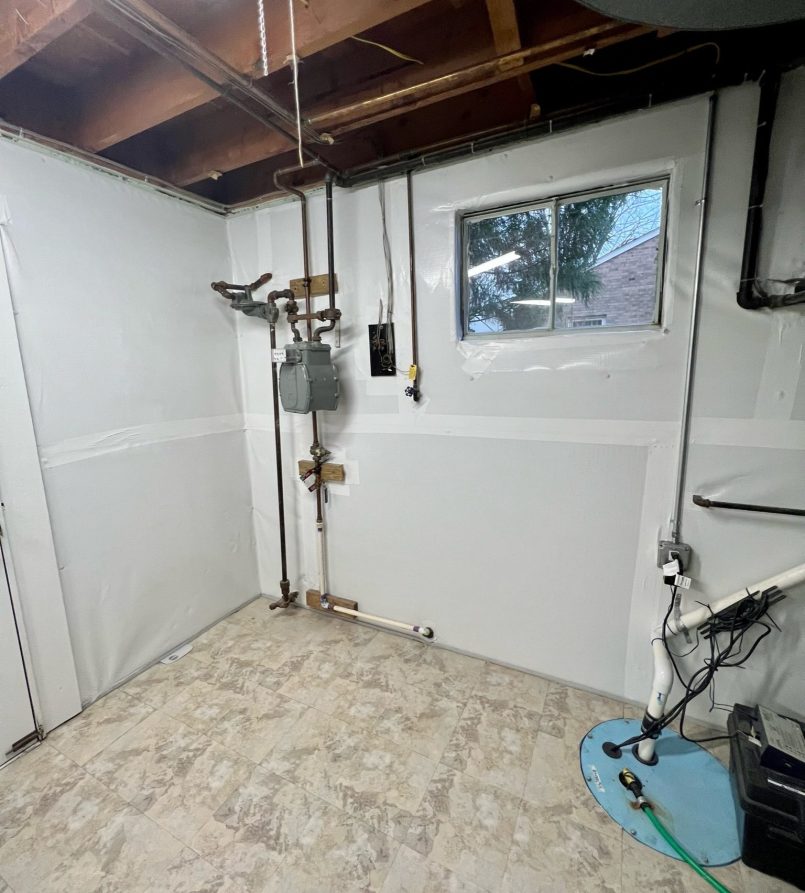
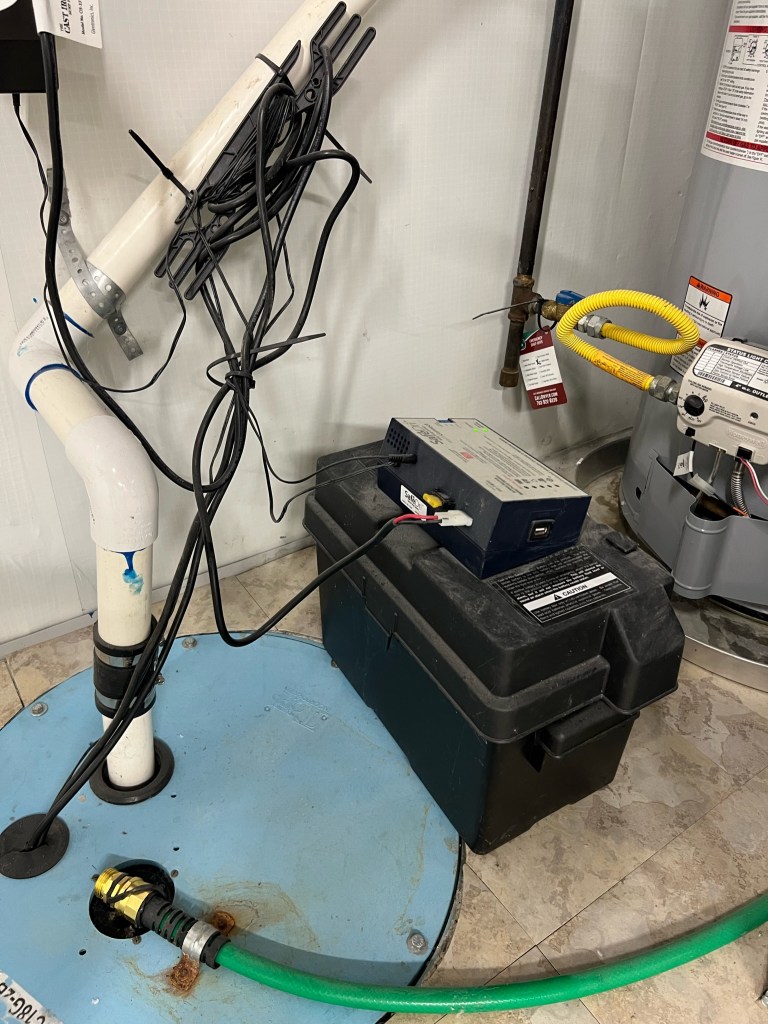
The basement of this home proved my suspicions correct—it had previously had a problem with water intrusion. How did I know for sure? It had been professionally waterproofed. In the unfinished portion of the basement, along two of the perimeter walls, there was concrete repair and a little piece of plastic that sticks out around the edge. These are telltale signs a waterproofing company had trenched around the interior perimeter of the basement and installed a drainage system that empties into a sump pump. The sump pump then pumps the water out and away from the house.


Now the home seems dry, but it will be something that a future homeowner will need to monitor in the future, and it’s definitely something you should know when considering purchasing a house.

If you ever do have issues with water coming into your home, here are some remedies:

1.If there is a sump pump installed, make sure it is working properly. You might also want to consider installing a backup battery on the sump pump in case of power outages.

2. If there are exterior stairs to the basement with a drain at the bottom, that drain must always be kept clear. At the very least, install an elevated drain cover to keep leaves and debris from covering it completely. If possible, consider building a roof over top of the stairs, to direct water away.

3. Extend downspouts away from the home. This can be done hrough a gutter extension kit (either above ground or dig a trench and extend it underground). A rain barrel is another good option, just make sure that the overflow extends away from the home.


4. Landscaping should be slightly elevated and sloped away from the foundation. Aside from the aesthetic, foundation flower beds serve an important purpose. They not only direct water away from the home, but the plants also help absorb any remaining water.

5. Put a cover over any window wells. You can purchase an inexpensive plastic cover from your local hardware store. They come in multiple sizes and shapes depending on what you need. If the window well is in a more prominent part of your home you, you can have a custom one made that is more aesthetically pleasing.

6. Apply a sealant to the interior foundation walls. Interior sealants are not a permanent solution but can help keep humidity levels down in the lower level.

7. Have the home professionally waterproofed. This is an effective, long-term solution to move water away from the foundation of the home.

It is extremely important to keep your home dry. Damp basements can lead to mold and mold can travel through the ductwork of your home, creating a toxic health hazard.

If you have any questions about keeping water out of your basement, reach out to us at 703-624-8333. Properties on the Potomac can help guide you to the right contractor.

The facts indicate that there is a market shift in progress. Higher interest rates with minimal inventory is spurring some sellers to remain aggressive when pricing their homes for sale. Last year at this time, some listings were selling for as much as 33% over their list prices. However, interest rates were in the low 3% range. In the end, it is about what buyers can afford to pay in a monthly payment.

The active homes (for sale) inventory across our region is at historic lows. The current Washington, D.C. Metro inventory is between a 30-60 day (depending on location) supply based on last week’s contract activities.

My market analysis disclosed that the active to under contract prices show a dramatic price disparity of 15% to 60% (location based) higher than the average prices of the properties that went under contract. Accordingly, the average days on the market for the active properties is also 33-57 days longer (about 66%) than the under contract properties.

In our recently wild market, it was impossible to underprice a property because it would get bid up to above its market value. Therefore, the real estate agent’s role was that of order taker and contract dissector. That condition has now changed. Now, the experienced, knowledgeable agent will analyze the market’s activity, study recent comparable sales, and recommend the best pricing for your property to get is sold as quickly as possible because that is when the optimal price will be received.

Under today’s changing circumstances, we often hear, “If they don’t like our price, they can make us an offer.” The reality is that they will not make an offer and will buy another property that they deem better priced. Buyers do not want to get too creative or too aggressive. They do not want to enter into negotiations that could end badly while losing better opportunities.

In any market, an overpriced property will languish. In fact, not only will the property languish, but it will ultimately sell for below market value. The chart below shows how the initial price affects the sales price. You can see the importance of pricing the property correctly from the outset.

If a property is overpriced by five percent, it is not unusual to have a final sales price of 3%-5% below actual market value. Why give up value on the gamble that a buyer will overpay in today’s market?

In our industry, the saying goes, “The first offer is usually the best offer.” The first offer typically comes in quickly with a good price and strong terms. Missing out on that first offer will diminish the seller’s ultimate return.

How is market value determined? The skilled, experienced, and knowledgeable real estate agent knows their market, their buyers’ expectations, and is well connected with the top agents in the area. Their wealth of knowledge and experience will help you make the correct pricing decision.

The bottom line: properties that are priced in line with buyer affordability are selling quickly. Properties pushing prices beyond market values are staying on the market.

Are prices falling? No. Many homes are being priced incorrectly and need reductions to bring them in line with actual market values.

If you are thinking about selling your property this year, do yourself a favor and call one of our exceptional agents for a market analysis at 703-624-8333. You will know that the price you set on your property will be competitive, thus bringing you the best returns.