When it comes to creating an outdoor living area, two popular options are decks and patios. Both offer unique advantages and can enhance the beauty and functionality of your home. However, understanding the differences between decks and patios is essential for making an informed decision. Let’s help you determine the perfect outdoor space for your home by comparing decks and patios, discussing their characteristics, benefits, and considerations.

1. Materials and Construction:

Decks are typically constructed using wood or composite materials, such as vinyl or PVC. They are elevated structures that can be attached to the house or built as freestanding units. Patios, on the other hand, are typically made of concrete, brick, pavers, or stone. They are ground-level structures that can be installed directly on the ground or built onto a base. The choice of materials will depend on your aesthetic preferences, budget, and desired level of maintenance.

2. Cost and Installation:

When it comes to cost, decks tend to be more expensive than patios. The materials used for decks, especially hardwood or composite decking, can be pricier. Additionally, the need for structural support, like footings and beams, can add to the overall cost. Patios, on the other hand, are generally more affordable since they involve less complex construction and materials. However, costs can vary depending on the type of material chosen for the patio surface.

3. Design and Aesthetics:

Decks offer a versatile design range and can be customized to fit your specific preferences. They can be built at various heights, allowing for multi-level designs, and can incorporate features like built-in seating, railings, and stairs. Decks also provide an elevated view, making them ideal for homes with scenic surroundings. Patios, on the other hand, offer a wide array of design options using different materials, patterns, and layouts. They can be seamlessly integrated into the ground and can accommodate various shapes and sizes, making them adaptable to different landscape styles. If privacy is what you seek, a patio behind a privacy fence or hedge might be the right call for you.

4. Durability and Maintenance:

Decks require regular maintenance to ensure their longevity. Wood decks need periodic sealing or staining to protect them from weathering and insect damage. Composite decks are generally more durable and require less maintenance but may still need occasional cleaning. Patios, on the other hand, are known for their durability and require minimal upkeep. Regular cleaning and sealing of the patio surface may be necessary, depending on the material used, but overall, patios tend to be more resistant to wear and tear.

5. Local Regulations and Restrictions:

Before deciding between a deck and a patio, it’s important to check local regulations and restrictions. Some neighborhoods or homeowner associations may have specific guidelines on the construction and appearance of outdoor structures. Obtain any necessary permits and ensure compliance with building codes before proceeding with your project.

Choosing between a deck and a patio depends on your personal preferences, budget, maintenance capabilities, and the specific characteristics of your home and location. Decks offer versatility and elevated views, while patios provide durability and privacy. Both offer a range of design options. Consider the amount of maintenance you’re willing to undertake and any local regulations to make an informed decision. Whether you opt for a deck or a patio, both can create an inviting outdoor space that allows you to relax, entertain, and enjoy the beauty of nature right at your doorstep.

But before you take on any expensive project, make sure it is worth the investment. Give Properties on the Potomac a call at 703-624-8333 to discuss your options.

Your home’s landscaping plays a significant role in creating a welcoming atmosphere and enhancing curb appeal. From vibrant flower beds to lush green lawns, a well-maintained garden can instantly elevate your property’s aesthetics. One crucial aspect of plant care, often overlooked, is watering. Let’s dive into how watering your plants, including established landscaping, not only contributes to curb appeal but also helps maintain and even increase your home’s value.

  1. Preserving Vibrancy and Health: Regular watering is essential for the health and vitality of your plants. Even established landscaping requires adequate moisture to thrive. When plants receive sufficient water, their foliage remains vibrant and lush, creating an eye-catching display for passersby and potential buyers. Neglecting watering can lead to wilted leaves, browning foliage, and overall diminished curb appeal.
  2. Enhancing Curb Appeal: Curb appeal is crucial when it comes to attracting potential buyers or simply impressing your neighbors. A well-maintained garden showcases your attention to detail and demonstrates pride in homeownership. Regular watering ensures your plants remain robust, colorful, and full, making your property stand out in the neighborhood. A visually appealing exterior creates a positive first impression, which can significantly impact the perceived value of your home.
  3. Protecting Long-Term Investments: Landscaping is an investment in your home’s value. A thoughtfully designed and properly cared-for garden can increase your property’s worth over time. Regular watering helps protect this investment by preserving the health and longevity of your plants. Neglecting watering can lead to plant loss, requiring costly replacements and potentially compromising the overall aesthetic appeal of your landscaping. By maintaining proper moisture levels, you safeguard the value of your home and ensure a beautiful outdoor space for years to come.
  4. Watering Best Practices: To maximize the benefits of watering, it’s essential to follow a few best practices:
    Deep Watering: Rather than light sprinkling, focus on deep watering sessions. This encourages plants to develop deep root systems, making them more resilient to drought conditions.
    Timing Matters: Water your plants early in the morning or late in the evening to minimize evaporation. This allows the water to penetrate the soil effectively, reaching the roots where it’s needed most.
    Consistency is Key: Establish a regular watering schedule based on the specific needs of your plants and the climate in your area. Consistency ensures that plants receive the necessary hydration without overwatering, which can lead to root rot and other issues.
    Mulching: Apply a layer of organic mulch around your plants to help retain moisture in the soil. Mulch also acts as an insulator, protecting roots from extreme temperatures.

Watering your plants, including established landscaping, is an integral part of maintaining curb appeal and preserving your home’s value. By providing adequate moisture, you promote healthy growth, vibrant colors, and a visually appealing outdoor space. Investing time and effort into proper plant care will pay dividends in the form of an attractive home exterior and increased property value.

Ready to enhance your home’s curb appeal and maximize its value? Contact our experienced real estate team at 703-624-8333 today for expert advice and assistance with buying or selling properties. Let’s make your real estate dreams a reality!

I recently showed a home that was set slightly below the road. I was immediately apprehensive.

Obviously not all homes can be built at the top of a hill—if they were, neighborhoods would look more like tiny Tuscan villages. But whenever a house is set below the road or otherwise at the bottom of a hill, you have to worry about water. Maybe the Tuscans had the right idea—they were protected from invaders and water.

Real estate pictures tend to only show the positive attributes of a home, and many times these photos don’t show the house in relation to the surrounding topography. If only technology came with a scratch and sniff feature, we could easily tell if incoming water was an issue without having to be in the home.

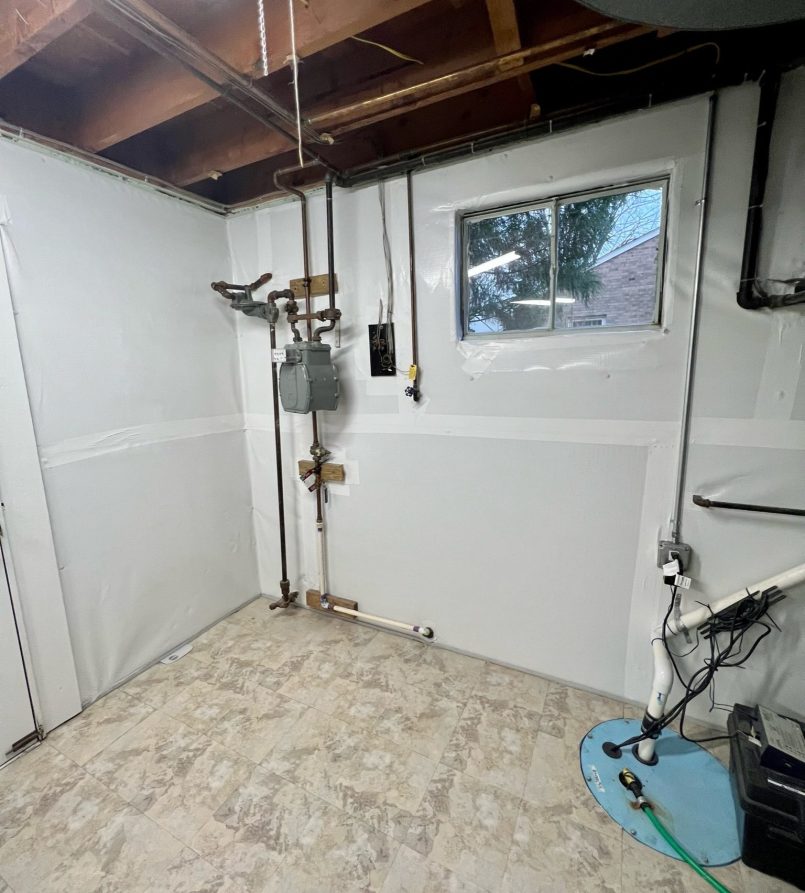
The basement of this home proved my suspicions correct—it had previously had a problem with water intrusion. How did I know for sure? It had been professionally waterproofed. In the unfinished portion of the basement, along two of the perimeter walls, there was concrete repair and a little piece of plastic that sticks out around the edge. These are telltale signs a waterproofing company had trenched around the interior perimeter of the basement and installed a drainage system that empties into a sump pump. The sump pump then pumps the water out and away from the house.


Now the home seems dry, but it will be something that a future homeowner will need to monitor in the future, and it’s definitely something you should know when considering purchasing a house.

If you ever do have issues with water coming into your home, here are some remedies:

1.If there is a sump pump installed, make sure it is working properly. You might also want to consider installing a backup battery on the sump pump in case of power outages.

2. If there are exterior stairs to the basement with a drain at the bottom, that drain must always be kept clear. At the very least, install an elevated drain cover to keep leaves and debris from covering it completely. If possible, consider building a roof over top of the stairs, to direct water away.

3. Extend downspouts away from the home. This can be done hrough a gutter extension kit (either above ground or dig a trench and extend it underground). A rain barrel is another good option, just make sure that the overflow extends away from the home.


4. Landscaping should be slightly elevated and sloped away from the foundation. Aside from the aesthetic, foundation flower beds serve an important purpose. They not only direct water away from the home, but the plants also help absorb any remaining water.

5. Put a cover over any window wells. You can purchase an inexpensive plastic cover from your local hardware store. They come in multiple sizes and shapes depending on what you need. If the window well is in a more prominent part of your home you, you can have a custom one made that is more aesthetically pleasing.

6. Apply a sealant to the interior foundation walls. Interior sealants are not a permanent solution but can help keep humidity levels down in the lower level.

7. Have the home professionally waterproofed. This is an effective, long-term solution to move water away from the foundation of the home.

It is extremely important to keep your home dry. Damp basements can lead to mold and mold can travel through the ductwork of your home, creating a toxic health hazard.

If you have any questions about keeping water out of your basement, reach out to us at 703-624-8333. Properties on the Potomac can help guide you to the right contractor.

By Andrea Justus, Properties on the Potomac Realtor

It’s that time of year: the time to plan your garden and start seeds. Vegetable gardening is easy and fun and the prep starts eight weeks prior to planting time. In Northern Virginia, planting time is generally the weekend of Mother’s Day. Although beautiful Spring days are tempting, I have “early planted” and lost a garden or two due to late season snow and cold snaps. I now am a firm advocate of Mother’s Day planting.   

Seeds can be planted directly into the ground for items like spinach, radishes, beets and herbs, as long as the ground is 50 degrees. For non-leafy vegetables, it’s important to start your plants early to get a jump on the growing season. I start tomatoes, eggplant, okra, cucumbers, squash and pumpkins in early March so that by early May the plants are large and healthy enough to withstand weather and insects and flourish. (For pumpkins, you can also sow the seeds in the ground in June for pumpkins in Fall.) March is also a good time to start flowers like Astilbe, Dahlias, and Croscomia. By starting in March, the flowers will bloom early and throughout summer.

What is the best method for starting seeds? There are many approaches, from dirt in a cup to seed-starting trays with heating pads and overhead lights. I make my own seed-starting blend with a Miracle Grow soil, worm castings, vermiculite and peat moss mixture. The mix is approximately 5 parts soil, two parts worm castings, one part vermiculite and a handful of peat moss. This gives the seeds an airy and nutritious start. You can use seed-starting trays or mini pots available at most gardening stores. Solo cups in trays also work well. I start mine in the basement next to the door so they get natural light. I use solar blankets on the ground and behind the seed table to capture any warmth and sunlight available.

Once the seed starts come up, I transfer them to larger cups and plant them deeper. Sometimes more than one transplant is needed. Water lightly every other day so that the soil is slightly damp, not wet. A gentle hand is critical to transferring the seed starts. Plan on starting more seeds than you need plants so that it’s not a crisis if you break a tender shoot. About 2 weeks before planting, start hardening off the plants by putting them outside. Start with an hour or two and gradually increase the time outside. You can also cover the plants while they are outside with burlap to keep them from being wind and sun burned. Once the plants are hardened, get ready to plant your garden in early May. I like to plant and fertilize with Abernethy and Spencer’s TLC. It gets healthy plants off to a roaring start!

I enjoy gardening and sharing the fruits of my labor with others! If you know me, you know I’m a plant person. Happy Gardening!

Need help figuring out the best landscaping for resale value? Reach out to Properties on the Potomac at
703-624-8333 now!

If you think of the word “cottage,” what do you see?  Do you envision images of warmth, coziness, and flowers climbing on front porches? Or maybe a smaller, less ornate house, and a lifestyle of tranquility and serenity.

A cottage may look different depending on the beholder, but one thing that is certain is that the term describes a category of house and a lifestyle rather than an architectural style.

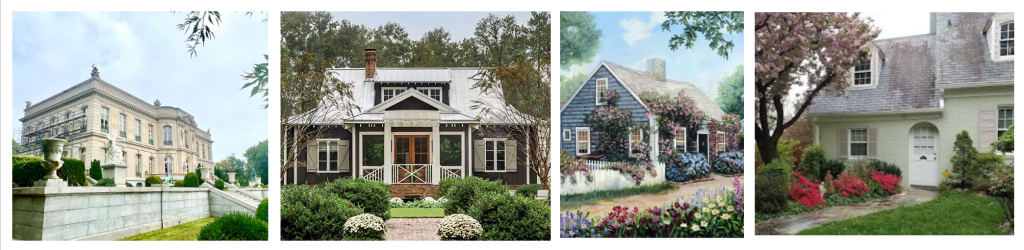
Historically, the term was used to denote more than charm and tranquility. During the Gilded Age in Newport, Rhode Island, the “Summer Cottages” were anything but today’s typical image of a cottage. There, the opulent and sumptuously appointed summer retreats were built to outshine one another among the wealthy elite during the summer months of vacationing and partying.

Today, the term has evolved to denote a quaint, cozy, charming, smaller house, often in a more rural setting, although cottages can be found in some cities as well. There are thatched-roof cottages in the English countryside, Tudor-style cottages on both sides of the Atlantic, and even fairy tale cottages in, well, fairy tales. Among the more famous cottages is Green Gables of Anne of Green Gables fame.

But the history of the word goes back even further than Gilded Age New England: according to Southern Living writer Maggie Burch, “The term ‘cottage’ and the house style most closely associated with it originated in England during the Middle Ages. Peasant farmers were known as “cotters,” and their modest, rural homes came to be called cottages. Even today, a cottage-style house in the U.K. has the same description it did hundreds of years ago—the homes are simple dwellings meant to fight off the cold, typically with one large living room downstairs and two bedrooms upstairs, under a thatched roof.” The house in the Cotswolds featured in the movie, The Holiday, is the quintessential English cottage.

Today, there are a variety of cottage styles in the U.S.

The “Coastal Cottage” denotes being near the beach. Massachusetts and Connecticut have a great many of these charming homes. The architectural term “Cape Cod” is a cottage style associated with Cape Cod, Martha’s Vineyard, and Nantucket. The clapboard siding, the red brick chimneys, their meandering walkways, and charming flower-covered fences evoke a longing for innocence.

The “English Cottage,” with its thatched roof and overgrown gardens and open spaces, will be found in the English countryside. (Designing an overgrown garden in many newer communities in our areas could invoke the wrath of homeowners’ associations.)

“Creole Cottages” have evolved from New Orleans and the “Low Country.” They are often narrow, have front porches, and covered outdoor living areas. They are light and breezy: picture white gauze curtains billowing in the breeze.

A “bungalow” can be a cottage. Its defining features are a sloping roof, dormer windows, and an overhanging porch. This style of house can be found throughout the U.S., from Craftsman post-and-beam construction to brick bungalows with horizontal dormers found in the Chicago area.

What are the key elements of the cottage? Outside, they will have natural building material – callboard and/or wood shingles all set amid casual and lush landscapes. The interior elements of the cottage will feature lush textiles, pillows, rugs, curtains, blankets, and comfortable furniture. Fireplaces, nooks, and cozy kitchens are hallmarks of the style.

In our local real estate market, many homeowners love the cottage style. Although recent trends have been minimalistic in shades of gray; cottage-style homes with their cozy elements have resold quickly –  many over list price. Cottage style tugs at the heartstrings, offering the dream of intimate and quiet family times.

In search of your diamond-in-the-rough cottage? Contact Properties on the Potomac at 703-624-8333 today!