Mold Can be a Silent Contagion

By Krasi Henkel, Broker

This is the season when we spend more time indoors and our doors and windows remain closed for longer periods.

I am deathly allergic and toxic to mold. A three second exposure can make me ill for weeks and even months. I often laugh with my buyer clients that I am the official “mold meter” when we look at houses. There have been times that I detected mold even before opening the front door. I share my experience with my clients, and we leave as quickly as possible. Sick houses can be cleaned. My clients need not be the ones to do that.  

Not everyone smells or reacts to mold. I believe that educating my clients is paramount. No sale is worth illness and maladies. I would rather walk away than knowingly let my clients buy into malaise, illness, and even life-threatening accidents. A mold reaction caused me to fall from my horse, breaking my ankle. My life changed. I have not been the same ever since.

While everyone has varying levels of reaction, if any, to mold in a property, it is important to understand how mold develops and where it can grow. It is not always the old basement, although it quite possibly can be. With weather changes and moisture changes, below is a list (not comprehensive but suggestive) where mold can grow:

  • Window casings and drywall around them
  • Doors – under sill plates and around the frames on the drywall
  • Under sink base cabinets
  • Under dishwashers
  • Under washing machines
  • Under HVAC condensate lines
  • Inside HVAC air handlers
  • Behind and under refrigerators (even those without water sources)
  • Bathrooms
  • Basements – under floors, wall bases, even ceilings
  • Your car!!

What can you do to prevent mold from taking root in your home or car?

  • Inspect window caulking regularly – recaulk as needed
  • Check door sill plates – especially at decks and patios
  • Look under sinks – look for evidence of moisture – attack and remediate
  • Look under your dishwasher for evidence of water and mold signs
  • Look under and behind washing machines
  • Have your HVAC serviced and inspected semi-annually – ask your tech to look for evidence of leakage and mold
  • Pull your refrigerator out – inspect the floor
  • Run the exhaust fan in your bathrooms while showering to prevent condensation build-up
  • Confirm that bathroom exhaust fans are operating properly
  • Change the air filter in your car
  • Keep all HVAC filters clean

Here are a few unsettling facts that I recently discovered:

  • Drywall in its manufacturing process has imbedded mold spores
  • Mold loves drywall. That is why after a water incursion event, mold grows on drywall very quickly.
  • New home construction can “build-in” mold during the construction process by allowing materials to get wet.
  • Your car’s trunk gasket can be allowing water incursion and harboring mold
  • Your car’s air filter can get damaged by mice – their deposits can sprout mold
  • Your car’s AC can leak into your dash – mold can sprout

These lists are just a few of the mold issues that can develop over time or quickly.
Mold has been associated with chronic fatigue syndrome, headaches, upper respiratory ailments, even ‘colds’ could be reactions to mold.  Do not be lulled into security by a ‘new house.’

Last year, I walked through our basement bedroom for a split second. That was long enough for me to get sick. It lasted through January. Where was the mold? Our basement bath exhaust fan had stopped exhausting but sounded to be running just fine. My husband likes the shower there. The moisture from the shower traveled to the far corner of the room, settled on the cold tile floor under a night table, and sprouted a quarter-sized spot of mold.

As a precaution – I had the exterior walls’ drywall removed – luckily – all was dry including studs and base framing. The tile was dry with no evidence of water. I called a waterproofing company – they tried to sell me a $50,000 remediation system.

I decided to call on the home inspector who inspects my clients’ home purchases. He came armed with a moisture meter. He found none. Then, he suggested laying down and sealing a vapor barrier plastic sheet like that of a crawl space. He told us to leave it down for 7-10 days. If at the end of the period, there was moisture under the barrier – there is a water problem. If none, then it was a condensation problem. Luckily, it was the latter.

Our brilliant contractor figured out that the exhaust fan was not extracting the condensation. In with a new fan and lots of cleaning – all is well.

However, this episode required that I discard the entire contents of the room. I had my brand new furnace thoroughly cleaned and disinfected. Mold spores are airborne and had certainly settled on all fabrics and furnishings. All because an exhaust fan had malfunctioned. On that note – ask questions about the history of any resale furnishings that you are considering buying. Have you ever smelled mustiness in antique drawers . . . ?

Mold is toxic and for those who are sensitive, each episode increases that sensitivity and the reactions.  While I am not a mold expert, here is a link to mold and its remediation on YouTube.  The mold conversation begins around the 3 minute mark. It is a little long but could save you years of misery.

If you have questions or need resources, contact Krasi Henkel – TEXT – 703-624-8333. If you are planning to buy your next home, Text Krasi.


There seems to be a growing trend toward “burning bridges” as a form of self-assertion. It appears often, even celebrated, as though torching a connection is a mark of independence or strength.

Let’s pause and ask, “why?”
To satisfy an ego?
To prove a point?
To protect ourselves from discomfort?

The truth is simpler. We never know when a door might open again. By burning the bridge, we limit opportunity. By leaving it standing, even unused, we preserve possibility.

Years ago, I worked for an exceptionally brilliant executive director. At our staff meetings, he would always end with the same words: “Be nice. You never know who your next boss will be.”

That line has stayed with me for more than five decades. The wisdom is timeless. Being nice costs nothing, and it buys peace of mind, grace, and long memories in one’s favor.

When negotiating with a difficult client or agent, consider the value of restraint. Not every disagreement demands destruction. Some require distance, but distance is different from demolition.

Of course, there are rare situations that justify a clean break. Yet in my many decades of business—as an auditor, portfolio manager, director, Realtor®, and broker, I am grateful that I have resisted the temptation to light the match. The people who might have deserved the flame have long since forgotten, and those who would have cared might have turned away.

Fire is satisfying only for a moment. Bridges, however, can stand for a lifetime.

Be nice. Walk away. For now.

As the cold season approaches, it’s important not to overlook your home’s exterior when preparing for winter. In this final week of winter preparation, we’ll go over a few simple steps you can take to maintain your yard and outdoor equipment, helping prevent damage, keeping your property safe, and ensuring you’re ready when the first snowfall arrives.


-Trim Trees and Bushes: Winter storms can bring heavy snow and ice, which add stress to tree branches. Weak or dead branches are particularly vulnerable to breaking, potentially causing damage to your home or vehicles. Take the time to inspect your trees and bushes, removing any dead or weak branches. This preventive step can save you from costly repairs and improve the safety of your property.

-Store Outdoor Furniture: Outdoor furniture can quickly wear down when exposed to winter weather. To prolong its life, clean and store it in a garage, shed, or other covered space. If storage isn’t an option, use heavy-duty covers to protect your furniture from snow, ice, and freezing temperatures. Doing this will ensure that your outdoor furniture is ready to go once spring arrives.

-Stock Up on Winter Essentials: Don’t wait until the first snowstorm to realize you’re missing key winter supplies. Now is the perfect time to check your inventory of snow shovels, ice melt, and winter gear. Be sure to also test any snow blowers or other equipment to ensure they are in working order. Preparing early will give you peace of mind when winter weather hits unexpectedly.

    By taking these steps, you’ll ensure that your outdoor spaces are ready to handle whatever winter throws at them. If you need assistance finding local professionals for tree trimming or outdoor maintenance—or if you’re thinking about buying or selling a home—reach out to Properties on the Potomac at 703-624-8333. We’re here to help with all your home and property needs!

    Upgrading your outdoor lighting is a strategic way to enhance the curb appeal and safety of your home. Well-designed and strategically placed outdoor lights not only beautify your property but also increase its security and functionality. Here are several benefits of upgrading your outdoor lighting and the different types that can transform your home’s exterior:


    Benefits of Upgrading Outdoor Lighting

    • Improved Aesthetic Appeal: Outdoor lighting adds ambiance and highlights architectural features, creating a warm and welcoming atmosphere that enhances your home’s curb appeal.
    • Enhanced Safety and Security: Properly lit pathways, driveways, and entryways improve visibility and reduce the risk of accidents, deterring potential intruders and enhancing overall security.
    • Increased Property Value: Thoughtfully designed outdoor lighting can increase the perceived value of your home, making it more attractive to potential buyers and potentially increasing resale value.
    • Extended Living Space: Outdoor lighting allows you to enjoy your outdoor areas at night, extending your usable living space and enhancing the functionality of your yard.


    Types of Outdoor Lighting

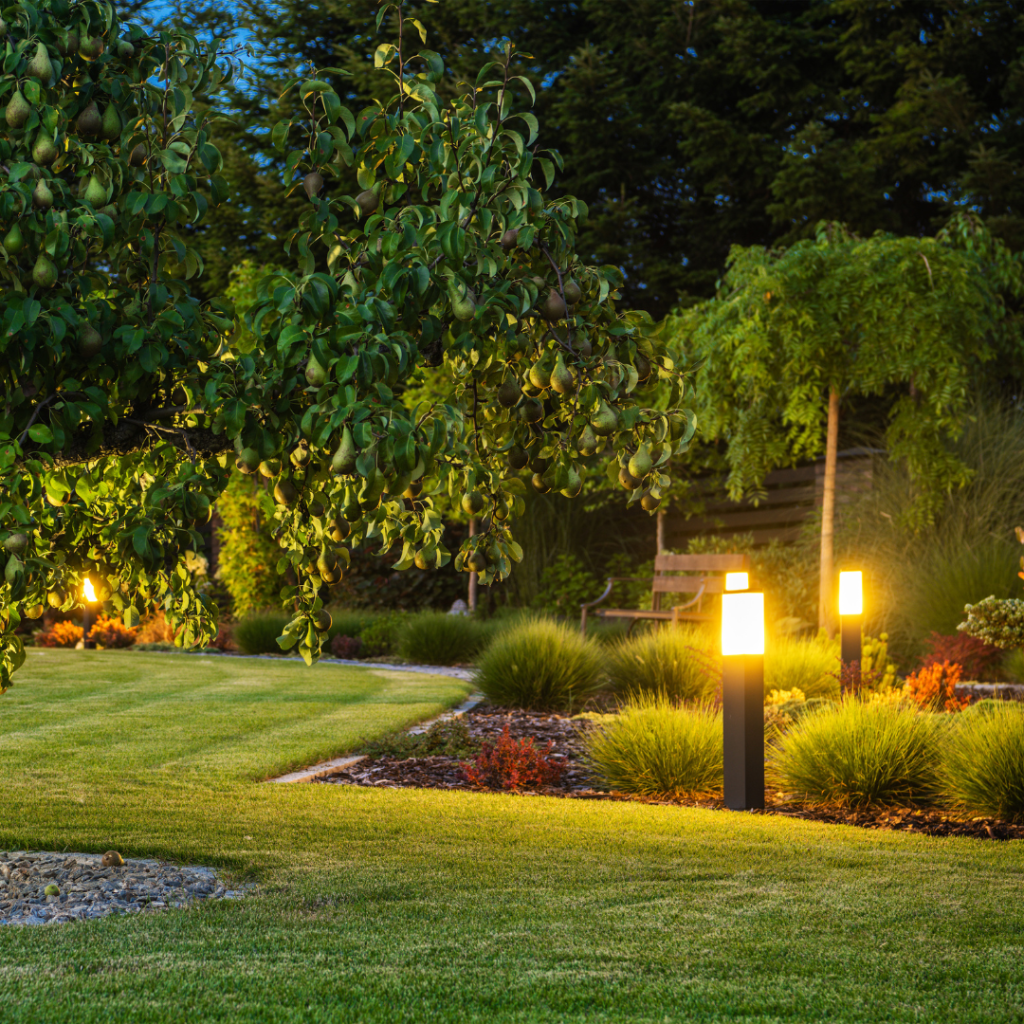
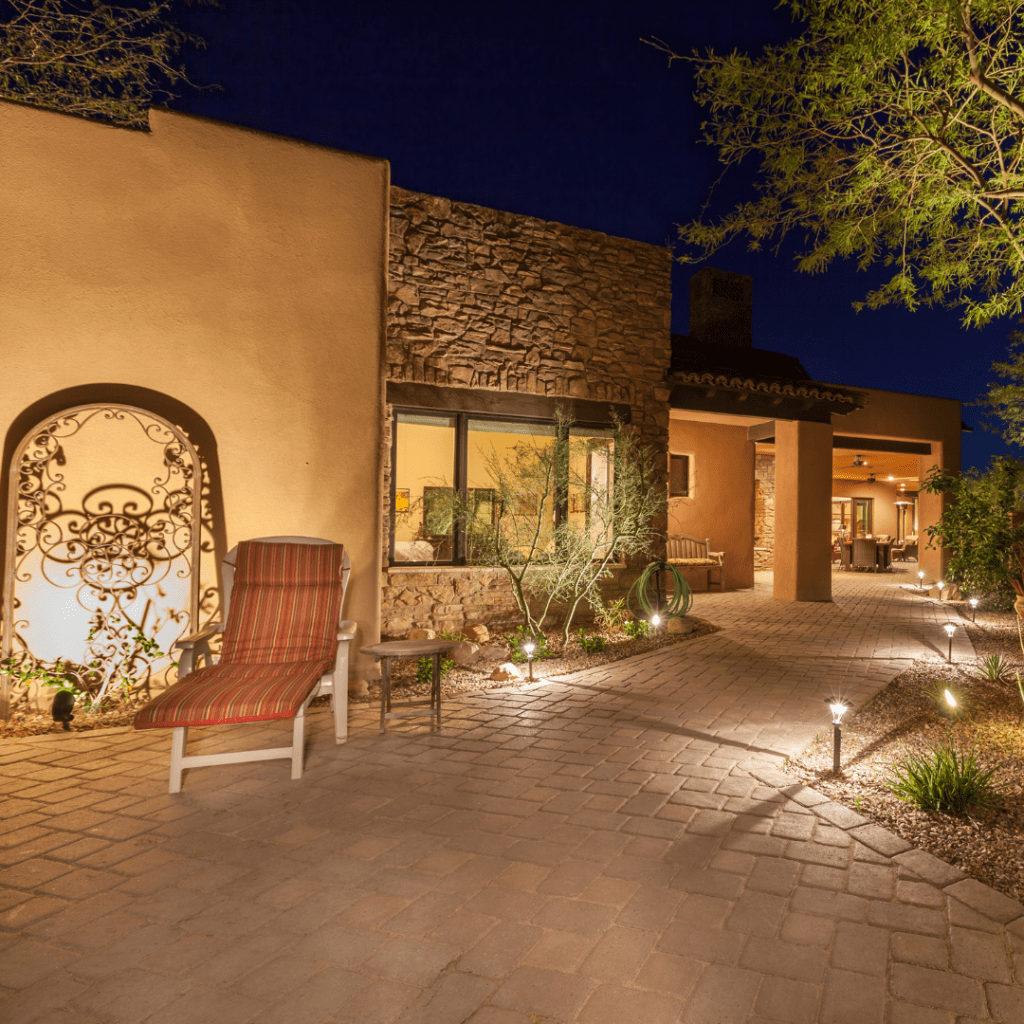
    • Pathway Lights: These lights illuminate walkways and pathways, guiding guests safely to your front door and adding visual interest to your landscaping.
    • Accent Lights: Used to highlight architectural elements, trees, or landscaping features, accent lights create depth and drama, enhancing the overall aesthetics of your home.
    • Wall-Mounted Lights: These fixtures are mounted on exterior walls and provide both ambient and task lighting, ideal for entryways, patios, and decks.
    • Deck and Step Lights: These lights are installed flush with deck surfaces or stairs to improve safety and visibility in outdoor living areas.
    • Landscape Spotlights: Used to highlight specific features such as trees, statues, or gardens, landscape spotlights add focal points and create visual interest.
    • Security Lights: Motion-activated security lights enhance safety by deterring intruders and providing instant illumination when motion is detected.


    Choosing the Right Lighting
    When upgrading your outdoor lighting, consider the style and architecture of your home, as well as the functionality you desire. Mix different types of lighting for a layered effect that balances security, aesthetics, and practicality.

    Upgrading your outdoor lighting is a smart investment that enhances your home’s curb appeal, improves safety, and increases its overall value. If you’re considering selling your home and want expert advice on upgrading your outdoor lighting, contact Properties on the Potomac at 703-624-8333 today. Stay tuned for more tips in our curb appeal series!

    When it comes to enhancing the curb appeal of your home, landscaping is a powerful tool that can transform your property. A well-designed and maintained landscape can significantly boost your home’s attractiveness and value. Here’s why investing in landscaping is essential for maximizing your home’s curb appeal.

    Immediate Visual Appeal: Landscaping adds immediate visual interest to your home. Lush green lawns, vibrant flowers, and well-placed shrubs create an inviting and aesthetically pleasing environment. A beautiful landscape is often the first thing people notice, making your home stand out in the neighborhood.

    Increased Property Value: Quality landscaping can yield a high return on investment. Homes with well-maintained gardens and outdoor spaces tend to sell faster and for higher prices. Landscaping can add up to 20% to your home’s value, making it one of the most cost-effective improvements you can make.

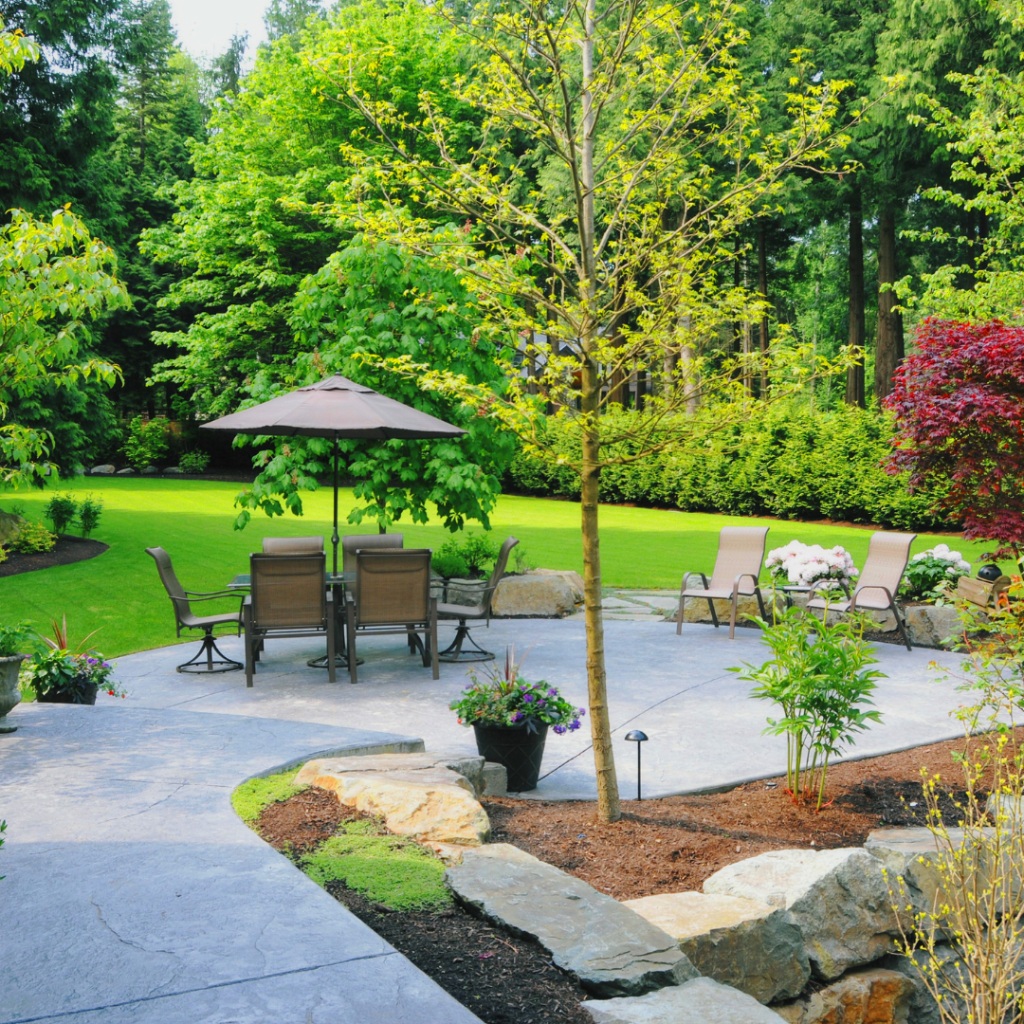
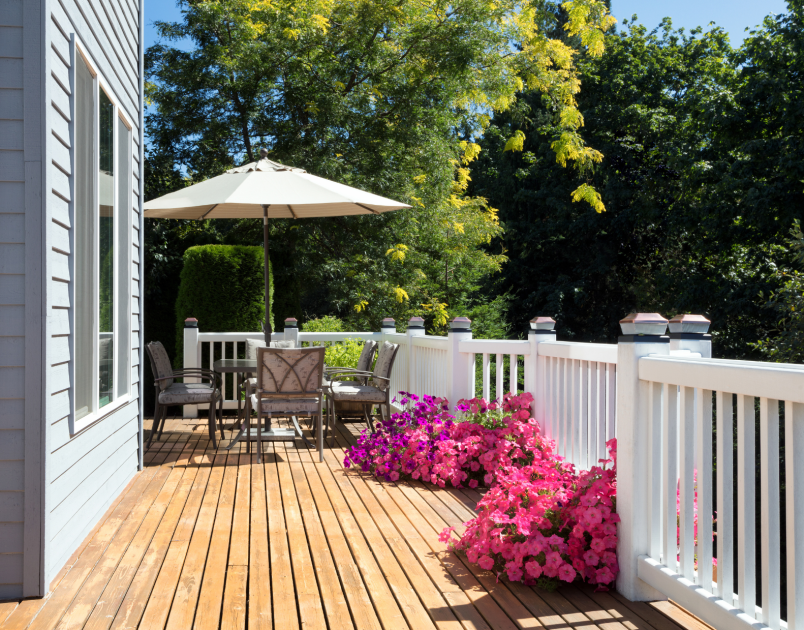
    Enhanced Outdoor Living Space: A thoughtfully landscaped yard extends your living space outdoors. Features like patios, decks, and garden seating areas create additional functional spaces for relaxation and entertainment. These enhancements make your home more appealing to potential buyers looking for outdoor lifestyle options.

    Improved Environmental Impact: Landscaping can have a positive impact on the environment. Trees and plants provide shade, reduce energy costs, and improve air quality. Additionally, proper landscaping can help manage water runoff and prevent soil erosion, contributing to a healthier ecosystem.

    Highlighting Architectural Features: Strategic landscaping can highlight your home’s architectural features. Planting trees or shrubs can frame your house, drawing attention to its best attributes. Flower beds and garden paths can guide the eye and create a cohesive and charming look.

    Seasonal Beauty: A well-planned landscape offers beauty throughout the year. Choose a variety of plants that bloom in different seasons to ensure your yard looks attractive all year round. Seasonal landscaping can create a dynamic and ever-changing visual appeal that keeps your property interesting.

    Personalization and Style: Landscaping allows you to express your personal style and creativity. Whether you prefer a formal garden, a rustic retreat, or a modern minimalist look, landscaping provides endless opportunities to make your home unique and reflect your taste.

    Positive First Impressions: First impressions are crucial in real estate. A beautifully landscaped yard suggests that the home is well-maintained and cared for. This positive perception can make a significant difference in attracting potential buyers and encouraging competitive offers.

    Low Maintenance Options: For those who prefer minimal upkeep, there are plenty of low-maintenance landscaping options. Native plants, drought-resistant species, and automated irrigation systems can create a beautiful yard without demanding constant attention.

    Community and Neighborhood Enhancement: Well-landscaped homes contribute to the overall beauty and value of the neighborhood. By investing in your landscape, you not only enhance your own property but also support the appeal and desirability of the entire community.

    Landscaping is a powerful way to boost your home’s curb appeal, create inviting outdoor spaces, and increase your property value. If you’re thinking of selling your home and need personalized landscaping ideas, contact Properties on the Potomac at 703-624-8333. Our team is here to help you make the best impression and achieve top dollar for your property.

    Don’t forget to subscribe for more tips in our curb appeal series!

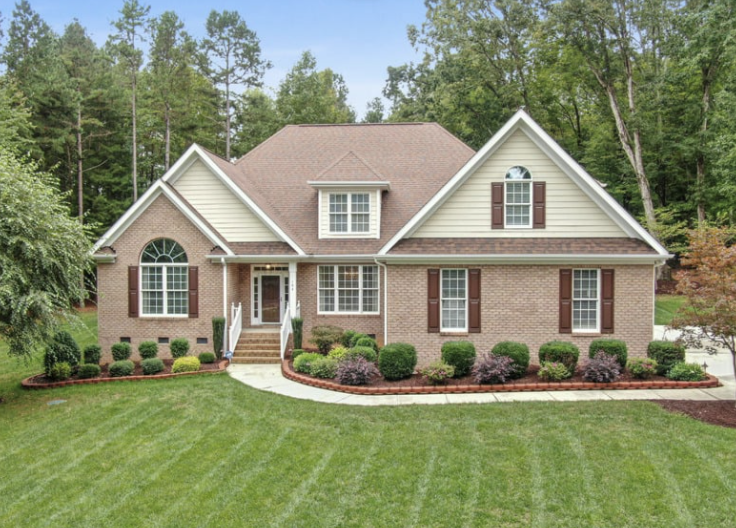
    If you want to get top dollar for your home, curb appeal is VERY important. The exterior of your home is the first thing potential buyers see, and making a positive impression can significantly increase your property’s value and desirability.

    The good news is that boosting curb appeal doesn’t have to be expensive or time-consuming. You can instantly increase your home’s curb appeal (and value!) by focusing on ten exterior areas, outlined here. But WAIT: we’ll be diving into each of these areas in more detail over the next several weeks, providing tips to help you make the most of your home’s exterior. So stay tuned!

    Without further ado, here are ten effective ways to boost curb appeal:

    1.Fresh Paint – A fresh coat of paint can do wonders for your home’s exterior. Choose neutral, appealing colors that complement your home’s style and the surrounding neighborhood. Don’t forget to touch up the trim, doors, and shutters for a polished look.

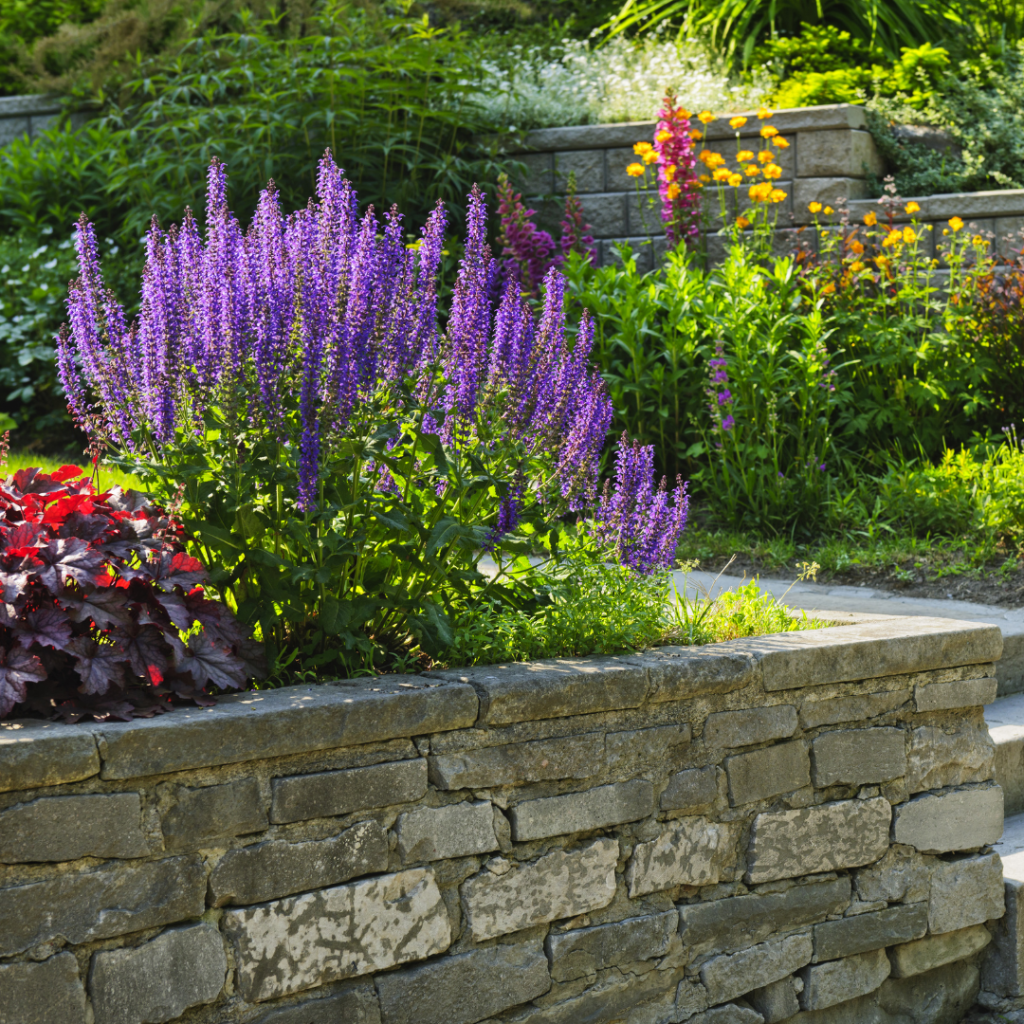
    2. Landscaping – Well-maintained landscaping can dramatically enhance your home’s appearance. Mow the lawn, trim bushes, and add colorful flowers or plants. Consider adding mulch to flower beds for a neat, finished look.

    3. Clean Windows – Clean windows, inside and out, allow more natural light into your home and give a clear, unobstructed view. They make your home look well-maintained and inviting.

    4. Power Wash – Power wash the exterior walls, driveway, sidewalks, and patio to remove dirt, grime, and mildew. This can make your home look fresh and new without a significant investment.

    5. Upgrade the Front Door – Your front door is a focal point of your home’s exterior. Repaint or replace it with a modern, stylish design. Adding new hardware or a welcoming wreath can also make a significant impact.

    6. Outdoor Lighting – Good lighting not only enhances safety but also highlights your home’s features. Install pathway lights, porch lights, and landscape lighting to create an inviting atmosphere, especially during evening showings.

    7. Mailbox Makeover – A new or freshly painted mailbox can add a touch of charm to your property. Make sure it’s clean, upright, and matches your home’s style.

    8. Repair and Replace – Fix any visible issues such as cracked walkways, broken fences, or damaged gutters. Small repairs can make a big difference in the overall appearance and show potential buyers that the home is well-cared-for.

    9. Garage Door Upgrade – An old or damaged garage door can detract from your home’s appearance. Consider painting or replacing it with a more modern design that complements your home’s exterior.

    10. Decorative Elements – Add decorative elements like shutters, window boxes, or a stylish house number to give your home character and charm. These small touches can make your home stand out and feel more welcoming.

    Want more tips and tricks on how to increase your home’s curb appeal? Give Properties on the Potomac a call at 703-624-8333 today, and subscribe to our blog to get these insights delivered right to your inbox!

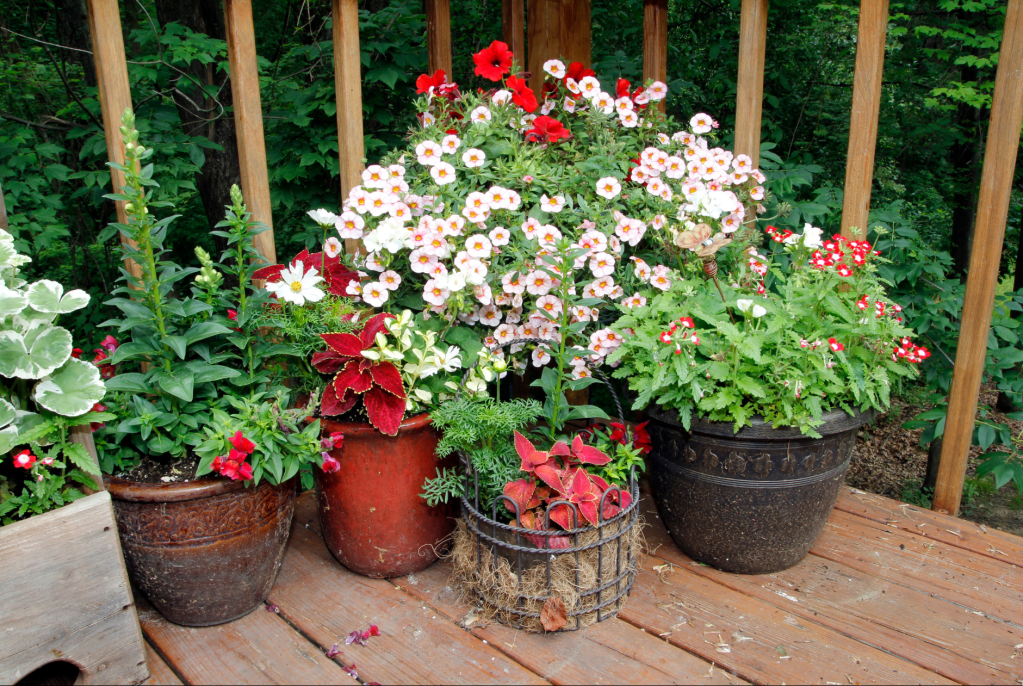
    In the realm of real estate, first impressions matter. Whether you’re aiming to sell your property or simply enhance its appeal, creating an inviting atmosphere around your home is key. While landscaping is often the go-to solution, there’s another overlooked gem that can effortlessly elevate your home’s charm: flower container gardens.

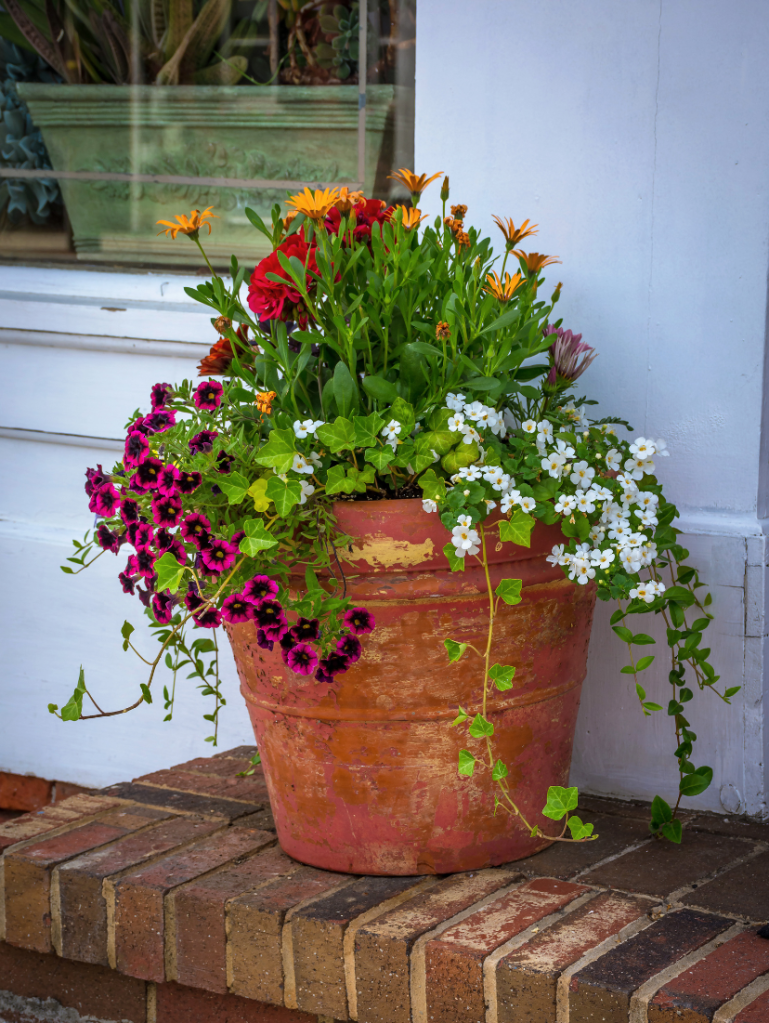
    Container gardens offer a versatile and customizable way to add bursts of color, texture, and fragrance to any outdoor space. From quaint balconies to expansive porches, these portable gardens can transform even the smallest areas into captivating oases. Here’s why incorporating flower container gardens into your home’s landscape can make all the difference:

    1. Flexibility and Versatility: One of the greatest advantages of container gardening is its flexibility. Whether you’re working with limited space or seeking to revitalize a specific area, containers can be placed virtually anywhere – from patios and decks to windowsills and stairways.

    2. Seasonal Variety: With container gardens, you have the freedom to switch up your plant selections with each passing season. From tulips and daffodils in the spring to petunias and marigolds in the summer, there’s no shortage of options to suit every season’s palette. By rotating your plants throughout the year, you can keep your outdoor space looking fresh and inviting.

    3. Low Maintenance: For homeowners with busy schedules or minimal gardening experience, container gardens offer a low-maintenance alternative to traditional landscaping. By choosing low-maintenance plants and incorporating self-watering containers, you can enjoy the beauty of flowers without the constant upkeep. With just a bit of occasional pruning and fertilizing, your container garden can thrive with minimal effort, enhancing your home’s curb appeal effortlessly.

    4. Instant Impact: Unlike traditional gardens that require time to mature and fill out, container gardens provide instant gratification. You can create an immediate visual impact that captures attention and admiration. Whether you opt for a single statement container or a series of coordinated planters, the beauty of your container garden will draw eyes and evoke positive emotions, making your home more memorable to potential buyers or visitors.

    5. Personalization and Creativity: Above all, container gardening allows you to unleash your creativity and express your personal style. From selecting unique containers and arranging plants to choosing color schemes and themes, the possibilities are endless. Whether you prefer a whimsical cottage garden or a sleek modern display, your container garden can reflect your personality and create a welcoming atmosphere that resonates with others.

    Incorporating flower container gardens into your home’s landscape is a simple yet impactful way to enhance its appeal and create lasting impressions. Check out our other blog posts on creating captivating outdoor spaces, or contact Properties on the Potomac at 703-624-8333 for a consultation on making your home more memorable to buyers.

    By Krasi Henkel

    February is often seen as a downtime for gardeners in many parts of the country. While your landscape may still be dormant, there are still important tasks that need to be completed before spring arrives. Here are 5 things every gardener should be doing this month:

    1. Prune Trees, Shrubs and Vines

    Late winter is the best time to prune many trees, shrubs, and vines. Pruning not only maintains the desired size and shape, but it also removes dead or damaged branches which can invite disease and pests. Focus first on spring-flowering plants like forsythia, lilacs, and flowering quince. Those that bloom later in the season can be pruned a bit later.

    2. Get a Jump on Weed Control

    Weeds will begin germinating as soon as temperatures begin to rise. Get a head start on curtailing them by applying pre-emergent herbicide early in the month. This will help prevent many annual and perennial weeds from taking over flower and vegetable beds once spring growth resumes.

    3. Test and Amend Your Garden Soil

    Now is the perfect time to get your soil tested through your local extension office or purchase an at-home testing kit. Testing will tell you the pH of your soil, as well as macronutrient levels and recommendations for amendments to correct any deficiencies. Preparing your soil now means your plants will thrive once planted.

    4. Sow Cool Weather Crops

    Toward the end of February, you can start certain hardy vegetables inside for an early spring harvest. Vegetables like cabbage, broccoli, cauliflower and onions can be started indoors 6-8 weeks before your last expected frost date. Check seed packets for more specifics on starting times.

    5. Plan and Prepare for Spring Planting

    Finally, use February to make plans for the upcoming growing season. Order seeds, map out your vegetable garden layout, and clean and sharpen tools. Planning ahead will make you ready to hit the ground running once planting season officially begins.

    Even though the garden may still be frozen, February is a pivotal month for getting set for spring. Completing winter garden maintenance and preparation now will ensure your yard and garden are primed for vigorous growth in just a couple short months.

    Looking for a home with the perfect garden? Properties on the Potomac can help you find your outdoor oasis. Give us a call at 703-624-8333 now!

    Courtyards, those serene and open spaces tucked away within the heart of buildings, have a rich history that spans across cultures and centuries. These versatile architectural elements have evolved from functional necessities to aesthetic havens, reflecting the changing societal values, technological advancements, and artistic tastes of their times. In this journey through history, we will explore the evolution of courtyards from their humble beginnings to their modern interpretations, highlighting their significance and enduring charm.

    Ancient Origins
    The concept of courtyards dates back to ancient civilizations, where they emerged as practical solutions to address the challenges of urban living. In ancient Mesopotamia, as early as 4,000 BCE, residents built homes with central open spaces to facilitate ventilation and provide a source of light. These early courtyards not only served as gathering areas but also played a crucial role in regulating temperature within the structures.

    Egyptian architecture also embraced the courtyard as an integral part of their designs. The ancient Egyptians utilized courtyards as private oases, often featuring gardens and pools surrounded by residential or religious structures. These courtyards symbolized fertility, rebirth, and the connection between life and the afterlife.

    Greco-Roman Influence
    The Greek and Roman civilizations further developed the concept of courtyards, integrating them into various building types. The peristyle, a colonnaded courtyard surrounded by columns, became a defining feature of ancient Roman villas and public buildings. This architectural innovation blended functionality with aesthetics, offering shaded areas for relaxation and socializing while emphasizing the visual appeal of symmetry and proportion.

    Medieval Retreats
    As societies transitioned into the medieval era, courtyards continued to evolve. In Europe, monasteries and castles featured cloister courtyards, enclosed areas with covered walkways surrounding gardens. These courtyards served as peaceful sanctuaries for monks and residents alike, where they could contemplate, meditate, and engage in other religious activities away from the bustling outside world.

    Renaissance Elegance
    The Renaissance period witnessed a revival of interest in classical architectural principles, and courtyards played a significant role in this resurgence. Palaces and grand residences of the Renaissance embraced the concept of the “courtyard house,” where a central courtyard acted as the focal point of the building. These courtyards were adorned with sculptures, fountains, and intricate architectural details, showcasing the wealth and cultural refinement of the patrons.

    Courtyards Around the World
    As exploration and trade expanded, courtyards found their way into various cultures worldwide. Islamic architecture, for example, perfected the art of the courtyard, creating intricate designs known for their geometric patterns, lush gardens, and tranquil reflecting pools. The Alhambra in Spain and the courtyard houses of Morocco exemplify the enduring allure of Islamic courtyard design.

    In East Asia, traditional Chinese architecture incorporated courtyards into the layout of siheyuan, enclosed compounds where multiple buildings surrounded a central courtyard. These structures emphasized privacy, family unity, and the harmonious integration of human habitation with nature.

    Modern Interpretations
    In the modern era, the concept of courtyards has expanded beyond residential and religious contexts. Urban planners and architects recognize the value of these spaces in densely populated areas, fostering a sense of community, providing natural light, and improving ventilation. Modern courtyards can be found in commercial buildings, educational institutions, and even public spaces, each with a unique interpretation that blends functionality with contemporary design sensibilities.

    From ancient civilizations to modern times, courtyards have maintained their relevance and allure as architectural elements that harmonize human habitation with the natural world. The evolution of courtyards showcases the adaptability of this design concept to different cultural, social, and technological contexts. As we continue to appreciate their beauty and functionality, courtyards remain a testament to the enduring connection between architecture, nature, and human well-being.

    Are you looking for your own “courtyard house”? Properties on the Potomac can help. Give us a call at 703-624-8333 to find your outdoor oasis today!

    A lush green lawn has long been a symbol of a well-maintained home and a source of pride for many homeowners. However, traditional lawns can require significant resources like water, fertilizer, and regular mowing, which can be environmentally unsustainable and costly in the long run.

    The DC Metro region is in hardiness zone 7 (as defined by the USDA), which means we have moderate winters and hot summers. Those hot summers are not conducive to growing grass without large amounts of water, which can be expensive and likely won’t be sustainable for the long-term. Embracing alternative lawns can offer a more sustainable and ecologically responsible solution, while still providing a beautiful outdoor space.

    The Benefits of Alternative Lawns
    Before diving into specific alternative lawn options, let’s understand the benefits they offer:

    1. Water Conservation: Alternative lawns require significantly less water than traditional grass lawns, reducing your water consumption and lowering your water bill.

    2. Low Maintenance: Many alternative lawns require minimal maintenance compared to traditional grass lawns. Say goodbye to frequent mowing, fertilizing, and weed control.

    3. Biodiversity and Pollinators: Some alternative lawns support a diverse array of native plants, attracting beneficial insects like bees and butterflies, thereby contributing to the local ecosystem.

    4. Drought Resistance: Alternative lawns often have deep root systems, making them more resilient to drought conditions.

    5. Reduced Chemical Use: With less need for fertilizers and pesticides, alternative lawns reduce the use of harmful chemicals that can negatively impact the environment and kill/detract pollinators

    Alternative Lawn Options
    Now that you know the benefits…what are the options?

    1. Native Grasses: Utilizing native grass species is a smart choice as they are well-adapted to the local climate and soil conditions. Some native grass options include Little Bluestem (Schizachyrium scoparium), Switchgrass (Panicum virgatum), and Eastern Gamagrass (Tripsacum dactyloides). These grasses offer a natural and low-maintenance look while supporting local biodiversity.

    2. Clover Lawns: White clover (Trifolium repens) is an excellent alternative to traditional grass lawns. It is nitrogen-fixing, which means it takes nitrogen from the air and stores it in the soil, enriching it naturally. Clover lawns stay green during dry spells and require less mowing.

    3. Moss Lawns: Moss lawns are a perfect solution for shaded areas where grass struggles to grow. Moss is a low-maintenance ground cover that adds a lush green carpet to your garden. It thrives in moist, shady environments and is incredibly drought tolerant.

    4. Buffalo Grass: Buffalo grass (Buchloe dactyloides) is native to the Great Plains and is well-suited to our climate. It requires little water and minimal mowing, making it an ideal option for those seeking a natural look with minimal maintenance.

    5. Perennial Ground Covers: Many perennial ground cover plants like creeping thyme, sedum, and creeping Jenny can create a dense and attractive carpet in your lawn. They are low growing, require little maintenance, and add texture and color to your landscape.

    6. Artificial Turf: While not a natural option, artificial turf can be considered as an alternative for those who desire a green lawn appearance without the need for watering or mowing. High-quality artificial turf can withstand pets and stay green all year long.

    7. No-Mow Lawn Mixes: No-mow lawn mixes consist of a blend of low-growing, slow-growing grasses and ground covers that require infrequent mowing. These mixes offer a lawn-like appearance while significantly reducing maintenance.

    Transitioning to an alternative lawn can be a transformative experience for both your landscape and the environment. By reducing water consumption, minimizing chemical use, and supporting local biodiversity, you contribute to a more sustainable and ecologically responsible way of living. Whether you choose native grasses, clover, moss, or any other alternative lawn option, you’re making a positive impact on the planet while still enjoying a beautiful outdoor space to relax and unwind.

    If you’re inspired by the idea of embracing an alternative lawn and making your outdoor space more sustainable, Properties on the Potoamac can help you find the perfect property that suits your vision. Call us today at 703-624-8333 to get started.