
The Dining Room Comeback: Why Flexibility Sells in Today’s Market
Gone are the days when dining rooms sat empty 360 days a year, waiting for Thanksgiving dinner. Today’s buyers want spaces that work as hard as they do—and the dining room has completely reinvented itself as the multi-purpose hub of the home.
What’s In: The Multi-Tasking Dining Room
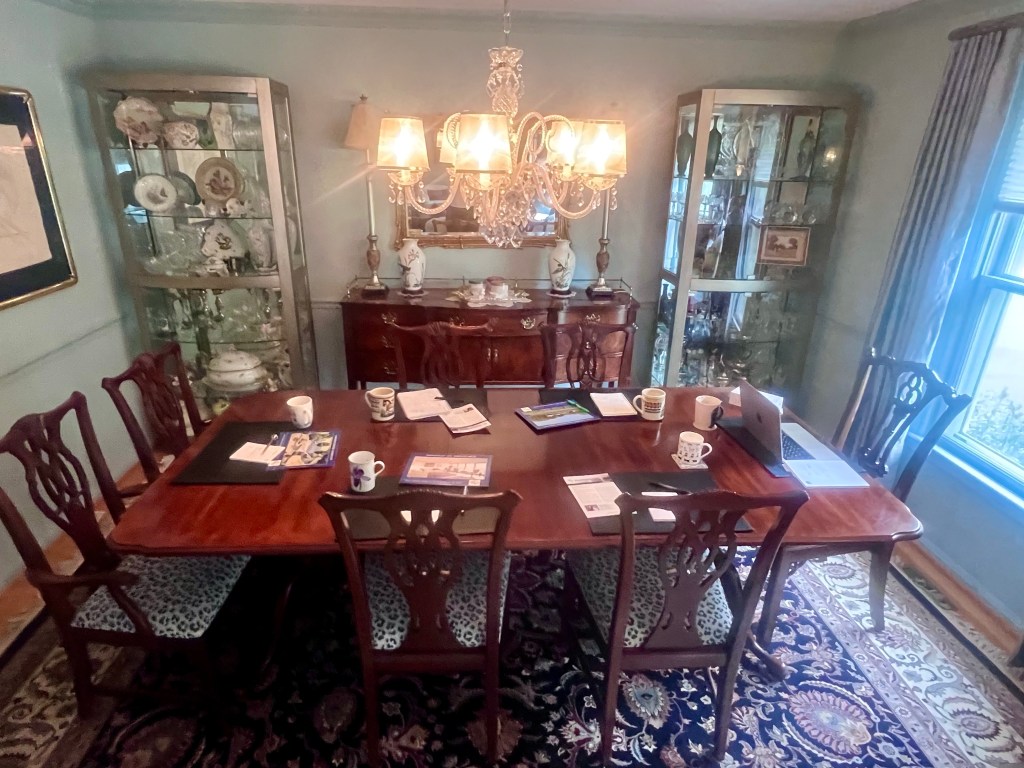
Conference Room by Day, Dinner Party by Night
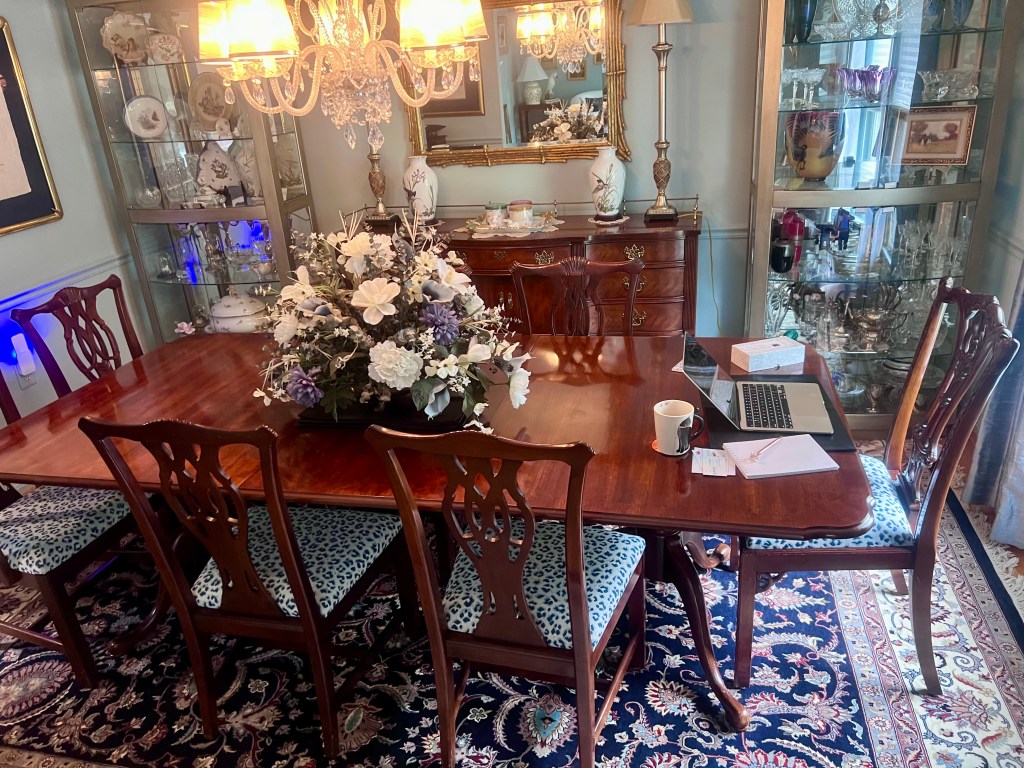
Modern dining rooms serve triple duty as home offices, meeting spaces, and entertainment centers. The same table that hosts your morning video calls transforms into homework central for the kids, then becomes the stage for weekend dinner parties. Buyers are not just looking for a place to eat. They want a command center that adapts to their lifestyle.
Casual Elegance Over Formal Stiffness
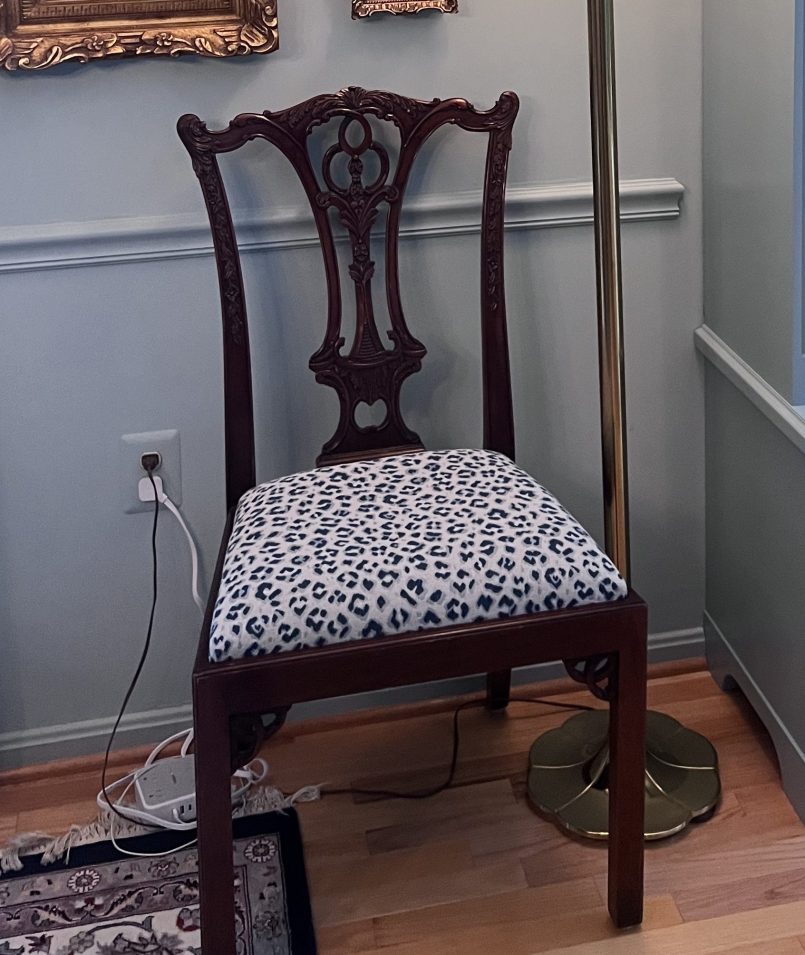
The new dining room aesthetic blends sophistication with comfort. Think mahogany tables paired with leopard print chairs, or rustic farmhouse tables dressed up with crystal chandeliers. This approachable luxury means spaces feel “put together” without being precious or untouchable. Guests can relax while still feeling like they are somewhere special.
Storage That Works
Built-in cabinets, banquettes with hidden storage, and multi-functional furniture pieces make every square foot count. These are not just display cases—they store everything from office supplies to board games to extra linens. Smart storage keeps the space flexible and clutter-free.
Kitchen Connection
The most successful dining spaces create seamless flow with the kitchen. Whether it is an open concept layout or pass-throughs, the goal is integration, not separation. Quartz countertops become natural staging areas for buffets, while islands provide casual seating for overflow guests or quick morning coffee.
What’s Out: The Single-Purpose Shrine
The Unused Formal Room
Buyers are rejecting dining rooms that only see action during holidays. Spaces that feel like furniture showrooms—complete with matching sets that nobody dares use—are unappealing. If a room does not earn its square footage, it is wasted space in today’s market.
Disconnected Layouts
Dining rooms that feel like isolated islands, cut off from the kitchen and family life, no longer appeal to buyers. People want to stay connected while cooking, not disappear into a separate room while guests sit in silence.
Inflexible Furniture
Fixed seating arrangements and furniture that cannot adapt to different group sizes or activities are increasingly problematic. Buyers want options: intimate dinners for four, homework sessions for multiple kids, or extended celebrations for twelve.
Why Dining Rooms Still Matter
The Experience Factor
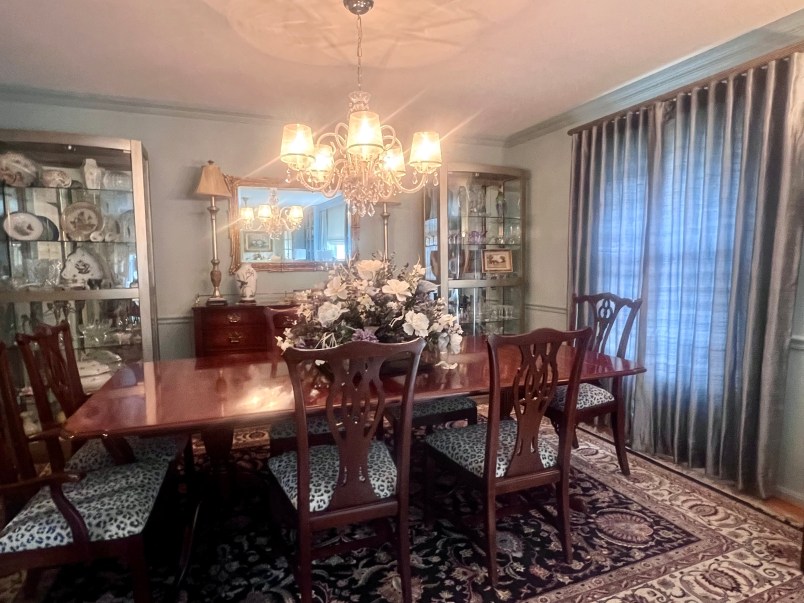
Despite predictions of their demise, dining rooms remain crucial selling points—but only when they demonstrate real value. The magic happens when buyers can envision their own families creating memories: kids doing art projects while parents prep dinner nearby, multi-generational gatherings flowing naturally between kitchen and table, or friends lingering over conversation long after the meal ends.
Home Value and Market Appeal
Buyers recognize that flexible dining spaces increase a home’s entertaining capacity without requiring formal hosting skills. A dining room that can extend from intimate meals to large gatherings shows the home can handle life’s important moments. It is not about the size of the space—it is about its adaptability.
The Modern Family Hub
Today’s dining rooms function as the new family room. They are where homework gets done under good lighting, where teenagers can spread out group projects, where parents conduct business calls at a proper table, and where everyone still gathers for the meals that matter. The most successful spaces support both planned activities and spontaneous moments.
Making It Work: The Real-Life Test
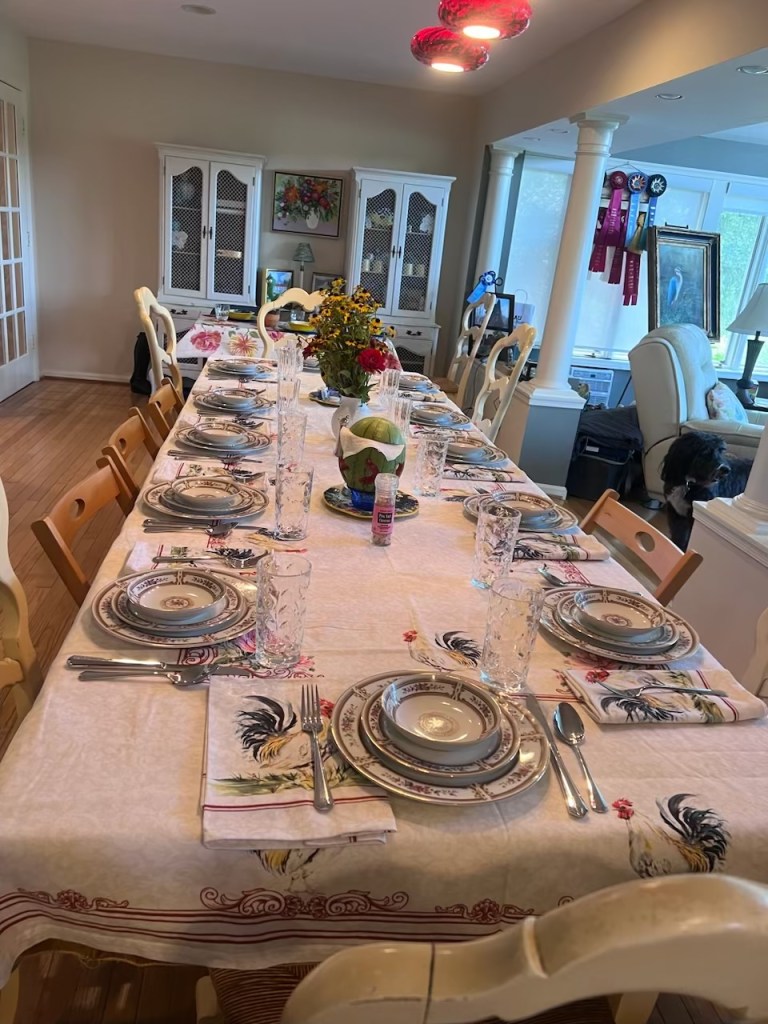
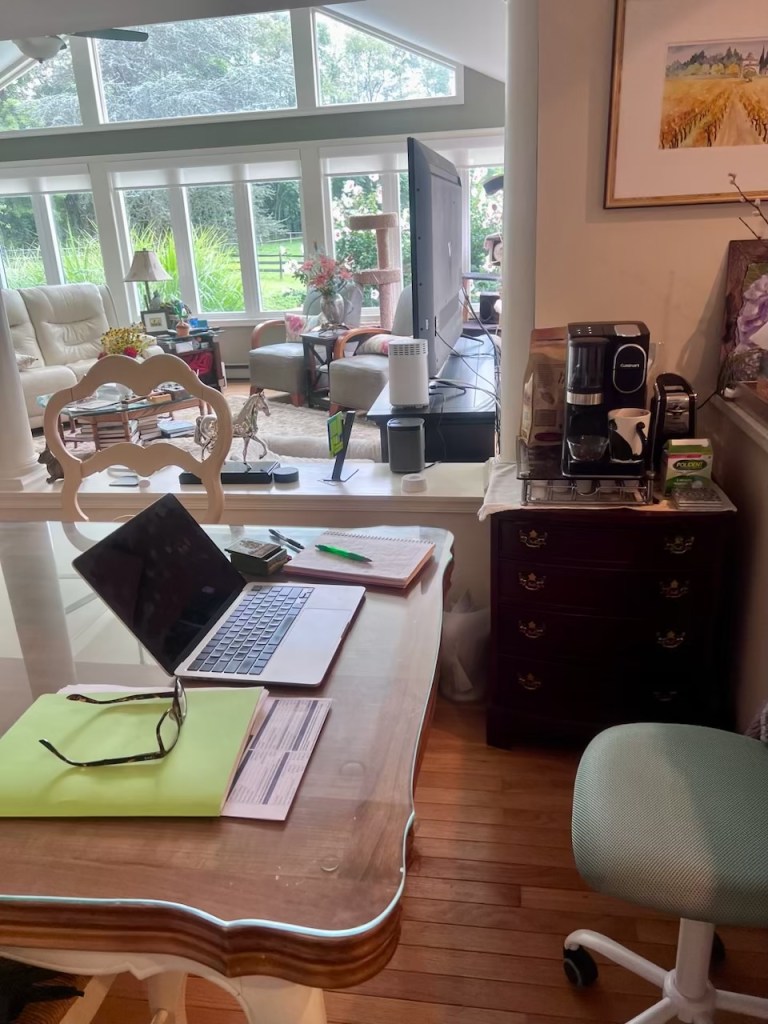
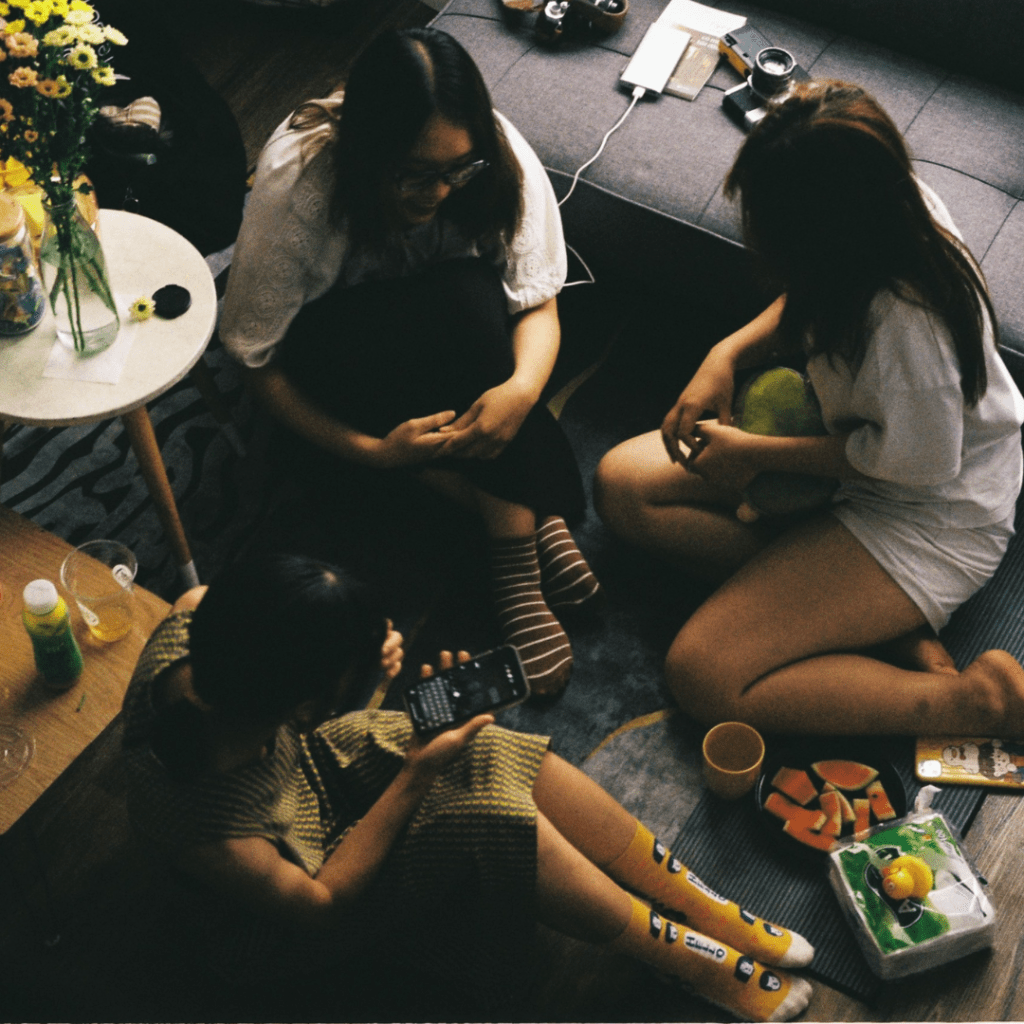
The best dining rooms pass the “real life” test. Can you carve watermelons for a family project? Host a conference call with professional lighting? Set up a kids’ craft station that will not stress you out? Transform from casual Tuesday dinner to elegant Saturday entertaining without major furniture rearrangement?
Watch what happens when spaces truly work: people naturally gravitate toward them. Teenagers willingly join conversations instead of disappearing to their rooms. Adults linger in the kitchen while dinner preparations happen around them. Multi-generational gatherings flow effortlessly between formal dining and casual kitchen areas without anyone feeling out of place.
When dining spaces can seamlessly shift from business meeting to birthday party to homework session, they prove their worth. These rooms create value not just in dollars per square foot, but in quality of life for the families who live there.
The Bottom Line for Buyers and Sellers
For buyers: Look for dining spaces that spark your imagination. Can you picture your daily routines happening here? Does the flow between kitchen and dining feel natural? Is there enough flexibility to grow with your family’s changing needs?
For sellers: Stage your dining room in action, not as a museum piece. Show a laptop open for work, some books for homework help, or a partially set table that says, “dinner’s almost ready.” Help buyers envision the experiences, not just the furniture.
The dining room that survives and thrives in today’s market is not about formality—it is about functionality with style. It is the space where life happens, just dressed up enough to make every day feel a little more special.
Looking for your perfect dining room space? Contact Properties on the Potomac today!


 Properties on the Potomac, Inc.