Take a Close Look Today

by Krasi Henkel
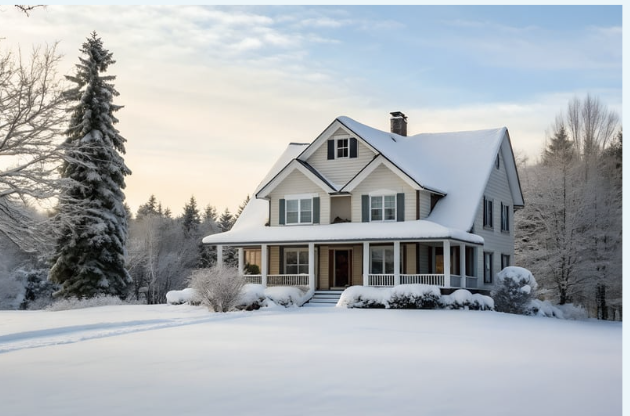
Cold weather changes the rhythm of our homes. We shift from open windows and outdoor evenings to warm fireplaces, hot tea, and the satisfying quiet of a winter night. Yet winter requires more than comfort. It asks that we protect what protects us. A thoughtful checklist now prevents emergencies later.

Protect Pipes from a Cold Night

Few things interrupt a peaceful winter evening like a frozen pipe. When water turns to ice, it expands and can burst pipes behind walls or beneath floors. The damage is both expensive and preventable.
Insulate exposed pipes in garages and crawl spaces. Keep interior temperatures steady, especially overnight. If you plan to be away, leave the heat set above fifty-five degrees. A winter night is no time for the house to fend for itself.

Ice Dams and Rooflines

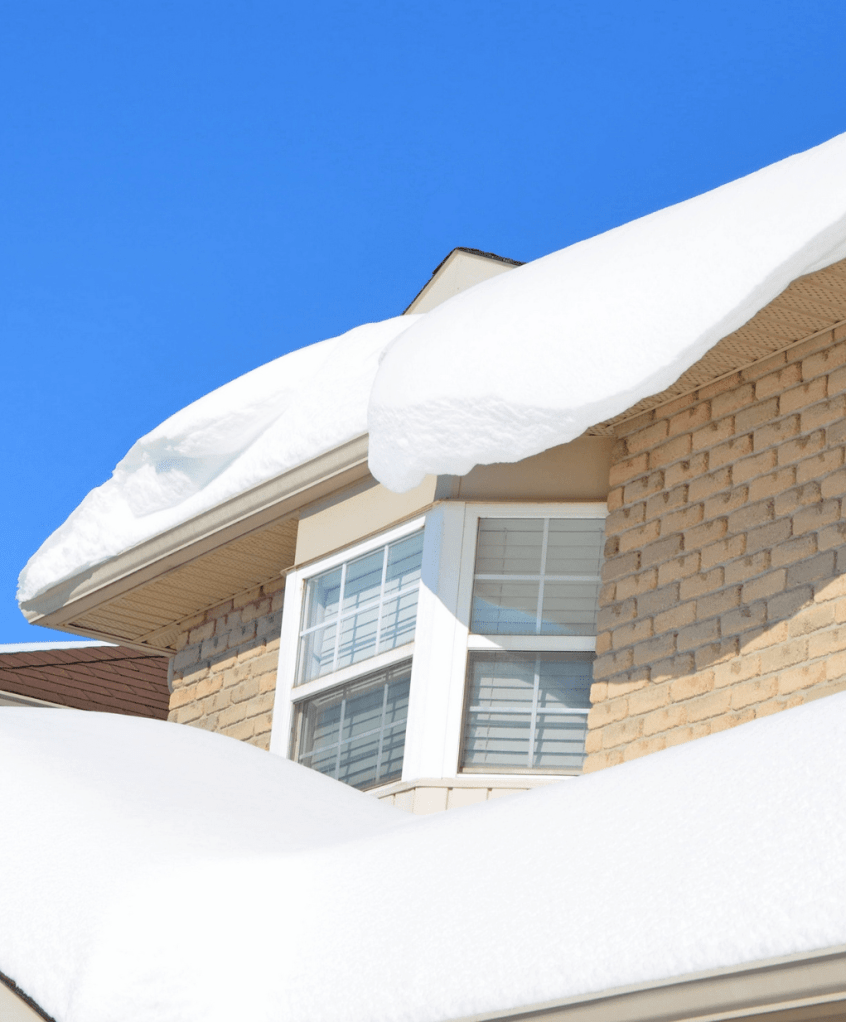
Snow on the roof is picturesque until warm air beneath melts it, and it refreezes at the eaves. The ice forms a dam, and water has nowhere to go except beneath shingles. It is the hidden kind of problem that appears in March when ceilings become discolored.
Proper attic insulation and ventilation keep temperatures uniform. Clean gutters before the first snowfall, and if heavy snow arrives, use a roof rake from the ground. Let the roof stay cold. That is the goal.

Walkways and Concrete Surfaces

Salt seems like a winter necessity until one remembers that salt breaks down concrete. Over time, it erodes driveways and walkways. The better approach is calcium magnesium acetate or similar products that are kinder to surfaces.
The real secret is prompt snow removal. The less ice forms, the less melting product you need.

Doors, Windows, and Storm Doors

Winter air knows how to slip inside. A loose latch or worn weather stripping can make a room feel twenty degrees cooler.
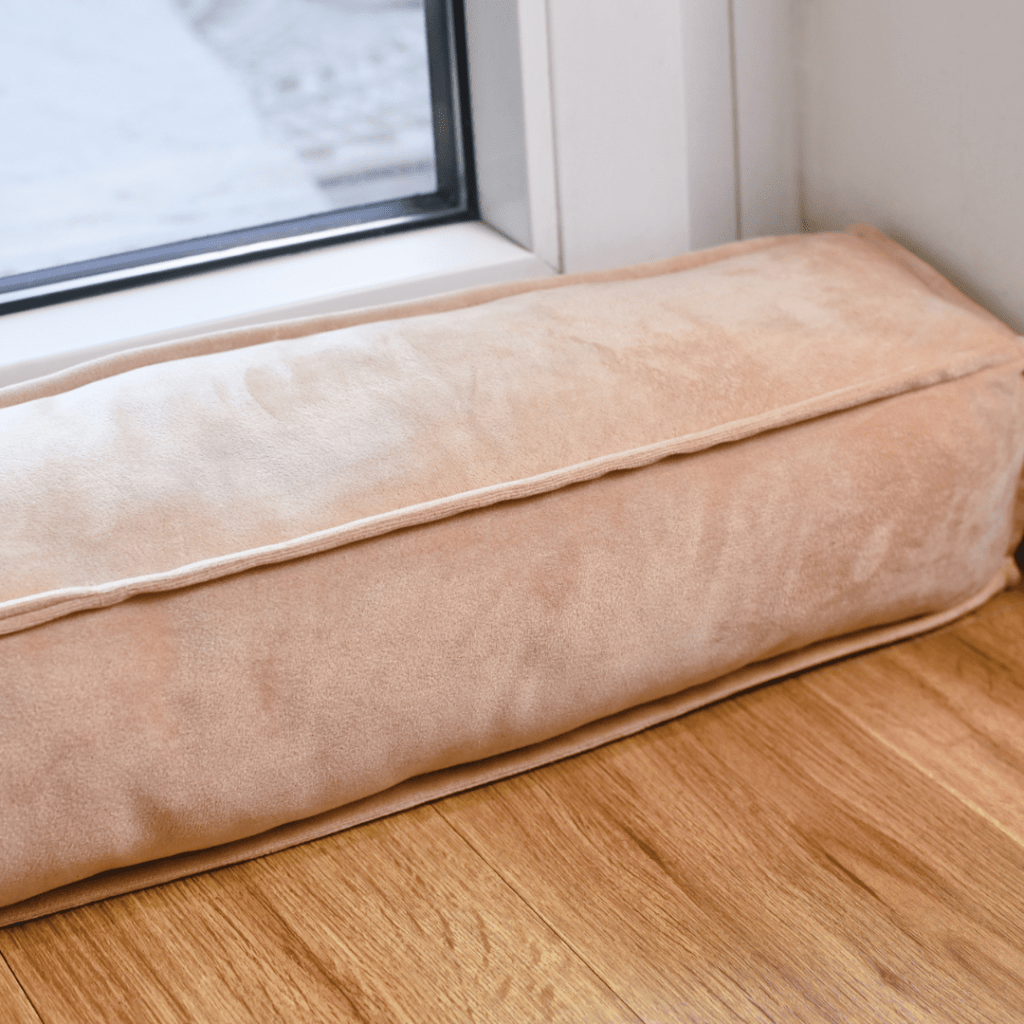
Take a moment when you close storm doors. Listen for the latch. Check windows and sliding doors for small gaps that invite drafts. Replace worn seals. Secure latches. These are small details that make a noticeable difference on a January morning.

Fireplaces, Embers, and a Cautionary Note

A winter fireplace is one of life’s quiet luxuries: a chair nearby, a warm beverage, and the comfort of real heat. Yet fireplace ash carries a danger many homeowners underestimate. Hot embers can remain active for hours.


Never dispose of them outdoors or in the yard. A breeze can reignite ash and send embers toward siding, mulch, or wood structures. Always place ashes in a metal container with a lid, kept away from the house, until fully cooled. It is a simple precaution that prevents a house fire while everyone is asleep.

Winter Should Be Enjoyed

The purpose of preparation is not worry. It is confidence. Once the essentials are handled, winter can be what we hope it will be: evenings by the fire, comfort in familiar rituals, and the quiet pleasure of knowing the house is ready.

Here’s to enjoying the season prepared and protected.


5 Kitchen Trends to Watch

by Krasi Henkel, Broker

The kitchen remains the heartbeat of the home. In the DC Metro area, that heartbeat is growing stronger, richer, and infinitely more personal. From the brownstones of Capitol Hill to the farms of Loudoun County, homeowners are redefining what “modern” means.
The sterile, all-white kitchens of a decade ago are quietly stepping aside. Warmth, craftsmanship, and individuality have taken center stage.

Let’s explore what is truly cooking for 2026.

1. Character Returns

Today’s kitchens tell a story. They are designed, not decorated. The most sought-after spaces now feature authentic materials and honest finishes—the kind that feel as good as they look.

Quartzite and porcelain countertops are surpassing basic granite. They resist heat, stains, and trends. Natural wood cabinetry in walnut or white oak restores warmth where stark white once ruled. Textured stone backsplashes and reclaimed timbers add soul.

Even sustainability has become elegant. Low-VOC finishes, reclaimed materials, and energy-efficient appliances now speak the language of quiet luxury.

Professional insight: When we prepare a property for sale, we highlight craftsmanship. Words like “handcrafted,” “solid wood,” and “natural stone” signal value and permanence that buyers instinctively trust.

A modern kitchen with green cabinetry, wooden flooring, and large windows, showcasing an open layout.

2. No Fear Color

Color is returning with sophistication and restraint. In the DC market, sage greens, deep blues, and soft charcoals are leading the palette. Two-toned cabinetry adds depth without shouting. Matte-black and aged-brass fixtures deliver contrast and timeless polish.

These tones look beautiful in person—and even better in photographs. They lend dimension and warmth that resonate both online and during showings.

Professional insight: Use color intentionally. Pair one rich tone with quiet neutrals for balance. Buyers are responding to kitchens that feel lived-in yet refined.

3. The Age of the Invisible Appliance

Technology has matured. The smartest kitchens in 2026 will not show off. They simply perform.

Panel-ready refrigerators blend into cabinetry. Induction cooktops sit flush with stone counters. Faucets activate by voice. Motion lighting and concealed charging drawers simplify daily life.

The effect is calm and seamless. Luxury is now defined by what is not seen.

Professional insight: When describing a property, mention “panel-ready,” “integrated,” or “concealed.” These terms suggest craftsmanship and elevate perception before a buyer ever steps inside.

A collage of various countertop materials showcasing different textures and colors, including light and dark marbles with veining and subtle patterns.

4. Quiet Luxury Meets Modern Organic

The new aesthetic is calm confidence. Imagine soft textures, composite stone or porcelain, and handcrafted wood. Lighting is layered and warm. Metals are brushed, not polished. Nothing competes for attention, yet everything matters.

It is a blend of elegance and ease—modern design softened by organic detail.

Professional insight: Replace sterile with soulful. A matte brass fixture or walnut island base can change how a space feels. Buyers sense authenticity immediately.

5. Kitchens That Work as Hard as We Do

Life has changed. Our kitchens have adapted. Islands are no longer just for prep—they are command centers. Mornings start with coffee; afternoons bring laptops; evenings, charcuterie.

Storage solutions are smarter, and every inch is purposeful. The modern kitchen supports living, not just cooking.

Professional insight: When staging, create lifestyle moments. A laptop and mug says “home office.” A board of fruit and cheese says “gathering.” Buyers see themselves in that story.

Summary

The most desirable kitchens in the DC Metro area share the qualities of warmth, intelligence, and individuality. They are personal, practical, and timeless.

Whether your goal is to remodel, sell, or simply be inspired, remember: the perfect kitchen does not chase trends. It quietly defines them.

Contact Broker Krasi Henkel for referrals of kitchen experts or to discuss your next home. Best to text 703-624-8333

There seems to be a growing trend toward “burning bridges” as a form of self-assertion. It appears often, even celebrated, as though torching a connection is a mark of independence or strength.

Let’s pause and ask, “why?”
To satisfy an ego?
To prove a point?
To protect ourselves from discomfort?

The truth is simpler. We never know when a door might open again. By burning the bridge, we limit opportunity. By leaving it standing, even unused, we preserve possibility.

Years ago, I worked for an exceptionally brilliant executive director. At our staff meetings, he would always end with the same words: “Be nice. You never know who your next boss will be.”

That line has stayed with me for more than five decades. The wisdom is timeless. Being nice costs nothing, and it buys peace of mind, grace, and long memories in one’s favor.

When negotiating with a difficult client or agent, consider the value of restraint. Not every disagreement demands destruction. Some require distance, but distance is different from demolition.

Of course, there are rare situations that justify a clean break. Yet in my many decades of business—as an auditor, portfolio manager, director, Realtor®, and broker, I am grateful that I have resisted the temptation to light the match. The people who might have deserved the flame have long since forgotten, and those who would have cared might have turned away.

Fire is satisfying only for a moment. Bridges, however, can stand for a lifetime.

Be nice. Walk away. For now.

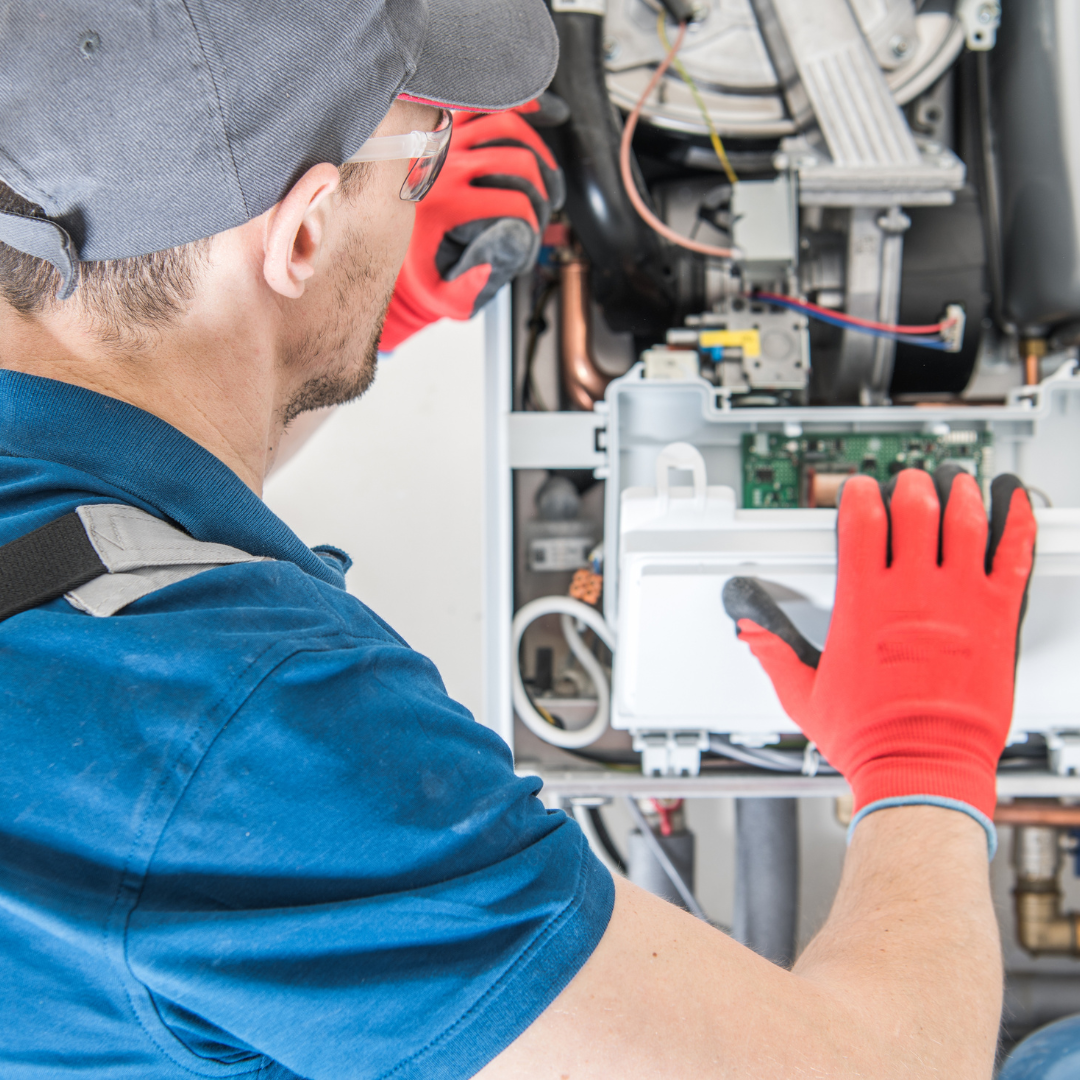
With winter fast approaching, ensuring your heating system is in top condition is crucial for maintaining comfort and energy efficiency. Regular maintenance can prevent costly breakdowns and ensure your home stays warm all season long. This week’s to-do list focuses on furnace and heating system maintenance to keep your home cozy and your energy bills under control.

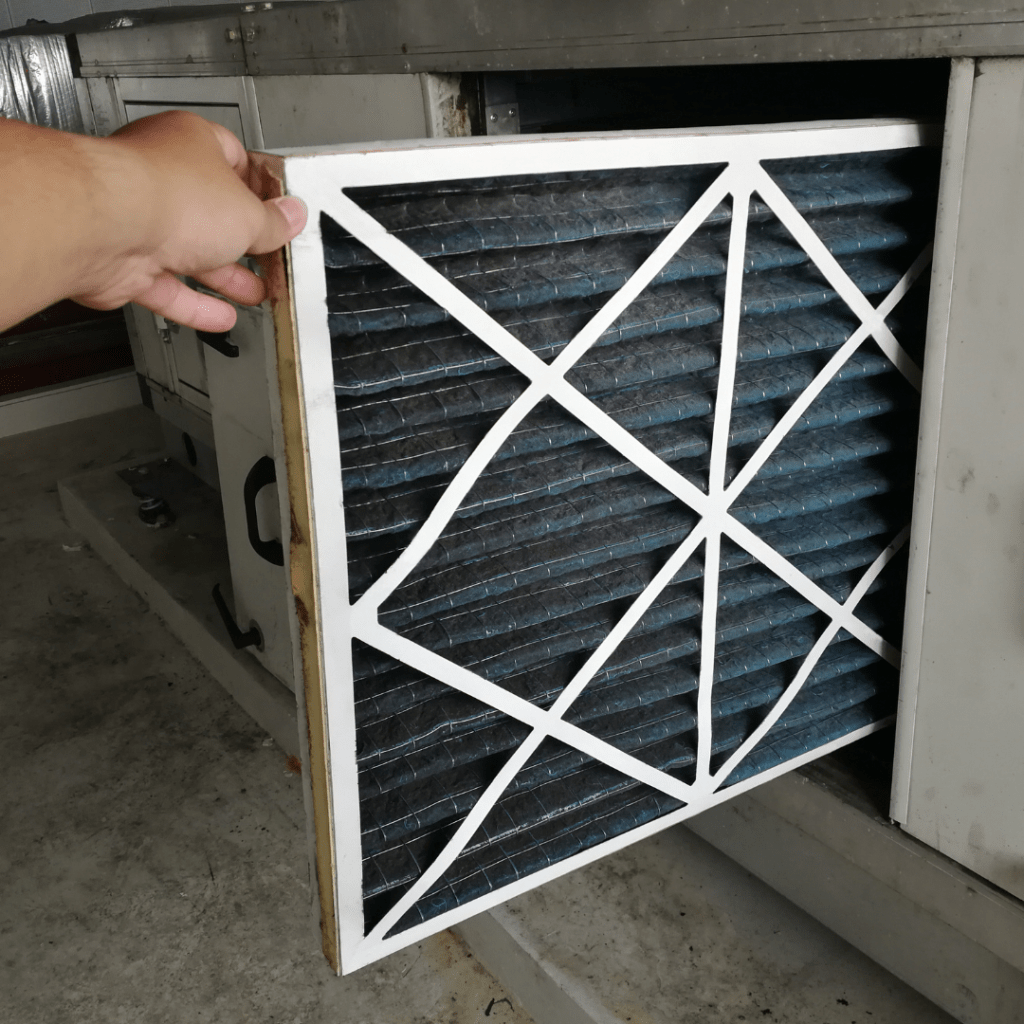
  • Furnace/Heat Pump Check: Your HVAC is the heart of your home’s heating system, so it’s essential to make sure it’s operating efficiently. Start by scheduling a professional HVAC inspection to identify any potential issues before they become major problems. A technician will check for wear and tear, clean the unit, and ensure it’s running at peak efficiency. Additionally, make sure to change your furnace filters regularly. A clogged filter can reduce airflow, making your system work harder, which leads to higher energy bills and a shorter lifespan for your furnace.
  • Test the Thermostat: Your thermostat controls your home’s heating, so it’s important to ensure it’s working properly. Test your thermostat by adjusting the temperature and making sure your furnace responds accordingly. If your thermostat is outdated, consider upgrading to a programmable or smart thermostat. These devices can automatically adjust your home’s temperature when you’re away, helping you save on energy costs without sacrificing comfort. The HVAC technician should include this as part of their inspection.
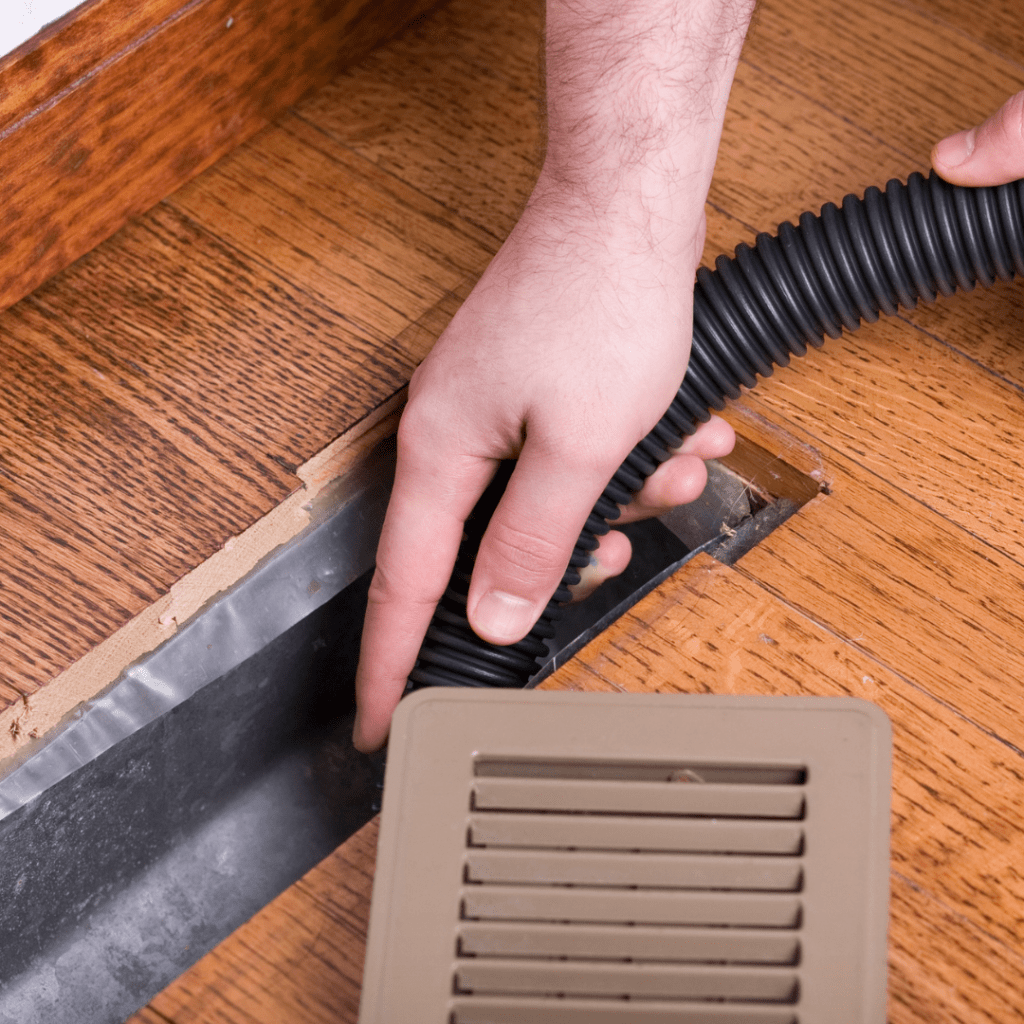
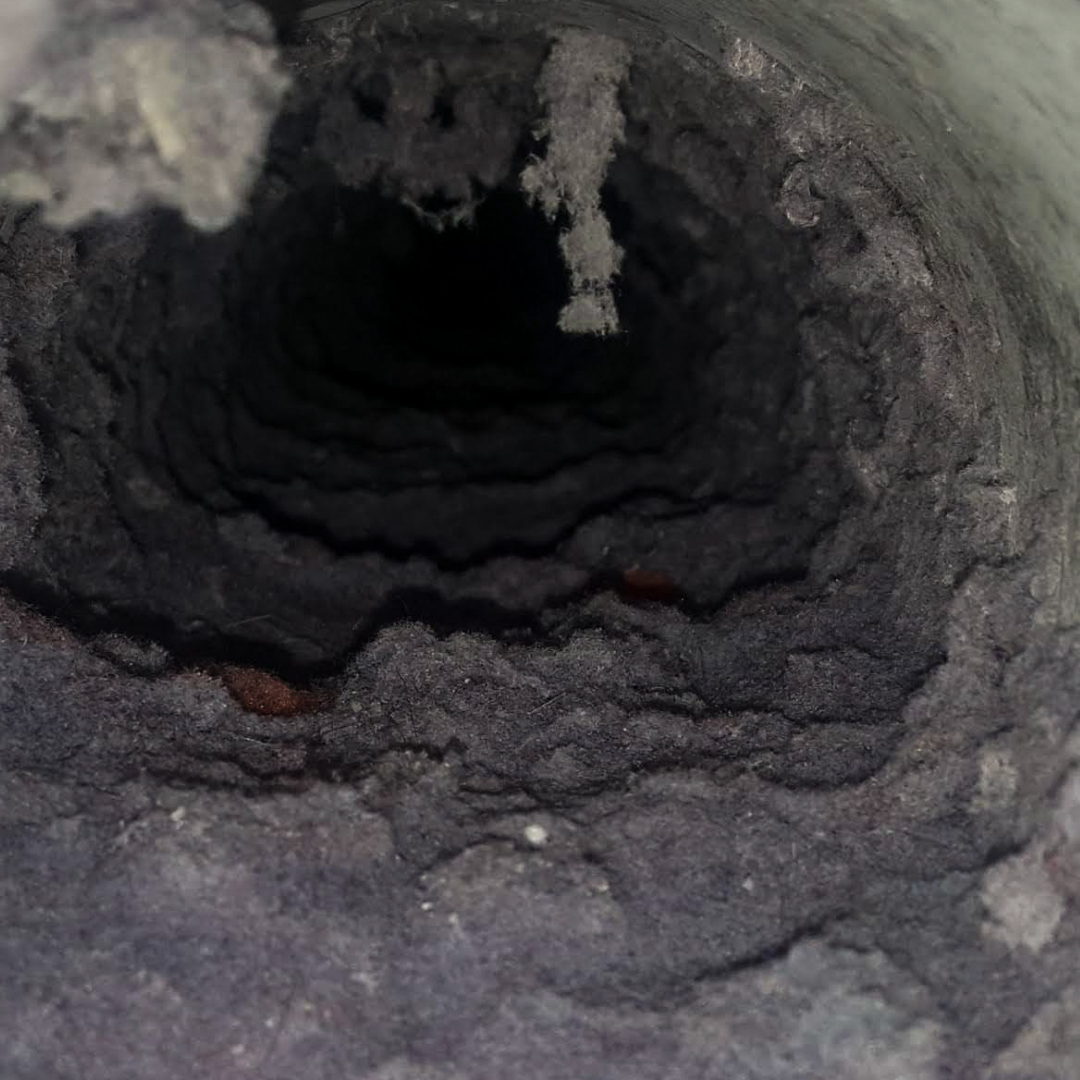
  • Inspect Vents and Ducts: Good airflow is essential for your heating system to function efficiently. Walk through your home and make sure all air vents are clear of furniture, rugs, or other obstructions. You should also consider having your ductwork cleaned. Over time, dust and debris can accumulate in your ducts, reducing airflow and lowering the efficiency of your heating system.


    Need help finding professionals for your heating system maintenance? Or thinking about buying or selling your home this winter? Contact Properties on the Potomac at 703-624-8333 today – we’re here to help with all your real estate and home maintenance needs!

    As winter approaches, it’s important to take steps to ensure your home is ready to withstand the cold. A well-sealed house will not only keep your family comfortable but also help reduce energy costs. In this first week of winter preparation, the focus is on inspecting and sealing your home to prevent drafts and heat loss. Here’s a simple to-do list to get started.

    • Inspect for Air Leaks: The first step in sealing your home is identifying where cold air might sneak in. Pay close attention to windows, doors, and any gaps in your home’s structure. Common problem areas include door frames, windowsills, and places where pipes or electrical wiring enter your home. Once you’ve located these potential air leaks, seal them with weatherstripping or caulk. Sealing drafts can save you a significant amount on your heating bills by keeping warm air inside.
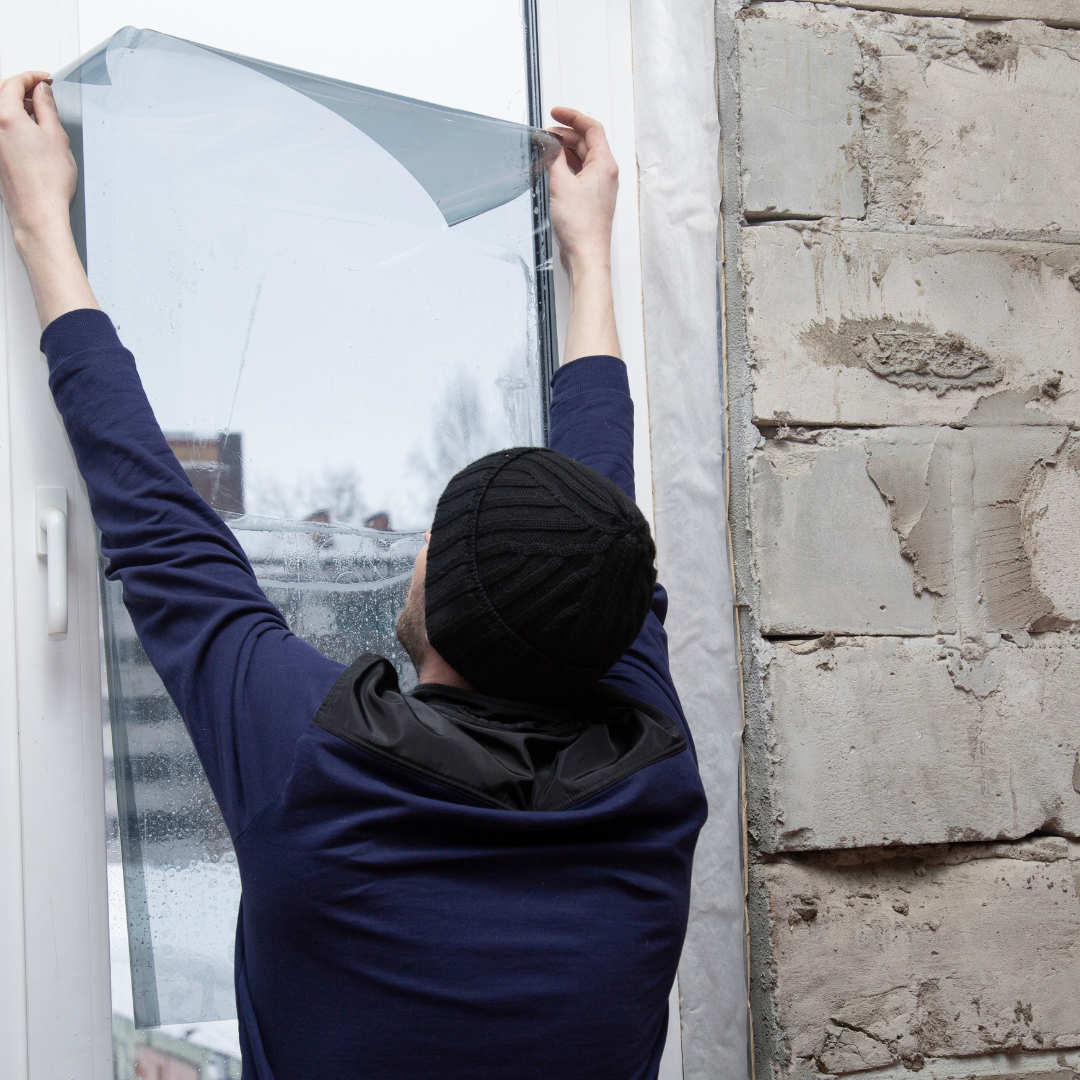
    • Seal Drafty Windows: Windows can be a major source of heat loss during the winter. If you feel cold air around your windows, consider applying window film for an extra layer of insulation. Window film is an inexpensive solution that can help trap heat inside. Alternatively, installing insulated curtains can keep your home warmer by blocking out cold drafts, especially at night.
    • Examine the Roof and Chimney: Don’t forget to check your roof and chimney for any signs of damage. Missing or damaged shingles can lead to water leaks and ice dams, which can cause significant damage in the colder months. Similarly, inspect your chimney for cracks or blockages that could prevent it from venting properly. Addressing these issues early will prevent costly repairs and make your home more energy efficient.


    By following these simple steps, you’ll be on your way to a warmer, cozier home this winter! If you need help finding professionals for repairs or inspections, contact Properties On the Potomac at 703-624-8333 today. And stay tuned for more tips on how to prep your home for winter weather!

    When it comes to maintaining a property, one often overlooked task is window cleaning. However, clean windows offer benefits that may not immediately come to mind. Here’s why keeping your windows sparkling both inside and out is essential:

    Enhanced Curb Appeal: We cannot stress this enough, first impressions matter, particularly in real estate. Clean windows can significantly boost your property’s curb appeal. They allow more natural light to enter, making the home look brighter and more inviting. Potential buyers are more likely to be drawn to a property that appears well-maintained, and sparkling windows are a clear indicator of care.

    Prolonged Window Lifespan: Dirt and grime can cause damage to your windows over time. Accumulated debris can scratch the glass and damage window seals, leading to leaks and reduced efficiency. By cleaning your windows regularly, you can prevent these issues and extend the lifespan of your windows, saving on costly repairs or replacements in the future.

    Spot Potential Problems: Regular window cleaning allows you to spot issues like cracks, water damage, or mold growth early. Identifying these problems sooner rather than later can prevent them from becoming more serious and costly. This proactive approach to home maintenance is a valuable selling point for any property.

    Cleaning your windows inside and out is a simple yet effective way to enhance your home’s appeal, health, and efficiency. If this isn’t a job you want to tackle yourself, contact Properties on the Potomac at 703-624-8333 for a referral to a professional window cleaning company that can help.

    And don’t forget to subscribe for more tips in our curb appeal series!

    By Krasi Henkel

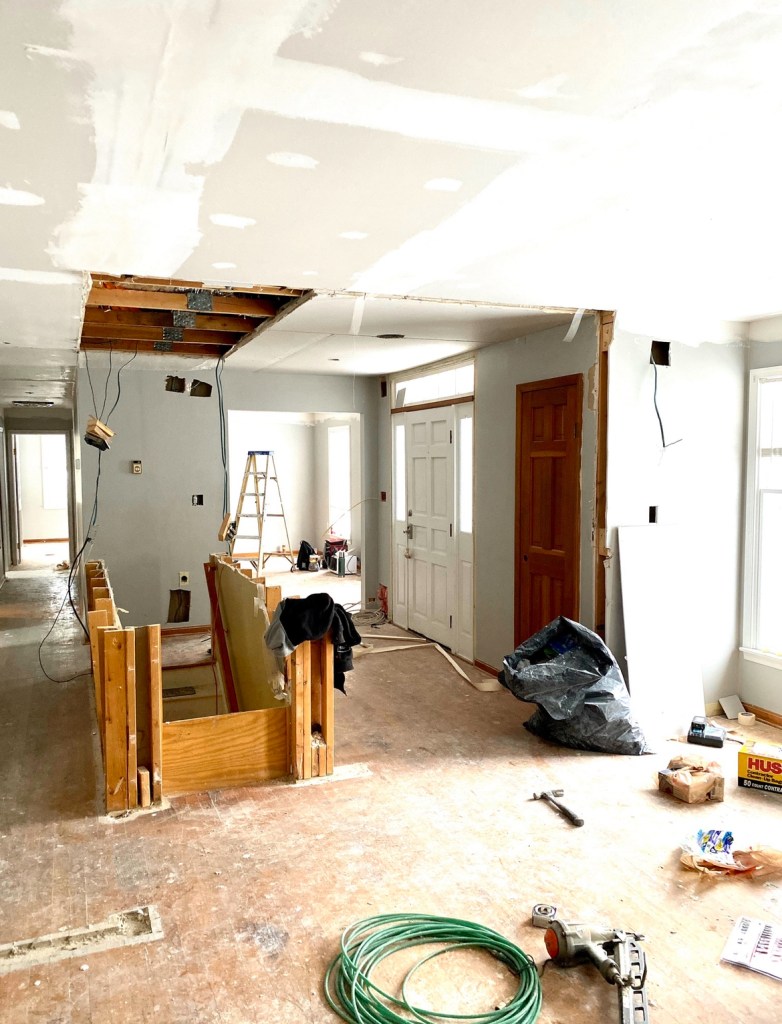
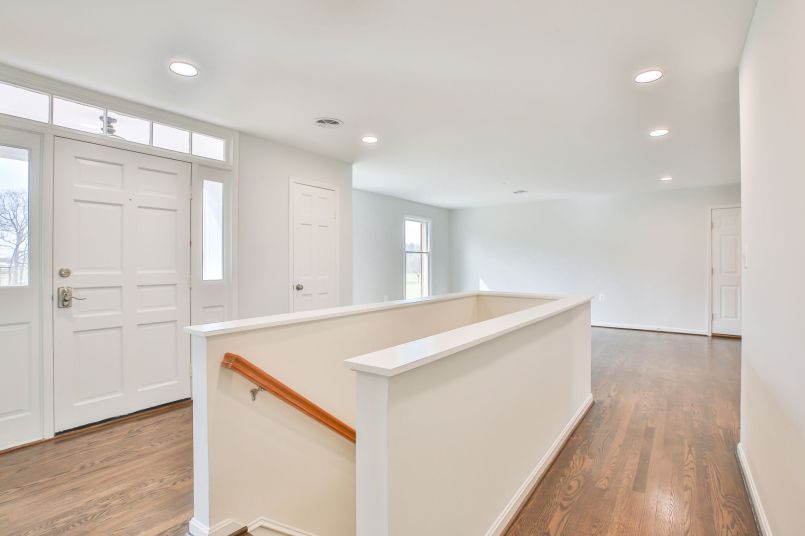
    Ranch-style homes have been a popular choice for decades thanks to their practical single-story layouts and flexible spaces. While some home buyers may overlook older ranch houses in favor of newer construction, these modest homes actually offer great opportunities. With some creativity and wise investments, you can remodel a ranch house on a budget.

    The Benefits of Buying an Older Ranch:

    • Mail level primary bedroom(s)
    • Mature trees and landscaping
    • Established neighborhoods
    • Lower property taxes
    • Good value per square foot
    • Flexible floor plans
    • Hardwood floors or solid mid-century materials

    The Blank Canvas:

    The simple shapes of ranch homes make them perfect blank canvases to incorporate modern style. Minor changes can make ranch homes feel fresh and new without blowing the budget. Consider these economical updates:

    • New paint in contemporary hues
    • Swap dated lighting for streamlined fixtures
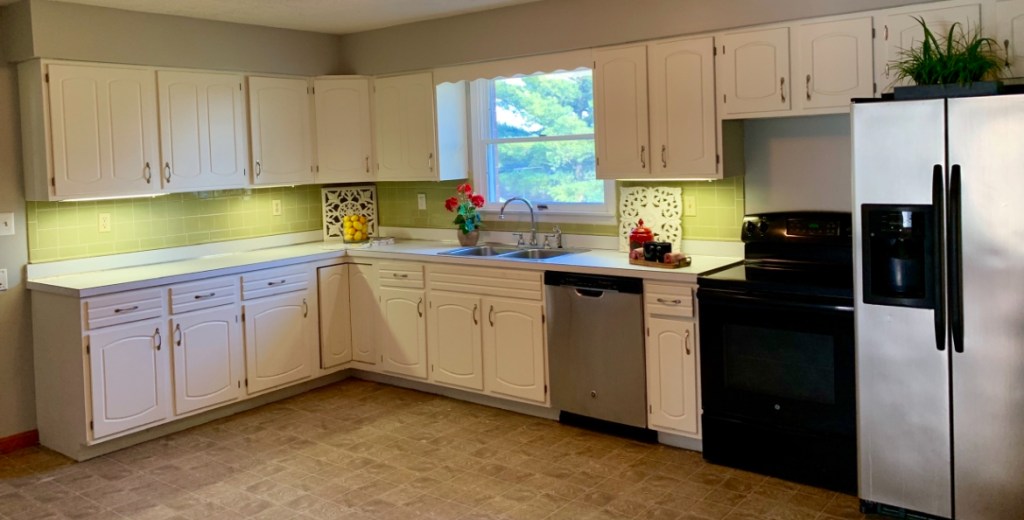
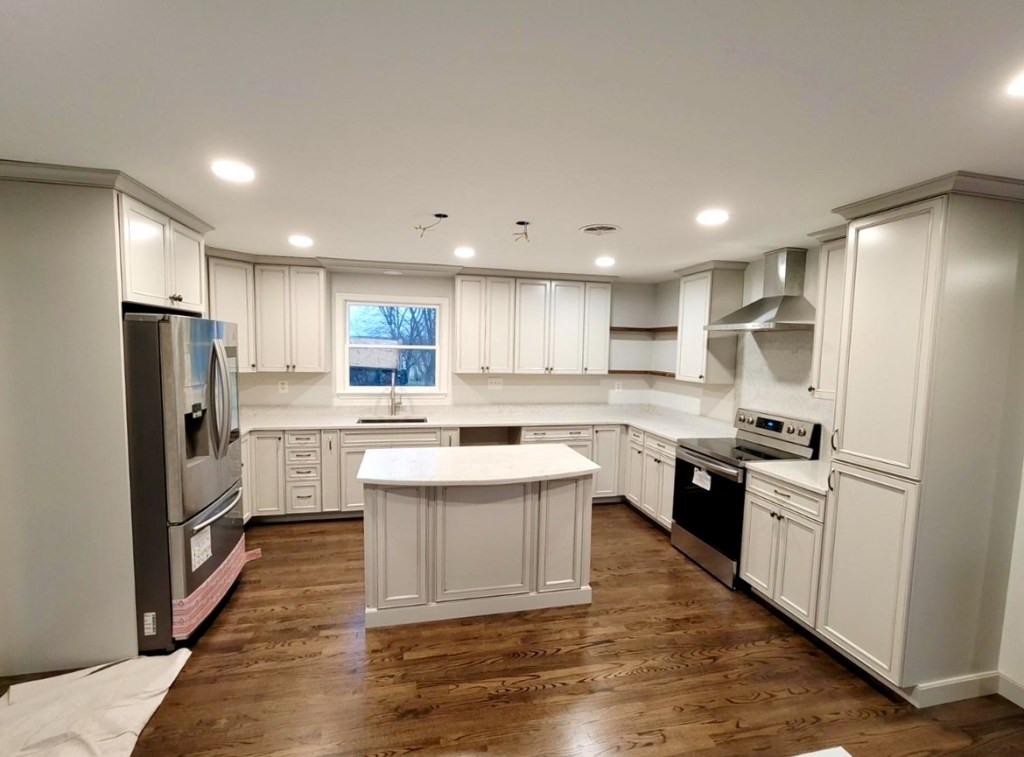
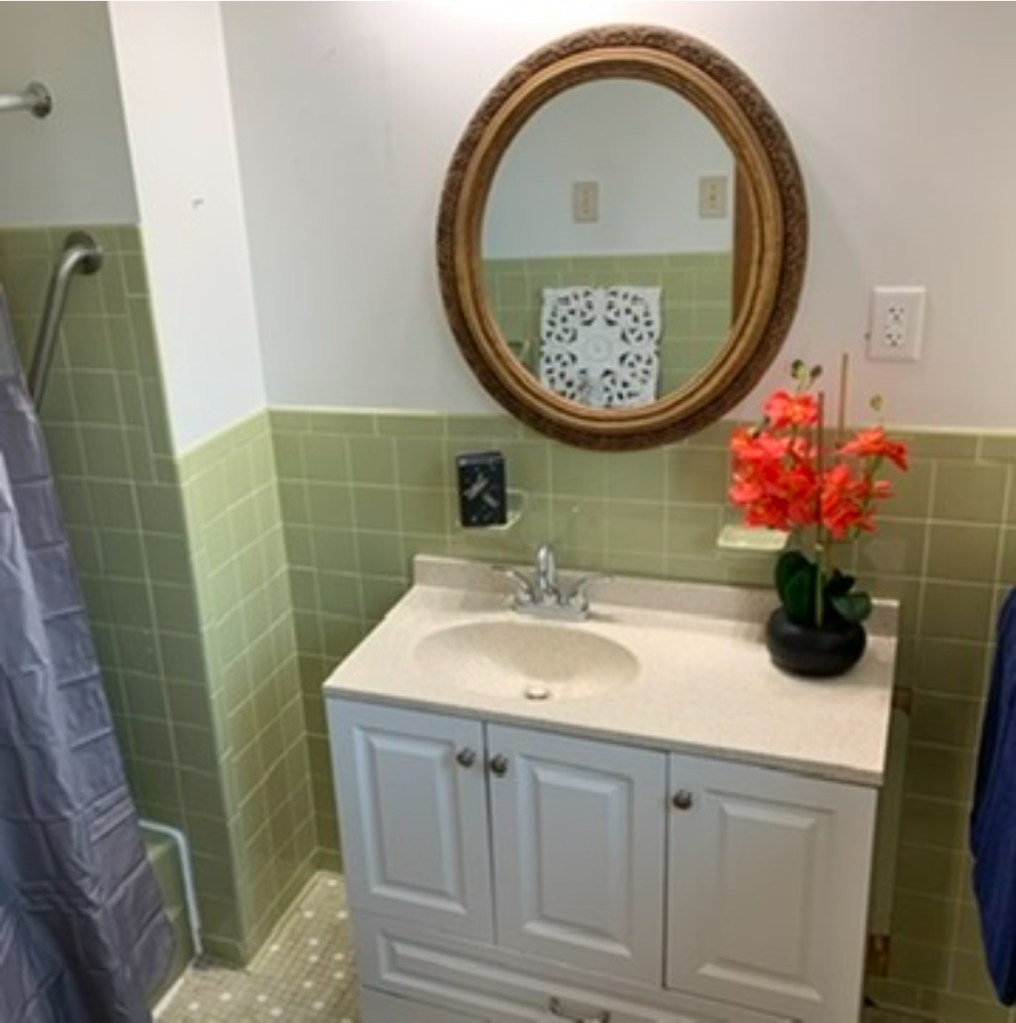
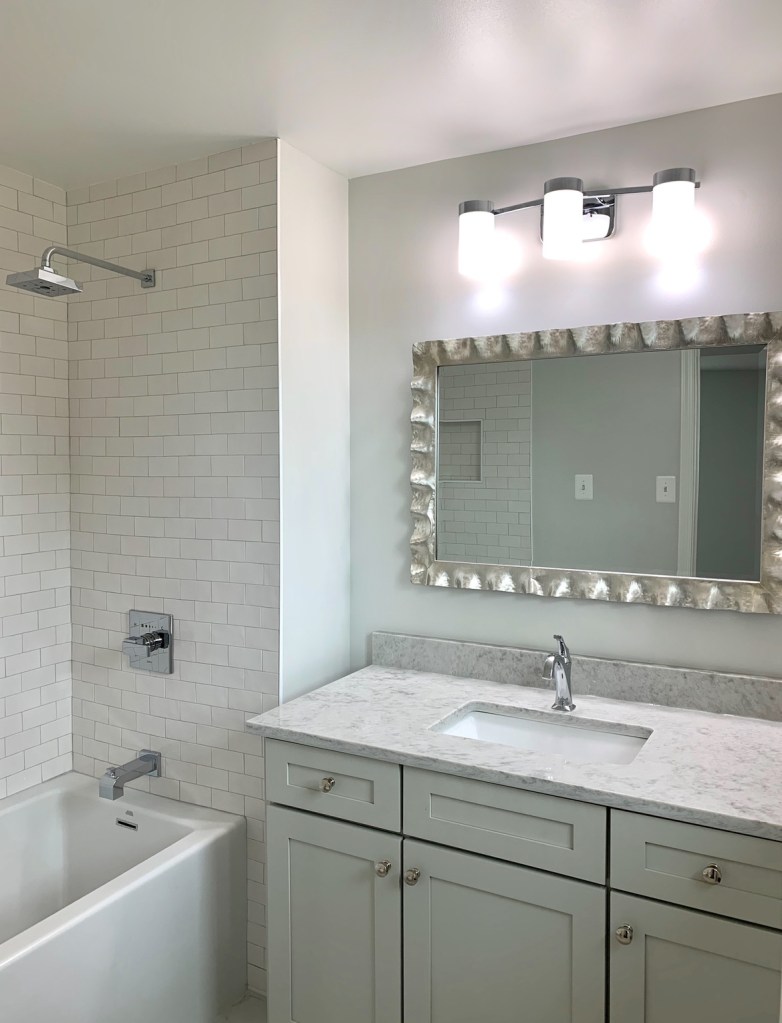
    • Replace builder-basic kitchens and baths with IKEA systems
    • Refinish hardwood flooring hidden under outdated carpeting
    • Knock down walls to create open-concept spaces
    • Add an addition

    Big Style for Small Budgets

    You don’t need expensive materials to give a ranch home an interior facelift. Use these design insider tips:

    • Shop for unique vintage details
    • Use bold wallpaper or paint instead of new cabinets
    • Stain concrete floors for an industrial look
    • Upgrade windows and patio doors even if you keep other structural elements

    The single-level living and unused basement or attics in ranch homes present opportunities for expansion or converting unused areas into rental units for extra income.

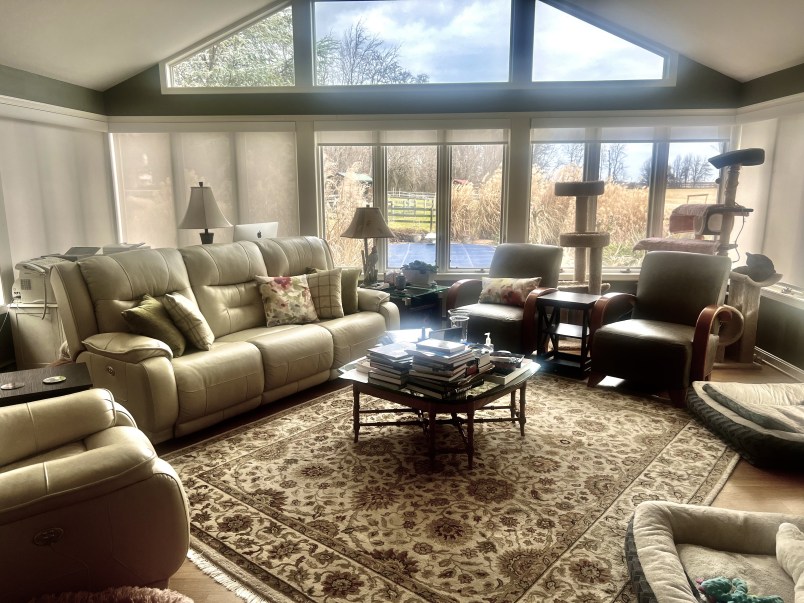
    Addition to a ranch home provides tall, open spaces with abundant views

    Take a fresh look at older ranch houses. With an updated exterior paint color, strategic refreshes indoors, and your own custom vision, you can personalize a home to suit your needs and style for less than you might expect. The charm and practicality of ranch homes continue to win over buyers who see their outstanding potential.

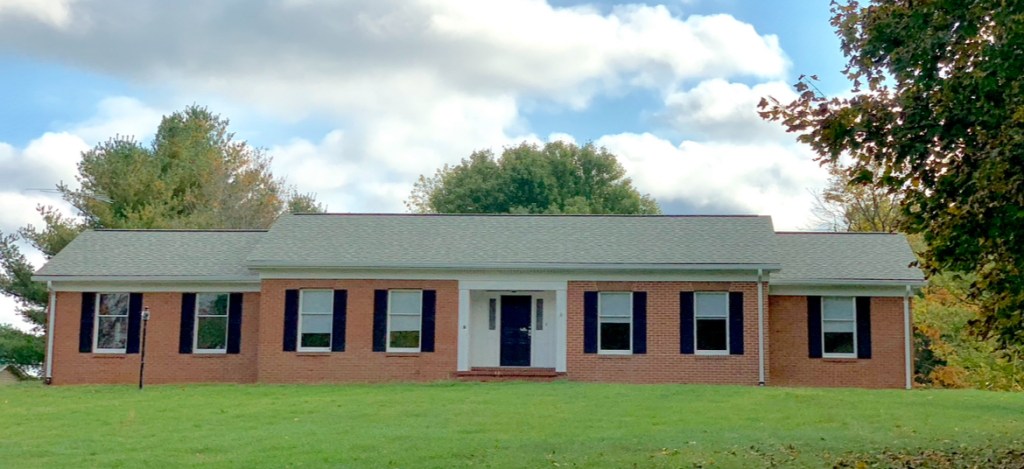
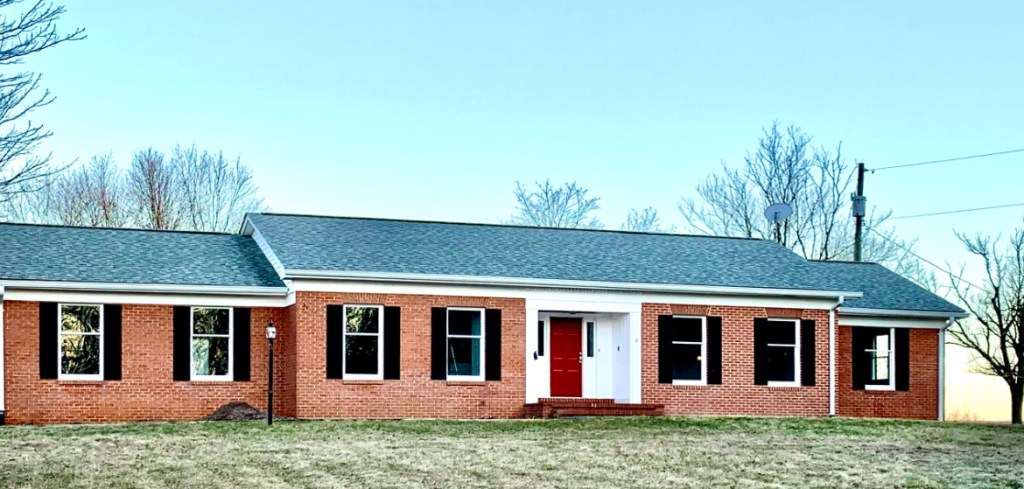
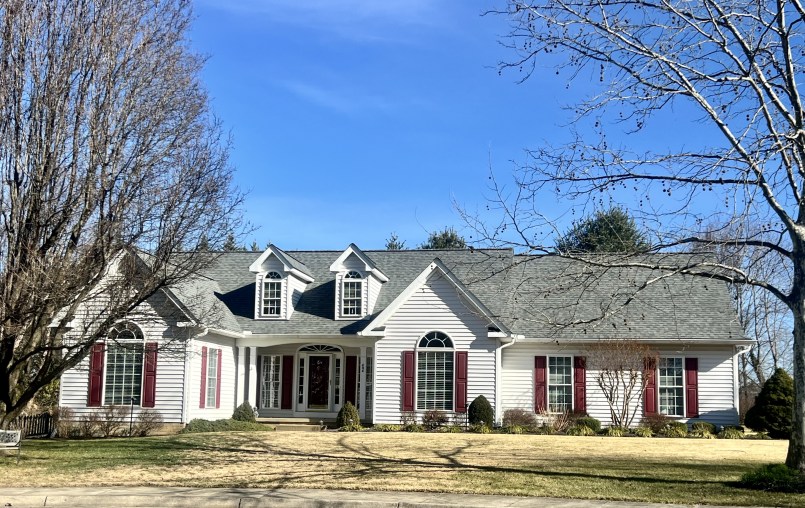
    One of my favorite ranch homes in a subdivision that I have sold many ranches and that I love to walk my dog!

    One of the most common issues homeowners face during winter is ice damming on roofs. Ice damming occurs when snow and ice accumulate on the roof, causing water to back up and potentially damage the interior of your home. Understanding what ice damming is and how to prevent it is crucial for preserving the integrity of your property. In this blog, we’ll delve into the details of ice damming, its causes, and effective prevention measures.

    What is Ice Damming?
    Ice damming is a phenomenon where ice accumulates along the edges of a roof, preventing melting snow from draining properly. The trapped water can seep into the interior of your home, causing damage to ceilings, walls, insulation, and more. The key factors contributing to ice dam formation include snow accumulation, outside temperatures, and the presence of heat sources within the home.

    Causes of Ice Damming

    • Snow Accumulation: Excessive snow buildup on the roof is a primary contributor. As snow melts, the water can pool behind the dam of ice, finding its way into your home.
    • Temperature Fluctuations: If warmer periods cause snow to melt during the day, only to refreeze overnight, ice dams are more likely to form.
    • Heat Loss from the Home: Poor insulation and ventilation in the attic can lead to heat escaping from the home, warming the roof surface. This heat accelerates the melting of snow, contributing to ice damming.

    How to Prevent Ice Damming

    • Insulation and Ventilation: Ensure your attic is properly insulated and ventilated to maintain a consistent temperature on the roof. Adequate insulation minimizes heat loss from the living spaces, preventing the roof from warming and promoting snowmelt.
    • Snow Removal: Safely remove accumulated snow from the roof using a roof rake or hiring a professional to clear the snow for you. Clearing the snow before it turns into ice reduces the risk of ice dam formation.
    • Sealing Gaps and Leaks: Identify and seal any gaps, cracks, or leaks in your roof. This prevents warm air from escaping and minimizes the chances of ice dams forming.
    • Professional Inspection: Schedule regular inspections with a professional roofing company to identify and address potential issues before they escalate. Professional advice and maintenance can go a long way in preserving your home.

    Protecting your home from ice damming is essential for maintaining its structural integrity and preventing costly repairs. If you’re concerned about your roof’s vulnerability to ice dams or need help finding professional assistance to address the issue, Properties on the Potomac is here to help! Give us a call at 703-624-8333.

    As we continue to recognize the importance of sustainability in all aspects of life, it’s no surprise that the real estate industry is embracing sustainable design practices. Sustainable design goes beyond aesthetics; it’s about creating homes that are environmentally responsible, energy-efficient, and economically viable.

    Here are some key principles of sustainable design in real estate:

    1. Energy Efficiency: Sustainable homes are designed to be energy-efficient, reducing both utility bills and carbon footprints. Features like solar panels, energy-efficient appliances, and proper insulation are common elements found in sustainable design.
    2. Use of Sustainable Materials: Sustainable homes often incorporate materials that are eco-friendly, renewable, and locally sourced. This not only reduces environmental impact but also supports local economies. Bamboo and reclaimed flooring are prime examples of sustainable materials.
    3. Water Conservation: Sustainable design includes features like low-flow fixtures, rainwater harvesting systems, and drought-tolerant landscaping to minimize water consumption. Many communities around the DMV are requiring special attention to rainwater runoff to help alleviate flooding. Some builders are opting for rain gardens and/or rainwater collection systems.
    4. Indoor Air Quality: Sustainable homes prioritize indoor air quality with ventilation systems and non-toxic materials. Adding UV or HEPA filters to you home can help improve the air quality, leading to healthier living environments.
    5. Waste Reduction: Construction waste is minimized through careful planning and recycling efforts. Sustainable homes are built with longevity in mind, reducing the need for frequent renovations.

    Investing in sustainable design when buying or selling a home offers numerous advantages:

    1. Lower Operating Costs: Sustainable homes often have lower utility bills due to energy-efficient features, making them more affordable in the long run.
    2. Increased Property Value: Sustainable design can enhance your home’s market value, attracting eco-conscious buyers.
    3. Environmental Impact: Sustainable homes reduce greenhouse gas emissions and minimize environmental harm.
    4. Healthier Living: Improved indoor air quality contributes to better health and well-being for residents.
    5. Future-Proofing: Sustainable homes are built to last and adapt to changing environmental regulations. Current and future buyers will expect homes that last and are able to keep up with the modern requirements thus, helping maintain and build your property resale value.

    Sustainable design is not just a trend; it’s a responsible approach to real estate that benefits homeowners, the environment, and future generations. The real estate experts at Properties on the Potomac are well-versed in sustainable design principles and can help you find or market your eco-friendly dream home. Let’s work together to build a greener future, one home at a time. Contact us today at 703-624-8333 to get started on your sustainable real estate journey.

    A lush green lawn has long been a symbol of a well-maintained home and a source of pride for many homeowners. However, traditional lawns can require significant resources like water, fertilizer, and regular mowing, which can be environmentally unsustainable and costly in the long run.

    The DC Metro region is in hardiness zone 7 (as defined by the USDA), which means we have moderate winters and hot summers. Those hot summers are not conducive to growing grass without large amounts of water, which can be expensive and likely won’t be sustainable for the long-term. Embracing alternative lawns can offer a more sustainable and ecologically responsible solution, while still providing a beautiful outdoor space.

    The Benefits of Alternative Lawns
    Before diving into specific alternative lawn options, let’s understand the benefits they offer:

    1. Water Conservation: Alternative lawns require significantly less water than traditional grass lawns, reducing your water consumption and lowering your water bill.

    2. Low Maintenance: Many alternative lawns require minimal maintenance compared to traditional grass lawns. Say goodbye to frequent mowing, fertilizing, and weed control.

    3. Biodiversity and Pollinators: Some alternative lawns support a diverse array of native plants, attracting beneficial insects like bees and butterflies, thereby contributing to the local ecosystem.

    4. Drought Resistance: Alternative lawns often have deep root systems, making them more resilient to drought conditions.

    5. Reduced Chemical Use: With less need for fertilizers and pesticides, alternative lawns reduce the use of harmful chemicals that can negatively impact the environment and kill/detract pollinators

    Alternative Lawn Options
    Now that you know the benefits…what are the options?

    1. Native Grasses: Utilizing native grass species is a smart choice as they are well-adapted to the local climate and soil conditions. Some native grass options include Little Bluestem (Schizachyrium scoparium), Switchgrass (Panicum virgatum), and Eastern Gamagrass (Tripsacum dactyloides). These grasses offer a natural and low-maintenance look while supporting local biodiversity.

    2. Clover Lawns: White clover (Trifolium repens) is an excellent alternative to traditional grass lawns. It is nitrogen-fixing, which means it takes nitrogen from the air and stores it in the soil, enriching it naturally. Clover lawns stay green during dry spells and require less mowing.

    3. Moss Lawns: Moss lawns are a perfect solution for shaded areas where grass struggles to grow. Moss is a low-maintenance ground cover that adds a lush green carpet to your garden. It thrives in moist, shady environments and is incredibly drought tolerant.

    4. Buffalo Grass: Buffalo grass (Buchloe dactyloides) is native to the Great Plains and is well-suited to our climate. It requires little water and minimal mowing, making it an ideal option for those seeking a natural look with minimal maintenance.

    5. Perennial Ground Covers: Many perennial ground cover plants like creeping thyme, sedum, and creeping Jenny can create a dense and attractive carpet in your lawn. They are low growing, require little maintenance, and add texture and color to your landscape.

    6. Artificial Turf: While not a natural option, artificial turf can be considered as an alternative for those who desire a green lawn appearance without the need for watering or mowing. High-quality artificial turf can withstand pets and stay green all year long.

    7. No-Mow Lawn Mixes: No-mow lawn mixes consist of a blend of low-growing, slow-growing grasses and ground covers that require infrequent mowing. These mixes offer a lawn-like appearance while significantly reducing maintenance.

    Transitioning to an alternative lawn can be a transformative experience for both your landscape and the environment. By reducing water consumption, minimizing chemical use, and supporting local biodiversity, you contribute to a more sustainable and ecologically responsible way of living. Whether you choose native grasses, clover, moss, or any other alternative lawn option, you’re making a positive impact on the planet while still enjoying a beautiful outdoor space to relax and unwind.

    If you’re inspired by the idea of embracing an alternative lawn and making your outdoor space more sustainable, Properties on the Potoamac can help you find the perfect property that suits your vision. Call us today at 703-624-8333 to get started.