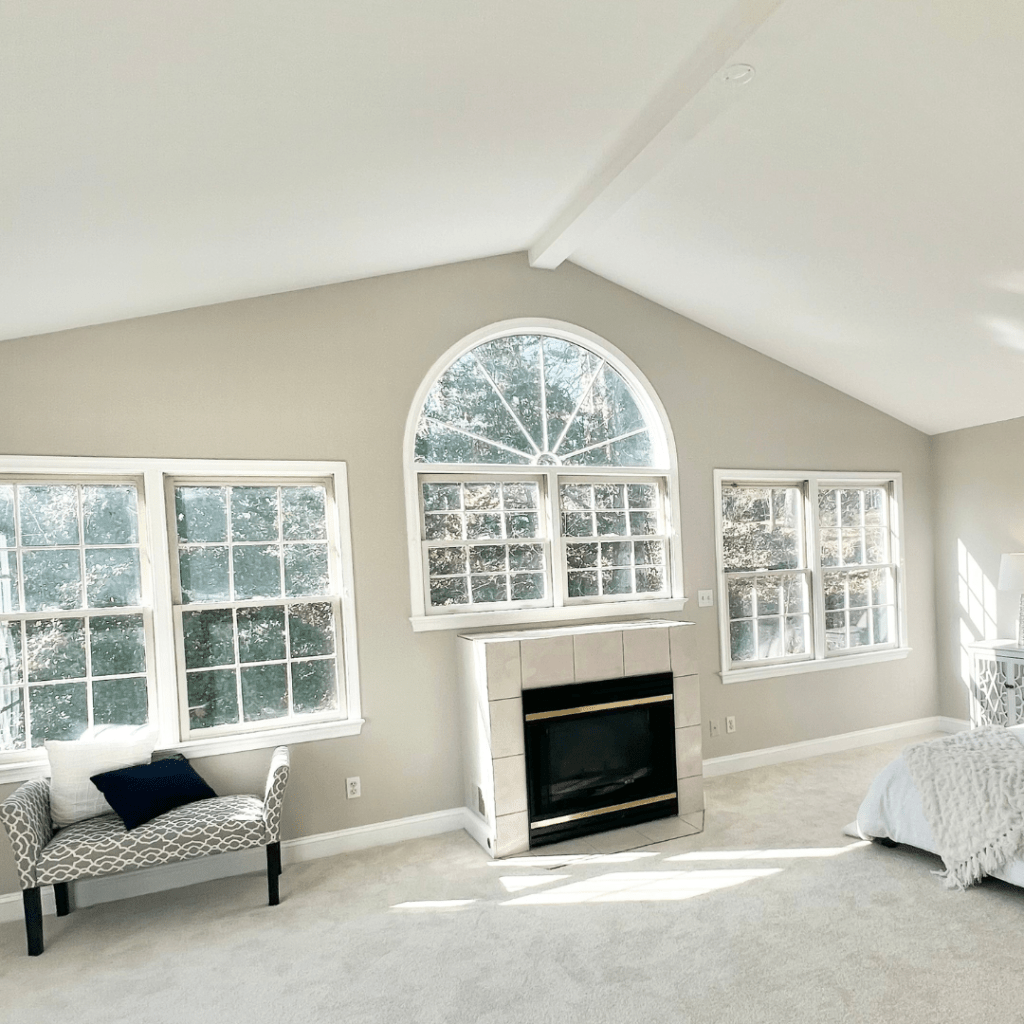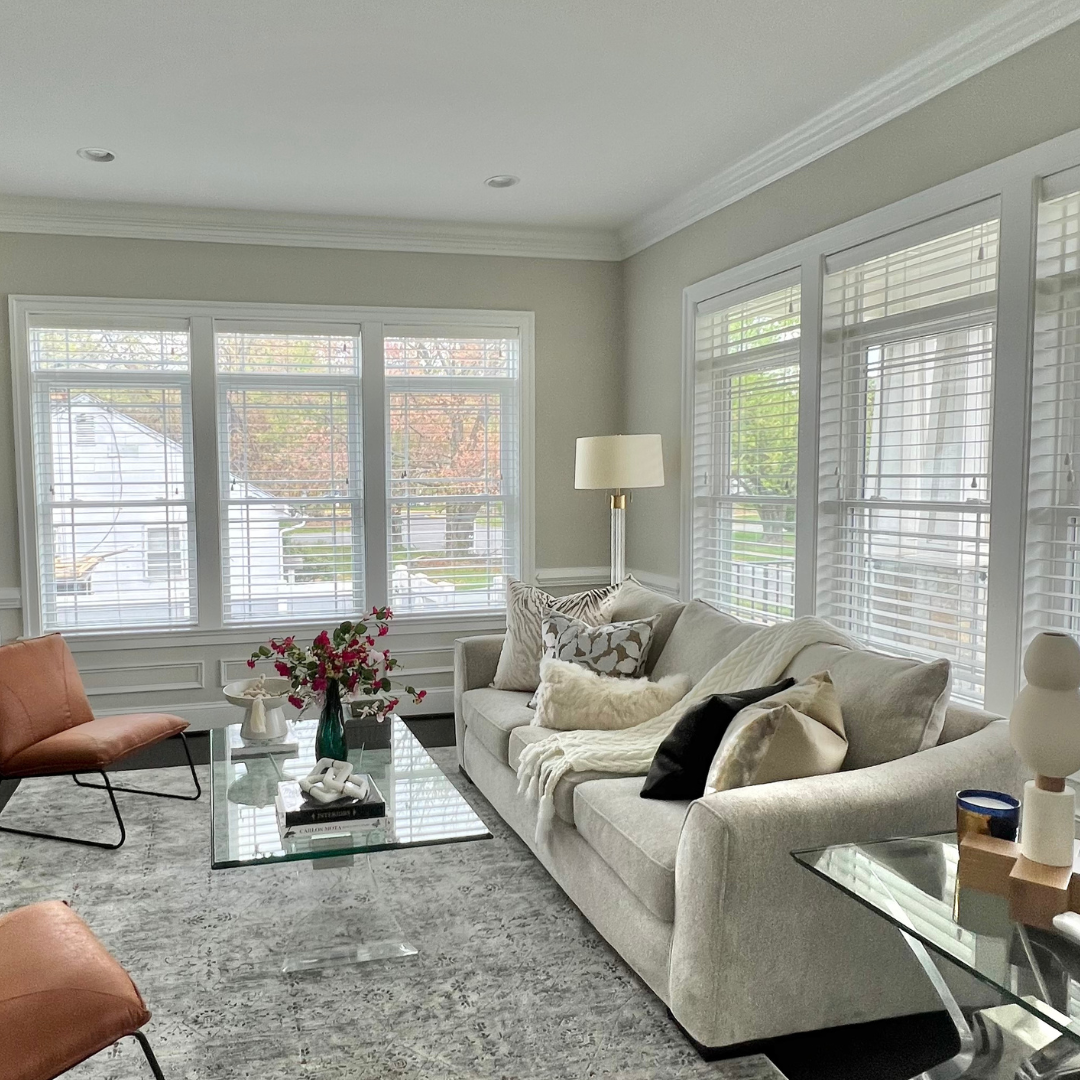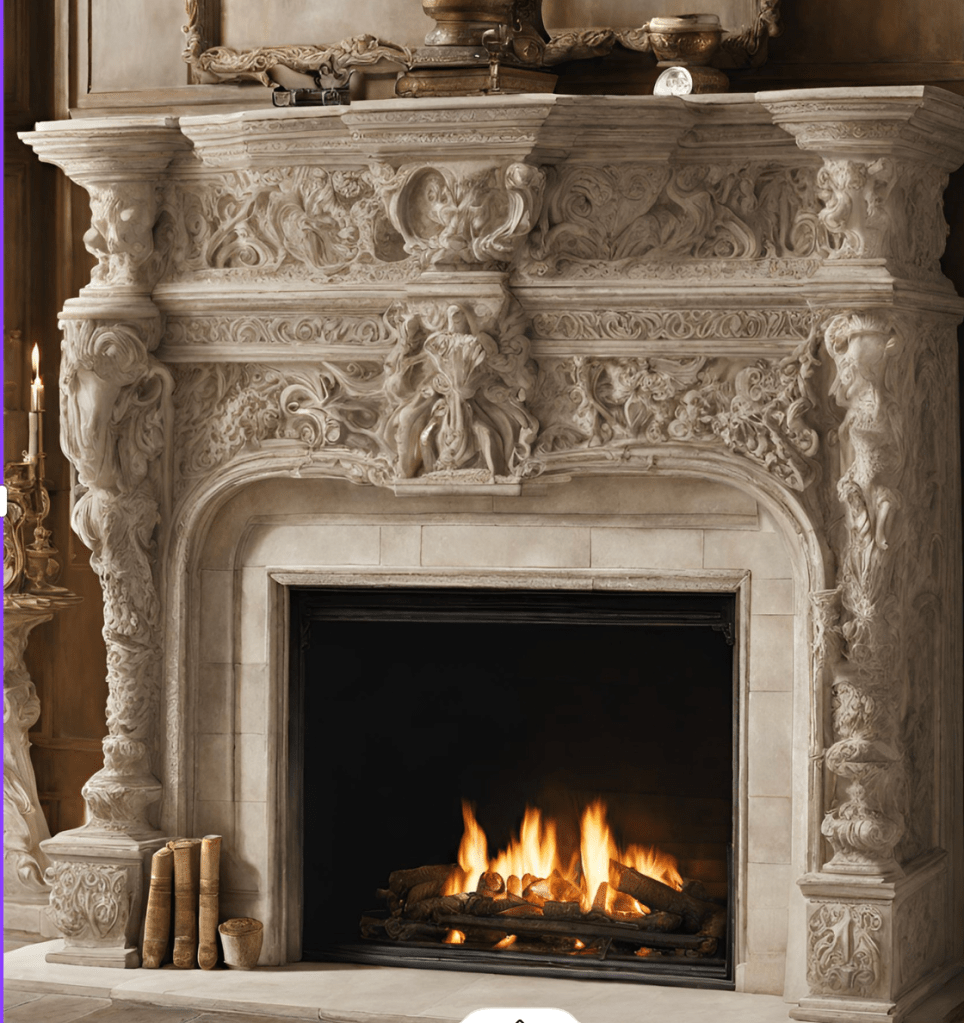
As winter approaches, it’s important to take steps to ensure your home is ready to withstand the cold. A well-sealed house will not only keep your family comfortable but also help reduce energy costs. In this first week of winter preparation, the focus is on inspecting and sealing your home to prevent drafts and heat loss. Here’s a simple to-do list to get started.

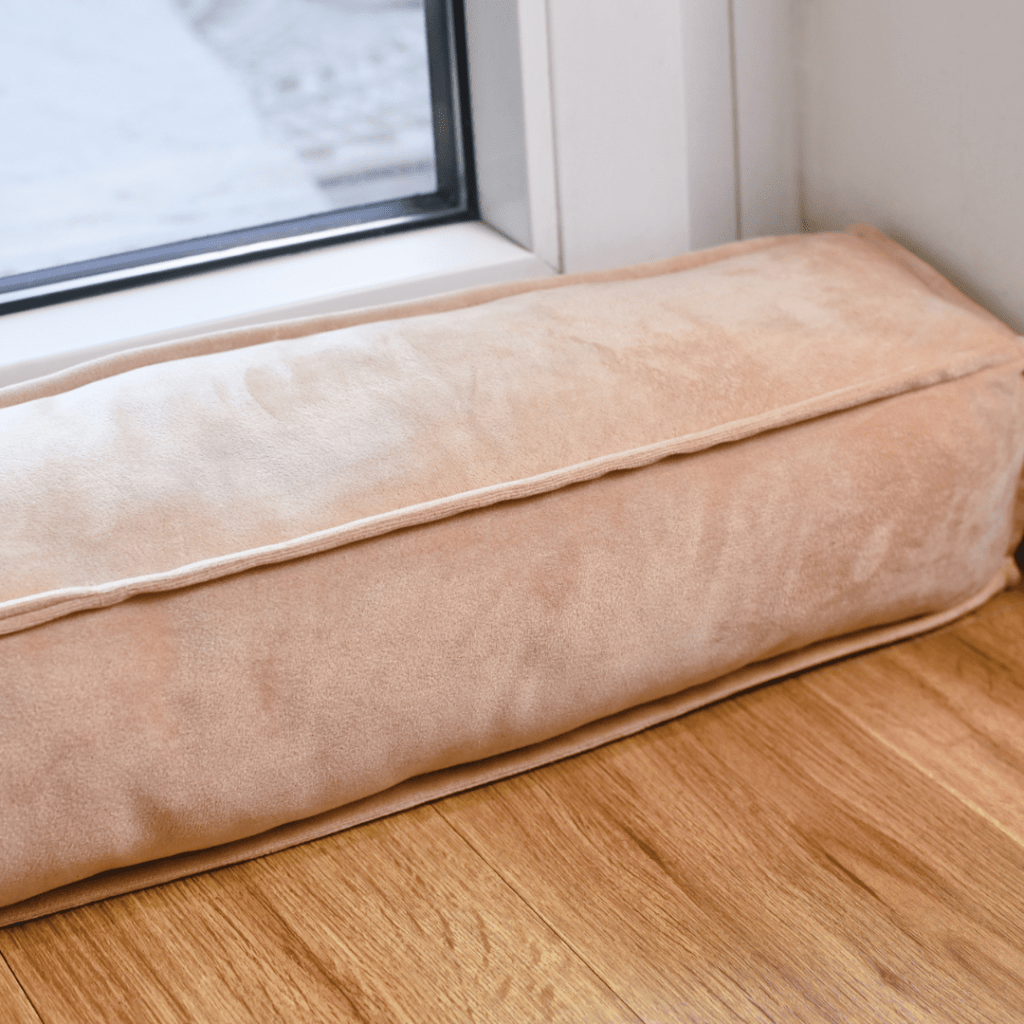
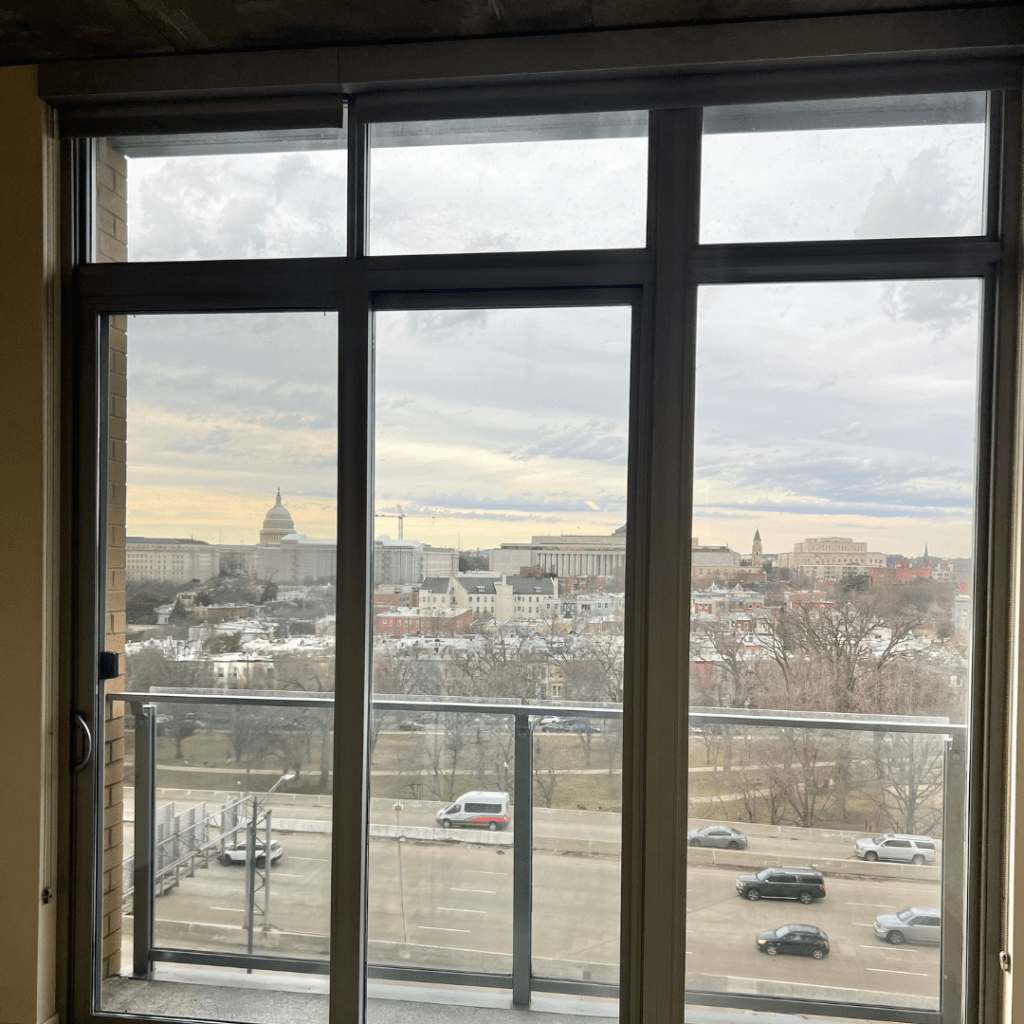
  • Inspect for Air Leaks: The first step in sealing your home is identifying where cold air might sneak in. Pay close attention to windows, doors, and any gaps in your home’s structure. Common problem areas include door frames, windowsills, and places where pipes or electrical wiring enter your home. Once you’ve located these potential air leaks, seal them with weatherstripping or caulk. Sealing drafts can save you a significant amount on your heating bills by keeping warm air inside.
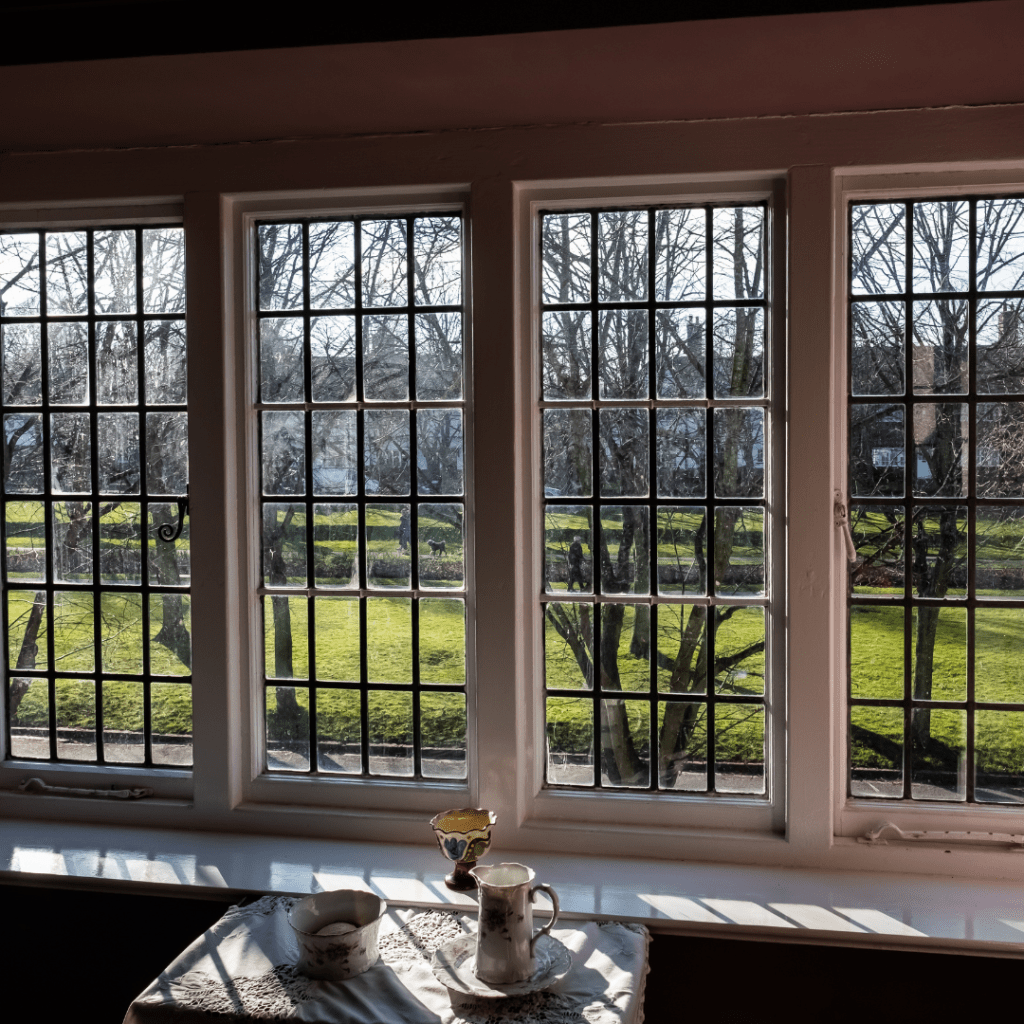
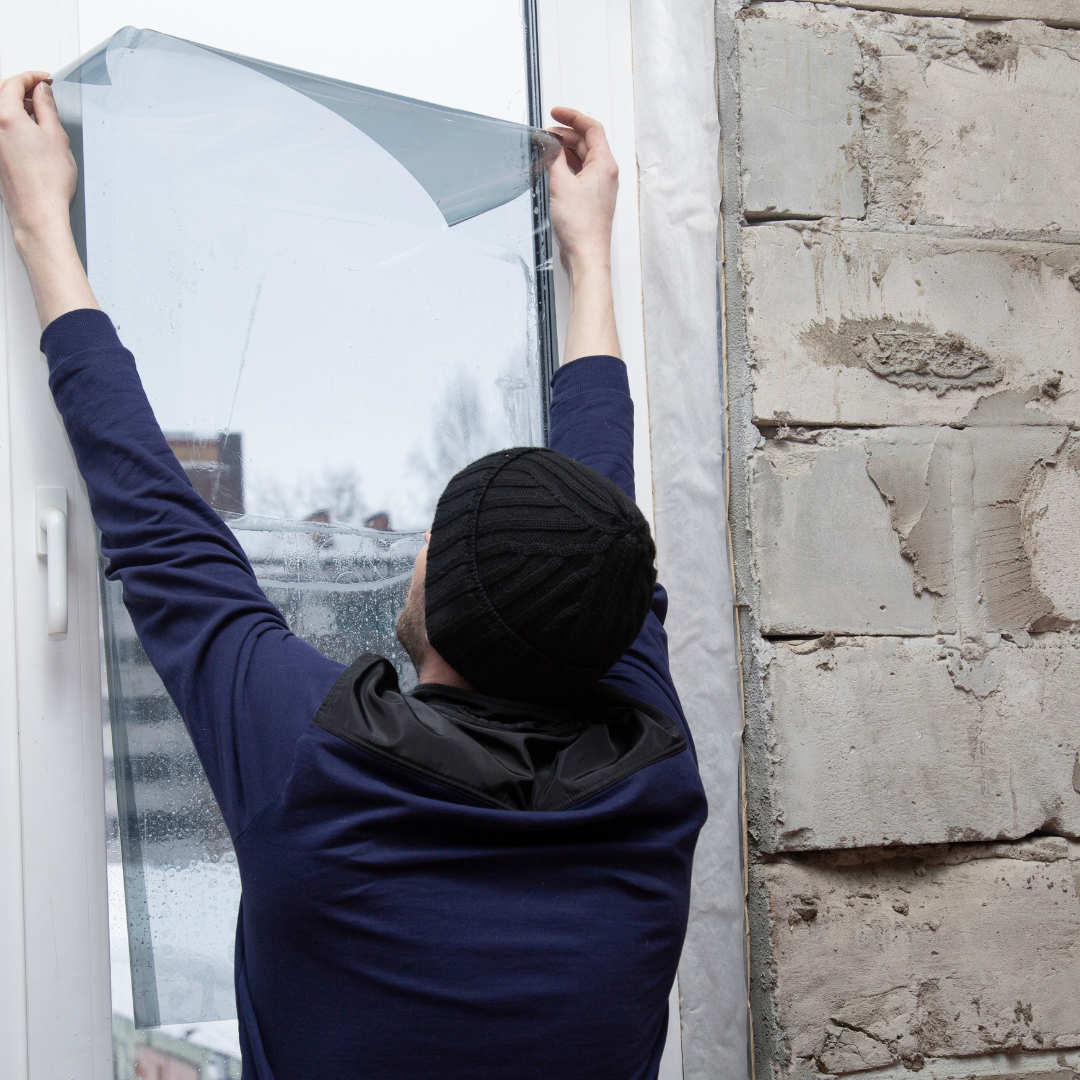
  • Seal Drafty Windows: Windows can be a major source of heat loss during the winter. If you feel cold air around your windows, consider applying window film for an extra layer of insulation. Window film is an inexpensive solution that can help trap heat inside. Alternatively, installing insulated curtains can keep your home warmer by blocking out cold drafts, especially at night.
  • Examine the Roof and Chimney: Don’t forget to check your roof and chimney for any signs of damage. Missing or damaged shingles can lead to water leaks and ice dams, which can cause significant damage in the colder months. Similarly, inspect your chimney for cracks or blockages that could prevent it from venting properly. Addressing these issues early will prevent costly repairs and make your home more energy efficient.


By following these simple steps, you’ll be on your way to a warmer, cozier home this winter! If you need help finding professionals for repairs or inspections, contact Properties On the Potomac at 703-624-8333 today. And stay tuned for more tips on how to prep your home for winter weather!

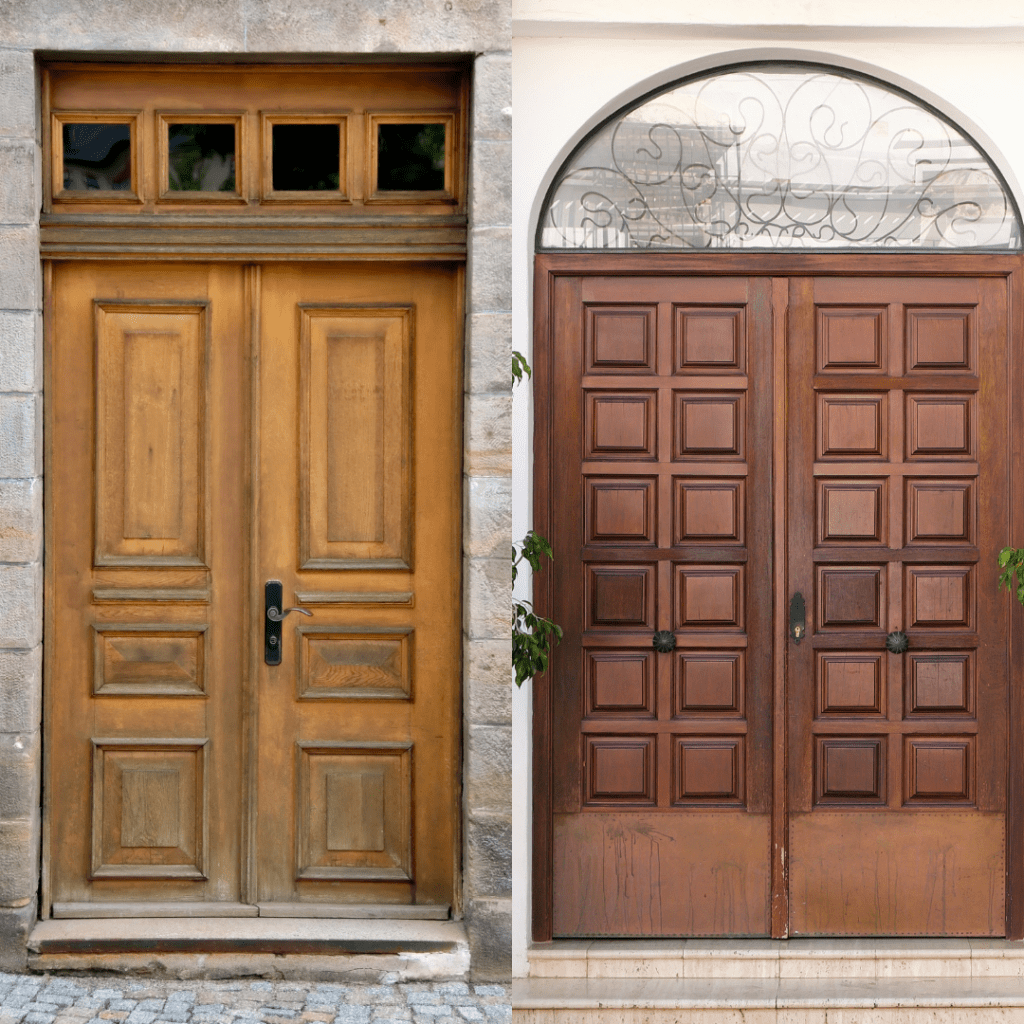
Here’s an amusing bit of architectural etymology trivia. What we know as a transom window is called “vasistas” in French. The origin of this term is quite funny: in the 1700s, French builders didn’t have a specific name for these small windows above doors. But whenever their German neighbors visited, they would point at the transoms and ask, “Was ist das?”—meaning “What is that?” The French assumed this was the window’s name and adopted the term. Ironically, the Germans didn’t have a name for it either—they were just curious!

What Are Transom Windows?
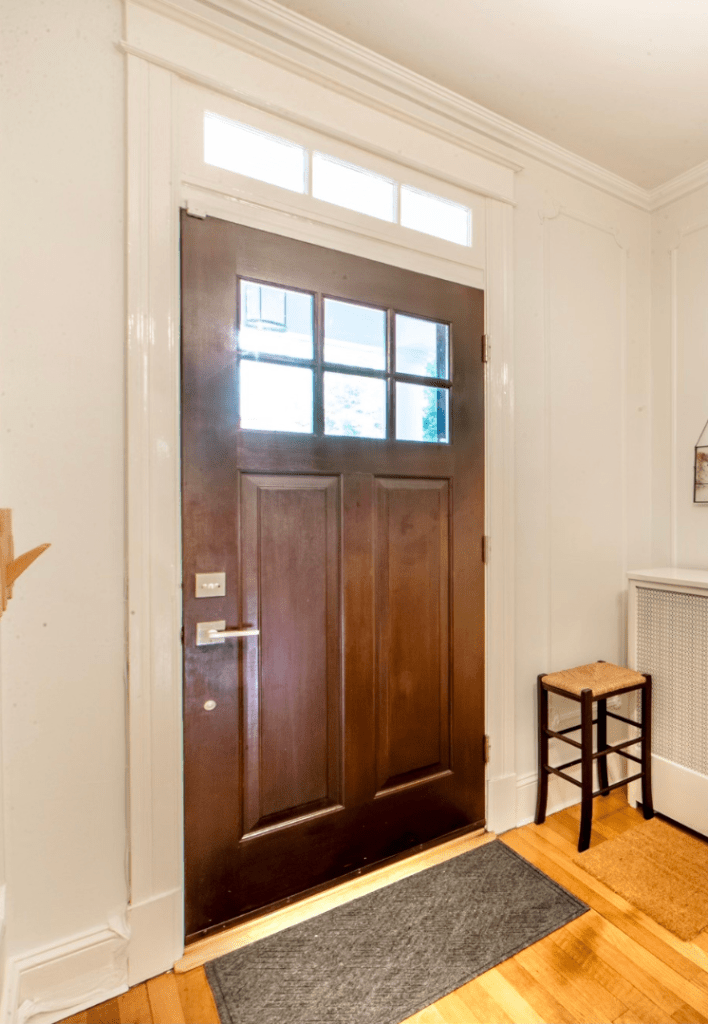
Transom windows, often found above doors or larger windows, serve both functional and aesthetic purposes. Historically, they were a common architectural feature in homes before the widespread use of electricity and air conditioning. These small windows allowed light and air to flow between rooms, while maintaining privacy and security.

In older homes, transom windows often have intricate designs or stained glass, adding elegance and charm to any space. Though their use has evolved, transoms remain popular in modern construction, with homeowners and designers incorporating them as both a functional and decorative feature.

Functional Benefits of Transom Windows
Light and Ventilation: In the days before electricity, transom windows helped circulate air and allowed light to pass between rooms. This natural ventilation kept homes cool during warmer months, while the positioning above doors preserved privacy. Even today, transoms can add extra light to dark hallways or interior rooms that may not have direct access to exterior windows.

Architectural Appeal: Transom windows provide an elegant design element to both traditional and modern homes. Their placement above doors or windows breaks up large wall spaces, adding character and style. Many homeowners choose decorative options, like stained glass or patterned grids, to make them stand out as a focal point.

Energy Efficiency: While today’s transom windows may not be used for ventilation as often, they still serve a purpose in energy conservation. High-quality, insulated transoms can help reduce energy costs by providing additional natural light, meaning you’ll need to rely less on artificial lighting during the day.


    Modern Uses for Transom Windows
    While transoms were once a necessity, today they are more of a stylistic choice. In modern homes, transom windows are used to create a feeling of openness, particularly in areas with high ceilings. They can be installed above interior doors to connect spaces visually, or they can be used in exterior walls to make a statement in entryways or living rooms. The versatility of transom windows makes them a popular feature in both contemporary and traditional homes.

    Transoms are often custom-designed, allowing homeowners to choose from a variety of shapes, styles, and materials to match their home’s architecture. Whether you want a clean, minimalist look or a more ornate design, transom windows are a great way to add both style and functionality to your home.

    Whether you’re renovating a historic property or adding a modern touch to your home, transom windows are a feature worth considering. Their unique history and timeless appeal make them a charming addition to any space. If you’re thinking about incorporating transom windows or other architectural features in your home, or if you’re in the market to buy or sell, contact us Properties on the Potomac at 703-624-8333 today. We’re here to help you find the perfect home with all the features you love—or to guide you through renovations to make your home more beautiful and functional!

    Adding decorative elements to your home’s exterior is a fantastic way to boost curb appeal and create a welcoming atmosphere for visitors and potential buyers. These small touches not only enhance the visual appeal of your home but also add character and charm. Here are several types of decorative elements to consider incorporating into your home’s exterior to make a lasting impression:

    Shutters
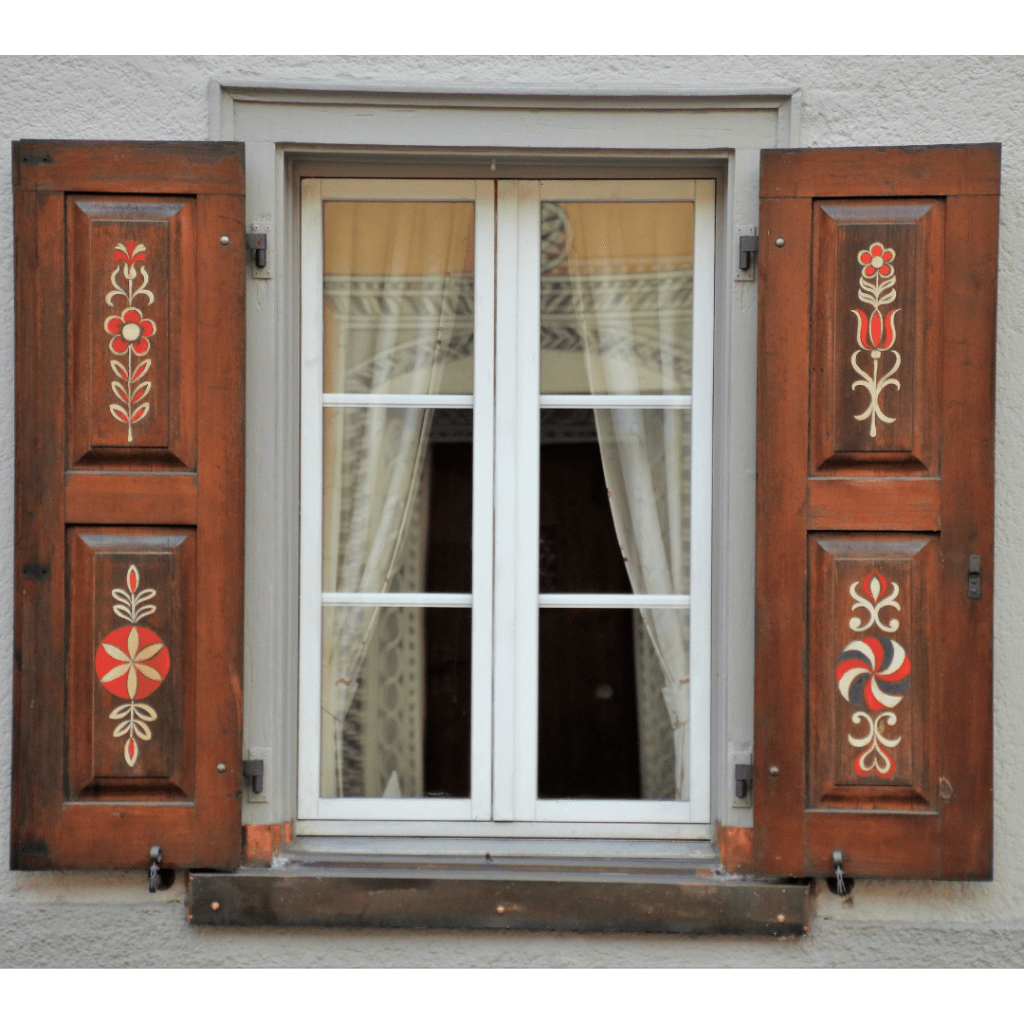
    Shutters are not just functional; they can also add a sense of symmetry and style to your windows. Choose shutters that complement your home’s architectural style and paint them in a color that contrasts or harmonizes with your exterior walls. This simple addition can create a cohesive look and enhance the overall aesthetics of your home.

    Window Boxes
    Window boxes filled with colorful flowers or greenery can instantly add charm and personality to your home’s facade. Choose plants that thrive in your climate and coordinate with your landscaping. Window boxes bring life to your windows and can be easily changed with the seasons to keep your home looking fresh and inviting year-round.

    Stylish House Numbers
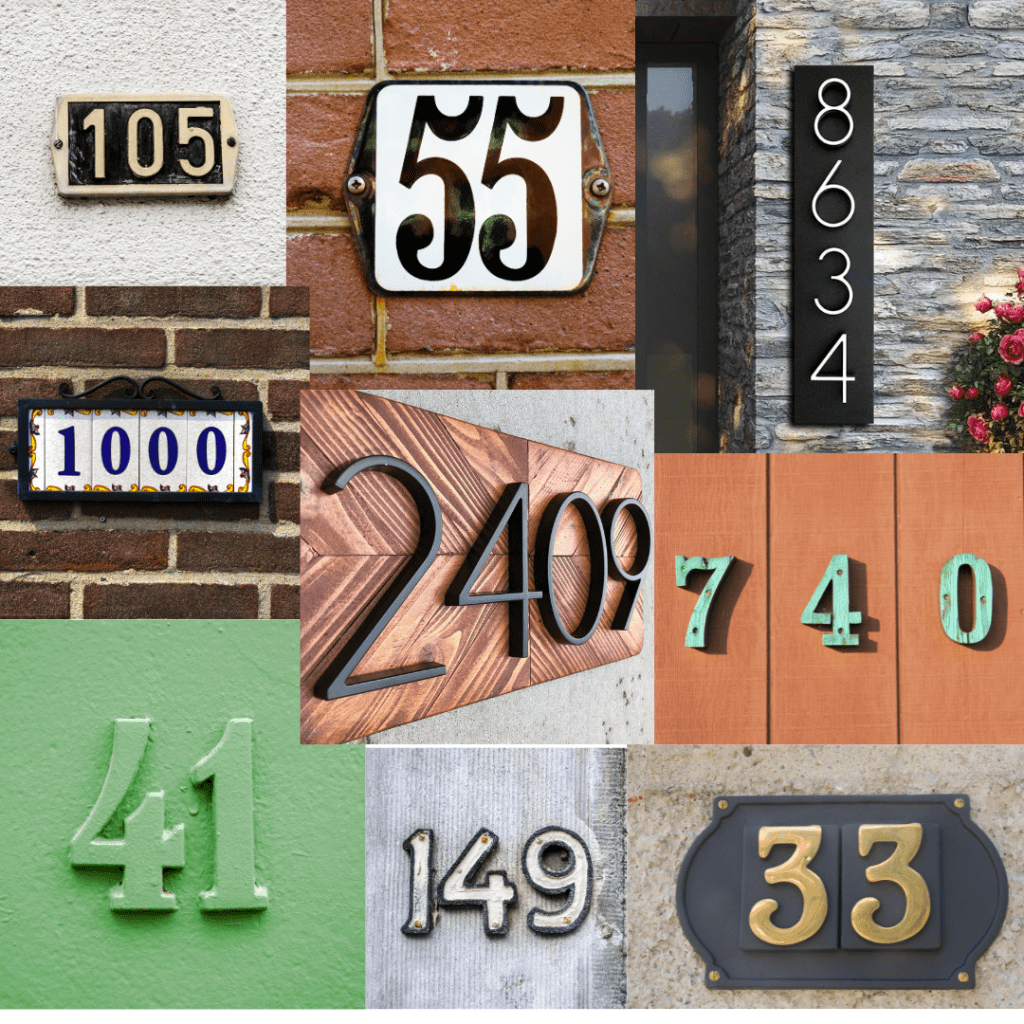
    Upgrade your house numbers to stylish, easy-to-read designs that reflect your home’s personality. Choose from various materials such as metal, wood, or ceramic, and consider placing them prominently near your front door or on a mailbox to ensure they are visible from the street.

    Outdoor Seating Areas
    Create inviting outdoor seating areas with comfortable furniture and decorative accents to showcase your home’s outdoor living potential.


    By incorporating these decorative elements and additional ideas, you can transform your home’s exterior into a charming and welcoming space that attracts attention and enhances its marketability. Ready to elevate your curb appeal and get your home sold? Contact Properties on the Potomac at 703-624-8333 today for expert advice and assistance in maximizing your home’s exterior appeal.

    Check out all the articles in our popular curb appeal series!

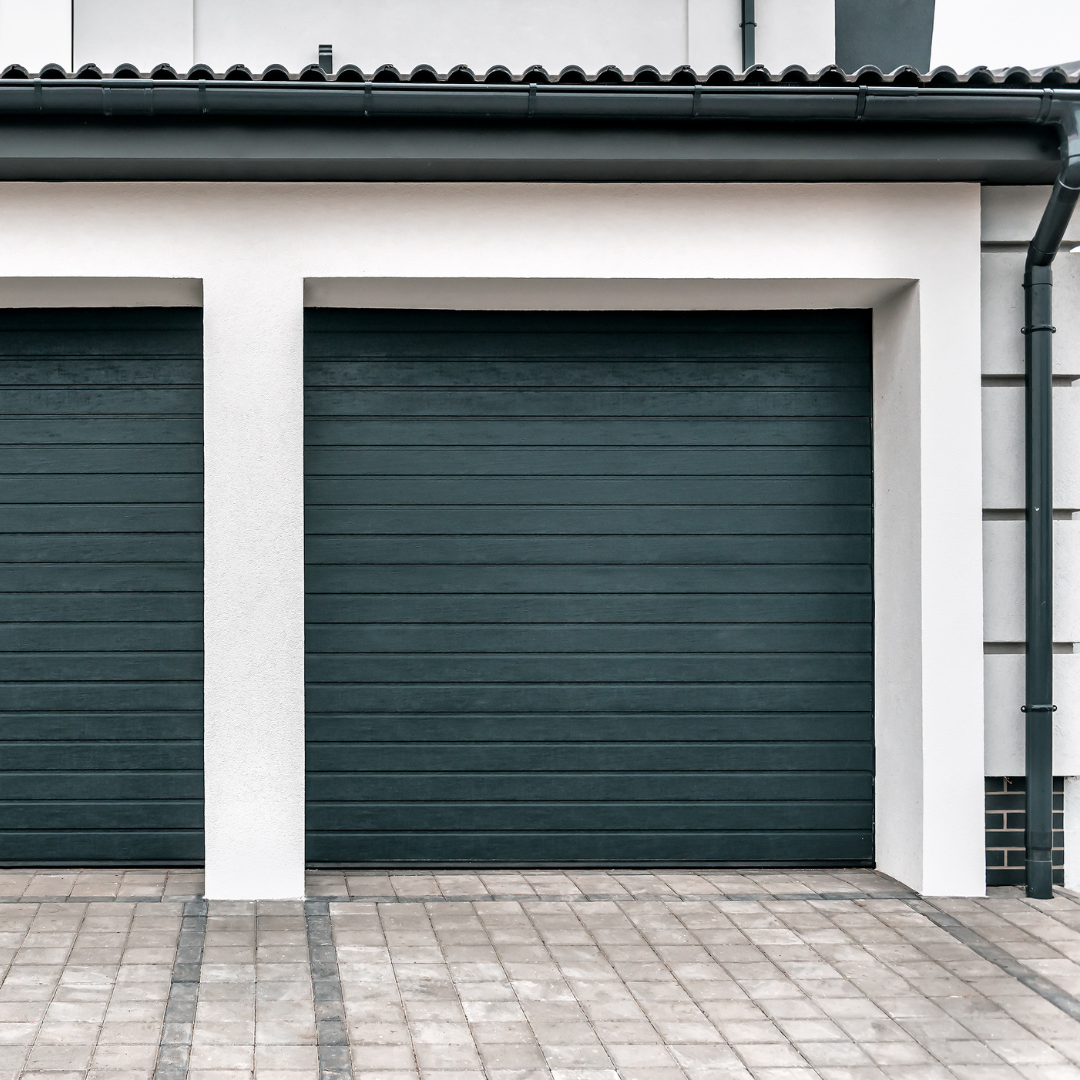
    Your garage door is more than just a functional element; it’s a prominent feature of your home’s exterior that significantly impacts curb appeal. Updating an old or damaged garage door can transform the look of your home, enhancing its overall attractiveness and value. Here are several ways to update your garage door to make a lasting impression on potential buyers and improve your home’s curb appeal.


    Painting for a Fresh Look
    A simple yet effective way to update your garage door is by painting it. Choose a color that complements your home’s exterior palette and architectural style. Opt for neutrals like white, gray, or black for a timeless appeal, or go bold with a vibrant hue that adds personality and makes your home stand out.

    Installing a Modern Design
    Consider replacing your old garage door with a more modern design. Contemporary garage doors come in various materials such as steel, aluminum, or fiberglass, offering durability, insulation, and aesthetic appeal. Choose a style that complements your home’s architecture, whether it’s sleek and minimalist or rustic and charming.

    Adding Decorative Hardware
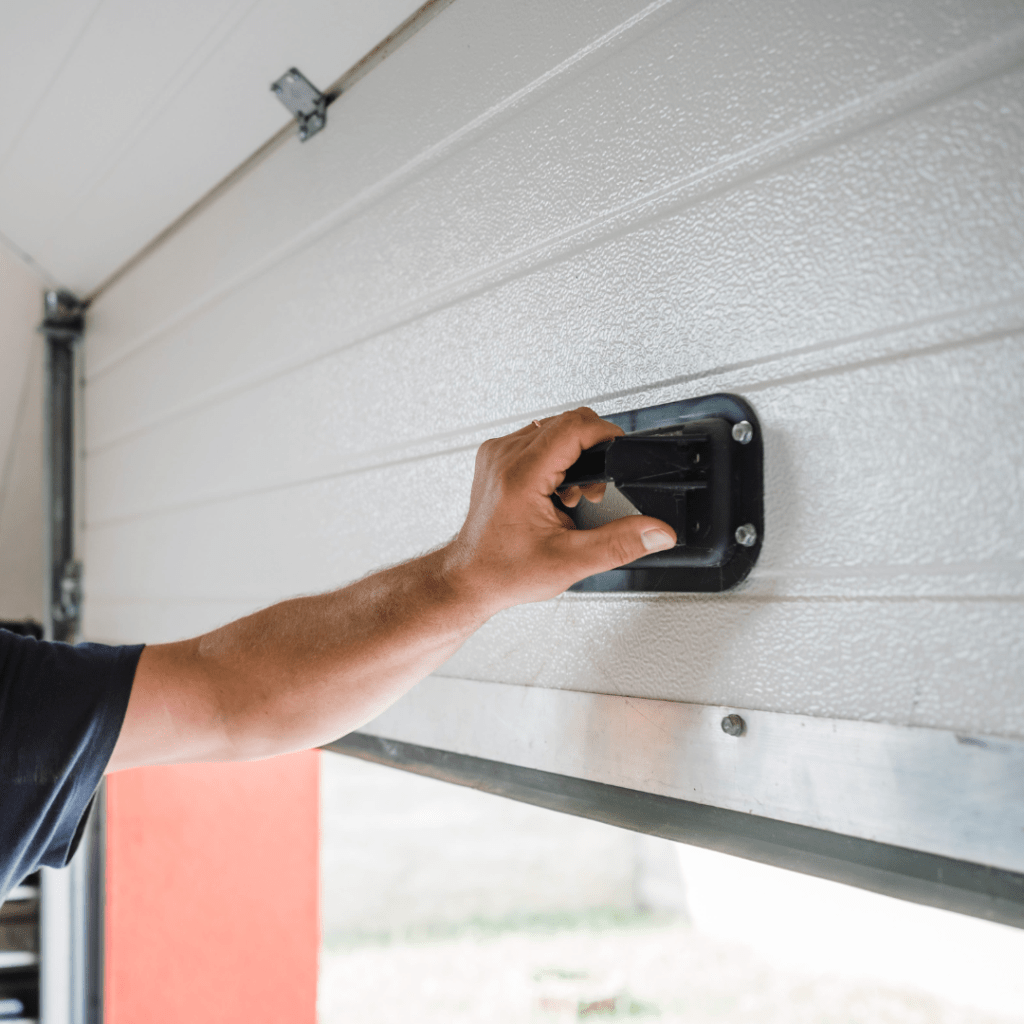
    Enhance the look of your garage door by adding decorative hardware such as handles, hinges, or window inserts. These small details can mimic the style of your home’s existing features and create a cohesive look that enhances curb appeal.


    Incorporating Windows for Natural Light
    Integrating windows into your garage door not only enhances its visual appeal but also allows natural light to enter your garage space. Choose from a variety of window styles and placements to add architectural interest and create a more welcoming facade.

    Upgrading to Smart Technology
    Consider upgrading your garage door opener to a smart system that offers convenience and security features. Smart garage door openers can be controlled remotely via smartphone apps, providing added peace of mind and functionality.

    Maintaining Regularly
    Regular maintenance is essential to keep your garage door looking and functioning its best. Clean the door regularly, lubricate moving parts, and address any dents or dings promptly to prolong its lifespan and preserve its curb appeal.

    Updating your garage door is a worthwhile investment that can significantly enhance your home’s curb appeal and overall value. If you’re considering selling your home and want expert advice on updating your garage door, contact Properties on the Potomac at 703-624-8333 today.

    Stay tuned for more tips and ideas in our curb appeal series!

    Repairing and replacing damaged elements around your home is essential for maintaining and enhancing its curb appeal. Addressing visible issues such as cracked walkways, broken fences, or damaged gutters not only improves the overall appearance but also demonstrates to potential buyers that your home is well-cared-for and meticulously maintained. Here’s why small repairs can make a significant difference in the attractiveness and marketability of your property.

    Address Cracked Walkways
    Cracked or uneven walkways not only detract from your home’s appearance but can also pose safety hazards. Repairing these issues improves accessibility and enhances the visual appeal of your front yard, creating a welcoming entrance for visitors and potential buyers.

    Replace Broken Fences
    A damaged or sagging fence can give the impression of neglect. Repair or replace broken boards, straighten posts, and repaint or stain the fence to improve its appearance and increase privacy and security around your property.

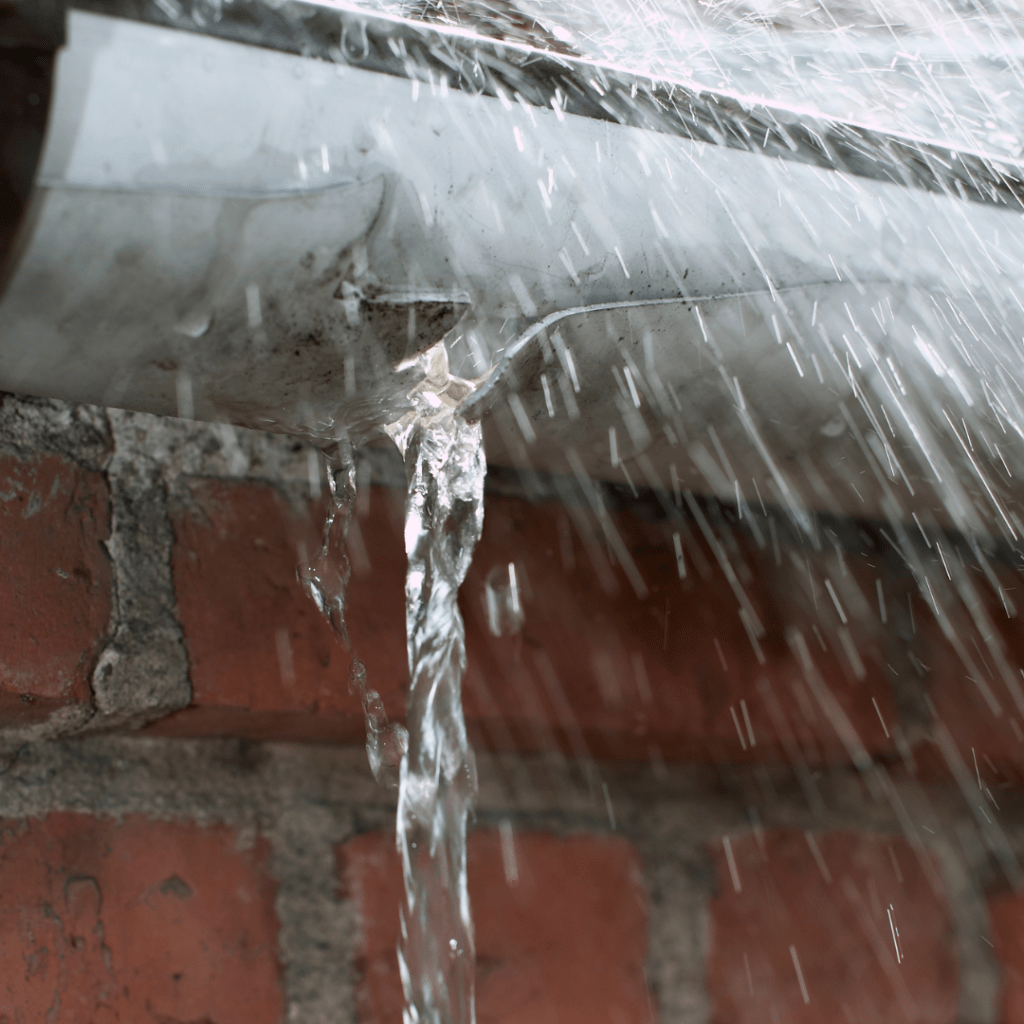
    Fix Damaged Gutters
    Damaged or clogged gutters not only affect the aesthetic of your home but can also lead to water damage and erosion. Ensure gutters are securely attached, clear of debris, and functioning properly to protect your home’s foundation and landscaping.

    Small Repairs, Big Impact
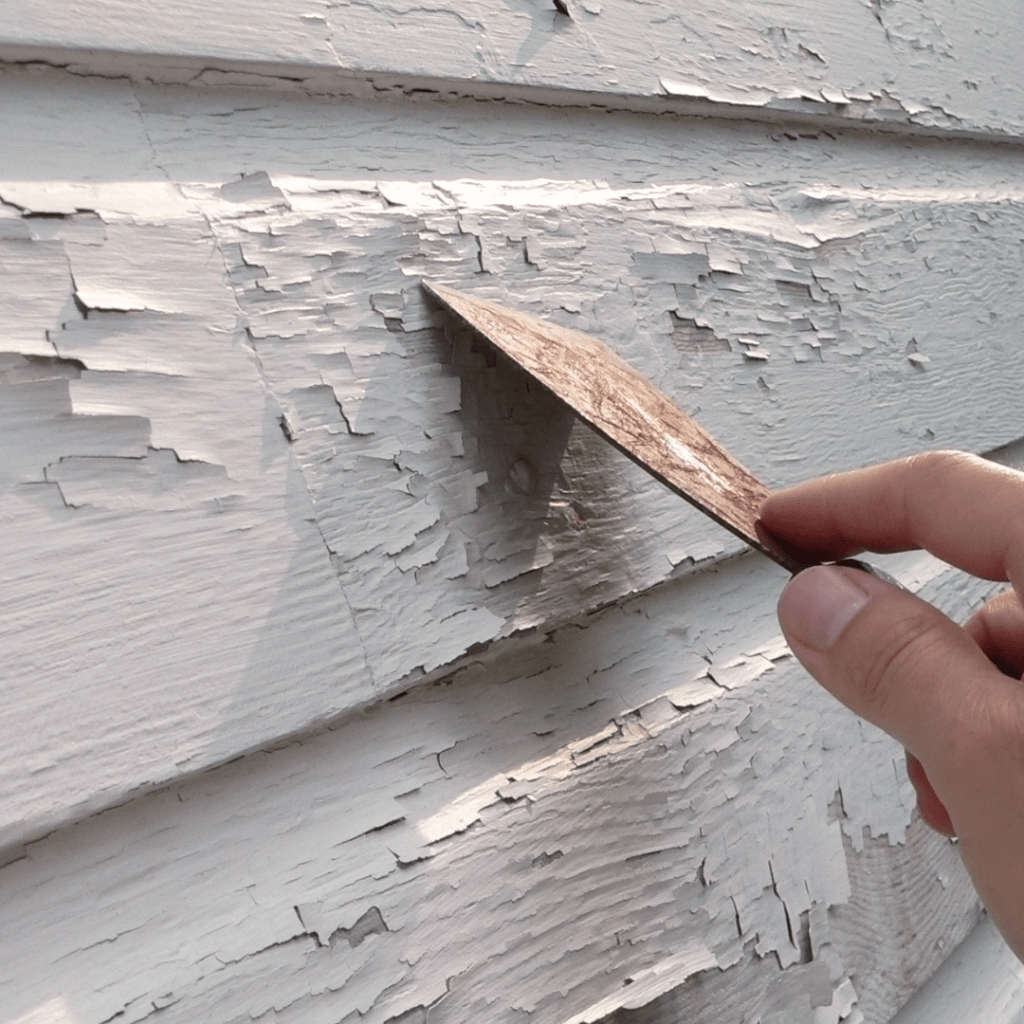
    Small repairs such as fixing peeling paint, replacing missing roof shingles, or repairing cracked windowpanes can significantly enhance your home’s curb appeal. These minor improvements show attention to detail and reassure potential buyers of the home’s overall quality and maintenance.

    Ready to enhance your home’s curb appeal and sell your home?  Contact Properties on the Potomac at 703-624-8333 today for expert guidance and assistance in identifying and addressing any visible issues around your property. Let’s showcase your home’s best features and attract potential buyers with a well-maintained and appealing exterior. Stay tuned for more tips and ideas in our curb appeal series!

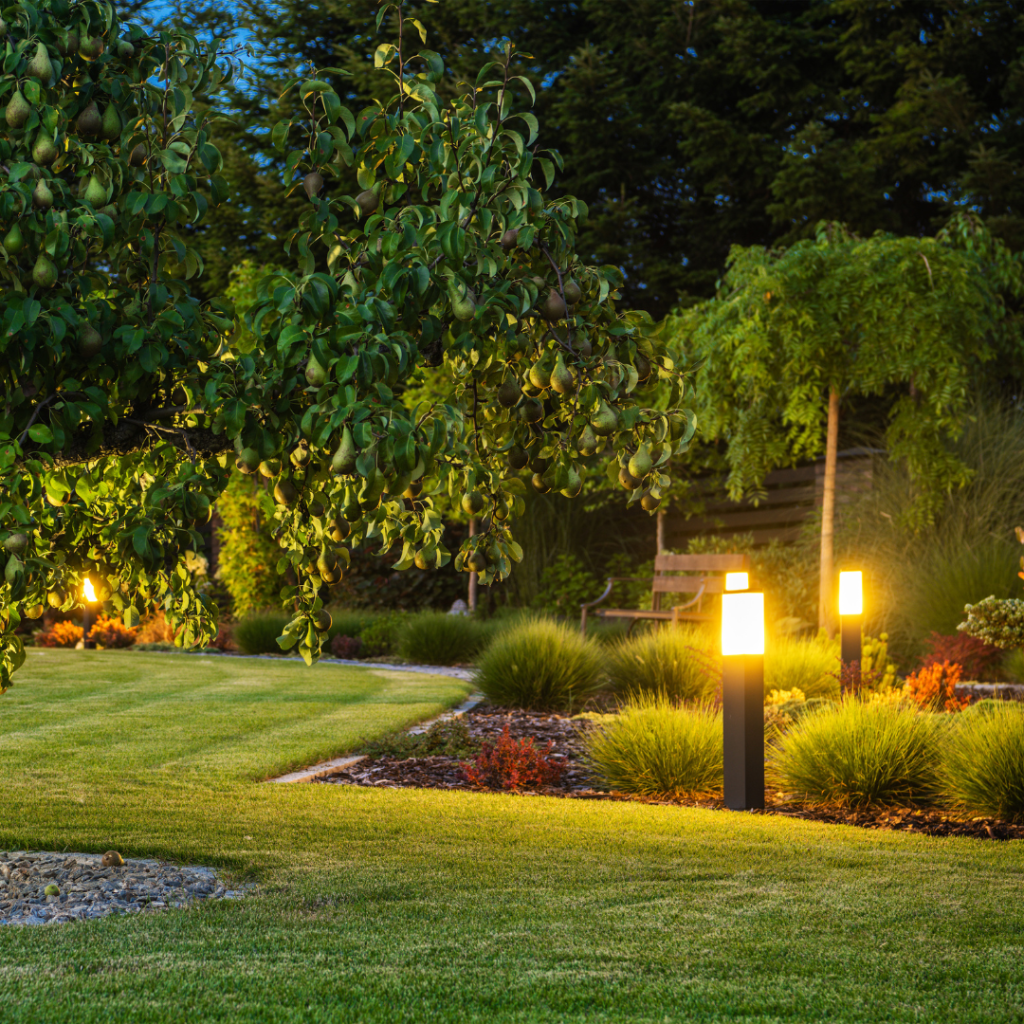
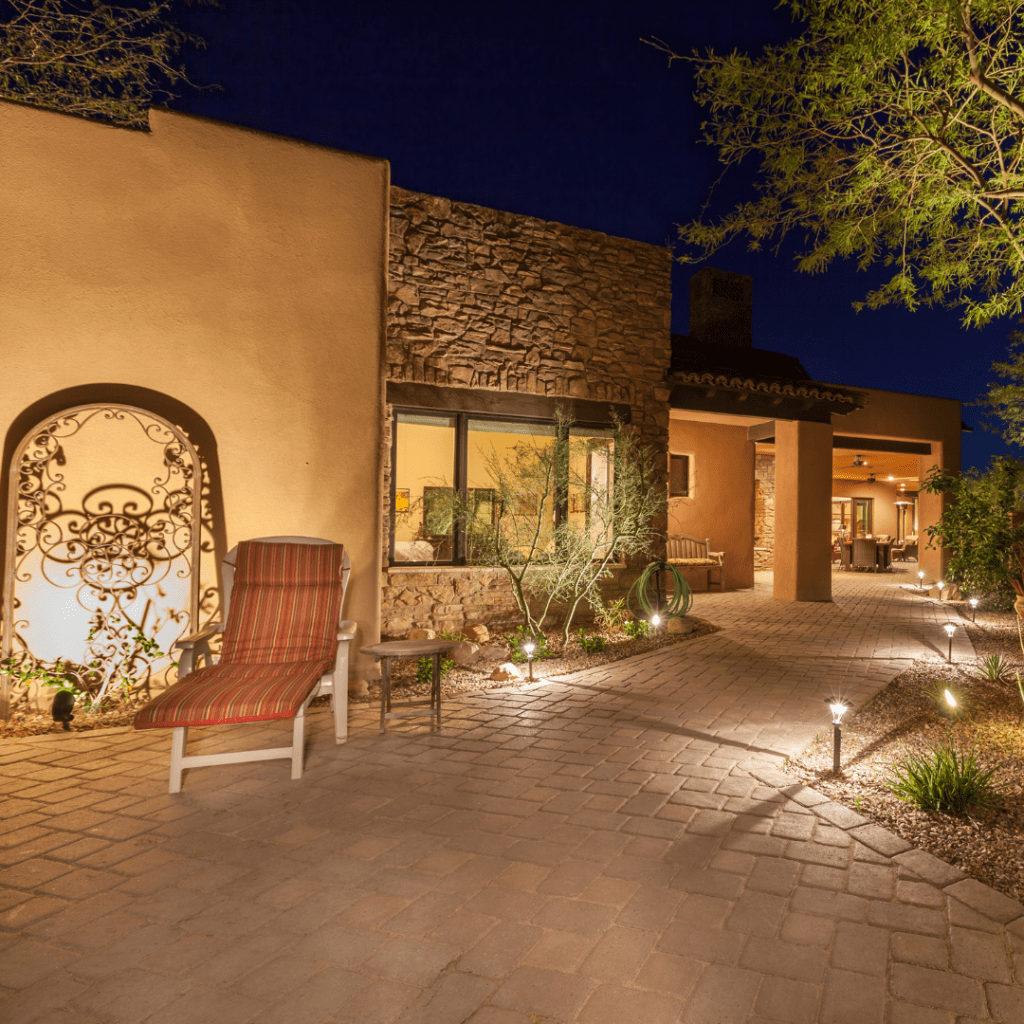
    Upgrading your outdoor lighting is a strategic way to enhance the curb appeal and safety of your home. Well-designed and strategically placed outdoor lights not only beautify your property but also increase its security and functionality. Here are several benefits of upgrading your outdoor lighting and the different types that can transform your home’s exterior:


    Benefits of Upgrading Outdoor Lighting

    • Improved Aesthetic Appeal: Outdoor lighting adds ambiance and highlights architectural features, creating a warm and welcoming atmosphere that enhances your home’s curb appeal.
    • Enhanced Safety and Security: Properly lit pathways, driveways, and entryways improve visibility and reduce the risk of accidents, deterring potential intruders and enhancing overall security.
    • Increased Property Value: Thoughtfully designed outdoor lighting can increase the perceived value of your home, making it more attractive to potential buyers and potentially increasing resale value.
    • Extended Living Space: Outdoor lighting allows you to enjoy your outdoor areas at night, extending your usable living space and enhancing the functionality of your yard.


    Types of Outdoor Lighting

    • Pathway Lights: These lights illuminate walkways and pathways, guiding guests safely to your front door and adding visual interest to your landscaping.
    • Accent Lights: Used to highlight architectural elements, trees, or landscaping features, accent lights create depth and drama, enhancing the overall aesthetics of your home.
    • Wall-Mounted Lights: These fixtures are mounted on exterior walls and provide both ambient and task lighting, ideal for entryways, patios, and decks.
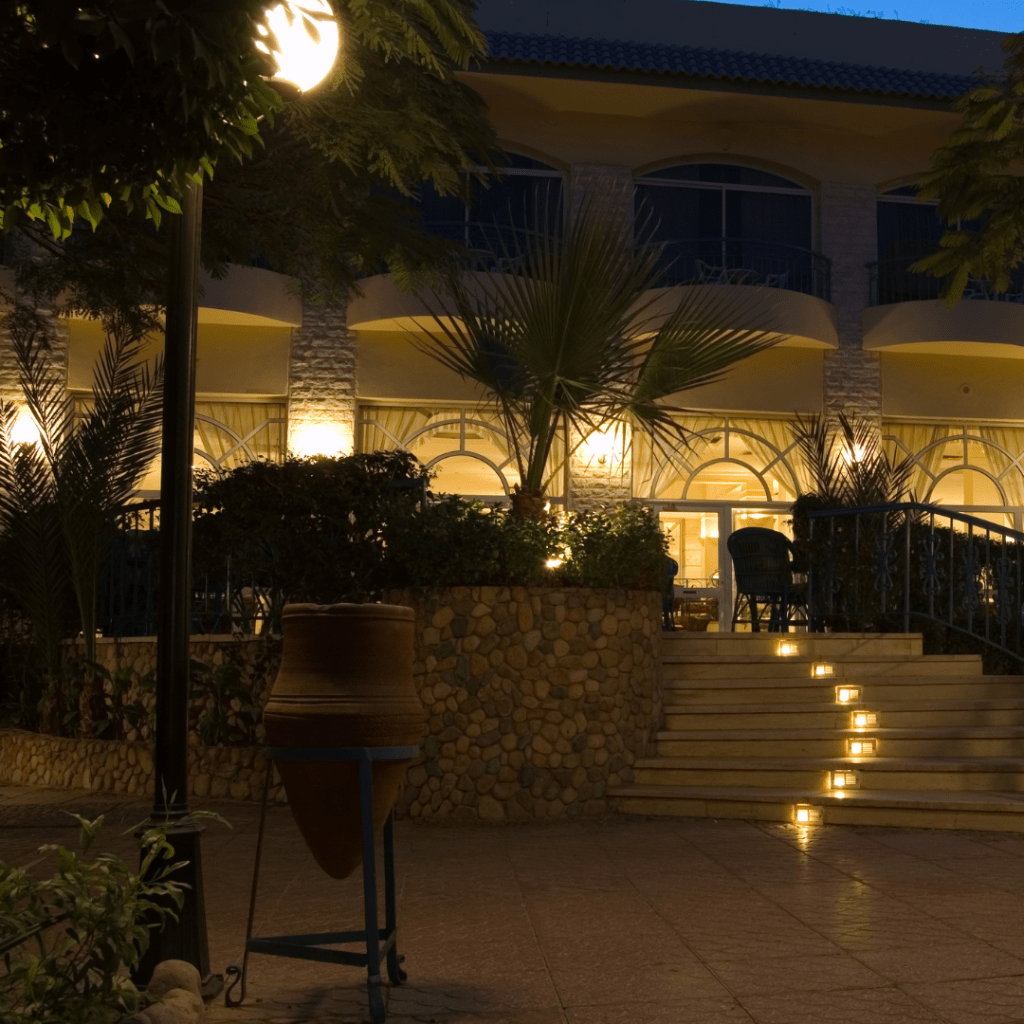
    • Deck and Step Lights: These lights are installed flush with deck surfaces or stairs to improve safety and visibility in outdoor living areas.
    • Landscape Spotlights: Used to highlight specific features such as trees, statues, or gardens, landscape spotlights add focal points and create visual interest.
    • Security Lights: Motion-activated security lights enhance safety by deterring intruders and providing instant illumination when motion is detected.


    Choosing the Right Lighting
    When upgrading your outdoor lighting, consider the style and architecture of your home, as well as the functionality you desire. Mix different types of lighting for a layered effect that balances security, aesthetics, and practicality.

    Upgrading your outdoor lighting is a smart investment that enhances your home’s curb appeal, improves safety, and increases its overall value. If you’re considering selling your home and want expert advice on upgrading your outdoor lighting, contact Properties on the Potomac at 703-624-8333 today. Stay tuned for more tips in our curb appeal series!

    Upgrading your front door is a strategic investment that can elevate the curb appeal and overall attractiveness of your home. As the focal point of your exterior, your front door not only enhances the aesthetic appeal but also contributes to the security, energy efficiency, and value of your property. Here are several effective ways to upgrade your front door to make a lasting impression on potential buyers and increase your home’s appeal.

    Your front door is the focal point of your exterior. Make sure it complements your home’s architecture and reflects your personal style.

    Choose a Stylish Design
    Select a front door design that complements your home’s architecture and reflects your personal style. Whether you prefer a sleek modern door, a classic paneled design, or a charming rustic look, the right door can instantly enhance your home’s curb appeal.

    Upgrade to High-Quality Materials
    Invest in a front door made from durable and attractive materials such as fiberglass, steel, or solid wood. These materials offer superior strength, security, and insulation properties, enhancing both the aesthetic and functional aspects of your home’s entrance.

    Enhance with Decorative Elements
    Add decorative elements such as sidelights, transom windows, or decorative glass panels to your front door. These features can increase natural light, add visual interest, and create a welcoming entryway that leaves a positive impression on visitors.

    Update Hardware and Accessories
    Upgrade your door’s hardware, including handles, locks, and hinges, to complement the new design and enhance functionality. Choose finishes that coordinate with other elements of your home’s exterior for a cohesive look.

    Consider Energy Efficiency
    Opt for a front door with energy-efficient features such as insulated cores, weather-stripping, and thermal breaks. Energy-efficient doors can help reduce heating and cooling costs while improving indoor comfort, appealing to environmentally conscious buyers.

    Add a Fresh Coat of Paint or Stain
    Refresh your front door with a new coat of paint or stain in a color that complements your home’s exterior palette. Bold colors can add personality and make your home stand out, while neutral tones offer timeless appeal.

    Install Functional Enhancements
    Consider installing practical enhancements such as a peephole, a mail slot, or a smart doorbell system. These features improve convenience, security, and the overall functionality of your front door, appealing to modern buyers.

    Include Outdoor Lighting
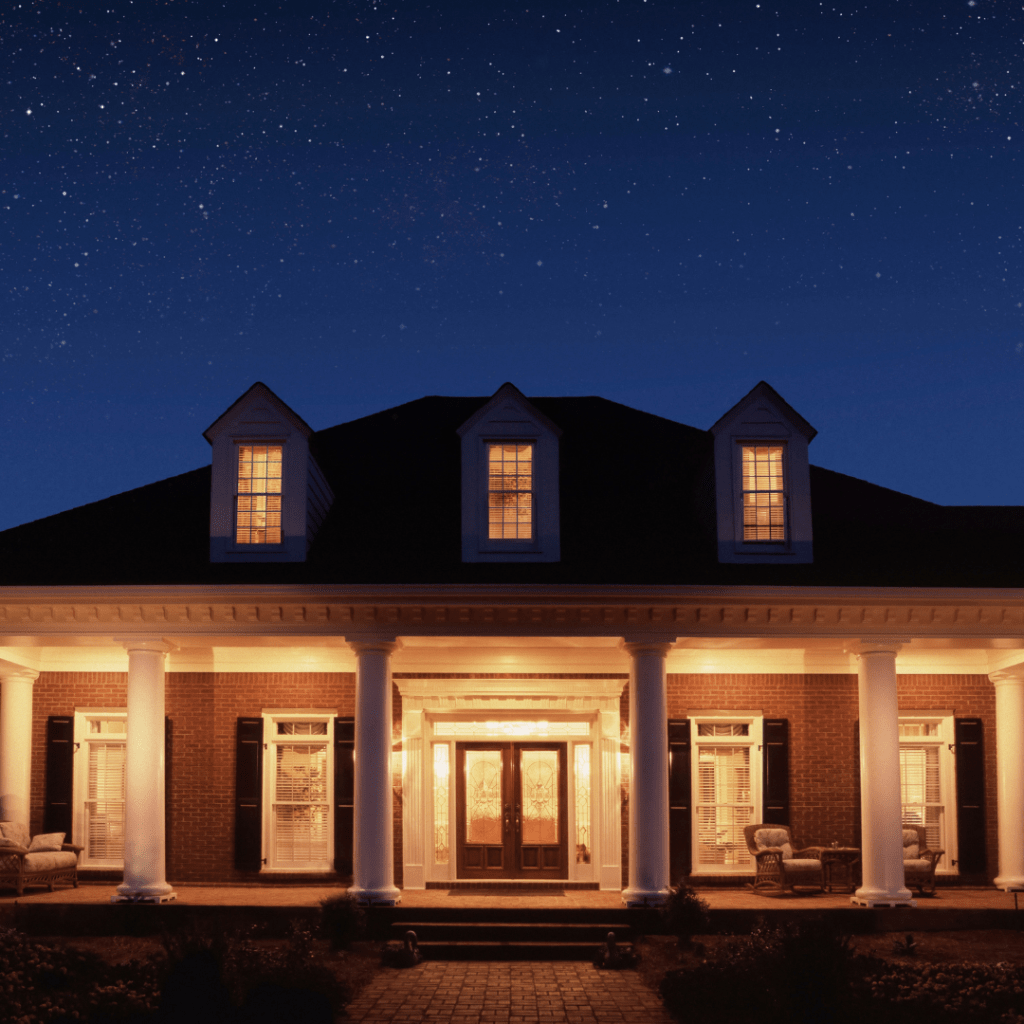
    Illuminate your front door area with stylish outdoor lighting fixtures. Pathway lights, porch lights, or wall-mounted sconces not only enhance visibility and safety but also highlight your door’s architectural features during evening hours.

    Create a Welcoming Entryway
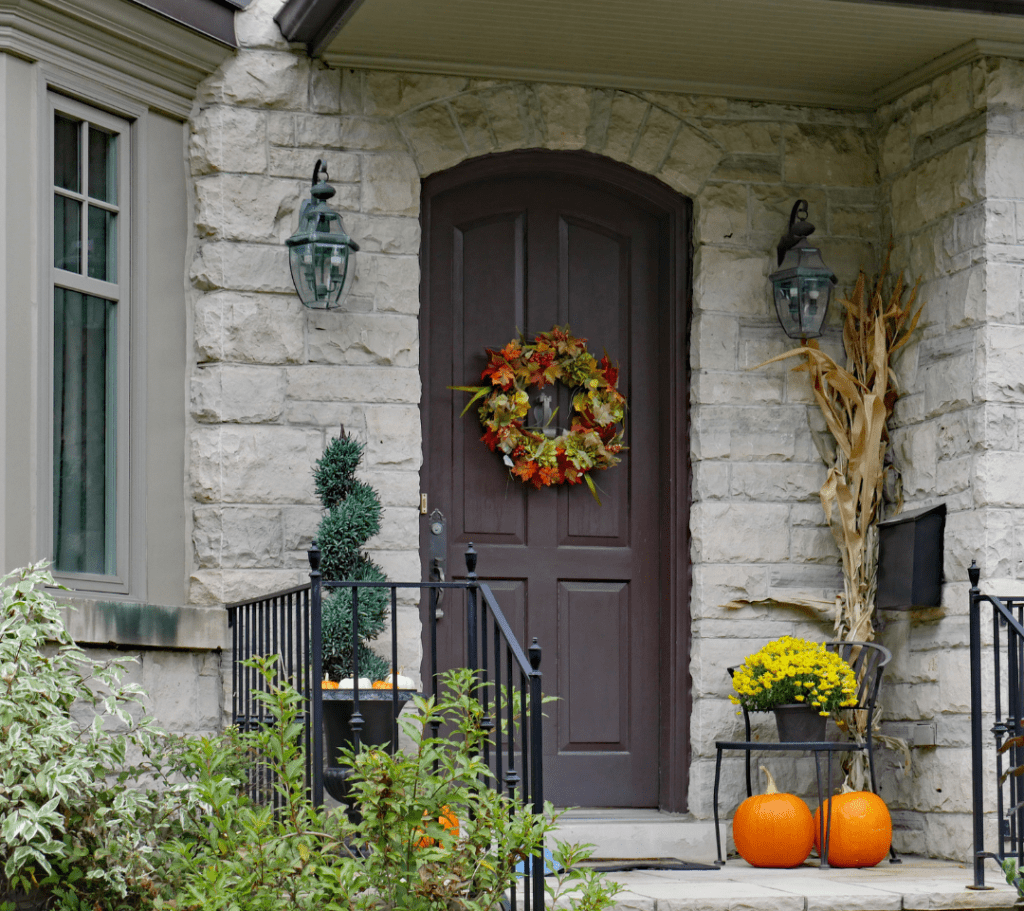
    Enhance your front door’s appeal by creating a welcoming entryway. Add potted plants, a seasonal wreath, or a doormat with a warm greeting to create a inviting atmosphere that entices potential buyers.

    Maintain Regular Maintenance
    Keep your front door looking its best with regular cleaning, polishing, and maintenance. Address any issues promptly to ensure your door remains functional and attractive, preserving its curb appeal over time.

    Upgrading your front door is an effective way to enhance your home’s curb appeal, increase its value, and create a positive first impression for potential buyers. If you’re considering selling your home and want expert guidance on selecting the perfect front door upgrades, contact Properties on the Potomac at 703-624-8333 today. Stay tuned for more tips in our curb appeal series!

    Eleanore of Aquitaine: Her Influence on Architecture and the Fireplace

    Eleanore of Aquitaine was one of the most powerful and influential women of the Middle Ages. She was strong, determined, and opinionated. She got things done. She initiated a revolt against the king, her husband, in favor of her son. She was the mother of King Richard Lionheart and King John (not everyone is a winner). She rode astride and led and/or participated in the Second Crusade. At age 72, she crossed the Pyrenees Mountains in winter to select the future queen of France. She left a lasting impact on numerous aspects of European culture, including architecture and the development of the fireplace.

    As Queen of France and later England, Eleanore was known for her patronage of the arts and her keen interest in architecture. She commissioned the construction of numerous castles, palaces, and abbeys throughout her domains, many of which showcased the latest architectural innovations of the time.

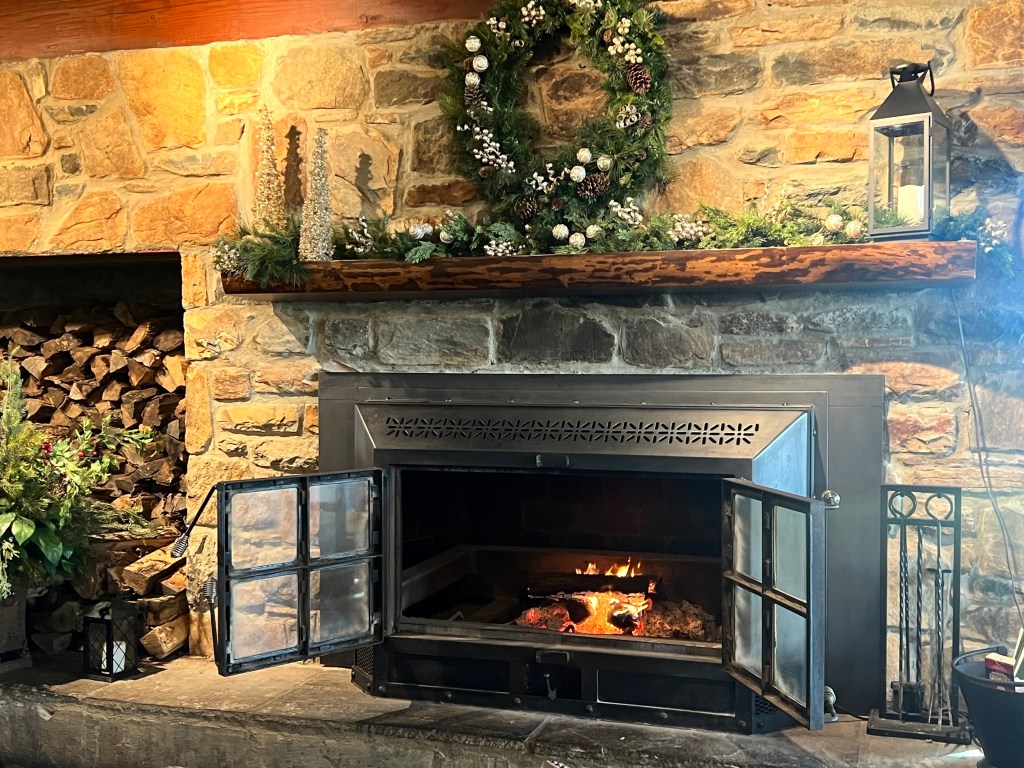
    One of the most significant architectural features that Eleanore is credited with popularizing is the fireplace. Prior to the 12th century, most European homes relied on open hearths in the center of the room for heating and cooking. However, this design was inefficient and caused smoke to fill the living space.

    Eleanore, having grown up in the sophisticated courts of Aquitaine, was accustomed to more advanced heating systems. She is believed to have introduced the concept of the wall-mounted fireplace to the castles and palaces she inhabited. This design, which featured a flue to carry smoke out of the building, allowed for better heat distribution and improved air quality.

    The incorporation of fireplaces into castle design became increasingly common during Eleanore’s lifetime. The Great Hall, a central feature of medieval castles, often showcased grand fireplaces that served as a gathering place for the household. These fireplaces were not only functional but also highly decorative, with intricate carvings and elaborate mantels.

    Eleanore’s influence on fireplace design can be seen in many of the castles and palaces she inhabited, such as the Palace of Poitiers and the Fontevraud Abbey. The latter, where Eleanore spent her final years and was eventually buried, features numerous fireplaces throughout its buildings.

    The legacy of Eleanore’s architectural innovations extends beyond her own lifetime. The use of wall-mounted fireplaces became widespread throughout Europe in the centuries that followed, evolving into the diverse range of fireplace designs we know today.

    Eleanore of Aquitaine’s influence on architecture and the development of the fireplace cannot be overstated. Her patronage of the arts and her introduction of advanced heating systems to medieval European castles left a lasting impact on architectural design and the way we heat our homes to this day.

    Do you dream of a home with a fireplace? Whether gas or log-burning, quaint or ornate, Properties on the Potomac can help you find your perfect fireplace. Give us a call at 703-624-8333 today!

    The Visionary Architect Who Transformed Real Estate Design

    Zaha Hadid, the groundbreaking Iraqi-British architect, left an indelible mark on the world of architecture and real estate design. She was dubbed, “the queen of curves,” by The Guardian. Her unique vision and innovative approach to design have influenced countless projects worldwide, from residential buildings to cultural institutions, commercial spaces, houseware, and even superyachts.

    Hadid’s early work in the 1980s and 1990s showcased her bold, futuristic style. She often incorporated curved, fluid forms and unconventional geometries into her designs, challenging traditional notions of architecture. This distinctive aesthetic became known as “parametricism,” a style that uses advanced computer modeling to create complex, organic shapes.

    In the realm of residential real estate, Hadid’s designs pushed the boundaries of what was possible. One notable example is the CityLife Milano Residential Complex in Milan, Italy. This development features three curved towers with sinuous balconies and a striking, sculptural appearance. The unique design not only creates a visual statement but also optimizes views and natural light for residents.

    Hadid’s influence extended to commercial real estate as well. The Galaxy SOHO complex in Beijing, China, is a prime example of her innovative approach to office design. The building features four domed structures connected by bridges and platforms, creating a fluid, continuous space. This design encourages interaction and collaboration among tenants while also providing a visually stunning work environment.

    Cultural institutions also benefited from Hadid’s visionary designs. The Heydar Aliyev Center in Baku, Azerbaijan, is a masterpiece of curved, flowing forms that seamlessly blend into the surrounding landscape. The building’s unique shape and materials create a sense of movement and dynamism, making it a true architectural icon. Her ability to conceptualize the ideal shape for an institution is renowned. For the Vienna University of Economics and Business Library and Learning Center, Vienna, Austria, her design was linear but connected with curves.

    Hadid’s revolutionary work paved the way for greater recognition of women in architecture. Her success demonstrated that gender should not be a barrier to achieving the highest honors in the field. In 2004, she was the first woman to be awarded Pritzker Prize, since its establishment in 1979. Again, in 2015, she broke the gender barrier by becoming the first woman to win the Royal Institute of British Architects (RIBA) Gold Medal since its inception in 1848.     .

    While her contributions were great, her life was cut short by a heart attack on March 31, 2016. Hadid’s legacy extends beyond her completed projects. Her philosophy and approach to design have influenced a generation of architects and designers, encouraging them to push the limits of what is possible in real estate. Her work has also raised the bar for sustainable and eco-friendly design, as many of her projects incorporate green spaces, natural ventilation, and energy-efficient features.

    The impact of Zaha Hadid’s work on the real estate industry cannot be overstated. Her designs have redefined what is possible in residential, commercial, and cultural spaces, and her influence will continue to shape the built environment for generations to come. As the world continues to evolve, Hadid’s legacy serves as a reminder that innovation and creativity are essential to the future of real estate design.

    Looking for your architectural masterpiece? Give Properties on the Potomac a call at 703-624-8333 today!

    By Krasi Henkel

    Ranch-style homes have been a popular choice for decades thanks to their practical single-story layouts and flexible spaces. While some home buyers may overlook older ranch houses in favor of newer construction, these modest homes actually offer great opportunities. With some creativity and wise investments, you can remodel a ranch house on a budget.

    The Benefits of Buying an Older Ranch:

    • Mail level primary bedroom(s)
    • Mature trees and landscaping
    • Established neighborhoods
    • Lower property taxes
    • Good value per square foot
    • Flexible floor plans
    • Hardwood floors or solid mid-century materials

    The Blank Canvas:

    The simple shapes of ranch homes make them perfect blank canvases to incorporate modern style. Minor changes can make ranch homes feel fresh and new without blowing the budget. Consider these economical updates:

    • New paint in contemporary hues
    • Swap dated lighting for streamlined fixtures
    • Replace builder-basic kitchens and baths with IKEA systems
    • Refinish hardwood flooring hidden under outdated carpeting
    • Knock down walls to create open-concept spaces
    • Add an addition

    Big Style for Small Budgets

    You don’t need expensive materials to give a ranch home an interior facelift. Use these design insider tips:

    • Shop for unique vintage details
    • Use bold wallpaper or paint instead of new cabinets
    • Stain concrete floors for an industrial look
    • Upgrade windows and patio doors even if you keep other structural elements

    The single-level living and unused basement or attics in ranch homes present opportunities for expansion or converting unused areas into rental units for extra income.

    Addition to a ranch home provides tall, open spaces with abundant views

    Take a fresh look at older ranch houses. With an updated exterior paint color, strategic refreshes indoors, and your own custom vision, you can personalize a home to suit your needs and style for less than you might expect. The charm and practicality of ranch homes continue to win over buyers who see their outstanding potential.

    One of my favorite ranch homes in a subdivision that I have sold many ranches and that I love to walk my dog!