Mold Can be a Silent Contagion

By Krasi Henkel, Broker

This is the season when we spend more time indoors and our doors and windows remain closed for longer periods.

I am deathly allergic and toxic to mold. A three second exposure can make me ill for weeks and even months. I often laugh with my buyer clients that I am the official “mold meter” when we look at houses. There have been times that I detected mold even before opening the front door. I share my experience with my clients, and we leave as quickly as possible. Sick houses can be cleaned. My clients need not be the ones to do that.  

Not everyone smells or reacts to mold. I believe that educating my clients is paramount. No sale is worth illness and maladies. I would rather walk away than knowingly let my clients buy into malaise, illness, and even life-threatening accidents. A mold reaction caused me to fall from my horse, breaking my ankle. My life changed. I have not been the same ever since.

While everyone has varying levels of reaction, if any, to mold in a property, it is important to understand how mold develops and where it can grow. It is not always the old basement, although it quite possibly can be. With weather changes and moisture changes, below is a list (not comprehensive but suggestive) where mold can grow:

  • Window casings and drywall around them
  • Doors – under sill plates and around the frames on the drywall
  • Under sink base cabinets
  • Under dishwashers
  • Under washing machines
  • Under HVAC condensate lines
  • Inside HVAC air handlers
  • Behind and under refrigerators (even those without water sources)
  • Bathrooms
  • Basements – under floors, wall bases, even ceilings
  • Your car!!

What can you do to prevent mold from taking root in your home or car?

  • Inspect window caulking regularly – recaulk as needed
  • Check door sill plates – especially at decks and patios
  • Look under sinks – look for evidence of moisture – attack and remediate
  • Look under your dishwasher for evidence of water and mold signs
  • Look under and behind washing machines
  • Have your HVAC serviced and inspected semi-annually – ask your tech to look for evidence of leakage and mold
  • Pull your refrigerator out – inspect the floor
  • Run the exhaust fan in your bathrooms while showering to prevent condensation build-up
  • Confirm that bathroom exhaust fans are operating properly
  • Change the air filter in your car
  • Keep all HVAC filters clean

Here are a few unsettling facts that I recently discovered:

  • Drywall in its manufacturing process has imbedded mold spores
  • Mold loves drywall. That is why after a water incursion event, mold grows on drywall very quickly.
  • New home construction can “build-in” mold during the construction process by allowing materials to get wet.
  • Your car’s trunk gasket can be allowing water incursion and harboring mold
  • Your car’s air filter can get damaged by mice – their deposits can sprout mold
  • Your car’s AC can leak into your dash – mold can sprout

These lists are just a few of the mold issues that can develop over time or quickly.
Mold has been associated with chronic fatigue syndrome, headaches, upper respiratory ailments, even ‘colds’ could be reactions to mold.  Do not be lulled into security by a ‘new house.’

Last year, I walked through our basement bedroom for a split second. That was long enough for me to get sick. It lasted through January. Where was the mold? Our basement bath exhaust fan had stopped exhausting but sounded to be running just fine. My husband likes the shower there. The moisture from the shower traveled to the far corner of the room, settled on the cold tile floor under a night table, and sprouted a quarter-sized spot of mold.

As a precaution – I had the exterior walls’ drywall removed – luckily – all was dry including studs and base framing. The tile was dry with no evidence of water. I called a waterproofing company – they tried to sell me a $50,000 remediation system.

I decided to call on the home inspector who inspects my clients’ home purchases. He came armed with a moisture meter. He found none. Then, he suggested laying down and sealing a vapor barrier plastic sheet like that of a crawl space. He told us to leave it down for 7-10 days. If at the end of the period, there was moisture under the barrier – there is a water problem. If none, then it was a condensation problem. Luckily, it was the latter.

Our brilliant contractor figured out that the exhaust fan was not extracting the condensation. In with a new fan and lots of cleaning – all is well.

However, this episode required that I discard the entire contents of the room. I had my brand new furnace thoroughly cleaned and disinfected. Mold spores are airborne and had certainly settled on all fabrics and furnishings. All because an exhaust fan had malfunctioned. On that note – ask questions about the history of any resale furnishings that you are considering buying. Have you ever smelled mustiness in antique drawers . . . ?

Mold is toxic and for those who are sensitive, each episode increases that sensitivity and the reactions.  While I am not a mold expert, here is a link to mold and its remediation on YouTube.  The mold conversation begins around the 3 minute mark. It is a little long but could save you years of misery.

If you have questions or need resources, contact Krasi Henkel – TEXT – 703-624-8333. If you are planning to buy your next home, Text Krasi.


There seems to be a growing trend toward “burning bridges” as a form of self-assertion. It appears often, even celebrated, as though torching a connection is a mark of independence or strength.

Let’s pause and ask, “why?”
To satisfy an ego?
To prove a point?
To protect ourselves from discomfort?

The truth is simpler. We never know when a door might open again. By burning the bridge, we limit opportunity. By leaving it standing, even unused, we preserve possibility.

Years ago, I worked for an exceptionally brilliant executive director. At our staff meetings, he would always end with the same words: “Be nice. You never know who your next boss will be.”

That line has stayed with me for more than five decades. The wisdom is timeless. Being nice costs nothing, and it buys peace of mind, grace, and long memories in one’s favor.

When negotiating with a difficult client or agent, consider the value of restraint. Not every disagreement demands destruction. Some require distance, but distance is different from demolition.

Of course, there are rare situations that justify a clean break. Yet in my many decades of business—as an auditor, portfolio manager, director, Realtor®, and broker, I am grateful that I have resisted the temptation to light the match. The people who might have deserved the flame have long since forgotten, and those who would have cared might have turned away.

Fire is satisfying only for a moment. Bridges, however, can stand for a lifetime.

Be nice. Walk away. For now.

You check one website for your home’s value, your neighbor uses another, and a potential buyer pulls up their phone during a showing to see what the “computer” says. After 39 years in real estate, I can tell you this: automated valuations are just sophisticated guesswork—and relying on them can cost sellers thousands.

The Algorithm Problem: Automated Valuation Models analyze data points: square footage, recent sales, tax records, etc. But what is more important is what they cannot analyze: the custom kitchen renovation that transformed your home, the problematic drainage in that “comparable” sale, or the fact that the house down the street sold quickly because of a job relocation, not market value.

Technology can do a lot, but it is important to understand that it misses:

  • Unique property features that add or subtract value
  • Neighborhood nuances invisible to databases
  • Market timing and seller motivation
  • Property condition variations
  • Jurisdictional changes affecting value
  • Micro-market trends within broader areas

Technology handles data processing efficiently. Humans interpret what that data means for your specific situation. An experienced agent knows that the “comparable” sale had certain issues, understands how a new development affects traffic patterns, and recognizes when timing creates opportunity or urgency.

Smart real estate professionals use technology as a starting point, not the final answer. Digital tools help us research, market, and communicate more effectively. They cannot replace the judgment that comes from walking through properties, understanding client needs, and reading market conditions that change faster than algorithms can adapt.

Algorithms can also distort appraisals—and that is where a competent, experienced agent can set the record straight. Several years ago, we listed a substantial property purchased by a tech professional who handled everything online, from discovering the listing to applying for a mortgage to the appraisal. The appraisal came in far below the contract price. Why? The appraiser spent barely five minutes at the property and based his assessment almost entirely on lot size and square footage, missing the unique features that truly defined its value.

What the ‘appraiser’ missed was the level of finishes and upgrades, including the brand new kitchen with state-of-the-art appliances and finishes, the renovated bathrooms, the newly installed hickory hardwood floors, the luxurious landscaping and hardscape throughout the back yard, and the new roof. The value of the missed elements exceeded 4 times the appraisal shortfall.

That is when the listing agent shut down technology and insisted on a local lender with local appraisers. The cost to the buyer was less than their internet options. The appraiser who visited spent extensive time learning the features and benefits of the particular property and submitted an appraisal slightly over contract price. They spent over an hour at the property. So—five rushed minutes with a checklist versus a full hour recognizing the details that truly defined the property’s worth. Which do you think produced the more accurate value?


At Properties on the Potomac, Inc. we use technology and automation to complete tasks. We use intellect and experience to value our clients’ properties. In a market where precision matters, you need someone who combines technological efficiency with human insight—especially in our Potomac area where unique properties and varying market conditions require local expertise that no algorithm possesses.

When choosing a listing agent, experience and strong support should be at the top of your list—your home deserves nothing less. To connect with one of our experienced agents, call or text 703-624-8333 today!

The Washington area housing market is changing. Federal job cuts, mortgage rate shifts, and more homes for sale mean different conditions than we have seen in recent years. Here is what the numbers tell us and what it means for your real estate decisions.

Government Jobs and Our Local Economy
About 20,000 federal workers have left their jobs since December. Professional services companies that work with the government have also cut positions. This sounds alarming, but the bigger picture shows our economy adapting. Construction jobs are booming in Northern Virginia, and total employment continues growing despite the federal cuts.

We have been through this before. In the 1990s, the federal workforce dropped by 379,000 people during the Clinton years. The region survived and eventually thrived. By 1999, home sales jumped 12 percent and new construction hit levels not seen since 1986. Our market knows how to adjust.

Mortgage Rates: Do Not Expect Miracles
The Federal Reserve cut rates by a quarter point, but your mortgage payment will not drop dramatically. Mortgage rates usually fall only about 0.10 to 0.20 percent after Fed cuts. On a $500,000 loan, that saves maybe $45 to $55 per month.

Thirty-year fixed rates will likely stay in the mid-6 percent range through the end of the year. These rates feel high compared to the crazy-low rates during COVID, but they represent normal historical levels. If you have an adjustable-rate mortgage or home equity line, those will drop more quickly with Fed cuts.

The Big Picture: A Calmer Market

The Northern Virginia Association of Realtors forecast shows a market returning to earth after years of wild swings:

Home Prices: Rising 2 to 2.5 percent per year, about the same as general inflation. No more double-digit jumps.

Home Sales: Steady to slightly up, especially for single-family houses in good neighborhoods.

Available Homes: Way more inventory: 50 to 80 percent increases from last year. This sounds dramatic, but we are just getting back to normal levels after years of almost nothing for sale.

August numbers show the trend: 4,264 home sales (down 2 percent from last year) with a median price of $625,000 (up 2.1 percent). Homes now take 19 days to sell instead of 10 days last August. Buyers have time to think.

Each Area Tells Its Own Story

Washington DC and Maryland Counties
The District and Maryland suburbs show more pronounced market cooling. Median prices hit $625,000 in August, up 2.1% from last year. Homes are taking an average of 19 days to sell—about 11 days longer.

Contract activity increased by 2.9% from 2024. Montgomery and Prince Georges counties face stronger headwinds than their Virginia counterparts.

Fairfax County
The steadiest performer. Prices up 2.2 to 2.5 percent, sales holding firm. Inventory increasing but nothing crazy. If you want predictable, Fairfax delivers.

Arlington County
There are two different markets here. Single-family houses are hot: sales up 16 percent, prices rising 2.2 percent. But condos are struggling with prices falling 4.9 percent and fewer sales.

Alexandria
Solid but not spectacular. Prices are up 2 to 3 percent. There are decent sales for houses and townhomes, but condos are having trouble. There is more inventory coming, which helps buyers.

Market conditions vary drastically by location.

Prince William County
This is the toughest spot right now. Sales are falling for all home types, from 2 percent down for townhomes to almost 7 percent for condos. Prices are rising, but barely. If you are buying here, you have negotiating power.

Loudoun County
Balanced growth. Prices are up 2.5 percent, single-family sales jumped 13.5 percent. Even condos are holding steady. Inventory is building but demand is keeping pace.

What This Means for You
Buying a Home: Best conditions since before COVID for people not worried about government job cuts. More houses to choose from, less bidding wars, time to inspect and negotiate. Sellers cannot demand perfection anymore.

Selling Your Home: Price it right from day one. The days of throwing any number on the market and getting five offers are over. Good houses in good neighborhoods still sell quickly, but overpriced homes sit.

Investing: Look for value in areas showing relative strength. Single-family houses are outperforming condos across most areas. Prince William offers potential bargains for patient investors.

History Suggests Optimism
The 1990s federal job cuts show how this story can end. After initial adjustment, the DC area came back stronger. The economy is different now—less tech boom, more diverse job base—but the pattern holds. People want to live here, and that underlying demand supports home values.

The Bottom Line
We are moving from an extreme seller’s market to a more balanced market. Buyers have choices again. Sellers must have realistic expectations. The extremes no longer work.

For the first time in years, both buyers and sellers can succeed if they understand current conditions. The key is working with someone who knows these neighborhood differences and can spot the opportunities that others miss.

The Washington area remains one of the strongest housing markets in the country. We just have to adjust our expectations to match reality instead of the pandemic craziness we have been living through.

Do you need specific guidance for your situation? Properties on the Potomac helps buyers and sellers navigate changing markets with our depth of expertise and honest advice. Contact us at 703-624-8333 today!

By Krasi Henkel, Broker

Recently, a client at a closing was visibly pleased. His previous transaction had been a nightmare of delays, complications, and broken promises. “How is this possible?” he asked. “We are not late. We did not have to see 25 properties. I can’t believe there was no drama or delays.”

His relief was understandable. Too many homeowners experience exactly what he described with his previous agent—endless delays, broken promises, and frustration that turns what should be an exciting milestone into a stressful ordeal.

The focus on agents’ personal achievement has created a dangerous shift in the industry.

The difference was simple. We focused on his success, not ours.

Every day, real estate agents receive messages about “dominating” markets and achieving “success.” These words have lost their meaning. Real estate does not dominate anything. True success belongs to our clients, not to us.

The focus on agents’ personal achievement has created a dangerous shift. Agents are encouraged to measure themselves by transaction counts, market share, and recognition. Meanwhile, the people served, those who trust us with their largest financial decisions, become secondary to our professional scorecards.

Why Do We Exist?
Our clients lack the time and resources to handle complex transactions. They need advocates to protect their interests as fiercely as we would protect our own.

When we execute properly, our clients succeed. When our clients succeed, we have done our job. The rest is noise.

Zig Ziglar understood this principle: “You can have everything in life you want, if you will just help other people get what they want.” In real estate, this means one thing—helping people buy or sell property successfully.

How Systems Serve Clients
A new client reached out to us after losing three offers with a different agent. This couple had sacrificed for five years to save for their first home. They were immigrants who had lived with relatives, saving every possible dollar. They deserved better than they had received.

“Can you help us buy a house?” they asked.

They showed us their dream home that was ‘coming soon’ but they were worried: “We don’t think we can get it because too many people will want it ahead of us.”

Our systems position our clients very well. We have designed our systems because clients need advantages.

This couple followed every bit of our advice. In the end, our client was the chosen offer. How? With the help of our outstanding support team and the specific system that we employ for our clients in tough negotiating situations. The best part was that our client bought the property for less than they had expected to pay for it. Our systems are designed to benefit our clients—both buyers and sellers. We have different systems for different situations.

Standing Firm When It Matters
Home inspection issues can break a sale. One of our recent listings came up with some inspector-recommended improvements. The buyers’ agent submitted the list to us. The seller had already priced their property with these repairs in mind. We saw through the “let’s negotiate” ploy to get the price and the repairs. The agent threatened choosing a competing property if the repairs were not made. With our advice, the seller held firm. The property closed.

Standing firm serves clients when the alternative is accepting unreasonable demands or unfavorable terms. We know when to negotiate and when to hold the line.

When juggling extensive numbers of competing transactions, someone gets shortchanged. When the focus is on volume over execution, quality suffers. When prioritizing personal success over the client’s success, everyone loses.

What Is Success?
August was another great month. Multiple transactions closed successfully. Clients achieved their goals. Yet, we did not dominate anyone or anything. We do not claim success for ourselves. Our clients succeeded.

Real estate is not a competitive sport. There are 325 million people in the United States and 128.7 million households. 1.7 million real estate agents serve this market. There are enough transactions for everyone willing to commit to client success.

Our past achievements are just that—in the past. We focus on our clients’ future.

Our Promise at Properties on the Potomac, Inc.
We intentionally limit the number of active clients we serve to ensure each one receives the highest level of attention and care. Our focus is on helping you succeed with your real estate goals—not on chasing numbers or statistics.

If you are looking for an agent who prioritizes your needs first, reach out today for a personalized consultation. Call, text, or email us—we would love to talk about your unique situation.

Our Promise at Properties on the Potomac, Inc.
We intentionally limit the number of active clients we serve to ensure each one receives the highest level of attention and care. Our focus is on helping you succeed with your real estate goals—not on chasing numbers or statistics.

If you need an agent who prioritizes your goals above their own statistics, reach out today for a private consultation. Call, text, or email us—let’s discuss your personal real estate needs: 703-624-8333.

Gone are the days when dining rooms sat empty 360 days a year, waiting for Thanksgiving dinner. Today’s buyers want spaces that work as hard as they do—and the dining room has completely reinvented itself as the multi-purpose hub of the home.


What’s In: The Multi-Tasking Dining Room

Conference Room by Day, Dinner Party by Night
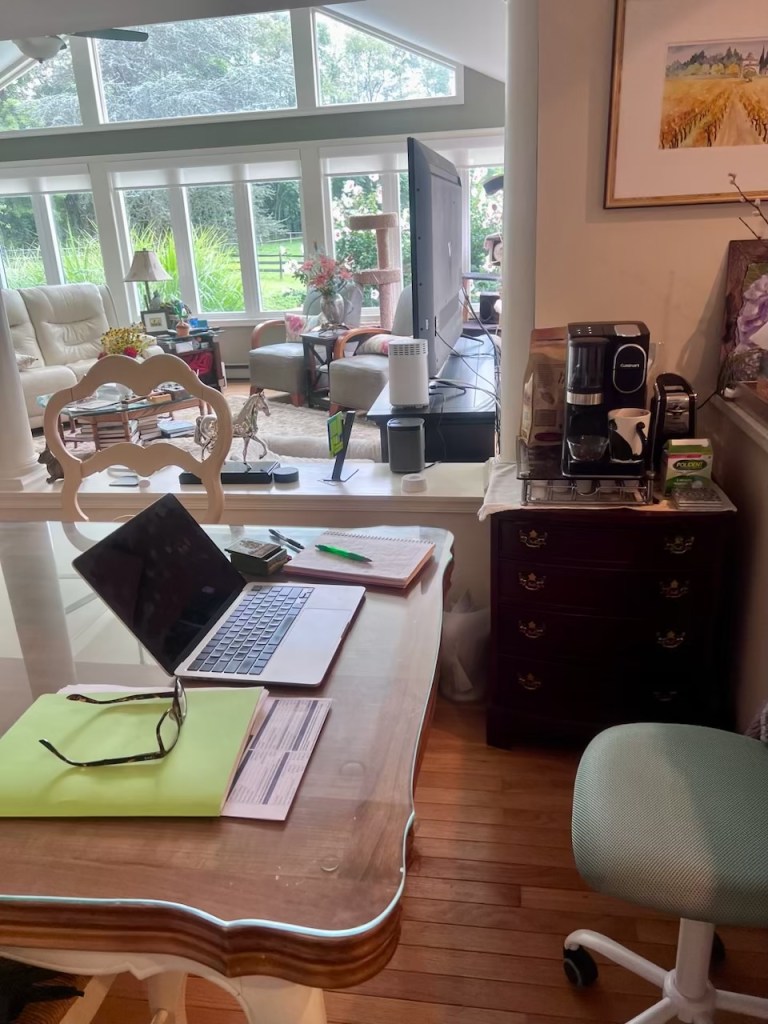
Modern dining rooms serve triple duty as home offices, meeting spaces, and entertainment centers. The same table that hosts your morning video calls transforms into homework central for the kids, then becomes the stage for weekend dinner parties. Buyers are not just looking for a place to eat. They want a command center that adapts to their lifestyle.

Casual Elegance Over Formal Stiffness
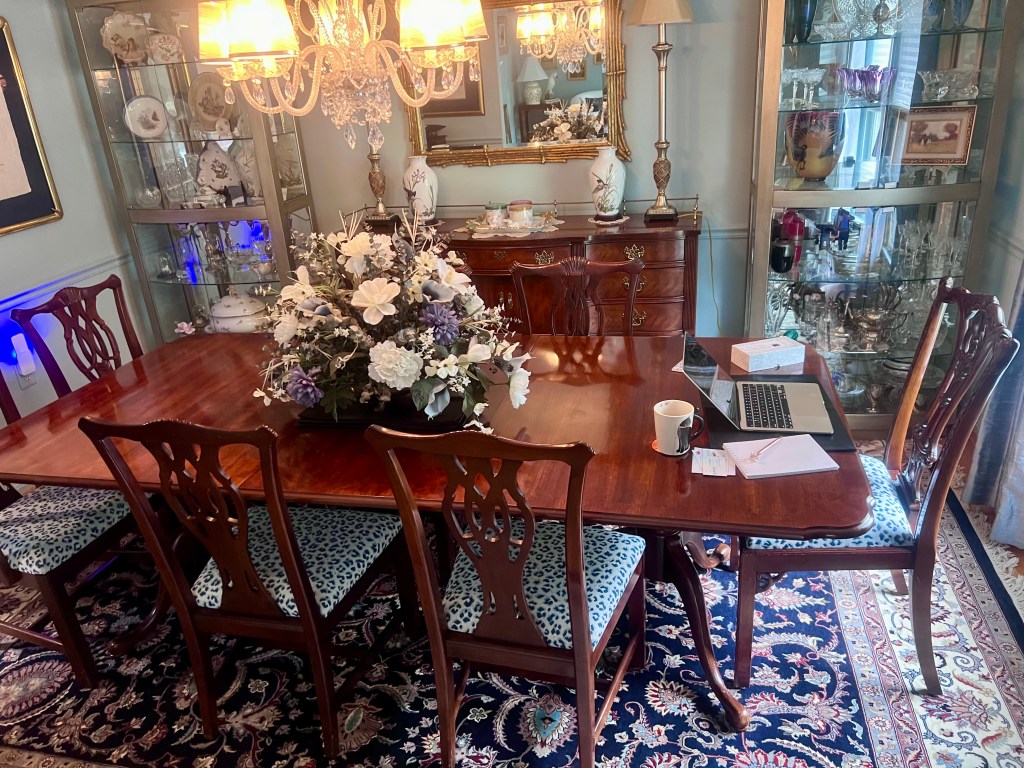
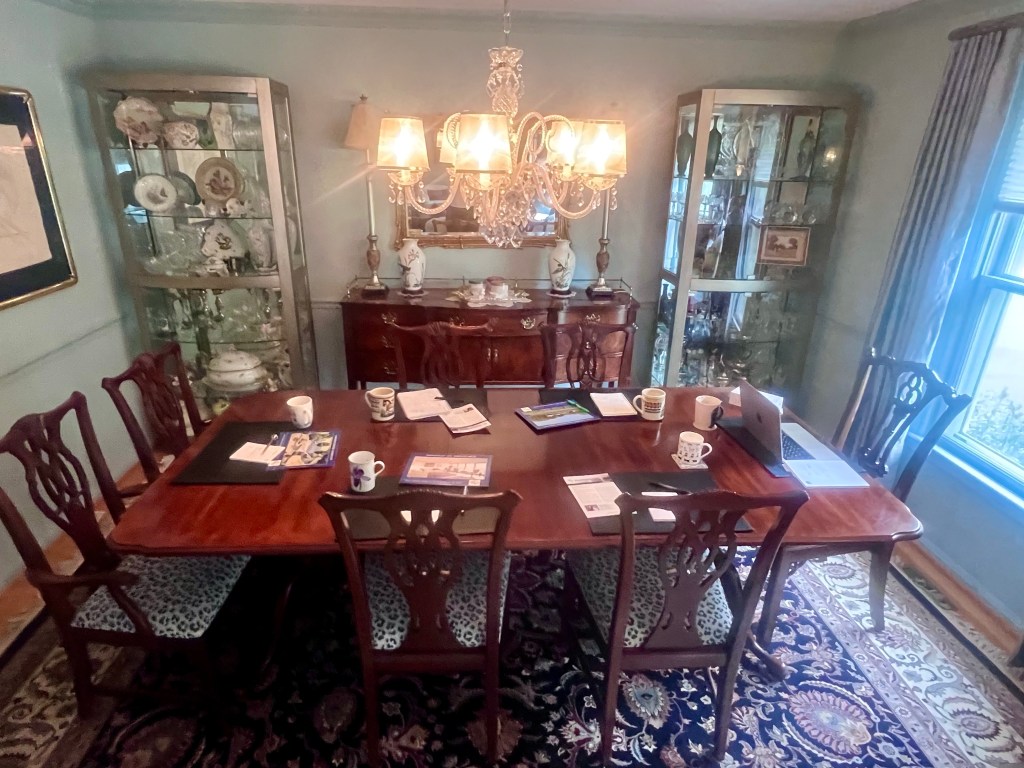
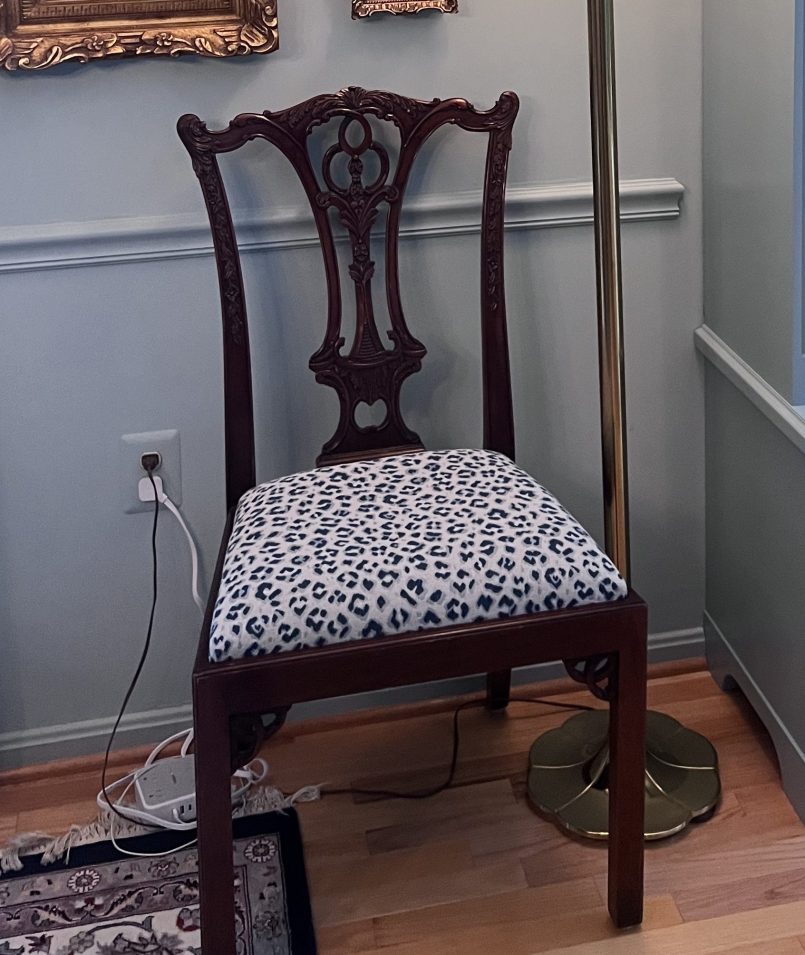
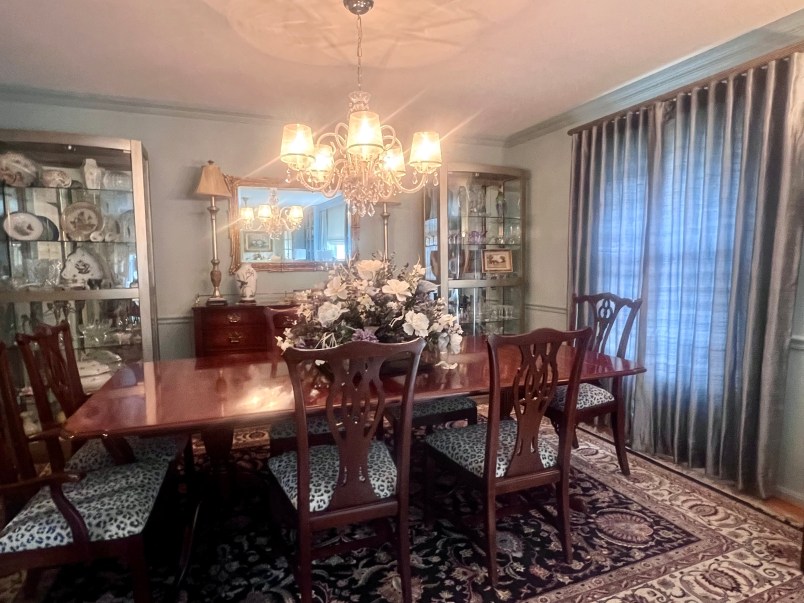
The new dining room aesthetic blends sophistication with comfort. Think mahogany tables paired with leopard print chairs, or rustic farmhouse tables dressed up with crystal chandeliers. This approachable luxury means spaces feel “put together” without being precious or untouchable. Guests can relax while still feeling like they are somewhere special.

Storage That Works
Built-in cabinets, banquettes with hidden storage, and multi-functional furniture pieces make every square foot count. These are not just display cases—they store everything from office supplies to board games to extra linens. Smart storage keeps the space flexible and clutter-free.

Kitchen Connection
The most successful dining spaces create seamless flow with the kitchen. Whether it is an open concept layout or pass-throughs, the goal is integration, not separation. Quartz countertops become natural staging areas for buffets, while islands provide casual seating for overflow guests or quick morning coffee.

What’s Out: The Single-Purpose Shrine

The Unused Formal Room
Buyers are rejecting dining rooms that only see action during holidays. Spaces that feel like furniture showrooms—complete with matching sets that nobody dares use—are unappealing. If a room does not earn its square footage, it is wasted space in today’s market.

Disconnected Layouts
Dining rooms that feel like isolated islands, cut off from the kitchen and family life, no longer appeal to buyers. People want to stay connected while cooking, not disappear into a separate room while guests sit in silence.

Inflexible Furniture
Fixed seating arrangements and furniture that cannot adapt to different group sizes or activities are increasingly problematic. Buyers want options: intimate dinners for four, homework sessions for multiple kids, or extended celebrations for twelve.

Why Dining Rooms Still Matter

Dining rooms remain crucial selling points.


The Experience Factor
Despite predictions of their demise, dining rooms remain crucial selling points—but only when they demonstrate real value. The magic happens when buyers can envision their own families creating memories: kids doing art projects while parents prep dinner nearby, multi-generational gatherings flowing naturally between kitchen and table, or friends lingering over conversation long after the meal ends.

Home Value and Market Appeal
Buyers recognize that flexible dining spaces increase a home’s entertaining capacity without requiring formal hosting skills. A dining room that can extend from intimate meals to large gatherings shows the home can handle life’s important moments. It is not about the size of the space—it is about its adaptability.

The Modern Family Hub
Today’s dining rooms function as the new family room. They are where homework gets done under good lighting, where teenagers can spread out group projects, where parents conduct business calls at a proper table, and where everyone still gathers for the meals that matter. The most successful spaces support both planned activities and spontaneous moments.

Making It Work: The Real-Life Test


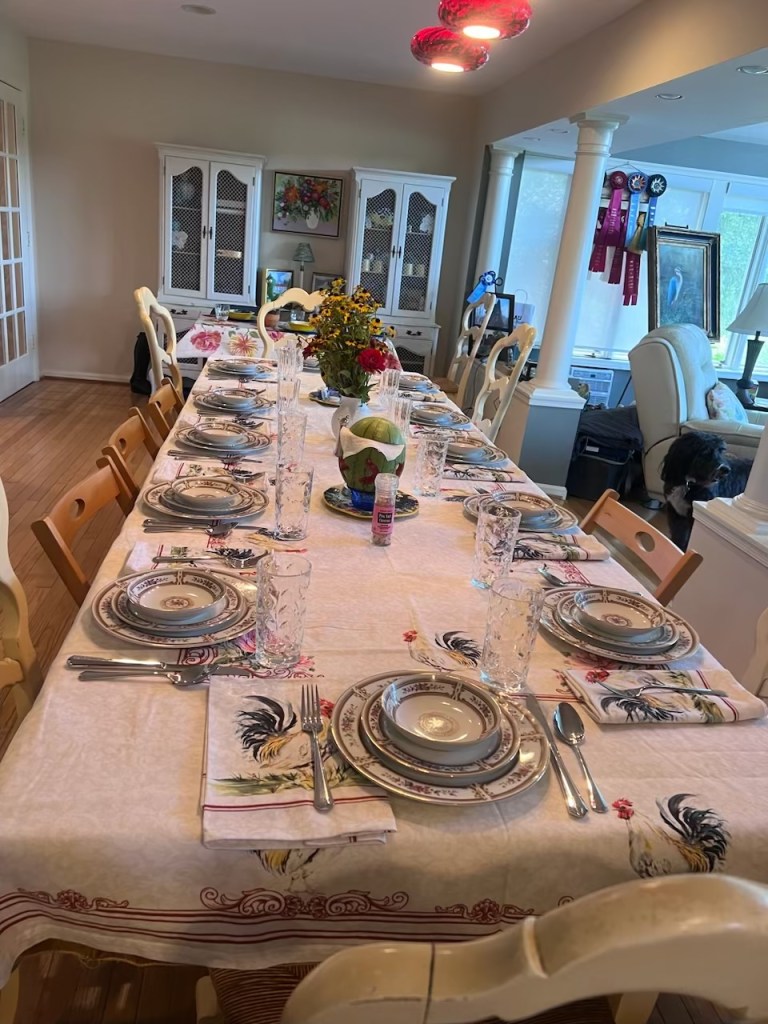
The best dining rooms pass the “real life” test. Can you carve watermelons for a family project? Host a conference call with professional lighting? Set up a kids’ craft station that will not stress you out? Transform from casual Tuesday dinner to elegant Saturday entertaining without major furniture rearrangement?

Watch what happens when spaces truly work: people naturally gravitate toward them. Teenagers willingly join conversations instead of disappearing to their rooms. Adults linger in the kitchen while dinner preparations happen around them. Multi-generational gatherings flow effortlessly between formal dining and casual kitchen areas without anyone feeling out of place.

When dining spaces can seamlessly shift from business meeting to birthday party to homework session, they prove their worth. These rooms create value not just in dollars per square foot, but in quality of life for the families who live there.

The Bottom Line for Buyers and Sellers

For buyers: Look for dining spaces that spark your imagination. Can you picture your daily routines happening here? Does the flow between kitchen and dining feel natural? Is there enough flexibility to grow with your family’s changing needs?

For sellers: Stage your dining room in action, not as a museum piece. Show a laptop open for work, some books for homework help, or a partially set table that says, “dinner’s almost ready.” Help buyers envision the experiences, not just the furniture.

The dining room that survives and thrives in today’s market is not about formality—it is about functionality with style. It is the space where life happens, just dressed up enough to make every day feel a little more special.

Looking for your perfect dining room space? Contact Properties on the Potomac today!

If you’re not already familiar with Annandale, Virginia, let me introduce you to one of Northern Virginia’s best-kept secrets. Just inside the Beltway, Annandale has this wonderful way of feeling tucked away while still being close to everything. It’s the kind of place where tall trees line quiet streets, neighbors wave hello, and parks, trails, and local eateries are never more than a few minutes away. There’s a rhythm to life here that just feels a little easier.

One of the things I love most about Annandale is how connected to nature it is. On any given day, you might find yourself wandering the shaded trails of Hidden Oaks Nature Center or spending an afternoon admiring the beautifully kept grounds at Green Spring Gardens. Mason District Park is another local favorite—with concerts in the summer, sports courts, and walking paths, it’s a true community hub. It’s not uncommon to see families picnicking, friends catching up under the trees, or someone simply taking a quiet moment to themselves.

And while the parks and greenery are a huge part of the charm, Annandale also offers incredible dining and shopping. Whether you’re in the mood for international cuisine, a cozy brunch spot, or a quick bite on the go, you’ll find it here. Independent shops, specialty grocery stores, and neighborhood markets add to the local flavor, while larger retail centers are just a short drive away.

It’s also hard to beat Annandale’s location. With I-495, Route 50, and Little River Turnpike all within easy reach, you can get to D.C., Tysons, Alexandria, and beyond without much trouble. Public transit is readily available, with plenty of Metrobus and Fairfax Connector routes. For those juggling busy lives, having that kind of accessibility is a game changer.

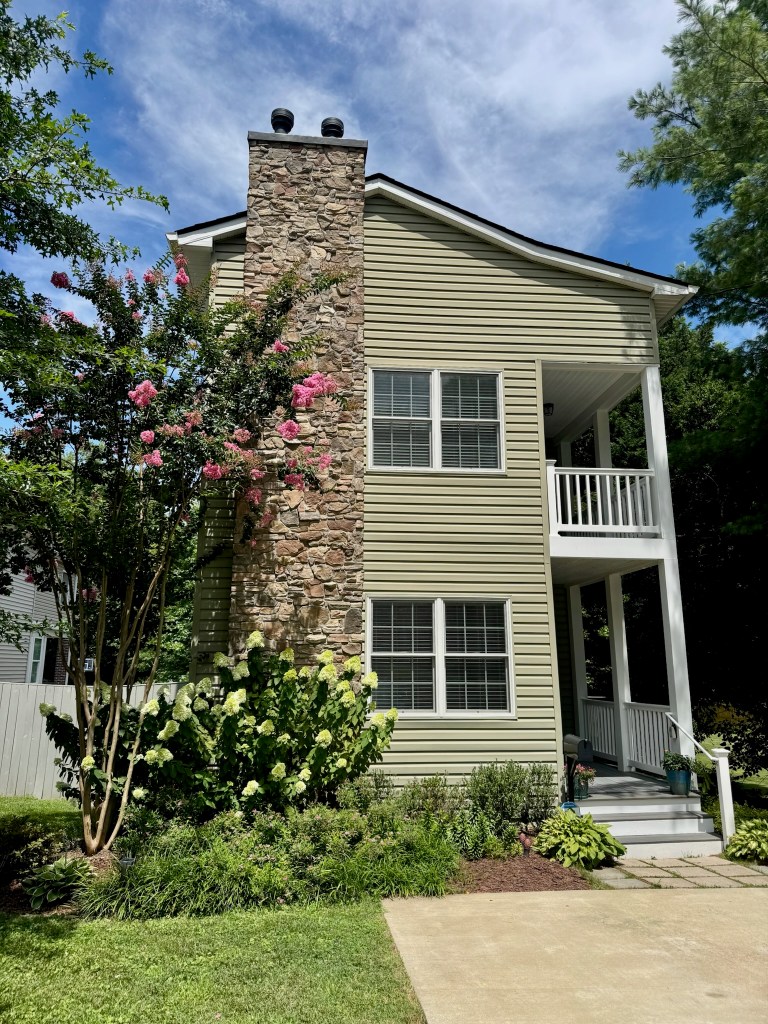
But here’s what makes all of this even better: finding a newer home in this established community is incredibly rare—especially at a price point under $1 million. That’s what makes 6436 Holyoke Drive such a standout. Built in 2016, this home offers the modern floor plan, finishes, and efficiency today’s buyers are looking for—without having to compromise on location. Most homes in this area and price range were built in the 1960s and 70s, which makes this property a true find. It’s nestled on a quiet residential street with mature trees and a beautifully landscaped yard, and the interior is just as impressive—open, bright, and thoughtfully designed for everyday living and entertaining.

6436 Holyoke was built in 2016, a rare Annandale find

If you’ve been dreaming of a newer home with the convenience of living inside the Beltway, this one is absolutely worth a look. It’s the kind of property that doesn’t come around often, and it pairs perfectly with everything Annandale has to offer.

If you’re curious about the home—or just want to learn more about life in Annandale—I’d love to chat. Sometimes, the right move starts with the right conversation.

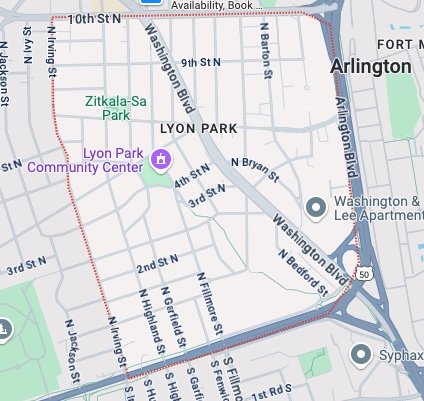
Welcome to Lyon Park, a vibrant and historic neighborhood tucked between Clarendon and Arlington Heights. Known for its charm, walkability, and strong community ties, Lyon Park is one of Arlington’s most beloved places to call home.

Lyon Park is one of the original Arlington neighborhoods and features homes spanning over 100 years, scenic parks, and playgrounds.

A Rich History

Founded in 1919 by developer Frank Lyon, this neighborhood was one of the largest planned subdivisions in Virginia at the time. With over 300 acres, it introduced a thoughtfully designed community filled with Craftsman bungalows, Colonial Revival, and Tudor-style homes that still line the quiet, tree-shaded streets today. Lyon Park is listed on the National Register of Historic Places, preserving its architectural heritage and small-town feel in the heart of a growing urban hub.

What Makes Lyon Park Special

  • Charming Homes: Architecture lovers will appreciate the character-filled houses, many dating back to the 1920s and 1930s.
  • Walkability: The neighborhood is incredibly pedestrian-friendly. You can easily walk to Clarendon’s metro, shops, restaurants, and even Whole Foods.
  • Community Spirit: Anchored by the Lyon Park Community Center, residents come together for everything from pancake breakfasts and Halloween parades to seasonal block parties and park cleanups.
  • Ideal Location: With direct access to Route 50 and Clarendon Metro, you’re minutes from downtown D.C. while enjoying the tranquility of a residential neighborhood.
  • Greenspaces Galore: Parks like Fillmore Park, Lyon Park, and the Thomas Jefferson Community Center offer plenty of places to play, relax, or get active.

Who Lives Here?

Lyon Park is home to a diverse mix of families, young professionals, longtime residents, and retirees. It’s a place where neighbors know each other, kids play freely, and there’s a true sense of belonging.

Ready to Explore?

Whether you’re house-hunting, dreaming of your future home, or just want to learn more about what makes Arlington unique, Lyon Park is worth a closer look.

Curious about listings or want to walk the neighborhood with a local expert? An experienced Properties on the Potomac agent would love to show you around!

July means long days, pool parties, backyard BBQs, and summer vacations. Vacations can be a wonderful way to relax and enjoy time with your family…but how can you ensure your home and belongings remain safe while you’re away?

Whether you’re traveling for a week or a weekend, protecting your home while you’re away can give you peace of mind—and helps you enjoy your time off worry-free. Here are 7 simple but effective tips to keep your home safe while out of town:

  1. Pause mail and packages: A pile-up of packages signals you’re not home. Use USPS’s ‘hold mail’ service or have a trusted friend or neighbor bring packages and mail in daily.
  2. Use smart lights: Schedule indoor and outdoor lights to turn on and off automatically while you’re away.
  3. Lock everything: Double-check windows, doors, and garage access before you leave. If you have an alarm, make sure it’s set.
  4. Don’t overshare on social media: It’s hard to resist the allure of posting pictures promoting your sunny beach vacation, but these posts can create more than just envy—they also alert everyone that you are not home for an extended period of time. Save the vacation posts for after you return.
  5. Alert a neighbor: A trusted neighbor who knows you are away can keep an eye on your home, alerting you or the police to any suspicious activity.
  6. Set your thermostat wisely: With no one in the house, it’s a great time to conserve energy and save money on your bill, but keep it cool enough to prevent issues like mold.
  7. Secure valuables: Hope for the best, but plan for the worst. Store jewelry, electronics, and important documents in a safe or secure location, just in case.

A little planning can go a long way towards a worry-free vacation. Enjoy your trip!

Just 30 miles west of Washington, D.C., nestled in the heart of Loudoun County, Brambleton, VA is a community built for modern living—with intentional design, walkable charm, and a strong sense of connection. Whether you’re raising a family, launching a career, or simply seeking a slower pace without giving up convenience, Brambleton offers the best of both worlds.

A Community with Vision

Founded in the early 2000s, Brambleton was designed from the ground up as a master-planned community, blending residential, commercial, and recreational spaces in a way that feels thoughtful and cohesive. Unlike older neighborhoods that evolved over time, Brambleton was built with intention: every path, park, and plaza is part of a larger vision focused on lifestyle and livability.

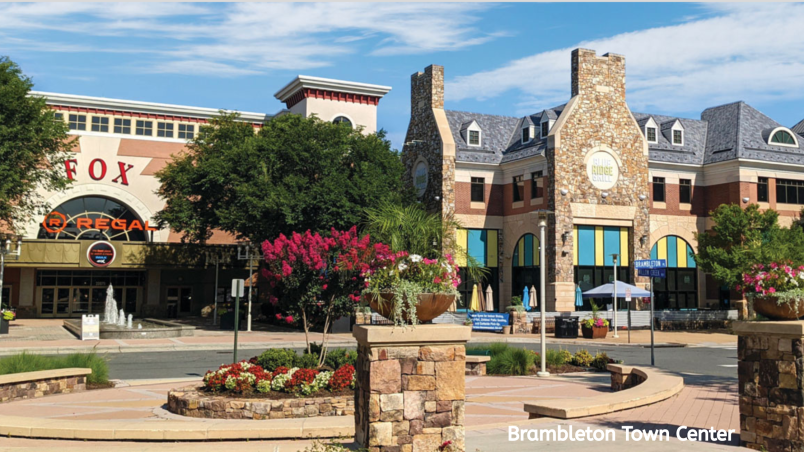
View of Brambleton Town Center featuring shops, a movie theater, and landscaped seating areas.

Why People Love Living in Brambleton

1. Community-Focused Living
What truly sets Brambleton apart is its tight-knit, neighborly atmosphere. Community events like summer concerts, farmers markets, food truck nights, and seasonal festivals turn neighbors into friends and make the neighborhood feel like home from day one.

2. Urban Convenience Meets Suburban Space
Brambleton residents enjoy easy access to dining, shopping, and entertainment—all within the community itself. The Brambleton Town Center is a local hub featuring restaurants, a movie theater, fitness studios, and more. Plus, with access to major commuter routes and the Silver Line Metro extension, getting into D.C. or Tysons has never been easier.

3. Trails, Parks & Outdoor Living
Brambleton is laced with miles of walking and biking trails that connect neighborhoods to parks, playgrounds, and natural areas. Whether you’re pushing a stroller, walking the dog, or training for your next race, the community is built to keep you moving and outside.

4. Family-Friendly & Future-Focused
From highly rated schools to modern amenities like the Brambleton Library and community pools, Brambleton is ideal for families looking to put down roots. The community’s forward-thinking design also includes high-speed fiber internet built into every home—perfect for remote work and digital learning.

5. A Variety of Home Styles
Whether you’re looking for a spacious single-family home, a sleek townhome, or a low-maintenance condo, Brambleton offers a range of options to fit your lifestyle and budget—many built with contemporary finishes and energy-efficient features.

Final Thoughts
Brambleton isn’t just a neighborhood—it’s a lifestyle destination. With its walkable design, family-friendly vibe, and thoughtful blend of nature and convenience, it’s no surprise this Loudoun County gem continues to grow in popularity.

Thinking about making a move to Brambleton? Properties on the Potomac is here to help you find the perfect place to call home in this vibrant, connected community!