Renting a storage unit can be a convenient solution when you need extra space for your belongings. However, there are some traps that renters often fall into when choosing and using a storage facility. Being aware of these pitfalls can help you avoid hassles and unexpected costs. Here are some common storage unit traps to watch out for:

Trap #1: Not Understanding the Contract Terms
Before signing a rental agreement, carefully read through all the terms and conditions. Look out for things like administration fees, insurance requirements, late payment penalties, and restrictions on what you can store. Clarify anything you don’t understand to avoid surprises down the line.

Trap #2: Not Doing the Math
Before contracting for a storage unit(s), look at what you plan to store. If you will be moving, will you want the things you plan to store? Cull out unneeded items and save money on the size of the unit you choose. That could mean several hundreds or even thousands of dollars in the long run.

Trap#3: Underestimating or Overestimating Space Needs
Cramming a unit too full will make it hard to access your belongings. This can lead to damage and waste. Overestimating will lead to overpaying for unused space. Discuss with the storage company your space and items that you plan to store.

Trap #4: Poor Unit Condition
When viewing units, inspect them thoroughly for any signs of moisture, pests, or structural issues that could damage your goods. Check that locks, lighting, ventilation, and security provisions are adequate. Don’t settle for a substandard unit.

Trap #5: Overlooking Climate Control
If you’re storing valuables, paperwork, furniture, or anything that could get ruined by extreme temperatures and humidity, opting for a climate-controlled unit can prevent damage. Weigh the extra cost against potential losses.

Trap #6: Cheap but Inaccessible
Sometimes the most affordable units are in inconvenient locations or have very limited access hours. Consider the hassle of getting to your stuff when needed. For frequently accessed storage, closer and more accessible may be worth paying a bit more.

Trap #7: Lack of Proper Insurance
Most storage companies require you to have your own insurance to cover anything stored in their units. From the outset, look into getting the right coverage amount and type of policy to adequately protect your belongings.

By doing your homework and being aware of these common traps, you can steer clear of headaches and make sure your storage unit experience is a smooth, secure, and cost-effective one.

Are you planning to sell your house and thinking of renting a storage unit to offload excess belongings? Before putting in more work and expense than might be needed, contact Properties on the Potomac at 703-624-8333 now to discuss your staging needs.

Eleanore of Aquitaine: Her Influence on Architecture and the Fireplace

Eleanore of Aquitaine was one of the most powerful and influential women of the Middle Ages. She was strong, determined, and opinionated. She got things done. She initiated a revolt against the king, her husband, in favor of her son. She was the mother of King Richard Lionheart and King John (not everyone is a winner). She rode astride and led and/or participated in the Second Crusade. At age 72, she crossed the Pyrenees Mountains in winter to select the future queen of France. She left a lasting impact on numerous aspects of European culture, including architecture and the development of the fireplace.

As Queen of France and later England, Eleanore was known for her patronage of the arts and her keen interest in architecture. She commissioned the construction of numerous castles, palaces, and abbeys throughout her domains, many of which showcased the latest architectural innovations of the time.

One of the most significant architectural features that Eleanore is credited with popularizing is the fireplace. Prior to the 12th century, most European homes relied on open hearths in the center of the room for heating and cooking. However, this design was inefficient and caused smoke to fill the living space.

Eleanore, having grown up in the sophisticated courts of Aquitaine, was accustomed to more advanced heating systems. She is believed to have introduced the concept of the wall-mounted fireplace to the castles and palaces she inhabited. This design, which featured a flue to carry smoke out of the building, allowed for better heat distribution and improved air quality.

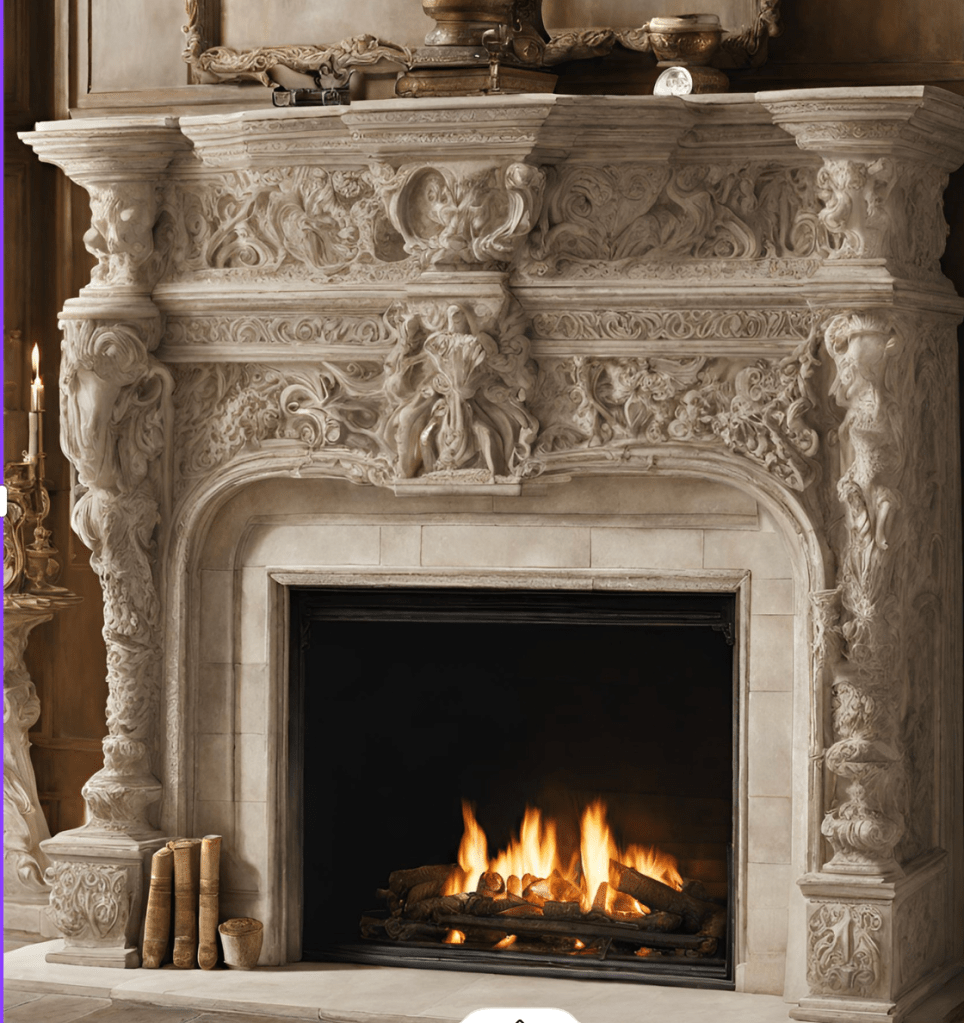
The incorporation of fireplaces into castle design became increasingly common during Eleanore’s lifetime. The Great Hall, a central feature of medieval castles, often showcased grand fireplaces that served as a gathering place for the household. These fireplaces were not only functional but also highly decorative, with intricate carvings and elaborate mantels.

Eleanore’s influence on fireplace design can be seen in many of the castles and palaces she inhabited, such as the Palace of Poitiers and the Fontevraud Abbey. The latter, where Eleanore spent her final years and was eventually buried, features numerous fireplaces throughout its buildings.

The legacy of Eleanore’s architectural innovations extends beyond her own lifetime. The use of wall-mounted fireplaces became widespread throughout Europe in the centuries that followed, evolving into the diverse range of fireplace designs we know today.

Eleanore of Aquitaine’s influence on architecture and the development of the fireplace cannot be overstated. Her patronage of the arts and her introduction of advanced heating systems to medieval European castles left a lasting impact on architectural design and the way we heat our homes to this day.

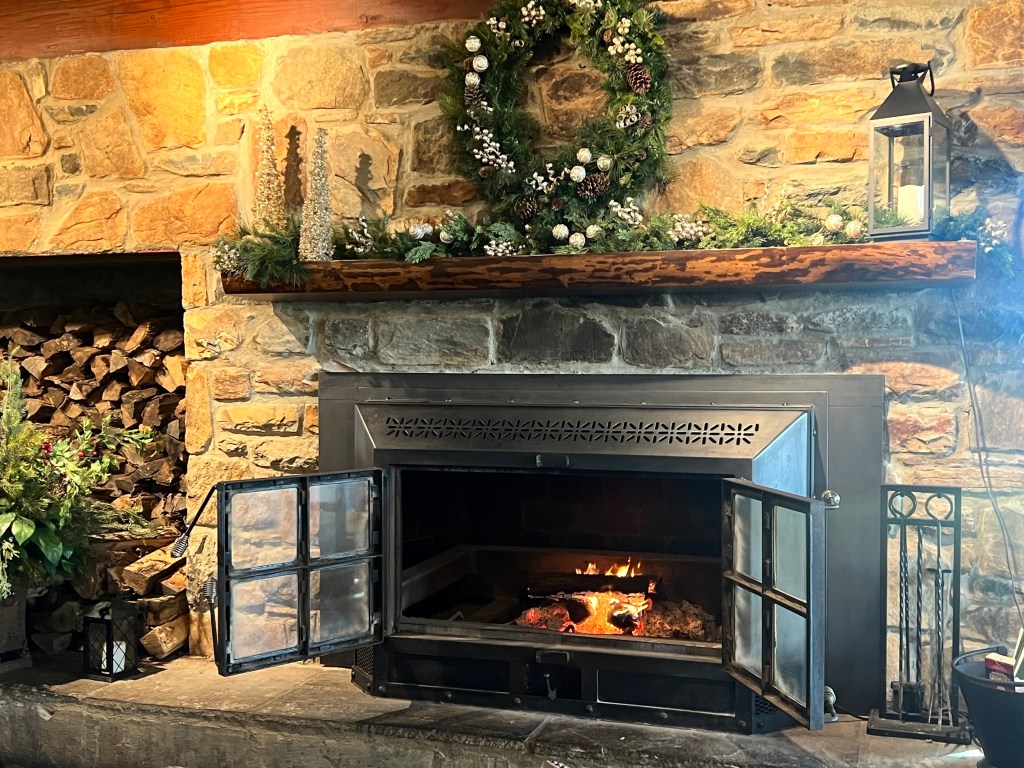
Do you dream of a home with a fireplace? Whether gas or log-burning, quaint or ornate, Properties on the Potomac can help you find your perfect fireplace. Give us a call at 703-624-8333 today!

The Visionary Architect Who Transformed Real Estate Design

Zaha Hadid, the groundbreaking Iraqi-British architect, left an indelible mark on the world of architecture and real estate design. She was dubbed, “the queen of curves,” by The Guardian. Her unique vision and innovative approach to design have influenced countless projects worldwide, from residential buildings to cultural institutions, commercial spaces, houseware, and even superyachts.

Hadid’s early work in the 1980s and 1990s showcased her bold, futuristic style. She often incorporated curved, fluid forms and unconventional geometries into her designs, challenging traditional notions of architecture. This distinctive aesthetic became known as “parametricism,” a style that uses advanced computer modeling to create complex, organic shapes.

In the realm of residential real estate, Hadid’s designs pushed the boundaries of what was possible. One notable example is the CityLife Milano Residential Complex in Milan, Italy. This development features three curved towers with sinuous balconies and a striking, sculptural appearance. The unique design not only creates a visual statement but also optimizes views and natural light for residents.

Hadid’s influence extended to commercial real estate as well. The Galaxy SOHO complex in Beijing, China, is a prime example of her innovative approach to office design. The building features four domed structures connected by bridges and platforms, creating a fluid, continuous space. This design encourages interaction and collaboration among tenants while also providing a visually stunning work environment.

Cultural institutions also benefited from Hadid’s visionary designs. The Heydar Aliyev Center in Baku, Azerbaijan, is a masterpiece of curved, flowing forms that seamlessly blend into the surrounding landscape. The building’s unique shape and materials create a sense of movement and dynamism, making it a true architectural icon. Her ability to conceptualize the ideal shape for an institution is renowned. For the Vienna University of Economics and Business Library and Learning Center, Vienna, Austria, her design was linear but connected with curves.

Hadid’s revolutionary work paved the way for greater recognition of women in architecture. Her success demonstrated that gender should not be a barrier to achieving the highest honors in the field. In 2004, she was the first woman to be awarded Pritzker Prize, since its establishment in 1979. Again, in 2015, she broke the gender barrier by becoming the first woman to win the Royal Institute of British Architects (RIBA) Gold Medal since its inception in 1848.     .

While her contributions were great, her life was cut short by a heart attack on March 31, 2016. Hadid’s legacy extends beyond her completed projects. Her philosophy and approach to design have influenced a generation of architects and designers, encouraging them to push the limits of what is possible in real estate. Her work has also raised the bar for sustainable and eco-friendly design, as many of her projects incorporate green spaces, natural ventilation, and energy-efficient features.

The impact of Zaha Hadid’s work on the real estate industry cannot be overstated. Her designs have redefined what is possible in residential, commercial, and cultural spaces, and her influence will continue to shape the built environment for generations to come. As the world continues to evolve, Hadid’s legacy serves as a reminder that innovation and creativity are essential to the future of real estate design.

Looking for your architectural masterpiece? Give Properties on the Potomac a call at 703-624-8333 today!

Dear Friends:

Change is inevitable. With over 100 combined years in the real estate industry, we have seen changes in real estate practices and lending practices. The industry has demonstrated resilience because after all, we all need a home in which to live.

This week, as you have most likely read, The National Association of Realtors has reached a settlement regarding commission practices. The agreement is subject to legal approvals and much additional negotiation. We are closely monitoring these changes and will keep you updated.

Regardless of developments, our commitment to first quality service to you and our future clients will remain unchanged. Your satisfaction and success remain our top priorities. This is a great time to contact us with any questions.

Thank you for your loyalty.

Sincerely,
Krasi & Tiffany Henkel
Properties on the Potomac, Inc.

It takes many talented people to help settle your purchase!

When it comes to buying or selling a property, choosing the right settlement agent is crucial. The settlement agent plays a vital role in ensuring that the legal transfer of property ownership goes smoothly. Here are five compelling reasons why you should be very selective when choosing your settlement agent:

1. Expertise and Experience
Not all settlement agents are created equal. It’s essential to select a settlement agent who has a proven track record of success and extensive experience in the real estate industry. An experienced agent will have a deep understanding of the complex legal processes involved in property transactions and will be able to navigate any potential obstacles that arise.

2. Attention to Detail
The transfer of property ownership involves a significant amount of paperwork and legal documentation. A single mistake or oversight can lead to costly delays or even legal disputes down the line. When choosing a settlement agent, look for someone who is meticulous and thorough in their work. They should have a keen eye for detail and be able to catch any potential errors or discrepancies in the documentation.

3. Communication and Responsiveness
Buying or selling a property can be a stressful and emotional process. It’s important to choose a settlement agent who is an effective communicator and is responsive to yours and your agent’s needs and concerns. They should keep everyone informed at every stage of the process and be available to answer any questions. A settlement agent who is difficult to reach or fails to keep everyone updated will add unnecessary stress and anxiety to a challenging process.

4. Reputation and References
Before selecting a settlement agent, speak with you real estate agent about their recommendations and experience. We vet all services carefully.  Our sources have a solid reputation and positive track record. At Properties on the Potomac, Inc. the settlement agent has a single point of contact for our clients to expedite and streamline the process.

5. Cost and Value
While cost should not be the determining factor in choosing a settlement agent, it is still an important consideration. Settlement agents charge a fee for their services, which can vary depending on the complexity of the transaction and the level of service provided. When comparing settlement agents, look for someone who offers a fair and transparent fee structure. Title insurance is an important determinant in selecting the settlement agent. Keep in mind that the cheapest option is usually not  the best choice, as they may cut corners or lack the necessary expertise to handle your transaction effectively.

Since 2006, many of our clients have closed their property purchases with Highland Title. Through the years, we have formed a tight team of professionals who look out for our clients’ best interest through careful review, prompt attention to issues that could come up, and professional resolutions so that all parties in the transaction are protected. This week, we celebrated their 25th anniversary!

In selecting a settlement company, as in selecting the agent to represent you, choose to work only with top professionals who will represent your best interests. If you are planning a real estate purchase, contact Properties on the Potomac at 703-624-8333 today! Once we find you the right property, we can help you chose your settlement company.

By Krasi Henkel

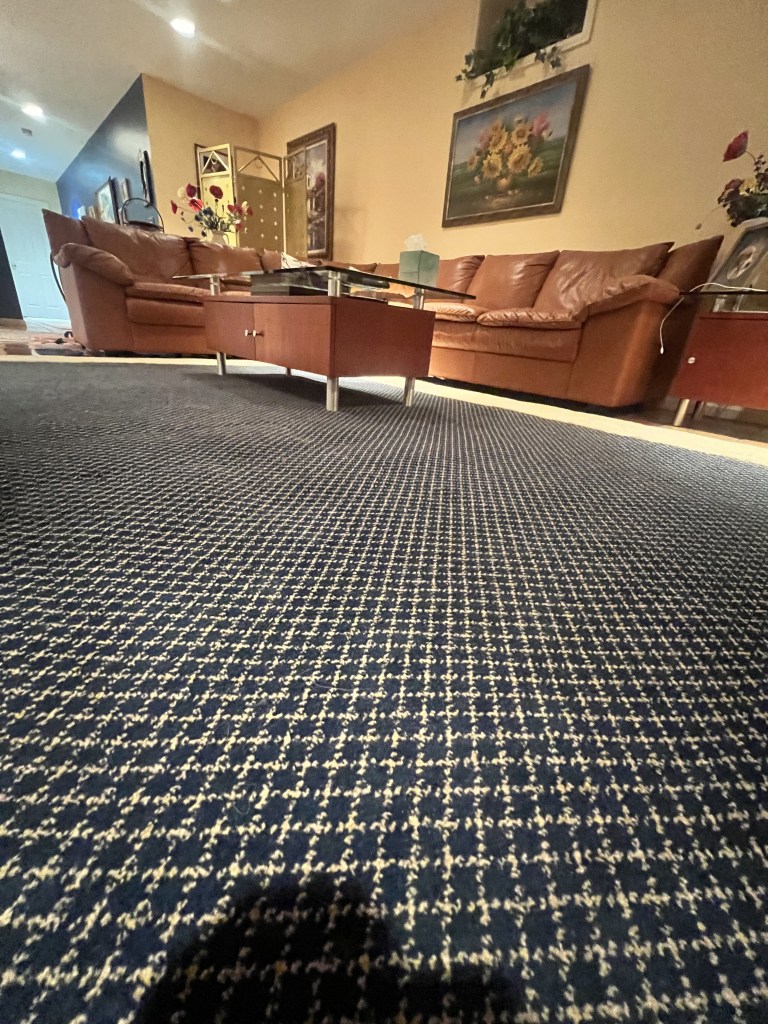
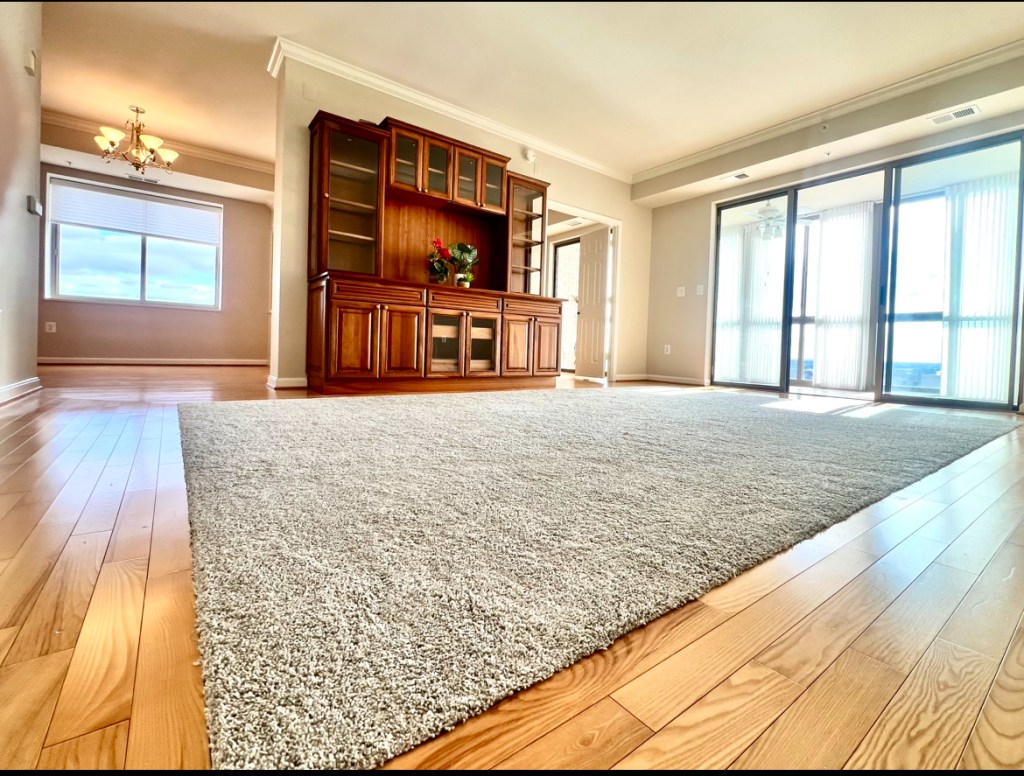
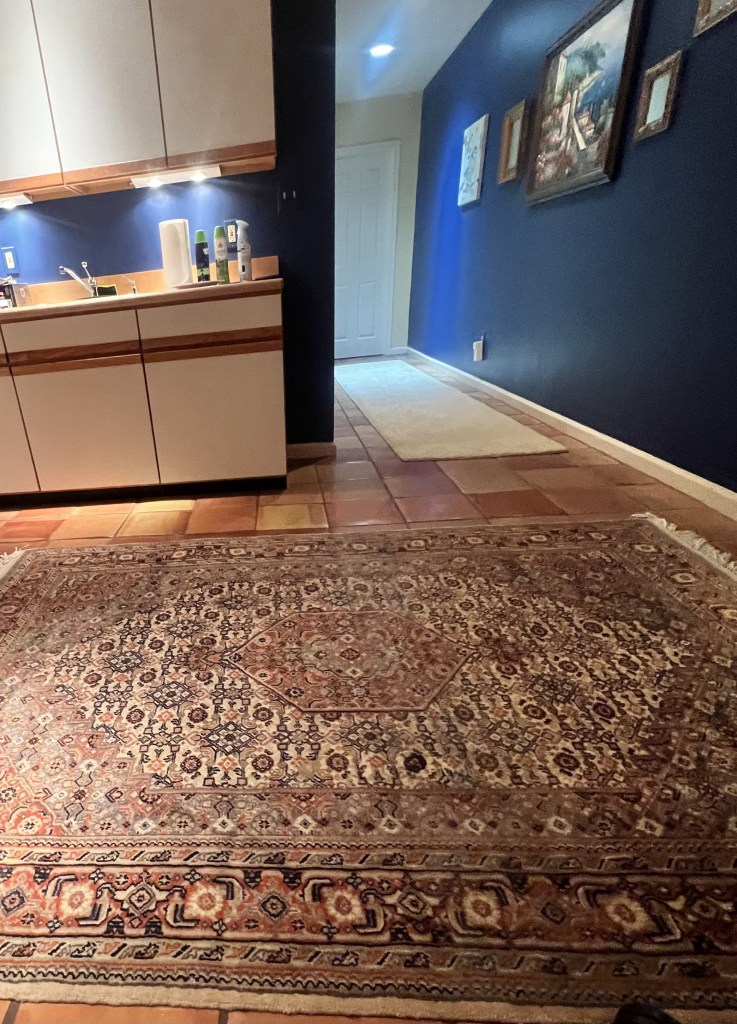
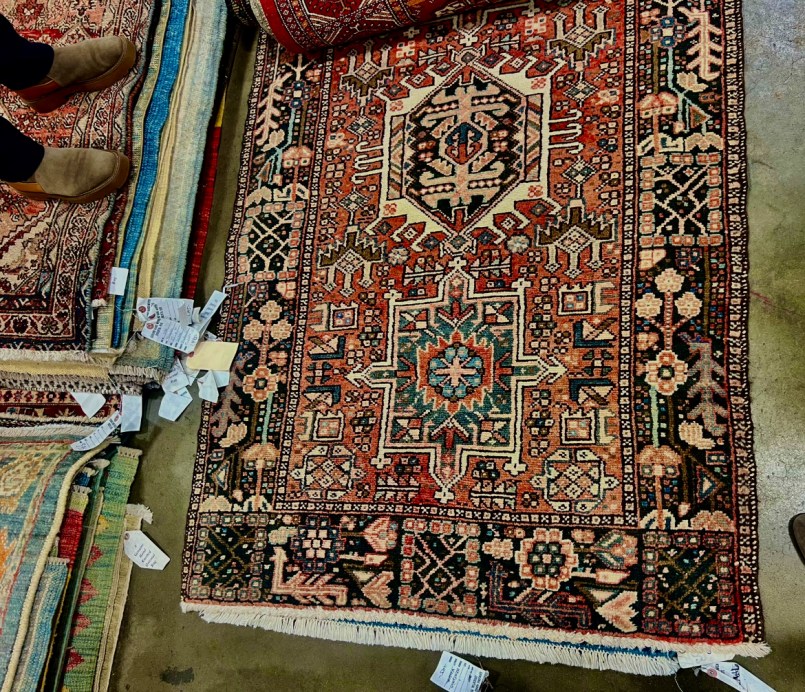
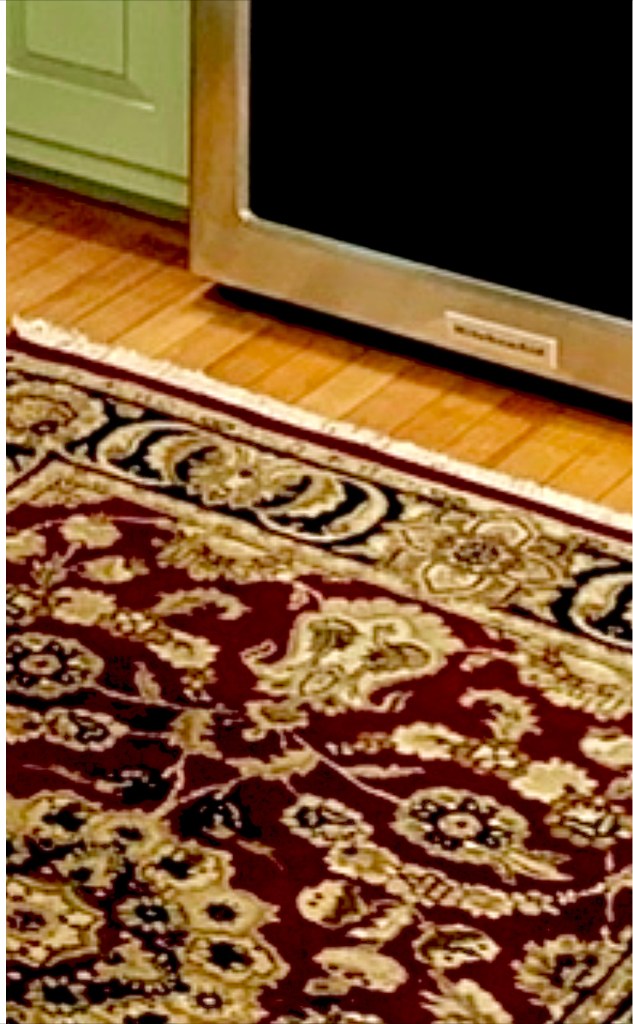
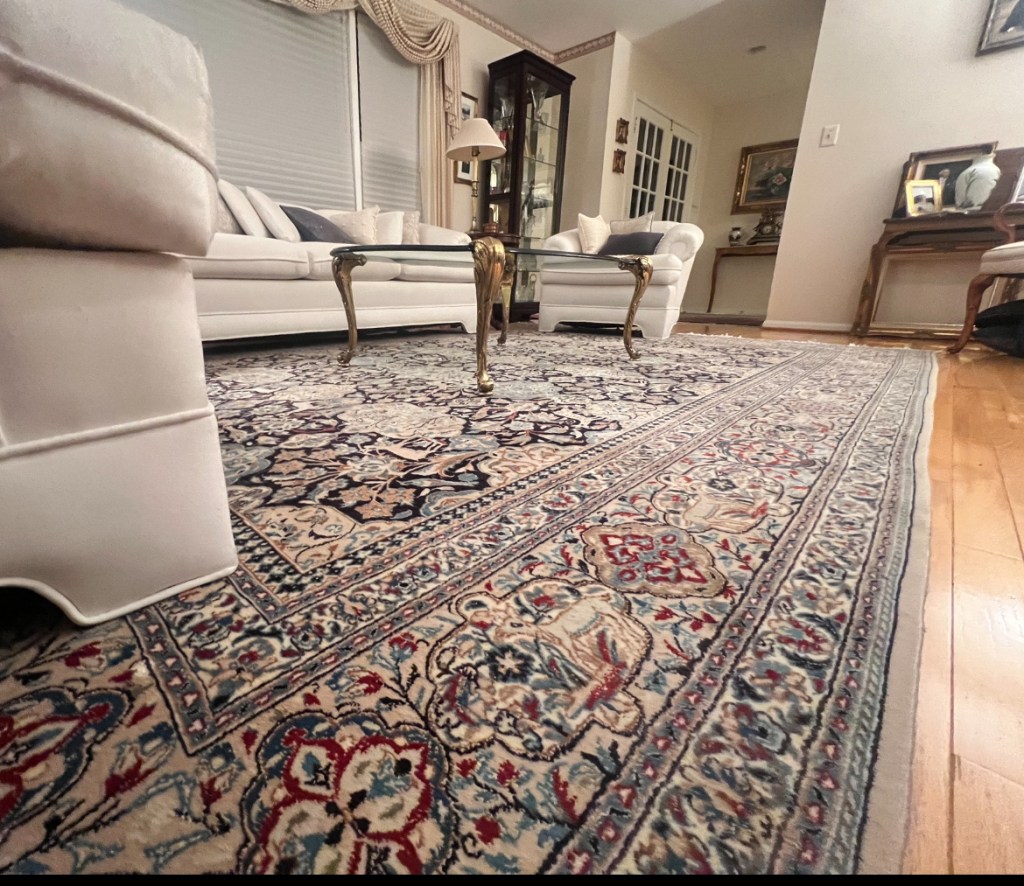
When it comes to creating a warm, inviting atmosphere in your home, few decor elements can make as significant an impact as a beautiful rug. Whether you’re looking to add a touch of luxury to your living room, define spaces in an open-concept layout, or simply inject some personality into your bedrooms, the right rug can work wonders. In this blog post, we’ll explore the benefits of incorporating beautiful rugs into your home decor.

1. Define and Anchor Spaces
In open-concept living areas, rugs can be used to define separate spaces and create distinct zones for different activities. By placing a rug under your dining table or in your living room seating area, you can visually anchor the space and create a sense of intimacy without the need for physical barriers.

2. Add Warmth and Comfort
Hardwood and tile floors can be cold and uninviting, especially during the cooler months. Adding a plush, cozy rug can instantly make a room feel more welcoming and comfortable. Not only do rugs provide a soft surface for your feet, but they also help to insulate the room, making it feel warmer and more inviting.

3. Inject Color and Pattern
Rugs offer an excellent opportunity to introduce color, pattern, and texture into your home decor. If you have a neutral color scheme, a boldly patterned rug can add visual interest and become a focal point in the room. Alternatively, if your space already features vibrant colors, a rug in a complementary hue can help to tie the look together.

4. Protect Your Floors
In high-traffic areas of your home such as entryways and living rooms, rugs can help to protect your floors from wear and tear. A durable, well-made rug can withstand the daily use and abuse of family life, while also catching dirt and debris before it can be tracked throughout your home.

5. Showcase Your Personal Style
Rugs come in an endless array of styles, colors, and materials, making it easy to find one that reflects your personal taste and complements your home’s overall aesthetic. Whether you prefer a traditional Persian rug, a modern geometric design, or a bohemian-inspired kilim, there’s a rug out there that will perfectly express your unique style.

Incorporating beautiful rugs into your home decor is a simple yet effective way to elevate your space and create a warm, inviting atmosphere. From defining spaces and adding comfort to injecting color and showcasing your personal style, the benefits of rugs are numerous. Planning to put your house on the market but are not sure what to do with your rugs? Call Properties on the Potomac at 703-624-8333 and let’s make a plan to include your rugs in your “staging” prep.

by Krasi Henkel

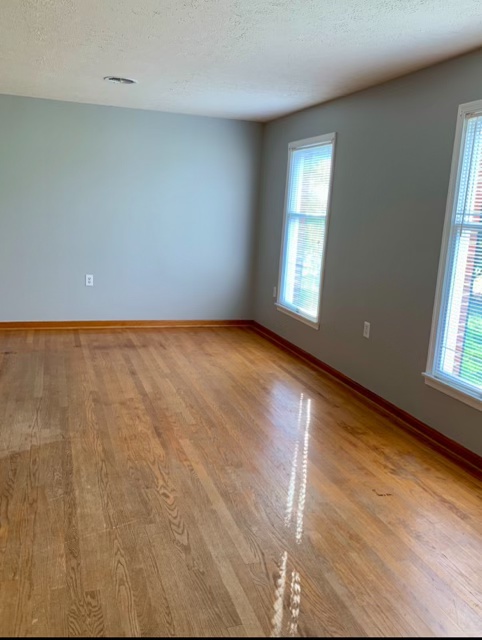
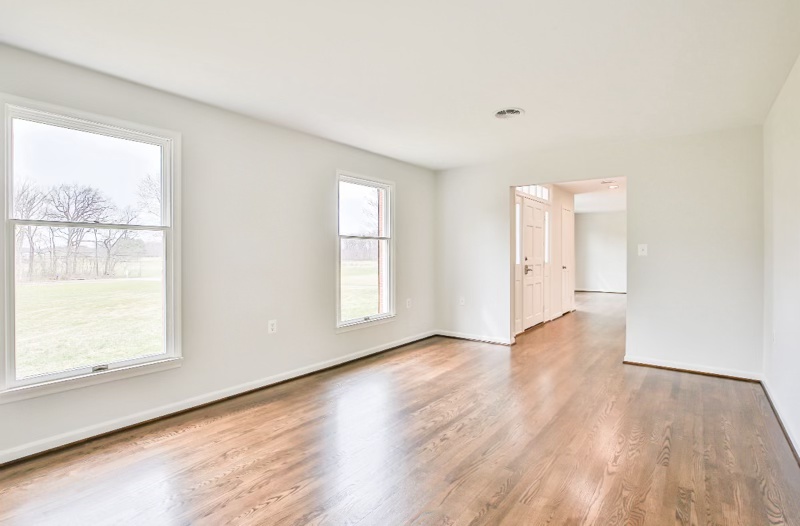
Hardwood floors are timeless. Case in point: this room with the same flooring, 57 years apart!

As a small child, I lived in a European city, in an apartment with parquet floors covered by Persian carpets. You can imagine my surprise when I first saw the dirt floors in my great-grandparents’ farmhouse. I thought that it was primitive that a house would have earthen floors, although they were perfectly even and spotless!

Floors always catch my attention. Over my lengthy real estate career, I have witnessed flooring fads appear and become obsolete. One style seems to persist: hardwood floors. 

In the 1980s, hardwoods emerged for formal living spaces, with tile in foyers, kitchens, and baths. The late 1990s and 2000s brought a laminate vogue, but laminates sounded hollow and were water-prone. Today, we have luxury vinyl planks (LVP) resembling wood grain minus the hollow feel of the laminates.

Most of my clients seem to prefer hardwood floors. Why? Hardwood floors provide adaptability. They are a neutral canvas that invites rugs, furnishings, and varied décor. Even if refinished every 10-15 years, quality hardwoods can last 50+ years.

In contrast, carpets don’t stand the test of time. After 20 years, I replaced wall-to-wall carpeting in my last bedroom. I found the padding had deteriorated to dust. On the surface, the carpet looked perfect. Padding deterioration is one reason that carpets are blamed for allergens and irritants.

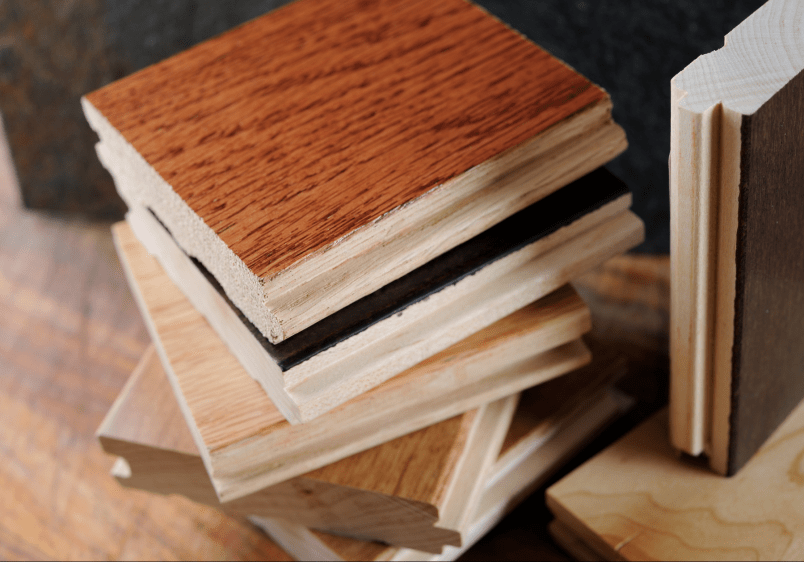
Hardwood floors offer flexibility and diversity. Nicks and scrapes can be repaired and colors can be altered. Planks can be replaced or inserted for remodeling and with proper refinishing, will look untouched. Historic residences display pine or oak floors after centuries. Unlike trends that become outdated, hardwood endures.

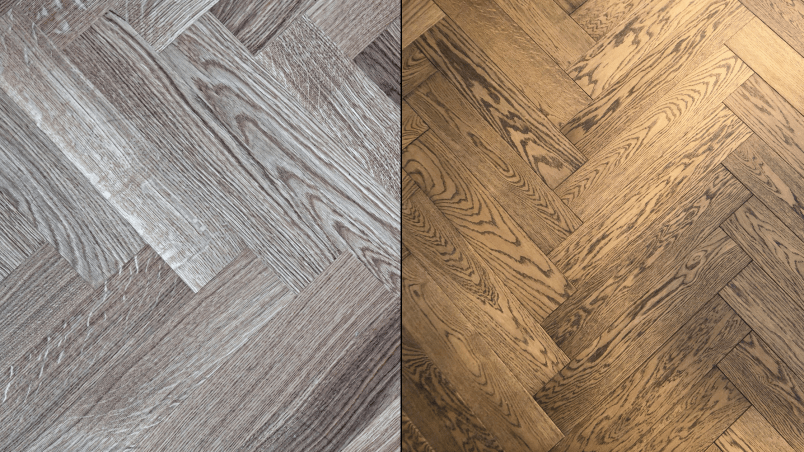
A herringbone parquet pattern is always in style

Considered the “little black dress” of flooring, classic hardwood floors are the base elevating your unique style. As evening gowns over proper foundations, your walls, furniture, and accents will draw the gaze — not your “basics.” 

In selecting floors for a new build, remember that typically only two to three feet of floors remain visible after furniture and rugs. You can save thousands by making smart selections in favor of a classic floor and guard against the impulse for exotic woods, patterns, or unique plank widths. What about scuffs, heels, and pets? Those show that people live and enjoy there. Patina.

One question often arises: whether finished-in-place or pre-finished floors are preferable. That depends. Today’s pre-finished floors offer extensive protective coating making them very durable with pets and children. The smooth elegance of finished-in-place floors is hard to pass up, but again, only small sections are visible. That is a personal choice with minimal cost difference.

The bottom line: staying with classic hardwood flooring will save money and prevent future refuse (in the form of old, out-of-style carpet.) With a look toward the future, keeping your hardwood floors while modernizing the decor above them will save you thousands.

In the market for a home with classic hardwood flooring? Give Properties on the Potomac a call at 703-624-8333 to help you find your perfect flooring canvas!

Properties on the Potomac has had MANY successful (and happy!) clients

Properties on the Potomac has helped countless clients buy and sell homes. Over the years, we’ve noticed some common traits and habits that the most successful homebuyers and sellers exhibit. If you want to set yourself up for real estate success, here are 6 traits our clients share:

  1. They know their numbers. Successful buyer clients understand their finances. They know their credit scores, debt-to-income ratios, and how much they can comfortably afford. Successful selling clients understand the market and follow our pricing advice.
  2. They are realistic about timing. Our successful clients realize that buying or selling a home takes time. They start the process well in advance of when they need to move.
  3. They know what they want. Successful clients have clear “must haves” and “would like to haves” prioritized for their home search. Our selling clients have clear goals for their sale.
  4. They declutter and clean. For sellers, our most successful clients thoroughly declutter and clean their home before listing. They follow our recommendations for “facelifts” to optimize their returns. This helps showcase the property and helps buyers envision living there.
  5. They trust their agent. Successful clients lean on their agent’s expertise. They understand we’re looking out for their best interests through every step.
  6. They stay calm through challenges. Even if issues arise, successful clients take problems in stride. They stay focused on their goals.

If you cultivate these habits and mindsets, you’ll be well on your way to real estate success. Give Properties on the Potomac a call at 703-624-8333 to help make your real estate dreams a reality. With over 100 years of combined experience in the DC area, we bring our clients nothing but the best!

By Krasi Henkel

February is often seen as a downtime for gardeners in many parts of the country. While your landscape may still be dormant, there are still important tasks that need to be completed before spring arrives. Here are 5 things every gardener should be doing this month:

1. Prune Trees, Shrubs and Vines

Late winter is the best time to prune many trees, shrubs, and vines. Pruning not only maintains the desired size and shape, but it also removes dead or damaged branches which can invite disease and pests. Focus first on spring-flowering plants like forsythia, lilacs, and flowering quince. Those that bloom later in the season can be pruned a bit later.

2. Get a Jump on Weed Control

Weeds will begin germinating as soon as temperatures begin to rise. Get a head start on curtailing them by applying pre-emergent herbicide early in the month. This will help prevent many annual and perennial weeds from taking over flower and vegetable beds once spring growth resumes.

3. Test and Amend Your Garden Soil

Now is the perfect time to get your soil tested through your local extension office or purchase an at-home testing kit. Testing will tell you the pH of your soil, as well as macronutrient levels and recommendations for amendments to correct any deficiencies. Preparing your soil now means your plants will thrive once planted.

4. Sow Cool Weather Crops

Toward the end of February, you can start certain hardy vegetables inside for an early spring harvest. Vegetables like cabbage, broccoli, cauliflower and onions can be started indoors 6-8 weeks before your last expected frost date. Check seed packets for more specifics on starting times.

5. Plan and Prepare for Spring Planting

Finally, use February to make plans for the upcoming growing season. Order seeds, map out your vegetable garden layout, and clean and sharpen tools. Planning ahead will make you ready to hit the ground running once planting season officially begins.

Even though the garden may still be frozen, February is a pivotal month for getting set for spring. Completing winter garden maintenance and preparation now will ensure your yard and garden are primed for vigorous growth in just a couple short months.

Looking for a home with the perfect garden? Properties on the Potomac can help you find your outdoor oasis. Give us a call at 703-624-8333 now!

By Krasi Henkel

Ranch-style homes have been a popular choice for decades thanks to their practical single-story layouts and flexible spaces. While some home buyers may overlook older ranch houses in favor of newer construction, these modest homes actually offer great opportunities. With some creativity and wise investments, you can remodel a ranch house on a budget.

The Benefits of Buying an Older Ranch:

  • Mail level primary bedroom(s)
  • Mature trees and landscaping
  • Established neighborhoods
  • Lower property taxes
  • Good value per square foot
  • Flexible floor plans
  • Hardwood floors or solid mid-century materials

The Blank Canvas:

The simple shapes of ranch homes make them perfect blank canvases to incorporate modern style. Minor changes can make ranch homes feel fresh and new without blowing the budget. Consider these economical updates:

  • New paint in contemporary hues
  • Swap dated lighting for streamlined fixtures
  • Replace builder-basic kitchens and baths with IKEA systems
  • Refinish hardwood flooring hidden under outdated carpeting
  • Knock down walls to create open-concept spaces
  • Add an addition

Big Style for Small Budgets

You don’t need expensive materials to give a ranch home an interior facelift. Use these design insider tips:

  • Shop for unique vintage details
  • Use bold wallpaper or paint instead of new cabinets
  • Stain concrete floors for an industrial look
  • Upgrade windows and patio doors even if you keep other structural elements

The single-level living and unused basement or attics in ranch homes present opportunities for expansion or converting unused areas into rental units for extra income.

Addition to a ranch home provides tall, open spaces with abundant views

Take a fresh look at older ranch houses. With an updated exterior paint color, strategic refreshes indoors, and your own custom vision, you can personalize a home to suit your needs and style for less than you might expect. The charm and practicality of ranch homes continue to win over buyers who see their outstanding potential.

One of my favorite ranch homes in a subdivision that I have sold many ranches and that I love to walk my dog!