Take a Close Look Today

by Krasi Henkel

Cold weather changes the rhythm of our homes. We shift from open windows and outdoor evenings to warm fireplaces, hot tea, and the satisfying quiet of a winter night. Yet winter requires more than comfort. It asks that we protect what protects us. A thoughtful checklist now prevents emergencies later.

Protect Pipes from a Cold Night

Few things interrupt a peaceful winter evening like a frozen pipe. When water turns to ice, it expands and can burst pipes behind walls or beneath floors. The damage is both expensive and preventable.
Insulate exposed pipes in garages and crawl spaces. Keep interior temperatures steady, especially overnight. If you plan to be away, leave the heat set above fifty-five degrees. A winter night is no time for the house to fend for itself.

Ice Dams and Rooflines

Snow on the roof is picturesque until warm air beneath melts it, and it refreezes at the eaves. The ice forms a dam, and water has nowhere to go except beneath shingles. It is the hidden kind of problem that appears in March when ceilings become discolored.
Proper attic insulation and ventilation keep temperatures uniform. Clean gutters before the first snowfall, and if heavy snow arrives, use a roof rake from the ground. Let the roof stay cold. That is the goal.

Walkways and Concrete Surfaces

Salt seems like a winter necessity until one remembers that salt breaks down concrete. Over time, it erodes driveways and walkways. The better approach is calcium magnesium acetate or similar products that are kinder to surfaces.
The real secret is prompt snow removal. The less ice forms, the less melting product you need.

Doors, Windows, and Storm Doors

Winter air knows how to slip inside. A loose latch or worn weather stripping can make a room feel twenty degrees cooler.
Take a moment when you close storm doors. Listen for the latch. Check windows and sliding doors for small gaps that invite drafts. Replace worn seals. Secure latches. These are small details that make a noticeable difference on a January morning.

Fireplaces, Embers, and a Cautionary Note

A winter fireplace is one of life’s quiet luxuries: a chair nearby, a warm beverage, and the comfort of real heat. Yet fireplace ash carries a danger many homeowners underestimate. Hot embers can remain active for hours.


Never dispose of them outdoors or in the yard. A breeze can reignite ash and send embers toward siding, mulch, or wood structures. Always place ashes in a metal container with a lid, kept away from the house, until fully cooled. It is a simple precaution that prevents a house fire while everyone is asleep.

Winter Should Be Enjoyed

The purpose of preparation is not worry. It is confidence. Once the essentials are handled, winter can be what we hope it will be: evenings by the fire, comfort in familiar rituals, and the quiet pleasure of knowing the house is ready.

Here’s to enjoying the season prepared and protected.


Mold Can be a Silent Contagion

By Krasi Henkel, Broker

This is the season when we spend more time indoors and our doors and windows remain closed for longer periods.

I am deathly allergic and toxic to mold. A three second exposure can make me ill for weeks and even months. I often laugh with my buyer clients that I am the official “mold meter” when we look at houses. There have been times that I detected mold even before opening the front door. I share my experience with my clients, and we leave as quickly as possible. Sick houses can be cleaned. My clients need not be the ones to do that.  

Not everyone smells or reacts to mold. I believe that educating my clients is paramount. No sale is worth illness and maladies. I would rather walk away than knowingly let my clients buy into malaise, illness, and even life-threatening accidents. A mold reaction caused me to fall from my horse, breaking my ankle. My life changed. I have not been the same ever since.

While everyone has varying levels of reaction, if any, to mold in a property, it is important to understand how mold develops and where it can grow. It is not always the old basement, although it quite possibly can be. With weather changes and moisture changes, below is a list (not comprehensive but suggestive) where mold can grow:

  • Window casings and drywall around them
  • Doors – under sill plates and around the frames on the drywall
  • Under sink base cabinets
  • Under dishwashers
  • Under washing machines
  • Under HVAC condensate lines
  • Inside HVAC air handlers
  • Behind and under refrigerators (even those without water sources)
  • Bathrooms
  • Basements – under floors, wall bases, even ceilings
  • Your car!!

What can you do to prevent mold from taking root in your home or car?

  • Inspect window caulking regularly – recaulk as needed
  • Check door sill plates – especially at decks and patios
  • Look under sinks – look for evidence of moisture – attack and remediate
  • Look under your dishwasher for evidence of water and mold signs
  • Look under and behind washing machines
  • Have your HVAC serviced and inspected semi-annually – ask your tech to look for evidence of leakage and mold
  • Pull your refrigerator out – inspect the floor
  • Run the exhaust fan in your bathrooms while showering to prevent condensation build-up
  • Confirm that bathroom exhaust fans are operating properly
  • Change the air filter in your car
  • Keep all HVAC filters clean

Here are a few unsettling facts that I recently discovered:

  • Drywall in its manufacturing process has imbedded mold spores
  • Mold loves drywall. That is why after a water incursion event, mold grows on drywall very quickly.
  • New home construction can “build-in” mold during the construction process by allowing materials to get wet.
  • Your car’s trunk gasket can be allowing water incursion and harboring mold
  • Your car’s air filter can get damaged by mice – their deposits can sprout mold
  • Your car’s AC can leak into your dash – mold can sprout

These lists are just a few of the mold issues that can develop over time or quickly.

Mold has been associated with chronic fatigue syndrome, headaches, upper respiratory ailments, even ‘colds’ could be reactions to mold.  Do not be lulled into security by a ‘new house.’

Last year, I walked through our basement bedroom for a split second. That was long enough for me to get sick. It lasted through January. Where was the mold? Our basement bath exhaust fan had stopped exhausting but sounded to be running just fine. My husband likes the shower there. The moisture from the shower traveled to the far corner of the room, settled on the cold tile floor under a night table, and sprouted a quarter-sized spot of mold.

As a precaution – I had the exterior walls’ drywall removed – luckily – all was dry including studs and base framing. The tile was dry with no evidence of water. I called a waterproofing company – they tried to sell me a $50,000 remediation system.

I decided to call on the home inspector who inspects my clients’ home purchases. He came armed with a moisture meter. He found none. Then, he suggested laying down and sealing a vapor barrier plastic sheet like that of a crawl space. He told us to leave it down for 7-10 days. If at the end of the period, there was moisture under the barrier – there is a water problem. If none, then it was a condensation problem. Luckily, it was the latter.

Our brilliant contractor figured out that the exhaust fan was not extracting the condensation. In with a new fan and lots of cleaning – all is well.

However, this episode required that I discard the entire contents of the room. I had my brand new furnace thoroughly cleaned and disinfected. Mold spores are airborne and had certainly settled on all fabrics and furnishings. All because an exhaust fan had malfunctioned. On that note – ask questions about the history of any resale furnishings that you are considering buying. Have you ever smelled mustiness in antique drawers . . . ?

Mold is toxic and for those who are sensitive, each episode increases that sensitivity and the reactions.  While I am not a mold expert, here is a link to mold and its remediation on YouTube.  The mold conversation begins around the 3 minute mark. It is a little long but could save you years of misery.

If you have questions or need resources, contact Krasi Henkel – TEXT – 703-624-8333. If you are planning to buy your next home, Text Krasi.

July means long days, pool parties, backyard BBQs, and summer vacations. Vacations can be a wonderful way to relax and enjoy time with your family…but how can you ensure your home and belongings remain safe while you’re away?

Whether you’re traveling for a week or a weekend, protecting your home while you’re away can give you peace of mind—and helps you enjoy your time off worry-free. Here are 7 simple but effective tips to keep your home safe while out of town:

  1. Pause mail and packages: A pile-up of packages signals you’re not home. Use USPS’s ‘hold mail’ service or have a trusted friend or neighbor bring packages and mail in daily.
  2. Use smart lights: Schedule indoor and outdoor lights to turn on and off automatically while you’re away.
  3. Lock everything: Double-check windows, doors, and garage access before you leave. If you have an alarm, make sure it’s set.
  4. Don’t overshare on social media: It’s hard to resist the allure of posting pictures promoting your sunny beach vacation, but these posts can create more than just envy—they also alert everyone that you are not home for an extended period of time. Save the vacation posts for after you return.
  5. Alert a neighbor: A trusted neighbor who knows you are away can keep an eye on your home, alerting you or the police to any suspicious activity.
  6. Set your thermostat wisely: With no one in the house, it’s a great time to conserve energy and save money on your bill, but keep it cool enough to prevent issues like mold.
  7. Secure valuables: Hope for the best, but plan for the worst. Store jewelry, electronics, and important documents in a safe or secure location, just in case.

A little planning can go a long way towards a worry-free vacation. Enjoy your trip!

As the cold season approaches, it’s important not to overlook your home’s exterior when preparing for winter. In this final week of winter preparation, we’ll go over a few simple steps you can take to maintain your yard and outdoor equipment, helping prevent damage, keeping your property safe, and ensuring you’re ready when the first snowfall arrives.


-Trim Trees and Bushes: Winter storms can bring heavy snow and ice, which add stress to tree branches. Weak or dead branches are particularly vulnerable to breaking, potentially causing damage to your home or vehicles. Take the time to inspect your trees and bushes, removing any dead or weak branches. This preventive step can save you from costly repairs and improve the safety of your property.

-Store Outdoor Furniture: Outdoor furniture can quickly wear down when exposed to winter weather. To prolong its life, clean and store it in a garage, shed, or other covered space. If storage isn’t an option, use heavy-duty covers to protect your furniture from snow, ice, and freezing temperatures. Doing this will ensure that your outdoor furniture is ready to go once spring arrives.

-Stock Up on Winter Essentials: Don’t wait until the first snowstorm to realize you’re missing key winter supplies. Now is the perfect time to check your inventory of snow shovels, ice melt, and winter gear. Be sure to also test any snow blowers or other equipment to ensure they are in working order. Preparing early will give you peace of mind when winter weather hits unexpectedly.

    By taking these steps, you’ll ensure that your outdoor spaces are ready to handle whatever winter throws at them. If you need assistance finding local professionals for tree trimming or outdoor maintenance—or if you’re thinking about buying or selling a home—reach out to Properties on the Potomac at 703-624-8333. We’re here to help with all your home and property needs!

    Upgrading your outdoor lighting is a strategic way to enhance the curb appeal and safety of your home. Well-designed and strategically placed outdoor lights not only beautify your property but also increase its security and functionality. Here are several benefits of upgrading your outdoor lighting and the different types that can transform your home’s exterior:


    Benefits of Upgrading Outdoor Lighting

    • Improved Aesthetic Appeal: Outdoor lighting adds ambiance and highlights architectural features, creating a warm and welcoming atmosphere that enhances your home’s curb appeal.
    • Enhanced Safety and Security: Properly lit pathways, driveways, and entryways improve visibility and reduce the risk of accidents, deterring potential intruders and enhancing overall security.
    • Increased Property Value: Thoughtfully designed outdoor lighting can increase the perceived value of your home, making it more attractive to potential buyers and potentially increasing resale value.
    • Extended Living Space: Outdoor lighting allows you to enjoy your outdoor areas at night, extending your usable living space and enhancing the functionality of your yard.


    Types of Outdoor Lighting

    • Pathway Lights: These lights illuminate walkways and pathways, guiding guests safely to your front door and adding visual interest to your landscaping.
    • Accent Lights: Used to highlight architectural elements, trees, or landscaping features, accent lights create depth and drama, enhancing the overall aesthetics of your home.
    • Wall-Mounted Lights: These fixtures are mounted on exterior walls and provide both ambient and task lighting, ideal for entryways, patios, and decks.
    • Deck and Step Lights: These lights are installed flush with deck surfaces or stairs to improve safety and visibility in outdoor living areas.
    • Landscape Spotlights: Used to highlight specific features such as trees, statues, or gardens, landscape spotlights add focal points and create visual interest.
    • Security Lights: Motion-activated security lights enhance safety by deterring intruders and providing instant illumination when motion is detected.


    Choosing the Right Lighting
    When upgrading your outdoor lighting, consider the style and architecture of your home, as well as the functionality you desire. Mix different types of lighting for a layered effect that balances security, aesthetics, and practicality.

    Upgrading your outdoor lighting is a smart investment that enhances your home’s curb appeal, improves safety, and increases its overall value. If you’re considering selling your home and want expert advice on upgrading your outdoor lighting, contact Properties on the Potomac at 703-624-8333 today. Stay tuned for more tips in our curb appeal series!

    You can throw a festive party that will be the talk of the neighborhood in 4 easy steps!

    The 4th of July is here, and there’s no better way to celebrate than by hosting a festive outdoor gathering! Your patio or deck can be the perfect spot for a memorable bash, with just a few simple touches to make it sparkle with patriotic charm.

    1. Seating: Ensure there’s plenty of comfortable seating for your guests. Mix and match colorful outdoor cushions to create a cozy and inviting space. Don’t forget to add a few extra chairs or even some picnic blankets for a casual, relaxed vibe.
    2. Décor: String lights are a must-have for any outdoor party. Drape them across your patio or wrap them around trees to create a magical ambiance as the sun sets. Add some patriotic flair with flags, bunting, and tablecloths in red, white, and blue. Balloons and streamers can also add a fun and festive touch.
    3. Food: For the centerpiece, set up a buffet table loaded with delicious 4th of July treats. Think grilled hot dogs, burgers, and a variety of sides. Don’t forget a cooler filled with ice-cold beverages to keep everyone refreshed. For dessert, consider a classic American flag cake or some star-spangled cookies.
    4. Playlist: Finally, set the mood with a patriotic playlist. From classic anthems to modern hits, music will keep the energy high and the good times rolling.

    Ready to find the perfect home with a fantastic patio for your next celebration? Contact Properties on the Potomac at 703-624-8333 today to explore beautiful properties with outdoor spaces perfect for entertaining. Your dream home and perfect party patio are just a call away!

    We understand that buying a home is one of the most significant investments you’ll make in your lifetime. It’s not just about finding a place to live; it’s about finding your sanctuary. But making that dream a reality requires careful planning and diligent saving. Here are some essential tips to help you start saving for your first or next home.

    1. Set clear and achievable savings goals. Determine how much you need for a down payment (it may be less than you think, contact us for more info), closing costs, and any additional expenses associated with buying a home. Having a specific target will keep you motivated and focused on your savings journey.

      2. Create a budget and stick to it. Track your expenses and identify areas where you can cut back or eliminate unnecessary spending. Consider making small sacrifices now for the greater reward of homeownership later. For example, cut out automatic subscriptions/memberships, make home-cooked meals instead of eating out, or look for coupons/promo codes for everyday purchases.

      3. Automate your savings. Set up automatic transfers from your checking account to your savings account each month. This way, you’re consistently contributing to your home fund without even thinking about it.

      4. Explore ways to increase your income or generate extra cash flow. Whether it’s taking on a side hustle, freelancing, or selling items you no longer need, every little bit helps when it comes to saving for a home.

      5. Take advantage of homeownership assistance programs and incentives offered by governments or financial institutions. These programs can provide valuable resources and support to help you achieve your homeownership goals more quickly.

      6. Be patient and stay disciplined. Saving for a home takes time and requires sacrifice, but the reward of owning your own home is well worth the effort.

      Ready to take the first step towards homeownership? Contact us at Properties on the Potomac at 703-624-8333 today to learn more about how we can help you find your dream home and guide you through the buying process.

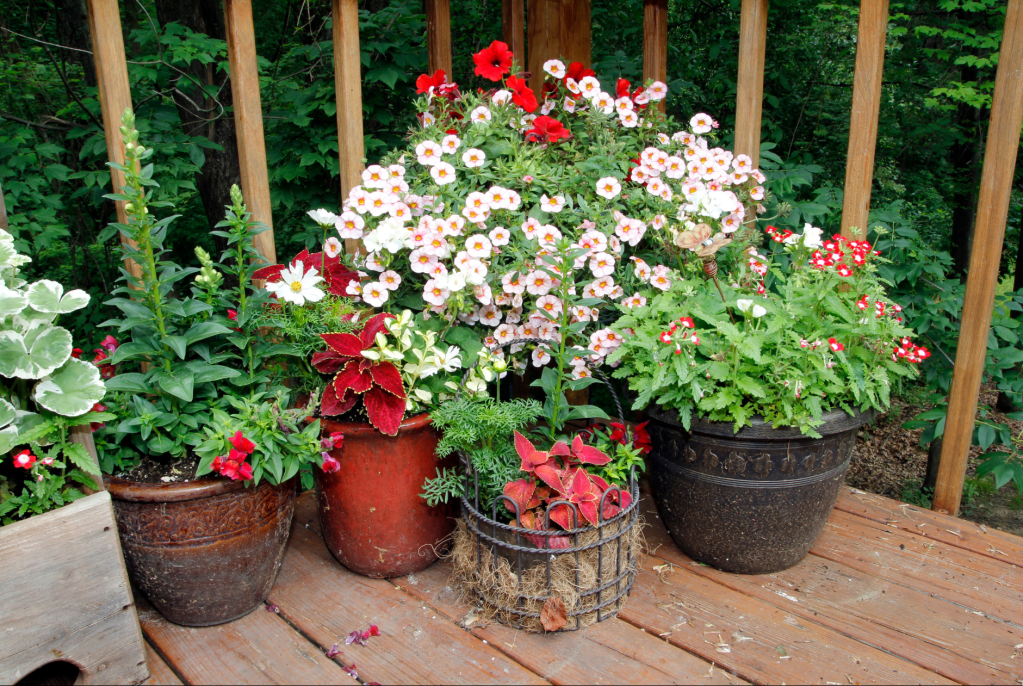
      In the realm of real estate, first impressions matter. Whether you’re aiming to sell your property or simply enhance its appeal, creating an inviting atmosphere around your home is key. While landscaping is often the go-to solution, there’s another overlooked gem that can effortlessly elevate your home’s charm: flower container gardens.

      Container gardens offer a versatile and customizable way to add bursts of color, texture, and fragrance to any outdoor space. From quaint balconies to expansive porches, these portable gardens can transform even the smallest areas into captivating oases. Here’s why incorporating flower container gardens into your home’s landscape can make all the difference:

      1. Flexibility and Versatility: One of the greatest advantages of container gardening is its flexibility. Whether you’re working with limited space or seeking to revitalize a specific area, containers can be placed virtually anywhere – from patios and decks to windowsills and stairways.

      2. Seasonal Variety: With container gardens, you have the freedom to switch up your plant selections with each passing season. From tulips and daffodils in the spring to petunias and marigolds in the summer, there’s no shortage of options to suit every season’s palette. By rotating your plants throughout the year, you can keep your outdoor space looking fresh and inviting.

      3. Low Maintenance: For homeowners with busy schedules or minimal gardening experience, container gardens offer a low-maintenance alternative to traditional landscaping. By choosing low-maintenance plants and incorporating self-watering containers, you can enjoy the beauty of flowers without the constant upkeep. With just a bit of occasional pruning and fertilizing, your container garden can thrive with minimal effort, enhancing your home’s curb appeal effortlessly.

      4. Instant Impact: Unlike traditional gardens that require time to mature and fill out, container gardens provide instant gratification. You can create an immediate visual impact that captures attention and admiration. Whether you opt for a single statement container or a series of coordinated planters, the beauty of your container garden will draw eyes and evoke positive emotions, making your home more memorable to potential buyers or visitors.

      5. Personalization and Creativity: Above all, container gardening allows you to unleash your creativity and express your personal style. From selecting unique containers and arranging plants to choosing color schemes and themes, the possibilities are endless. Whether you prefer a whimsical cottage garden or a sleek modern display, your container garden can reflect your personality and create a welcoming atmosphere that resonates with others.

      Incorporating flower container gardens into your home’s landscape is a simple yet impactful way to enhance its appeal and create lasting impressions. Check out our other blog posts on creating captivating outdoor spaces, or contact Properties on the Potomac at 703-624-8333 for a consultation on making your home more memorable to buyers.

      With the weather warming up, it’s easy to forget about the warmth and cosiness of your fireplace. However, neglecting the maintenance of chimneys and fireplaces can pose significant risks to your homes and families. That’s why it’s crucial to adhere to national safety standards, which recommend annual fireplace, chimney, and vent inspections.

      Chimneys accumulate creosote—a flammable substance—during use, are subject to deterioration, and can also become homes to animal nests. By addressing maintenance needs in the off-season, you mitigate the risk of chimney fires and ensure a safe and enjoyable fireplace experience come fall.

      But what about gas fireplaces? While they may not produce creosote like their wood-burning counterparts, they still require regular maintenance to operate efficiently and safely. Cleaning a gas fireplace should include removing dust and debris from the interior casing and ventilation system. Additionally, inspecting the burner and igniter for any signs of wear or damage is essential for preventing malfunctions and ensuring consistent performance.

      At Properties on the Potomac, we’re committed to helping you safeguard your home. Contact us at 703-624-8333 today if you need a referral to a company to inspect, clean, and maintain your fireplace(s).

      As the days grow longer and the sun shines brighter, it’s time to bid farewell to the winter chill and welcome the rejuvenating spirit of spring. And what better way to embrace the season of renewal than by giving your home a thorough spring cleaning? At Properties on the Potomac, we understand the importance of a clean and well-maintained home, not just for your own comfort but also for enhancing its appeal to potential buyers. Here are some expert tips to help you freshen up your home this spring:

      1. Declutter with Purpose: Start your spring cleaning by decluttering your living spaces. Go through each room and identify items you no longer need or use. Donate or sell these items to free up space and create a more organized environment. Decluttering not only makes your home look cleaner but also helps potential buyers envision themselves living in the space.

      2. Deep Clean Every Nook and Cranny: Dust, dirt, and grime tend to accumulate over the winter months. Take the time to deep clean your home from top to bottom. Pay attention to often-overlooked areas such as baseboards, ceiling fans, and behind appliances. A sparkling clean home not only feels more inviting but also signals to buyers that the property has been well-maintained. For those of you that prefer to hire this task out, hire a company to do a deep clean. Contact us for cleaning company recommendations.

      3. Have your carpets cleaned: Whether you have wall to wall carpets or area rugs, consider having a company clean them for you. There are companies that come to your house to shampoo and clean your carpets. If you have more delicate area rugs, we can recommend companies that will pick up, clean, and return them for you.

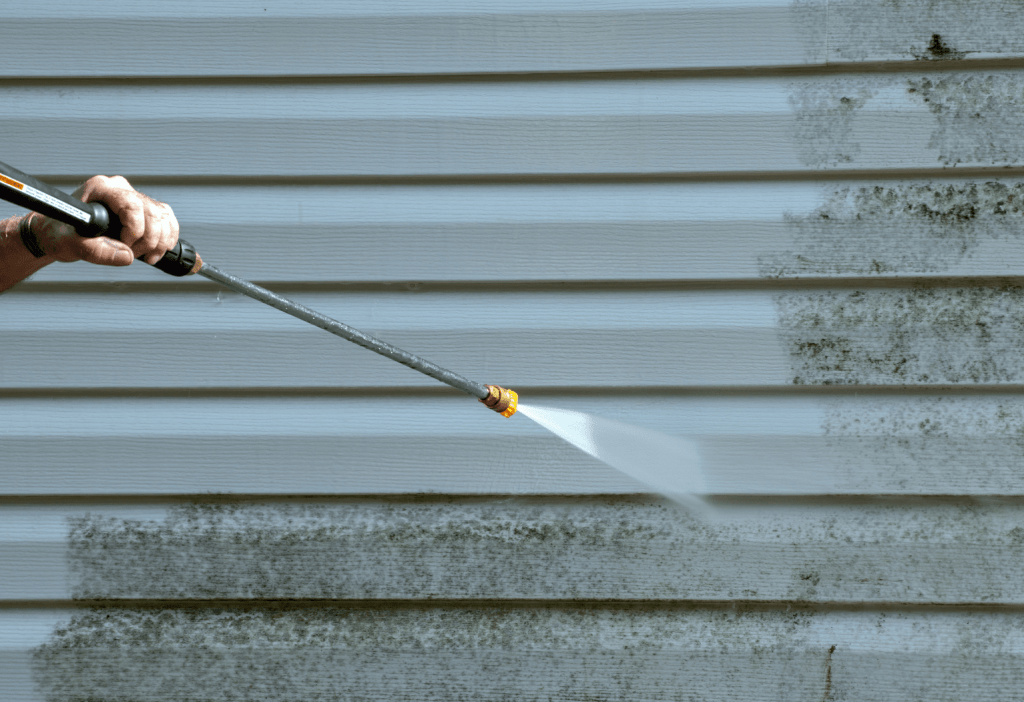
      4. Focus on Curb Appeal:  Don’t forget to spruce up the exterior of your home as well. Sweep pathways, clean windows, clean gutters and downspouts, and power wash siding to remove dirt and debris.

      5. Maintenance Matters: Finally, use your spring cleaning as an opportunity to tackle any maintenance tasks that may have been neglected. Replace air filters, check smoke detectors, and inspect plumbing fixtures for leaks. Addressing these issues now can prevent costly repairs down the line and increase the value of your home.

      At Properties on the Potomac, we believe that a well-maintained home is key to attracting buyers and achieving a successful sale. By following these spring-cleaning tips, you can ensure that your home looks its best inside and out, helping you to make a lasting impression on potential buyers. Ready to sell your home this spring? Contact us at 703-624-8333 today to learn how we can help you achieve your real estate goals.