Refinancing your home can be a smart financial move. Homeowners often wonder when the best time to refinance is, and the answer depends on several factors…like market conditions, personal finances, and your future goals. Below, we will explore the key indicators that signal it might be time to consider refinancing your mortgage or possibly buying a new home.

1.Interest Rates Have Dropped
One of the most obvious reasons to refinance is when interest rates fall. In fact, interest rates have recently dropped to their lowest levels in nearly two years, making it an opportune time to act. If you’ve been thinking of buying a home, now is a good time to start looking and lock in a favorable rate.

If you bought your home in the last two years, this rate drop could mean big savings through refinancing. Our rule of thumb is if the rate will result in around a 1% reduction in your mortgage rate, it can lead to significant savings over the life of the loan. Lower rates can reduce your monthly payment, free up cash for other expenses, or help you pay off your loan faster.

2. You Want to Switch from an Adjustable-Rate Mortgage (ARM) to a Fixed-Rate Mortgage
If you have an adjustable-rate mortgage (ARM), your rate will fluctuate over time, often leading to uncertainty about future payments. Refinancing into a fixed-rate mortgage can provide stability, especially when interest rates are expected to rise. Locking in a low, fixed rate now can protect you from potentially higher payments in the future.

3. You Have Significant Equity in Your Home
Refinancing can be a good idea if you’ve built substantial equity in your home. When home values rise and you’ve been making regular mortgage payments, you may have enough equity to refinance and eliminate private mortgage insurance (PMI). This can save you hundreds of dollars each month. Additionally, refinancing can allow you to tap into your home’s equity for a cash-out refinance, which can provide funds to buy your next home or an investment property.

4. Accelerating Home Equity Growth
Refinancing can do more than just lower your monthly payments—it can also help you build home equity faster. By securing a lower interest rate, a larger portion of your payment is applied to the principal balance. This allows your equity to grow more quickly, providing a valuable asset that can be used for future financial opportunities.

Whether you are thinking about refinancing, upgrading, or buying your first home, Properties on the Potomac is here to help guide you in your decision. Give us a call at 703-624-8333 to get started on your next steps.

    Adding decorative elements to your home’s exterior is a fantastic way to boost curb appeal and create a welcoming atmosphere for visitors and potential buyers. These small touches not only enhance the visual appeal of your home but also add character and charm. Here are several types of decorative elements to consider incorporating into your home’s exterior to make a lasting impression:

    Shutters
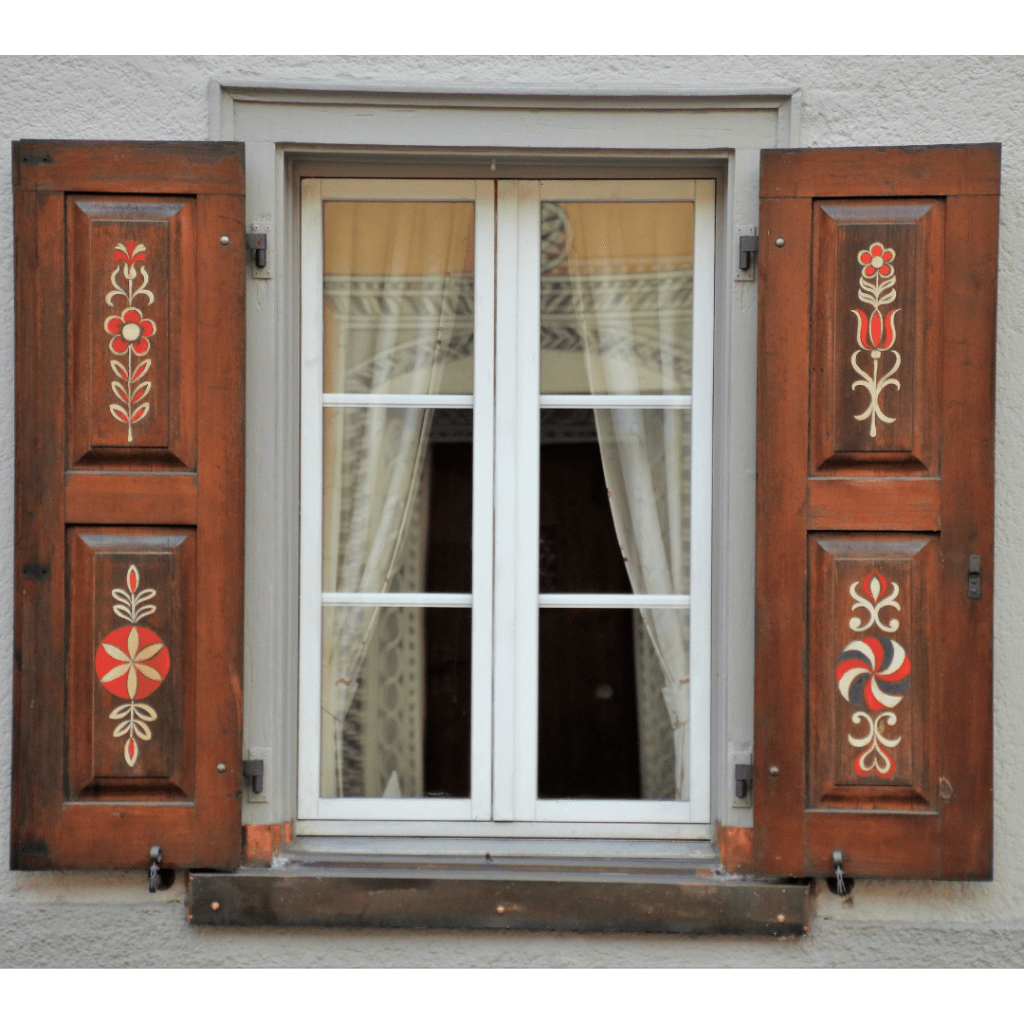
    Shutters are not just functional; they can also add a sense of symmetry and style to your windows. Choose shutters that complement your home’s architectural style and paint them in a color that contrasts or harmonizes with your exterior walls. This simple addition can create a cohesive look and enhance the overall aesthetics of your home.

    Window Boxes
    Window boxes filled with colorful flowers or greenery can instantly add charm and personality to your home’s facade. Choose plants that thrive in your climate and coordinate with your landscaping. Window boxes bring life to your windows and can be easily changed with the seasons to keep your home looking fresh and inviting year-round.

    Stylish House Numbers
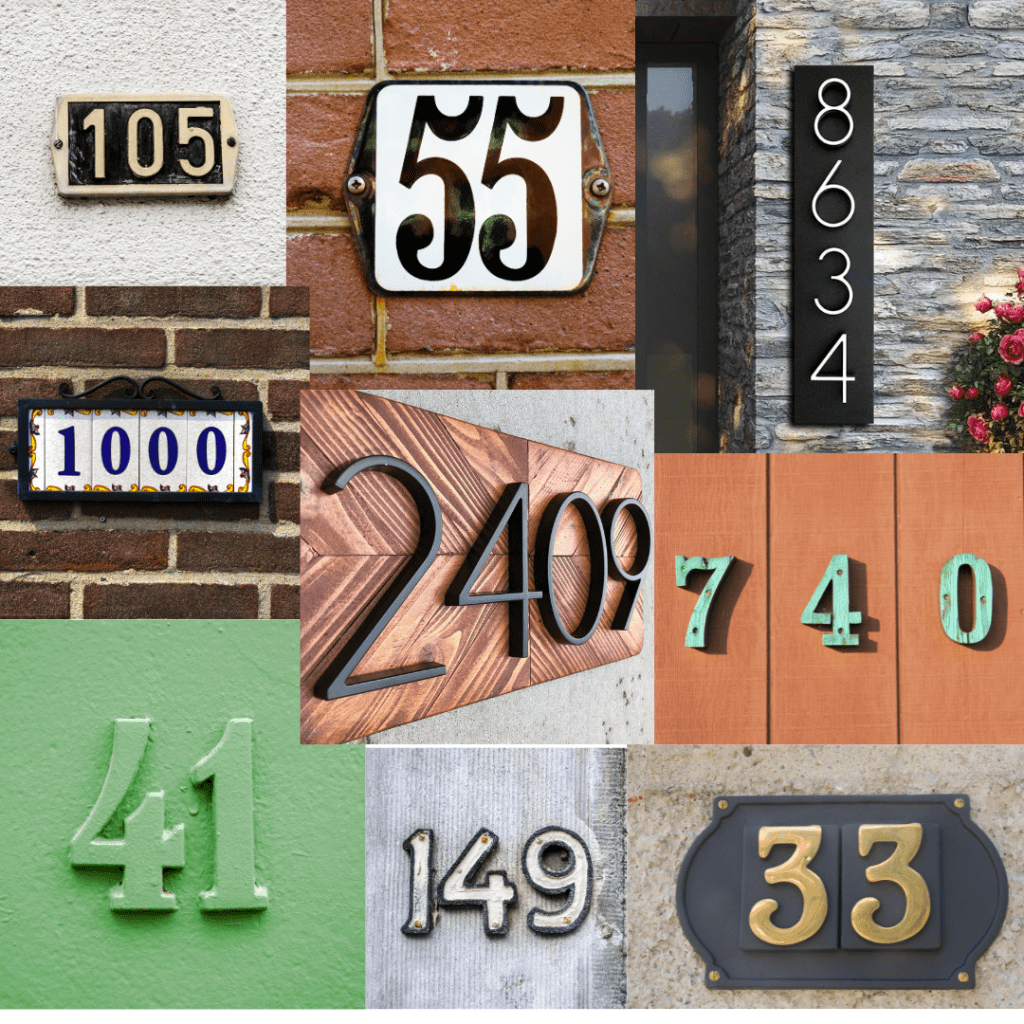
    Upgrade your house numbers to stylish, easy-to-read designs that reflect your home’s personality. Choose from various materials such as metal, wood, or ceramic, and consider placing them prominently near your front door or on a mailbox to ensure they are visible from the street.

    Outdoor Seating Areas
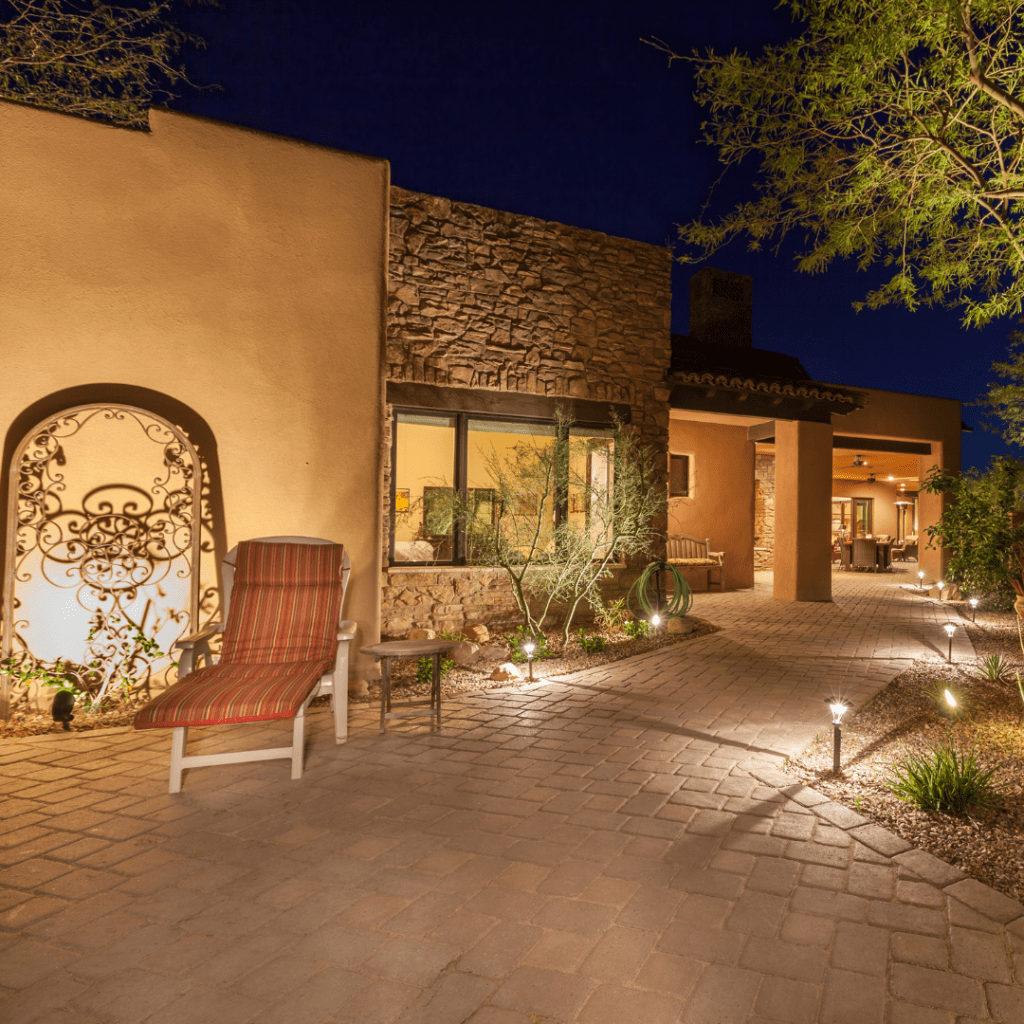
    Create inviting outdoor seating areas with comfortable furniture and decorative accents to showcase your home’s outdoor living potential.


    By incorporating these decorative elements and additional ideas, you can transform your home’s exterior into a charming and welcoming space that attracts attention and enhances its marketability. Ready to elevate your curb appeal and get your home sold? Contact Properties on the Potomac at 703-624-8333 today for expert advice and assistance in maximizing your home’s exterior appeal.

    Check out all the articles in our popular curb appeal series!

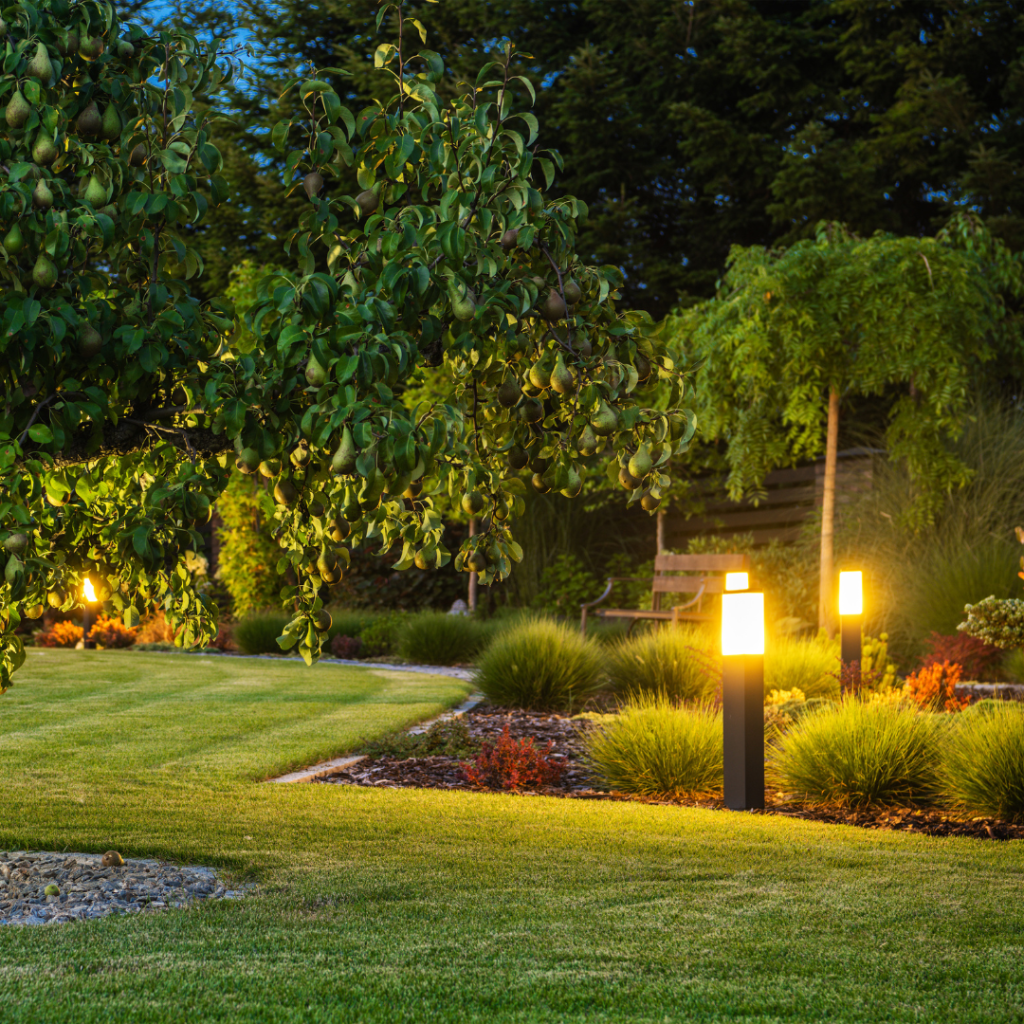
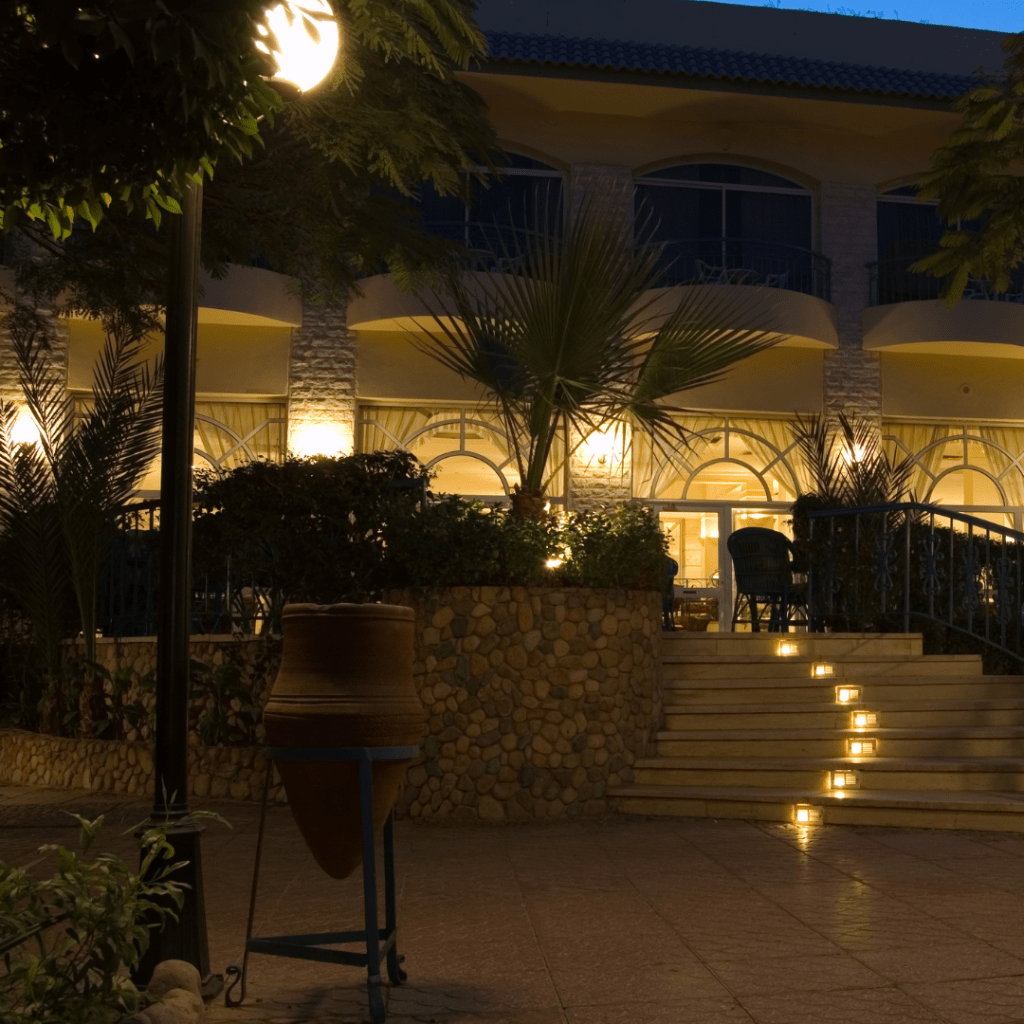
    Upgrading your outdoor lighting is a strategic way to enhance the curb appeal and safety of your home. Well-designed and strategically placed outdoor lights not only beautify your property but also increase its security and functionality. Here are several benefits of upgrading your outdoor lighting and the different types that can transform your home’s exterior:


    Benefits of Upgrading Outdoor Lighting

    • Improved Aesthetic Appeal: Outdoor lighting adds ambiance and highlights architectural features, creating a warm and welcoming atmosphere that enhances your home’s curb appeal.
    • Enhanced Safety and Security: Properly lit pathways, driveways, and entryways improve visibility and reduce the risk of accidents, deterring potential intruders and enhancing overall security.
    • Increased Property Value: Thoughtfully designed outdoor lighting can increase the perceived value of your home, making it more attractive to potential buyers and potentially increasing resale value.
    • Extended Living Space: Outdoor lighting allows you to enjoy your outdoor areas at night, extending your usable living space and enhancing the functionality of your yard.


    Types of Outdoor Lighting

    • Pathway Lights: These lights illuminate walkways and pathways, guiding guests safely to your front door and adding visual interest to your landscaping.
    • Accent Lights: Used to highlight architectural elements, trees, or landscaping features, accent lights create depth and drama, enhancing the overall aesthetics of your home.
    • Wall-Mounted Lights: These fixtures are mounted on exterior walls and provide both ambient and task lighting, ideal for entryways, patios, and decks.
    • Deck and Step Lights: These lights are installed flush with deck surfaces or stairs to improve safety and visibility in outdoor living areas.
    • Landscape Spotlights: Used to highlight specific features such as trees, statues, or gardens, landscape spotlights add focal points and create visual interest.
    • Security Lights: Motion-activated security lights enhance safety by deterring intruders and providing instant illumination when motion is detected.


    Choosing the Right Lighting
    When upgrading your outdoor lighting, consider the style and architecture of your home, as well as the functionality you desire. Mix different types of lighting for a layered effect that balances security, aesthetics, and practicality.

    Upgrading your outdoor lighting is a smart investment that enhances your home’s curb appeal, improves safety, and increases its overall value. If you’re considering selling your home and want expert advice on upgrading your outdoor lighting, contact Properties on the Potomac at 703-624-8333 today. Stay tuned for more tips in our curb appeal series!

    Whether you’re renting an apartment or own your own home, a topic that often comes up is the difference between “damage” and “wear and tear.” Knowing the difference between the two, and how they can impact your security deposit (if renting) or resale value (if you own), is important. So let’s delve into what constitutes “damage” vs. “wear and tear.”

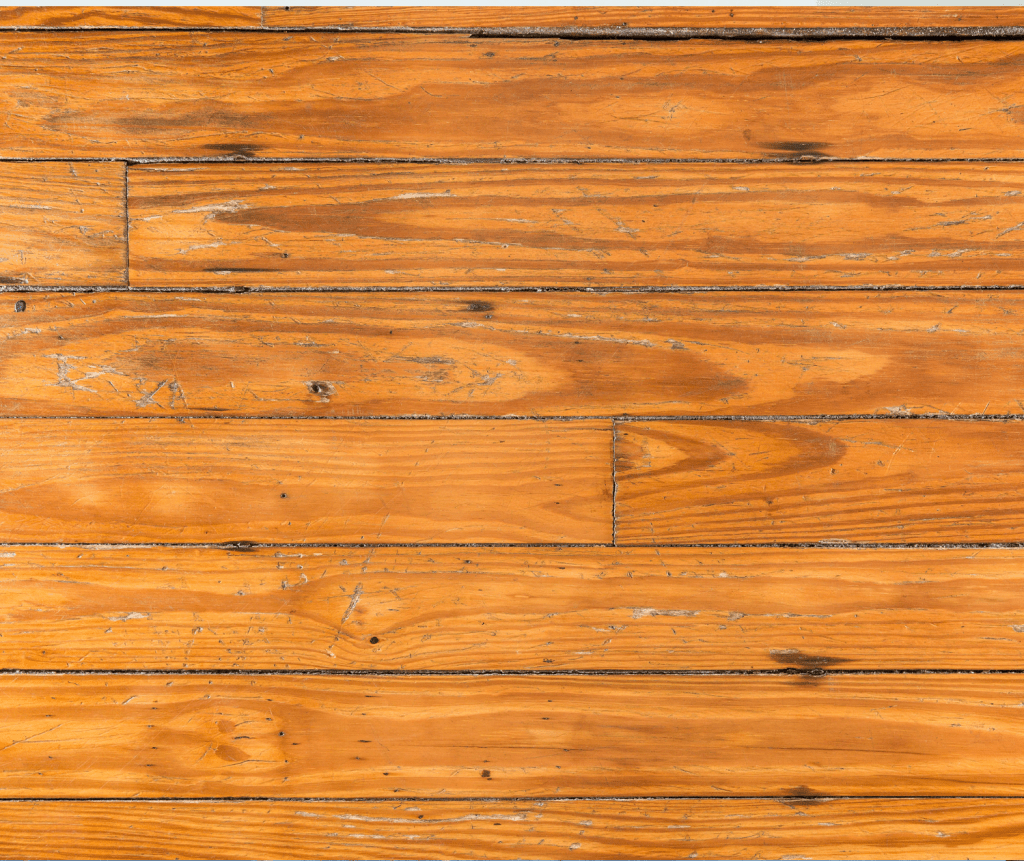
    First, what is “wear and tear?” Imagine your home as a beloved pair of jeans. Over time, they get a little frayed at the hems and perhaps lose some color, but they’re still your favorite pair. That’s wear and tear–the natural, inevitable aging of a home. It’s the scuffed hardwood floors from years of excited foot traffic, the faded paint on the south-facing wall that’s soaked up all those glorious sun rays, and the slight wobble in the staircase handrail that’s supported countless trips up and down.

    Wear and tear is like the charming laugh lines on your home’s face. It’s a testament to a life well-lived within those walls. And good news: most landlords and homeowners’ insurance policies understand this. They won’t expect you to have a time machine to prevent natural aging.

    Now, let’s switch gears to “damage.” This is where things get a little more dramatic. Damage is the overenthusiastic toddler who decides to use the living room wall as a canvas for their crayon masterpiece. It’s the party guest who thinks swinging from the chandelier is a great idea (spoiler: it’s not). In essence, damage is caused by accidents, negligence, or mishandling.

    Damage is the broken window from an impromptu indoor baseball game or the hole in the drywall from moving that couch up the stairs. Unlike wear and tear, damage is not a badge of honor for your home; it’s a call to action, often requiring immediate repair.

    Understanding the difference between wear and tear and damage can save you a lot of stress (and money). Embrace the quirks that come with time but keep an eye out for those accidental oopsies that need fixing. After all, a well-loved home, with its mix of charming wear and careful repairs, tells the best stories.

    Are you ready to make stories in your own home? Contact Properties on the Potomac today at 703-624-8333 for expert advice and top-notch real estate services. Let’s make your home the best story ever told!

    We understand that buying a home is one of the most significant investments you’ll make in your lifetime. It’s not just about finding a place to live; it’s about finding your sanctuary. But making that dream a reality requires careful planning and diligent saving. Here are some essential tips to help you start saving for your first or next home.

    1. Set clear and achievable savings goals. Determine how much you need for a down payment (it may be less than you think, contact us for more info), closing costs, and any additional expenses associated with buying a home. Having a specific target will keep you motivated and focused on your savings journey.

      2. Create a budget and stick to it. Track your expenses and identify areas where you can cut back or eliminate unnecessary spending. Consider making small sacrifices now for the greater reward of homeownership later. For example, cut out automatic subscriptions/memberships, make home-cooked meals instead of eating out, or look for coupons/promo codes for everyday purchases.

      3. Automate your savings. Set up automatic transfers from your checking account to your savings account each month. This way, you’re consistently contributing to your home fund without even thinking about it.

      4. Explore ways to increase your income or generate extra cash flow. Whether it’s taking on a side hustle, freelancing, or selling items you no longer need, every little bit helps when it comes to saving for a home.

      5. Take advantage of homeownership assistance programs and incentives offered by governments or financial institutions. These programs can provide valuable resources and support to help you achieve your homeownership goals more quickly.

      6. Be patient and stay disciplined. Saving for a home takes time and requires sacrifice, but the reward of owning your own home is well worth the effort.

      Ready to take the first step towards homeownership? Contact us at Properties on the Potomac at 703-624-8333 today to learn more about how we can help you find your dream home and guide you through the buying process.

      Owning and operating a short-term rental property, such as an Airbnb, has become a popular investment strategy for real estate enthusiasts. This venture, while potentially lucrative, comes with its own set of advantages and challenges. Let’s dive into the pros and cons to help you determine if this path aligns with your investment goals.

      Pros
      1. High Income Potential: Short-term rentals often yield higher income compared to long-term leases. Guests are willing to pay a premium for the flexibility and amenities offered, especially in high-demand tourist destinations.

      2. Flexibility in Use: Unlike long-term rentals, short-term rentals allow you to use the property yourself whenever it’s not booked. This dual-purpose functionality is perfect for those who want a vacation home that also generates income.

      3. Diversification of Investment: Adding a short-term rental to your portfolio can diversify your investments, reducing overall risk. Real estate, especially in desirable locations, often appreciates in value, providing a solid financial foundation.

      4. Tax Benefits: Depending on your location, you might benefit from various tax deductions related to property expenses, including mortgage interest, maintenance costs, and depreciation.

      Cons
      1. High Initial Cost*: Setting up a short-term rental can be expensive. Initial costs include purchasing the property, furnishing it to a high standard, and marketing it effectively. These can add up quickly and require significant upfront investment.
      2. Inconsistent Income: Unlike long-term rentals with predictable monthly income, short-term rentals can be seasonal and affected by market fluctuations. This inconsistency can make budgeting and financial planning more challenging.

      3. Time-Intensive Management: Managing a short-term rental is often more time-consuming than a long-term rental. You’ll need to handle frequent guest turnovers, cleaning, maintenance, and guest communications, which can be akin to running a small hotel.

      4. Regulatory Challenges: Many cities have stringent regulations governing short-term rentals. These can include restrictions on rental periods, zoning laws, and licensing requirements. Staying compliant can be a complex and ongoing process. For example, DC has a 90-day limit on short term rentals.

      5. Potential for Property Wear and Tear: Frequent guest turnover can lead to increased wear and tear on your property. Maintaining the property in top condition requires regular upkeep and potentially higher repair costs.

      Investing in a short-term rental property can be a rewarding venture with the right approach. At Properties on the Potomac, we specialize in helping investors navigate the complexities of the short-term rental market. Our experienced team offers comprehensive services, from property selection to management solutions, ensuring your investment thrives. Contact us at 703-624-8333 today to explore your options and start your journey toward profitable short-term rental ownership.

      To Stage or Not?

      Home staging has become a huge trend in the real estate industry. An online search for “home stagers in my area” will result in myriad professional home stagers. With the prevalence of home staging on TV and in real estate photos, you may think that home staging is inevitable for your potential house sale. Sellers have been trained to believe that they live in a hovel and cannot sell their property without thorough staging. That is most likely not the case.

      While it is true that many buyers are not financially prepared to make major improvements to a property in order for it to be listed for top value, your house might just need some continuity, decluttering, or maybe even a coat of paint.

      Before embarking on selling prep, contact us. We are professional real estate experts and have seen and sold everything from minimalist showplaces to near-hoarding situations. We work with many buyers and “see” properties through their eyes. We know what they see and how they react to certain spaces and items.

      When we meet to review your plans, we will see your property and take a “reading” of it. If necessary, we will develop a plan that is efficient and effective for your specific property. While we do not charge for our staging service, we require a signed Listing Agreement before we proceed. Our goal is to give you our best advice whether rearranging furniture, bringing in some staging materials, recommending removal of some items, or repainting certain areas. Your finances are always key in our recommendations.  

      If you have lived in your property for a long time, we will discuss possible “updating” or curating certain items to present the best possible property image to appeal to the broadest range of qualified buyers. Our goal is to not spend your money and unless the circumstances are extreme, we would never suggest emptying your home and renting staging furnishings.

      If you are a collector, we might recommend packing up some of your collection(s). If you have beautiful antiques that are fragile, we will discuss safeguarding them. If you have amazing art, it might be beneficial to take some down to prevent distractions from the buyers’ purpose of selecting your house.

      What should you do with family portraits? That is a very personal matter. One or two might be fine. Walls of children’s school photos might be overwhelming. We look at every space and consider the overall impression the property makes to a buyer in the first 30 seconds. We offer our advice based on the Malcolm Gladwell principal presented in his book, Blink.

      We start from the street and work our way to the closets with our recommendations.

      In the end, everything has value. Doing nothing (should anything be needed) will generally yield a lower selling price. Excessive minimalism could be off-putting and not generate an offer quickly, thus possibly selling for less. We work with our sellers to develop a good balance of reselling a home to buyers in search of a home.

      Before you take matters into your own hands, call Properties on the Potomac at 703-624-8333 to discuss your goals and needs. Together, we will develop the plan that best suits you and captures the best buyers. Schedule your appointment with us today!

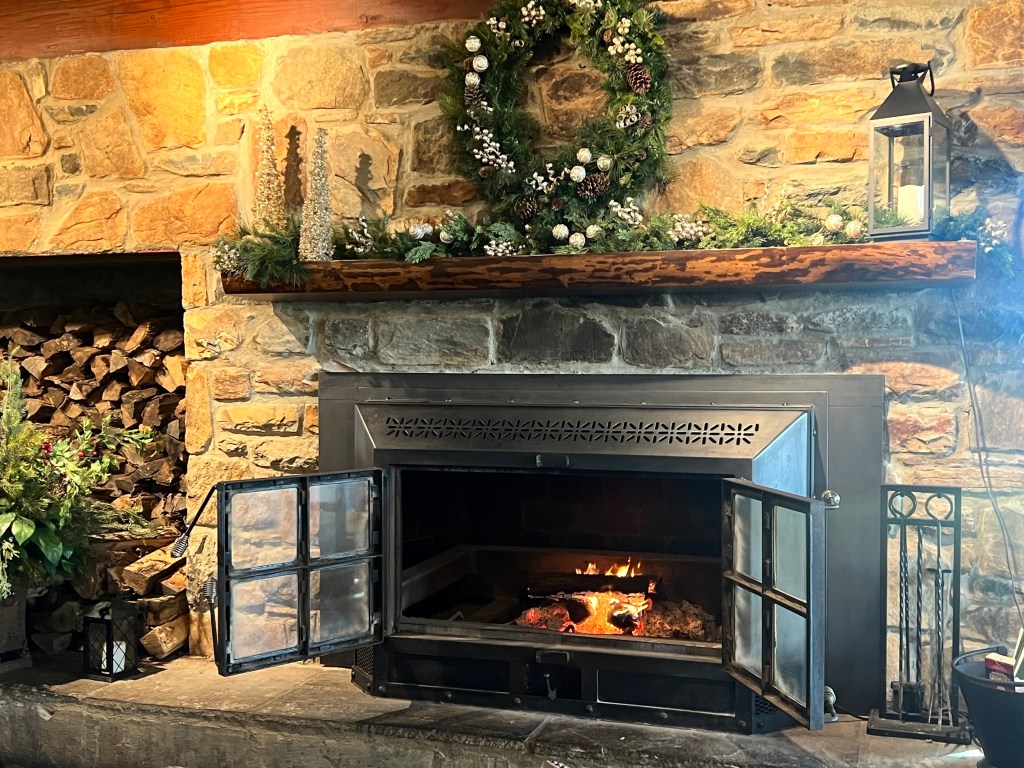
      Eleanore of Aquitaine: Her Influence on Architecture and the Fireplace

      Eleanore of Aquitaine was one of the most powerful and influential women of the Middle Ages. She was strong, determined, and opinionated. She got things done. She initiated a revolt against the king, her husband, in favor of her son. She was the mother of King Richard Lionheart and King John (not everyone is a winner). She rode astride and led and/or participated in the Second Crusade. At age 72, she crossed the Pyrenees Mountains in winter to select the future queen of France. She left a lasting impact on numerous aspects of European culture, including architecture and the development of the fireplace.

      As Queen of France and later England, Eleanore was known for her patronage of the arts and her keen interest in architecture. She commissioned the construction of numerous castles, palaces, and abbeys throughout her domains, many of which showcased the latest architectural innovations of the time.

      One of the most significant architectural features that Eleanore is credited with popularizing is the fireplace. Prior to the 12th century, most European homes relied on open hearths in the center of the room for heating and cooking. However, this design was inefficient and caused smoke to fill the living space.

      Eleanore, having grown up in the sophisticated courts of Aquitaine, was accustomed to more advanced heating systems. She is believed to have introduced the concept of the wall-mounted fireplace to the castles and palaces she inhabited. This design, which featured a flue to carry smoke out of the building, allowed for better heat distribution and improved air quality.

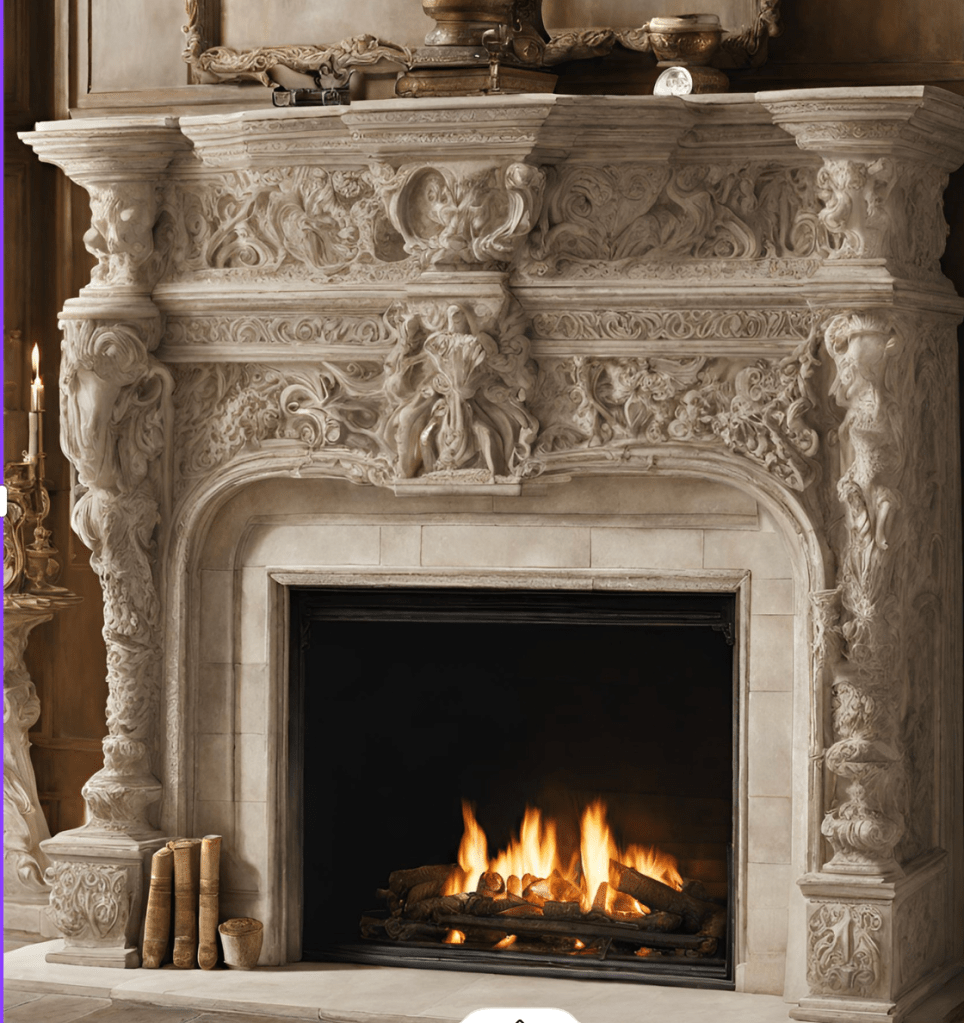
      The incorporation of fireplaces into castle design became increasingly common during Eleanore’s lifetime. The Great Hall, a central feature of medieval castles, often showcased grand fireplaces that served as a gathering place for the household. These fireplaces were not only functional but also highly decorative, with intricate carvings and elaborate mantels.

      Eleanore’s influence on fireplace design can be seen in many of the castles and palaces she inhabited, such as the Palace of Poitiers and the Fontevraud Abbey. The latter, where Eleanore spent her final years and was eventually buried, features numerous fireplaces throughout its buildings.

      The legacy of Eleanore’s architectural innovations extends beyond her own lifetime. The use of wall-mounted fireplaces became widespread throughout Europe in the centuries that followed, evolving into the diverse range of fireplace designs we know today.

      Eleanore of Aquitaine’s influence on architecture and the development of the fireplace cannot be overstated. Her patronage of the arts and her introduction of advanced heating systems to medieval European castles left a lasting impact on architectural design and the way we heat our homes to this day.

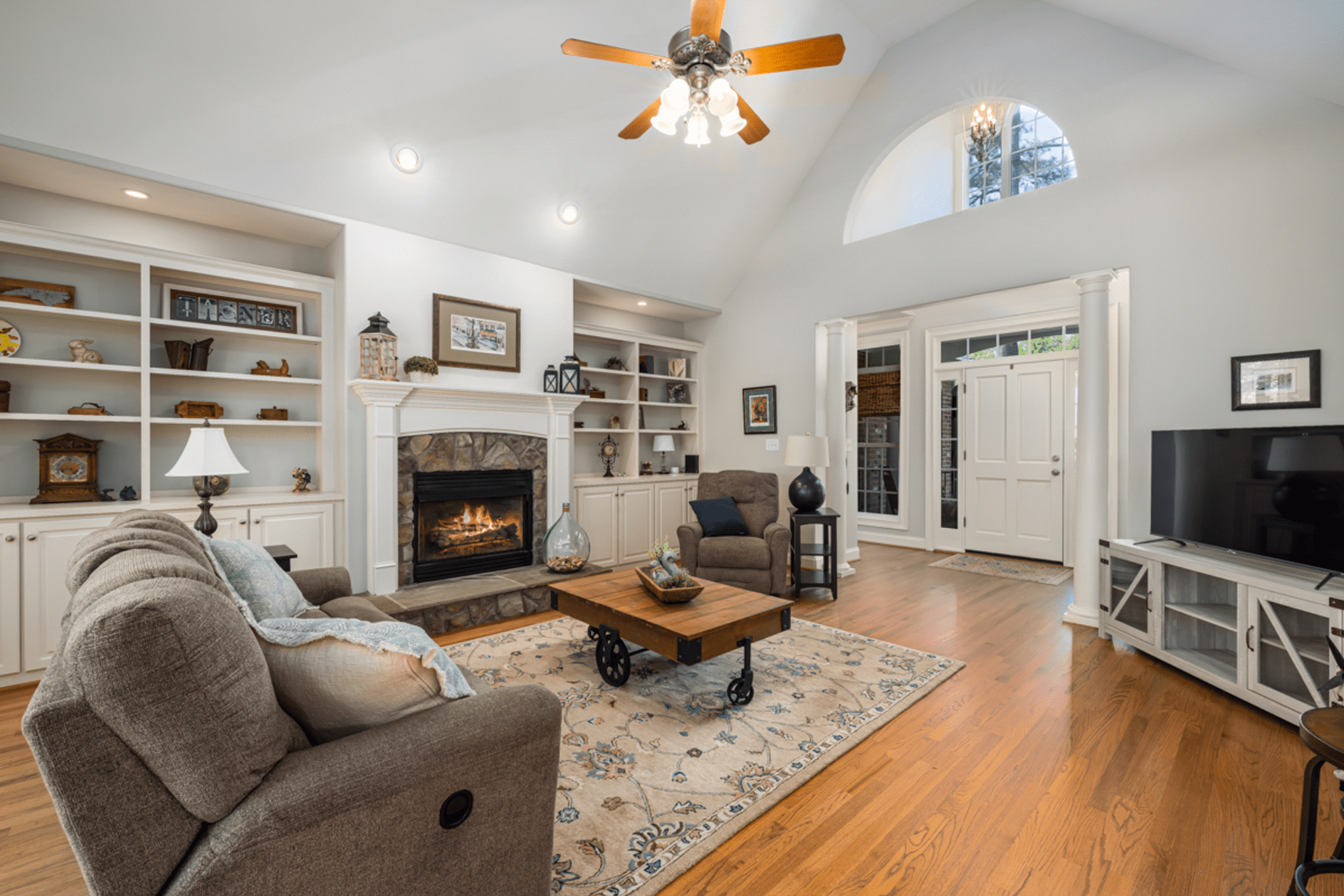
      Do you dream of a home with a fireplace? Whether gas or log-burning, quaint or ornate, Properties on the Potomac can help you find your perfect fireplace. Give us a call at 703-624-8333 today!

      The Visionary Architect Who Transformed Real Estate Design

      Zaha Hadid, the groundbreaking Iraqi-British architect, left an indelible mark on the world of architecture and real estate design. She was dubbed, “the queen of curves,” by The Guardian. Her unique vision and innovative approach to design have influenced countless projects worldwide, from residential buildings to cultural institutions, commercial spaces, houseware, and even superyachts.

      Hadid’s early work in the 1980s and 1990s showcased her bold, futuristic style. She often incorporated curved, fluid forms and unconventional geometries into her designs, challenging traditional notions of architecture. This distinctive aesthetic became known as “parametricism,” a style that uses advanced computer modeling to create complex, organic shapes.

      In the realm of residential real estate, Hadid’s designs pushed the boundaries of what was possible. One notable example is the CityLife Milano Residential Complex in Milan, Italy. This development features three curved towers with sinuous balconies and a striking, sculptural appearance. The unique design not only creates a visual statement but also optimizes views and natural light for residents.

      Hadid’s influence extended to commercial real estate as well. The Galaxy SOHO complex in Beijing, China, is a prime example of her innovative approach to office design. The building features four domed structures connected by bridges and platforms, creating a fluid, continuous space. This design encourages interaction and collaboration among tenants while also providing a visually stunning work environment.

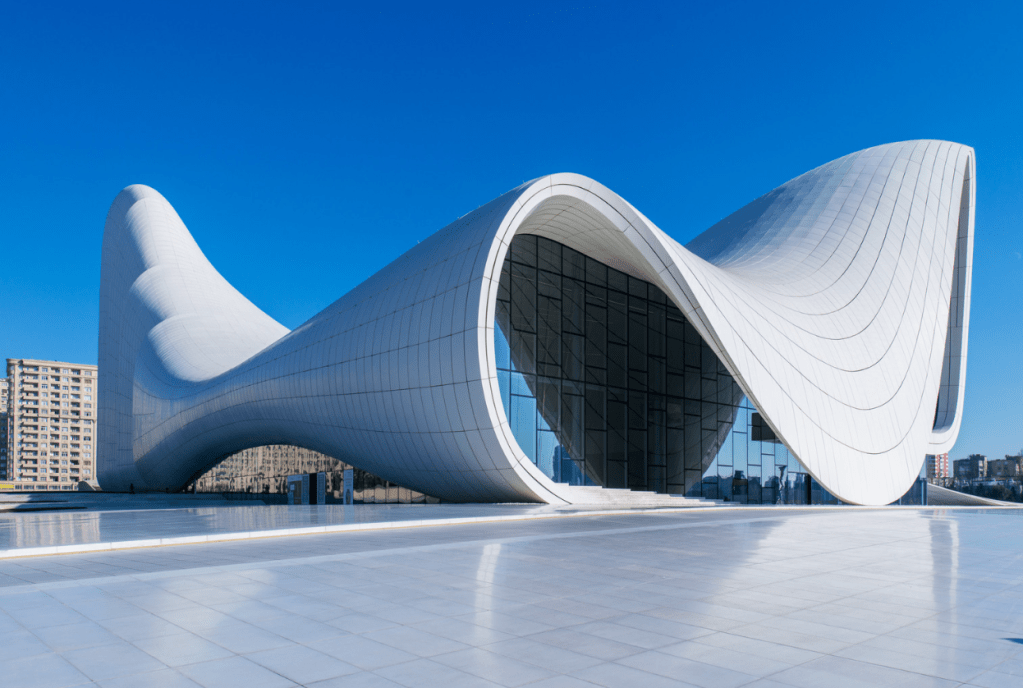
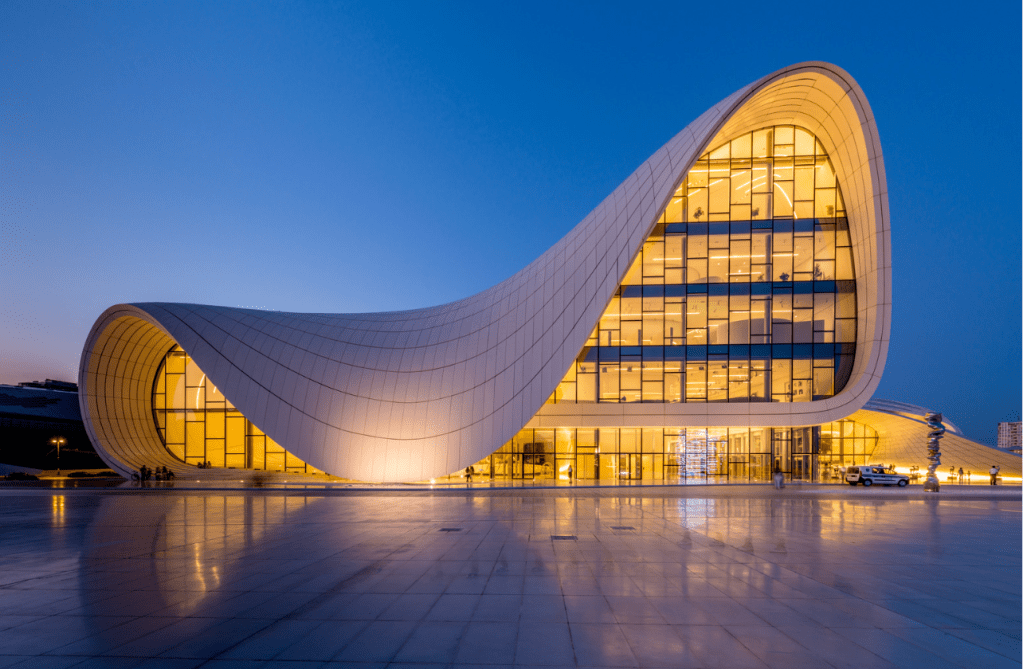
      Cultural institutions also benefited from Hadid’s visionary designs. The Heydar Aliyev Center in Baku, Azerbaijan, is a masterpiece of curved, flowing forms that seamlessly blend into the surrounding landscape. The building’s unique shape and materials create a sense of movement and dynamism, making it a true architectural icon. Her ability to conceptualize the ideal shape for an institution is renowned. For the Vienna University of Economics and Business Library and Learning Center, Vienna, Austria, her design was linear but connected with curves.

      Hadid’s revolutionary work paved the way for greater recognition of women in architecture. Her success demonstrated that gender should not be a barrier to achieving the highest honors in the field. In 2004, she was the first woman to be awarded Pritzker Prize, since its establishment in 1979. Again, in 2015, she broke the gender barrier by becoming the first woman to win the Royal Institute of British Architects (RIBA) Gold Medal since its inception in 1848.     .

      While her contributions were great, her life was cut short by a heart attack on March 31, 2016. Hadid’s legacy extends beyond her completed projects. Her philosophy and approach to design have influenced a generation of architects and designers, encouraging them to push the limits of what is possible in real estate. Her work has also raised the bar for sustainable and eco-friendly design, as many of her projects incorporate green spaces, natural ventilation, and energy-efficient features.

      The impact of Zaha Hadid’s work on the real estate industry cannot be overstated. Her designs have redefined what is possible in residential, commercial, and cultural spaces, and her influence will continue to shape the built environment for generations to come. As the world continues to evolve, Hadid’s legacy serves as a reminder that innovation and creativity are essential to the future of real estate design.

      Looking for your architectural masterpiece? Give Properties on the Potomac a call at 703-624-8333 today!

      Dear Friends:

      Change is inevitable. With over 100 combined years in the real estate industry, we have seen changes in real estate practices and lending practices. The industry has demonstrated resilience because after all, we all need a home in which to live.

      This week, as you have most likely read, The National Association of Realtors has reached a settlement regarding commission practices. The agreement is subject to legal approvals and much additional negotiation. We are closely monitoring these changes and will keep you updated.

      Regardless of developments, our commitment to first quality service to you and our future clients will remain unchanged. Your satisfaction and success remain our top priorities. This is a great time to contact us with any questions.

      Thank you for your loyalty.

      Sincerely,
      Krasi & Tiffany Henkel
      Properties on the Potomac, Inc.