When putting your house on the market, making it appealing to potential buyers must be top priority. An often overlooked but incredibly effective strategy: decluttering. Removing excess items throughout your home not only makes it look cleaner but can also help streamline the moving process.

Why Declutter?

Decluttering does far more than just tidy up – it creates an environment optimized for selling. Here are some of the biggest benefits:

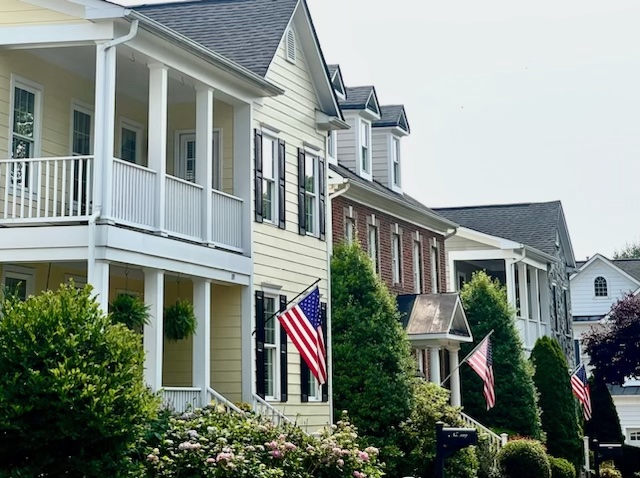
  • Enhanced Curb Appeal: First impressions make or break the deal. Remove clutter from the yard and exterior areas to impress buyers from the moment they drive up.
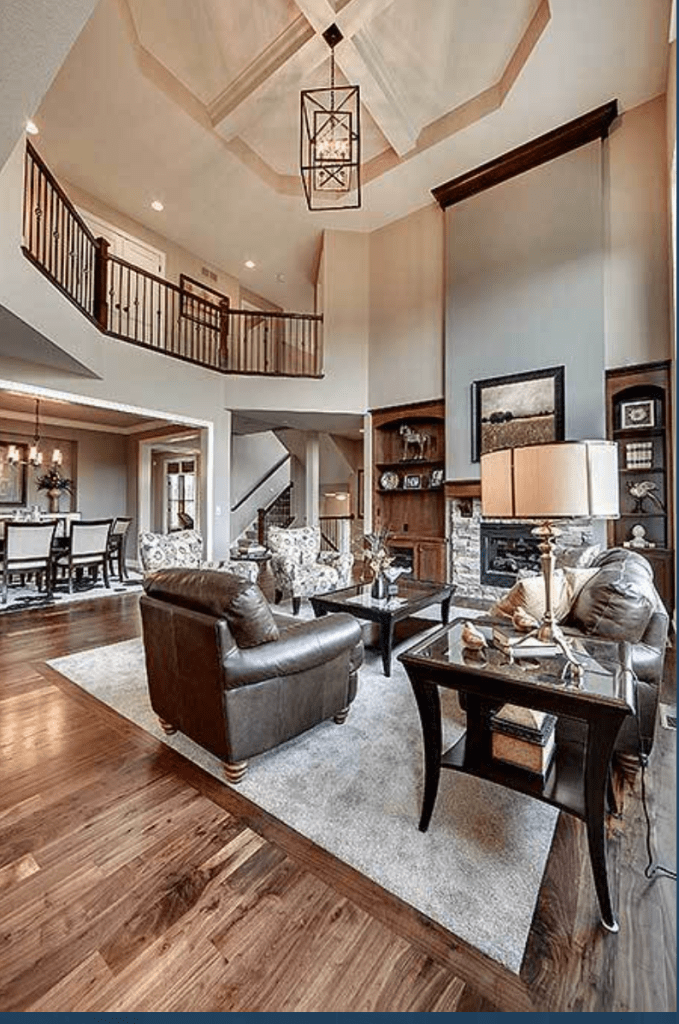
  • Spacious Interior: Removing excess furniture and other items makes rooms appear more spacious. Buyers can better envision their own belongings in clear spaces.
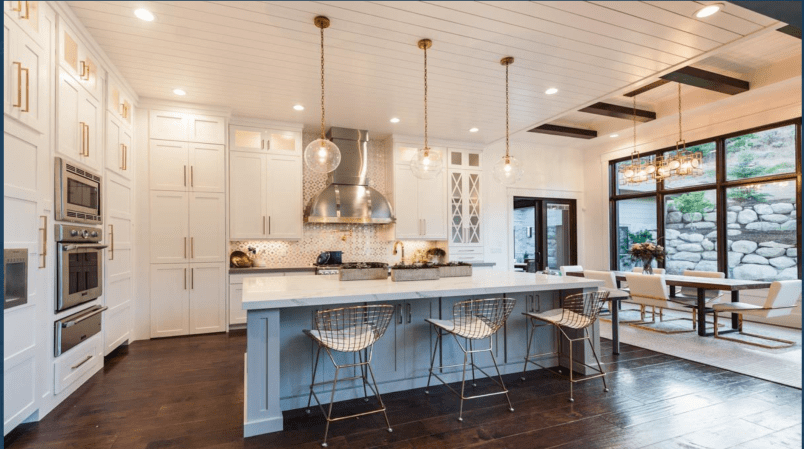
  • Highlight Home Features: Decluttering directs focus toward your home’s best selling points like ceilings, floors, and fixtures. Remove distracting items to spotlight unique architectural elements.
  • Easier Packing: Decluttering before listing means having less to pack and move. This streamlines your moving process and reduces stress.
  • Audience Appeal: Decluttering creates a neutral canvas that appeals to the widest range of potential buyers.

The Downsizing Process

Decluttering an entire home can feel overwhelming. You may want to consider getting help from a professional organizer and downsizing expert. Their specialized services include:

  • Customized Plans: Every home and situation is unique. Professionals tailor the decluttering approach to match your needs and timeline.
  • Objective Guidance: They provide unbiased input to help determine what items to keep, sell, donate, or discard. Their perspective helps clients make clear choices.
  • Space Optimization: Experts have creative solutions to maximize storage and efficiency in every area from closets to the family room to pantries.
  • Packing/Unpacking Aid: Professionals assist with properly packing belongings for the move, then help unpack and arrange your new home.
  • Stress Relief: Having an experienced specialist handle decluttering reduces the anxiety surrounding your moving process.

By investing in downsizing assistance before listing your home, you not only make the property shine, but also gain peace of mind. A decluttered home opens the door to new possibilities.

Are you planning a move or maybe you’re simply tired of the clutter? Contact Properties on the Potomac at 703-624-8333 to get a referral to one of our trusted experts.

“How is the market?”

This is our most frequently asked question. It is understandable given low inventory, rising interest rates, and homes often selling for over list price. Real estate headlines can seem daunting. Headlines notwithstanding, our market is still active. Home values climbed at about 3.5% in the first half of this year as demand continues to outpace supply.

The key to this market is being an educated buyer or seller. Now more than ever, working with the right agent is critical. Selecting a savvy, experienced agent who will give you expert guidance will make all the difference in this competitive market.

Our proven systems help our clients find the right homes and make the best offers. Our success speaks for itself. We leave no details to chance. Our sellers optimize their properties to attract the most qualified buyers who are ready to move quickly.

Today’s most successful real estate agents are taking advance reservations from qualified clients. By planning ahead and partnering with a top agent, buyers and sellers can still achieve their property goals, even in this fast-paced market.

Bottom line: real estate remains an essential need and purchases are happening every day. With the right preparation and guidance, your real estate goals can absolutely become reality. The key to our clients’ success are our well-honed systems.

Do you have real estate plans for 2024? Connect with Properties on the Potomac at 703-624-8333 to start strategizing for your next move!

As we continue to recognize the importance of sustainability in all aspects of life, it’s no surprise that the real estate industry is embracing sustainable design practices. Sustainable design goes beyond aesthetics; it’s about creating homes that are environmentally responsible, energy-efficient, and economically viable.

Here are some key principles of sustainable design in real estate:

  1. Energy Efficiency: Sustainable homes are designed to be energy-efficient, reducing both utility bills and carbon footprints. Features like solar panels, energy-efficient appliances, and proper insulation are common elements found in sustainable design.
  2. Use of Sustainable Materials: Sustainable homes often incorporate materials that are eco-friendly, renewable, and locally sourced. This not only reduces environmental impact but also supports local economies. Bamboo and reclaimed flooring are prime examples of sustainable materials.
  3. Water Conservation: Sustainable design includes features like low-flow fixtures, rainwater harvesting systems, and drought-tolerant landscaping to minimize water consumption. Many communities around the DMV are requiring special attention to rainwater runoff to help alleviate flooding. Some builders are opting for rain gardens and/or rainwater collection systems.
  4. Indoor Air Quality: Sustainable homes prioritize indoor air quality with ventilation systems and non-toxic materials. Adding UV or HEPA filters to you home can help improve the air quality, leading to healthier living environments.
  5. Waste Reduction: Construction waste is minimized through careful planning and recycling efforts. Sustainable homes are built with longevity in mind, reducing the need for frequent renovations.

Investing in sustainable design when buying or selling a home offers numerous advantages:

  1. Lower Operating Costs: Sustainable homes often have lower utility bills due to energy-efficient features, making them more affordable in the long run.
  2. Increased Property Value: Sustainable design can enhance your home’s market value, attracting eco-conscious buyers.
  3. Environmental Impact: Sustainable homes reduce greenhouse gas emissions and minimize environmental harm.
  4. Healthier Living: Improved indoor air quality contributes to better health and well-being for residents.
  5. Future-Proofing: Sustainable homes are built to last and adapt to changing environmental regulations. Current and future buyers will expect homes that last and are able to keep up with the modern requirements thus, helping maintain and build your property resale value.

Sustainable design is not just a trend; it’s a responsible approach to real estate that benefits homeowners, the environment, and future generations. The real estate experts at Properties on the Potomac are well-versed in sustainable design principles and can help you find or market your eco-friendly dream home. Let’s work together to build a greener future, one home at a time. Contact us today at 703-624-8333 to get started on your sustainable real estate journey.

Are you planning to sell your home? Getting your home ready to sell can be an exciting and stressful time. You may be thinking about making updates or whether it’s worth it to stage your home. But one thing you should always consider before inviting potential buyers into your space is the safety of your home, valuables, and personal information. Below are valuable tips on how to keep your home and valuables safe while it’s listed for sale.

1) Secure Your Valuables & Medications: Before listing your home, take an inventory of your valuable items and consider moving them to a secure location. This might include important documents, jewelry, electronics, and heirlooms. If possible, use a safe or rent a safety deposit box at your local bank. Secure any prescription medications in a locked cabinet or drawer. This is both for your safety and to prevent potential theft. Put away any breakables as well.

2) Remove Personal Information: Remove any personal information from your home, including bills, mail, and identification. Identity theft is a real concern, and it’s best to safeguard your personal data.

3) Install Proper Lighting: A well-lit property is less attractive to potential burglars. This is especially important if you have already moved and no one will be living in your home while it’s on the market. Consider installing motion-activated lights around your property, especially in entryways and dark corners.

4) Update Your Locks: Ensure that all locks on doors and windows are in good working condition. Consider upgrading to smart locks that allow you to monitor and control access remotely.

5) Maintain Landscaping: Trim bushes and trees near windows and entryways to eliminate potential hiding spots for burglars. A well-maintained landscape also gives the impression that the property is actively cared for. Again, this is especially important if your home is empty before selling.

6) Be Cautious with Showings: When scheduling showings, work with your real estate agent to establish strict protocols. Ensure that all potential buyers are accompanied by a licensed realtor. Properties on the Potomac realtors always use tamper proof, electronic lockboxes–that way we can see a log of everyone who has accessed the box and when.

7) Consider Security Cameras: Installing security cameras can provide an added layer of protection. Nowadays, there are affordable options that allow you to monitor your property remotely through a smartphone app.

8) Get to Know Your Neighbors: Your neighbors can be valuable allies in home security. Inform them about your plans to sell your home and ask them to keep an eye out for any suspicious activity.

Keeping your home and valuables safe while it’s listed for sale requires careful planning and precautions. By following these tips and working with a reputable real estate company like Properties on the Potomac, you can confidently navigate the selling process while safeguarding your home and belongings. Your security matters to us, and we’re here to help you every step of the way.

Planning to sell soon? Give Properties on the Potomac a call at 703-623-8333.

This week’s blog was co-authored with Ann Flaherty with First Home Mortgage.

As the federal government teeters on the brink of a potential shutdown, the consequences could ripple across various sectors, including the housing market. The looming threat of a government shutdown can have far-reaching effects, disrupting housing-related services and potentially harming homeowners, buyers, and renters. In this blog, we’ll explore the potential impacts of a government shutdown on the housing market, drawing insights from reputable sources like The Washington Post, HUD, and Newsweek.

1. Delayed Mortgage Approvals:
One of the immediate consequences of a government shutdown is the disruption of federal agencies’ operations, including those related to housing. As documented in The Washington Post’s report on the longest government shutdown, federal agencies like the Department of Housing and Urban Development (HUD) often operate with reduced staff or cease certain functions during a shutdown. This can lead to delays in processing mortgage applications and approvals, affecting both prospective homebuyers and homeowners seeking refinancing.

According to HUD’s Shutdown FAQs, during a government shutdown, “FHA will endorse new loans, but there will be no staff available to underwrite and approve new loans.” This can lead to frustrating delays for individuals in the midst of their home purchase process, potentially affecting closing dates and interest rates.

2. Housing Market Uncertainty:
A government shutdown creates uncertainty in the housing market. Potential homebuyers may hesitate to enter the market due to concerns about how the shutdown will affect interest rates, the availability of mortgage financing, and the stability of the economy. In the 2023 Washington Post business report, experts warned about the calamitous and costly impacts of a government shutdown on various sectors, including housing.

Uncertainty can lead to decreased demand for homes, which can impact sellers and potentially lead to reduced property values. Sellers may need to adjust their pricing expectations, especially if the shutdown persists for an extended period.

3. Risk to Flood Insurance:
The housing market also has a strong connection to flood insurance, particularly in flood-prone areas. A government shutdown can jeopardize the National Flood Insurance Program (NFIP), which is administered by the Federal Emergency Management Agency (FEMA). As reported in Newsweek, Congress’s actions during a shutdown can threaten the stability of the flood insurance program, impacting homeowners in flood-prone regions.

Without access to federally backed flood insurance, homeowners might find it challenging to secure affordable coverage, affecting the saleability and value of their properties. Furthermore, lenders often require flood insurance for properties in high-risk areas, so a lapse in the NFIP could disrupt real estate transactions.

4. Impact on Housing Programs:
Government shutdowns can also affect housing assistance programs. Low-income individuals and families who rely on housing vouchers, Section 8 assistance, or public housing may face disruptions in their housing stability. The HUD Shutdown FAQs note that while most HUD programs are funded for the short term, a prolonged shutdown could result in delayed payments to landlords, making it harder for those in need to find or maintain housing.

A government shutdown has the potential to create a cascade of challenges in the housing market, from delayed mortgage approvals to increased uncertainty and disruptions in housing assistance programs. As the October 1 deadline approaches, stakeholders in the housing market, including homebuyers, sellers, and renters, should remain vigilant and prepared for potential disruptions. It underscores the interconnectedness of government operations and the real estate sector, emphasizing the need for timely resolutions to budgetary disputes to maintain a stable and thriving housing market.

If you have questions about how a government shutdown could potentially impact your real estate plans, give Properties on the Potomac a call at 703-624-8333 today!

Fall is a magical time of year: the air becomes crisp, the landscape is filled with vibrant hues, cozy sweaters reappear, and the calendar fills with fun outdoor activities. While you’re savoring apple cider donuts, navigating corn mazes, and getting spooked in haunted houses, there’s one more item you might consider adding to your fall checklist: buying a new home. Fall is an excellent time to embark on the exciting journey of finding your dream house. Here’s a look at the fantastic fall activities you can enjoy while on your house hunting adventure:

1. Apple Cider Donuts: Start your day with the sweet scent of freshly baked apple cider donuts. Many local orchards and farmers’ markets offer these delightful treats, making it the perfect way to kick off a day of house hunting. One of our favorite spots is The Apple House in Linden, VA but if you’re looking for something a little closer, check out any of the District Donut locations.

2. Corn Mazes: Navigating through a corn maze can be both thrilling and challenging. It’s an excellent way to spend quality time with family and friends while enjoying the fall weather. Plus, it’s a great opportunity to explore different neighborhoods and their unique charms. Butler’s Orchard in Maryland or Cox Farm in Virginia are great options.

3. Haunted Houses: Fall wouldn’t be complete without a visit to a haunted house. As you get your adrenaline pumping and your heart racing, take the opportunity to ask locals about the best places to live and what makes their neighborhoods special. One of the best haunted experiences in the area is Markoff’s Haunted Forest in Maryland!

4. Picking Apples: Apple picking is a quintessential fall activity. While you’re plucking ripe apples from the trees, take a moment to consider what you’d like in your future backyard. Maybe it’s a space for a small orchard of your own! Check out Great Country Farms in Bluemont, VA. Go pick some apples and then make a few stops at one of the great wineries or breweries in the area!

5. Nature Walks/Leaf Peeping: The fall foliage offers stunning views during nature walks. While admiring the beauty of the changing leaves, explore various neighborhoods and envision yourself living there. Take notes of the homes that catch your eye. Check out the foliage in Rock Creek Park in DC or head out west to see the Blue Ridge Mountains transform into a sea of color. A fun hike is just down the street from Great Country Farms up to Bear’s Den. Park in the parking lot off Route 7 and hike up for beautiful scenic vistas looking west.

6. Bonfires: Gather around a crackling bonfire in your solo stove or gas firepit with friends and family to toast marshmallows and tell ghost stories. It’s also an excellent time to discuss your home-buying plans and get advice from those who’ve been through the process.

7. Buy a House: Of course, the ultimate fall activity on your list could be buying a new home. Fall is an excellent time to purchase real estate. The market tends to be less competitive, and sellers are often motivated. With fewer buyers in the mix, you’ll have a better chance of finding the perfect home at a reasonable price.

Finding your dream home can be an exciting journey, and the charm of autumn can make it even more memorable. If you’re ready to turn your house hunting into a reality, contact us at Properties on the Potomac at 703-624-8333. We’ll help you navigate the real estate market and find the perfect home to create lasting memories this fall and for many seasons to come. Enjoy the beauty of autumn, and let it inspire your next adventure in homeownership. Happy house hunting!

Congratulations! You’ve just taken a significant step in your life by purchasing a new home, and now it’s time to celebrate this exciting milestone with a housewarming party. But when and how should you go about it? In this blog, we’ll guide you through the process of throwing a fantastic housewarming party that will leave a lasting impression on your friends and family.

When to Host Your Housewarming Party:

1. Time to Settle: Before hosting your housewarming party, make sure you’ve had enough time to settle into your new home. This typically means waiting at least a few weeks or even a couple of months after moving in. This gives you time to unpack, arrange your belongings, and make your house feel like a home.

2. Consider the Season: The timing of your housewarming party can also depend on the season. Many people prefer hosting their parties during the spring or summer when the weather is more conducive to outdoor gatherings. However, any season can work if you plan accordingly.

3. Guest Availability: Think about the availability of your friends and family. Avoid scheduling your party on major holidays or during times when many of your potential guests might be away.

How to Plan a Housewarming Party:

1. Invitations: Send out invitations well in advance. You can opt for traditional paper invitations, evites, or social media event pages. Include essential details such as the date, time, address, and any specific instructions or themes like stock the bar, a BBQ, or a wine and cheese tasting.

2. Décor: Decorate your home to create a warm and welcoming atmosphere. Fresh flowers, scented candles, and cozy lighting can make a significant difference. Consider incorporating elements that reflect your personal style and the theme of the party.

3. Food and Drinks: Plan a menu that suits your style and the size of your guest list. You can go all out with a catered meal, organize a potluck, or prepare some homemade dishes. Don’t forget to offer a variety of beverages to cater to different tastes.

4. Entertainment: Depending on your space and interests, you can organize various entertainment options, such as board or lawn games, music, or even a DIY craft station. Ensure that there’s something for everyone to enjoy.

5. House Tours: Most guests will be curious about your new home, so be prepared to give guided tours. Highlight your favorite features, share interesting stories, and make it an engaging experience.

6. Party Favors: Consider sending your guests home with a small party favor or thank-you gift. It’s a thoughtful touch that shows your appreciation for their presence. Examples could include mini succulent planters or candles.

7. Capture the Memories: Don’t forget to capture the moments. Set up a photo booth or hire a photographer to document the event, so you have lasting memories of your housewarming party. At the very least make sure to get some snapshots on your phone.

Cheers to your new home and all the exciting adventures that await! If your friends or family are inspired by your housewarming party and want to start their own home-buying adventure, encourage them to contact Properties on the Potomac at 703-624-8333. We specialize in helping individuals and families find their dream homes and they’ll be one step closer to hosting their very own housewarming party in no time!

As the sun-drenched days of summer start to wane and the leaves take on their vibrant hues, there’s a palpable sense of change in the air. Labor Day, observed on the first Monday of September, stands as a testament to the hard work and dedication of the American workforce. This holiday not only provides us with a well-deserved break, but it also offers a unique opportunity to reflect on the connection between labor, prosperity, and real estate in the United States.

The Origins of Labor Day
Labor Day emerged during the late 19th century as a response to the dire working conditions and long hours that many laborers faced during the Industrial Revolution. The labor movement, driven by courageous individuals and collectives, sought to secure fair wages, reasonable working hours, and improved working conditions. This movement paved the way for the eventual establishment of Labor Day as a federal holiday in 1894.

Labor, Prosperity, and Real Estate
The relationship between labor, prosperity, and real estate is a multifaceted one. The economic progress achieved through the tireless efforts of the American workforce has played a pivotal role in shaping the nation’s real estate landscape.

  1. Homeownership Dreams: One of the most tangible connections between labor and real estate lies in the realm of homeownership. Over the decades, the sweat and toil of generations have transformed the concept of a home from a basic necessity into a symbol of financial stability and personal achievement. As workers earned steady incomes and improved their economic standing, the dream of owning a piece of land and a home became more attainable. This led to the expansion of suburbs, the rise of housing developments, and the establishment of communities that have defined the American way of life.
  2. Urban Revitalization: Labor’s influence on real estate isn’t limited to residential spaces. Cities, too, have been shaped by the efforts of workers. As industries grew and laborers flocked to urban centers, the need for housing, infrastructure, and commercial spaces skyrocketed. This demand, coupled with the innovative spirit of architects and developers, led to the construction of towering skyscrapers, bustling downtown areas, and thriving business districts. The labor movement’s impact on wages and working conditions also indirectly contributed to the rise of a burgeoning middle class, further fueling real estate growth.
  3. Construction and Innovation: The construction industry, a cornerstone of real estate, is intrinsically tied to the labor force. The commitment of construction workers, from skilled tradespeople to engineers, has shaped the built environment we see today. From historic landmarks to modern eco-friendly buildings, the collaboration between labor and innovation has led to a diverse and dynamic real estate market.

Labor Day stands as a reminder of the strides made by American workers, paving the way for prosperity and shaping the nation’s real estate landscape. From the dream of homeownership to the innovation of urban spaces, labor’s impact is deeply ingrained in the places we call home. As we commemorate Labor Day, let’s celebrate not only the achievements of the past but also the potential for a future where labor and real estate continue to evolve hand in hand, building a more inclusive, sustainable, and vibrant community for all.

At Properties on the Potomac, we understand the vital connection between labor, prosperity, and real estate. Our dedicated team of professionals is committed to helping you achieve your homeownership dreams, navigate the ever-changing real estate market, and find the perfect property that suits your needs and aspirations. Contact us at 703-624-8333 to learn more about how we can assist you in your real estate journey.

Here’s to a prosperous future built on the foundations of hard work, innovation, and the spaces we proudly call our own. Happy Labor Day!

The aspiration of homeownership, often regarded as a key driver of wealth for many Americans, faces significant hurdles in the current real estate landscape. The housing market has evolved into a complex arena, particularly for first-time home buyers. This blog post delves into the challenges encountered by these buyers, exploring factors such as high interest rates and soaring property prices that are reshaping the journey toward owning a home.

First-Time Home Buyers at a Crossroads
As economic conditions shift, those looking to purchase their first homes have found themselves facing slow economic growth since entering the workforce. Coupled with student loan debt and childcare expenses, their path to homeownership has been far from smooth. Rising interest rates and elevated property prices have further compounded their challenges, influencing their purchasing power and timelines. As a result, the median age of first-time home buyers has risen to 36, marking a departure from historical trends.

The Struggle for First-Time Buyers
The housing market’s changing landscape is evident from the numbers. Federal Reserve data indicates a 26% increase in median home prices since early 2020, with average prices reaching $416,100 nationally. This surge is particularly noticeable in the Northeast and the West. Meanwhile, the average 30-year, fixed-rate mortgage is currently hovering around 7%, nearly triple the rate recorded in 2021!

Navigating Uncertainty
First-time home buyers, regardless of their generational labels, find themselves at a crossroads due to the unpredictability of interest rates and property values. The adage “marry the house, date the rate” has gained popularity, suggesting that buyers secure a property and consider refinancing later when rates drop. However, experts caution that this approach comes with inherent risks and complexities. Refinancing entails costs that need to be balanced against potential savings from lower rates.

Planning for the Future
For those contemplating their first home purchase, the dilemma of whether to buy now or await changes in rates and prices is a significant consideration. Amidst the prevailing uncertainty, experts advise careful planning and preparation. Acknowledging the reality of high interest rates and planning for them is a prudent strategy. The historical pattern of fluctuating rates underscores the importance of making decisions aligned with long-term financial objectives, rather than attempting to time the market. If you wait until rates drop, we will see a surge of homebuyers flooding back into the market, raising prices further.

The evolving housing market presents a challenging landscape for first-time home buyers with dreams of owning their own homes. Despite the hurdles, first-time home buyers persist in their pursuit of a place to call their own, working to reshape the American dream for their generation.

At Properties on the Potomac, we understand the unique challenges that first-time home buyers face in today’s dynamic market. Our dedicated team of professionals has a proven track record of successfully guiding clients through these complexities to find the right property for them. With a deep understanding of market trends, interest rate fluctuations, and financial planning, we provide personalized solutions tailored to each client’s needs. Our commitment to empowering first-time home buyers sets us apart, as we strive to make the journey to homeownership a rewarding and fulfilling experience. Give us a call at 703-624-8333 today–with our expertise by your side, you can confidently navigate this intricate market and secure a place to call your own.

Courtyards, those serene and open spaces tucked away within the heart of buildings, have a rich history that spans across cultures and centuries. These versatile architectural elements have evolved from functional necessities to aesthetic havens, reflecting the changing societal values, technological advancements, and artistic tastes of their times. In this journey through history, we will explore the evolution of courtyards from their humble beginnings to their modern interpretations, highlighting their significance and enduring charm.

Ancient Origins
The concept of courtyards dates back to ancient civilizations, where they emerged as practical solutions to address the challenges of urban living. In ancient Mesopotamia, as early as 4,000 BCE, residents built homes with central open spaces to facilitate ventilation and provide a source of light. These early courtyards not only served as gathering areas but also played a crucial role in regulating temperature within the structures.

Egyptian architecture also embraced the courtyard as an integral part of their designs. The ancient Egyptians utilized courtyards as private oases, often featuring gardens and pools surrounded by residential or religious structures. These courtyards symbolized fertility, rebirth, and the connection between life and the afterlife.

Greco-Roman Influence
The Greek and Roman civilizations further developed the concept of courtyards, integrating them into various building types. The peristyle, a colonnaded courtyard surrounded by columns, became a defining feature of ancient Roman villas and public buildings. This architectural innovation blended functionality with aesthetics, offering shaded areas for relaxation and socializing while emphasizing the visual appeal of symmetry and proportion.

Medieval Retreats
As societies transitioned into the medieval era, courtyards continued to evolve. In Europe, monasteries and castles featured cloister courtyards, enclosed areas with covered walkways surrounding gardens. These courtyards served as peaceful sanctuaries for monks and residents alike, where they could contemplate, meditate, and engage in other religious activities away from the bustling outside world.

Renaissance Elegance
The Renaissance period witnessed a revival of interest in classical architectural principles, and courtyards played a significant role in this resurgence. Palaces and grand residences of the Renaissance embraced the concept of the “courtyard house,” where a central courtyard acted as the focal point of the building. These courtyards were adorned with sculptures, fountains, and intricate architectural details, showcasing the wealth and cultural refinement of the patrons.

Courtyards Around the World
As exploration and trade expanded, courtyards found their way into various cultures worldwide. Islamic architecture, for example, perfected the art of the courtyard, creating intricate designs known for their geometric patterns, lush gardens, and tranquil reflecting pools. The Alhambra in Spain and the courtyard houses of Morocco exemplify the enduring allure of Islamic courtyard design.

In East Asia, traditional Chinese architecture incorporated courtyards into the layout of siheyuan, enclosed compounds where multiple buildings surrounded a central courtyard. These structures emphasized privacy, family unity, and the harmonious integration of human habitation with nature.

Modern Interpretations
In the modern era, the concept of courtyards has expanded beyond residential and religious contexts. Urban planners and architects recognize the value of these spaces in densely populated areas, fostering a sense of community, providing natural light, and improving ventilation. Modern courtyards can be found in commercial buildings, educational institutions, and even public spaces, each with a unique interpretation that blends functionality with contemporary design sensibilities.

From ancient civilizations to modern times, courtyards have maintained their relevance and allure as architectural elements that harmonize human habitation with the natural world. The evolution of courtyards showcases the adaptability of this design concept to different cultural, social, and technological contexts. As we continue to appreciate their beauty and functionality, courtyards remain a testament to the enduring connection between architecture, nature, and human well-being.

Are you looking for your own “courtyard house”? Properties on the Potomac can help. Give us a call at 703-624-8333 to find your outdoor oasis today!