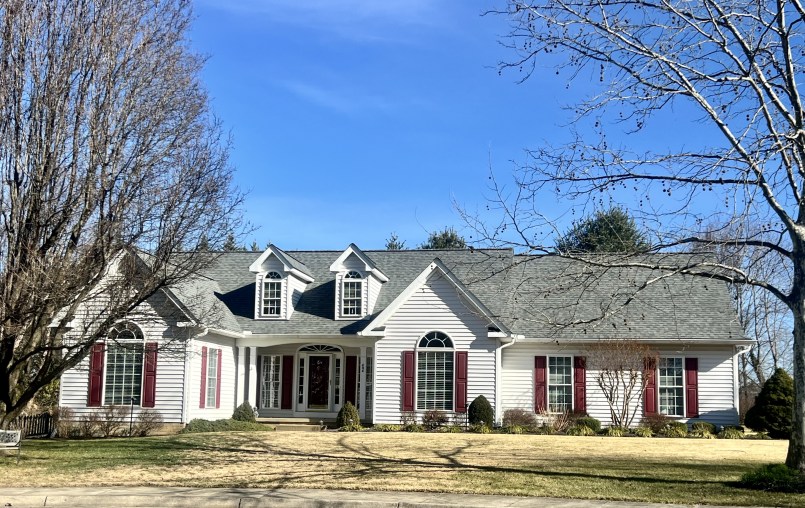
Welcome to Lyon Park, a vibrant and historic neighborhood tucked between Clarendon and Arlington Heights. Known for its charm, walkability, and strong community ties, Lyon Park is one of Arlington’s most beloved places to call home.
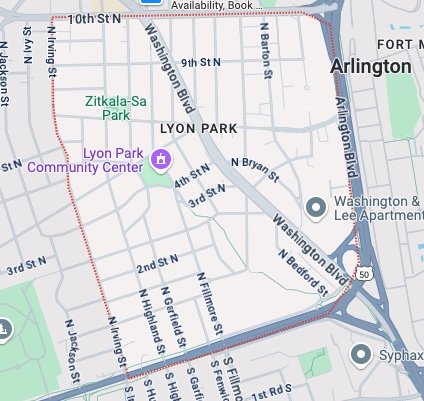
Lyon Park is one of the original Arlington neighborhoods and features homes spanning over 100 years, scenic parks, and playgrounds.

A Rich History

Founded in 1919 by developer Frank Lyon, this neighborhood was one of the largest planned subdivisions in Virginia at the time. With over 300 acres, it introduced a thoughtfully designed community filled with Craftsman bungalows, Colonial Revival, and Tudor-style homes that still line the quiet, tree-shaded streets today. Lyon Park is listed on the National Register of Historic Places, preserving its architectural heritage and small-town feel in the heart of a growing urban hub.

What Makes Lyon Park Special

  • Charming Homes: Architecture lovers will appreciate the character-filled houses, many dating back to the 1920s and 1930s.
  • Walkability: The neighborhood is incredibly pedestrian-friendly. You can easily walk to Clarendon’s metro, shops, restaurants, and even Whole Foods.
  • Community Spirit: Anchored by the Lyon Park Community Center, residents come together for everything from pancake breakfasts and Halloween parades to seasonal block parties and park cleanups.
  • Ideal Location: With direct access to Route 50 and Clarendon Metro, you’re minutes from downtown D.C. while enjoying the tranquility of a residential neighborhood.
  • Greenspaces Galore: Parks like Fillmore Park, Lyon Park, and the Thomas Jefferson Community Center offer plenty of places to play, relax, or get active.

Who Lives Here?

Lyon Park is home to a diverse mix of families, young professionals, longtime residents, and retirees. It’s a place where neighbors know each other, kids play freely, and there’s a true sense of belonging.

Ready to Explore?

Whether you’re house-hunting, dreaming of your future home, or just want to learn more about what makes Arlington unique, Lyon Park is worth a closer look.

Curious about listings or want to walk the neighborhood with a local expert? An experienced Properties on the Potomac agent would love to show you around!
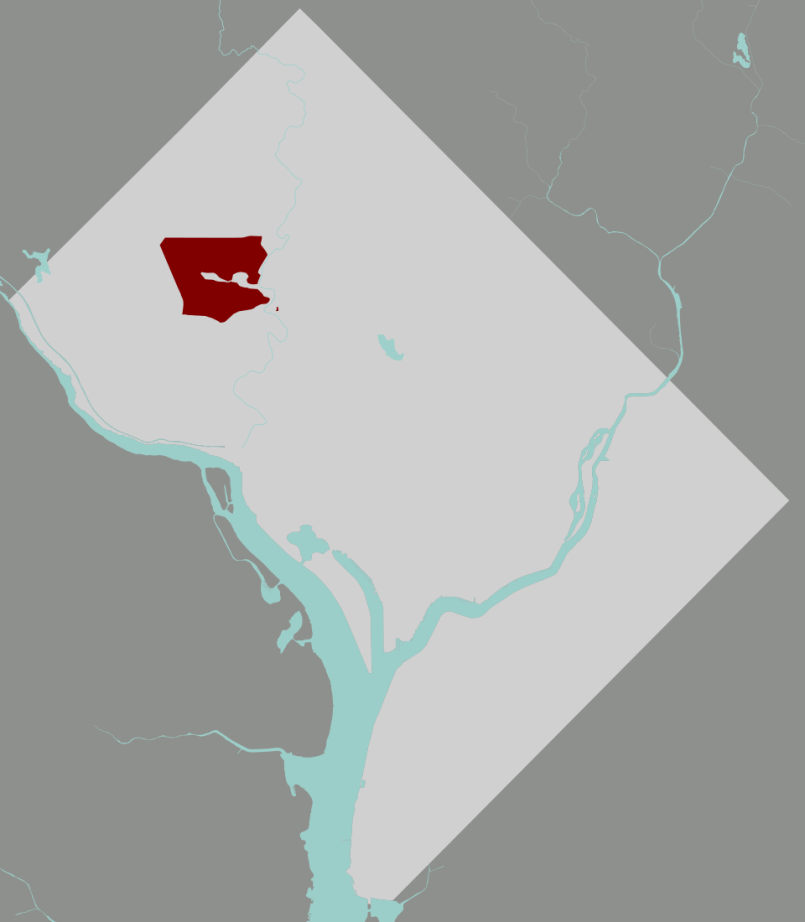
Tucked along the red line of the Washington Metro and surrounded by tree-lined streets, historic homes, and a warm community spirit, Cleveland Park offers a rare blend of city convenience and neighborhood charm. For Washingtonians seeking a tranquil lifestyle with easy access to downtown, this northwest DC gem is more than just a place to live—it’s a lifestyle.

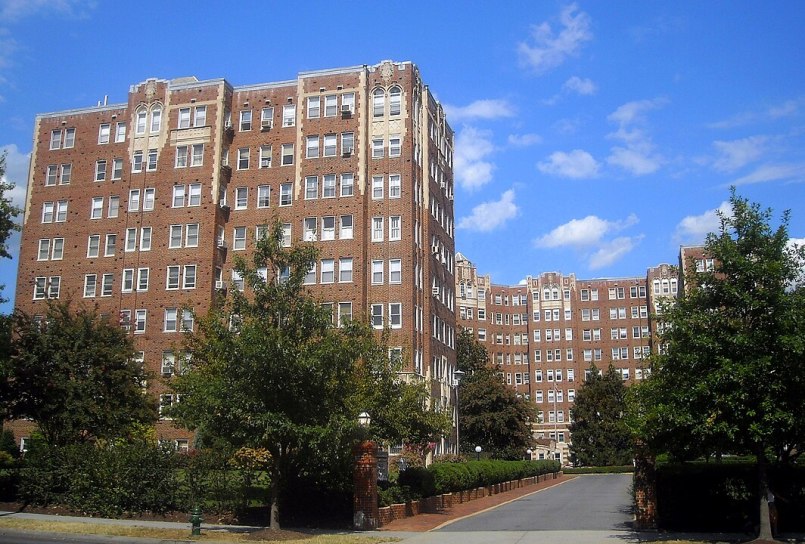
The Broadmoor, built in 1928, listed on the National Register of Historic Places. By AgnosticPreachersKid – Own work, CC BY-SA 3.0

A Glimpse into History
Cleveland Park’s roots date back to the late 19th century, when President Grover Cleveland built a summer estate in the area—hence the name. What followed was the development of a “streetcar suburb,” characterized by large lots, front porches, and a mix of architectural styles that still define the neighborhood today. Strolling down Macomb or Newark Streets feels like stepping into a living time capsule, where Craftsman bungalows, Queen Anne homes, and stately Tudors create a postcard-perfect backdrop.

Why Choose Cleveland Park?

1. A Village Within the City
Despite its location just a few Metro stops from downtown DC, Cleveland Park feels worlds away from the hustle. Residents often describe it as a small town within the city, where neighbors know each other, local businesses remember your name, and weekend farmers markets are a community ritual.

2. Architectural Character
This neighborhood is a dream for those who appreciate unique homes with history. The Cleveland Park Historic District protects the architectural integrity of the area, ensuring that new development blends seamlessly with century-old charm.


3. Walkability & Green Space
Cleveland Park is one of DC’s most walkable neighborhoods. Connecticut Avenue serves as the main artery, offering restaurants, shops, bookstores, and the iconic Uptown Theater building. Just steps away, Rock Creek Park provides an escape into nature with hiking trails, picnic spots, and even a horse stable—all without leaving the city.

4. Family-Friendly & Pet-Loving
The neighborhood’s top-rated schools, safe streets, and abundance of parks make it especially appealing for families. Plus, with ample sidewalks and pet-friendly trails, it’s a great fit for four-legged residents too.

5. Culture & Cuisine
Whether it’s savoring authentic Indian at Dkshin, enjoying casual bites at Medium Rare, or exploring local gems like Vace Italian Deli, Cleveland Park’s food scene is quietly excellent. Add in the historic National Cathedral just a short walk away, and the cultural appeal only deepens.

Final Thoughts
Cleveland Park isn’t just a neighborhood—it’s a community with character, history, and heart. For those who want the best of both worlds—urban accessibility and suburban serenity—it’s easy to see why so many choose to call it home.

Looking to make a move to Cleveland Park? Properties on the Potomac is here to help you find the perfect place to write your next chapter.

The landscape of generational wealth transfer is undergoing a massive shift. Over the next two decades, baby boomers and the Silent Generation are set to pass down an astounding $84.4 trillion in assets, including real estate, financial instruments, personal property, and even pets and livestock. As a seasoned real estate professional, I’ve witnessed firsthand how this inheritance process can become an overwhelming and emotionally charged journey for many families.

The Inheritance Roadmap: Navigating with Wisdom and Care
Here are five critical considerations when navigating an inheritance:

1. Open Family Communication: The foundation of a smooth inheritance process is transparent, honest communication. Initiate conversations about estate intentions early:

  • Locate and review important documents
  • Identify the designated estate administrator
  • Discuss the location of wills and trusts
  • Understand the family attorney’s contact information
  • Uncover details about potentially valuable collections (art, antiques, coins)

2. Sibling Harmony: When multiple heirs are involved, expectations management is crucial:

  • Have candid discussions about the inheritance
  • Set realistic expectations
  • Create a framework that prevents potential conflicts
  • Prioritize family relationships over material possessions

3. Objective Property Assessment: Approach personal property and inheritance with both sentiment and practicality:

  • Carefully evaluate what items truly hold value for you
  • Consider sentimental attachments objectively
  • Be willing to let go of items that don’t serve a purpose
  • Respect the memories associated with belongings without being overwhelmed
  • Establish a relationship with estate auctioneer(s)

4. Real Estate Strategy: Develop a comprehensive plan for inherited property:

  • Create a timeline for property assessment
  • Determine whether to sell or maintain the property
  • Budget for potential improvements or repairs
  • Consult real estate professionals for market insights

5. Tax and Legal Preparedness: Understanding the legal and financial implications is critical:

  • Consult with a tax professional
  • Learn about inheritance tax laws
  • Understand potential tax implications
  • Develop a strategy to minimize tax burden

Here are five critical pitfalls to avoid when navigating an inheritance:

1. Hasty Storage Solutions: Resist the urge to quickly box everything and store it away. This approach:

  • Leads to unnecessary expense
  • Creates logistical complications
  • Prevents proper sorting and decision-making

2. Home Clutter Accumulation: Avoid filling your personal space with inherited belongings:

  • Prevents home organization
  • Creates unnecessary stress
  • Delays necessary decision-making

3. Overreliance on Verbal Valuations: Never take valuations at face value:

  • Consult multiple experts
  • Get professional appraisals
  • Verify the true worth of items

4. Family Conflict: Prioritize relationships over possessions:

  • Communicate openly and compassionately
  • Be willing to compromise
  • Focus on maintaining family bonds

5. Procrastination: Time is of the essence:

  • Make decisions promptly
  • Address legal and financial matters quickly
  • Prevent complications from delaying action

Emotional Perspective: Honoring Memories

Inheriting a household is more than a financial transaction—it’s an emotional journey. Remember that your loved ones cherished these belongings, but memories persist beyond physical objects. Be kind to yourself and your family during this process.

Key takeaway: Things have no permanence. Some items are meant to be memories, not permanent possessions. Embrace the opportunity to honor your family’s legacy while creating your own path forward.

By approaching inheritance with preparation, compassion, and strategic thinking, you can transform a potentially stressful situation into a meaningful transition that honors your family’s memory and your own future.

Are you or someone you know stressing about what to do with inherited real estate? Reach out to Properties on the Potomac at 703-624-8333 today!

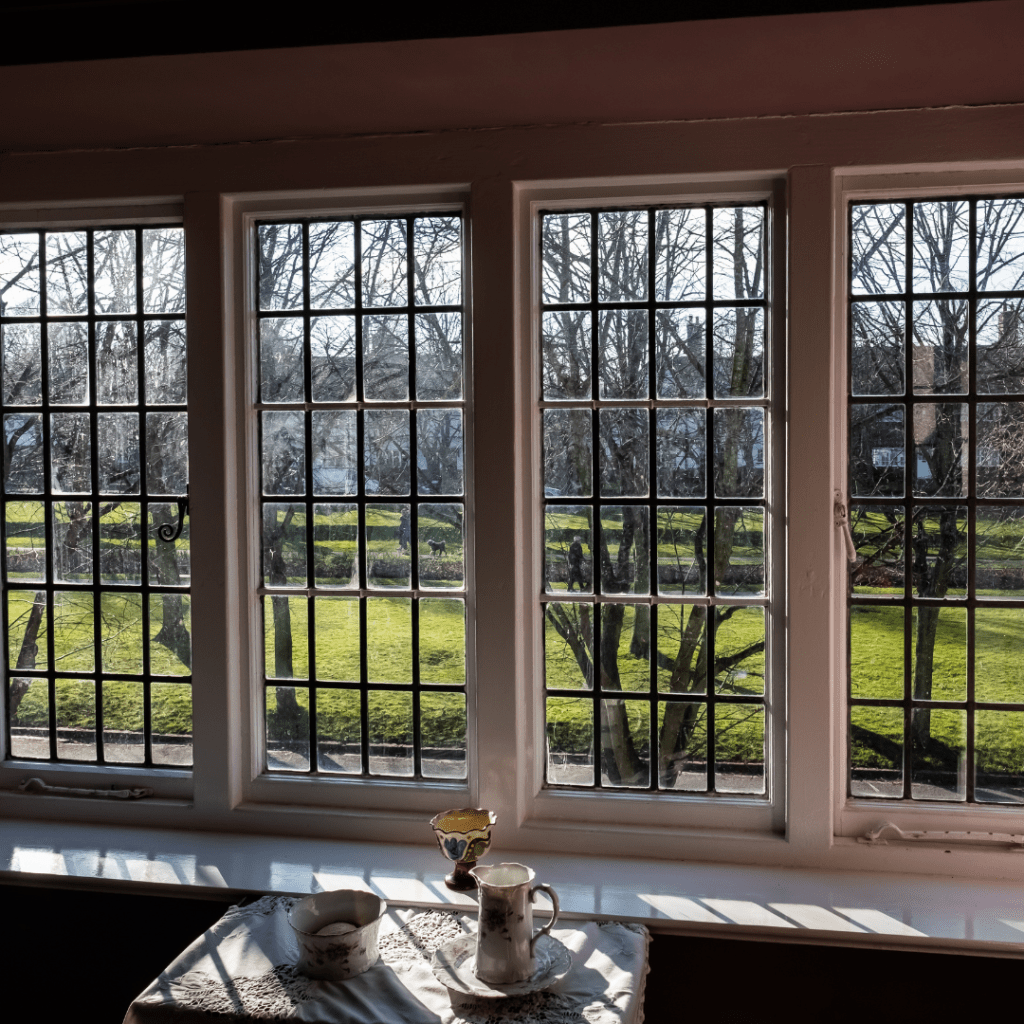
As winter approaches, it’s important to take steps to ensure your home is ready to withstand the cold. A well-sealed house will not only keep your family comfortable but also help reduce energy costs. In this first week of winter preparation, the focus is on inspecting and sealing your home to prevent drafts and heat loss. Here’s a simple to-do list to get started.

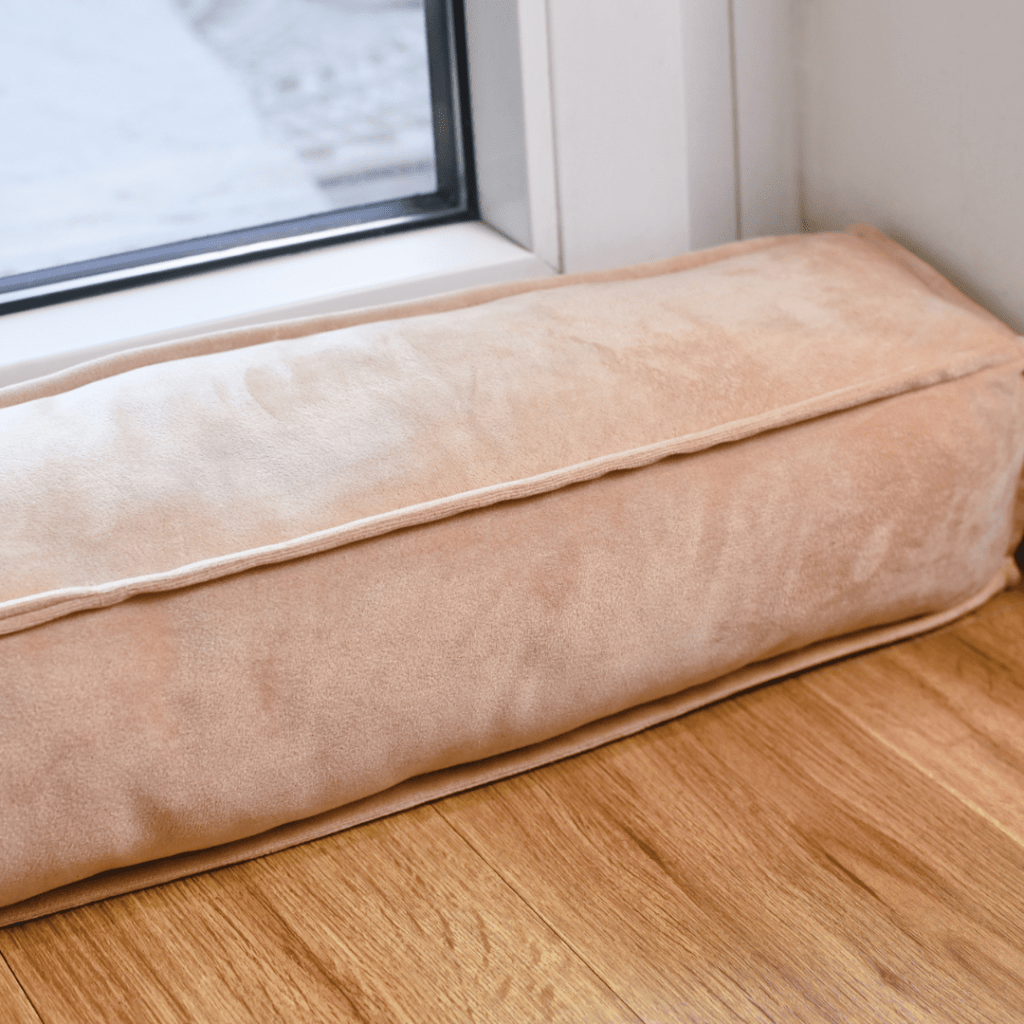
  • Inspect for Air Leaks: The first step in sealing your home is identifying where cold air might sneak in. Pay close attention to windows, doors, and any gaps in your home’s structure. Common problem areas include door frames, windowsills, and places where pipes or electrical wiring enter your home. Once you’ve located these potential air leaks, seal them with weatherstripping or caulk. Sealing drafts can save you a significant amount on your heating bills by keeping warm air inside.
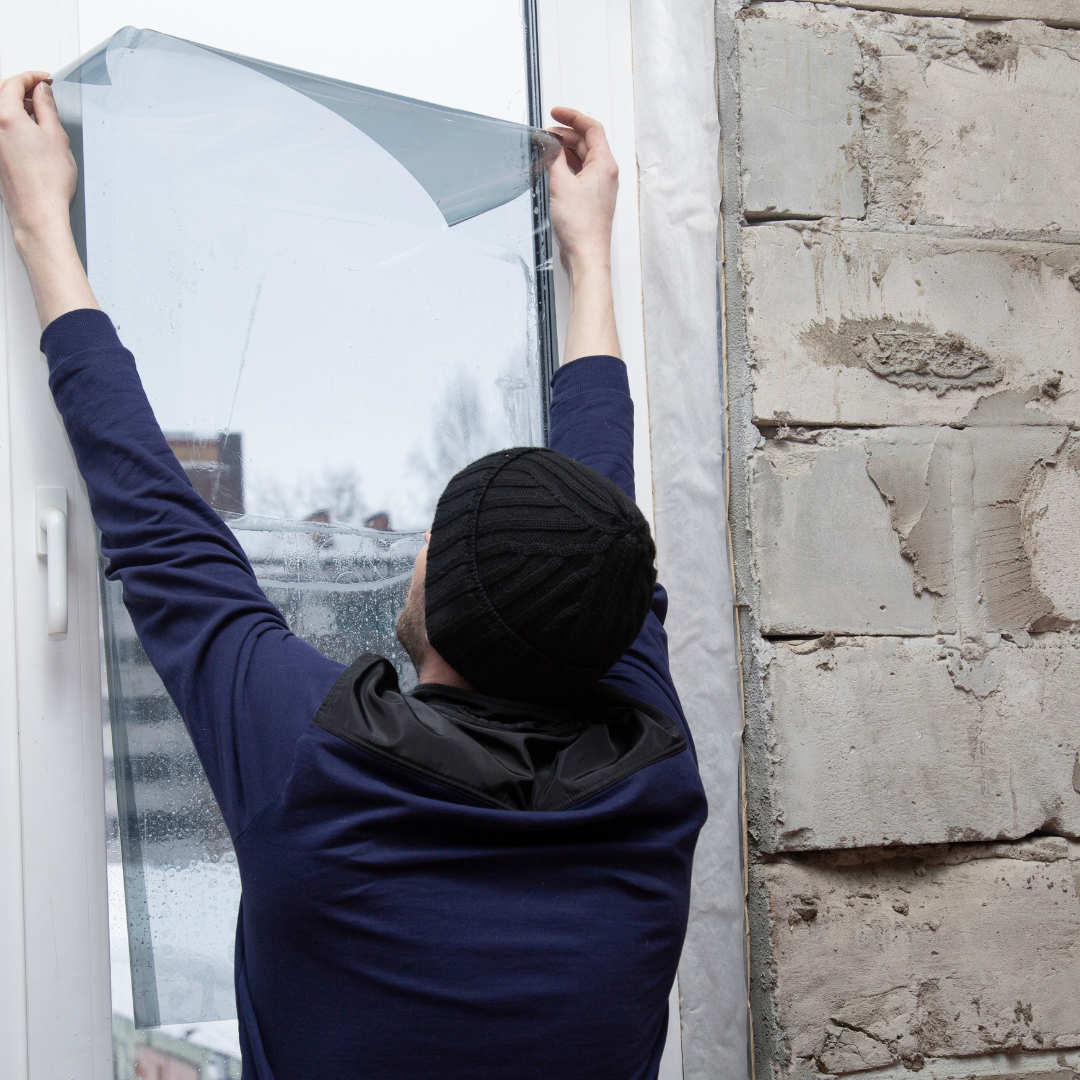
  • Seal Drafty Windows: Windows can be a major source of heat loss during the winter. If you feel cold air around your windows, consider applying window film for an extra layer of insulation. Window film is an inexpensive solution that can help trap heat inside. Alternatively, installing insulated curtains can keep your home warmer by blocking out cold drafts, especially at night.
  • Examine the Roof and Chimney: Don’t forget to check your roof and chimney for any signs of damage. Missing or damaged shingles can lead to water leaks and ice dams, which can cause significant damage in the colder months. Similarly, inspect your chimney for cracks or blockages that could prevent it from venting properly. Addressing these issues early will prevent costly repairs and make your home more energy efficient.


By following these simple steps, you’ll be on your way to a warmer, cozier home this winter! If you need help finding professionals for repairs or inspections, contact Properties On the Potomac at 703-624-8333 today. And stay tuned for more tips on how to prep your home for winter weather!

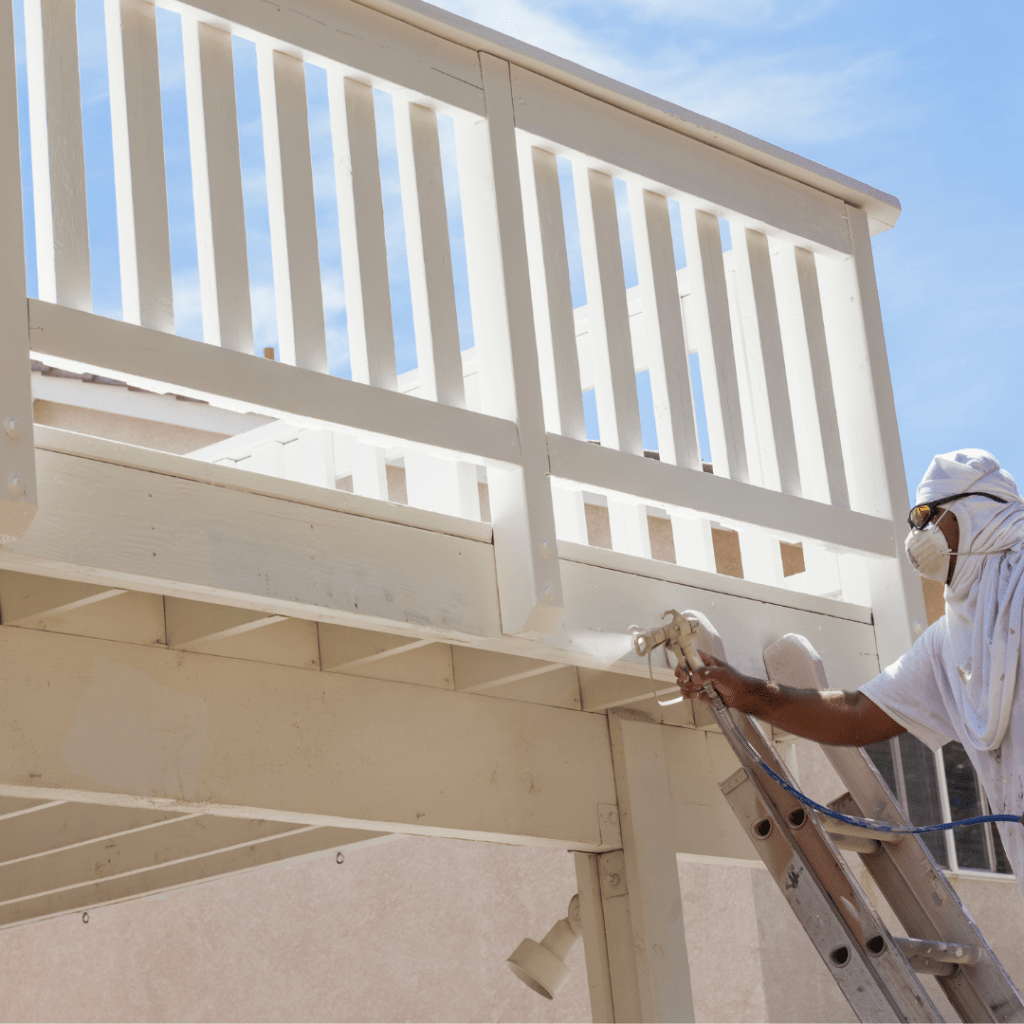
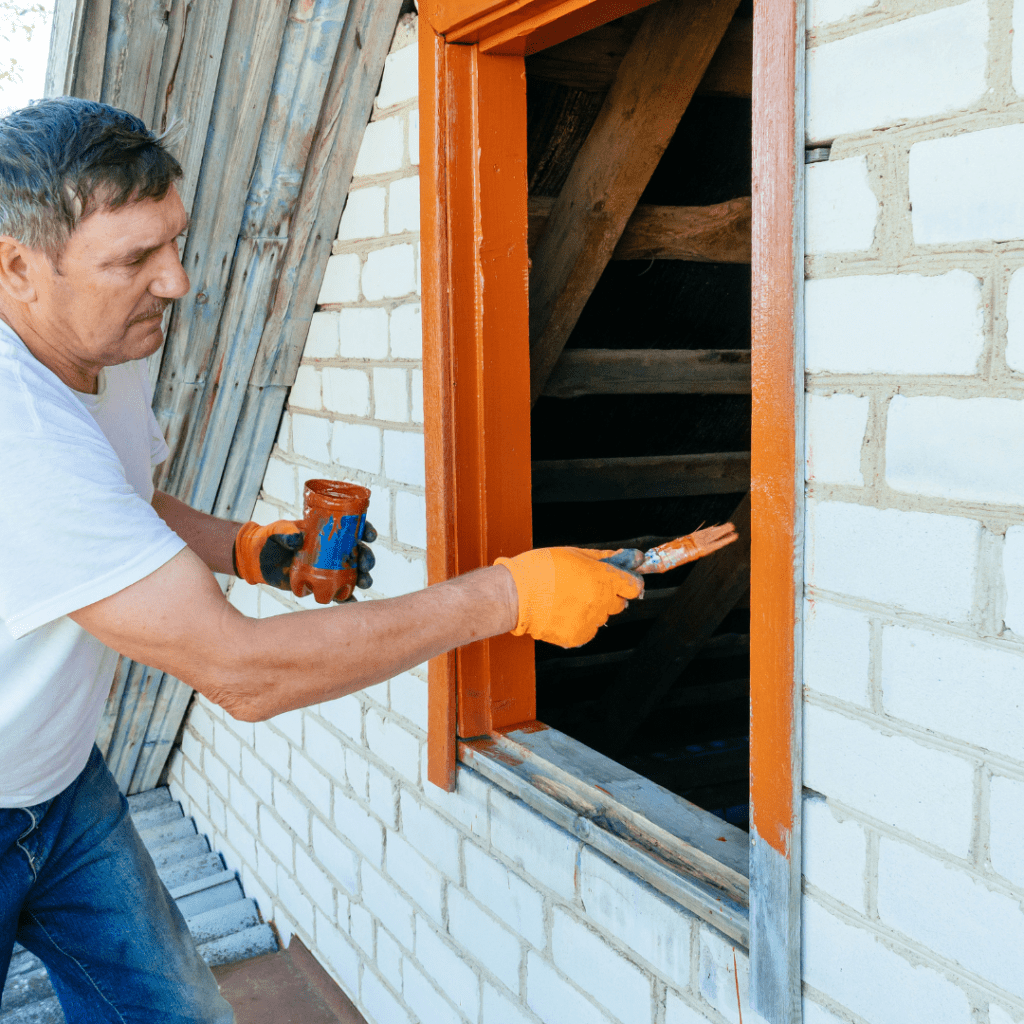
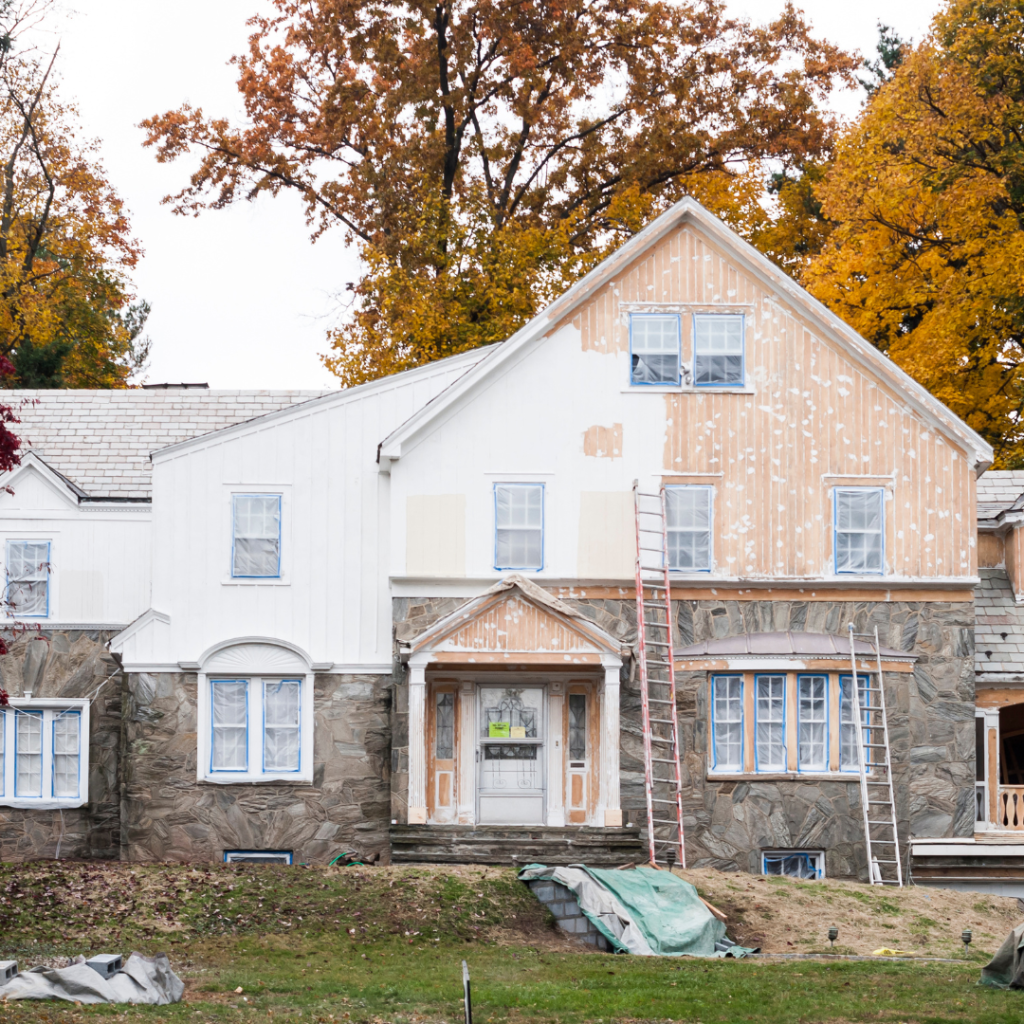
When it comes to enhancing the curb appeal of your home, few improvements are as impactful as a fresh coat of paint. This simple, yet effective upgrade can transform the look of your property, making it more attractive to potential buyers and significantly increasing its value. Here’s why fresh paint is a key component in boosting your home’s curb appeal:

Immediate Visual Impact: A new coat of paint can dramatically change the appearance of your home. Whether you choose to refresh the existing color or opt for a new, modern hue, fresh paint makes your home look clean, well-maintained, and inviting. It’s the first thing people notice, setting the tone for the rest of the property.

Increased Property Value: Investing in a quality paint job can yield a high return on investment. Homes with fresh paint tend to sell faster and for higher prices compared to those with faded or peeling paint. It’s a relatively low-cost improvement that can significantly boost your home’s marketability.

Protection from the Elements: Paint does more than just beautify your home; it also acts as a protective barrier against the elements. Quality exterior paint shields your home from moisture, sun damage, and pests. By preventing these issues, you can avoid costly repairs and maintain the structural integrity of your home.

Highlighting Architectural Features: A fresh coat of paint can highlight your home’s architectural features, making it stand out in the neighborhood. Accentuate details like trim, shutters, and doors with complementary colors to add depth and character to your property’s exterior.

Positive First Impressions: First impressions are crucial in real estate. A freshly painted home conveys pride of ownership and suggests that the property is well-cared for. This positive perception can make a significant difference in attracting potential buyers and encouraging competitive offers.

Enhanced Mood and Perception: Colors have a psychological impact on mood and perception. Choosing the right exterior colors can create a welcoming and comforting atmosphere. Neutral and earth tones often appeal to a broader audience, while bold accents can add personality and charm.

Fresh paint is a simple yet powerful way to enhance your home’s curb appeal, protect your investment, and attract potential buyers. If you’re thinking of selling your home and need personalized curb appeal ideas, contact us at Properties on the Potomac at 703-624-8333. Our team is here to help you make the best impression and achieve top dollar for your property.

Don’t forget to subscribe for more tips in our curb appeal series!

Whether you’re renting an apartment or own your own home, a topic that often comes up is the difference between “damage” and “wear and tear.” Knowing the difference between the two, and how they can impact your security deposit (if renting) or resale value (if you own), is important. So let’s delve into what constitutes “damage” vs. “wear and tear.”

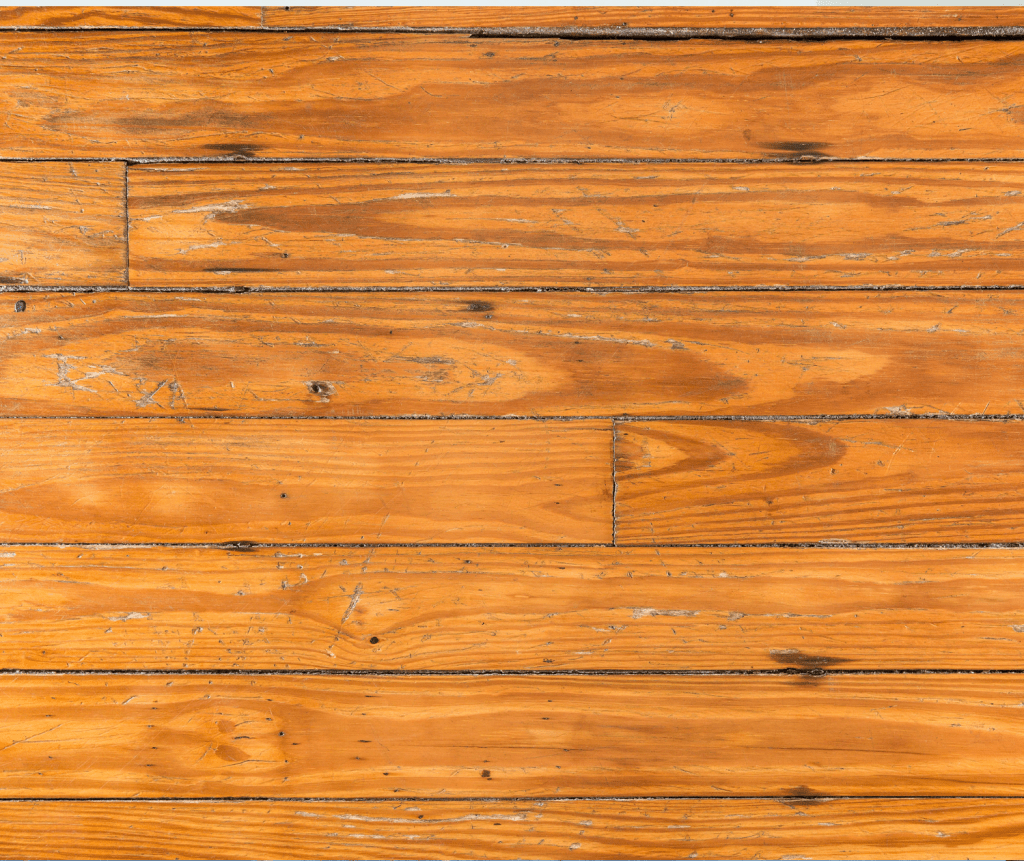
First, what is “wear and tear?” Imagine your home as a beloved pair of jeans. Over time, they get a little frayed at the hems and perhaps lose some color, but they’re still your favorite pair. That’s wear and tear–the natural, inevitable aging of a home. It’s the scuffed hardwood floors from years of excited foot traffic, the faded paint on the south-facing wall that’s soaked up all those glorious sun rays, and the slight wobble in the staircase handrail that’s supported countless trips up and down.

Wear and tear is like the charming laugh lines on your home’s face. It’s a testament to a life well-lived within those walls. And good news: most landlords and homeowners’ insurance policies understand this. They won’t expect you to have a time machine to prevent natural aging.

Now, let’s switch gears to “damage.” This is where things get a little more dramatic. Damage is the overenthusiastic toddler who decides to use the living room wall as a canvas for their crayon masterpiece. It’s the party guest who thinks swinging from the chandelier is a great idea (spoiler: it’s not). In essence, damage is caused by accidents, negligence, or mishandling.

Damage is the broken window from an impromptu indoor baseball game or the hole in the drywall from moving that couch up the stairs. Unlike wear and tear, damage is not a badge of honor for your home; it’s a call to action, often requiring immediate repair.

Understanding the difference between wear and tear and damage can save you a lot of stress (and money). Embrace the quirks that come with time but keep an eye out for those accidental oopsies that need fixing. After all, a well-loved home, with its mix of charming wear and careful repairs, tells the best stories.

Are you ready to make stories in your own home? Contact Properties on the Potomac today at 703-624-8333 for expert advice and top-notch real estate services. Let’s make your home the best story ever told!
Cracks in walls are a common issue in many homes, but not all cracks are created equal. Some may be harmless, while others can indicate serious structural problems that require immediate attention. Knowing when to take action can save you from costly repairs down the road.

Types of Cracks and What They Mean
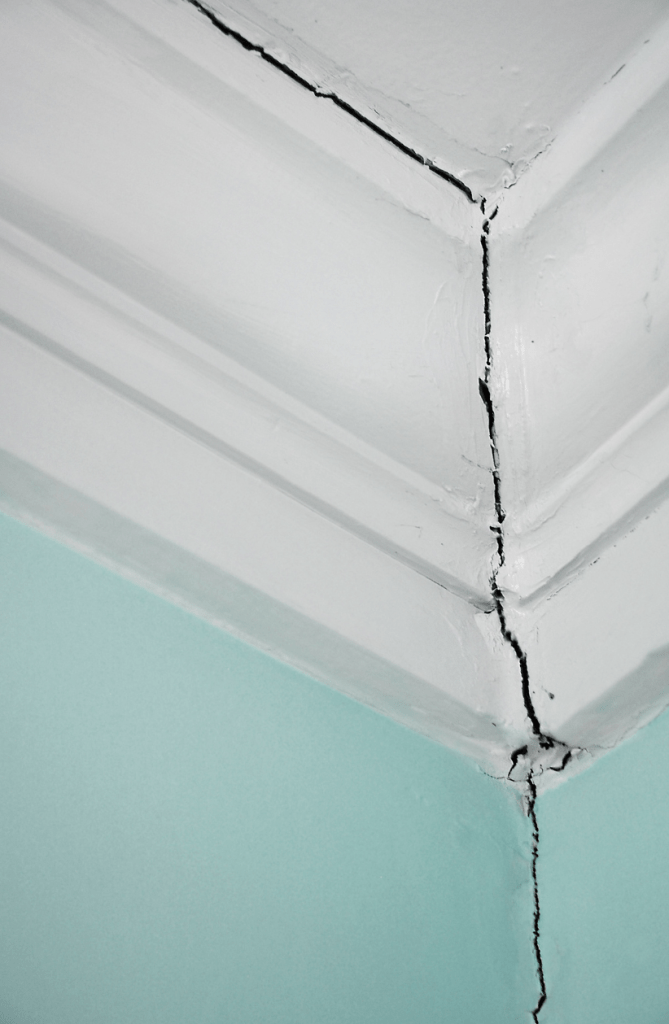
Hairline Cracks: These are usually less than 1/16 inch wide and often appear in drywall or plaster. They are typically caused by minor settling or shrinkage as the building materials dry out. While they can be unsightly, they usually don’t indicate serious issues.

– Vertical Cracks: These are generally in the same category as hairline cracks, especially if they are narrow and uniformly straight. However, if they are wider at the top or bottom, they might suggest uneven settling of the foundation.

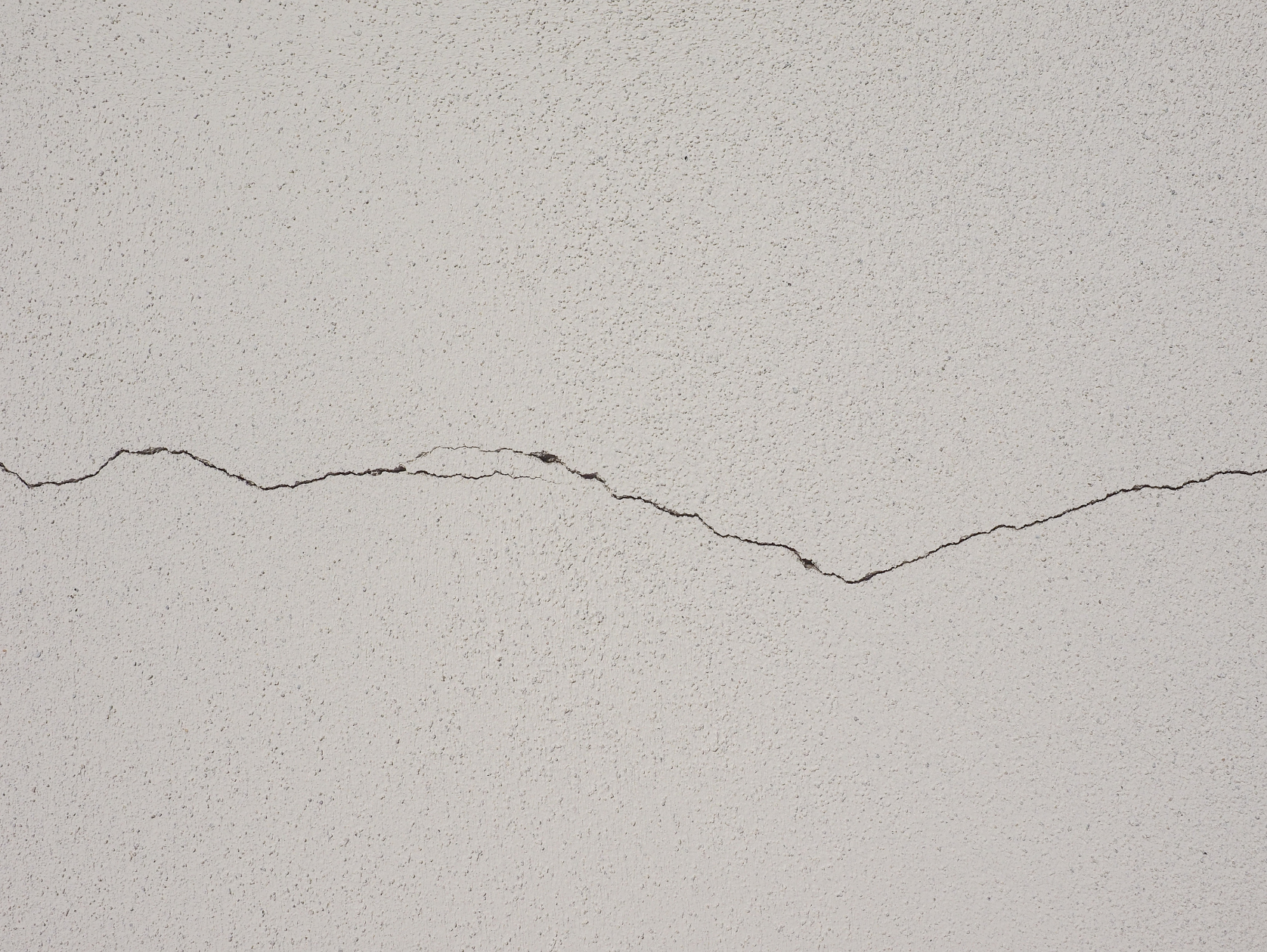
– Diagonal Cracks:  Often running at a 30- to 75-degree angle, diagonal cracks can indicate differential settling or foundation movement. The wider the crack, the more serious the potential problem.

– Horizontal Cracks: These are the most concerning and typically signal significant structural issues. Horizontal cracks often indicate that the foundation is experiencing too much lateral pressure, which can lead to wall failure if not addressed promptly.

When to Take Action
If you notice cracks that are wider than 1/8 inch, appear suddenly, or seem to be growing, it’s time to call in a professional. Cracks accompanied by doors and windows that stick, uneven floors, or water seepage are red flags for serious structural problems.

Ignoring significant cracks can lead to worsening damage, higher repair costs, and potential safety hazards. It’s always better to be safe and have a professional assess the situation rather than risk the integrity of your home.

If you need help finding a professional to help you, give Properties on the Potomac a call at 703-624-8333 today. We work with a great group of trusted people and companies and we’d love to help you with a referral.

To Stage or Not?

Home staging has become a huge trend in the real estate industry. An online search for “home stagers in my area” will result in myriad professional home stagers. With the prevalence of home staging on TV and in real estate photos, you may think that home staging is inevitable for your potential house sale. Sellers have been trained to believe that they live in a hovel and cannot sell their property without thorough staging. That is most likely not the case.

While it is true that many buyers are not financially prepared to make major improvements to a property in order for it to be listed for top value, your house might just need some continuity, decluttering, or maybe even a coat of paint.

Before embarking on selling prep, contact us. We are professional real estate experts and have seen and sold everything from minimalist showplaces to near-hoarding situations. We work with many buyers and “see” properties through their eyes. We know what they see and how they react to certain spaces and items.

When we meet to review your plans, we will see your property and take a “reading” of it. If necessary, we will develop a plan that is efficient and effective for your specific property. While we do not charge for our staging service, we require a signed Listing Agreement before we proceed. Our goal is to give you our best advice whether rearranging furniture, bringing in some staging materials, recommending removal of some items, or repainting certain areas. Your finances are always key in our recommendations.  

If you have lived in your property for a long time, we will discuss possible “updating” or curating certain items to present the best possible property image to appeal to the broadest range of qualified buyers. Our goal is to not spend your money and unless the circumstances are extreme, we would never suggest emptying your home and renting staging furnishings.

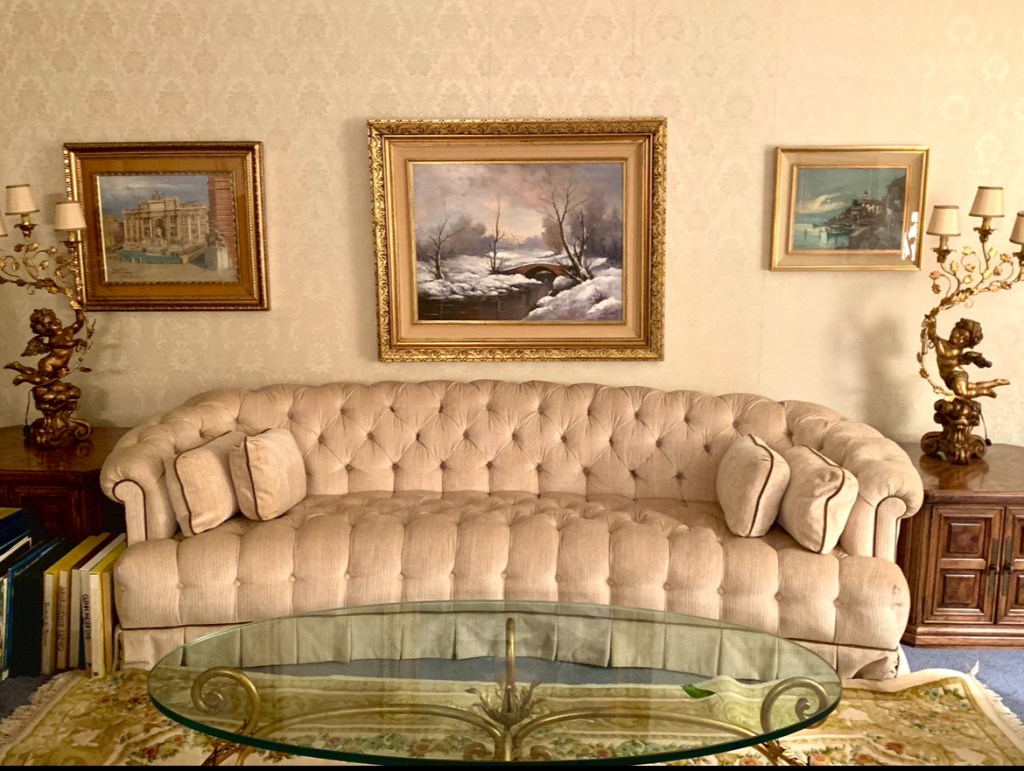
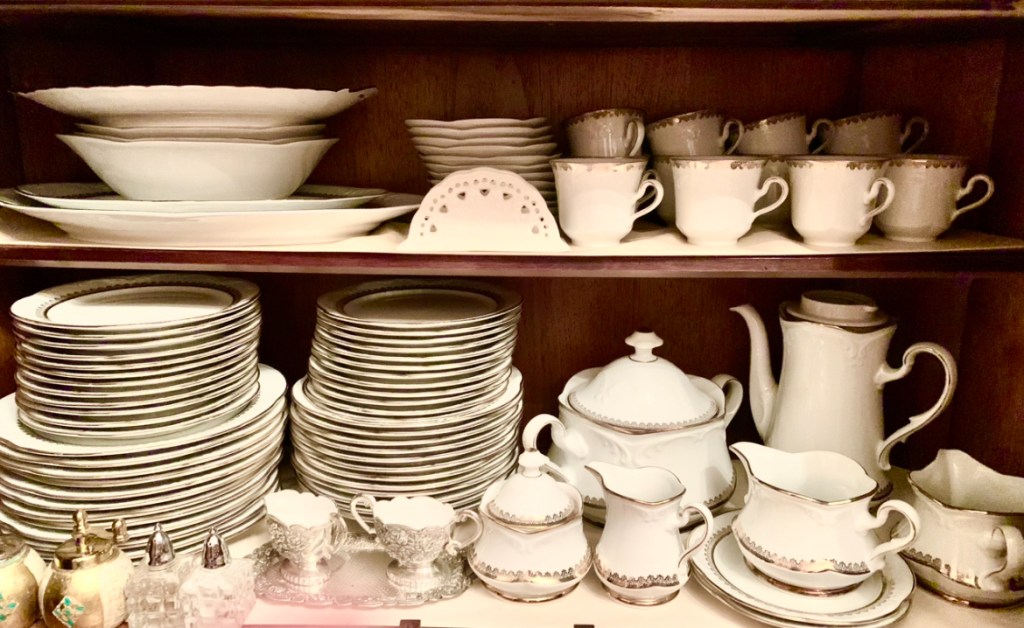
If you are a collector, we might recommend packing up some of your collection(s). If you have beautiful antiques that are fragile, we will discuss safeguarding them. If you have amazing art, it might be beneficial to take some down to prevent distractions from the buyers’ purpose of selecting your house.

What should you do with family portraits? That is a very personal matter. One or two might be fine. Walls of children’s school photos might be overwhelming. We look at every space and consider the overall impression the property makes to a buyer in the first 30 seconds. We offer our advice based on the Malcolm Gladwell principal presented in his book, Blink.

We start from the street and work our way to the closets with our recommendations.

In the end, everything has value. Doing nothing (should anything be needed) will generally yield a lower selling price. Excessive minimalism could be off-putting and not generate an offer quickly, thus possibly selling for less. We work with our sellers to develop a good balance of reselling a home to buyers in search of a home.

Before you take matters into your own hands, call Properties on the Potomac at 703-624-8333 to discuss your goals and needs. Together, we will develop the plan that best suits you and captures the best buyers. Schedule your appointment with us today!
Eleanore of Aquitaine: Her Influence on Architecture and the Fireplace

Eleanore of Aquitaine was one of the most powerful and influential women of the Middle Ages. She was strong, determined, and opinionated. She got things done. She initiated a revolt against the king, her husband, in favor of her son. She was the mother of King Richard Lionheart and King John (not everyone is a winner). She rode astride and led and/or participated in the Second Crusade. At age 72, she crossed the Pyrenees Mountains in winter to select the future queen of France. She left a lasting impact on numerous aspects of European culture, including architecture and the development of the fireplace.

As Queen of France and later England, Eleanore was known for her patronage of the arts and her keen interest in architecture. She commissioned the construction of numerous castles, palaces, and abbeys throughout her domains, many of which showcased the latest architectural innovations of the time.

One of the most significant architectural features that Eleanore is credited with popularizing is the fireplace. Prior to the 12th century, most European homes relied on open hearths in the center of the room for heating and cooking. However, this design was inefficient and caused smoke to fill the living space.

Eleanore, having grown up in the sophisticated courts of Aquitaine, was accustomed to more advanced heating systems. She is believed to have introduced the concept of the wall-mounted fireplace to the castles and palaces she inhabited. This design, which featured a flue to carry smoke out of the building, allowed for better heat distribution and improved air quality.

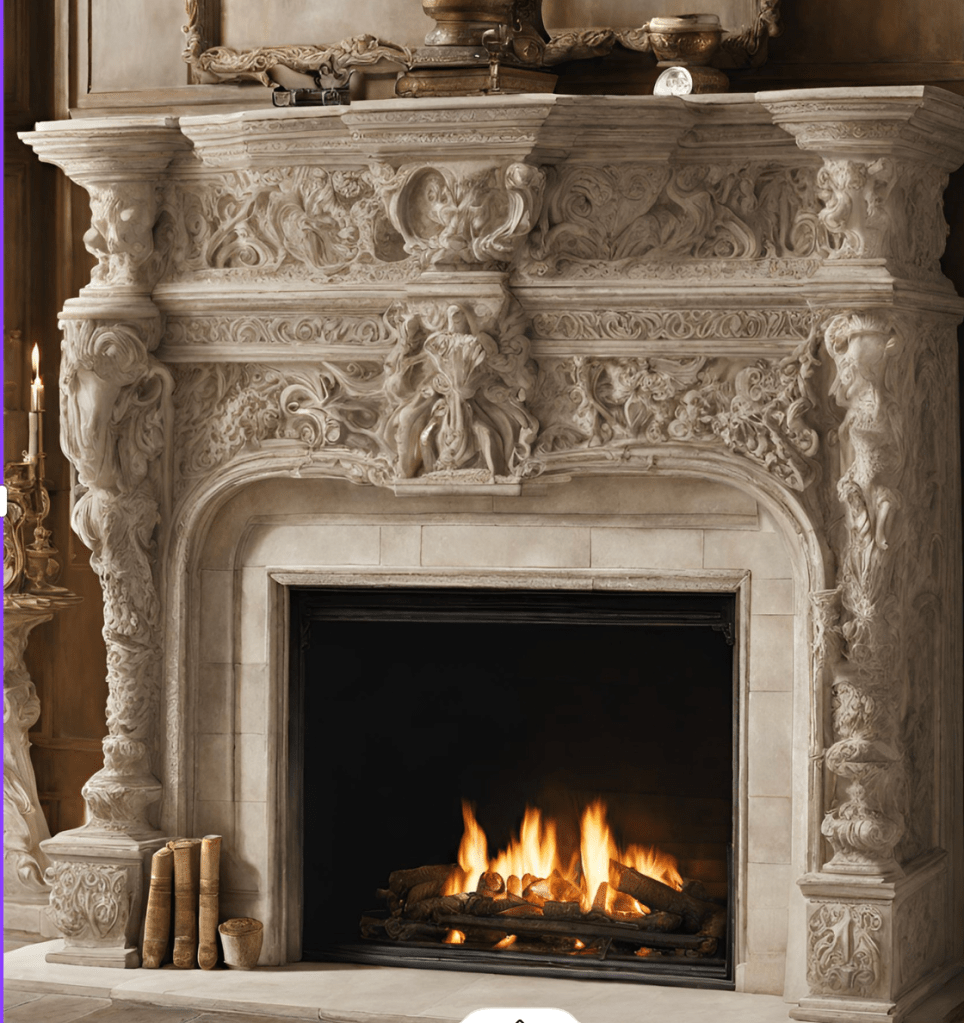
The incorporation of fireplaces into castle design became increasingly common during Eleanore’s lifetime. The Great Hall, a central feature of medieval castles, often showcased grand fireplaces that served as a gathering place for the household. These fireplaces were not only functional but also highly decorative, with intricate carvings and elaborate mantels.

Eleanore’s influence on fireplace design can be seen in many of the castles and palaces she inhabited, such as the Palace of Poitiers and the Fontevraud Abbey. The latter, where Eleanore spent her final years and was eventually buried, features numerous fireplaces throughout its buildings.

The legacy of Eleanore’s architectural innovations extends beyond her own lifetime. The use of wall-mounted fireplaces became widespread throughout Europe in the centuries that followed, evolving into the diverse range of fireplace designs we know today.

Eleanore of Aquitaine’s influence on architecture and the development of the fireplace cannot be overstated. Her patronage of the arts and her introduction of advanced heating systems to medieval European castles left a lasting impact on architectural design and the way we heat our homes to this day.

Do you dream of a home with a fireplace? Whether gas or log-burning, quaint or ornate, Properties on the Potomac can help you find your perfect fireplace. Give us a call at 703-624-8333 today!

By Krasi Henkel

Ranch-style homes have been a popular choice for decades thanks to their practical single-story layouts and flexible spaces. While some home buyers may overlook older ranch houses in favor of newer construction, these modest homes actually offer great opportunities. With some creativity and wise investments, you can remodel a ranch house on a budget.

The Benefits of Buying an Older Ranch:

  • Mail level primary bedroom(s)
  • Mature trees and landscaping
  • Established neighborhoods
  • Lower property taxes
  • Good value per square foot
  • Flexible floor plans
  • Hardwood floors or solid mid-century materials

The Blank Canvas:

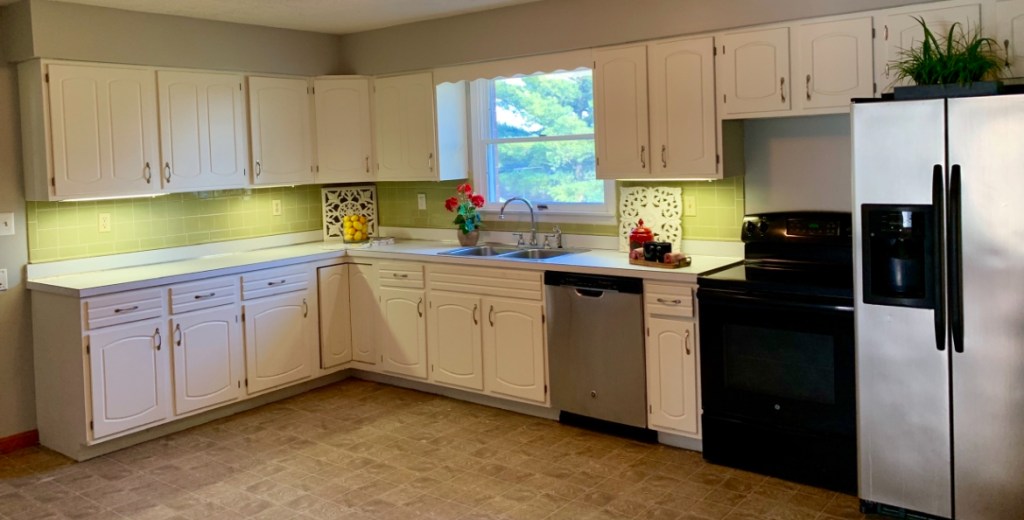
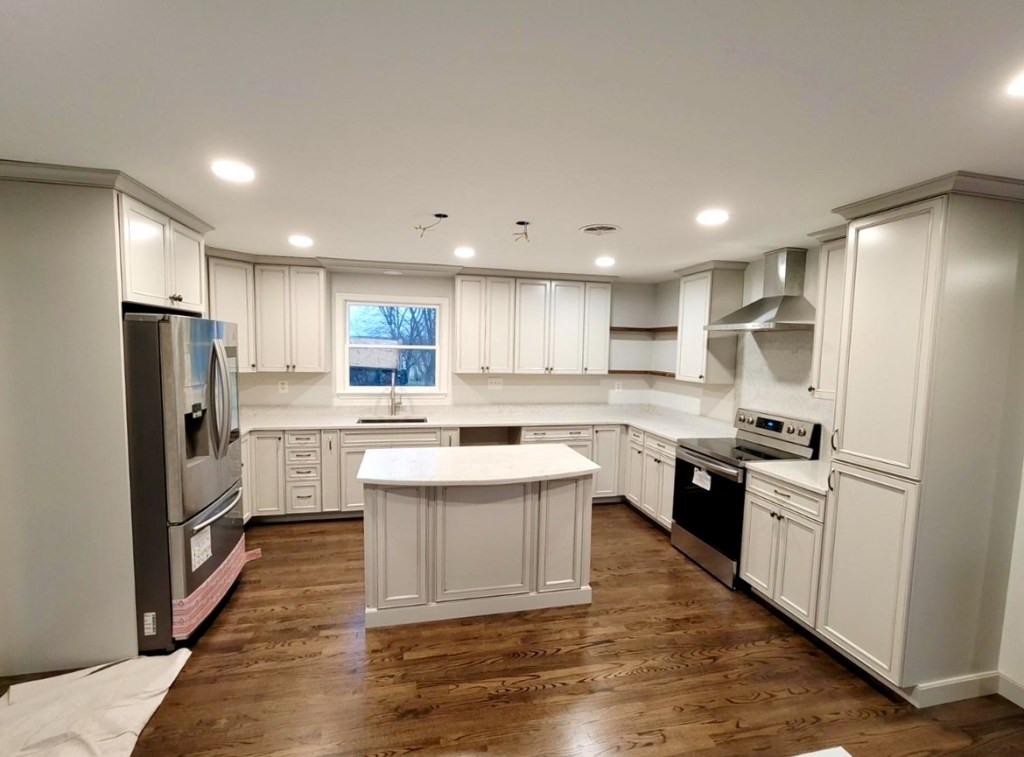
The simple shapes of ranch homes make them perfect blank canvases to incorporate modern style. Minor changes can make ranch homes feel fresh and new without blowing the budget. Consider these economical updates:

  • New paint in contemporary hues
  • Swap dated lighting for streamlined fixtures
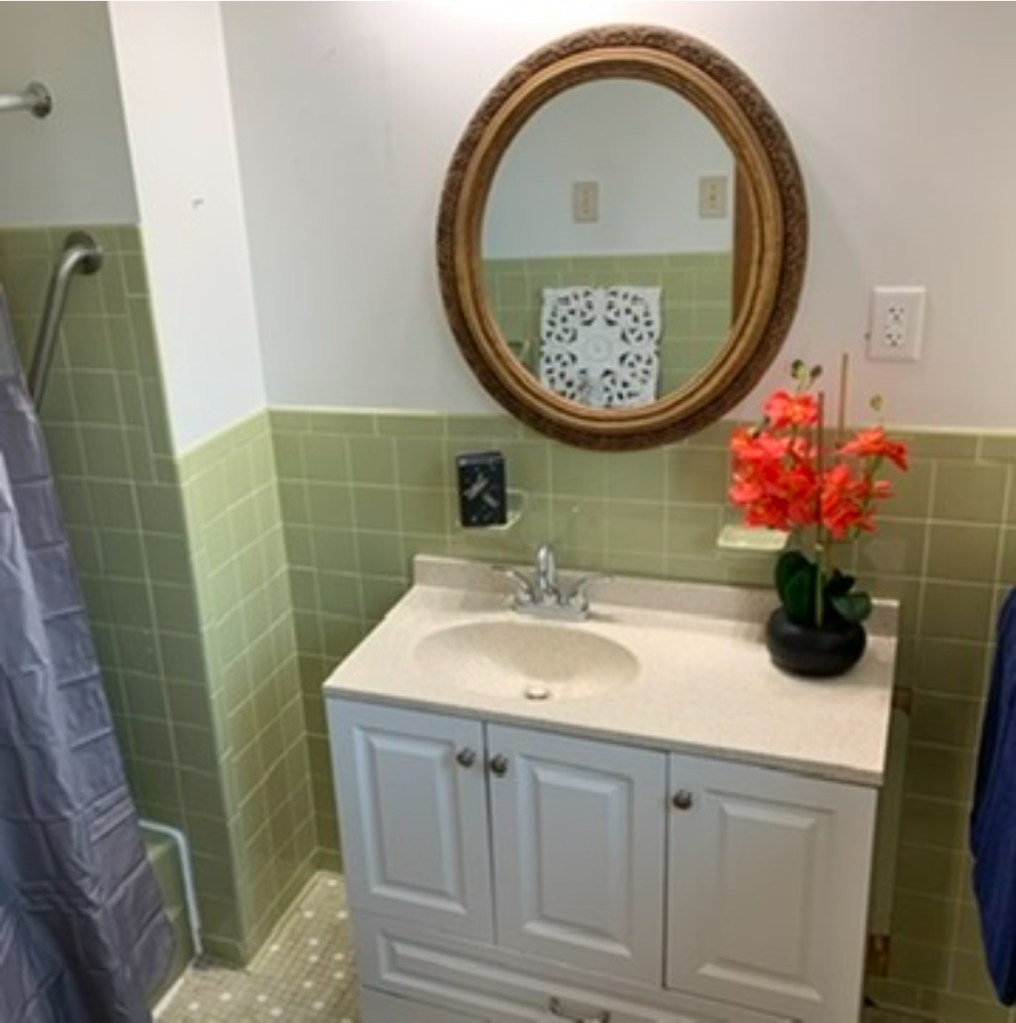
  • Replace builder-basic kitchens and baths with IKEA systems
  • Refinish hardwood flooring hidden under outdated carpeting
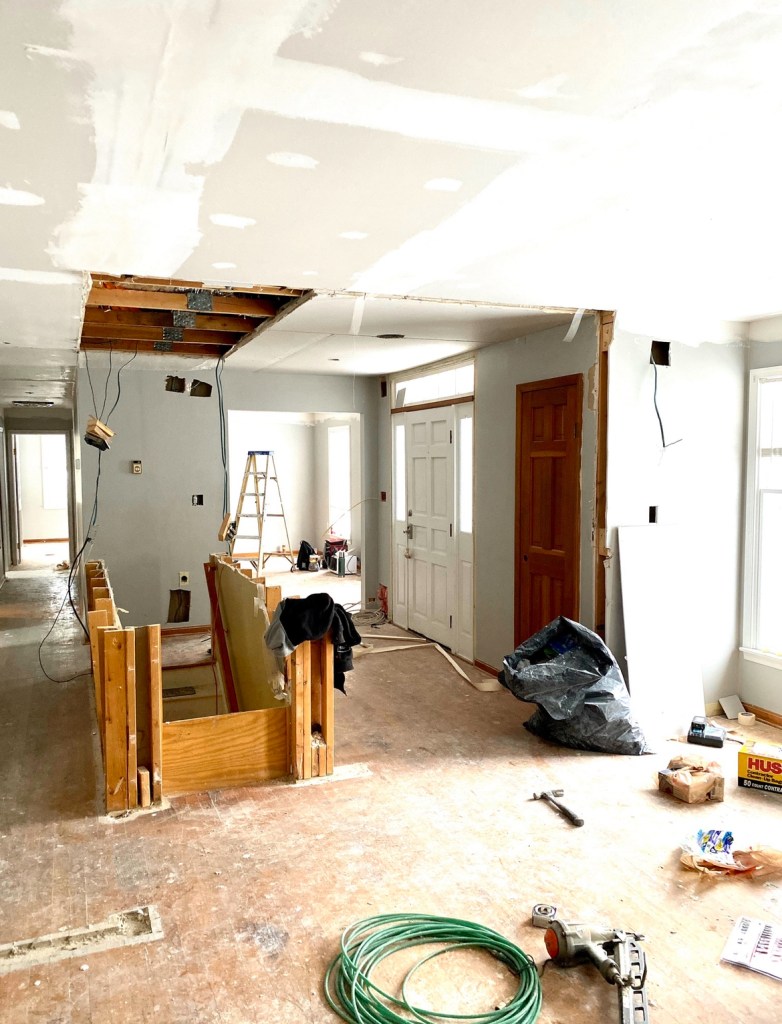
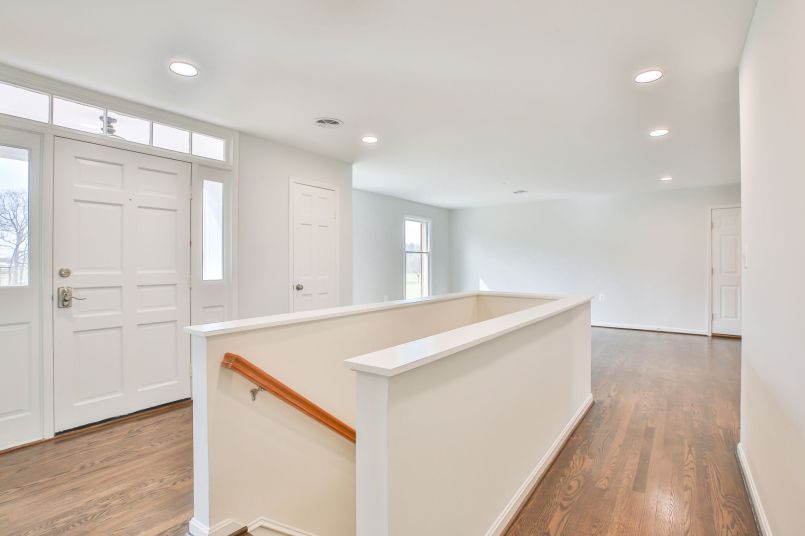
  • Knock down walls to create open-concept spaces
  • Add an addition

Big Style for Small Budgets

You don’t need expensive materials to give a ranch home an interior facelift. Use these design insider tips:

  • Shop for unique vintage details
  • Use bold wallpaper or paint instead of new cabinets
  • Stain concrete floors for an industrial look
  • Upgrade windows and patio doors even if you keep other structural elements

The single-level living and unused basement or attics in ranch homes present opportunities for expansion or converting unused areas into rental units for extra income.

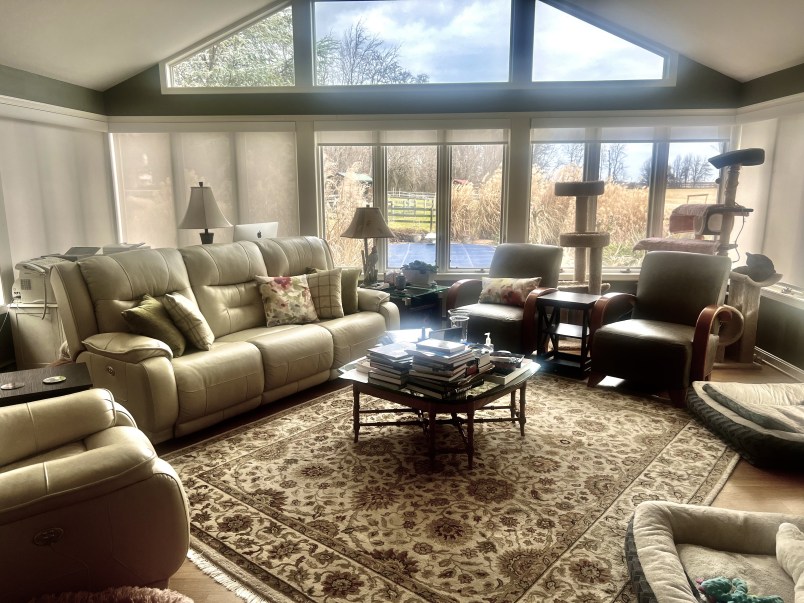
Addition to a ranch home provides tall, open spaces with abundant views

Take a fresh look at older ranch houses. With an updated exterior paint color, strategic refreshes indoors, and your own custom vision, you can personalize a home to suit your needs and style for less than you might expect. The charm and practicality of ranch homes continue to win over buyers who see their outstanding potential.

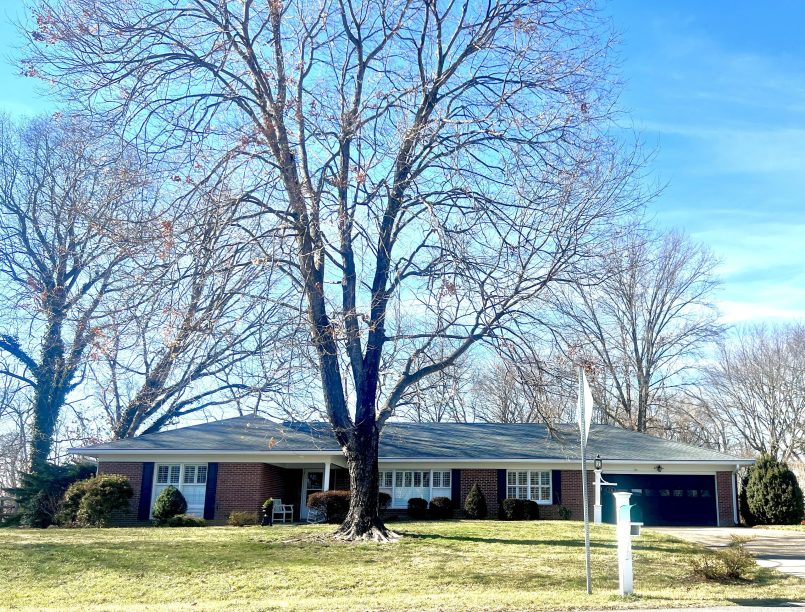
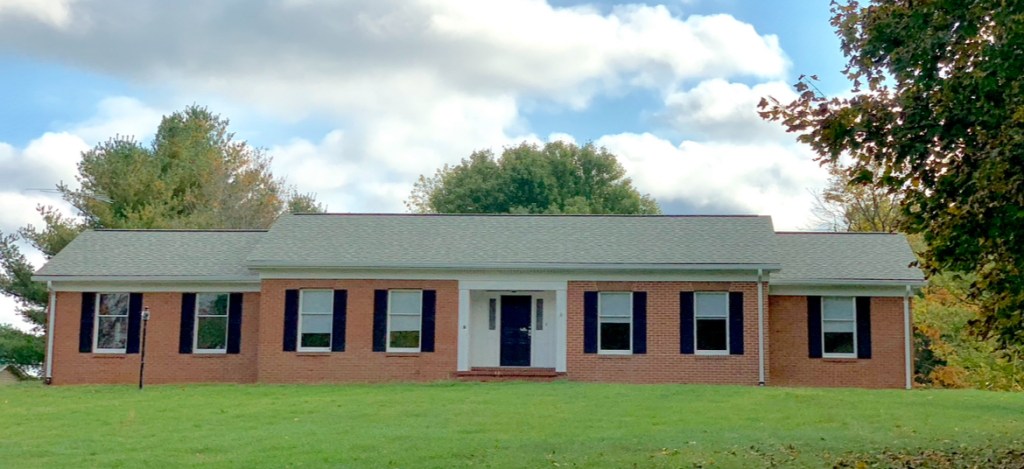
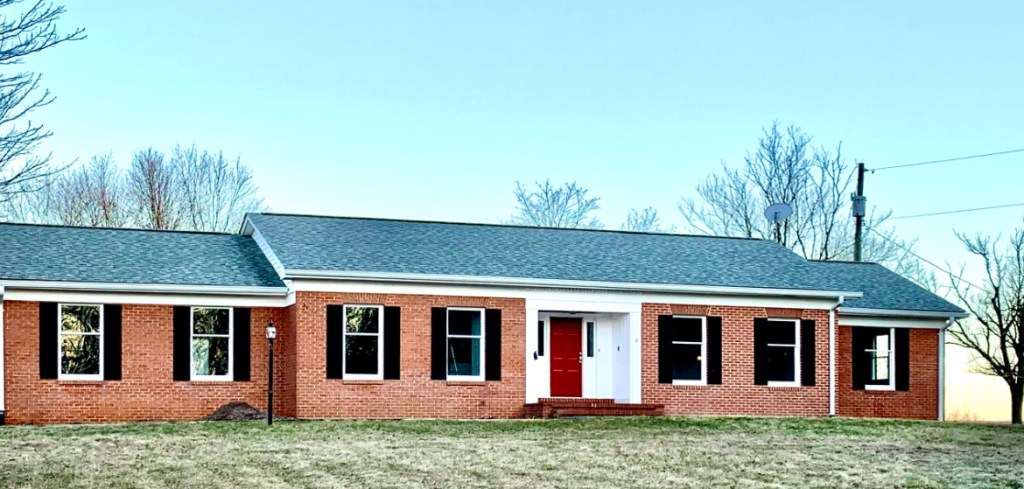
One of my favorite ranch homes in a subdivision that I have sold many ranches and that I love to walk my dog!