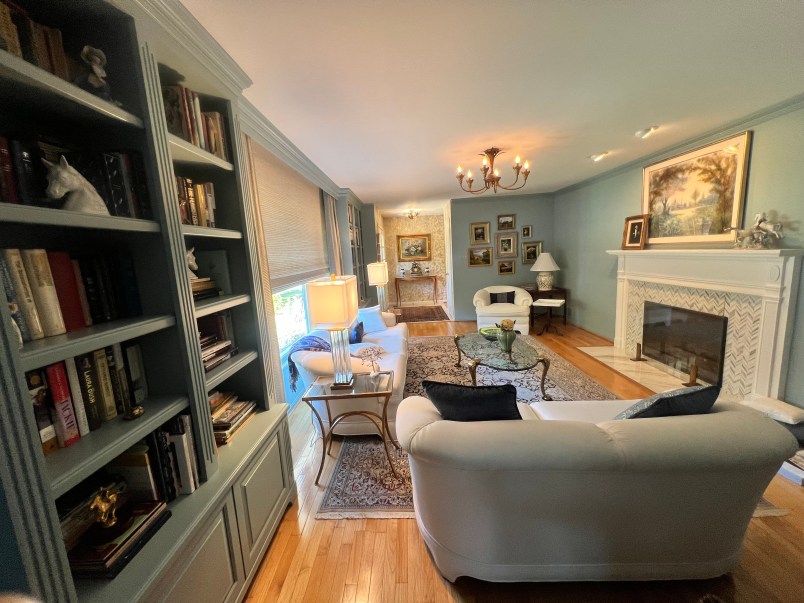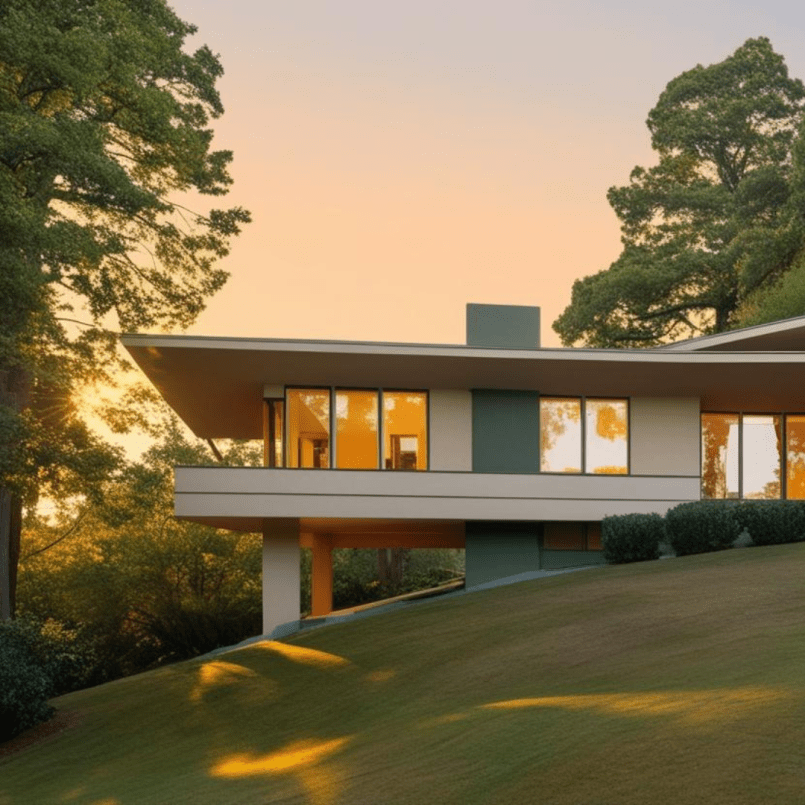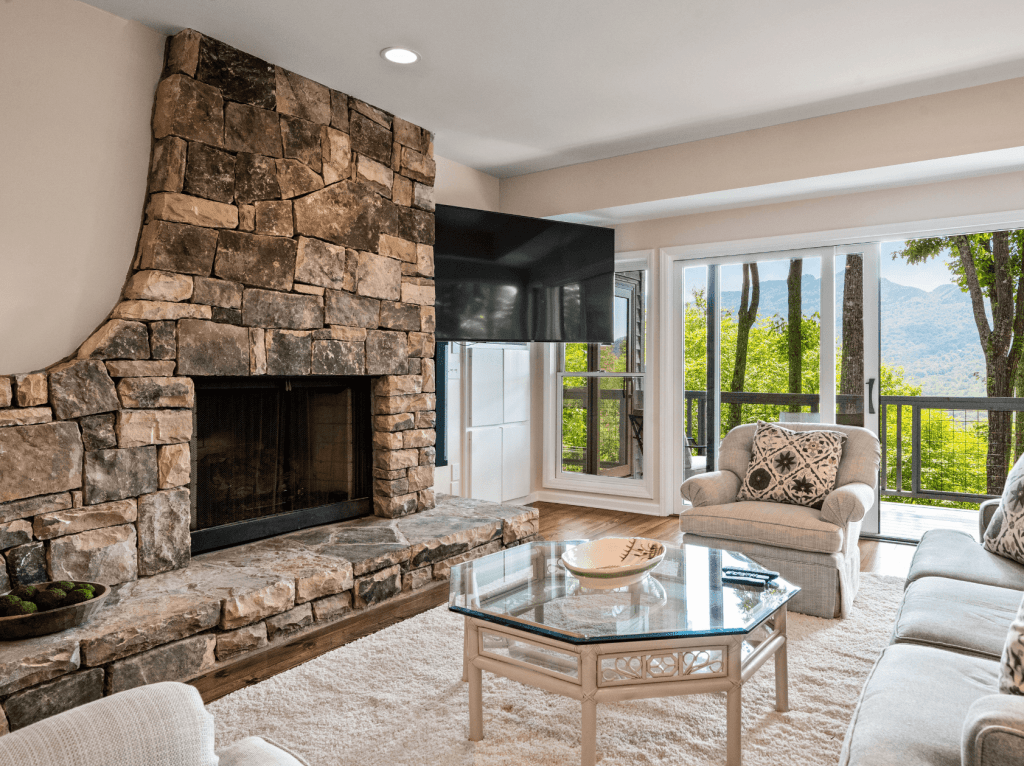
Nestled among the wooded hills of Bethesda, Maryland lies a remarkable architectural treasure that many drive past without recognizing its significance. Carderock Springs, a planned community established in 1962, stands as one of the region’s finest examples of Situated Modernism—where architecture and nature exist in thoughtful conversation.


Developer Edmund Bennett brought his revolutionary vision to life by collaborating with the leading modernist architects of the Capital area, Keyes, Lethbridge, and Condon. What makes Carderock truly special is how each home responds to its specific landscape.

Unlike the cookie-cutter developments of the era, Carderock’s designers let the natural contours of the land dictate which model would be built on each half-acre lot. This approach created a neighborhood where homes appear to grow organically from their surroundings, with clean horizontal lines that echo the woodland setting.

Interestingly, when these homes were first marketed, the term “Mid-Century Modern” didn’t even exist. Instead, brochures highlighted features like “cathedral ceilings,” “indoor/outdoor” living spaces, and “the latest materials”—never once using the word “modern” that collectors now prize these homes for.


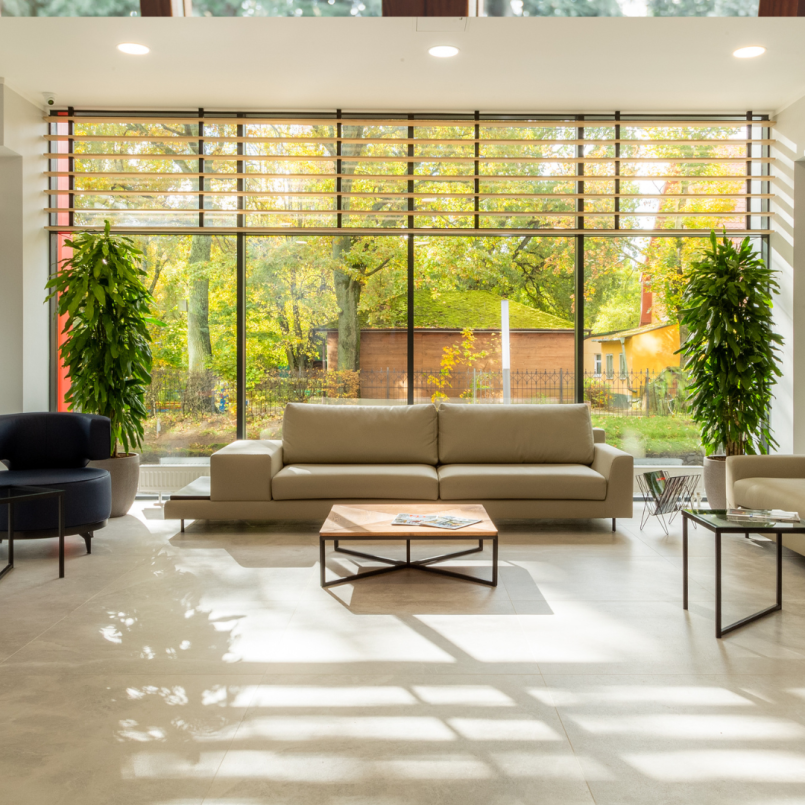
The Clubview model, with its dramatic open interiors flooded with natural light, exemplifies the community’s commitment to bringing the outdoors in through thoughtful design. Large windows frame the surrounding trees, creating living spaces that change with the seasons.

Today, Carderock Springs stands as more than just a neighborhood—it’s a living museum of architectural principles that feel remarkably current. As we rediscover the value of harmonious relationships between built environments and natural landscapes, this hidden modernist gem offers timeless lessons in sustainable, contextual design.

Are you looking for your own modernist gem? Give Properties on the Potomac a call at 703-624-8333 today!

With the weather warming up, it’s easy to forget about the warmth and cosiness of your fireplace. However, neglecting the maintenance of chimneys and fireplaces can pose significant risks to your homes and families. That’s why it’s crucial to adhere to national safety standards, which recommend annual fireplace, chimney, and vent inspections.

Chimneys accumulate creosote—a flammable substance—during use, are subject to deterioration, and can also become homes to animal nests. By addressing maintenance needs in the off-season, you mitigate the risk of chimney fires and ensure a safe and enjoyable fireplace experience come fall.

But what about gas fireplaces? While they may not produce creosote like their wood-burning counterparts, they still require regular maintenance to operate efficiently and safely. Cleaning a gas fireplace should include removing dust and debris from the interior casing and ventilation system. Additionally, inspecting the burner and igniter for any signs of wear or damage is essential for preventing malfunctions and ensuring consistent performance.

At Properties on the Potomac, we’re committed to helping you safeguard your home. Contact us at 703-624-8333 today if you need a referral to a company to inspect, clean, and maintain your fireplace(s).

The Visionary Architect Who Transformed Real Estate Design

Zaha Hadid, the groundbreaking Iraqi-British architect, left an indelible mark on the world of architecture and real estate design. She was dubbed, “the queen of curves,” by The Guardian. Her unique vision and innovative approach to design have influenced countless projects worldwide, from residential buildings to cultural institutions, commercial spaces, houseware, and even superyachts.

Hadid’s early work in the 1980s and 1990s showcased her bold, futuristic style. She often incorporated curved, fluid forms and unconventional geometries into her designs, challenging traditional notions of architecture. This distinctive aesthetic became known as “parametricism,” a style that uses advanced computer modeling to create complex, organic shapes.

In the realm of residential real estate, Hadid’s designs pushed the boundaries of what was possible. One notable example is the CityLife Milano Residential Complex in Milan, Italy. This development features three curved towers with sinuous balconies and a striking, sculptural appearance. The unique design not only creates a visual statement but also optimizes views and natural light for residents.

Hadid’s influence extended to commercial real estate as well. The Galaxy SOHO complex in Beijing, China, is a prime example of her innovative approach to office design. The building features four domed structures connected by bridges and platforms, creating a fluid, continuous space. This design encourages interaction and collaboration among tenants while also providing a visually stunning work environment.

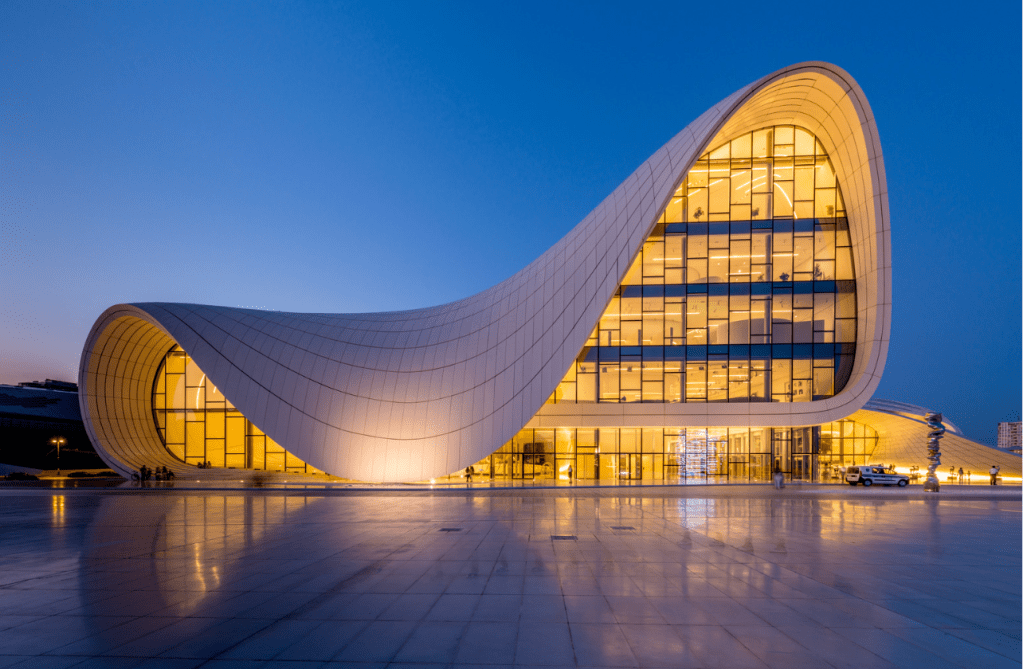
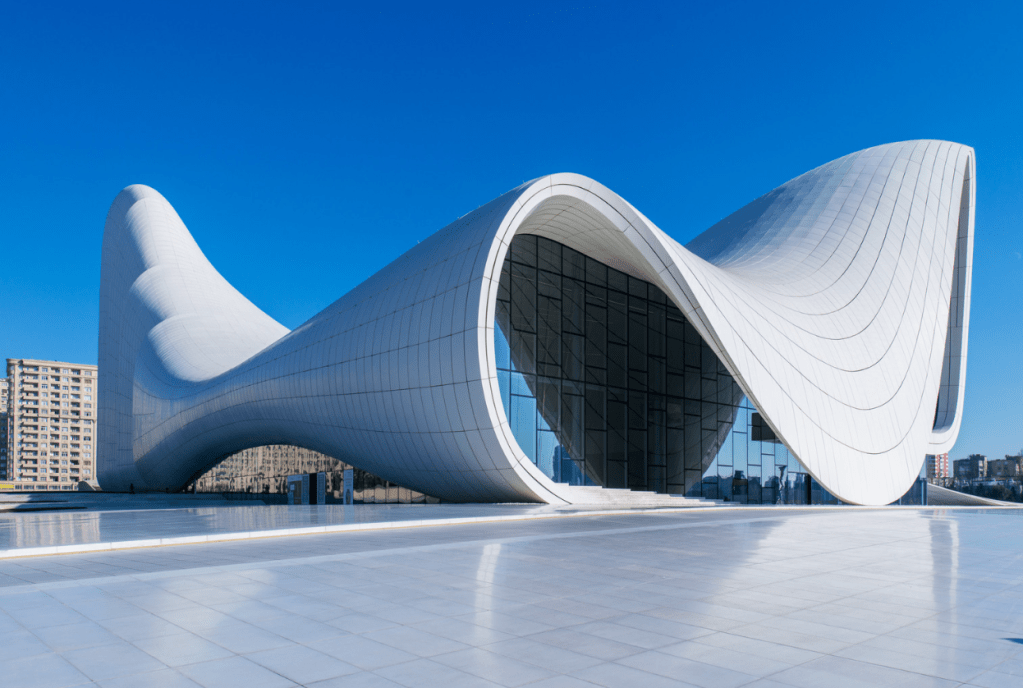
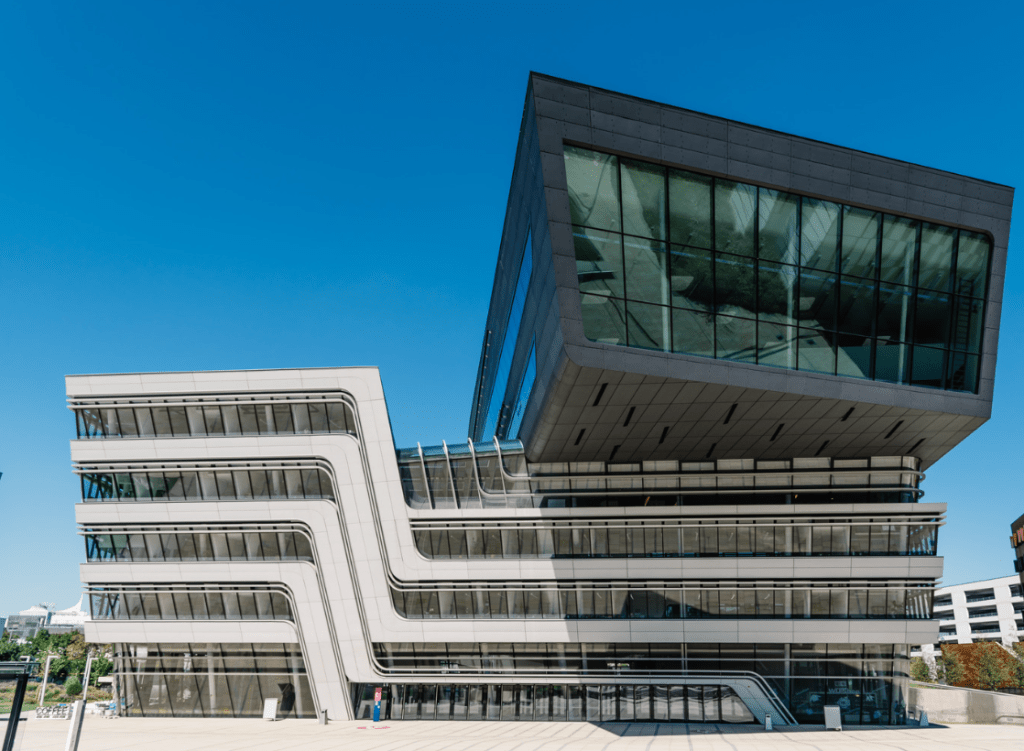
Cultural institutions also benefited from Hadid’s visionary designs. The Heydar Aliyev Center in Baku, Azerbaijan, is a masterpiece of curved, flowing forms that seamlessly blend into the surrounding landscape. The building’s unique shape and materials create a sense of movement and dynamism, making it a true architectural icon. Her ability to conceptualize the ideal shape for an institution is renowned. For the Vienna University of Economics and Business Library and Learning Center, Vienna, Austria, her design was linear but connected with curves.

Hadid’s revolutionary work paved the way for greater recognition of women in architecture. Her success demonstrated that gender should not be a barrier to achieving the highest honors in the field. In 2004, she was the first woman to be awarded Pritzker Prize, since its establishment in 1979. Again, in 2015, she broke the gender barrier by becoming the first woman to win the Royal Institute of British Architects (RIBA) Gold Medal since its inception in 1848.     .

While her contributions were great, her life was cut short by a heart attack on March 31, 2016. Hadid’s legacy extends beyond her completed projects. Her philosophy and approach to design have influenced a generation of architects and designers, encouraging them to push the limits of what is possible in real estate. Her work has also raised the bar for sustainable and eco-friendly design, as many of her projects incorporate green spaces, natural ventilation, and energy-efficient features.

The impact of Zaha Hadid’s work on the real estate industry cannot be overstated. Her designs have redefined what is possible in residential, commercial, and cultural spaces, and her influence will continue to shape the built environment for generations to come. As the world continues to evolve, Hadid’s legacy serves as a reminder that innovation and creativity are essential to the future of real estate design.

Looking for your architectural masterpiece? Give Properties on the Potomac a call at 703-624-8333 today!