Take a Close Look Today

by Krasi Henkel

Cold weather changes the rhythm of our homes. We shift from open windows and outdoor evenings to warm fireplaces, hot tea, and the satisfying quiet of a winter night. Yet winter requires more than comfort. It asks that we protect what protects us. A thoughtful checklist now prevents emergencies later.

Protect Pipes from a Cold Night

Few things interrupt a peaceful winter evening like a frozen pipe. When water turns to ice, it expands and can burst pipes behind walls or beneath floors. The damage is both expensive and preventable.
Insulate exposed pipes in garages and crawl spaces. Keep interior temperatures steady, especially overnight. If you plan to be away, leave the heat set above fifty-five degrees. A winter night is no time for the house to fend for itself.

Ice Dams and Rooflines

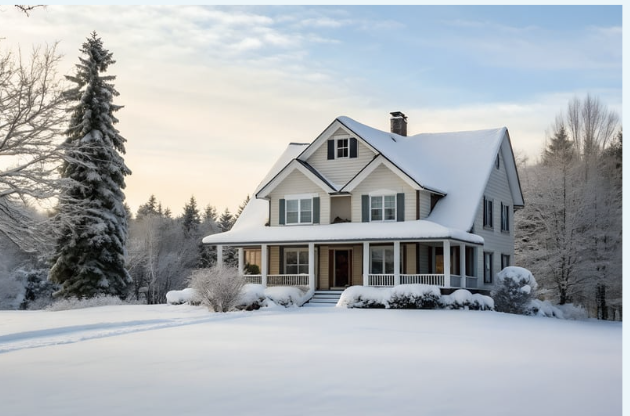
Snow on the roof is picturesque until warm air beneath melts it, and it refreezes at the eaves. The ice forms a dam, and water has nowhere to go except beneath shingles. It is the hidden kind of problem that appears in March when ceilings become discolored.
Proper attic insulation and ventilation keep temperatures uniform. Clean gutters before the first snowfall, and if heavy snow arrives, use a roof rake from the ground. Let the roof stay cold. That is the goal.

Walkways and Concrete Surfaces

Salt seems like a winter necessity until one remembers that salt breaks down concrete. Over time, it erodes driveways and walkways. The better approach is calcium magnesium acetate or similar products that are kinder to surfaces.
The real secret is prompt snow removal. The less ice forms, the less melting product you need.

Doors, Windows, and Storm Doors

Winter air knows how to slip inside. A loose latch or worn weather stripping can make a room feel twenty degrees cooler.
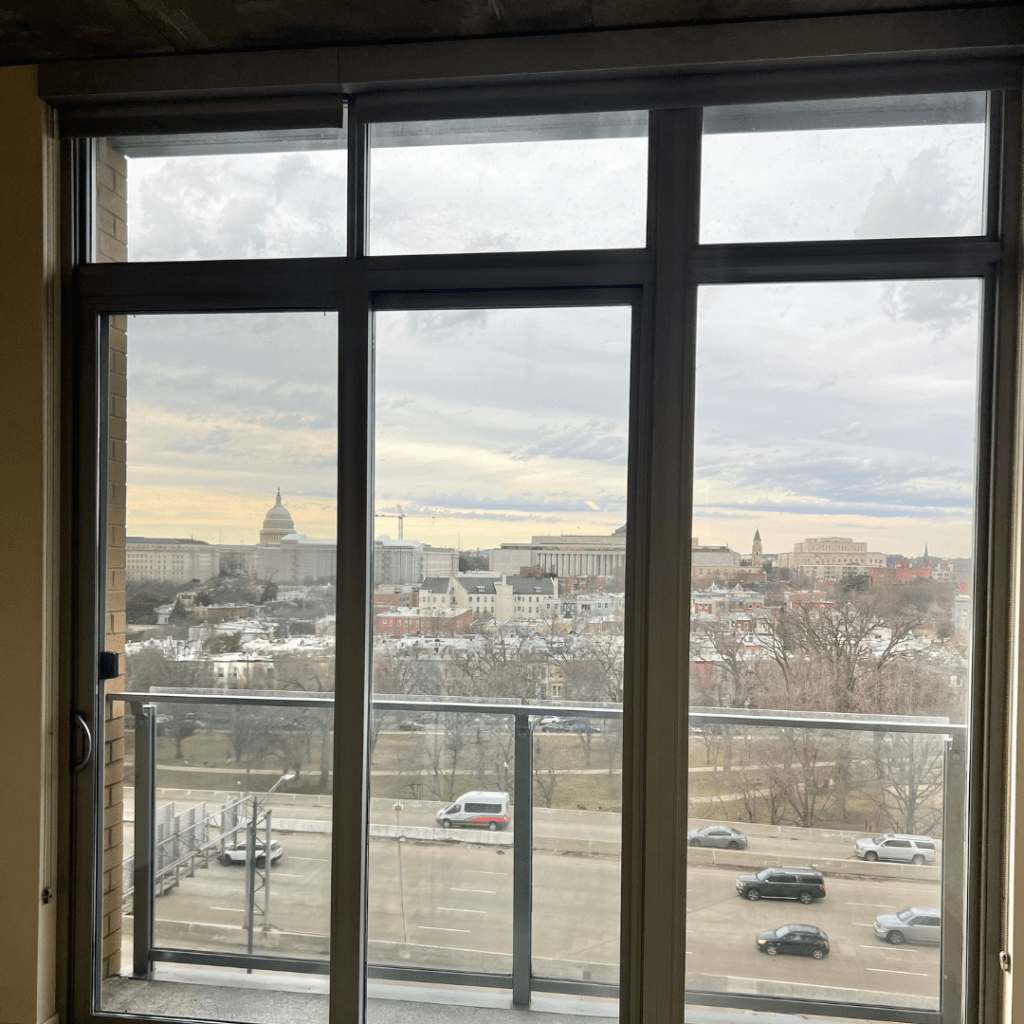
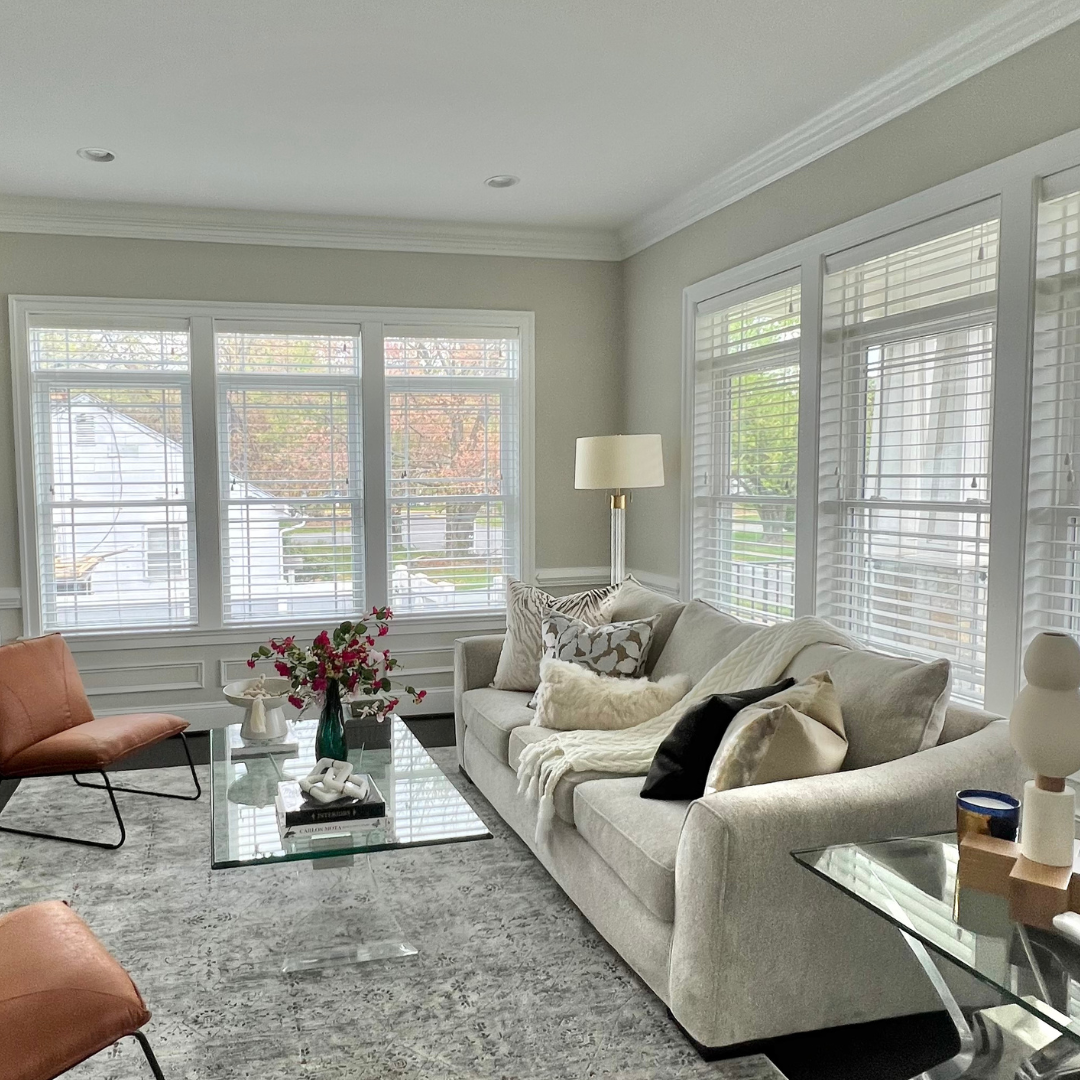
Take a moment when you close storm doors. Listen for the latch. Check windows and sliding doors for small gaps that invite drafts. Replace worn seals. Secure latches. These are small details that make a noticeable difference on a January morning.

Fireplaces, Embers, and a Cautionary Note

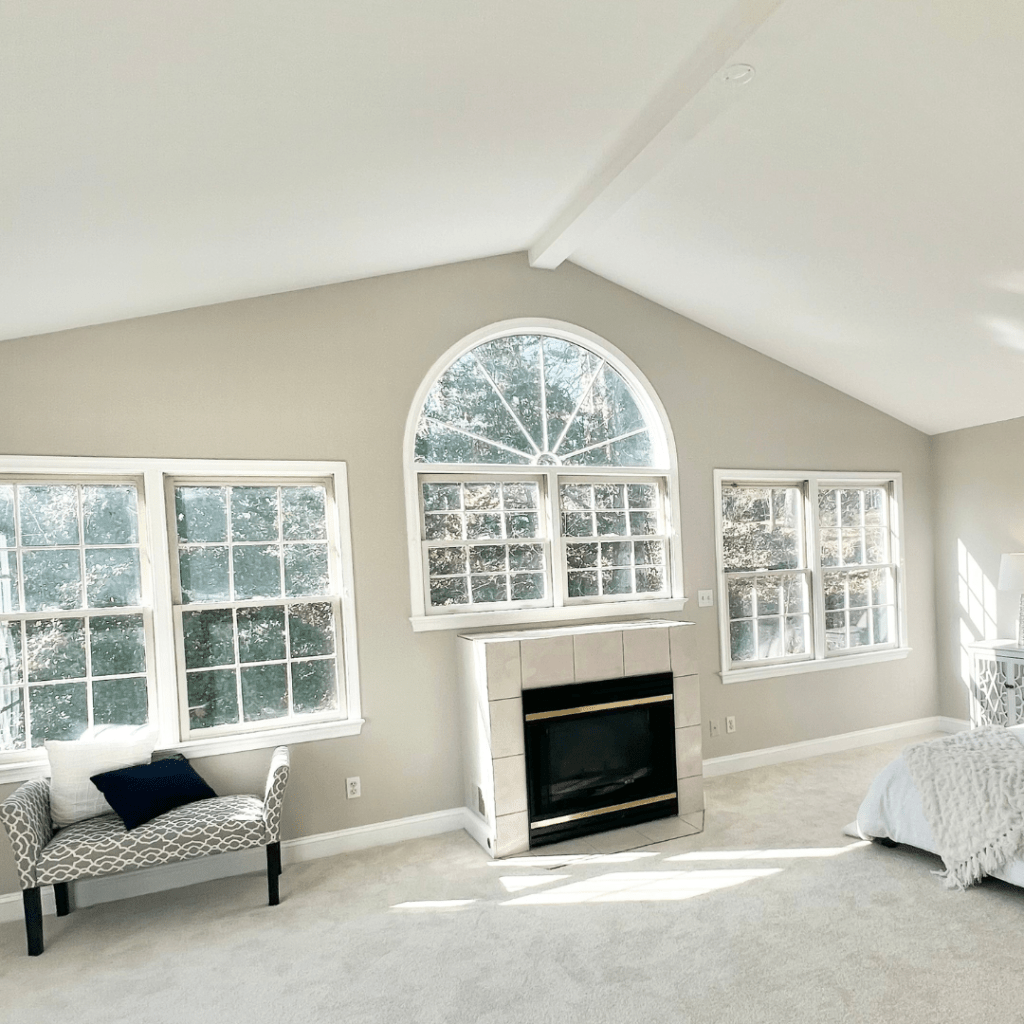
A winter fireplace is one of life’s quiet luxuries: a chair nearby, a warm beverage, and the comfort of real heat. Yet fireplace ash carries a danger many homeowners underestimate. Hot embers can remain active for hours.


Never dispose of them outdoors or in the yard. A breeze can reignite ash and send embers toward siding, mulch, or wood structures. Always place ashes in a metal container with a lid, kept away from the house, until fully cooled. It is a simple precaution that prevents a house fire while everyone is asleep.

Winter Should Be Enjoyed

The purpose of preparation is not worry. It is confidence. Once the essentials are handled, winter can be what we hope it will be: evenings by the fire, comfort in familiar rituals, and the quiet pleasure of knowing the house is ready.

Here’s to enjoying the season prepared and protected.

Mold Can be a Silent Contagion

By Krasi Henkel, Broker

This is the season when we spend more time indoors and our doors and windows remain closed for longer periods.

I am deathly allergic and toxic to mold. A three second exposure can make me ill for weeks and even months. I often laugh with my buyer clients that I am the official “mold meter” when we look at houses. There have been times that I detected mold even before opening the front door. I share my experience with my clients, and we leave as quickly as possible. Sick houses can be cleaned. My clients need not be the ones to do that.  

Not everyone smells or reacts to mold. I believe that educating my clients is paramount. No sale is worth illness and maladies. I would rather walk away than knowingly let my clients buy into malaise, illness, and even life-threatening accidents. A mold reaction caused me to fall from my horse, breaking my ankle. My life changed. I have not been the same ever since.

While everyone has varying levels of reaction, if any, to mold in a property, it is important to understand how mold develops and where it can grow. It is not always the old basement, although it quite possibly can be. With weather changes and moisture changes, below is a list (not comprehensive but suggestive) where mold can grow:

  • Window casings and drywall around them
  • Doors – under sill plates and around the frames on the drywall
  • Under sink base cabinets
  • Under dishwashers
  • Under washing machines
  • Under HVAC condensate lines
  • Inside HVAC air handlers
  • Behind and under refrigerators (even those without water sources)
  • Bathrooms
  • Basements – under floors, wall bases, even ceilings
  • Your car!!

What can you do to prevent mold from taking root in your home or car?

  • Inspect window caulking regularly – recaulk as needed
  • Check door sill plates – especially at decks and patios
  • Look under sinks – look for evidence of moisture – attack and remediate
  • Look under your dishwasher for evidence of water and mold signs
  • Look under and behind washing machines
  • Have your HVAC serviced and inspected semi-annually – ask your tech to look for evidence of leakage and mold
  • Pull your refrigerator out – inspect the floor
  • Run the exhaust fan in your bathrooms while showering to prevent condensation build-up
  • Confirm that bathroom exhaust fans are operating properly
  • Change the air filter in your car
  • Keep all HVAC filters clean

Here are a few unsettling facts that I recently discovered:

  • Drywall in its manufacturing process has imbedded mold spores
  • Mold loves drywall. That is why after a water incursion event, mold grows on drywall very quickly.
  • New home construction can “build-in” mold during the construction process by allowing materials to get wet.
  • Your car’s trunk gasket can be allowing water incursion and harboring mold
  • Your car’s air filter can get damaged by mice – their deposits can sprout mold
  • Your car’s AC can leak into your dash – mold can sprout

These lists are just a few of the mold issues that can develop over time or quickly.

Mold has been associated with chronic fatigue syndrome, headaches, upper respiratory ailments, even ‘colds’ could be reactions to mold.  Do not be lulled into security by a ‘new house.’

Last year, I walked through our basement bedroom for a split second. That was long enough for me to get sick. It lasted through January. Where was the mold? Our basement bath exhaust fan had stopped exhausting but sounded to be running just fine. My husband likes the shower there. The moisture from the shower traveled to the far corner of the room, settled on the cold tile floor under a night table, and sprouted a quarter-sized spot of mold.

As a precaution – I had the exterior walls’ drywall removed – luckily – all was dry including studs and base framing. The tile was dry with no evidence of water. I called a waterproofing company – they tried to sell me a $50,000 remediation system.

I decided to call on the home inspector who inspects my clients’ home purchases. He came armed with a moisture meter. He found none. Then, he suggested laying down and sealing a vapor barrier plastic sheet like that of a crawl space. He told us to leave it down for 7-10 days. If at the end of the period, there was moisture under the barrier – there is a water problem. If none, then it was a condensation problem. Luckily, it was the latter.

Our brilliant contractor figured out that the exhaust fan was not extracting the condensation. In with a new fan and lots of cleaning – all is well.

However, this episode required that I discard the entire contents of the room. I had my brand new furnace thoroughly cleaned and disinfected. Mold spores are airborne and had certainly settled on all fabrics and furnishings. All because an exhaust fan had malfunctioned. On that note – ask questions about the history of any resale furnishings that you are considering buying. Have you ever smelled mustiness in antique drawers . . . ?

Mold is toxic and for those who are sensitive, each episode increases that sensitivity and the reactions.  While I am not a mold expert, here is a link to mold and its remediation on YouTube.  The mold conversation begins around the 3 minute mark. It is a little long but could save you years of misery.

If you have questions or need resources, contact Krasi Henkel – TEXT – 703-624-8333. If you are planning to buy your next home, Text Krasi.

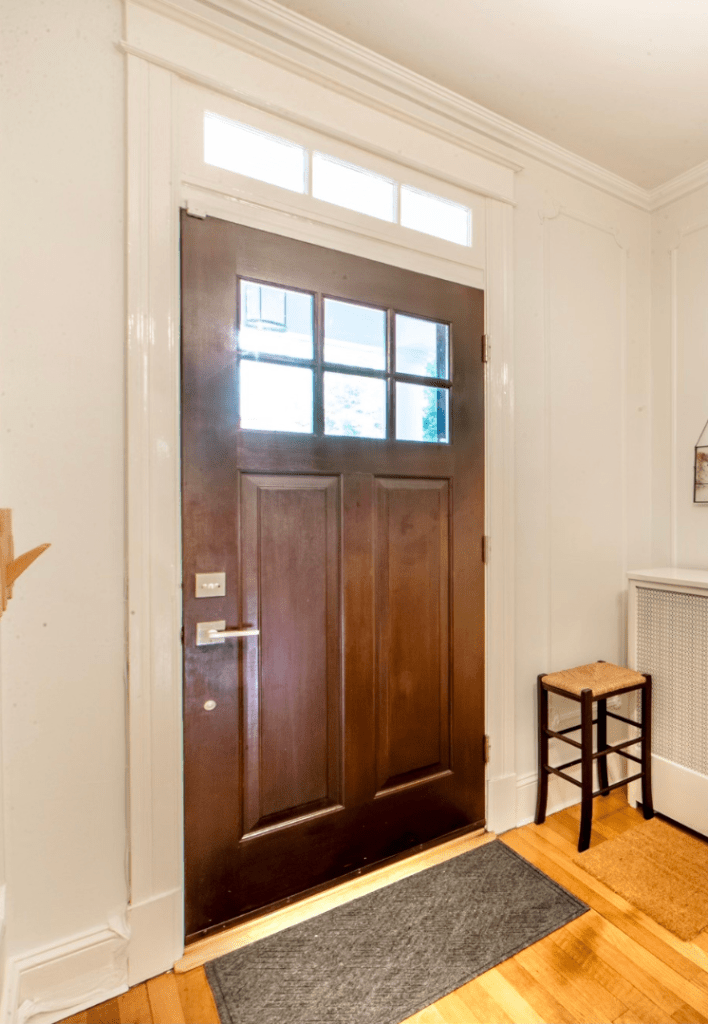
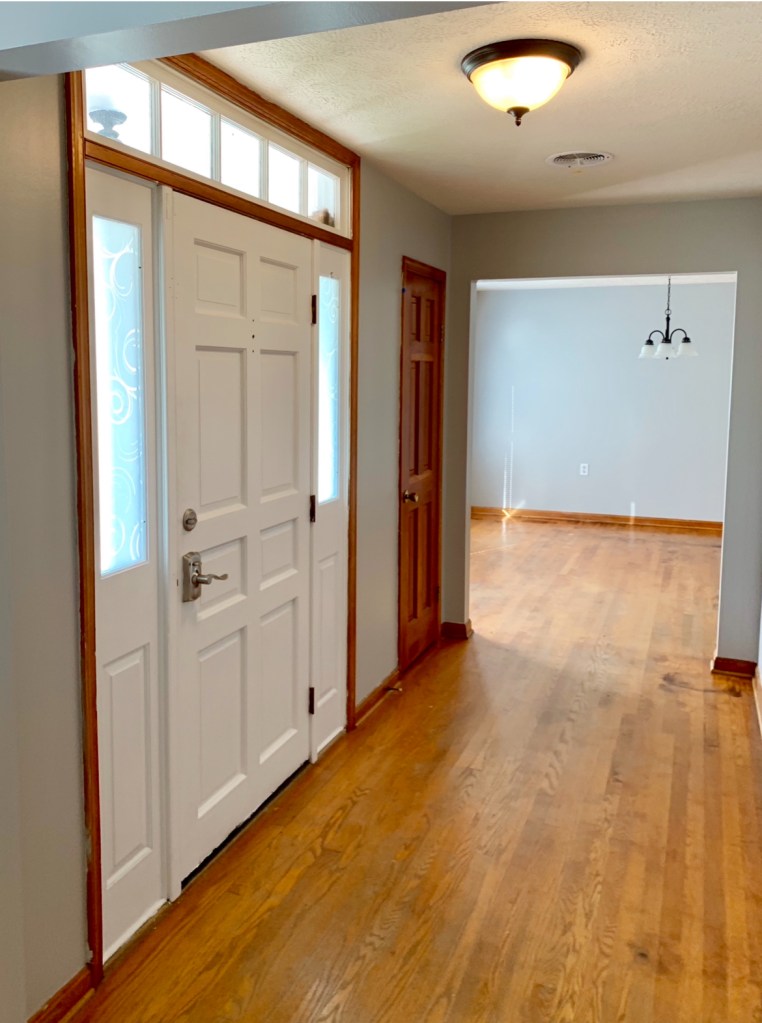
Here’s an amusing bit of architectural etymology trivia. What we know as a transom window is called “vasistas” in French. The origin of this term is quite funny: in the 1700s, French builders didn’t have a specific name for these small windows above doors. But whenever their German neighbors visited, they would point at the transoms and ask, “Was ist das?”—meaning “What is that?” The French assumed this was the window’s name and adopted the term. Ironically, the Germans didn’t have a name for it either—they were just curious!

What Are Transom Windows?
Transom windows, often found above doors or larger windows, serve both functional and aesthetic purposes. Historically, they were a common architectural feature in homes before the widespread use of electricity and air conditioning. These small windows allowed light and air to flow between rooms, while maintaining privacy and security.

In older homes, transom windows often have intricate designs or stained glass, adding elegance and charm to any space. Though their use has evolved, transoms remain popular in modern construction, with homeowners and designers incorporating them as both a functional and decorative feature.

Functional Benefits of Transom Windows
Light and Ventilation: In the days before electricity, transom windows helped circulate air and allowed light to pass between rooms. This natural ventilation kept homes cool during warmer months, while the positioning above doors preserved privacy. Even today, transoms can add extra light to dark hallways or interior rooms that may not have direct access to exterior windows.

Architectural Appeal: Transom windows provide an elegant design element to both traditional and modern homes. Their placement above doors or windows breaks up large wall spaces, adding character and style. Many homeowners choose decorative options, like stained glass or patterned grids, to make them stand out as a focal point.

Energy Efficiency: While today’s transom windows may not be used for ventilation as often, they still serve a purpose in energy conservation. High-quality, insulated transoms can help reduce energy costs by providing additional natural light, meaning you’ll need to rely less on artificial lighting during the day.


    Modern Uses for Transom Windows
    While transoms were once a necessity, today they are more of a stylistic choice. In modern homes, transom windows are used to create a feeling of openness, particularly in areas with high ceilings. They can be installed above interior doors to connect spaces visually, or they can be used in exterior walls to make a statement in entryways or living rooms. The versatility of transom windows makes them a popular feature in both contemporary and traditional homes.

    Transoms are often custom-designed, allowing homeowners to choose from a variety of shapes, styles, and materials to match their home’s architecture. Whether you want a clean, minimalist look or a more ornate design, transom windows are a great way to add both style and functionality to your home.

    Whether you’re renovating a historic property or adding a modern touch to your home, transom windows are a feature worth considering. Their unique history and timeless appeal make them a charming addition to any space. If you’re thinking about incorporating transom windows or other architectural features in your home, or if you’re in the market to buy or sell, contact us Properties on the Potomac at 703-624-8333 today. We’re here to help you find the perfect home with all the features you love—or to guide you through renovations to make your home more beautiful and functional!

    By Krasi Henkel

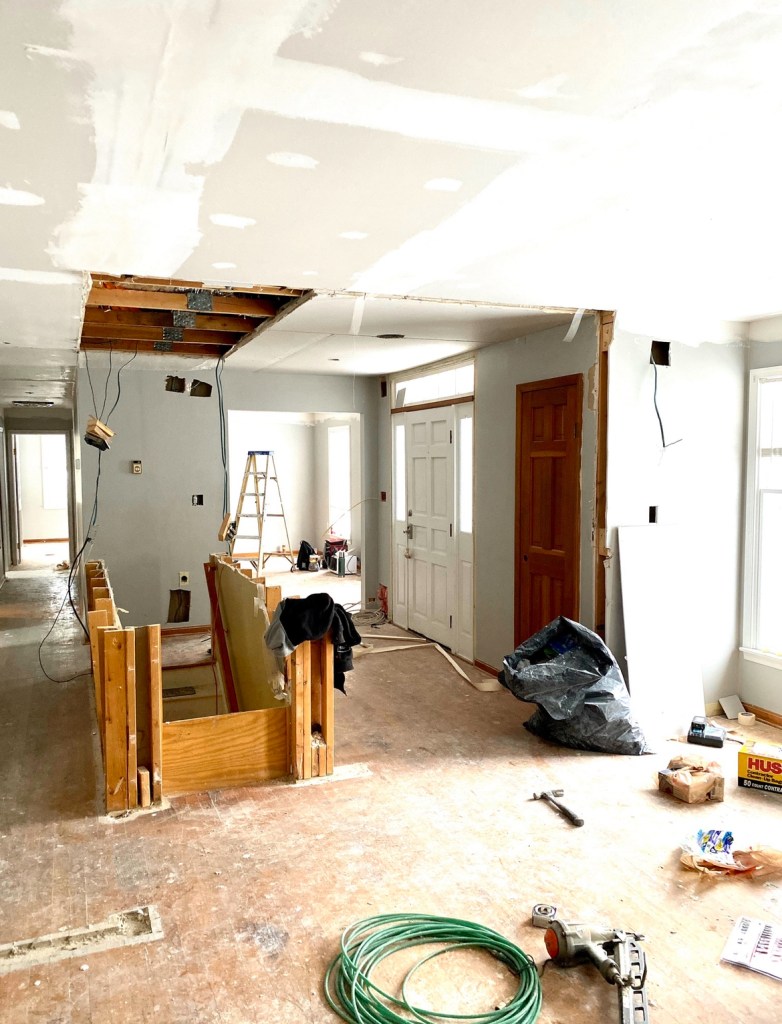
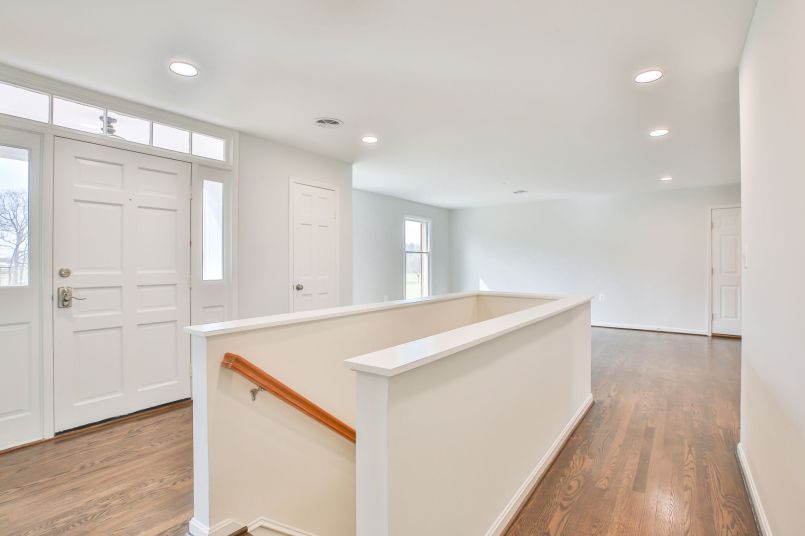
    Ranch-style homes have been a popular choice for decades thanks to their practical single-story layouts and flexible spaces. While some home buyers may overlook older ranch houses in favor of newer construction, these modest homes actually offer great opportunities. With some creativity and wise investments, you can remodel a ranch house on a budget.

    The Benefits of Buying an Older Ranch:

    • Mail level primary bedroom(s)
    • Mature trees and landscaping
    • Established neighborhoods
    • Lower property taxes
    • Good value per square foot
    • Flexible floor plans
    • Hardwood floors or solid mid-century materials

    The Blank Canvas:

    The simple shapes of ranch homes make them perfect blank canvases to incorporate modern style. Minor changes can make ranch homes feel fresh and new without blowing the budget. Consider these economical updates:

    • New paint in contemporary hues
    • Swap dated lighting for streamlined fixtures
    • Replace builder-basic kitchens and baths with IKEA systems
    • Refinish hardwood flooring hidden under outdated carpeting
    • Knock down walls to create open-concept spaces
    • Add an addition

    Big Style for Small Budgets

    You don’t need expensive materials to give a ranch home an interior facelift. Use these design insider tips:

    • Shop for unique vintage details
    • Use bold wallpaper or paint instead of new cabinets
    • Stain concrete floors for an industrial look
    • Upgrade windows and patio doors even if you keep other structural elements

    The single-level living and unused basement or attics in ranch homes present opportunities for expansion or converting unused areas into rental units for extra income.

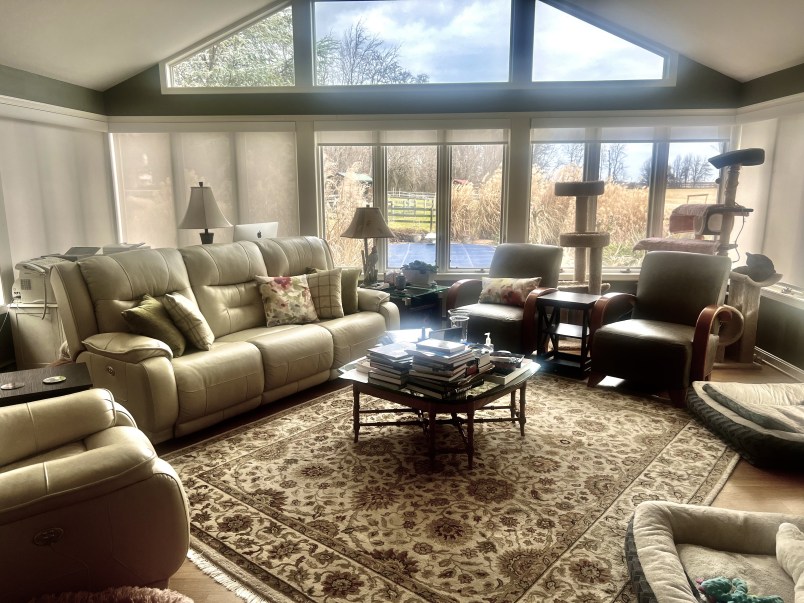
    Addition to a ranch home provides tall, open spaces with abundant views

    Take a fresh look at older ranch houses. With an updated exterior paint color, strategic refreshes indoors, and your own custom vision, you can personalize a home to suit your needs and style for less than you might expect. The charm and practicality of ranch homes continue to win over buyers who see their outstanding potential.

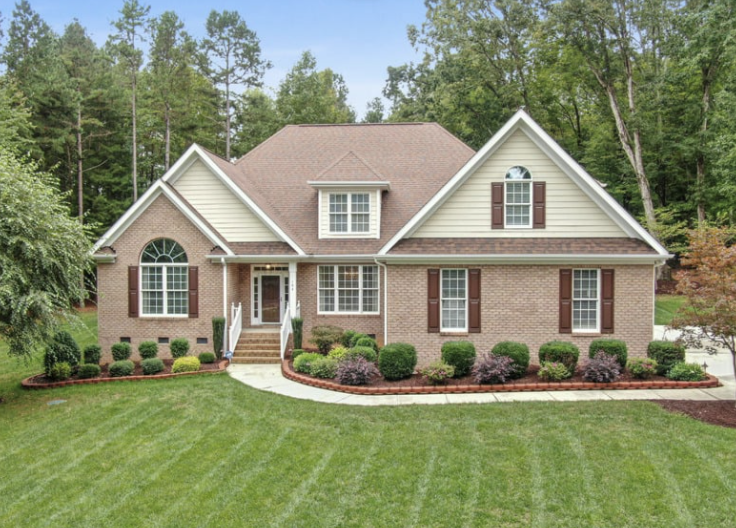
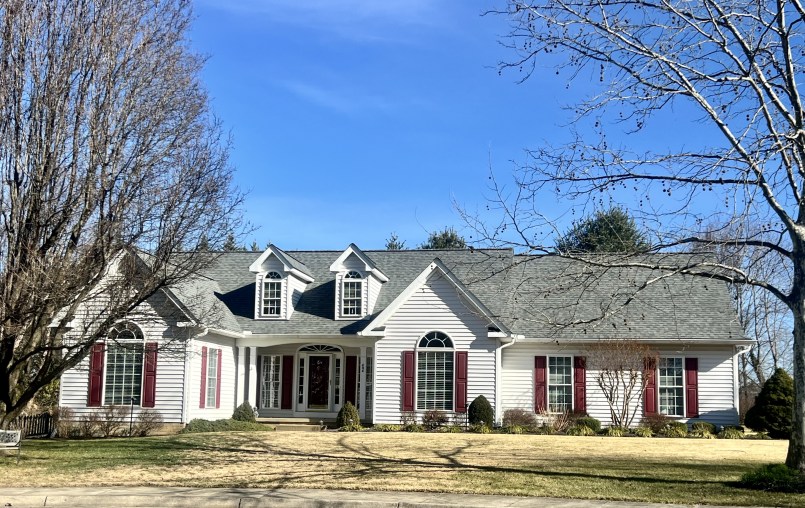
    One of my favorite ranch homes in a subdivision that I have sold many ranches and that I love to walk my dog!

    “How is the market?”

    This is our most frequently asked question. It is understandable given low inventory, rising interest rates, and homes often selling for over list price. Real estate headlines can seem daunting. Headlines notwithstanding, our market is still active. Home values climbed at about 3.5% in the first half of this year as demand continues to outpace supply.

    The key to this market is being an educated buyer or seller. Now more than ever, working with the right agent is critical. Selecting a savvy, experienced agent who will give you expert guidance will make all the difference in this competitive market.

    Our proven systems help our clients find the right homes and make the best offers. Our success speaks for itself. We leave no details to chance. Our sellers optimize their properties to attract the most qualified buyers who are ready to move quickly.

    Today’s most successful real estate agents are taking advance reservations from qualified clients. By planning ahead and partnering with a top agent, buyers and sellers can still achieve their property goals, even in this fast-paced market.

    Bottom line: real estate remains an essential need and purchases are happening every day. With the right preparation and guidance, your real estate goals can absolutely become reality. The key to our clients’ success are our well-honed systems.

    Do you have real estate plans for 2024? Connect with Properties on the Potomac at 703-624-8333 to start strategizing for your next move!

    As an extreme analytical, I like to research things to death, ruminate on the findings, ruminate some more, and then maybe–just maybe–make a decision. So when a client mentioned to me that they had decided to install solar panels on their roof, I was intrigued…and then I went down a rabbit hole.

    For six solid months, I researched, interviewed solar companies, evaluated cost versus benefit, researched some more, discussed ad nauseum with my husband, and then finally made the decision to install solar panels on my roof.

    Obviously, I decided that the pros of installing solar panels outweighed the cons for me. But is it the right decision for you? Let my research and rumination benefit you—below are the pros and cons of installing solar panels:

    Pros:

    1. The most obvious: solar reduces your electric bill. Not only can solar offset your electric usage, but you could also be eligible for net metering, an electric billing tool that sends the excess power your panels produce back to the electric grid. If in a day your solar panels produce 20kWs and your home only uses 15kWs, 5kWs get sent back to the grid and offset your electric bill.
    2. Your potential monetary savings will increase over time as electricity continues to increase in price year over year.
    3. You should be eligible for federal tax credits, if you own your system. Currently the Federal Solar Tax credit is 30% of the cost for installation (until 2032). So, if your system costs $30,000, you could be eligible for a $9,000 tax credit, thus lowing the net cost of the system to $21,000. Obviously, consult with your tax professional to make sure it works for you.
    4. You also could potentially sell SRECs, or Solar Renewable Energy Credits. SRECs are created for each megawatt-hour of electricity generated from the solar energy system. Some states have created SREC markets to boost solar installations by requiring electricity suppliers (Pepco, BG&E, etc.) to purchase SRECs produced by in-state solar energy systems as part of their obligation under the state’s Renewable Portfolio Standard (RPS). In our area, the District of Columbia and Maryland offer SREC programs. The value of the SRECs can vary state by state and month by month. DC has one of the more robust SREC markets.
    5. Solar panels are low maintenance. You don’t really need to do anything to the panels other than keep debris off of them.
    6. Solar will decrease your dependence on non-renewable resources. Because saving the planet is always a pro.

    And the Cons:

    1. The up-front cost can be cost prohibitive. It can cost between $2,750-$4,000 per kW system, so if you have a 10kW system the range should be $27,500-$40,000. Obviously this is a lot of money up-front and it can take years to recoup the cost.
    2. Some HOAs may not allow them or restrict where they can be placed on your home.
    3. If you live in a wooded area or in the shadow of larger buildings, you won’t be able to reap the maximum benefits.
    4. If you don’t own your roof (common element of a condo/co-op), you likely won’t be able to install solar panels.
    5. The overall aesthetic. Let’s be honest: they aren’t the most aesthetically pleasing part of a house.

    I have not regretted my decision to install solar panels for one minute. Since doing so, my husband and I have been able to take advantage of the tax credit, we’ve been able to sell our SREC credits (we live in DC), and our electric bills have reduced significantly (we’ve even had negative balances some months). And the most fun part is logging into the app to see how much energy we’re producing.

    If you are thinking of adding solar to your home, give us a call at 703-624-8333. Properties on the Potomac would be happy to talk you through the process and make recommendations.

    Here are some additional solar resources.

    “My house is the red brick one . . .”

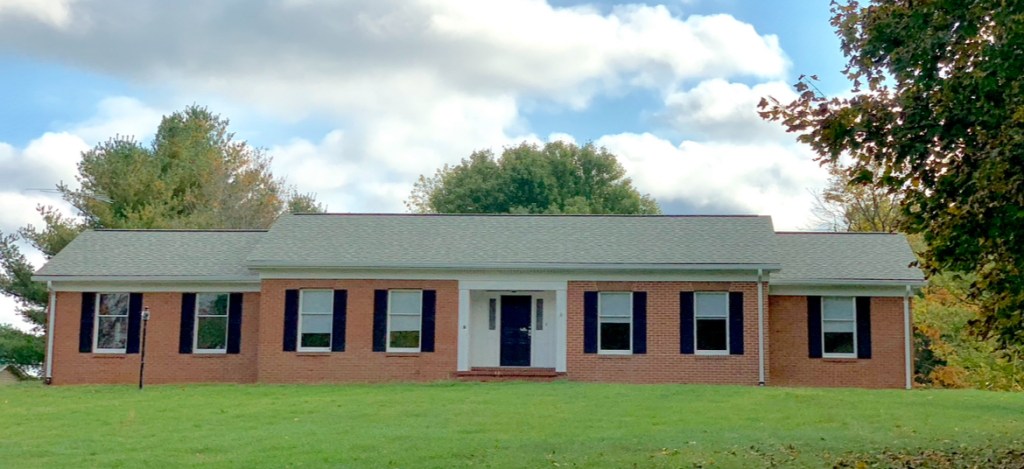
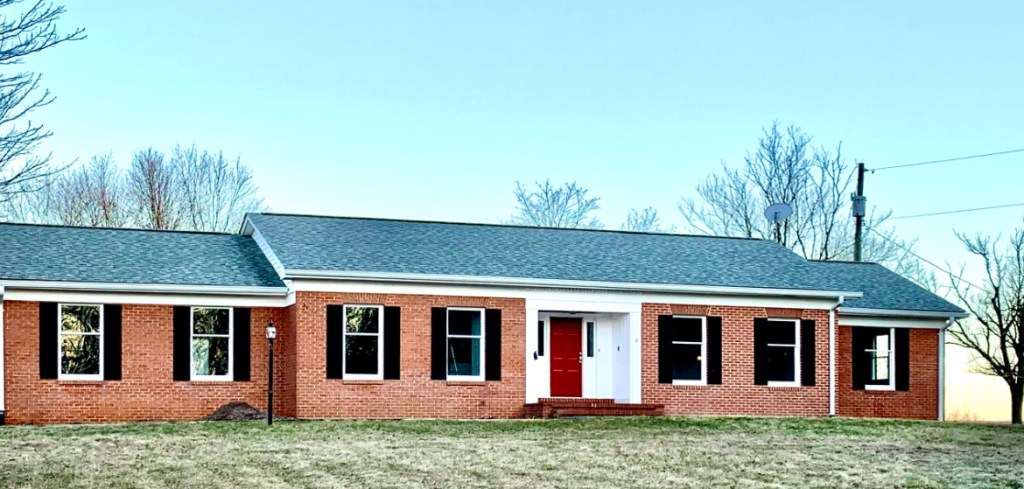
    Red brick is distinctive. It has commanded attention over the centuries and does not disappoint today. The Victorian red brick house dates back to the 1870s and was typically a sign of wealth among homeowners, as yellow bricks were far less expensive.

    The Empire State building, completed in 1931, is faced with 10 million red bricks. At the time of its opening, it was the tallest building in the world. Why the choice of red brick instead of some other color?

    All bricks are not alike. Bricks are classified by color, class, size, and purpose of use. The bricks used to face residences are typically “First Class Bricks.” These bricks are thoroughly burnt, and are copper, dark red, or cherry in color. The bricks should be free of cracks, flaws, or stones. Their texture must be uniform and not be able to be scratched or dented by a fingernail. When two bricks are struck together, they should have a metallic ring. They should not absorb water and lime must not be visible in a brick fracture.

    Bricks are made of clay and earthen components. The clay or material used affects the color and class of the bricks. Additionally, the length of time of “firing” affects the color. Extra burning makes a browner brick. Red bricks have to be made “just right” to optimize color and important features.

    Because of the careful process needed to create the red bricks, the cost increases accordingly. Lighter colored bricks will have sand or even cement in their mix. Sand based bricks are more porous, thus less water resistant. Those bricks require sealing to remediate water absorption. There was a building in Washington, D.C. constructed with a very attractive red brick façade. Its sides and back were covered with yellow brick. If heavy rains hit from a particular direction, the interior walls of that building became damp. The walls behind the red bricks of the façade remained dry.

    In short: the color of brick chosen for a home makes a statement. With today’s technology in brick manufacturing, more colors are available that qualify as first class. And while red brick may no longer be considered prestigious, a red brick house typically sells faster (subject to many other criteria) than a lighter colored brick, or homes clad in other materials.

    Looking for your perfect red brick home? Call or text us at 703-624-8333.

    The houses may look the same. The lots may all be the same size. In some communities, there may not be a lot differentiating one house from the next, at least not externally. But living on a cul-de-sac is different. A cul-de-sac adds value. And when it comes time to sell, houses in a cul-de-sac have the upper hand over their non-cul-de-sac neighbors. Here’s why:

    1. Instant community
      For a new buyer, living on a cul-de-sac means it might be easier to get to know your neighbors. It is often easier to share a refreshment, make introductions, and, maybe, find common ground.
    2. Security
      Quite literally, being at the end of the road makes it difficult for cars to speed past your home. It’s safer to walk and to congregate outside. Children can play, ride their bikes, skate, or play ball, while the windows of 3-4 homes overlook the area.
    3. Social activity
      On warm summer evenings, it is not unusual to see neighbors enjoying a beverage together on the cul-de-sac where children have played most of the day. It is a great place to invite children and adults alike to get away from screens and get some fresh air and human interaction.
    4. Relaxing environment
      Without having cars driving past your front yard, the noise and level of activity is greatly diminished. Relaxation comes with an absence of movement and noise. Yes, children might laugh and shout, but these are the happy sounds of life – not the road noise and speed of business life.
    5. It is a throwback to earlier times of children playing outdoors
      The cul-de-sac is where children of all ages can play together. It is heartwarming to see the older kids teaching the younger ones to shoot a basket in a hoop or to learn to ride a bicycle. It frees up parents to relax without managing children’s every activity. It stimulates sociability and friendship and expands energy for a good night’s sleep. “It is one of the last remaining ways to give children an old-fashioned childhood,” says Patricia Shannon of Southern Living magazine.

    While there are exceptions to all of these, my 37 years of serving clients has proven that cul-de-sacs are a great place for building friendships, relaxing, and hours of safe play for children. Historically, homes on cul-de-sacs command higher resale values. Why? Limited supply with greater demand (as listed above) boost value. The cul-de-sac is a special place.

    Is a new home on your list for this year? We know where the cul-de-sacs are. Call or text us at 703-624-8333 to help you find the perfect setting.

    It was almost exactly nine years ago that my husband and I purchased our townhome in Washington, DC. It was about eight years and nine months ago (who’s counting?) that I joined our HOA board as Treasurer.

    HOAs, or Homeowners Associations, (or COAs/Condo Associations) sometimes get a bad rap. Some people view them as intrusive or overbearing, but HOAs are critical to maintaining many communities and even increasing the value of your home in many instances.

    For what it’s worth, I’m still the Treasurer of my HOA (and have recently joined the board of an investment property as well). And the President, secretary, and architectural review board are all still the same people as well. We’ve developed wonderful friendships and have worked to oversee projects big (replacing the entire brick courtyard) and small (planting flowers in the courtyard.) These projects have been integral to maintaining the value of our investment and our community is thriving, well taken care of, and a place I can proudly call home.

    Obviously I’m fully on-board and involved with my HOA. Whether you love them or hate them, here’s why you should be involved, too:

    1. Be “in the know” about what is going on in your community. Learn about what projects are planned, how your monthly fees are being spent, when the next community yard sale is, etc…
    2. Be a decision maker. You help decide which projects to prioritize and how the money is spent.
    3. It looks good on your resume. Taking an active leadership role should go on your LinkedIn profile and potentially on your resume. If you are looking to move up in your career, having extracurricular volunteer leadership activities can only help.
    4. Change the status quo. Many associations have had the same rules and regulations in place for years, but they may not be relevant to the times. For example, an HOA might require all front yards to be planted with a specific type of grass. What if that grass no longer grows well in that location? What if you would rather plant clover or flowers for lower maintenance? There are many HOAs that will not allow solar panels or EV chargers. If yours is one of them, consider trying to make that change. I have worked with many clients who view these outdated rules as dealbreakers. For a good laugh, google “weird HOA rules” and you’ll come up with some strange ones like a garage sale dress code or no blue trampolines.
    5. Your property value will thank you. If you have a well-run HOA that makes sure the grass is cut, trees trimmed, snow plowed, trash picked up, etc… and your community looks nice, your home will increase in value tenfold over the community that lets itself fall into disrepair.
    6. Make new friends. We all know that it is much harder for adults to make new friends than it is for children. Why not make it easier on yourself and get to know the people literally in your back yard? What we’ve learned over the past 3 years of a pandemic is that community is an important part of social connection. We spent many evenings out in our courtyard, distantly socializing with our fellow neighbors. It helped keep us all sane.

    Help yourself and your neighbors by getting involved in your HOA or COA. You can start small by going to meetings, and then consider pushing yourself to take it one step further and joining the board. Your community and board will thank you. You have nothing to lose.

    Are you looking for a home with or without an HOA? Give us a call at 703-624-8333 today!

    “We plan to list in spring.”

    Most people believe that selling their homes in spring (after March 21) is the best time. However, that is not real estate’s “spring” market.

    Real Estate in no longer just regional, but national and even global. What happens in one area affects many others. Our properties in the Washington, D.C. Metro area are affected accordingly. Making decisions that affect one of your largest assets must be made with all of the best possible information. With this in mind, below are the five reasons to consider listing your property for sale now:

    1. We are not in last year’s market. There are no guarantees of unlimited buyers.
    2. The economy and corresponding interest rates are volatile.  
    3. In our decades of professional experience, the BEST time to sell is January, February, and March.
    4. Buyers have been planning their moves before the holidays and purchase after the holidays.
    5. Because most people count on the later market, the serious buyers have already made their decisions and purchased; leaving the inventory of listings to increase while the pool of buyers declines.

    An example is from the post-2007 recession market: a client was being relocated to another state. They had to sell their home. We recommended listing it in February. After completing their presale activities, we put the house on the market in February. The first three groups who toured the house made competitive offers. Our clients made their move according to their best plans. Several months later, their neighbors listed their house for sale. Their house remained on the market for considerably longer than our clients’ property; selling with a single offer for slightly below my clients’ price.

    In volatile markets such as this, delays can be costly.

    If you are planning to sell your property this year, please contact us today so that we can help you make your best plans. Call or text us at 703-624-8333.