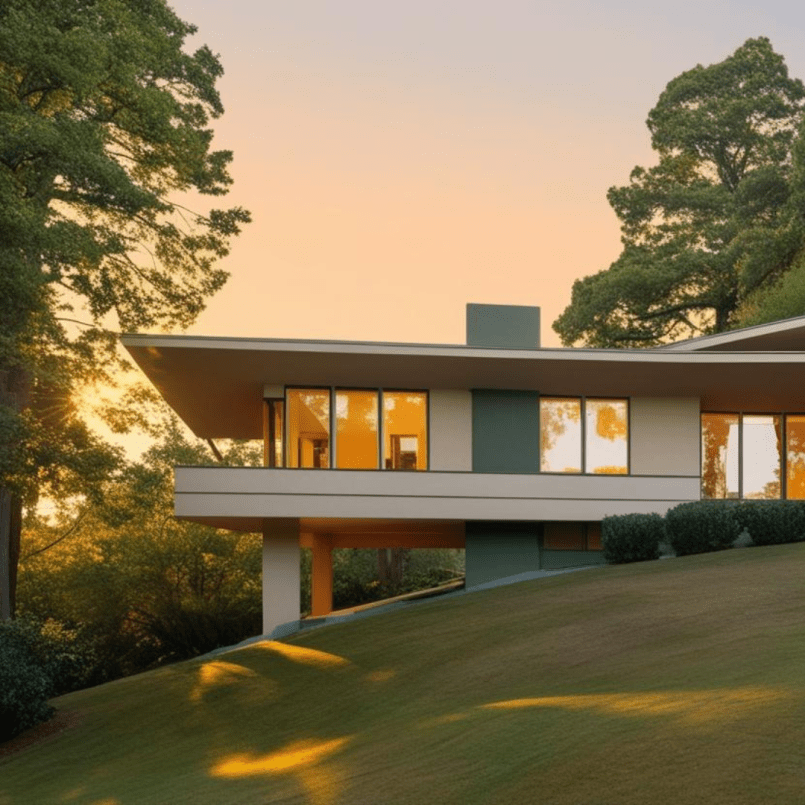
Nestled among the wooded hills of Bethesda, Maryland lies a remarkable architectural treasure that many drive past without recognizing its significance. Carderock Springs, a planned community established in 1962, stands as one of the region’s finest examples of Situated Modernism—where architecture and nature exist in thoughtful conversation.

Developer Edmund Bennett brought his revolutionary vision to life by collaborating with the leading modernist architects of the Capital area, Keyes, Lethbridge, and Condon. What makes Carderock truly special is how each home responds to its specific landscape.

Unlike the cookie-cutter developments of the era, Carderock’s designers let the natural contours of the land dictate which model would be built on each half-acre lot. This approach created a neighborhood where homes appear to grow organically from their surroundings, with clean horizontal lines that echo the woodland setting.

Interestingly, when these homes were first marketed, the term “Mid-Century Modern” didn’t even exist. Instead, brochures highlighted features like “cathedral ceilings,” “indoor/outdoor” living spaces, and “the latest materials”—never once using the word “modern” that collectors now prize these homes for.


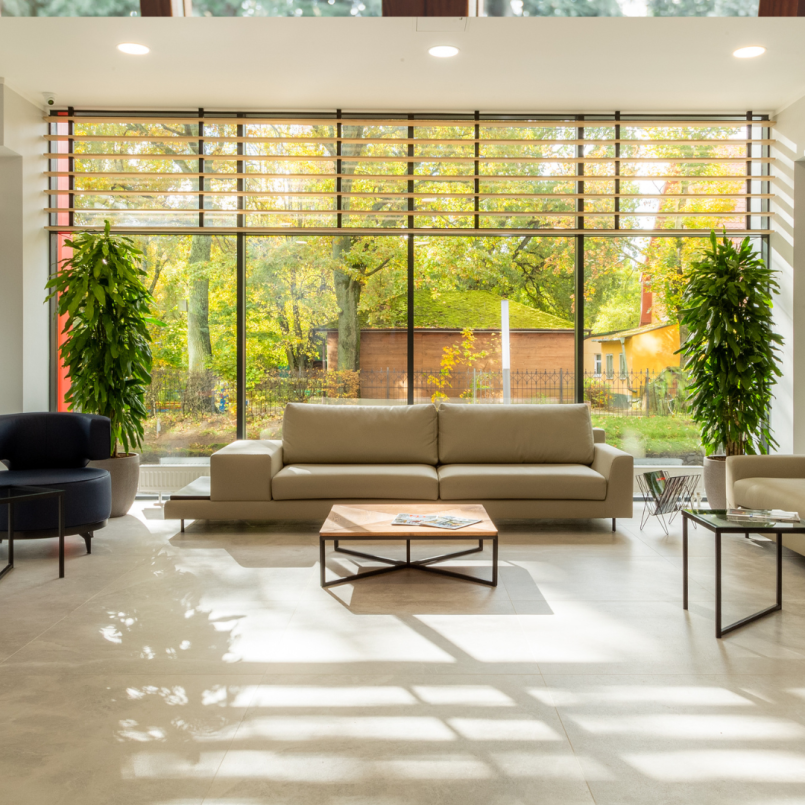
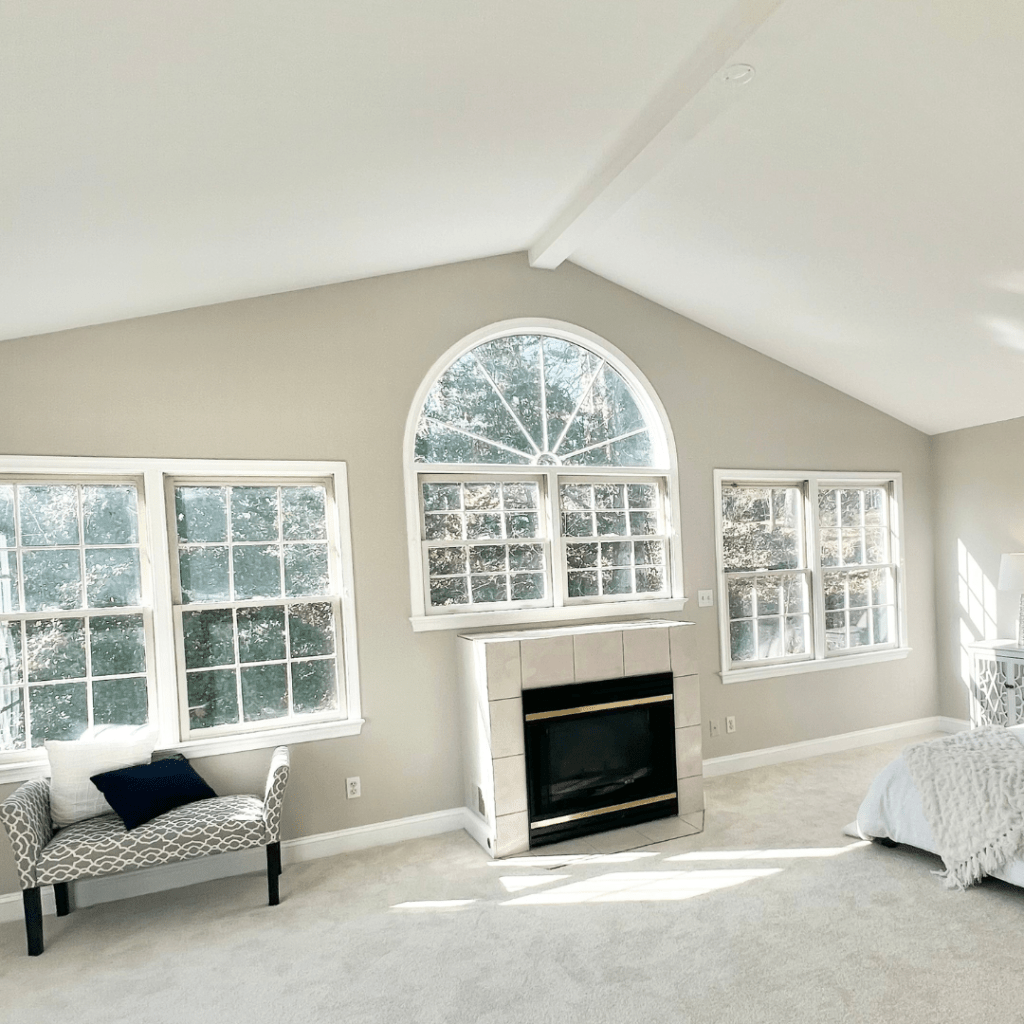
The Clubview model, with its dramatic open interiors flooded with natural light, exemplifies the community’s commitment to bringing the outdoors in through thoughtful design. Large windows frame the surrounding trees, creating living spaces that change with the seasons.

Today, Carderock Springs stands as more than just a neighborhood—it’s a living museum of architectural principles that feel remarkably current. As we rediscover the value of harmonious relationships between built environments and natural landscapes, this hidden modernist gem offers timeless lessons in sustainable, contextual design.

Are you looking for your own modernist gem? Give Properties on the Potomac a call at 703-624-8333 today!

When it comes to selling your home, the kitchen remains the heart of the house and often the deal-maker or breaker. But finding the perfect balance between impactful updates and smart spending can be tricky. Let’s explore how to maximize your kitchen’s appeal without overspending or under-improving.

The Smart Money Zones
The most impactful kitchen updates often focus on three key areas:

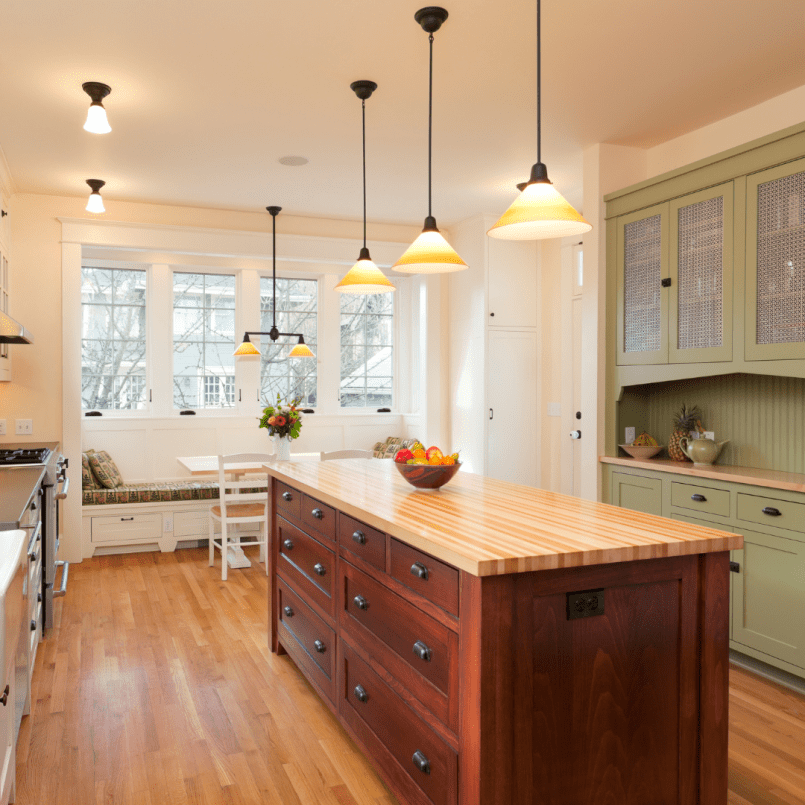
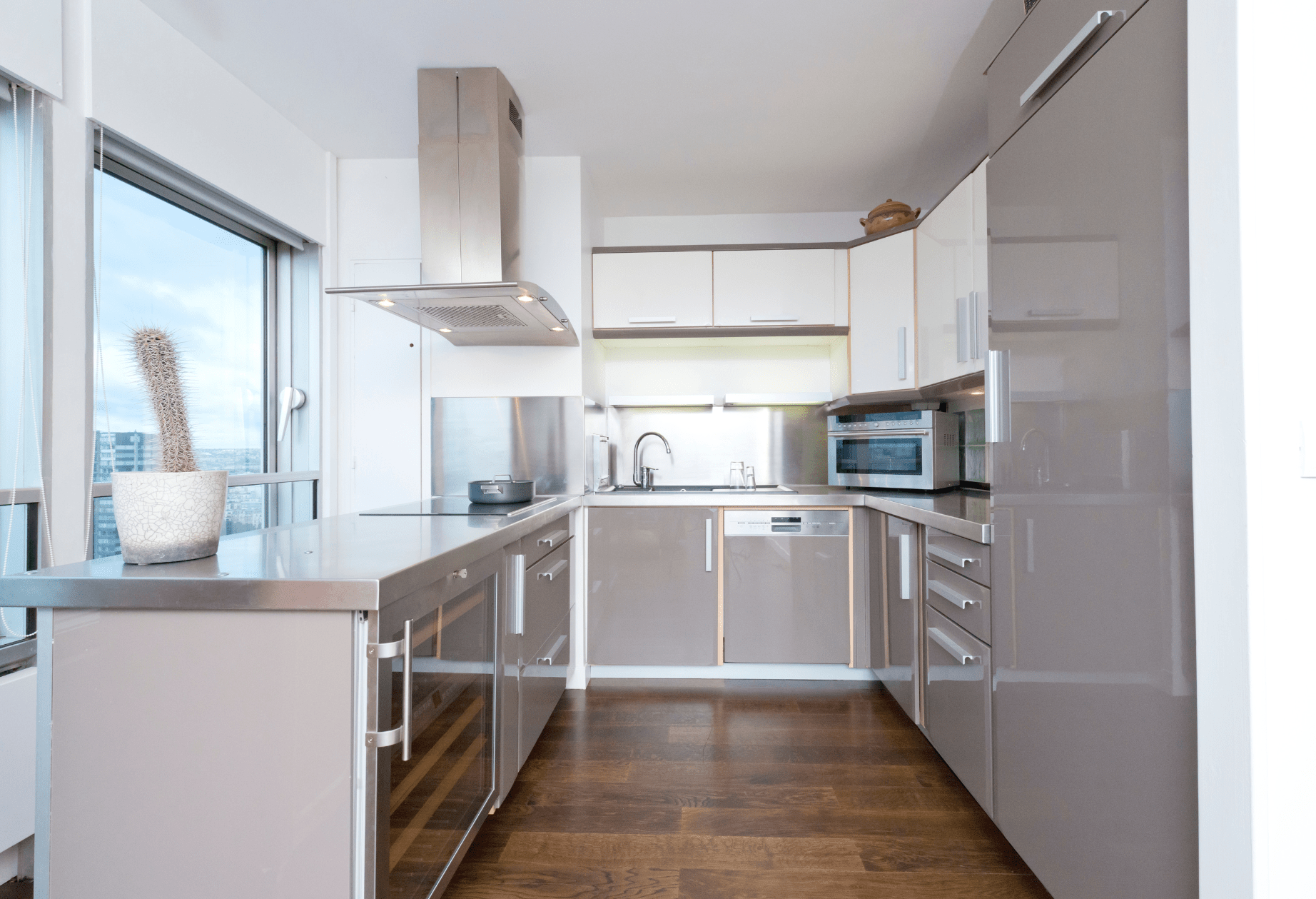
1. Countertops: Granite is no longer the automatic go-to. Consider these mid-range options that offer both beauty and value:

  • Quartz composites: Offer durability and style without the maintenance of natural stone
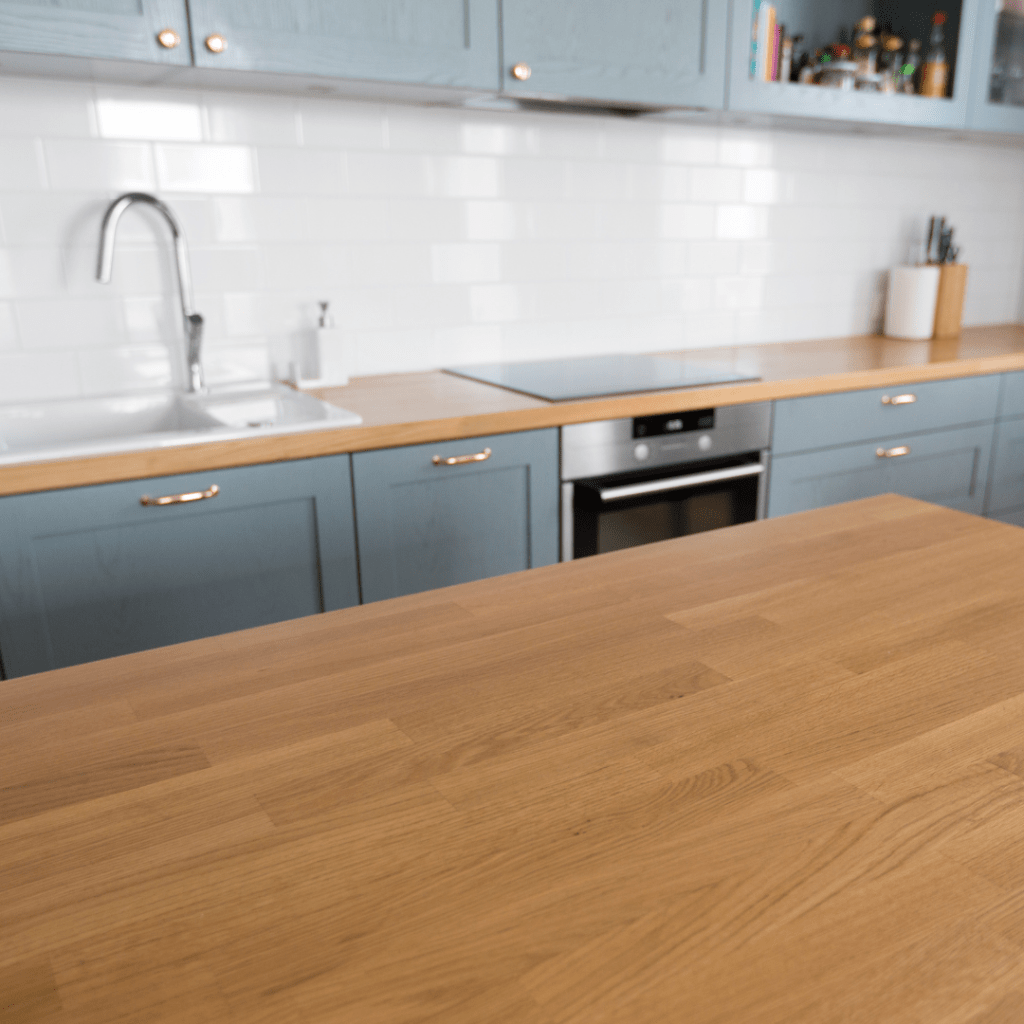
  • Butcher block: Add warmth and character at a reasonable price point
  • High-end laminate: Modern options mimic stone so well that buyers often can’t tell the difference

2. Cabinetry: Full cabinet replacement isn’t always necessary. Consider these strategic updates:

  • Cabinet refacing: About 30-50% cheaper than replacement while providing a completely new look
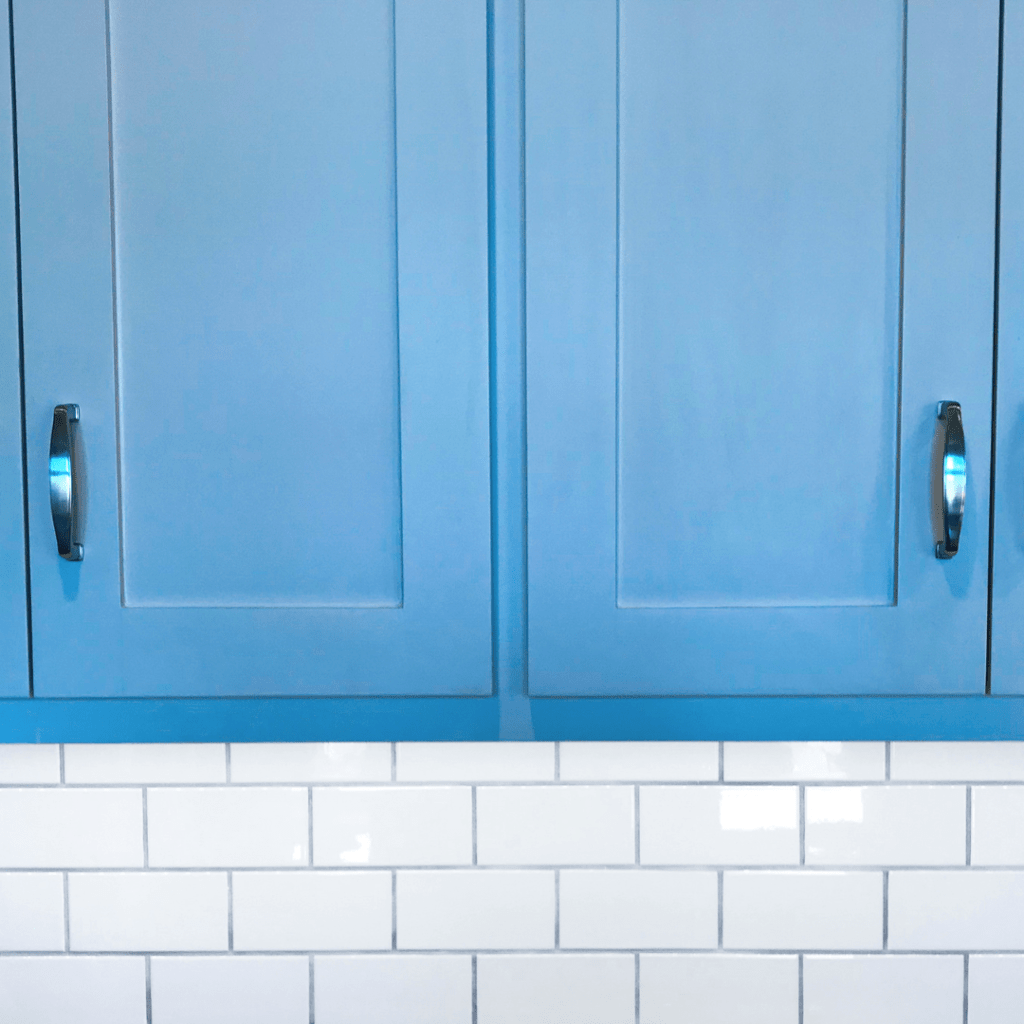
  • Paint and hardware: A professional paint job and modern hardware can transform dated cabinets for under $5,000
  • Selective replacement: Replace only the most visible or damaged cabinets while refinishing others

3. Lighting: Good lighting can make even modest updates look high-end:

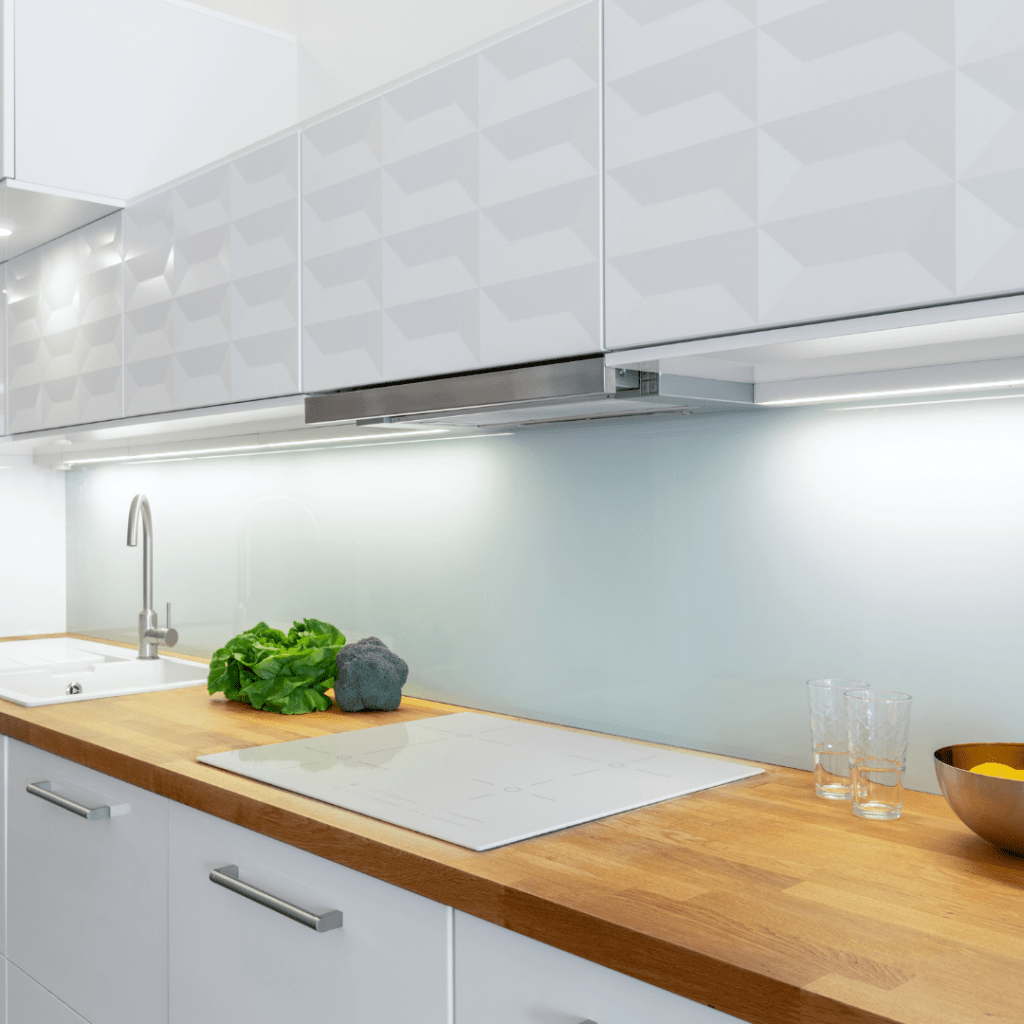
  • Under-cabinet LED strips: Create ambiance and functionality
  • Statement pendant lights: Draw the eye and add contemporary flair
  • Recessed lighting: Brighten dark corners and modernize the space

Cost-Effective High-Impact Updates
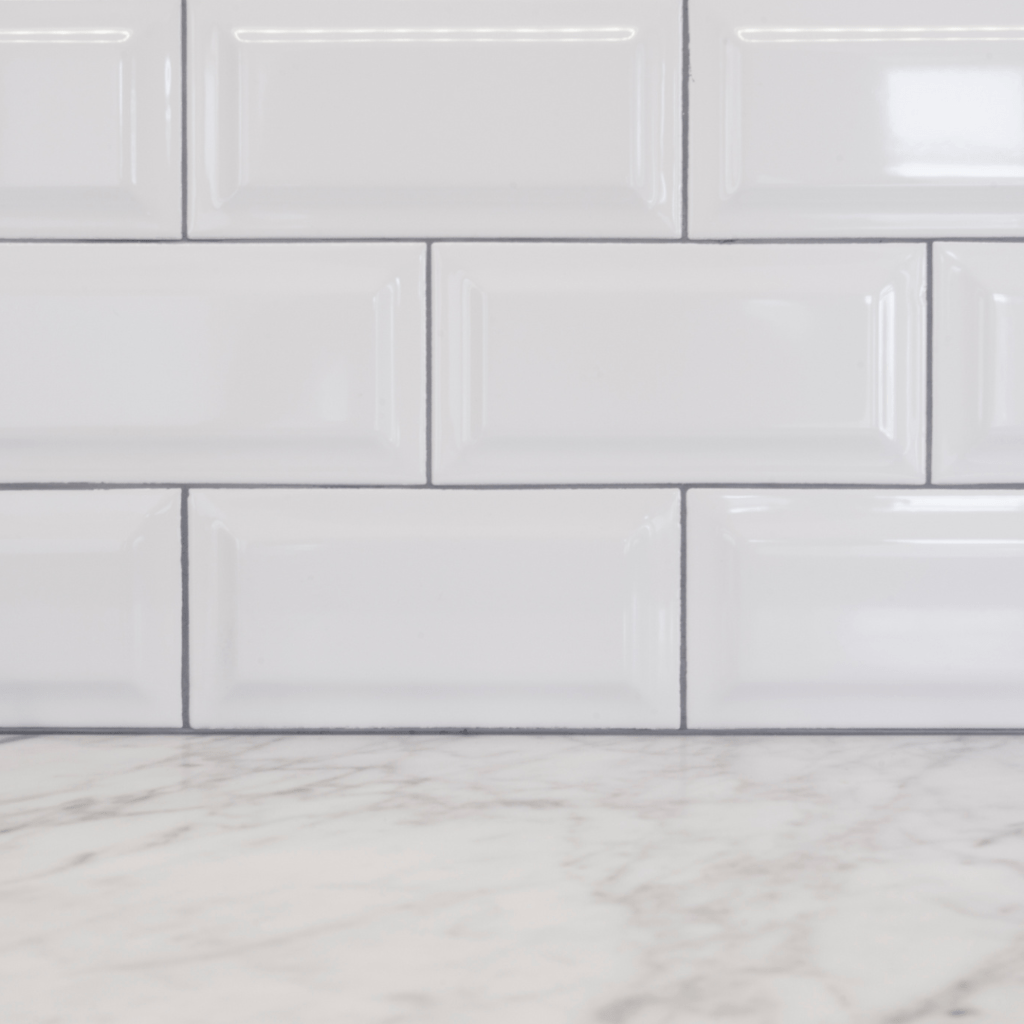
1. Backsplash: Choose classic subway tiles or geometric patterns in neutral colors. They’re affordable but look upscale when properly installed.

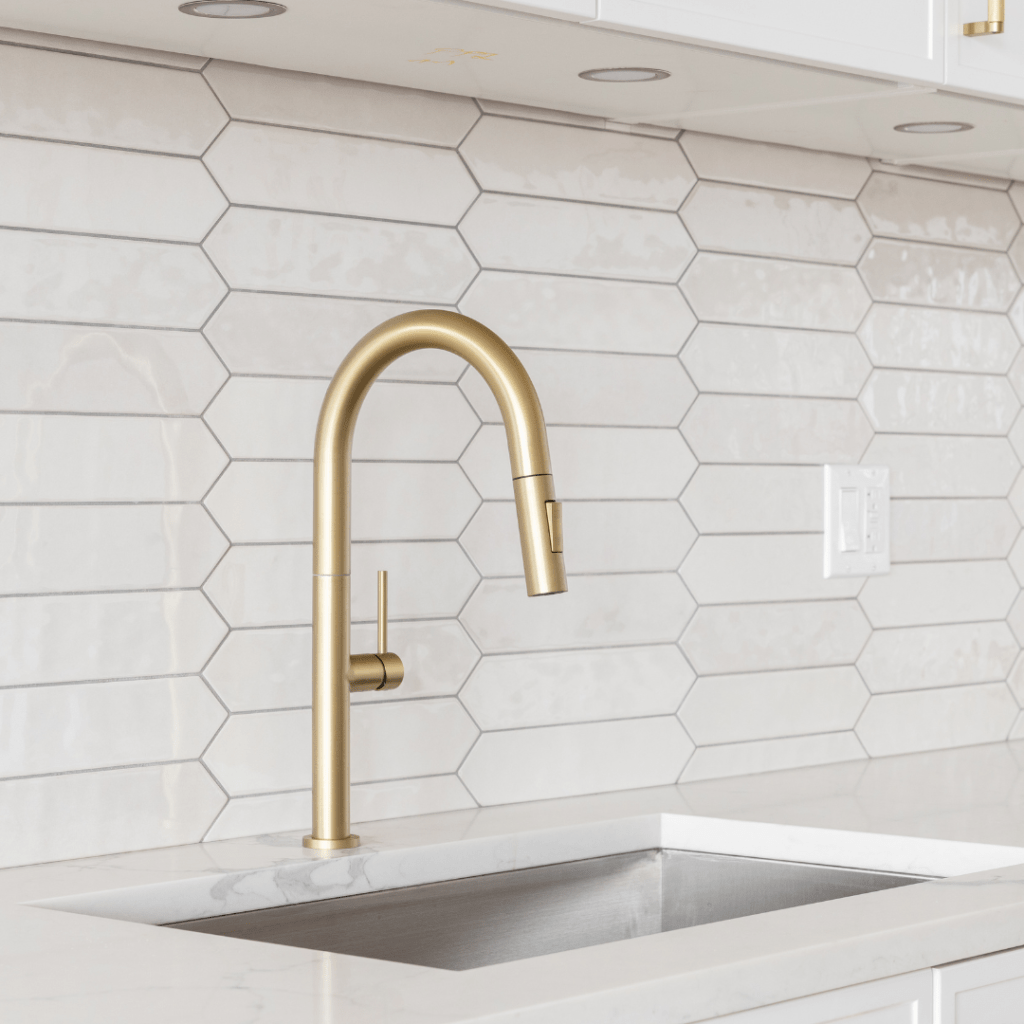
2. Sink and Faucet: A deep undermount sink and professional-style faucet can give the kitchen a high-end feel without breaking the bank.

3. Fresh Paint: Choose warm neutrals or soft whites to make the space feel clean and inviting. Paint delivers the highest return on investment of any single update.

Where to Save vs. Splurge
Save On:

  • Appliances: Mid-range, matching appliances often provide better ROI than high-end models
  • Hardware: Shop retail sales for cabinet pulls and knobs
  • Flooring: Luxury vinyl plank offers durability and style at a fraction of hardwood’s cost

Splurge On:

  • Professional installation: Poor workmanship can devalue even expensive materials
  • Quality faucets: They’re frequently used and scrutinized by buyers
  • Lighting fixtures: They serve as jewelry for your kitchen
kitchen remodel

The Numbers That Matter
Based on recent market data:

  • Minor kitchen remodel average cost: $23,452
  • Value recouped at sale: 77.6%
  • Sweet spot budget range: $15,000-30,000

Avoid Common Mistakes

  • Don’t over-customize: Keep updates neutral and broadly appealing
  • Skip trendy choices: They can quickly date your kitchen
  • Maintain proportion: Ensure updates match your home’s overall value 4. Consider your timeline: If selling within a year, focus on visual impact over durability

The Bottom Line
The key to a successful kitchen update is understanding your market and your buyers. In most cases, you’ll see the best return by creating a fresh, modern look without going overboard on high-end finishes. Focus on clean lines, neutral colors, and quality materials in the mid-range price point.

Remember: The goal isn’t to create the most expensive kitchen on the block, but rather the most appealing one within a reasonable budget. This approach not only attracts buyers but also provides the best return on your investment.

Need help planning your kitchen update? Let’s talk about what makes sense for your home and market. Contact Krasi Henkel at 703-624-8333 today for a personalized consultation and market analysis.

As winter’s chill settles in, transforming your home into a warm and inviting sanctuary becomes more important than ever. Here are proven ways to make your living space feel cozy and welcoming during the coldest months of the year.

Layer Your Lighting
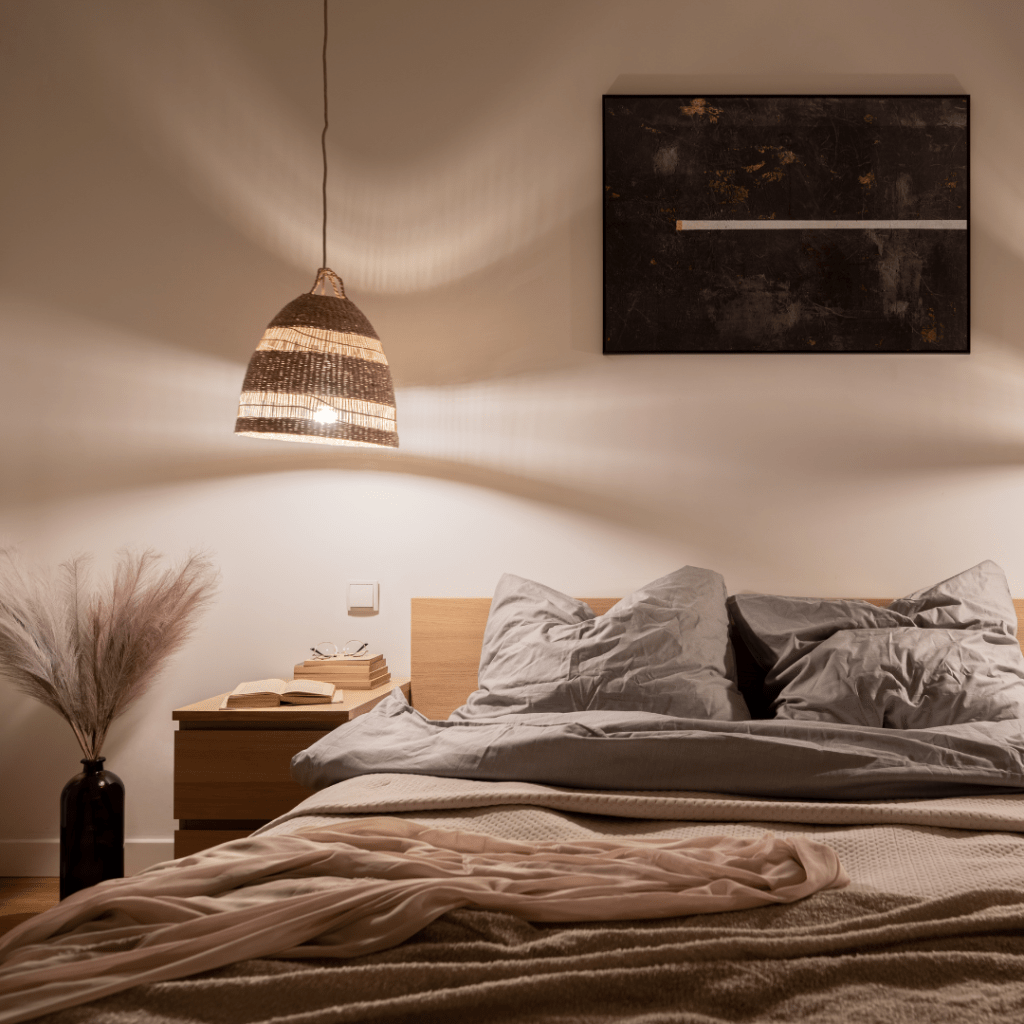
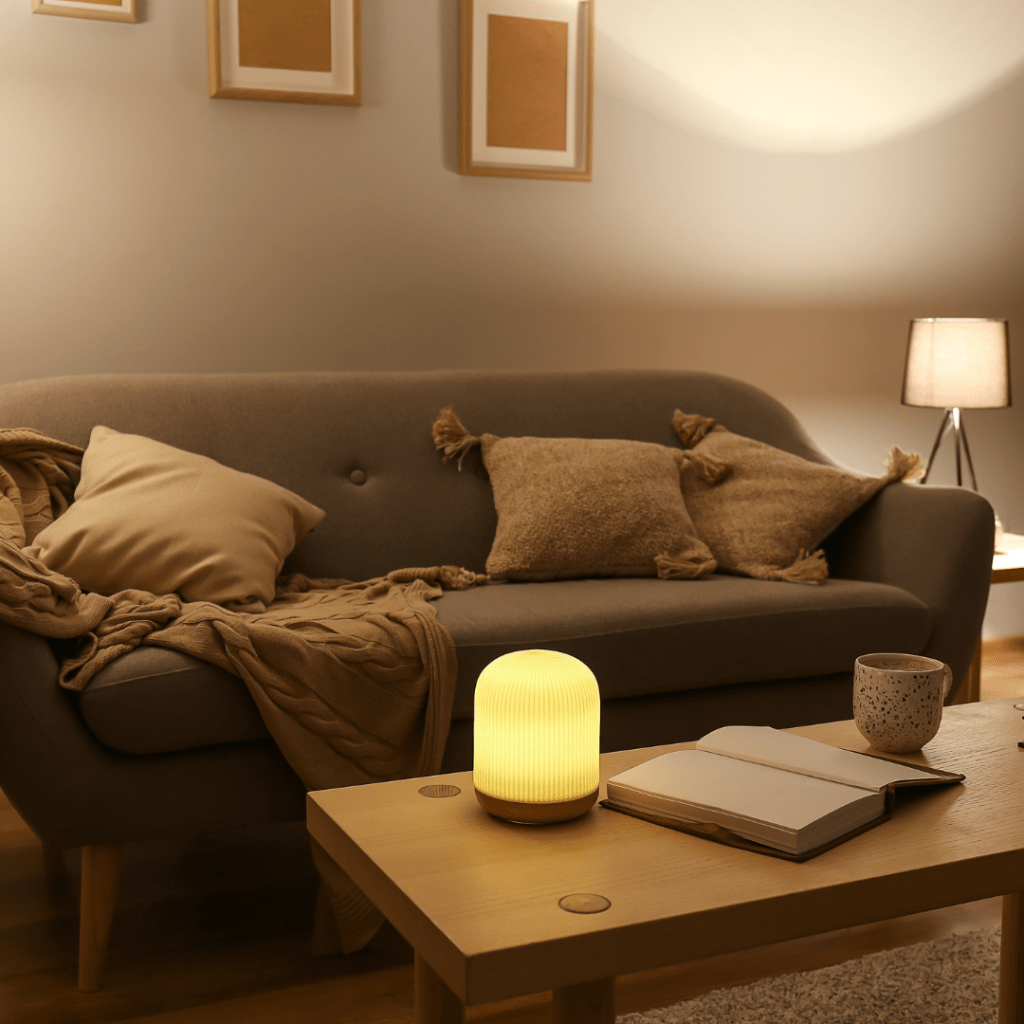
The right lighting can instantly transform the ambiance of your home. As natural daylight becomes scarce, create a warm glow with table lamps, floor lamps, and dimmable overhead lights. Consider adding battery-operated candles for a safe, flickering effect that adds instant warmth. Place lights at different heights throughout your rooms to create depth and eliminate harsh shadows.

Embrace Textile Textures
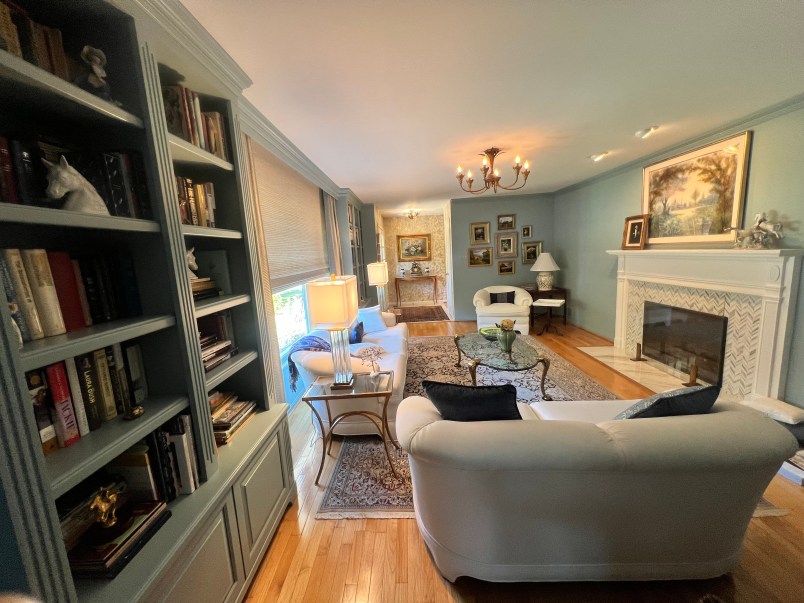
Nothing says cozy quite like an abundance of soft textures. Layer your sofas and chairs with plush throw blankets in chunky knits or faux fur. Add extra throw pillows in varying sizes and complementary fabrics like velvet, wool, or cable knit. Don’t forget about your floors – area rugs not only add visual warmth but also help insulate your space and keep feet warm on chilly mornings.

Create Inviting Gathering Spaces
Rearrange your furniture to create intimate conversation areas that encourage togetherness. Position seating pieces closer together and angle them slightly toward each other. A coffee table or ottoman can serve as a central point, perfect for holding warm beverages and creating a natural gathering spot.


Bring Nature Indoors
While the outdoor landscape may be bare, bringing natural elements inside can help maintain a connection to nature. Consider displaying pine cones in decorative bowls, arranging bare branches in tall vases, or maintaining indoor plants. These touches add life and organic texture to your winter décor.

Warm Up Your Windows
Windows can be a major source of heat loss during winter. Layer your window treatments by combining insulating cellular shades with heavier drapes. Not only will this help keep warmth in, but it also adds visual depth and softness to your rooms. Choose fabrics in rich, warm tones or cozy patterns like plaids or herringbone.


Engage the Senses
Create a multisensory experience by incorporating seasonal scents through natural sources like simmering potpourri, essential oils, or fresh-baked goods. The sound of soft background music or a crackling fireplace can also contribute to the cozy atmosphere.


Organize and Declutter
A cluttered space can feel chaotic and unwelcoming. Take time to organize and minimize visible items, creating clear surfaces that promote a sense of calm. Use attractive baskets or boxes to store winter necessities like extra blankets and slippers within easy reach.


Focus on Your Entryway
Make the transition from outdoors to in more welcoming by creating an organized and attractive entry space. Install hooks or a coat rack for winter wear, add a boot tray for wet shoes, and consider placing a small bench for easy removal of winter footwear. A warm rug and good lighting will make coming home feel like a warm embrace.

Remember, creating a cozy winter home isn’t about buying new things – it’s about thoughtfully arranging what you have to maximize comfort and warmth. These simple changes can help transform your space into a welcoming retreat that both family and guests will appreciate during the cold winter months.

Thinking about buying or selling in the new year? Reach out to Properties on the Potomac at 703-624-8333 today!

Here’s an amusing bit of architectural etymology trivia. What we know as a transom window is called “vasistas” in French. The origin of this term is quite funny: in the 1700s, French builders didn’t have a specific name for these small windows above doors. But whenever their German neighbors visited, they would point at the transoms and ask, “Was ist das?”—meaning “What is that?” The French assumed this was the window’s name and adopted the term. Ironically, the Germans didn’t have a name for it either—they were just curious!

What Are Transom Windows?
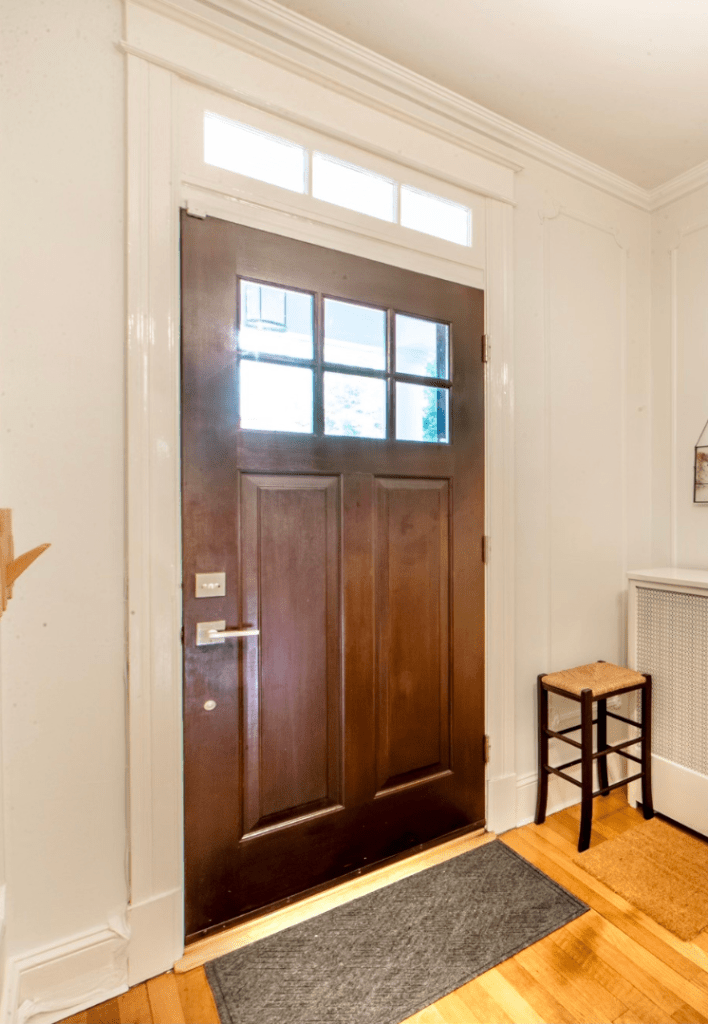
Transom windows, often found above doors or larger windows, serve both functional and aesthetic purposes. Historically, they were a common architectural feature in homes before the widespread use of electricity and air conditioning. These small windows allowed light and air to flow between rooms, while maintaining privacy and security.

In older homes, transom windows often have intricate designs or stained glass, adding elegance and charm to any space. Though their use has evolved, transoms remain popular in modern construction, with homeowners and designers incorporating them as both a functional and decorative feature.

Functional Benefits of Transom Windows
Light and Ventilation: In the days before electricity, transom windows helped circulate air and allowed light to pass between rooms. This natural ventilation kept homes cool during warmer months, while the positioning above doors preserved privacy. Even today, transoms can add extra light to dark hallways or interior rooms that may not have direct access to exterior windows.

Architectural Appeal: Transom windows provide an elegant design element to both traditional and modern homes. Their placement above doors or windows breaks up large wall spaces, adding character and style. Many homeowners choose decorative options, like stained glass or patterned grids, to make them stand out as a focal point.

Energy Efficiency: While today’s transom windows may not be used for ventilation as often, they still serve a purpose in energy conservation. High-quality, insulated transoms can help reduce energy costs by providing additional natural light, meaning you’ll need to rely less on artificial lighting during the day.


    Modern Uses for Transom Windows
    While transoms were once a necessity, today they are more of a stylistic choice. In modern homes, transom windows are used to create a feeling of openness, particularly in areas with high ceilings. They can be installed above interior doors to connect spaces visually, or they can be used in exterior walls to make a statement in entryways or living rooms. The versatility of transom windows makes them a popular feature in both contemporary and traditional homes.

    Transoms are often custom-designed, allowing homeowners to choose from a variety of shapes, styles, and materials to match their home’s architecture. Whether you want a clean, minimalist look or a more ornate design, transom windows are a great way to add both style and functionality to your home.

    Whether you’re renovating a historic property or adding a modern touch to your home, transom windows are a feature worth considering. Their unique history and timeless appeal make them a charming addition to any space. If you’re thinking about incorporating transom windows or other architectural features in your home, or if you’re in the market to buy or sell, contact us Properties on the Potomac at 703-624-8333 today. We’re here to help you find the perfect home with all the features you love—or to guide you through renovations to make your home more beautiful and functional!

    Whether you’re renting an apartment or own your own home, a topic that often comes up is the difference between “damage” and “wear and tear.” Knowing the difference between the two, and how they can impact your security deposit (if renting) or resale value (if you own), is important. So let’s delve into what constitutes “damage” vs. “wear and tear.”

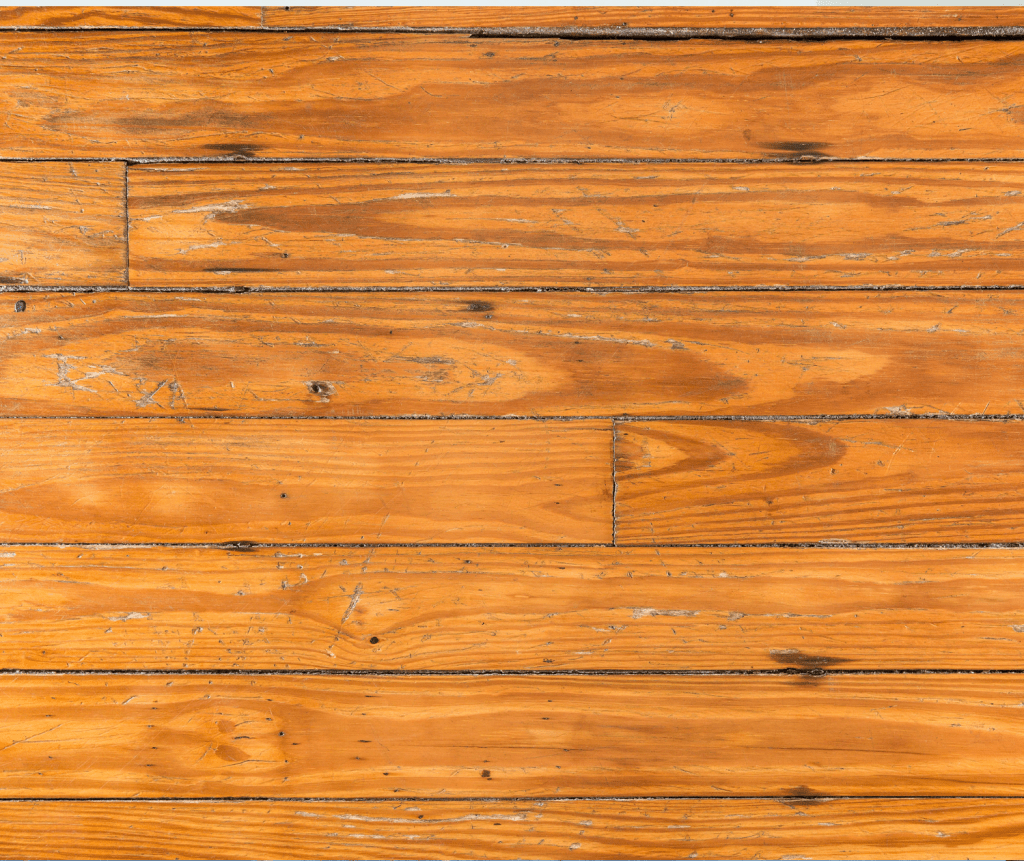
    First, what is “wear and tear?” Imagine your home as a beloved pair of jeans. Over time, they get a little frayed at the hems and perhaps lose some color, but they’re still your favorite pair. That’s wear and tear–the natural, inevitable aging of a home. It’s the scuffed hardwood floors from years of excited foot traffic, the faded paint on the south-facing wall that’s soaked up all those glorious sun rays, and the slight wobble in the staircase handrail that’s supported countless trips up and down.

    Wear and tear is like the charming laugh lines on your home’s face. It’s a testament to a life well-lived within those walls. And good news: most landlords and homeowners’ insurance policies understand this. They won’t expect you to have a time machine to prevent natural aging.

    Now, let’s switch gears to “damage.” This is where things get a little more dramatic. Damage is the overenthusiastic toddler who decides to use the living room wall as a canvas for their crayon masterpiece. It’s the party guest who thinks swinging from the chandelier is a great idea (spoiler: it’s not). In essence, damage is caused by accidents, negligence, or mishandling.

    Damage is the broken window from an impromptu indoor baseball game or the hole in the drywall from moving that couch up the stairs. Unlike wear and tear, damage is not a badge of honor for your home; it’s a call to action, often requiring immediate repair.

    Understanding the difference between wear and tear and damage can save you a lot of stress (and money). Embrace the quirks that come with time but keep an eye out for those accidental oopsies that need fixing. After all, a well-loved home, with its mix of charming wear and careful repairs, tells the best stories.

    Are you ready to make stories in your own home? Contact Properties on the Potomac today at 703-624-8333 for expert advice and top-notch real estate services. Let’s make your home the best story ever told!

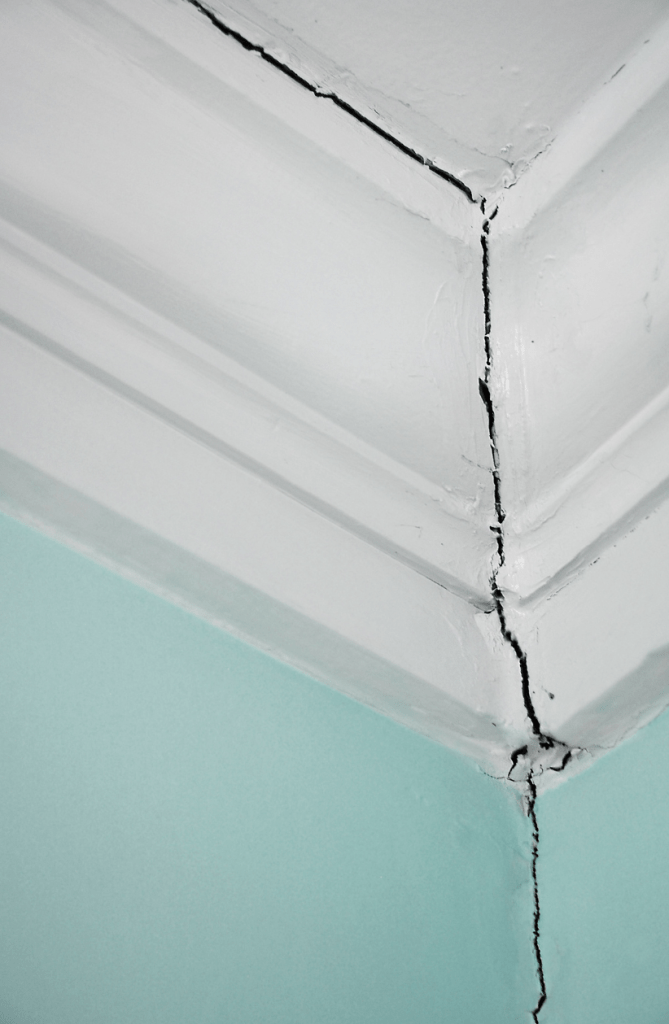
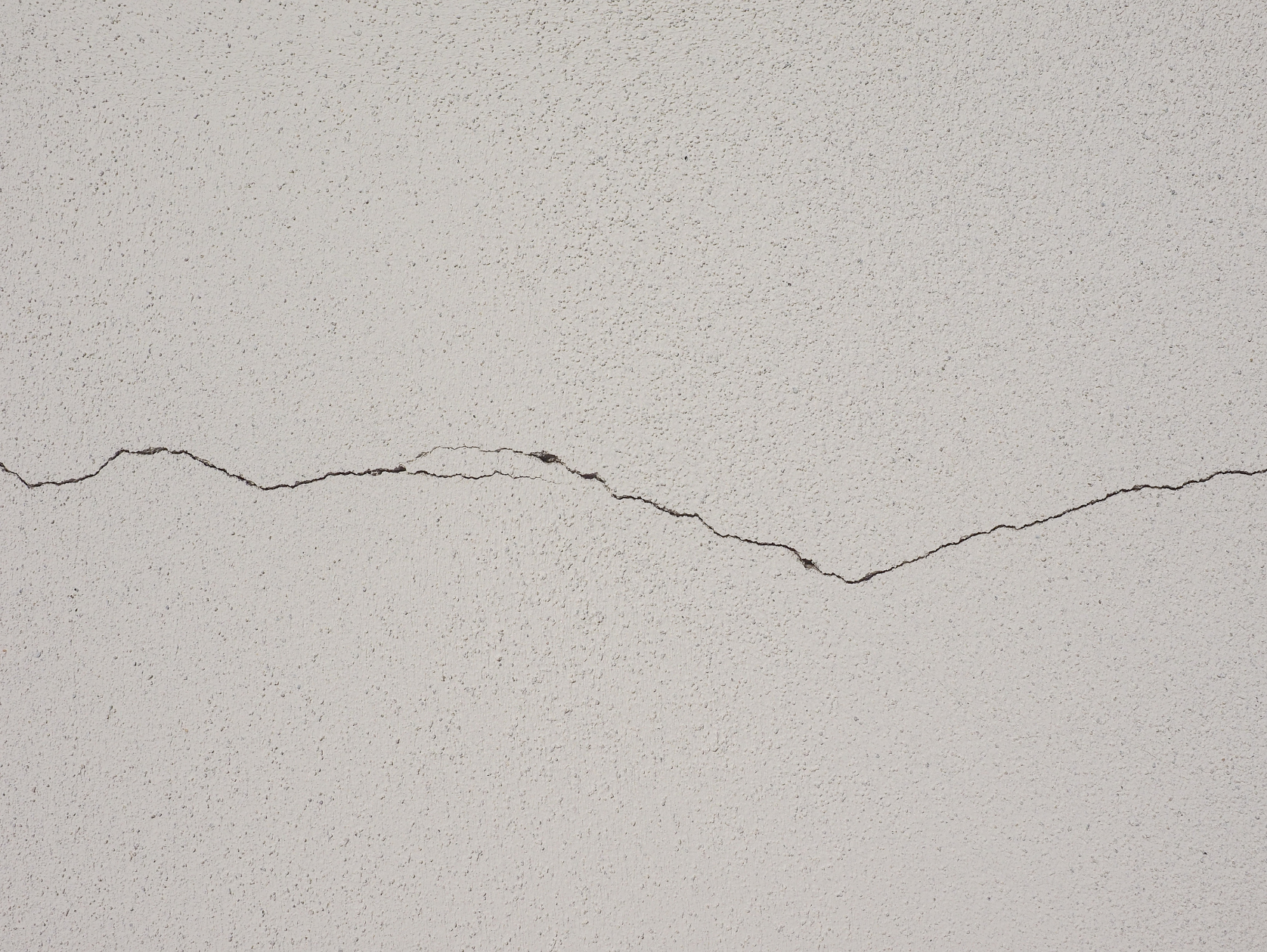
    Cracks in walls are a common issue in many homes, but not all cracks are created equal. Some may be harmless, while others can indicate serious structural problems that require immediate attention. Knowing when to take action can save you from costly repairs down the road.

    Types of Cracks and What They Mean
    Hairline Cracks: These are usually less than 1/16 inch wide and often appear in drywall or plaster. They are typically caused by minor settling or shrinkage as the building materials dry out. While they can be unsightly, they usually don’t indicate serious issues.

    – Vertical Cracks: These are generally in the same category as hairline cracks, especially if they are narrow and uniformly straight. However, if they are wider at the top or bottom, they might suggest uneven settling of the foundation.

    – Diagonal Cracks:  Often running at a 30- to 75-degree angle, diagonal cracks can indicate differential settling or foundation movement. The wider the crack, the more serious the potential problem.

    – Horizontal Cracks: These are the most concerning and typically signal significant structural issues. Horizontal cracks often indicate that the foundation is experiencing too much lateral pressure, which can lead to wall failure if not addressed promptly.

    When to Take Action
    If you notice cracks that are wider than 1/8 inch, appear suddenly, or seem to be growing, it’s time to call in a professional. Cracks accompanied by doors and windows that stick, uneven floors, or water seepage are red flags for serious structural problems.

    Ignoring significant cracks can lead to worsening damage, higher repair costs, and potential safety hazards. It’s always better to be safe and have a professional assess the situation rather than risk the integrity of your home.

    If you need help finding a professional to help you, give Properties on the Potomac a call at 703-624-8333 today. We work with a great group of trusted people and companies and we’d love to help you with a referral.

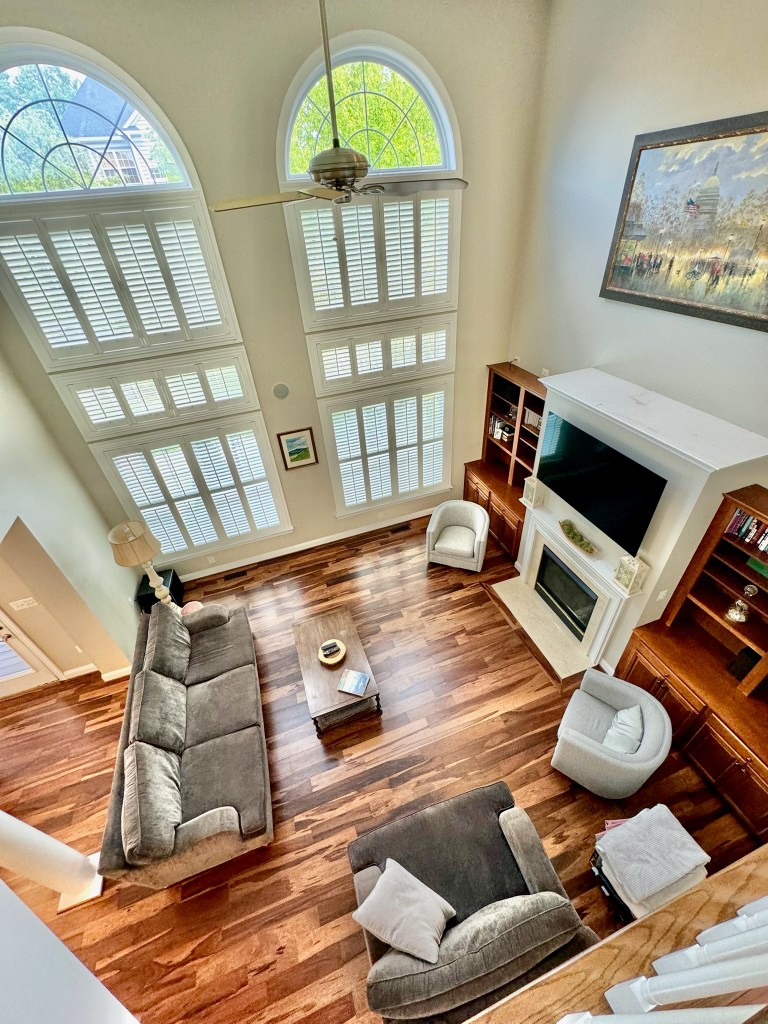
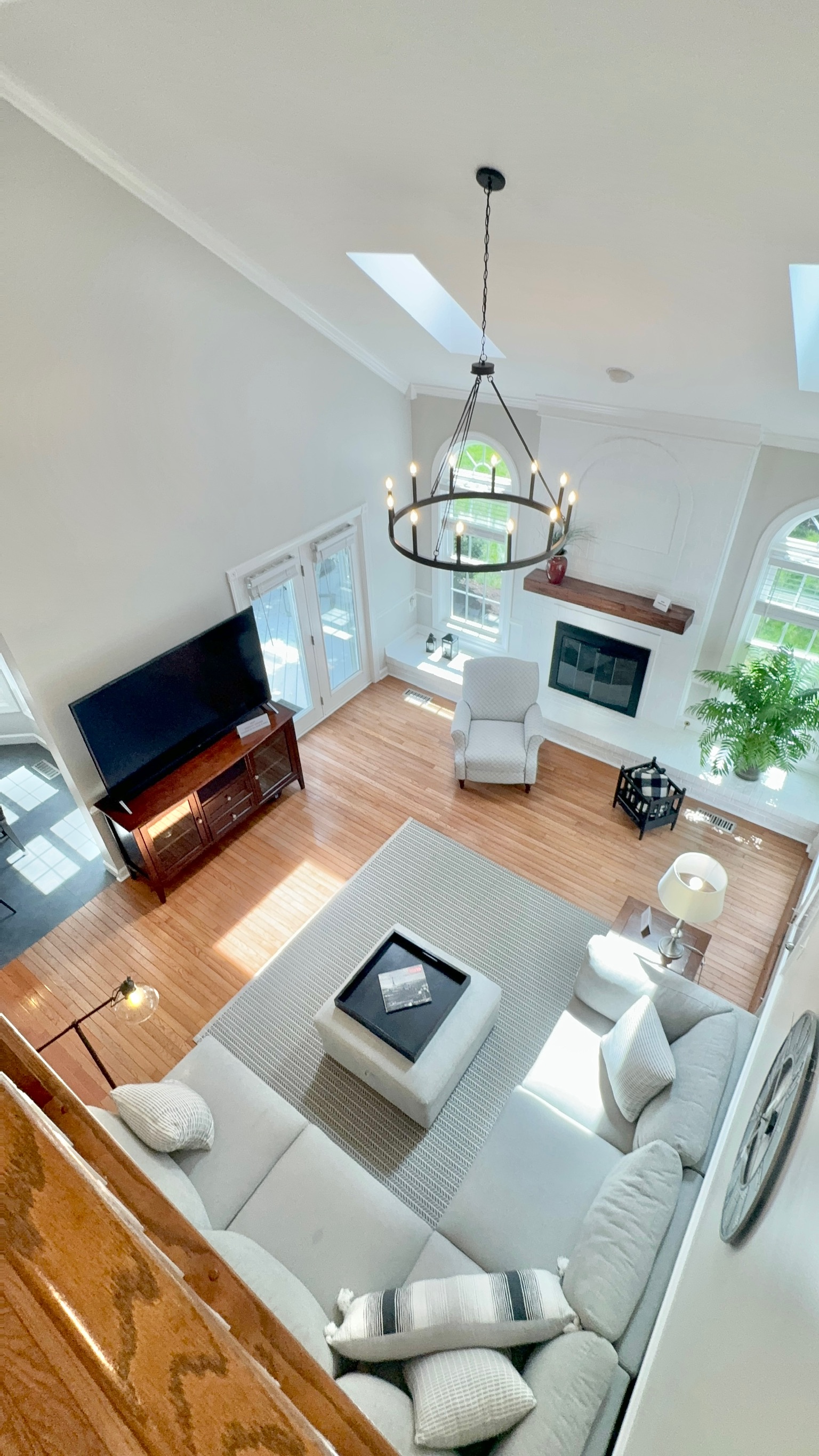
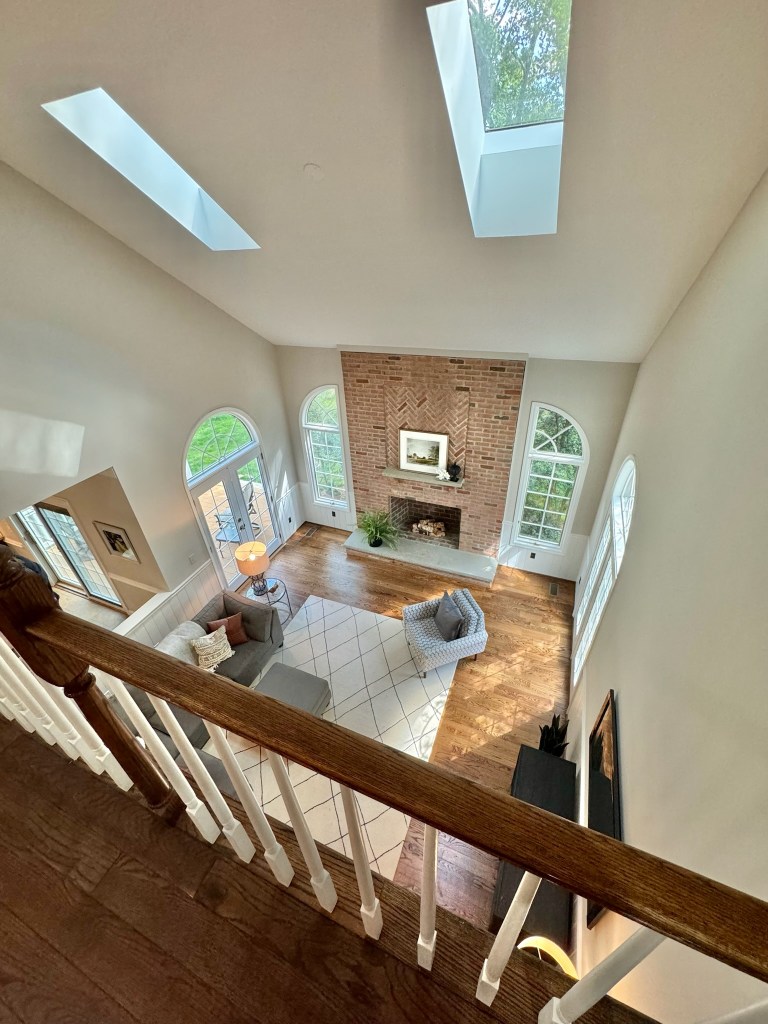
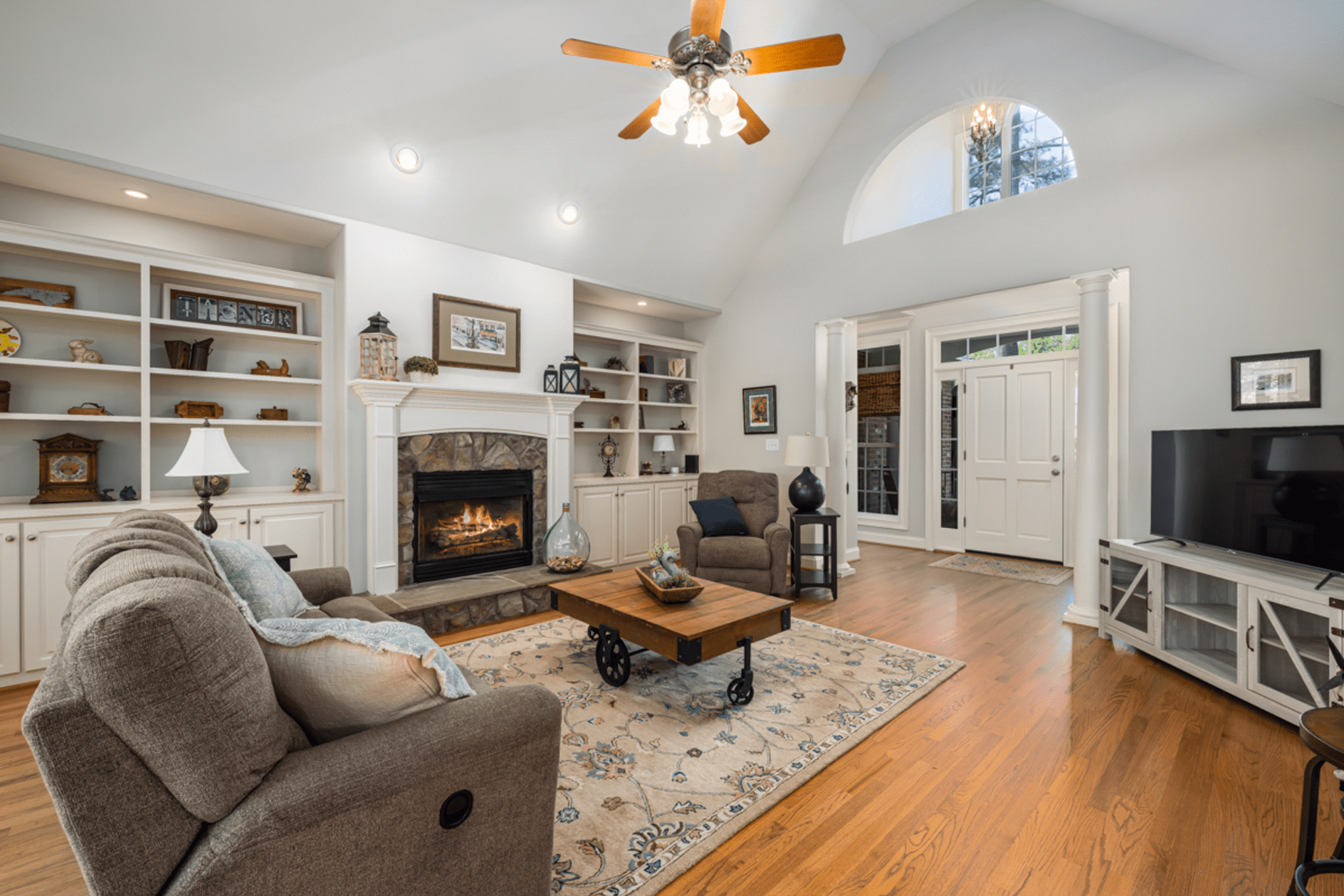
    In the realm of home design, two-story family rooms stand out as captivating spaces that seamlessly blend grandeur with comfort. Offering a sense of airiness and spaciousness, these architectural marvels have become a sought-after feature in modern homes.

    The defining characteristic of two-story family rooms is, of course, their soaring ceilings that stretch upwards to impressive heights. This vertical dimension not only creates an immediate sense of grandeur but also allows ample natural light to flood the space, creating a bright and inviting atmosphere. Whether adorned with expansive windows or skylights, these rooms effortlessly connect the indoors with the beauty of the surrounding landscape.

    From a design perspective, two-story family rooms present a canvas ripe with opportunities for creativity and expression. The height of the space lends itself to architectural drama, inviting the incorporation of eye-catching features such as statement lighting fixtures, dramatic staircases, or even a gallery wall to showcase artwork and family photographs. The interplay of light and shadow accentuates architectural details, adding depth and visual interest to the room.

    For prospective homebuyers considering a property with a two-story family room, several factors should be taken into account:

    1. Acoustics and Privacy: The height and openness of two-story family rooms can sometimes lead to issues with sound transmission and privacy. Consider incorporating acoustic treatments or strategically placed furnishings to mitigate noise and create zones for privacy within the space.

    2. Temperature Control: With their lofty ceilings, two-story family rooms may require additional heating and cooling measures to maintain a comfortable temperature year-round. Consult with a qualified HVAC professional to ensure proper climate control and energy efficiency.

    3. Decor and Furnishings: When decorating a two-story family room, scale and proportion are key considerations. Choose furniture and decor that complement the height of the space without overwhelming it, and utilize vertical elements such as tall plants or artwork to visually anchor the room.

    Ready to elevate your living experience to new heights? Let’s find your dream home with a two-story family room that’s sure to make your heart soar! Contact Properties on the Potomac at 703-624-8333 today and let’s make your home-buying journey a soaring success!

    To Stage or Not?

    Home staging has become a huge trend in the real estate industry. An online search for “home stagers in my area” will result in myriad professional home stagers. With the prevalence of home staging on TV and in real estate photos, you may think that home staging is inevitable for your potential house sale. Sellers have been trained to believe that they live in a hovel and cannot sell their property without thorough staging. That is most likely not the case.

    While it is true that many buyers are not financially prepared to make major improvements to a property in order for it to be listed for top value, your house might just need some continuity, decluttering, or maybe even a coat of paint.

    Before embarking on selling prep, contact us. We are professional real estate experts and have seen and sold everything from minimalist showplaces to near-hoarding situations. We work with many buyers and “see” properties through their eyes. We know what they see and how they react to certain spaces and items.

    When we meet to review your plans, we will see your property and take a “reading” of it. If necessary, we will develop a plan that is efficient and effective for your specific property. While we do not charge for our staging service, we require a signed Listing Agreement before we proceed. Our goal is to give you our best advice whether rearranging furniture, bringing in some staging materials, recommending removal of some items, or repainting certain areas. Your finances are always key in our recommendations.  

    If you have lived in your property for a long time, we will discuss possible “updating” or curating certain items to present the best possible property image to appeal to the broadest range of qualified buyers. Our goal is to not spend your money and unless the circumstances are extreme, we would never suggest emptying your home and renting staging furnishings.

    If you are a collector, we might recommend packing up some of your collection(s). If you have beautiful antiques that are fragile, we will discuss safeguarding them. If you have amazing art, it might be beneficial to take some down to prevent distractions from the buyers’ purpose of selecting your house.

    What should you do with family portraits? That is a very personal matter. One or two might be fine. Walls of children’s school photos might be overwhelming. We look at every space and consider the overall impression the property makes to a buyer in the first 30 seconds. We offer our advice based on the Malcolm Gladwell principal presented in his book, Blink.

    We start from the street and work our way to the closets with our recommendations.

    In the end, everything has value. Doing nothing (should anything be needed) will generally yield a lower selling price. Excessive minimalism could be off-putting and not generate an offer quickly, thus possibly selling for less. We work with our sellers to develop a good balance of reselling a home to buyers in search of a home.

    Before you take matters into your own hands, call Properties on the Potomac at 703-624-8333 to discuss your goals and needs. Together, we will develop the plan that best suits you and captures the best buyers. Schedule your appointment with us today!

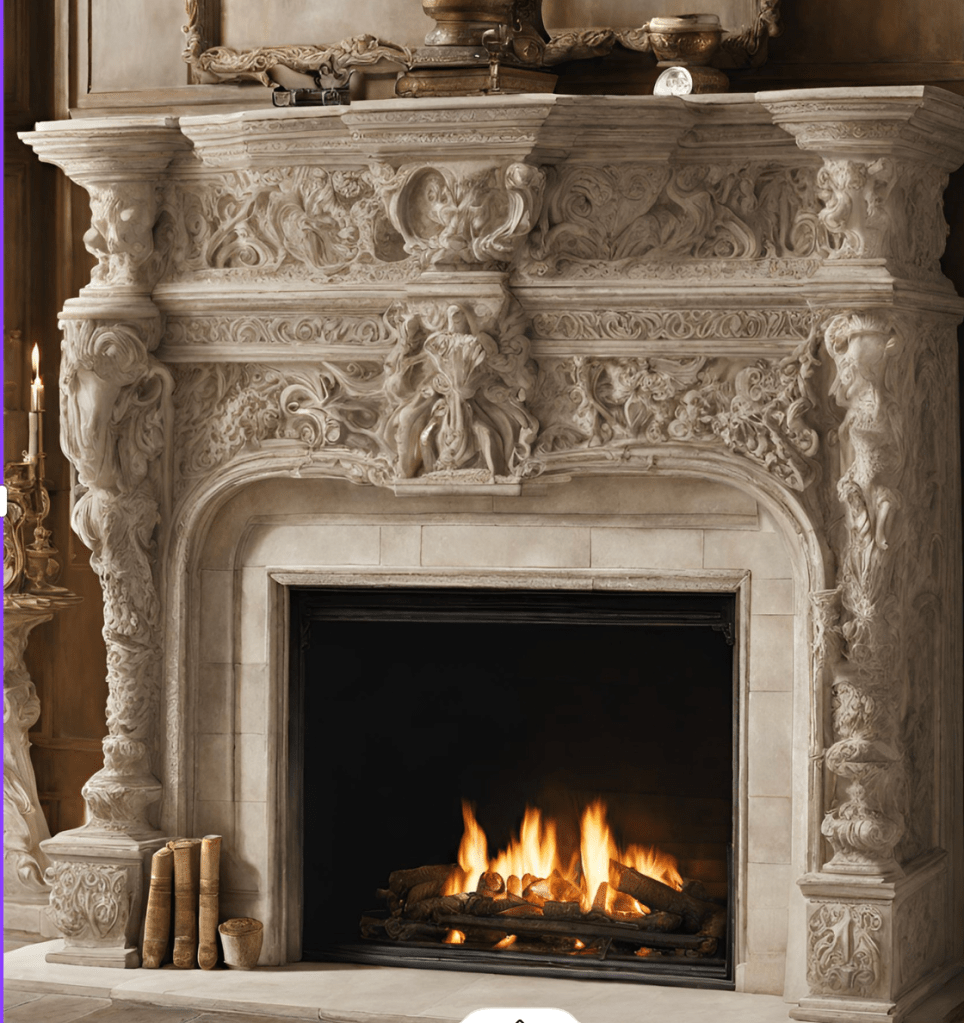
    Eleanore of Aquitaine: Her Influence on Architecture and the Fireplace

    Eleanore of Aquitaine was one of the most powerful and influential women of the Middle Ages. She was strong, determined, and opinionated. She got things done. She initiated a revolt against the king, her husband, in favor of her son. She was the mother of King Richard Lionheart and King John (not everyone is a winner). She rode astride and led and/or participated in the Second Crusade. At age 72, she crossed the Pyrenees Mountains in winter to select the future queen of France. She left a lasting impact on numerous aspects of European culture, including architecture and the development of the fireplace.

    As Queen of France and later England, Eleanore was known for her patronage of the arts and her keen interest in architecture. She commissioned the construction of numerous castles, palaces, and abbeys throughout her domains, many of which showcased the latest architectural innovations of the time.

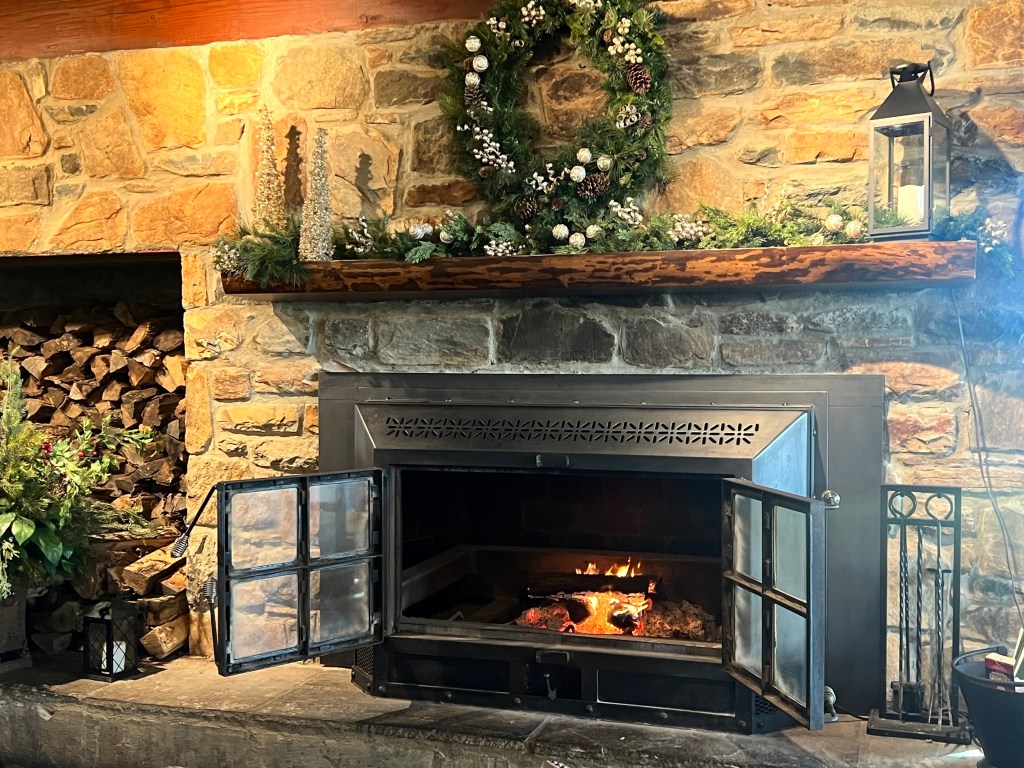
    One of the most significant architectural features that Eleanore is credited with popularizing is the fireplace. Prior to the 12th century, most European homes relied on open hearths in the center of the room for heating and cooking. However, this design was inefficient and caused smoke to fill the living space.

    Eleanore, having grown up in the sophisticated courts of Aquitaine, was accustomed to more advanced heating systems. She is believed to have introduced the concept of the wall-mounted fireplace to the castles and palaces she inhabited. This design, which featured a flue to carry smoke out of the building, allowed for better heat distribution and improved air quality.

    The incorporation of fireplaces into castle design became increasingly common during Eleanore’s lifetime. The Great Hall, a central feature of medieval castles, often showcased grand fireplaces that served as a gathering place for the household. These fireplaces were not only functional but also highly decorative, with intricate carvings and elaborate mantels.

    Eleanore’s influence on fireplace design can be seen in many of the castles and palaces she inhabited, such as the Palace of Poitiers and the Fontevraud Abbey. The latter, where Eleanore spent her final years and was eventually buried, features numerous fireplaces throughout its buildings.

    The legacy of Eleanore’s architectural innovations extends beyond her own lifetime. The use of wall-mounted fireplaces became widespread throughout Europe in the centuries that followed, evolving into the diverse range of fireplace designs we know today.

    Eleanore of Aquitaine’s influence on architecture and the development of the fireplace cannot be overstated. Her patronage of the arts and her introduction of advanced heating systems to medieval European castles left a lasting impact on architectural design and the way we heat our homes to this day.

    Do you dream of a home with a fireplace? Whether gas or log-burning, quaint or ornate, Properties on the Potomac can help you find your perfect fireplace. Give us a call at 703-624-8333 today!

    By Krasi Henkel

    When it comes to creating a warm, inviting atmosphere in your home, few decor elements can make as significant an impact as a beautiful rug. Whether you’re looking to add a touch of luxury to your living room, define spaces in an open-concept layout, or simply inject some personality into your bedrooms, the right rug can work wonders. In this blog post, we’ll explore the benefits of incorporating beautiful rugs into your home decor.

    1. Define and Anchor Spaces
    In open-concept living areas, rugs can be used to define separate spaces and create distinct zones for different activities. By placing a rug under your dining table or in your living room seating area, you can visually anchor the space and create a sense of intimacy without the need for physical barriers.

    2. Add Warmth and Comfort
    Hardwood and tile floors can be cold and uninviting, especially during the cooler months. Adding a plush, cozy rug can instantly make a room feel more welcoming and comfortable. Not only do rugs provide a soft surface for your feet, but they also help to insulate the room, making it feel warmer and more inviting.

    3. Inject Color and Pattern
    Rugs offer an excellent opportunity to introduce color, pattern, and texture into your home decor. If you have a neutral color scheme, a boldly patterned rug can add visual interest and become a focal point in the room. Alternatively, if your space already features vibrant colors, a rug in a complementary hue can help to tie the look together.

    4. Protect Your Floors
    In high-traffic areas of your home such as entryways and living rooms, rugs can help to protect your floors from wear and tear. A durable, well-made rug can withstand the daily use and abuse of family life, while also catching dirt and debris before it can be tracked throughout your home.

    5. Showcase Your Personal Style
    Rugs come in an endless array of styles, colors, and materials, making it easy to find one that reflects your personal taste and complements your home’s overall aesthetic. Whether you prefer a traditional Persian rug, a modern geometric design, or a bohemian-inspired kilim, there’s a rug out there that will perfectly express your unique style.

    Incorporating beautiful rugs into your home decor is a simple yet effective way to elevate your space and create a warm, inviting atmosphere. From defining spaces and adding comfort to injecting color and showcasing your personal style, the benefits of rugs are numerous. Planning to put your house on the market but are not sure what to do with your rugs? Call Properties on the Potomac at 703-624-8333 and let’s make a plan to include your rugs in your “staging” prep.