By Krasi Henkel

February is often seen as a downtime for gardeners in many parts of the country. While your landscape may still be dormant, there are still important tasks that need to be completed before spring arrives. Here are 5 things every gardener should be doing this month:

1. Prune Trees, Shrubs and Vines

Late winter is the best time to prune many trees, shrubs, and vines. Pruning not only maintains the desired size and shape, but it also removes dead or damaged branches which can invite disease and pests. Focus first on spring-flowering plants like forsythia, lilacs, and flowering quince. Those that bloom later in the season can be pruned a bit later.

2. Get a Jump on Weed Control

Weeds will begin germinating as soon as temperatures begin to rise. Get a head start on curtailing them by applying pre-emergent herbicide early in the month. This will help prevent many annual and perennial weeds from taking over flower and vegetable beds once spring growth resumes.

3. Test and Amend Your Garden Soil

Now is the perfect time to get your soil tested through your local extension office or purchase an at-home testing kit. Testing will tell you the pH of your soil, as well as macronutrient levels and recommendations for amendments to correct any deficiencies. Preparing your soil now means your plants will thrive once planted.

4. Sow Cool Weather Crops

Toward the end of February, you can start certain hardy vegetables inside for an early spring harvest. Vegetables like cabbage, broccoli, cauliflower and onions can be started indoors 6-8 weeks before your last expected frost date. Check seed packets for more specifics on starting times.

5. Plan and Prepare for Spring Planting

Finally, use February to make plans for the upcoming growing season. Order seeds, map out your vegetable garden layout, and clean and sharpen tools. Planning ahead will make you ready to hit the ground running once planting season officially begins.

Even though the garden may still be frozen, February is a pivotal month for getting set for spring. Completing winter garden maintenance and preparation now will ensure your yard and garden are primed for vigorous growth in just a couple short months.

Looking for a home with the perfect garden? Properties on the Potomac can help you find your outdoor oasis. Give us a call at 703-624-8333 now!


By Krasi Henkel

Ranch-style homes have been a popular choice for decades thanks to their practical single-story layouts and flexible spaces. While some home buyers may overlook older ranch houses in favor of newer construction, these modest homes actually offer great opportunities. With some creativity and wise investments, you can remodel a ranch house on a budget.

The Benefits of Buying an Older Ranch:

  • Mail level primary bedroom(s)
  • Mature trees and landscaping
  • Established neighborhoods
  • Lower property taxes
  • Good value per square foot
  • Flexible floor plans
  • Hardwood floors or solid mid-century materials

The Blank Canvas:

The simple shapes of ranch homes make them perfect blank canvases to incorporate modern style. Minor changes can make ranch homes feel fresh and new without blowing the budget. Consider these economical updates:

  • New paint in contemporary hues
  • Swap dated lighting for streamlined fixtures
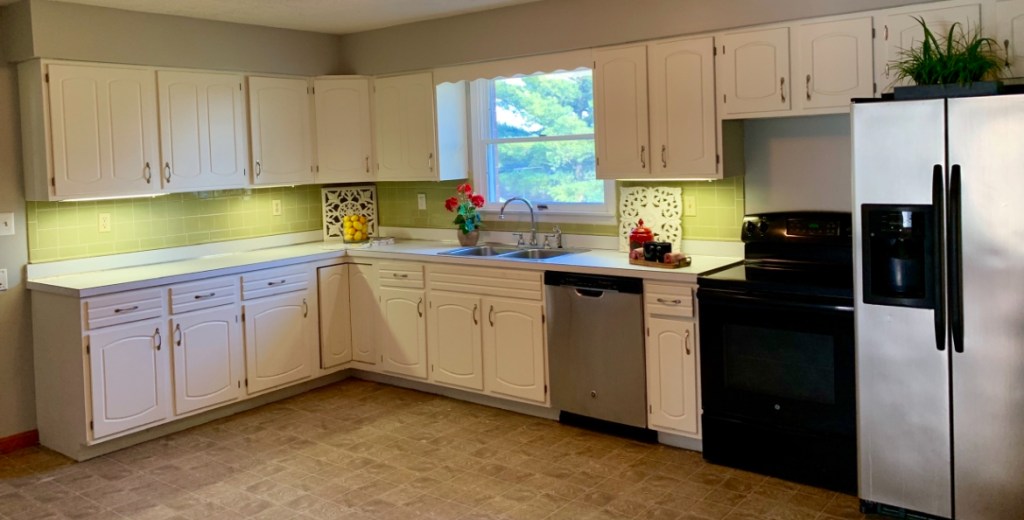
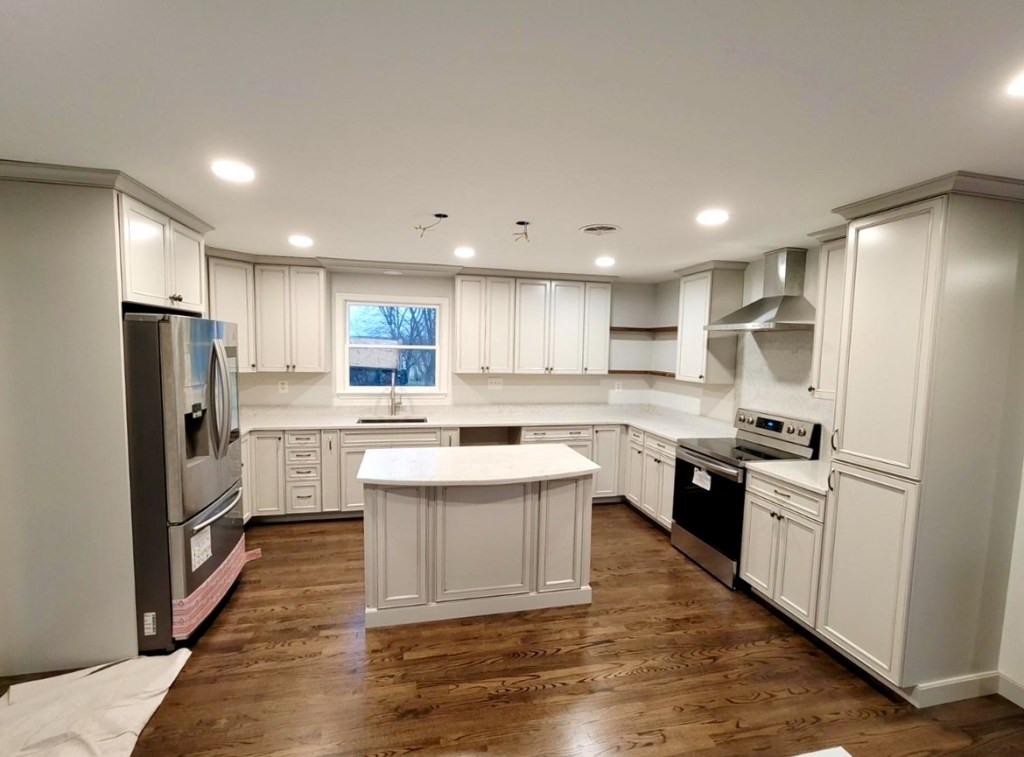
  • Replace builder-basic kitchens and baths with IKEA systems
  • Refinish hardwood flooring hidden under outdated carpeting
  • Knock down walls to create open-concept spaces
  • Add an addition

Big Style for Small Budgets

You don’t need expensive materials to give a ranch home an interior facelift. Use these design insider tips:

  • Shop for unique vintage details
  • Use bold wallpaper or paint instead of new cabinets
  • Stain concrete floors for an industrial look
  • Upgrade windows and patio doors even if you keep other structural elements

The single-level living and unused basement or attics in ranch homes present opportunities for expansion or converting unused areas into rental units for extra income.

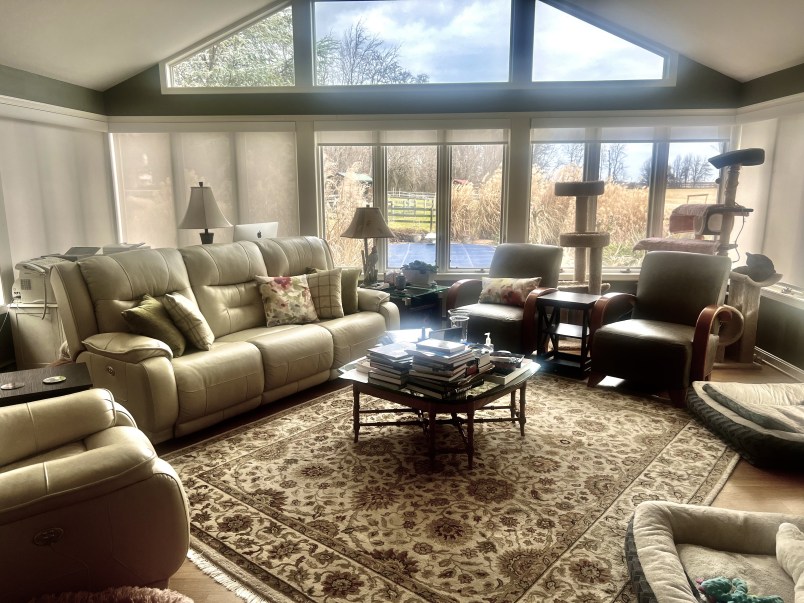
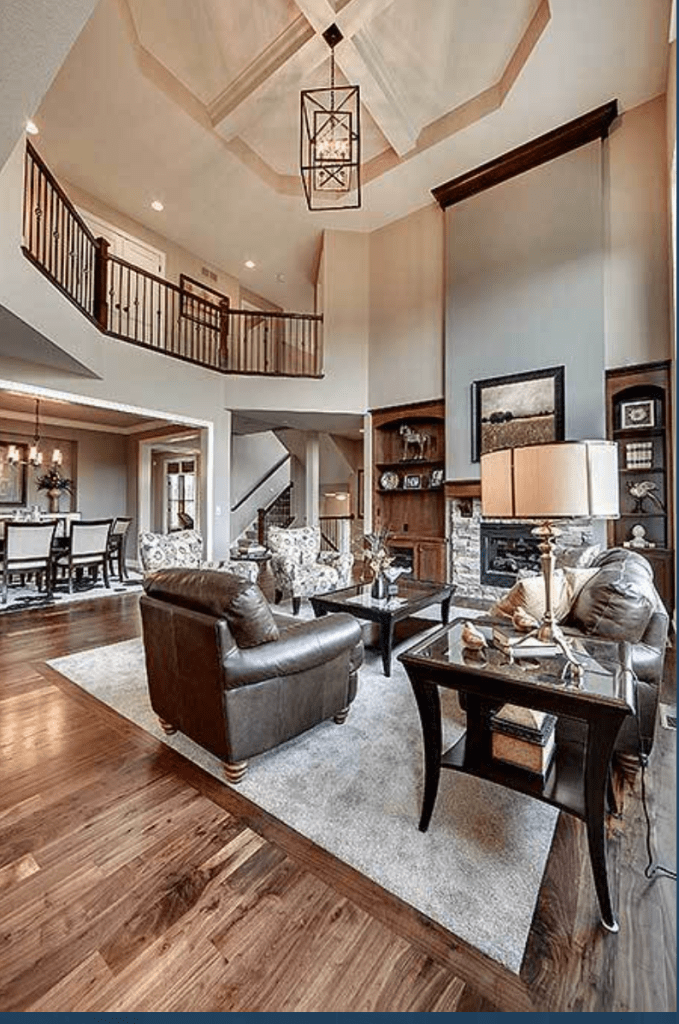
Addition to a ranch home provides tall, open spaces with abundant views

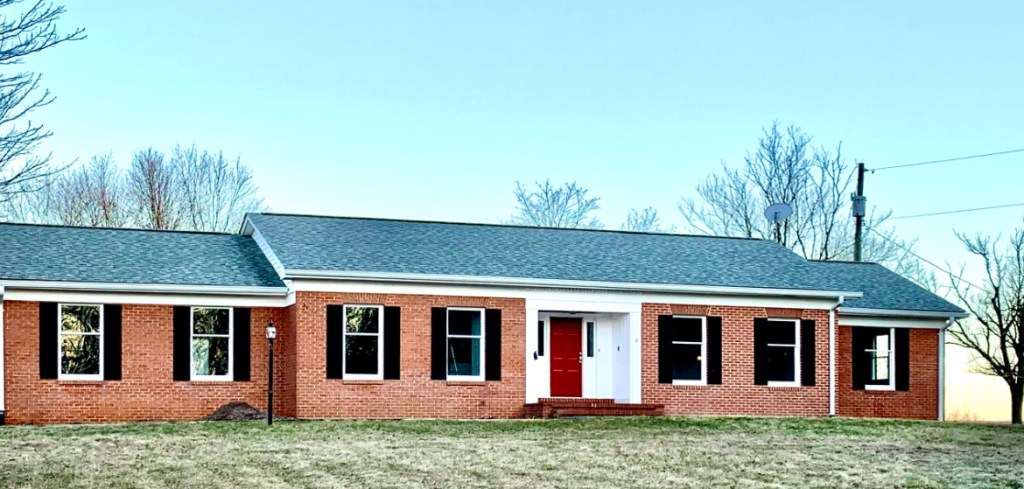
Take a fresh look at older ranch houses. With an updated exterior paint color, strategic refreshes indoors, and your own custom vision, you can personalize a home to suit your needs and style for less than you might expect. The charm and practicality of ranch homes continue to win over buyers who see their outstanding potential.

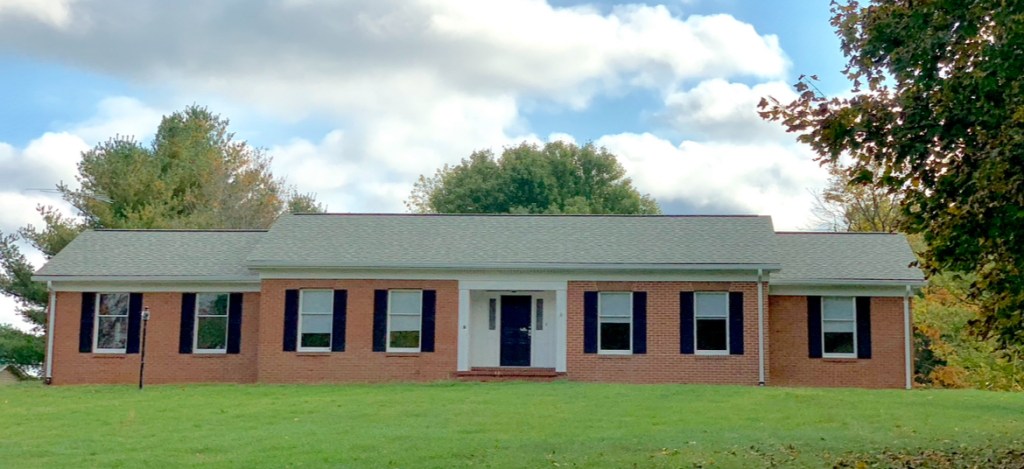
One of my favorite ranch homes in a subdivision that I have sold many ranches and that I love to walk my dog!

By Krasi Henkel

As opinions have currency in real estate, the cultured credibility offered by a home library can sway buyers and add significant value to a house. Though e-readers and digital books are common, there remains strong appeal to the tangible permanence and character of print books lining built-in shelves.

More than a storage place for novels and non-fiction, the home library represents intellectualism and refined tastes which many affluent buyers seek in a residence. Beyond superficial decor, an elegant library signals the substance of both current and past owners. It communicates that interesting dinner conversations, music, and art have filled those rooms.

Built-in bookcases hold special weight over stand-alone shelving. They demonstrate forethought in the home’s original design and construction and cannot be easily moved or changed on impulse like furniture. As integral house features, custom built-in bookcases can add 10-15% of their initial cost to listing prices. Their fixed nature also means volumes collected over years remain on display.

The permanence, personalization, and intellectual substance embodied in a home library comprises a unique asset. For buyers seeking both image and lifestyle, rooms of books can add eight to fifteen percent in perceived worth…or perhaps prove literally priceless among competing listings.

In showcasing owners’ sophistication, libraries reveal character that cannot be fabricated. Where furniture and paint colors change on trends, libraries accumulate over lifetimes. They bestow cultured credibility more reliable than passing fashions. For buyers sharing such values, a house with a library makes tangible the intellectual and cultural traditions they wish to perpetuate.


If you’re in search of a home with a library, or perhaps a home with the perfect space to build the library of your dreams, we’re here to help! Call Properties on the Potomac at 703-624-8333 today.

When putting your house on the market, making it appealing to potential buyers must be top priority. An often overlooked but incredibly effective strategy: decluttering. Removing excess items throughout your home not only makes it look cleaner but can also help streamline the moving process.

Why Declutter?

Decluttering does far more than just tidy up – it creates an environment optimized for selling. Here are some of the biggest benefits:

  • Enhanced Curb Appeal: First impressions make or break the deal. Remove clutter from the yard and exterior areas to impress buyers from the moment they drive up.
  • Spacious Interior: Removing excess furniture and other items makes rooms appear more spacious. Buyers can better envision their own belongings in clear spaces.
  • Highlight Home Features: Decluttering directs focus toward your home’s best selling points like ceilings, floors, and fixtures. Remove distracting items to spotlight unique architectural elements.
  • Easier Packing: Decluttering before listing means having less to pack and move. This streamlines your moving process and reduces stress.
  • Audience Appeal: Decluttering creates a neutral canvas that appeals to the widest range of potential buyers.

The Downsizing Process

Decluttering an entire home can feel overwhelming. You may want to consider getting help from a professional organizer and downsizing expert. Their specialized services include:

  • Customized Plans: Every home and situation is unique. Professionals tailor the decluttering approach to match your needs and timeline.
  • Objective Guidance: They provide unbiased input to help determine what items to keep, sell, donate, or discard. Their perspective helps clients make clear choices.
  • Space Optimization: Experts have creative solutions to maximize storage and efficiency in every area from closets to the family room to pantries.
  • Packing/Unpacking Aid: Professionals assist with properly packing belongings for the move, then help unpack and arrange your new home.
  • Stress Relief: Having an experienced specialist handle decluttering reduces the anxiety surrounding your moving process.

By investing in downsizing assistance before listing your home, you not only make the property shine, but also gain peace of mind. A decluttered home opens the door to new possibilities.

Are you planning a move or maybe you’re simply tired of the clutter? Contact Properties on the Potomac at 703-624-8333 to get a referral to one of our trusted experts.

As we continue to recognize the importance of sustainability in all aspects of life, it’s no surprise that the real estate industry is embracing sustainable design practices. Sustainable design goes beyond aesthetics; it’s about creating homes that are environmentally responsible, energy-efficient, and economically viable.

Here are some key principles of sustainable design in real estate:

  1. Energy Efficiency: Sustainable homes are designed to be energy-efficient, reducing both utility bills and carbon footprints. Features like solar panels, energy-efficient appliances, and proper insulation are common elements found in sustainable design.
  2. Use of Sustainable Materials: Sustainable homes often incorporate materials that are eco-friendly, renewable, and locally sourced. This not only reduces environmental impact but also supports local economies. Bamboo and reclaimed flooring are prime examples of sustainable materials.
  3. Water Conservation: Sustainable design includes features like low-flow fixtures, rainwater harvesting systems, and drought-tolerant landscaping to minimize water consumption. Many communities around the DMV are requiring special attention to rainwater runoff to help alleviate flooding. Some builders are opting for rain gardens and/or rainwater collection systems.
  4. Indoor Air Quality: Sustainable homes prioritize indoor air quality with ventilation systems and non-toxic materials. Adding UV or HEPA filters to you home can help improve the air quality, leading to healthier living environments.
  5. Waste Reduction: Construction waste is minimized through careful planning and recycling efforts. Sustainable homes are built with longevity in mind, reducing the need for frequent renovations.

Investing in sustainable design when buying or selling a home offers numerous advantages:

  1. Lower Operating Costs: Sustainable homes often have lower utility bills due to energy-efficient features, making them more affordable in the long run.
  2. Increased Property Value: Sustainable design can enhance your home’s market value, attracting eco-conscious buyers.
  3. Environmental Impact: Sustainable homes reduce greenhouse gas emissions and minimize environmental harm.
  4. Healthier Living: Improved indoor air quality contributes to better health and well-being for residents.
  5. Future-Proofing: Sustainable homes are built to last and adapt to changing environmental regulations. Current and future buyers will expect homes that last and are able to keep up with the modern requirements thus, helping maintain and build your property resale value.

Sustainable design is not just a trend; it’s a responsible approach to real estate that benefits homeowners, the environment, and future generations. The real estate experts at Properties on the Potomac are well-versed in sustainable design principles and can help you find or market your eco-friendly dream home. Let’s work together to build a greener future, one home at a time. Contact us today at 703-624-8333 to get started on your sustainable real estate journey.

Home is where the heart is, but it can also be a potential source of hidden dangers, one of which is radon gas. Many homeowners might not even be aware of the existence of this invisible threat lurking in their home. So…what is it? And, more importantly, why should I care if I have it in my home? Read on for the answers:

What is Radon?
Radon is a colorless, odorless, and tasteless gas that occurs naturally in the environment. It is formed through the decay of uranium, thorium, and radium present in soil, rocks, and water. When radon is released into the air, it disperses and becomes diluted, posing little to no threat. However, it becomes hazardous when it accumulates in enclosed spaces, such as homes, reaching high concentrations that can lead to serious health issues.

What are the Health Risks of Radon Exposure?
Radon exposure is a serious health concern as it is the second leading cause of lung cancer, trailing only behind smoking. The radioactive particles released by decaying radon can be inhaled, and when they break down further, they can damage the lung tissue, potentially leading to lung cancer over time. Non-smokers can also be at risk, but the danger is significantly higher for smokers exposed to radon.

According to the United States Environmental Protection Agency (EPA), approximately 21,000 lung cancer deaths each year in the US can be attributed to radon exposure. The risk is especially high for those who have spent many years living in homes with elevated radon levels.

Why Should I Test for Radon?
1. Protect Your Health and Loved Ones

As mentioned earlier, radon is invisible, tasteless, and odorless, making it impossible to detect without specialized testing. By testing your home for radon, you can gain awareness of any potential hazards and take necessary actions to mitigate the risks. It’s about safeguarding the health of your loved ones, particularly children and the elderly, who might be more vulnerable to its effects.

2. Identify High Radon Levels in Your Home

Radon levels can vary significantly from one home to another, even if they are located in the same neighborhood. The only way to know the radon concentration in a particular home is through testing. By conducting a radon test, homeowners can determine if their property’s radon levels are within safe limits or if mitigation measures are necessary.

3. Peace of Mind

Testing for radon provides homeowners with peace of mind. Knowing that your living spaces are free from hazardous radon concentrations allows you to enjoy your home without the constant worry of potential health risks.

4. Easy and Affordable Testing

Radon testing is a simple and relatively inexpensive process. Homeowners can purchase DIY radon test kits or hire a professional radon testing service to assess the levels in their homes. In fact, some states and local governments offer free or discounted radon test kits to encourage testing.

How Do I Protect Against Radon?
If your radon test reveals elevated levels, there’s no need to panic. Several effective methods can be employed to reduce radon concentrations in your home. Radon mitigation systems, such as soil suction, sub-slab depressurization, and ventilation techniques, can significantly lower radon levels, ensuring a safer living environment for you and your family.

Radon is a silent threat that could be present in any home. While it remains invisible to our senses, the health risks associated with long-term exposure to elevated radon levels are very real. By taking the proactive step of testing for radon, homeowners can protect themselves and their loved ones from potential health hazards. Regular radon testing should be an essential part of maintaining a safe and healthy home environment. Don’t let this unseen danger compromise your well-being—get your home tested for radon today!

At Properties on the Potomac, we care deeply about your well-being and are committed to helping you navigate any radon-related concerns. Call us at 703-624-8333 for professional recommendations for radon testing and mitigation services. Your safety and peace of mind are important.

It sure is hot out there. The middle of summer in the DC region could easily be described as ‘sweltering.’ With all of this heat and humidity, it sure would be nice to have a pool, right? But public pools can be hard to come by, and pool memberships can be expensive. Which leaves the option of installing your own private pool. If you have the space and budget, it can definitely seem like a dream come true—but is it? Before taking the plunge into pool ownership, let’s weigh the pros and cons:

Pros:
Before delving into the potential regrets, let’s acknowledge the undeniable allure of having a swimming pool in your backyard. A pool offers various benefits, including:

  • Aesthetic Appeal – Pools can enhance the overall aesthetics of your property, creating a beautiful and relaxing outdoor space.
  • Recreation and Entertainment – Pools provide endless opportunities for outdoor recreation and entertainment, making them ideal for family gatherings and social events.
  • Physical Health – Swimming is a fantastic form of exercise that is easy on the joints, making it an excellent option for staying active.
  • Property Value – A well-maintained pool can add value to your property and make it more attractive to potential buyers in the future.

Cons:
While the idea of owning a pool may seem enticing, there are several factors that could lead to potential regrets:

  • High Maintenance Costs – Pools require regular maintenance, which can be time-consuming and expensive. From cleaning and balancing chemicals to repairing equipment, these costs can add up over time.
  • Higher Insurance Premiums – Insurance companies see pools as a liability. Build a pool and your insurance premium will likely increase.
  • Safety Concerns – A pool can be a safety hazard, especially for families with young children or pets. Proper safety measures such as fencing and pool covers are essential but can add to the expense.
  • Limited Usage – In the DC area, unless your pool is heated, it may only be useful from Memorial Day to Labor Day. Although you do have the flexibility of choosing your own schedule.
  • Resale Value – While some buyers may see a pool as a valuable asset, others may view it as a burden, potentially limiting your “pool” of potential buyers when selling the property.

Before making a final decision, it’s essential to assess your lifestyle, budget, and long-term plans. Consider the amount of time you plan to spend in the property and the willingness to take on the responsibilities of pool ownership.

Remember, each property and individual’s circumstances are unique. For some, a pool may be a perfect addition, while others may find it more of a burden. It’s crucial to be well-informed before making such a significant investment.

Whether you are looking to buy a home with a pool or sell the one you have, we can help. Give Properties on the Potomac a call at 703-624-8333 today!

As I sit here and write this blog, I can see the dark clouds gather and hear the rumble of thunder filling the air. A thunderstorm is minutes away from releasing a torrential downpour. Thunderstorms can be both awe-inspiring and terrifying. While they can bring much-needed rainfall and provide an impressive display of nature’s power, thunderstorms also pose potential risks to our homes and safety. By taking some proactive steps and preparing your home in advance, you can ensure the safety of your family and minimize potential damage. Below is a list of some essential tips for preparing your home for thunderstorms, allowing you to weather the storm with confidence.

1. Clear Your Surroundings:
Before a thunderstorm hits, it’s crucial to assess your property’s surroundings and clear any potential hazards. Trim overhanging tree branches that could break and fall onto your home during strong winds. Secure loose objects in your yard, such as patio furniture or garden tools, to prevent them from becoming projectiles. Additionally, ensure gutters and downspouts are clear of debris to prevent water damage.

2. Inspect and Reinforce Doors, Windows, and Drains:
Examine all doors and windows for any cracks, gaps, or loose hinges that could compromise their integrity during a storm. Reinforce doors with sturdy bolts or deadbolts. Seal any gaps around windows and doors with weatherstripping to prevent water from seeping in. Make sure to check any exterior drains for debris. A clogged drain could spell disaster and allow water to accumulate and pour over thresholds, flooding your home.

3. Maintain Roof and Gutters:
A well-maintained roof and gutters are essential for protecting your home during thunderstorms. Regularly inspect your roof for loose or damaged shingles and have them repaired promptly. Clean your gutters and downspouts to ensure they are clear of debris, allowing water to flow freely and preventing potential flooding or water damage.

4. Secure Outdoor Equipment:
If you have outdoor equipment such as air conditioning units, generators, or propane tanks, ensure they are securely anchored or properly stored. Strong winds can cause these objects to become airborne, leading to significant damage to your property or posing a danger to others. Consider creating a designated storage area or securing them with heavy-duty straps or anchors.

5. Install Surge Protectors:
Power surges during thunderstorms can damage sensitive electronic devices in your home. Install surge protectors to safeguard your appliances, computers, and other electronics. Unplug valuable electronics during storms to prevent damage from power surges altogether.

By taking the time to prepare your home for thunderstorms, you can minimize potential risks, protect your property, and ensure the safety of your family. Clearing your surroundings, reinforcing doors and windows, maintaining your roof and gutters, and securing outdoor equipment are vital steps to take. Installing surge protectors, creating an emergency kit, and developing an emergency plan are additional measures that can provide peace of mind during stormy weather. Remember, preparedness is key when it comes to safeguarding your home and loved ones during thunderstorms. Stay safe, stay informed, and be ready to weather any storm that comes your way.

Summer storms getting you down? Properties on the Potomac can help you find a home with less need for storm maintenance. Contact us at 703-624-8333 today!

As the fireworks light up the night sky and the scent of barbecues fills the air, Independence Day reminds us of the cherished values that define our great nation. It’s a time to celebrate the freedom we hold dear, and for many, that freedom extends to the pride and joy of owning their own homes. As a Realtor, I am thrilled to share this moment with you and explore how homeownership reflects the spirit of independence and the pursuit of the American dream.

Owning your own home represents a significant milestone on your journey to personal freedom. It’s more than just a financial investment; it’s a place to call your own, where you can create lasting memories and build a foundation for the future. A home is where you can express your unique style, make your own rules, and have the freedom to shape your living space according to your needs and desires. It offers stability and a sense of belonging, providing a safe haven where you can truly be yourself.

This Independence Day, take a moment to reflect on the many benefits of homeownership. It’s a symbol of your hard work, determination, and commitment to building a better life. From the pride of homeownership to the financial advantages of building equity and potential tax benefits, owning a home offers a sense of security and stability that can truly enhance your quality of life.

Whether you’re a first-time buyer or considering a new home, there’s no better time than now to explore the possibilities of homeownership. At Properties on the Potomac, we are here to guide you through the process, helping you navigate the market and find the perfect home that aligns with your dreams and aspirations. Let’s celebrate the freedom of homeownership and embark on a journey towards a brighter, more independent future.

Contact Properties on the Potomac at 703-624-8333 to discuss your homeownership goals and let’s make your dream of owning a home a reality. Together, we can navigate the real estate market and find the perfect property that suits your needs.

When it comes to creating an outdoor living area, two popular options are decks and patios. Both offer unique advantages and can enhance the beauty and functionality of your home. However, understanding the differences between decks and patios is essential for making an informed decision. Let’s help you determine the perfect outdoor space for your home by comparing decks and patios, discussing their characteristics, benefits, and considerations.

1. Materials and Construction:

Decks are typically constructed using wood or composite materials, such as vinyl or PVC. They are elevated structures that can be attached to the house or built as freestanding units. Patios, on the other hand, are typically made of concrete, brick, pavers, or stone. They are ground-level structures that can be installed directly on the ground or built onto a base. The choice of materials will depend on your aesthetic preferences, budget, and desired level of maintenance.

2. Cost and Installation:

When it comes to cost, decks tend to be more expensive than patios. The materials used for decks, especially hardwood or composite decking, can be pricier. Additionally, the need for structural support, like footings and beams, can add to the overall cost. Patios, on the other hand, are generally more affordable since they involve less complex construction and materials. However, costs can vary depending on the type of material chosen for the patio surface.

3. Design and Aesthetics:

Decks offer a versatile design range and can be customized to fit your specific preferences. They can be built at various heights, allowing for multi-level designs, and can incorporate features like built-in seating, railings, and stairs. Decks also provide an elevated view, making them ideal for homes with scenic surroundings. Patios, on the other hand, offer a wide array of design options using different materials, patterns, and layouts. They can be seamlessly integrated into the ground and can accommodate various shapes and sizes, making them adaptable to different landscape styles. If privacy is what you seek, a patio behind a privacy fence or hedge might be the right call for you.

4. Durability and Maintenance:

Decks require regular maintenance to ensure their longevity. Wood decks need periodic sealing or staining to protect them from weathering and insect damage. Composite decks are generally more durable and require less maintenance but may still need occasional cleaning. Patios, on the other hand, are known for their durability and require minimal upkeep. Regular cleaning and sealing of the patio surface may be necessary, depending on the material used, but overall, patios tend to be more resistant to wear and tear.

5. Local Regulations and Restrictions:

Before deciding between a deck and a patio, it’s important to check local regulations and restrictions. Some neighborhoods or homeowner associations may have specific guidelines on the construction and appearance of outdoor structures. Obtain any necessary permits and ensure compliance with building codes before proceeding with your project.

Choosing between a deck and a patio depends on your personal preferences, budget, maintenance capabilities, and the specific characteristics of your home and location. Decks offer versatility and elevated views, while patios provide durability and privacy. Both offer a range of design options. Consider the amount of maintenance you’re willing to undertake and any local regulations to make an informed decision. Whether you opt for a deck or a patio, both can create an inviting outdoor space that allows you to relax, entertain, and enjoy the beauty of nature right at your doorstep.

But before you take on any expensive project, make sure it is worth the investment. Give Properties on the Potomac a call at 703-624-8333 to discuss your options.