Take a Close Look Today

by Krasi Henkel

Cold weather changes the rhythm of our homes. We shift from open windows and outdoor evenings to warm fireplaces, hot tea, and the satisfying quiet of a winter night. Yet winter requires more than comfort. It asks that we protect what protects us. A thoughtful checklist now prevents emergencies later.

Protect Pipes from a Cold Night

Few things interrupt a peaceful winter evening like a frozen pipe. When water turns to ice, it expands and can burst pipes behind walls or beneath floors. The damage is both expensive and preventable.
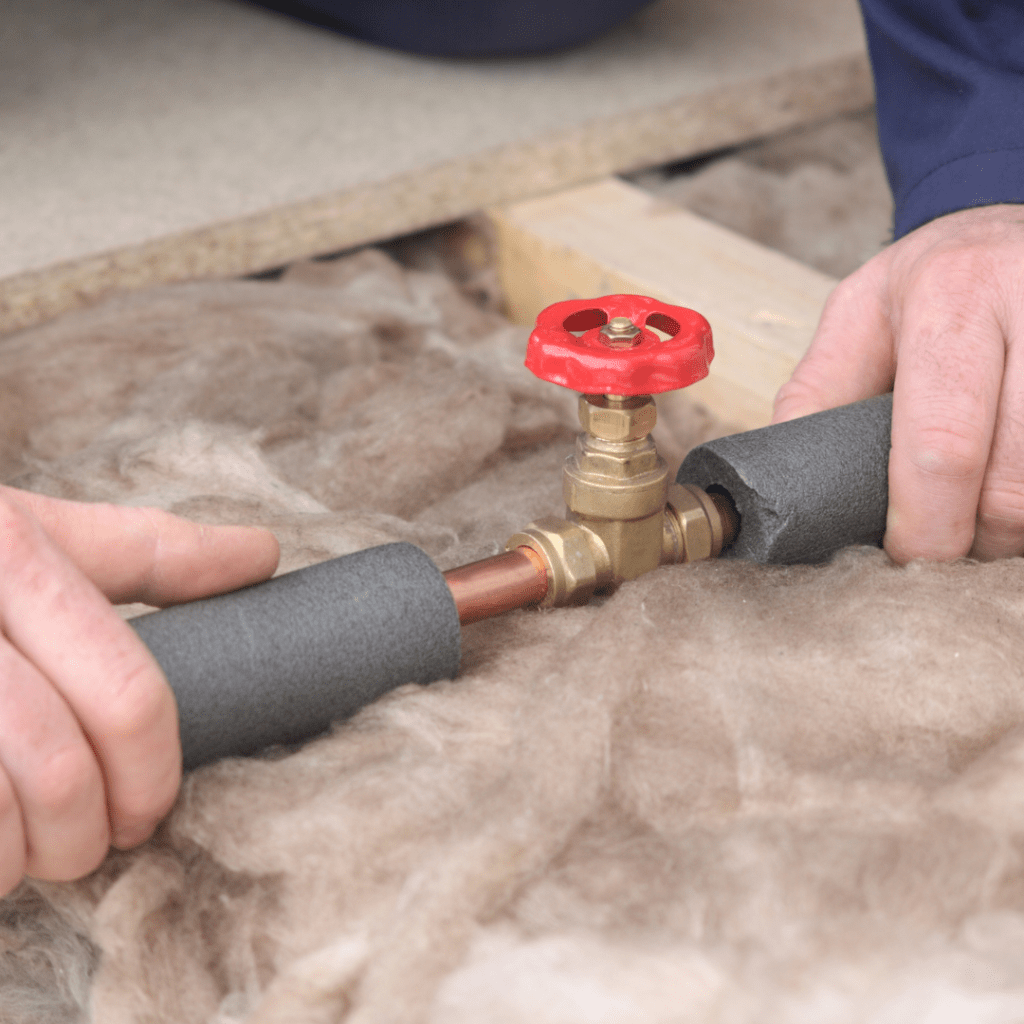
Insulate exposed pipes in garages and crawl spaces. Keep interior temperatures steady, especially overnight. If you plan to be away, leave the heat set above fifty-five degrees. A winter night is no time for the house to fend for itself.

Ice Dams and Rooflines

Snow on the roof is picturesque until warm air beneath melts it, and it refreezes at the eaves. The ice forms a dam, and water has nowhere to go except beneath shingles. It is the hidden kind of problem that appears in March when ceilings become discolored.
Proper attic insulation and ventilation keep temperatures uniform. Clean gutters before the first snowfall, and if heavy snow arrives, use a roof rake from the ground. Let the roof stay cold. That is the goal.

Walkways and Concrete Surfaces

Salt seems like a winter necessity until one remembers that salt breaks down concrete. Over time, it erodes driveways and walkways. The better approach is calcium magnesium acetate or similar products that are kinder to surfaces.
The real secret is prompt snow removal. The less ice forms, the less melting product you need.

Doors, Windows, and Storm Doors

Winter air knows how to slip inside. A loose latch or worn weather stripping can make a room feel twenty degrees cooler.
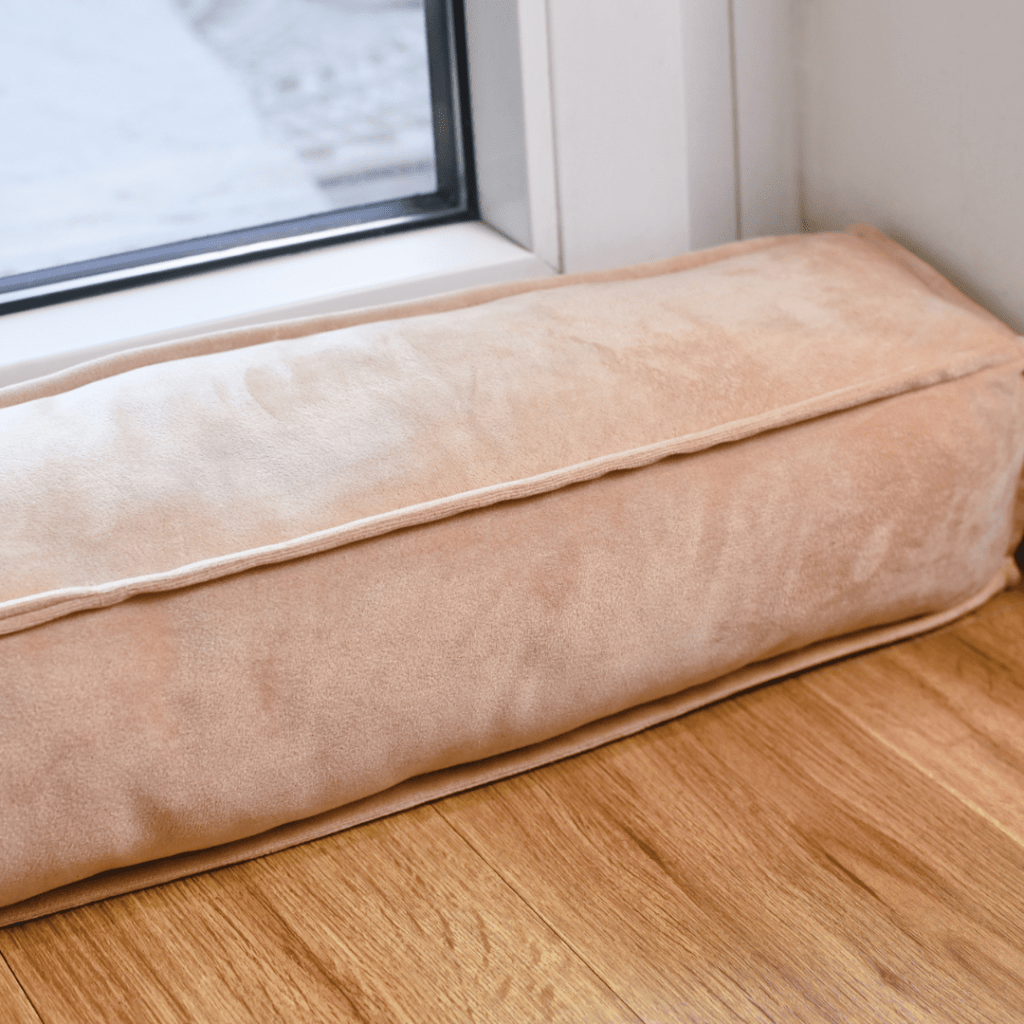
Take a moment when you close storm doors. Listen for the latch. Check windows and sliding doors for small gaps that invite drafts. Replace worn seals. Secure latches. These are small details that make a noticeable difference on a January morning.

Fireplaces, Embers, and a Cautionary Note

A winter fireplace is one of life’s quiet luxuries: a chair nearby, a warm beverage, and the comfort of real heat. Yet fireplace ash carries a danger many homeowners underestimate. Hot embers can remain active for hours.


Never dispose of them outdoors or in the yard. A breeze can reignite ash and send embers toward siding, mulch, or wood structures. Always place ashes in a metal container with a lid, kept away from the house, until fully cooled. It is a simple precaution that prevents a house fire while everyone is asleep.

Winter Should Be Enjoyed

The purpose of preparation is not worry. It is confidence. Once the essentials are handled, winter can be what we hope it will be: evenings by the fire, comfort in familiar rituals, and the quiet pleasure of knowing the house is ready.

Here’s to enjoying the season prepared and protected.

Mold Can be a Silent Contagion

By Krasi Henkel, Broker

This is the season when we spend more time indoors and our doors and windows remain closed for longer periods.

I am deathly allergic and toxic to mold. A three second exposure can make me ill for weeks and even months. I often laugh with my buyer clients that I am the official “mold meter” when we look at houses. There have been times that I detected mold even before opening the front door. I share my experience with my clients, and we leave as quickly as possible. Sick houses can be cleaned. My clients need not be the ones to do that.  

Not everyone smells or reacts to mold. I believe that educating my clients is paramount. No sale is worth illness and maladies. I would rather walk away than knowingly let my clients buy into malaise, illness, and even life-threatening accidents. A mold reaction caused me to fall from my horse, breaking my ankle. My life changed. I have not been the same ever since.

While everyone has varying levels of reaction, if any, to mold in a property, it is important to understand how mold develops and where it can grow. It is not always the old basement, although it quite possibly can be. With weather changes and moisture changes, below is a list (not comprehensive but suggestive) where mold can grow:

  • Window casings and drywall around them
  • Doors – under sill plates and around the frames on the drywall
  • Under sink base cabinets
  • Under dishwashers
  • Under washing machines
  • Under HVAC condensate lines
  • Inside HVAC air handlers
  • Behind and under refrigerators (even those without water sources)
  • Bathrooms
  • Basements – under floors, wall bases, even ceilings
  • Your car!!

What can you do to prevent mold from taking root in your home or car?

  • Inspect window caulking regularly – recaulk as needed
  • Check door sill plates – especially at decks and patios
  • Look under sinks – look for evidence of moisture – attack and remediate
  • Look under your dishwasher for evidence of water and mold signs
  • Look under and behind washing machines
  • Have your HVAC serviced and inspected semi-annually – ask your tech to look for evidence of leakage and mold
  • Pull your refrigerator out – inspect the floor
  • Run the exhaust fan in your bathrooms while showering to prevent condensation build-up
  • Confirm that bathroom exhaust fans are operating properly
  • Change the air filter in your car
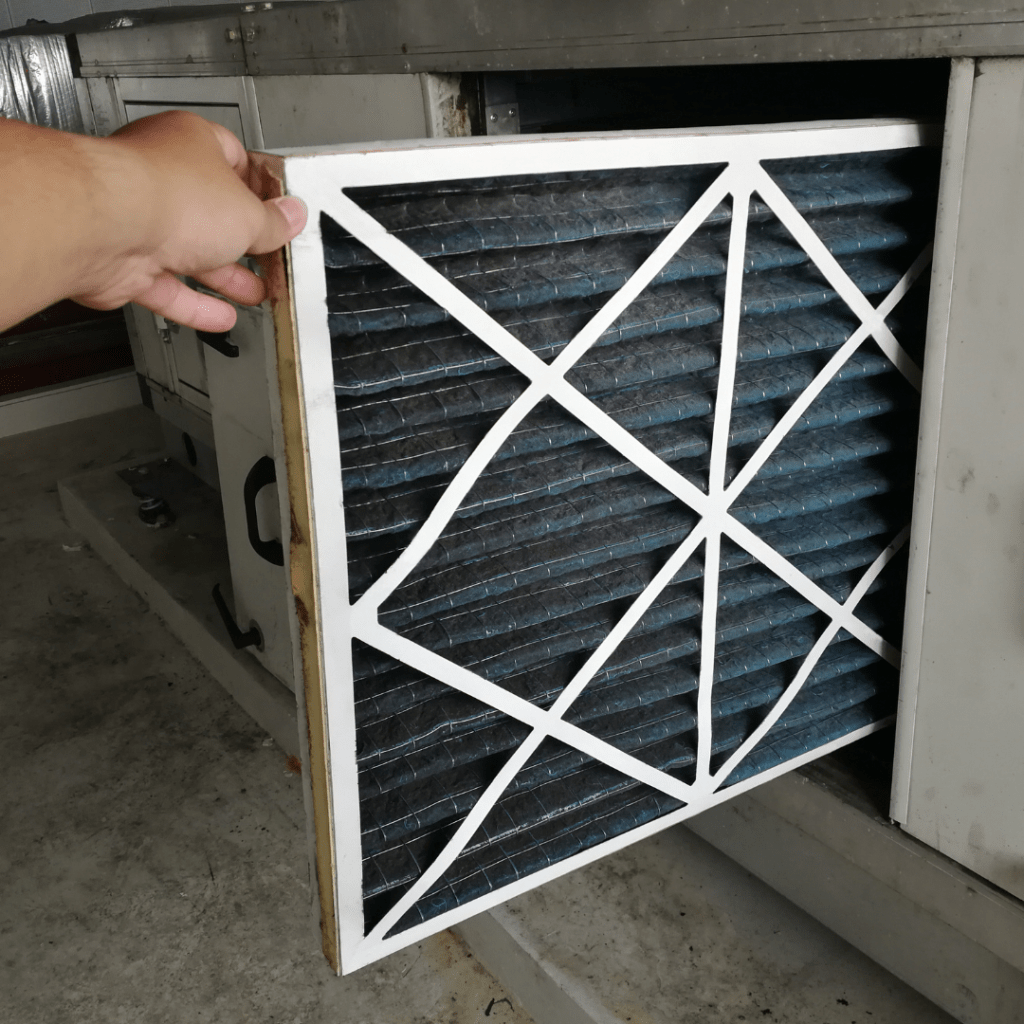
  • Keep all HVAC filters clean

Here are a few unsettling facts that I recently discovered:

  • Drywall in its manufacturing process has imbedded mold spores
  • Mold loves drywall. That is why after a water incursion event, mold grows on drywall very quickly.
  • New home construction can “build-in” mold during the construction process by allowing materials to get wet.
  • Your car’s trunk gasket can be allowing water incursion and harboring mold
  • Your car’s air filter can get damaged by mice – their deposits can sprout mold
  • Your car’s AC can leak into your dash – mold can sprout

These lists are just a few of the mold issues that can develop over time or quickly.

Mold has been associated with chronic fatigue syndrome, headaches, upper respiratory ailments, even ‘colds’ could be reactions to mold.  Do not be lulled into security by a ‘new house.’

Last year, I walked through our basement bedroom for a split second. That was long enough for me to get sick. It lasted through January. Where was the mold? Our basement bath exhaust fan had stopped exhausting but sounded to be running just fine. My husband likes the shower there. The moisture from the shower traveled to the far corner of the room, settled on the cold tile floor under a night table, and sprouted a quarter-sized spot of mold.

As a precaution – I had the exterior walls’ drywall removed – luckily – all was dry including studs and base framing. The tile was dry with no evidence of water. I called a waterproofing company – they tried to sell me a $50,000 remediation system.

I decided to call on the home inspector who inspects my clients’ home purchases. He came armed with a moisture meter. He found none. Then, he suggested laying down and sealing a vapor barrier plastic sheet like that of a crawl space. He told us to leave it down for 7-10 days. If at the end of the period, there was moisture under the barrier – there is a water problem. If none, then it was a condensation problem. Luckily, it was the latter.

Our brilliant contractor figured out that the exhaust fan was not extracting the condensation. In with a new fan and lots of cleaning – all is well.

However, this episode required that I discard the entire contents of the room. I had my brand new furnace thoroughly cleaned and disinfected. Mold spores are airborne and had certainly settled on all fabrics and furnishings. All because an exhaust fan had malfunctioned. On that note – ask questions about the history of any resale furnishings that you are considering buying. Have you ever smelled mustiness in antique drawers . . . ?

Mold is toxic and for those who are sensitive, each episode increases that sensitivity and the reactions.  While I am not a mold expert, here is a link to mold and its remediation on YouTube.  The mold conversation begins around the 3 minute mark. It is a little long but could save you years of misery.

If you have questions or need resources, contact Krasi Henkel – TEXT – 703-624-8333. If you are planning to buy your next home, Text Krasi.

The Update That Will Change Many Agents’ Clients’ Privacy

On November 15, Zillow’s new Follow Up Boss policy activates.
It allows Zillow to analyze “mutual customer data” — information about people already stored in an agent’s database and active on Zillow. In practice, that means private notes, personal dates, communication records, and engagement metrics will most likely flow into Zillow’s broader system.

The Fine Print Behind the Automation

Agents and brokers across the country rely on Customer Relationship Management CRMs that promise efficiency. That speed has a price. By clicking “agree,” most have granted sweeping permissions that they have most likely not read. These updates are not breaches. They are contracts of consent written in language few real estate professionals have the time , patience, or legal acumen to interpret.

Why This Matters to You

Real estate is built on trust and confidentiality.
When client data becomes “shared metadata,” trust erodes. The public assumes its conversations with agents are private. Agents assume that their CRMs act as secure tools. Both assumptions are now questionable.

Properties on the Potomac Does It Differently

At Properties on the Potomac, technology serves judgement. We never replace judgement with technology.  Of course, we use advanced digital systems, but we maintain local control of all client data. No automated platform owns our client relationships, and no algorithm decides who receives correspondence.

Our data protocols are guided by three principles:

  1. Control: We decide where our data lives, and who can access it.
  2. Confidentiality: Your personal and financial information remains between you and your agent.
  3. Accountability: We read ‘agreements’ before signing and occasionally forego convenience for privacy. Your trust is not a click-through box.

Krasi’s extensive education in accounting and finance has developed a “radar” to detect potential conflicts of interests. In 2002, when her then brokerage demanded that all client data be entered into their centralized CRM system, Krasi changed companies.

When asked which CRM our company uses, Krasi replies, “spreadsheets.”  Why? Because our clients do not have to be “managed” with prewritten impersonal communication. Real Estate is still a PEOPLE business. The person who is helping you with your most important financial transaction must respect you more than AI-generated communication can offer.

The Bottom Line for You

Technology should enhance professionalism.  
Convenience is valuable, but not at the expense of control.

Technology must never erase human professionalism.

If you are considering a move or investment – reach our to Broker, Krasi Henkel

5 Kitchen Trends to Watch

by Krasi Henkel, Broker

The kitchen remains the heartbeat of the home. In the DC Metro area, that heartbeat is growing stronger, richer, and infinitely more personal. From the brownstones of Capitol Hill to the farms of Loudoun County, homeowners are redefining what “modern” means.
The sterile, all-white kitchens of a decade ago are quietly stepping aside. Warmth, craftsmanship, and individuality have taken center stage.

Let’s explore what is truly cooking for 2026.

1. Character Returns

Today’s kitchens tell a story. They are designed, not decorated. The most sought-after spaces now feature authentic materials and honest finishes—the kind that feel as good as they look.

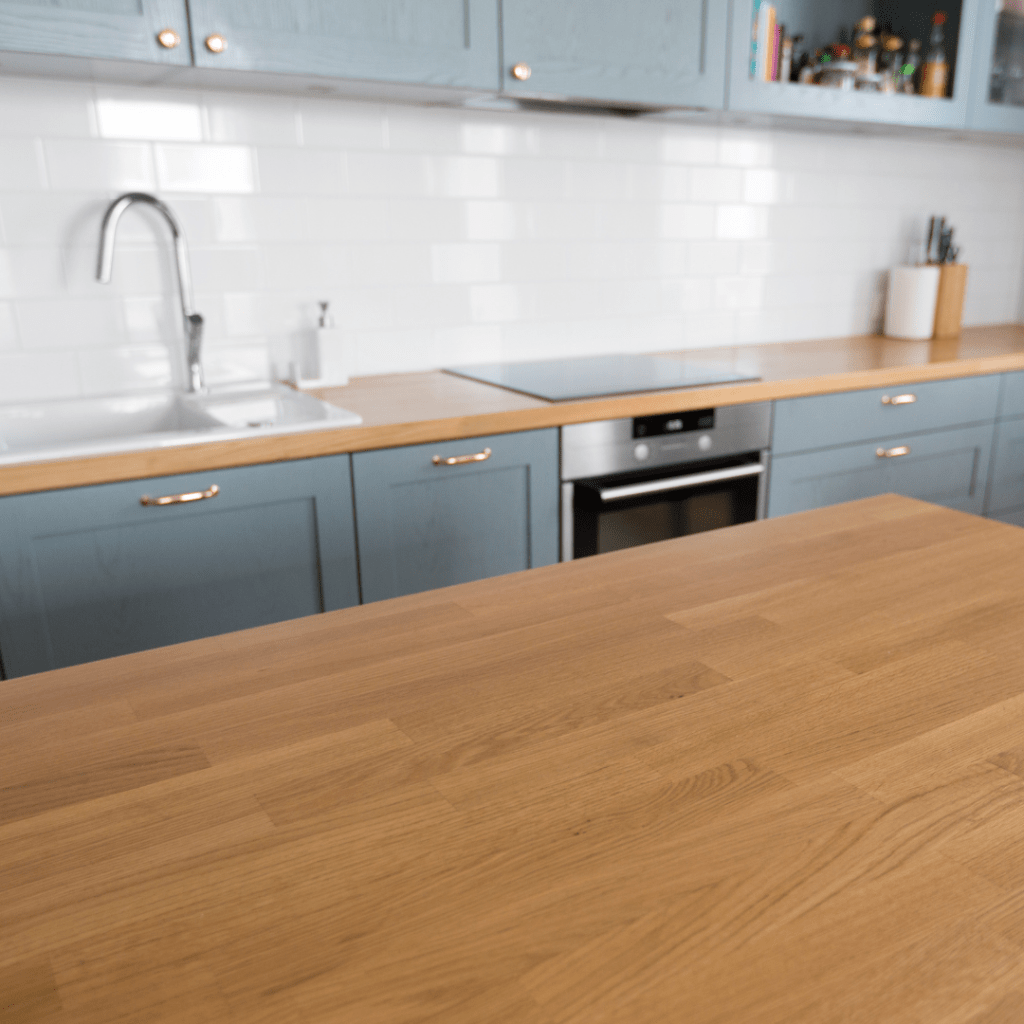
Quartzite and porcelain countertops are surpassing basic granite. They resist heat, stains, and trends. Natural wood cabinetry in walnut or white oak restores warmth where stark white once ruled. Textured stone backsplashes and reclaimed timbers add soul.

Even sustainability has become elegant. Low-VOC finishes, reclaimed materials, and energy-efficient appliances now speak the language of quiet luxury.

Professional insight: When we prepare a property for sale, we highlight craftsmanship. Words like “handcrafted,” “solid wood,” and “natural stone” signal value and permanence that buyers instinctively trust.

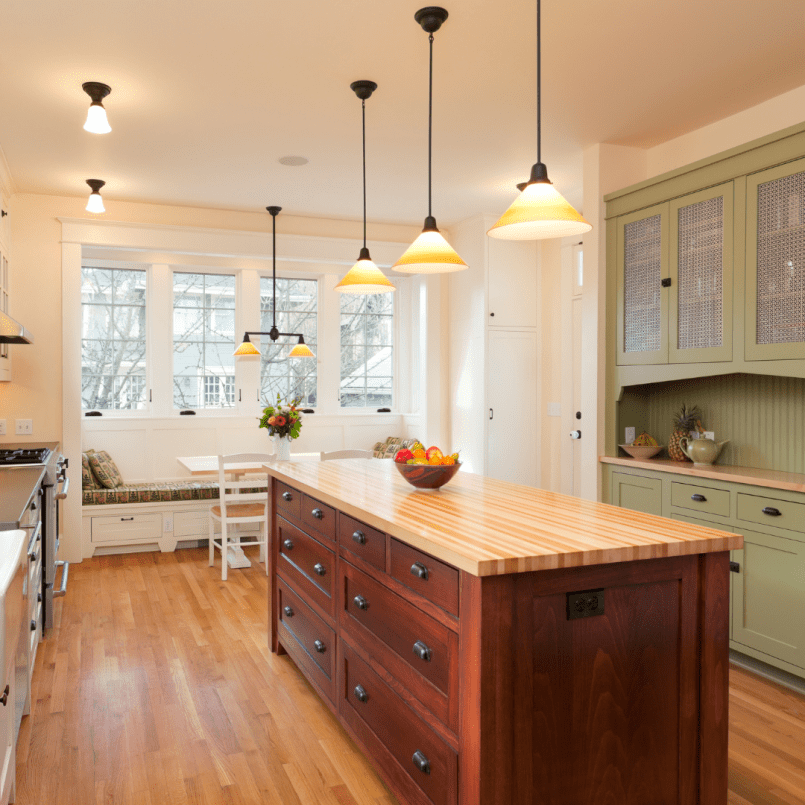
A modern kitchen with green cabinetry, wooden flooring, and large windows, showcasing an open layout.

2. No Fear Color

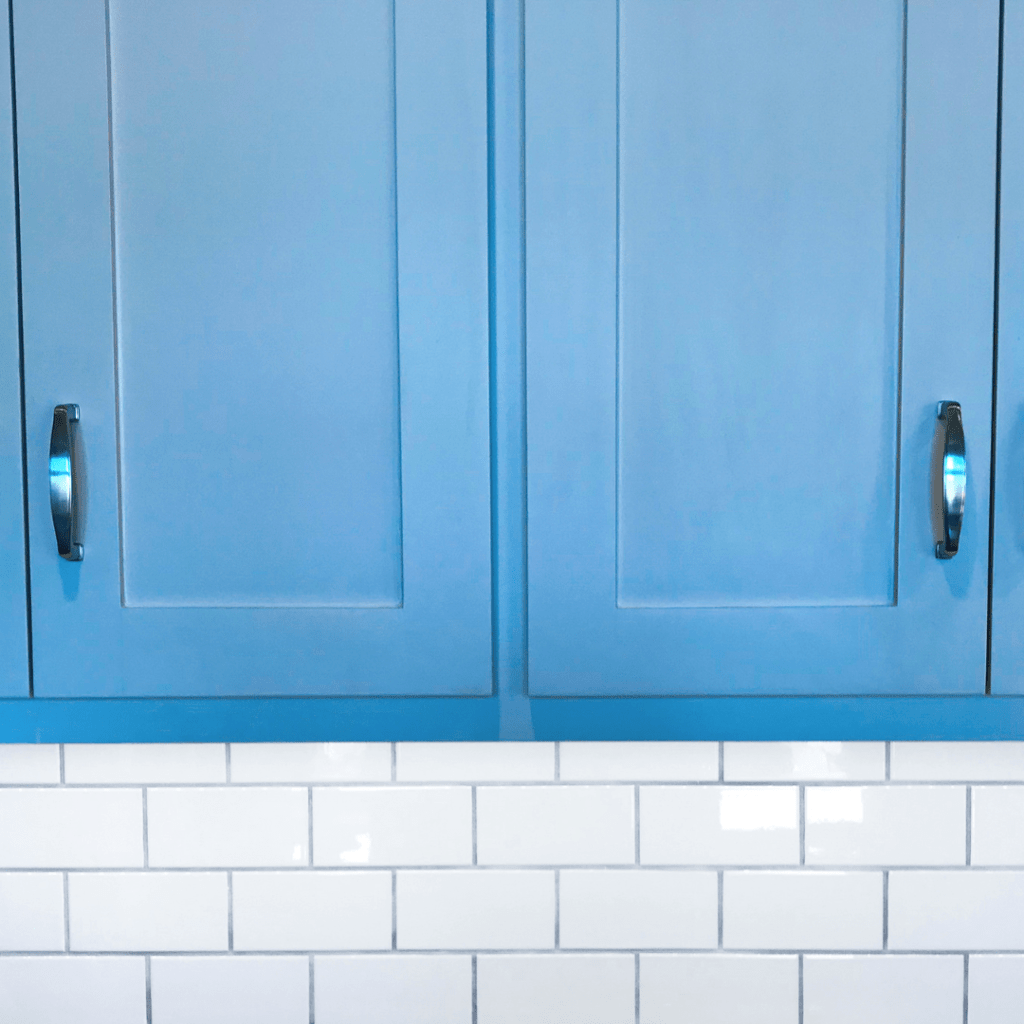
Color is returning with sophistication and restraint. In the DC market, sage greens, deep blues, and soft charcoals are leading the palette. Two-toned cabinetry adds depth without shouting. Matte-black and aged-brass fixtures deliver contrast and timeless polish.

These tones look beautiful in person—and even better in photographs. They lend dimension and warmth that resonate both online and during showings.

Professional insight: Use color intentionally. Pair one rich tone with quiet neutrals for balance. Buyers are responding to kitchens that feel lived-in yet refined.

3. The Age of the Invisible Appliance

Technology has matured. The smartest kitchens in 2026 will not show off. They simply perform.

Panel-ready refrigerators blend into cabinetry. Induction cooktops sit flush with stone counters. Faucets activate by voice. Motion lighting and concealed charging drawers simplify daily life.

The effect is calm and seamless. Luxury is now defined by what is not seen.

Professional insight: When describing a property, mention “panel-ready,” “integrated,” or “concealed.” These terms suggest craftsmanship and elevate perception before a buyer ever steps inside.

A collage of various countertop materials showcasing different textures and colors, including light and dark marbles with veining and subtle patterns.

4. Quiet Luxury Meets Modern Organic

The new aesthetic is calm confidence. Imagine soft textures, composite stone or porcelain, and handcrafted wood. Lighting is layered and warm. Metals are brushed, not polished. Nothing competes for attention, yet everything matters.

It is a blend of elegance and ease—modern design softened by organic detail.

Professional insight: Replace sterile with soulful. A matte brass fixture or walnut island base can change how a space feels. Buyers sense authenticity immediately.

5. Kitchens That Work as Hard as We Do

Life has changed. Our kitchens have adapted. Islands are no longer just for prep—they are command centers. Mornings start with coffee; afternoons bring laptops; evenings, charcuterie.

Storage solutions are smarter, and every inch is purposeful. The modern kitchen supports living, not just cooking.

Professional insight: When staging, create lifestyle moments. A laptop and mug says “home office.” A board of fruit and cheese says “gathering.” Buyers see themselves in that story.

Summary

The most desirable kitchens in the DC Metro area share the qualities of warmth, intelligence, and individuality. They are personal, practical, and timeless.

Whether your goal is to remodel, sell, or simply be inspired, remember: the perfect kitchen does not chase trends. It quietly defines them.

Contact Broker Krasi Henkel for referrals of kitchen experts or to discuss your next home. Best to text 703-624-8333

When it comes to selling your home, the kitchen remains the heart of the house and often the deal-maker or breaker. But finding the perfect balance between impactful updates and smart spending can be tricky. Let’s explore how to maximize your kitchen’s appeal without overspending or under-improving.

The Smart Money Zones
The most impactful kitchen updates often focus on three key areas:

1. Countertops: Granite is no longer the automatic go-to. Consider these mid-range options that offer both beauty and value:

  • Quartz composites: Offer durability and style without the maintenance of natural stone
  • Butcher block: Add warmth and character at a reasonable price point
  • High-end laminate: Modern options mimic stone so well that buyers often can’t tell the difference

2. Cabinetry: Full cabinet replacement isn’t always necessary. Consider these strategic updates:

  • Cabinet refacing: About 30-50% cheaper than replacement while providing a completely new look
  • Paint and hardware: A professional paint job and modern hardware can transform dated cabinets for under $5,000
  • Selective replacement: Replace only the most visible or damaged cabinets while refinishing others

3. Lighting: Good lighting can make even modest updates look high-end:

  • Under-cabinet LED strips: Create ambiance and functionality
  • Statement pendant lights: Draw the eye and add contemporary flair
  • Recessed lighting: Brighten dark corners and modernize the space

Cost-Effective High-Impact Updates
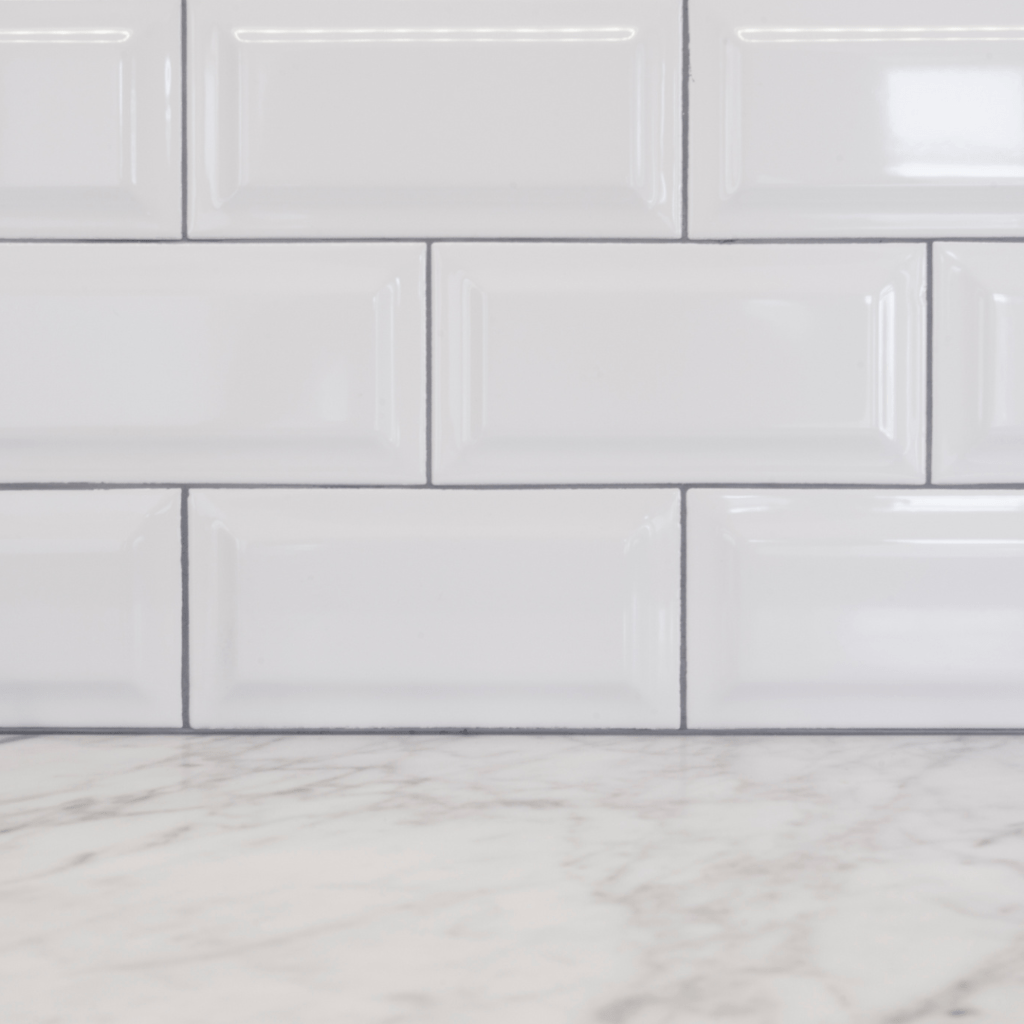
1. Backsplash: Choose classic subway tiles or geometric patterns in neutral colors. They’re affordable but look upscale when properly installed.

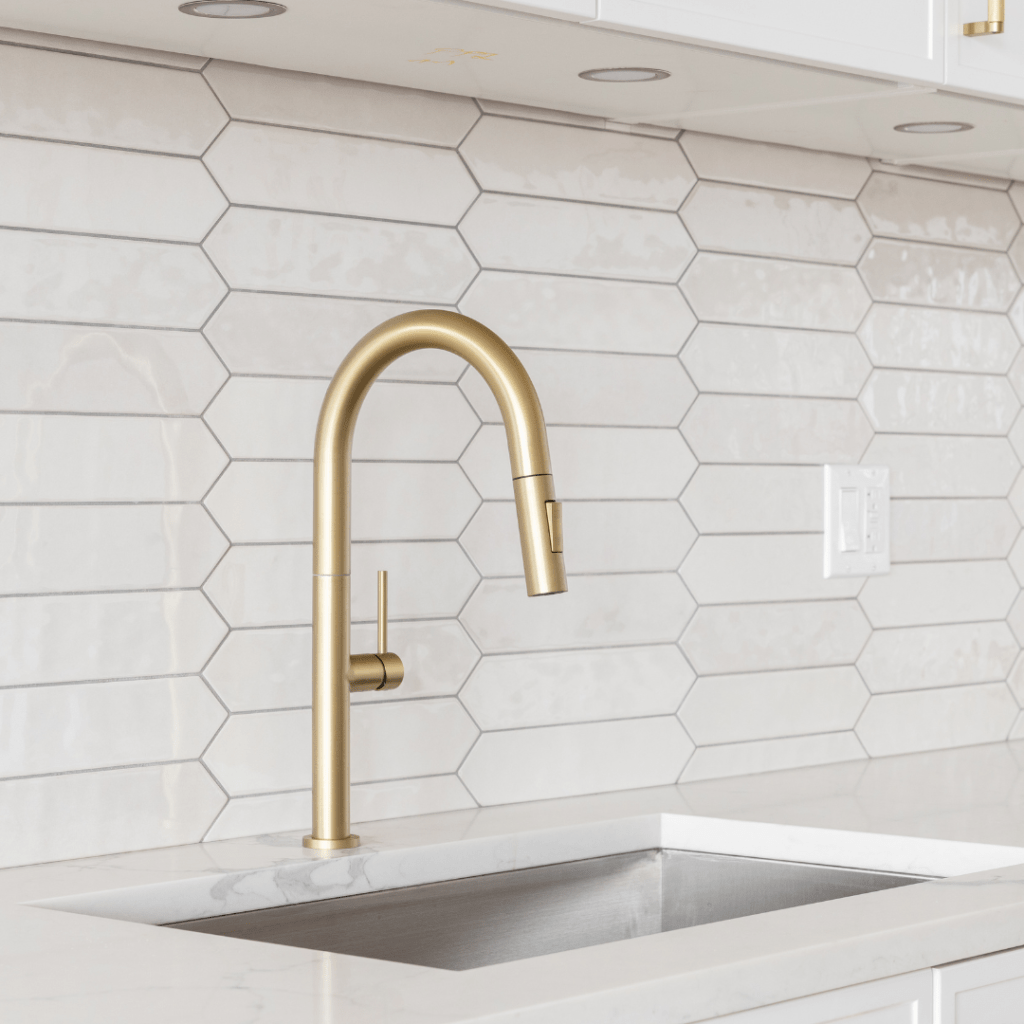
2. Sink and Faucet: A deep undermount sink and professional-style faucet can give the kitchen a high-end feel without breaking the bank.

3. Fresh Paint: Choose warm neutrals or soft whites to make the space feel clean and inviting. Paint delivers the highest return on investment of any single update.

Where to Save vs. Splurge
Save On:

  • Appliances: Mid-range, matching appliances often provide better ROI than high-end models
  • Hardware: Shop retail sales for cabinet pulls and knobs
  • Flooring: Luxury vinyl plank offers durability and style at a fraction of hardwood’s cost

Splurge On:

  • Professional installation: Poor workmanship can devalue even expensive materials
  • Quality faucets: They’re frequently used and scrutinized by buyers
  • Lighting fixtures: They serve as jewelry for your kitchen
kitchen remodel

The Numbers That Matter
Based on recent market data:

  • Minor kitchen remodel average cost: $23,452
  • Value recouped at sale: 77.6%
  • Sweet spot budget range: $15,000-30,000

Avoid Common Mistakes

  • Don’t over-customize: Keep updates neutral and broadly appealing
  • Skip trendy choices: They can quickly date your kitchen
  • Maintain proportion: Ensure updates match your home’s overall value 4. Consider your timeline: If selling within a year, focus on visual impact over durability

The Bottom Line
The key to a successful kitchen update is understanding your market and your buyers. In most cases, you’ll see the best return by creating a fresh, modern look without going overboard on high-end finishes. Focus on clean lines, neutral colors, and quality materials in the mid-range price point.

Remember: The goal isn’t to create the most expensive kitchen on the block, but rather the most appealing one within a reasonable budget. This approach not only attracts buyers but also provides the best return on your investment.

Need help planning your kitchen update? Let’s talk about what makes sense for your home and market. Contact Krasi Henkel at 703-624-8333 today for a personalized consultation and market analysis.

As the cold season approaches, it’s important not to overlook your home’s exterior when preparing for winter. In this final week of winter preparation, we’ll go over a few simple steps you can take to maintain your yard and outdoor equipment, helping prevent damage, keeping your property safe, and ensuring you’re ready when the first snowfall arrives.


-Trim Trees and Bushes: Winter storms can bring heavy snow and ice, which add stress to tree branches. Weak or dead branches are particularly vulnerable to breaking, potentially causing damage to your home or vehicles. Take the time to inspect your trees and bushes, removing any dead or weak branches. This preventive step can save you from costly repairs and improve the safety of your property.

-Store Outdoor Furniture: Outdoor furniture can quickly wear down when exposed to winter weather. To prolong its life, clean and store it in a garage, shed, or other covered space. If storage isn’t an option, use heavy-duty covers to protect your furniture from snow, ice, and freezing temperatures. Doing this will ensure that your outdoor furniture is ready to go once spring arrives.

-Stock Up on Winter Essentials: Don’t wait until the first snowstorm to realize you’re missing key winter supplies. Now is the perfect time to check your inventory of snow shovels, ice melt, and winter gear. Be sure to also test any snow blowers or other equipment to ensure they are in working order. Preparing early will give you peace of mind when winter weather hits unexpectedly.

    By taking these steps, you’ll ensure that your outdoor spaces are ready to handle whatever winter throws at them. If you need assistance finding local professionals for tree trimming or outdoor maintenance—or if you’re thinking about buying or selling a home—reach out to Properties on the Potomac at 703-624-8333. We’re here to help with all your home and property needs!

    With winter fast approaching, ensuring your heating system is in top condition is crucial for maintaining comfort and energy efficiency. Regular maintenance can prevent costly breakdowns and ensure your home stays warm all season long. This week’s to-do list focuses on furnace and heating system maintenance to keep your home cozy and your energy bills under control.

    • Furnace/Heat Pump Check: Your HVAC is the heart of your home’s heating system, so it’s essential to make sure it’s operating efficiently. Start by scheduling a professional HVAC inspection to identify any potential issues before they become major problems. A technician will check for wear and tear, clean the unit, and ensure it’s running at peak efficiency. Additionally, make sure to change your furnace filters regularly. A clogged filter can reduce airflow, making your system work harder, which leads to higher energy bills and a shorter lifespan for your furnace.
    • Test the Thermostat: Your thermostat controls your home’s heating, so it’s important to ensure it’s working properly. Test your thermostat by adjusting the temperature and making sure your furnace responds accordingly. If your thermostat is outdated, consider upgrading to a programmable or smart thermostat. These devices can automatically adjust your home’s temperature when you’re away, helping you save on energy costs without sacrificing comfort. The HVAC technician should include this as part of their inspection.
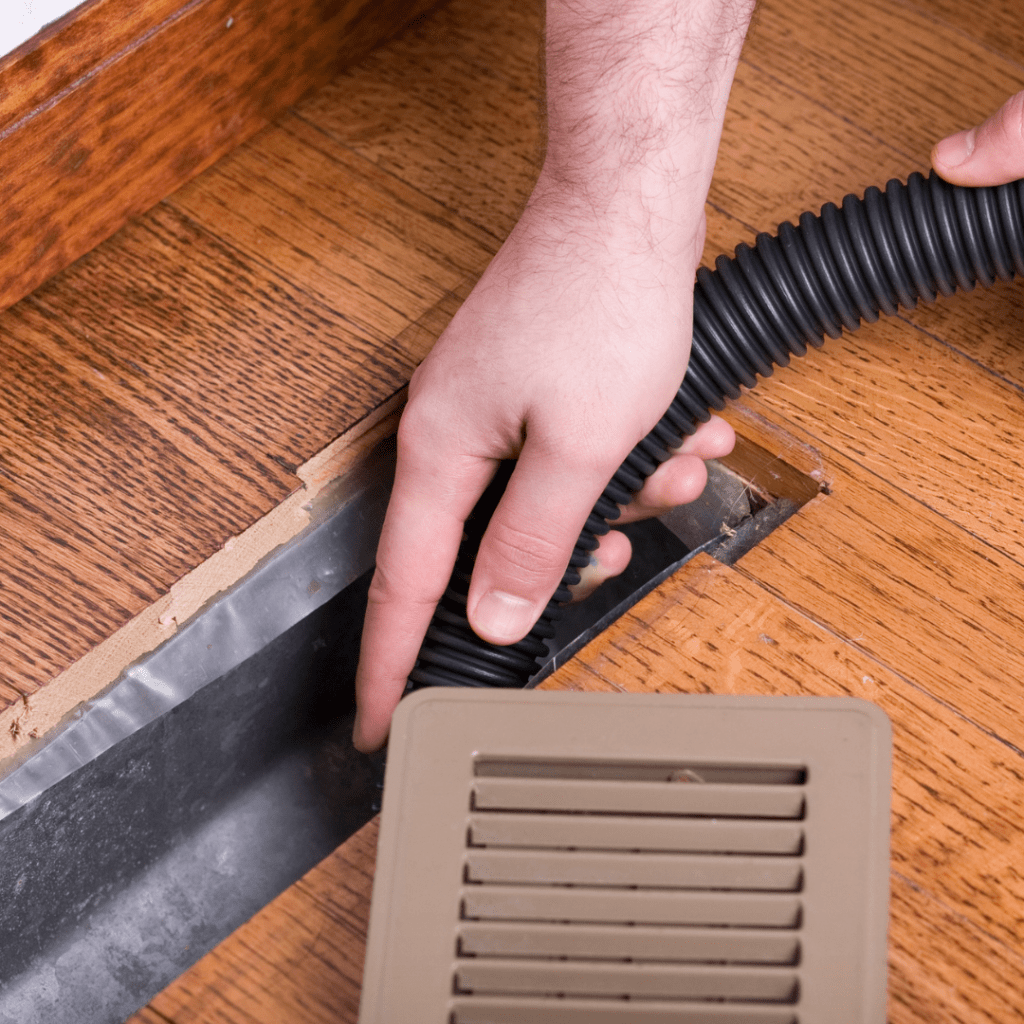
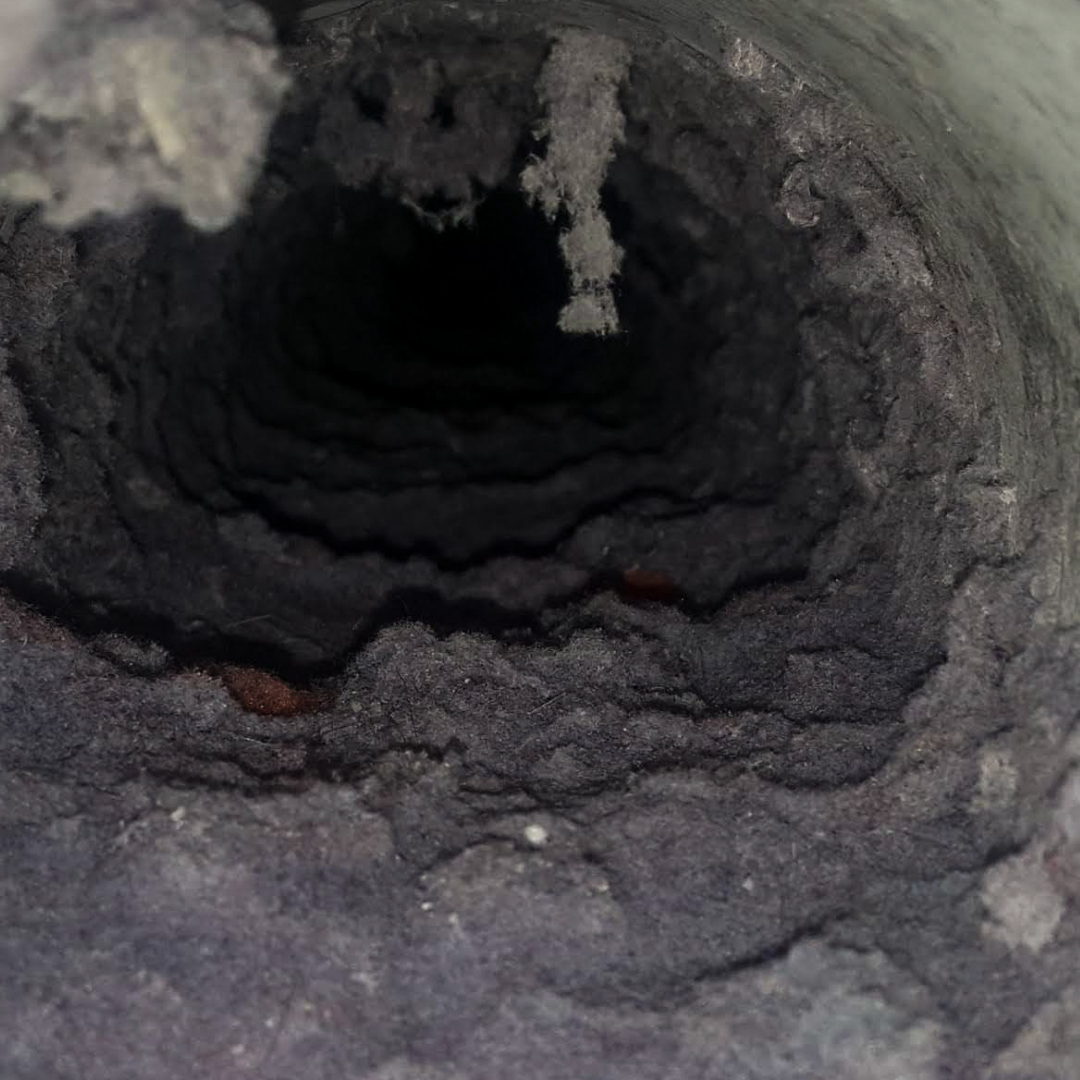
    • Inspect Vents and Ducts: Good airflow is essential for your heating system to function efficiently. Walk through your home and make sure all air vents are clear of furniture, rugs, or other obstructions. You should also consider having your ductwork cleaned. Over time, dust and debris can accumulate in your ducts, reducing airflow and lowering the efficiency of your heating system.


      Need help finding professionals for your heating system maintenance? Or thinking about buying or selling your home this winter? Contact Properties on the Potomac at 703-624-8333 today – we’re here to help with all your real estate and home maintenance needs!

      As temperatures drop, it’s essential to protect your home’s plumbing and drainage systems to avoid costly repairs during winter. In this week’s home preparation guide, we’re focusing on how to keep your pipes and gutters functioning properly through the colder months. Here are three important tasks to check off your list:

      1.Insulate Pipes: Frozen pipes can cause significant damage if they burst. To avoid this risk, inspect pipes in cold-prone areas like basements, attics, and crawl spaces. Wrap these pipes in insulation to help keep them warm and prevent freezing. Insulation is inexpensive and easy to install, providing an added layer of protection during winter’s harshest months. This small task can save you from the hassle and expense of dealing with burst pipes and water damage.

          2. Clean the Gutters: Clogged gutters can cause major problems when temperatures drop. Leaves and debris can block water flow, leading to ice dams that damage your roof, siding, and foundation. Before winter sets in, clear out your gutters and downspouts. Consider installing gutter guards to prevent future clogs. This step will ensure water flows freely and keeps your home safe from potential winter damage.


          3. Check Water Drainage: Proper water drainage is crucial to keeping your home dry during winter. Check that your downspouts direct water at least several feet away from your home’s foundation. Poor drainage can lead to basement leaks and water damage, especially when melting snow has nowhere to go. Make sure all drainage systems are working properly before the cold hits.


          By taking these steps, you’ll protect your home from the damage that winter can bring. If you need assistance finding professionals to help with winter prep—or if you’re thinking of buying or selling a home—contact Properties on the Potomac at 703-624-8333 today. We’re here to help you through every step of homeownership!

          As winter approaches, it’s important to take steps to ensure your home is ready to withstand the cold. A well-sealed house will not only keep your family comfortable but also help reduce energy costs. In this first week of winter preparation, the focus is on inspecting and sealing your home to prevent drafts and heat loss. Here’s a simple to-do list to get started.

          • Inspect for Air Leaks: The first step in sealing your home is identifying where cold air might sneak in. Pay close attention to windows, doors, and any gaps in your home’s structure. Common problem areas include door frames, windowsills, and places where pipes or electrical wiring enter your home. Once you’ve located these potential air leaks, seal them with weatherstripping or caulk. Sealing drafts can save you a significant amount on your heating bills by keeping warm air inside.
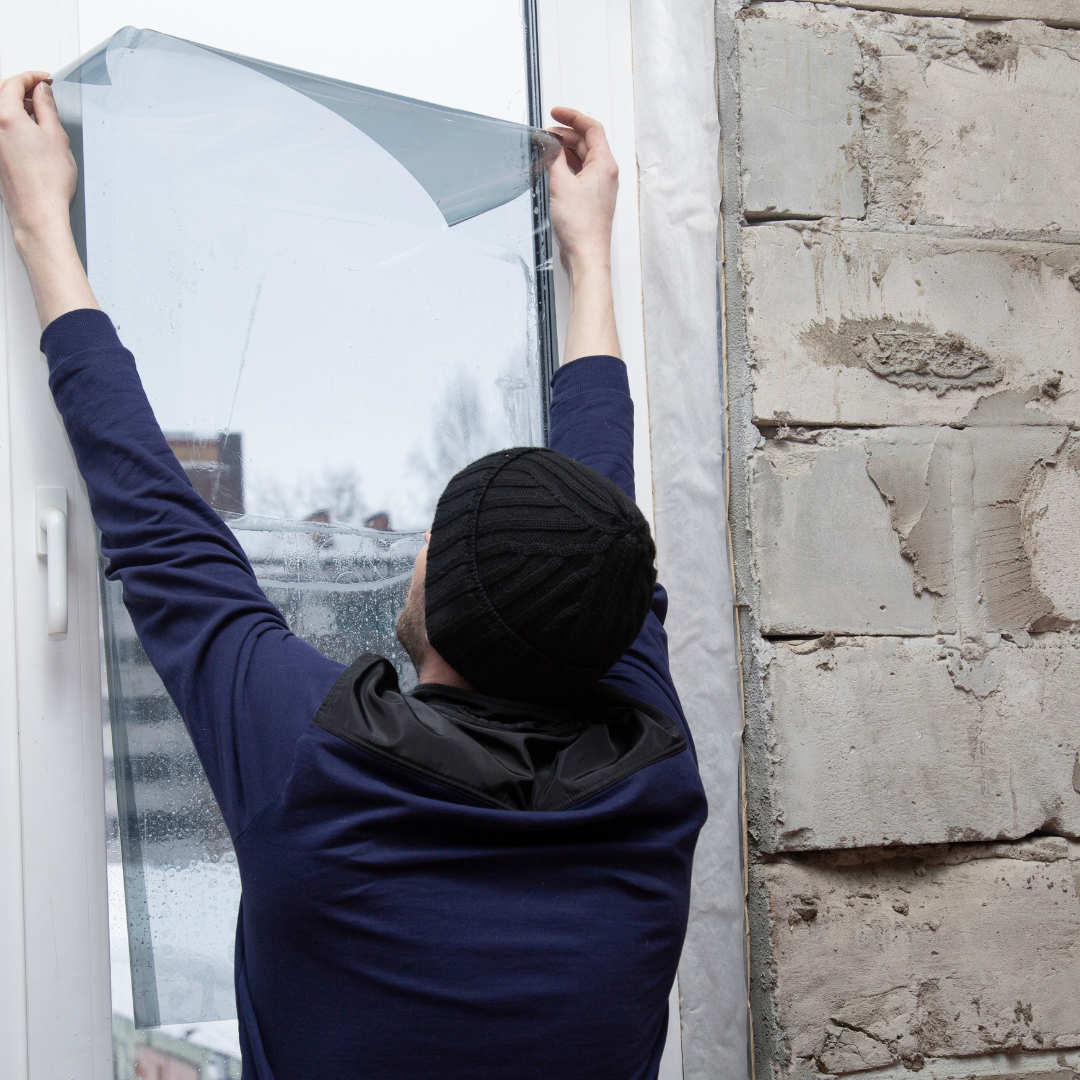
          • Seal Drafty Windows: Windows can be a major source of heat loss during the winter. If you feel cold air around your windows, consider applying window film for an extra layer of insulation. Window film is an inexpensive solution that can help trap heat inside. Alternatively, installing insulated curtains can keep your home warmer by blocking out cold drafts, especially at night.
          • Examine the Roof and Chimney: Don’t forget to check your roof and chimney for any signs of damage. Missing or damaged shingles can lead to water leaks and ice dams, which can cause significant damage in the colder months. Similarly, inspect your chimney for cracks or blockages that could prevent it from venting properly. Addressing these issues early will prevent costly repairs and make your home more energy efficient.


          By following these simple steps, you’ll be on your way to a warmer, cozier home this winter! If you need help finding professionals for repairs or inspections, contact Properties On the Potomac at 703-624-8333 today. And stay tuned for more tips on how to prep your home for winter weather!

          Adding decorative elements to your home’s exterior is a fantastic way to boost curb appeal and create a welcoming atmosphere for visitors and potential buyers. These small touches not only enhance the visual appeal of your home but also add character and charm. Here are several types of decorative elements to consider incorporating into your home’s exterior to make a lasting impression:

          Shutters
          Shutters are not just functional; they can also add a sense of symmetry and style to your windows. Choose shutters that complement your home’s architectural style and paint them in a color that contrasts or harmonizes with your exterior walls. This simple addition can create a cohesive look and enhance the overall aesthetics of your home.

          Window Boxes
          Window boxes filled with colorful flowers or greenery can instantly add charm and personality to your home’s facade. Choose plants that thrive in your climate and coordinate with your landscaping. Window boxes bring life to your windows and can be easily changed with the seasons to keep your home looking fresh and inviting year-round.

          Stylish House Numbers
          Upgrade your house numbers to stylish, easy-to-read designs that reflect your home’s personality. Choose from various materials such as metal, wood, or ceramic, and consider placing them prominently near your front door or on a mailbox to ensure they are visible from the street.

          Outdoor Seating Areas
          Create inviting outdoor seating areas with comfortable furniture and decorative accents to showcase your home’s outdoor living potential.


          By incorporating these decorative elements and additional ideas, you can transform your home’s exterior into a charming and welcoming space that attracts attention and enhances its marketability. Ready to elevate your curb appeal and get your home sold? Contact Properties on the Potomac at 703-624-8333 today for expert advice and assistance in maximizing your home’s exterior appeal.

          Check out all the articles in our popular curb appeal series!