Take a Close Look Today

by Krasi Henkel
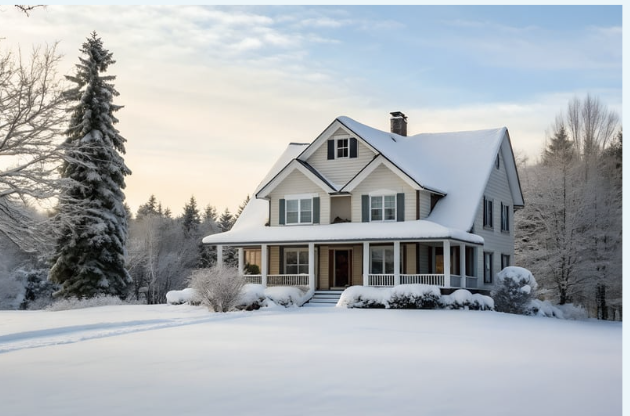
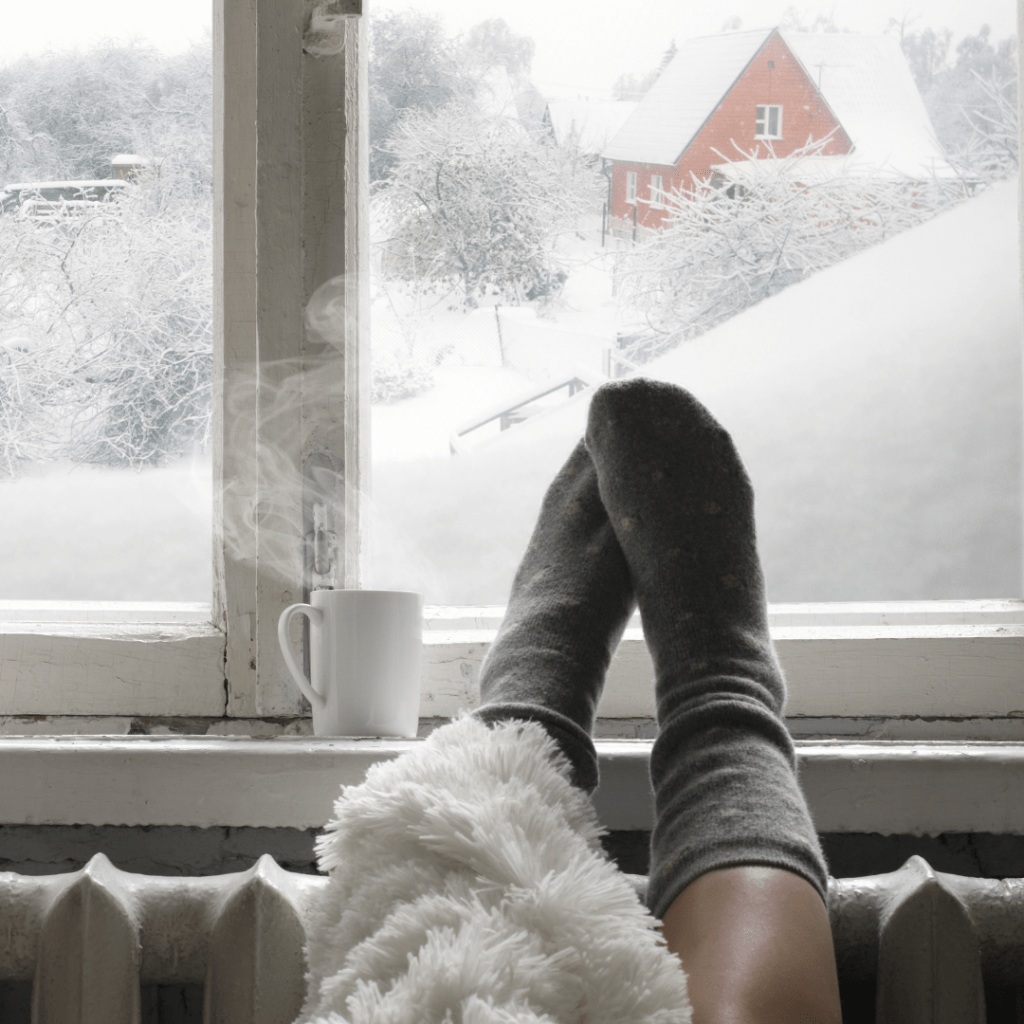
Cold weather changes the rhythm of our homes. We shift from open windows and outdoor evenings to warm fireplaces, hot tea, and the satisfying quiet of a winter night. Yet winter requires more than comfort. It asks that we protect what protects us. A thoughtful checklist now prevents emergencies later.

Protect Pipes from a Cold Night

Few things interrupt a peaceful winter evening like a frozen pipe. When water turns to ice, it expands and can burst pipes behind walls or beneath floors. The damage is both expensive and preventable.
Insulate exposed pipes in garages and crawl spaces. Keep interior temperatures steady, especially overnight. If you plan to be away, leave the heat set above fifty-five degrees. A winter night is no time for the house to fend for itself.

Ice Dams and Rooflines

Snow on the roof is picturesque until warm air beneath melts it, and it refreezes at the eaves. The ice forms a dam, and water has nowhere to go except beneath shingles. It is the hidden kind of problem that appears in March when ceilings become discolored.
Proper attic insulation and ventilation keep temperatures uniform. Clean gutters before the first snowfall, and if heavy snow arrives, use a roof rake from the ground. Let the roof stay cold. That is the goal.

Walkways and Concrete Surfaces

Salt seems like a winter necessity until one remembers that salt breaks down concrete. Over time, it erodes driveways and walkways. The better approach is calcium magnesium acetate or similar products that are kinder to surfaces.
The real secret is prompt snow removal. The less ice forms, the less melting product you need.

Doors, Windows, and Storm Doors

Winter air knows how to slip inside. A loose latch or worn weather stripping can make a room feel twenty degrees cooler.
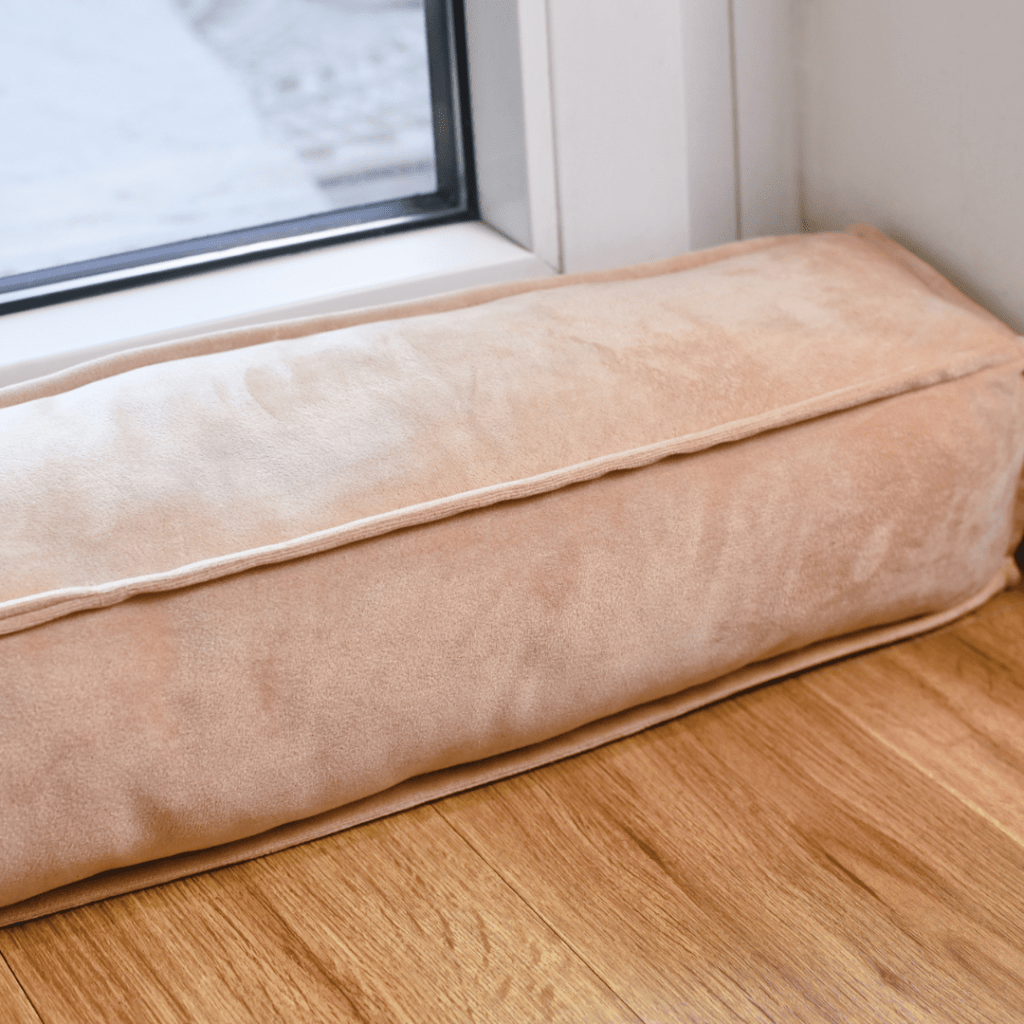
Take a moment when you close storm doors. Listen for the latch. Check windows and sliding doors for small gaps that invite drafts. Replace worn seals. Secure latches. These are small details that make a noticeable difference on a January morning.

Fireplaces, Embers, and a Cautionary Note

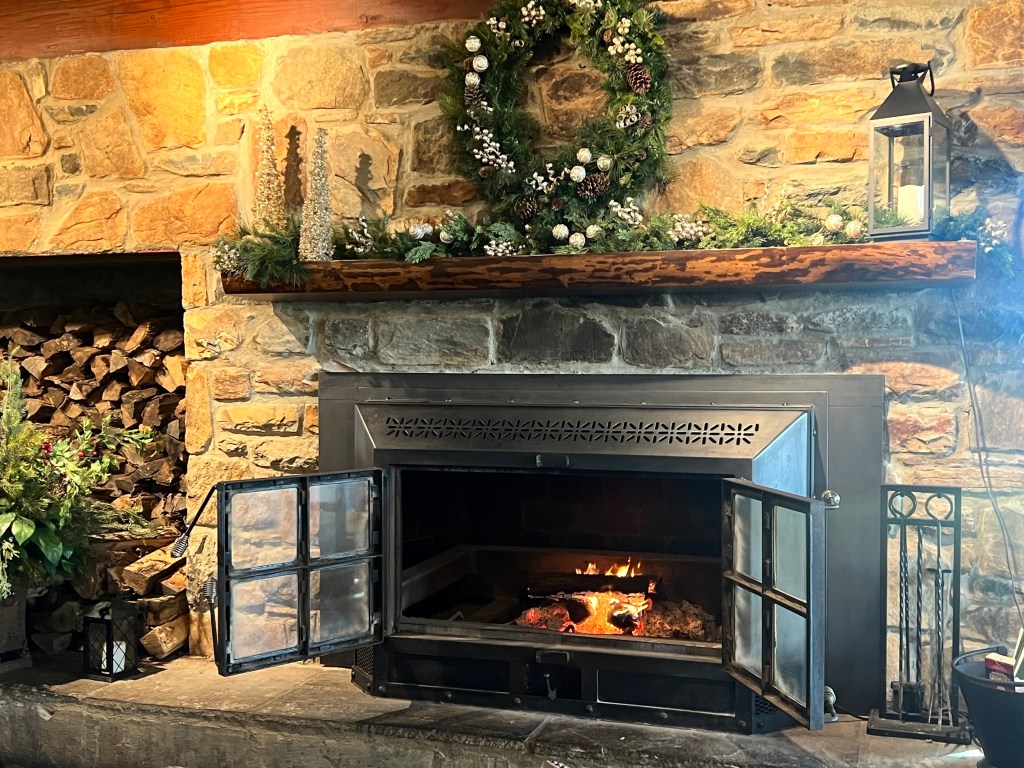
A winter fireplace is one of life’s quiet luxuries: a chair nearby, a warm beverage, and the comfort of real heat. Yet fireplace ash carries a danger many homeowners underestimate. Hot embers can remain active for hours.


Never dispose of them outdoors or in the yard. A breeze can reignite ash and send embers toward siding, mulch, or wood structures. Always place ashes in a metal container with a lid, kept away from the house, until fully cooled. It is a simple precaution that prevents a house fire while everyone is asleep.

Winter Should Be Enjoyed

The purpose of preparation is not worry. It is confidence. Once the essentials are handled, winter can be what we hope it will be: evenings by the fire, comfort in familiar rituals, and the quiet pleasure of knowing the house is ready.

Here’s to enjoying the season prepared and protected.
As winter’s chill settles in, transforming your home into a warm and inviting sanctuary becomes more important than ever. Here are proven ways to make your living space feel cozy and welcoming during the coldest months of the year.

Layer Your Lighting
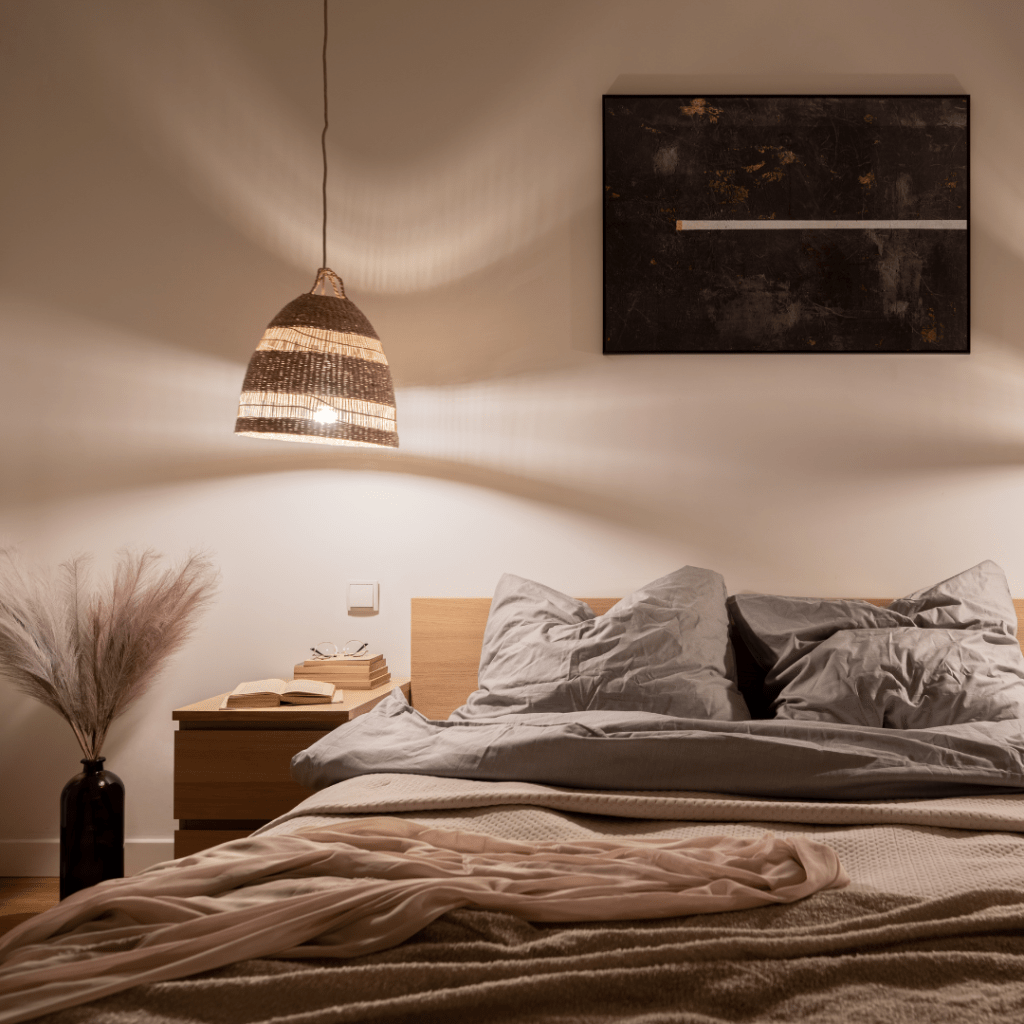
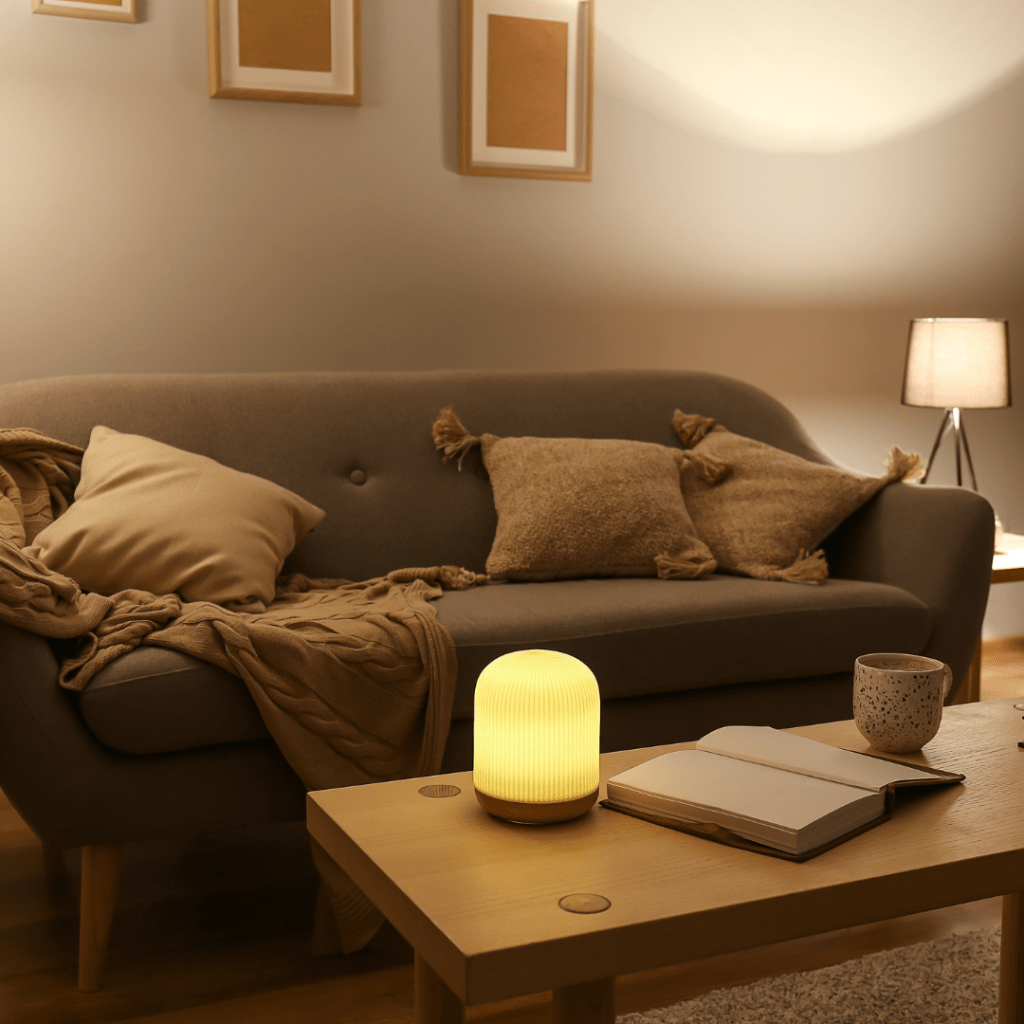
The right lighting can instantly transform the ambiance of your home. As natural daylight becomes scarce, create a warm glow with table lamps, floor lamps, and dimmable overhead lights. Consider adding battery-operated candles for a safe, flickering effect that adds instant warmth. Place lights at different heights throughout your rooms to create depth and eliminate harsh shadows.

Embrace Textile Textures
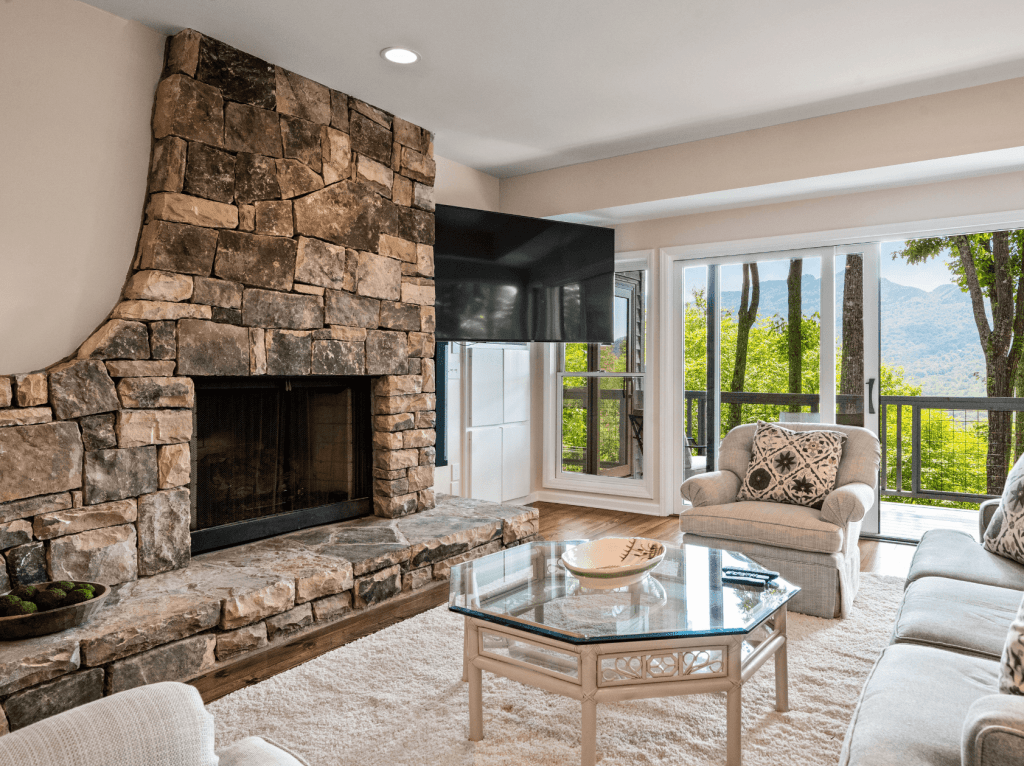
Nothing says cozy quite like an abundance of soft textures. Layer your sofas and chairs with plush throw blankets in chunky knits or faux fur. Add extra throw pillows in varying sizes and complementary fabrics like velvet, wool, or cable knit. Don’t forget about your floors – area rugs not only add visual warmth but also help insulate your space and keep feet warm on chilly mornings.

Create Inviting Gathering Spaces
Rearrange your furniture to create intimate conversation areas that encourage togetherness. Position seating pieces closer together and angle them slightly toward each other. A coffee table or ottoman can serve as a central point, perfect for holding warm beverages and creating a natural gathering spot.


Bring Nature Indoors
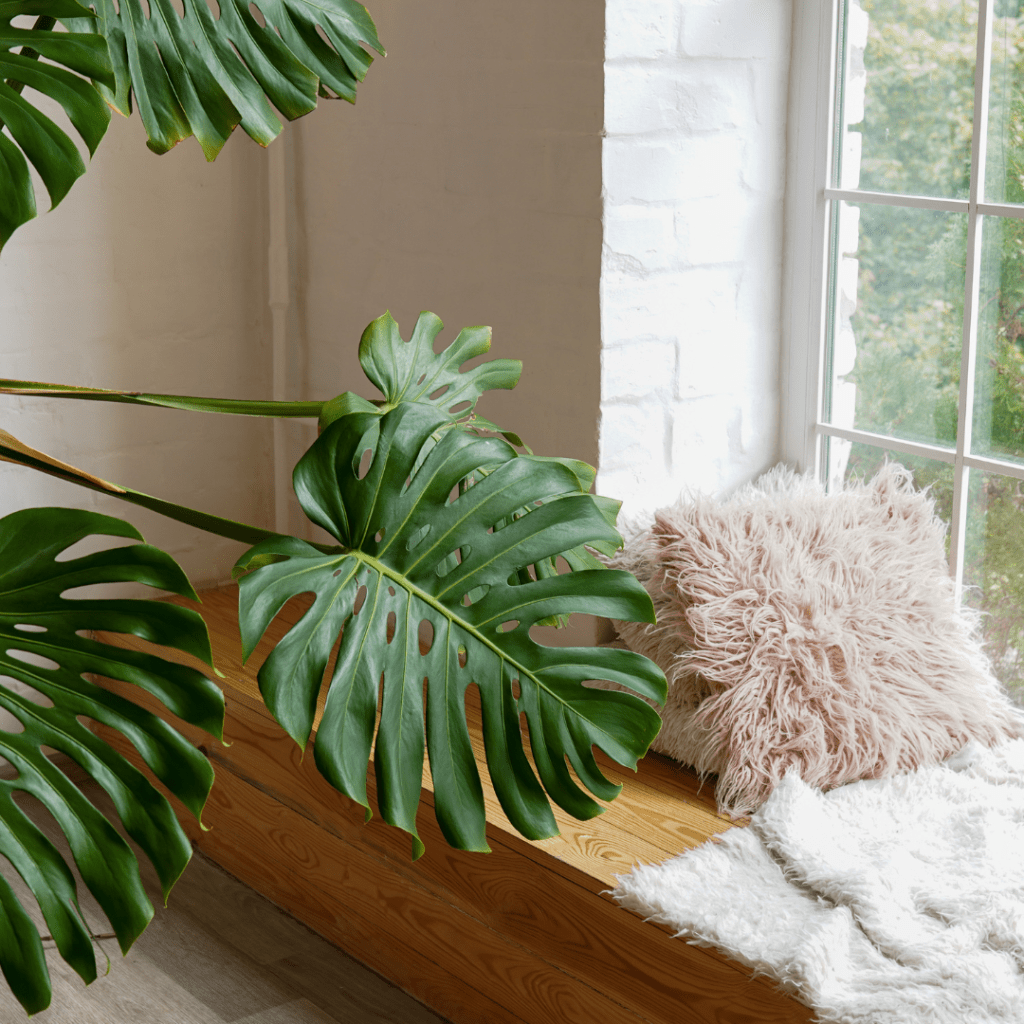
While the outdoor landscape may be bare, bringing natural elements inside can help maintain a connection to nature. Consider displaying pine cones in decorative bowls, arranging bare branches in tall vases, or maintaining indoor plants. These touches add life and organic texture to your winter décor.

Warm Up Your Windows
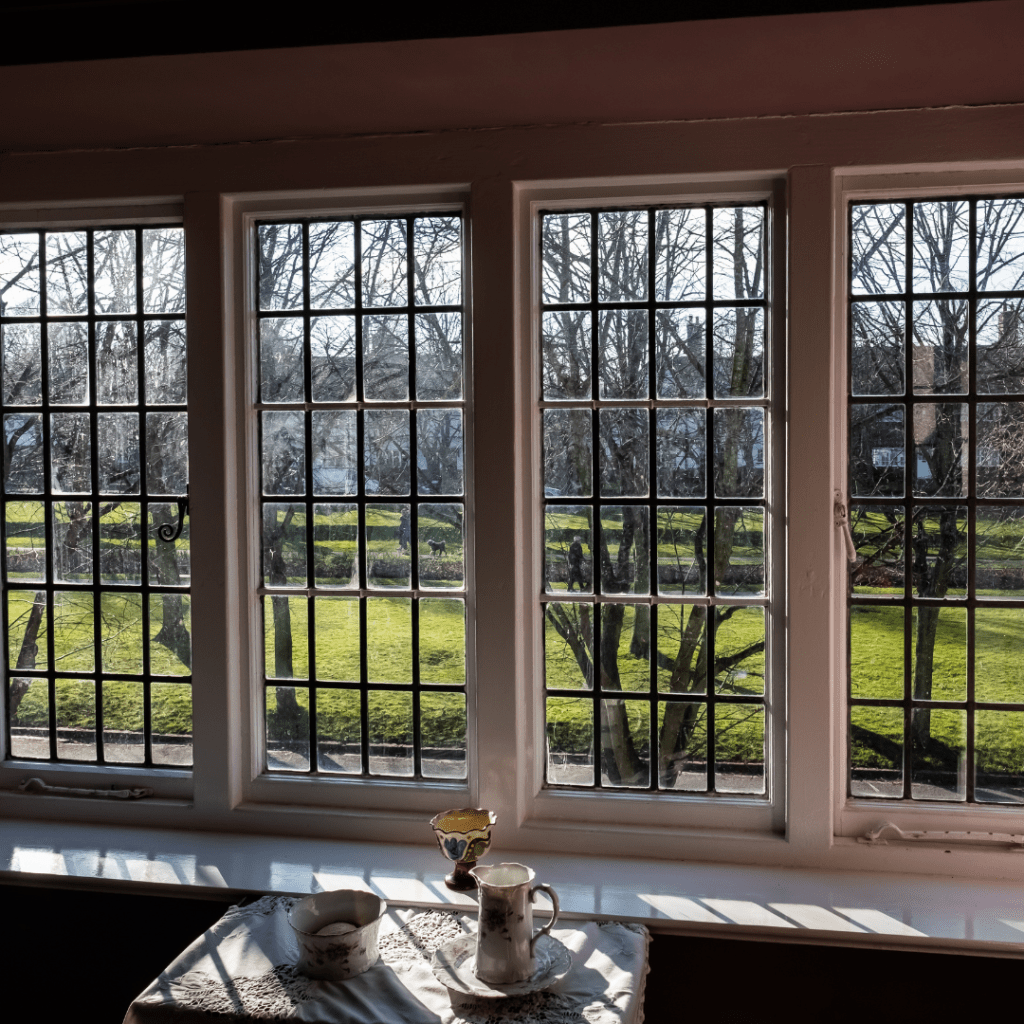
Windows can be a major source of heat loss during winter. Layer your window treatments by combining insulating cellular shades with heavier drapes. Not only will this help keep warmth in, but it also adds visual depth and softness to your rooms. Choose fabrics in rich, warm tones or cozy patterns like plaids or herringbone.


Engage the Senses
Create a multisensory experience by incorporating seasonal scents through natural sources like simmering potpourri, essential oils, or fresh-baked goods. The sound of soft background music or a crackling fireplace can also contribute to the cozy atmosphere.


Organize and Declutter
A cluttered space can feel chaotic and unwelcoming. Take time to organize and minimize visible items, creating clear surfaces that promote a sense of calm. Use attractive baskets or boxes to store winter necessities like extra blankets and slippers within easy reach.


Focus on Your Entryway
Make the transition from outdoors to in more welcoming by creating an organized and attractive entry space. Install hooks or a coat rack for winter wear, add a boot tray for wet shoes, and consider placing a small bench for easy removal of winter footwear. A warm rug and good lighting will make coming home feel like a warm embrace.

Remember, creating a cozy winter home isn’t about buying new things – it’s about thoughtfully arranging what you have to maximize comfort and warmth. These simple changes can help transform your space into a welcoming retreat that both family and guests will appreciate during the cold winter months.

Thinking about buying or selling in the new year? Reach out to Properties on the Potomac at 703-624-8333 today!

As winter approaches, it’s important to take steps to ensure your home is ready to withstand the cold. A well-sealed house will not only keep your family comfortable but also help reduce energy costs. In this first week of winter preparation, the focus is on inspecting and sealing your home to prevent drafts and heat loss. Here’s a simple to-do list to get started.

  • Inspect for Air Leaks: The first step in sealing your home is identifying where cold air might sneak in. Pay close attention to windows, doors, and any gaps in your home’s structure. Common problem areas include door frames, windowsills, and places where pipes or electrical wiring enter your home. Once you’ve located these potential air leaks, seal them with weatherstripping or caulk. Sealing drafts can save you a significant amount on your heating bills by keeping warm air inside.
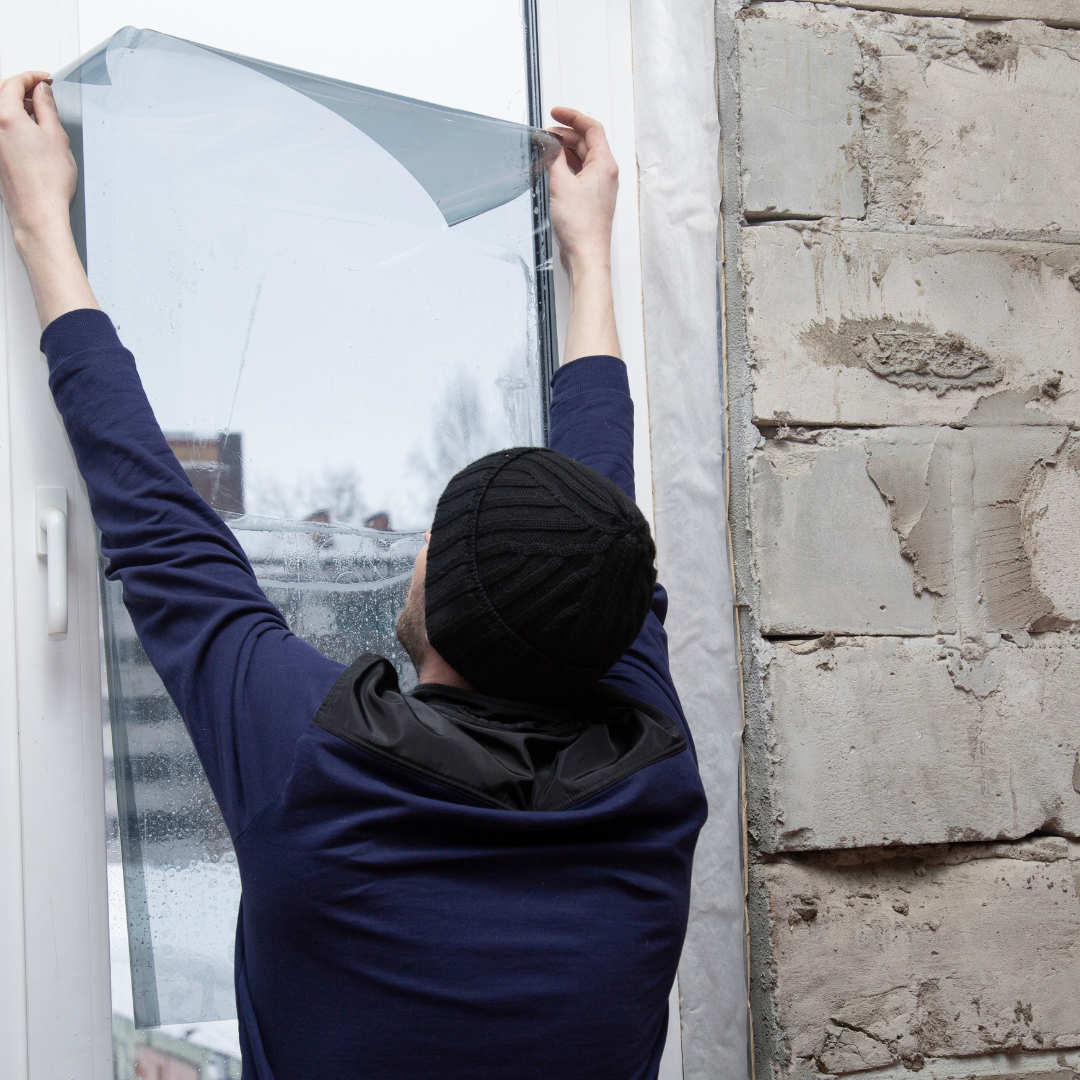
  • Seal Drafty Windows: Windows can be a major source of heat loss during the winter. If you feel cold air around your windows, consider applying window film for an extra layer of insulation. Window film is an inexpensive solution that can help trap heat inside. Alternatively, installing insulated curtains can keep your home warmer by blocking out cold drafts, especially at night.
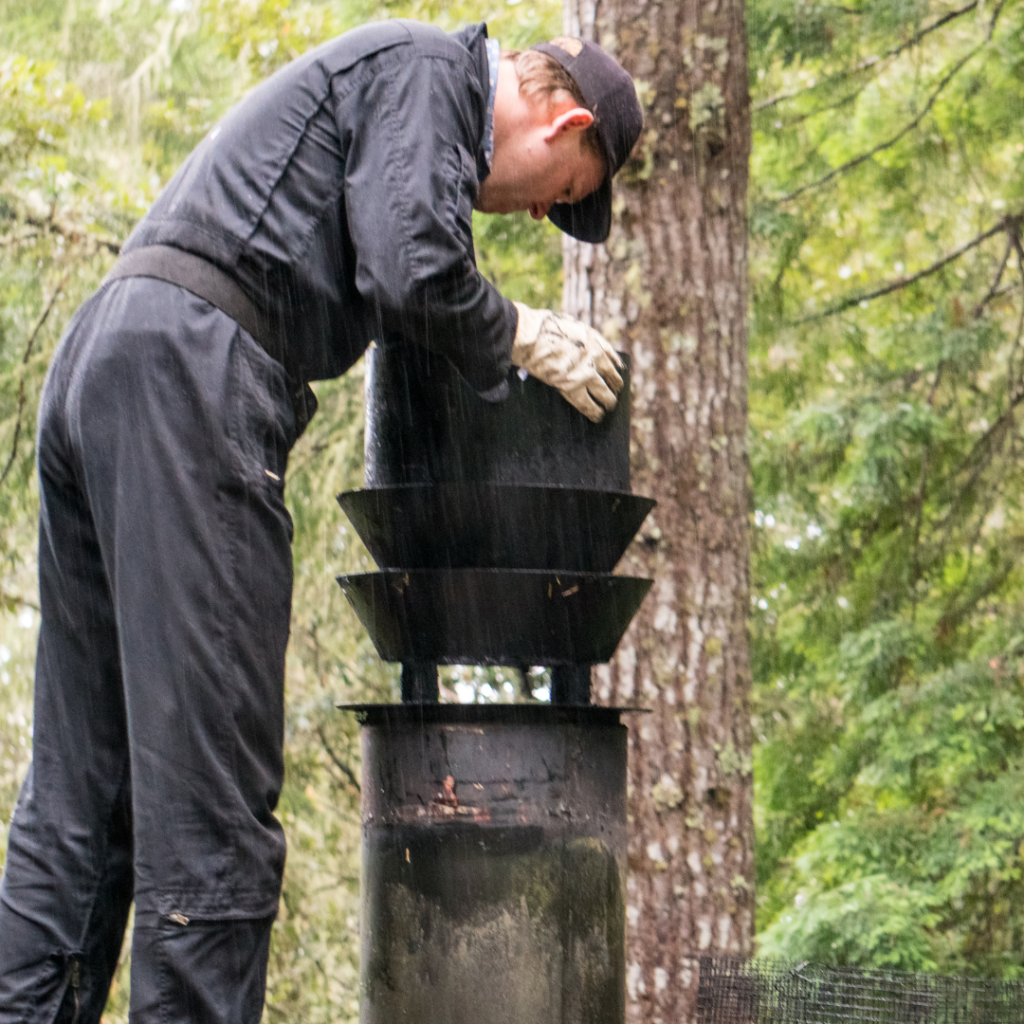
  • Examine the Roof and Chimney: Don’t forget to check your roof and chimney for any signs of damage. Missing or damaged shingles can lead to water leaks and ice dams, which can cause significant damage in the colder months. Similarly, inspect your chimney for cracks or blockages that could prevent it from venting properly. Addressing these issues early will prevent costly repairs and make your home more energy efficient.


By following these simple steps, you’ll be on your way to a warmer, cozier home this winter! If you need help finding professionals for repairs or inspections, contact Properties On the Potomac at 703-624-8333 today. And stay tuned for more tips on how to prep your home for winter weather!

With the weather warming up, it’s easy to forget about the warmth and cosiness of your fireplace. However, neglecting the maintenance of chimneys and fireplaces can pose significant risks to your homes and families. That’s why it’s crucial to adhere to national safety standards, which recommend annual fireplace, chimney, and vent inspections.

Chimneys accumulate creosote—a flammable substance—during use, are subject to deterioration, and can also become homes to animal nests. By addressing maintenance needs in the off-season, you mitigate the risk of chimney fires and ensure a safe and enjoyable fireplace experience come fall.

But what about gas fireplaces? While they may not produce creosote like their wood-burning counterparts, they still require regular maintenance to operate efficiently and safely. Cleaning a gas fireplace should include removing dust and debris from the interior casing and ventilation system. Additionally, inspecting the burner and igniter for any signs of wear or damage is essential for preventing malfunctions and ensuring consistent performance.

At Properties on the Potomac, we’re committed to helping you safeguard your home. Contact us at 703-624-8333 today if you need a referral to a company to inspect, clean, and maintain your fireplace(s).

Eleanore of Aquitaine: Her Influence on Architecture and the Fireplace

Eleanore of Aquitaine was one of the most powerful and influential women of the Middle Ages. She was strong, determined, and opinionated. She got things done. She initiated a revolt against the king, her husband, in favor of her son. She was the mother of King Richard Lionheart and King John (not everyone is a winner). She rode astride and led and/or participated in the Second Crusade. At age 72, she crossed the Pyrenees Mountains in winter to select the future queen of France. She left a lasting impact on numerous aspects of European culture, including architecture and the development of the fireplace.

As Queen of France and later England, Eleanore was known for her patronage of the arts and her keen interest in architecture. She commissioned the construction of numerous castles, palaces, and abbeys throughout her domains, many of which showcased the latest architectural innovations of the time.

One of the most significant architectural features that Eleanore is credited with popularizing is the fireplace. Prior to the 12th century, most European homes relied on open hearths in the center of the room for heating and cooking. However, this design was inefficient and caused smoke to fill the living space.

Eleanore, having grown up in the sophisticated courts of Aquitaine, was accustomed to more advanced heating systems. She is believed to have introduced the concept of the wall-mounted fireplace to the castles and palaces she inhabited. This design, which featured a flue to carry smoke out of the building, allowed for better heat distribution and improved air quality.

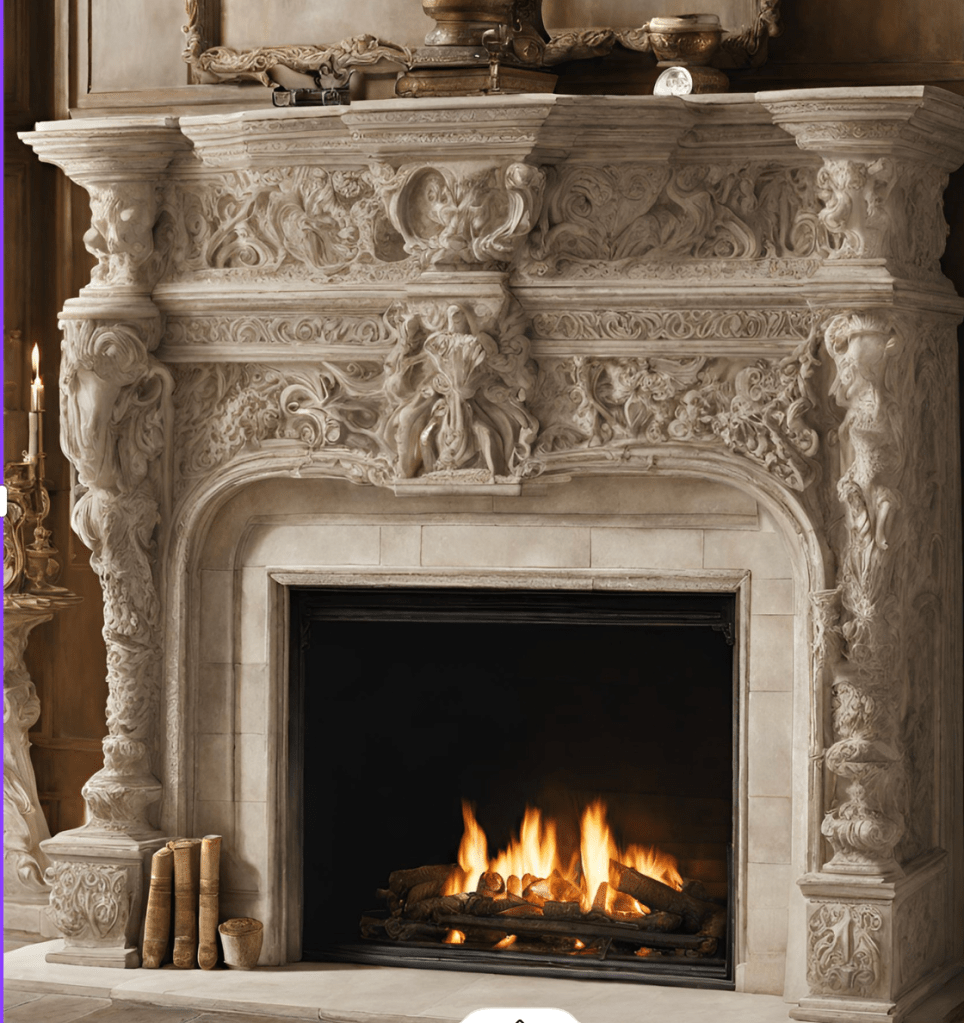
The incorporation of fireplaces into castle design became increasingly common during Eleanore’s lifetime. The Great Hall, a central feature of medieval castles, often showcased grand fireplaces that served as a gathering place for the household. These fireplaces were not only functional but also highly decorative, with intricate carvings and elaborate mantels.

Eleanore’s influence on fireplace design can be seen in many of the castles and palaces she inhabited, such as the Palace of Poitiers and the Fontevraud Abbey. The latter, where Eleanore spent her final years and was eventually buried, features numerous fireplaces throughout its buildings.

The legacy of Eleanore’s architectural innovations extends beyond her own lifetime. The use of wall-mounted fireplaces became widespread throughout Europe in the centuries that followed, evolving into the diverse range of fireplace designs we know today.

Eleanore of Aquitaine’s influence on architecture and the development of the fireplace cannot be overstated. Her patronage of the arts and her introduction of advanced heating systems to medieval European castles left a lasting impact on architectural design and the way we heat our homes to this day.

Do you dream of a home with a fireplace? Whether gas or log-burning, quaint or ornate, Properties on the Potomac can help you find your perfect fireplace. Give us a call at 703-624-8333 today!