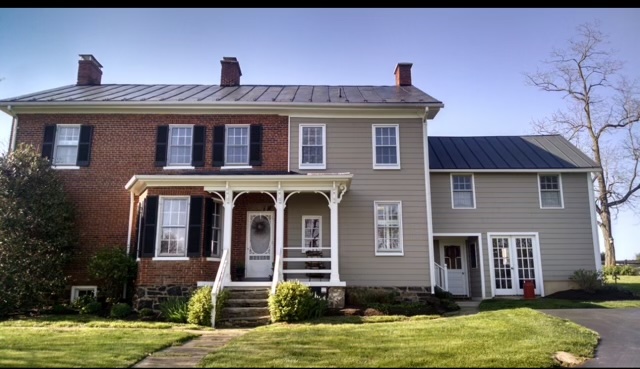
Nestled in Virginia’s northwest corner, Western Loudoun County represents one of the region’s most distinctive real estate markets. Properties here offer a captivating blend of agricultural heritage and contemporary country living, with investment opportunities ranging from historic estates to luxury new construction. Rolling hills dotted with stone fences frame breathtaking Blue Ridge Mountain vistas, creating premium viewsheds that significantly enhance property values.
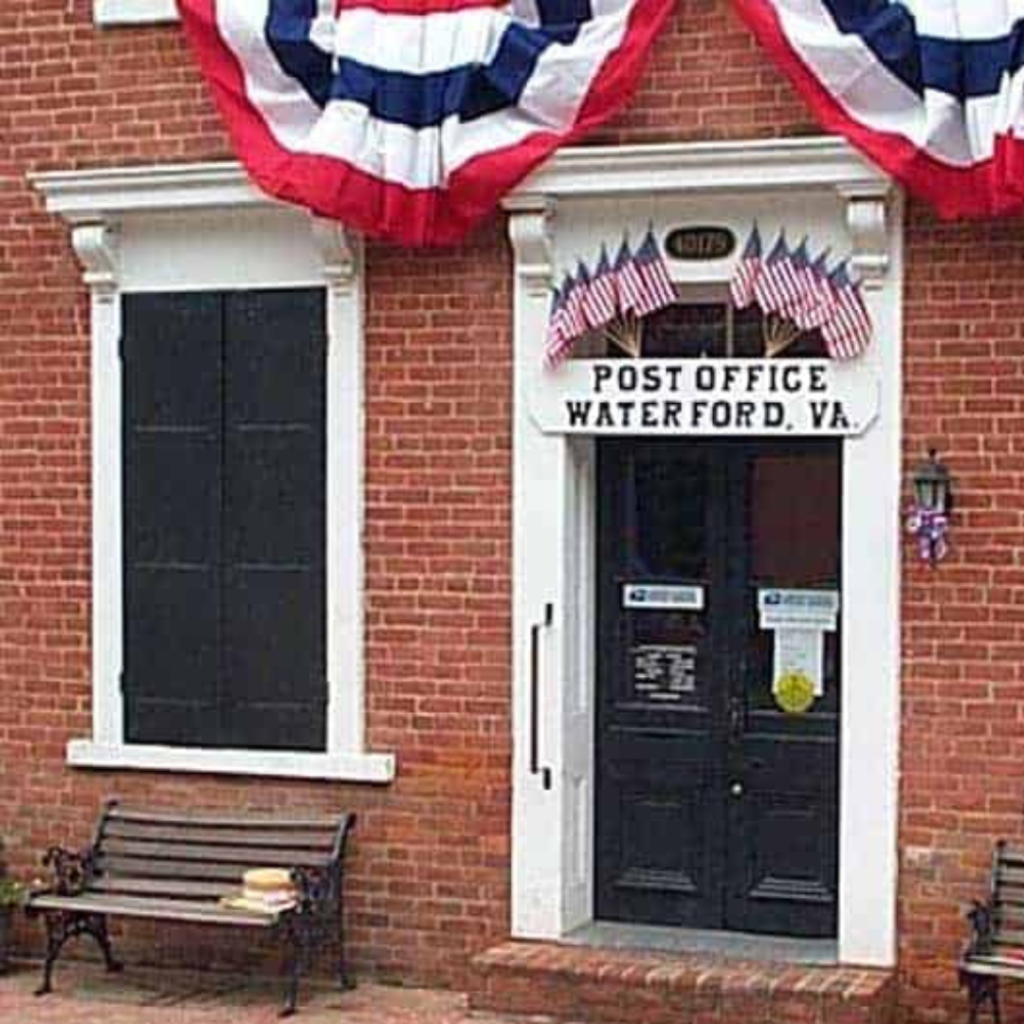
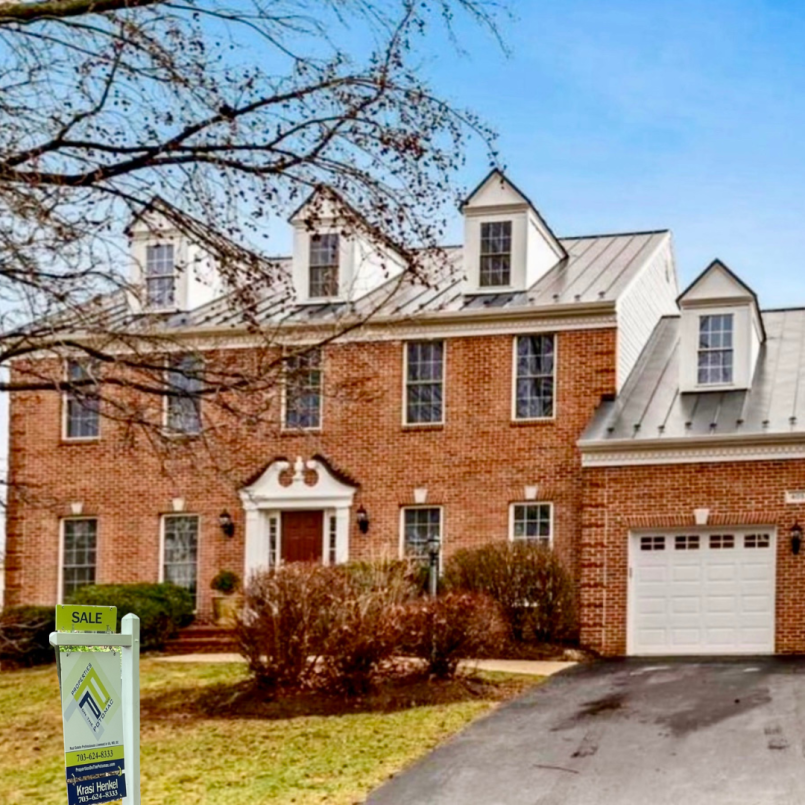
Western Loudoun real estate includes luxury new builds……historic estates……and charming small towns.
The region’s thriving agribusiness sector supports strong agricultural property demand, from century-old family farms to boutique agricultural ventures. Over 45 award-winning wineries have established Western Loudoun as Virginia’s wine country epicenter, driving specialized vineyard property values. The robust equestrian market features everything from modest hobby farms to world-class training facilities, with proximity to riding trails and hunt country commanding premium pricing.
Western Loudoun proudly preserves its rich foxhunting tradition through prestigious hunt clubs like Loudoun Hunt and Middleburg Hunt. Properties within established hunt territories often enjoy enhanced market appeal and stronger value retention, particularly among equestrian buyers.
The area boasts a robust equestrian community……award-winning wineries……and a rich foxhunting tradition.
Families invest here for top-rated public schools and prestigious private academies. The real estate market benefits from exceptional recreational amenities, charming historic towns, and proximity to Washington DC, creating a perfect balance of rural tranquility and metropolitan access that continues to attract discerning buyers seeking authentic country living without compromise.
If you are considering quality of life and a upscale rural lifestyle, contact our broker, long-term resident, and equestrienne, Krasi Henkel at 703-624-8333, to discuss your goals and options.
Navigating Uncertainty: Real Estate at a Crossroads Never has the real estate landscape been so contradictory – simultaneously showing signs of strength and vulnerability. Are we facing a boom, a bubble, or an impending bust?
Properties on the Potomac’sKrasi Henkel has accurately predicted the last three real estate cycles from downturns to upswings. Her proven foresight is more valuable than ever in today’s complex market.
While technology floods us with information at unprecedented speeds, we mustn’t forget the human element of real estate – these are decisions about your most significant asset and potentially your largest liability.
Are We Heading for Another 2008? The question on everyone’s mind: Are we reliving 2007, with 2026 poised to mirror the 2008 collapse? Perhaps – but today’s landscape features critical differences:
Severe Housing Shortage: Virginia alone faces a deficit of 300,000-500,000 units
Historic Low Affordability: Homeownership remains out of reach for many
Improved Interest Rates: Creating new opportunities for strategic buyers
Record-High Prices: Pushing market elasticity to its limits
Building Market Pressure: Indicators point toward an inevitable correction
Make Decisions with Expertise, Not Algorithms Should you buy now? Is it time to sell? These questions demand more than automated valuation models and trending hashtags.
With firsthand experience navigating multiple real estate cycles, Krasi has developed a proprietary system to help Properties on the Potomac clients evaluate their options and craft intelligent, personalized strategies.
The bottom line: Don’t trust algorithms alone with your financial future. At Properties on the Potomac, Inc., our agents bring sophisticated understanding of real estate economics, finance, and equity evaluation to every client relationship.
Our singular mission is protecting our clients’ best interests during these uncertain times. For 2025, we have limited availability to welcome new clients. Don’t miss your window to explore your options with true market experts.
Krasi Henkel Transforms Lives Through Exceptional Real Estate Experiences and Services
In the world of real estate, true excellence goes far beyond transactions—it’s about creating transformative living experiences. “My journey is a testament to the power of perseverance, passion, and profound personal commitment,” says Krasi.
A Legacy of Determination
Krasi describes her early experience, “My real estate story began not in boardrooms or luxury open houses, but in a moment of childhood resilience. At just nine years old, I stood alongside my immigrant parents, challenging the status quo when faced with discriminatory housing practices. When we were told, ‘We don’t sell to people like you,’ I responded by asking what we needed to become to achieve our dreams.”
“The day we moved into our new home was more than a real estate transaction—it was a pivotal moment of hope, opportunity, and the American dream realized. Those early experiences taught me that a home is far more than brick and mortar; it’s a sanctuary where families grow, dreams take root, and futures are shaped,” reflects Krasi.
Leadership and Continuous Growth
As a testament to her industry standing, Krasi currently chairs the NVAR (Northern Virginia Association of Realtors) Small Broker Forum 2025. She is also one of just 25 members selected for the prestigious 2025 NVAR Leadership Institute. Her commitment to professional excellence includes earning a Certificate in Business Excellence from the College of William and Mary and a Master Certificate of Negotiation from Harvard Law School’s Program on Negotiation.
When not transforming the real estate experiences of her clients, Krasi enjoys life on her horse farm with husband Jon Henkel, who serves as Associate Broker at Properties on the Potomac, Inc. Together they share their home with four horses, four cats, and their beloved Bernedoodle, Sophie. Krasi’s passions include dressage riding, nature walks in her favorite parks, the arts, and writing insightful blogs about real estate, arts, and lifestyle.
Expertise Meets Empathy
With over three decades of professional real estate experience, Krasi brings a unique blend of market expertise and deep personal understanding to every client relationship.
“I don’t just help clients buy or sell properties; I help them curate lifestyle environments that reflect their deepest aspirations,” Krasi explains. “Whether seeking an urban retreat, a suburban community experience, an equestrian estate, or a strategic property investment, I guide clients to clearly identify their true desires before designing customized solutions.”
Having served thousands of clients with billions in real estate transactions, Krasi maintains an exceptional market intuition. She provides timely counsel on when to act decisively, when to pivot strategies, and when patience is the wisest approach. Her track record speaks for itself—she accurately predicted each market fluctuation since 1988 and their subsequent recoveries.
Curious about her current market insights? Contact Krasi for your personalized market report.
The rise of iBuyer or “instant cash offer” programs has introduced a new way for homeowners to sell their properties quickly. These companies, backed by deep-pocketed investors, purchase homes directly from sellers, often closing transactions in just days. Unlike traditional homebuyers looking for a place to live or rent out, iBuyers aim to buy at the lowest possible price, make necessary repairs, and quickly resell the home for a profit. While this model provides convenience, sellers should fully understand the pros and cons before deciding if this is the best option for them.
Advantages for Sellers
No need to make repairs before selling
Flexible options to cater to urgent selling timelines
Guidance from local real estate experts
A streamlined, turnkey process covering:
Contracts
Disclosures
State laws
Negotiations
Disadvantages for Sellers
Instant home purchase offers prioritize the iBuyer’s profit, not the seller’s best interest
Sellers typically receive low offers and still pay high fees, sometimes exceeding traditional agent commissions
The True Costs of iBuying iBuyer platforms operate with the goal of making a profit. That means the offers they make are often significantly lower than market value. On top of that, sellers face additional fees. While iBuyers market themselves as a way to avoid agent commissions, the reality is that their convenience fees range from 6% to 9.5%. Some even charge sellers additional fees that buyers would typically cover, adding another 1% or more to the cost.
In total, the direct costs of selling to an iBuyer—excluding repair credits—can range from 7% to 10%, compared to the 5% to 9% in total costs when selling through a traditional agent. That “convenience” often results in sellers giving up a significant portion of their hard-earned equity.
Repairs and closing costs are another key issue. In a traditional sale, these expenses are negotiable. With an iBuyer, there is no room for negotiation—sellers are simply charged for any necessary repairs. Once the iBuyer acquires the property, they will list it on the market, often for a higher price, within weeks.
Why Using an Agent May Be the Better Choice The primary goal of iBuyers is to make money—not to give sellers the best deal. However, homeowners looking for a fast and hassle-free sale can still achieve that with an experienced real estate agent. Rather than eliminating agents from the process, the key to a smooth and profitable sale is proper preparation and an aggressive pricing strategy.
Before accepting an iBuyer’s offer, consult a knowledgeable real estate professional. Invite an agent to review your net offer from the iBuyer before signing anything. A thorough analysis can reveal just how much equity you might be giving up. If an iBuyer sees your home as a profitable investment, you should take a closer look at your options before handing over your property at a discount.
We break down the numbers in the video below:
Check out this real-world example of a home sale completed with a realtor versus an iBuyer.
As shown in the video, that’s over 10% less than what you could earn from a traditional sale. Is the convenience really worth that much? Your home is likely your largest asset—don’t let an iBuyer take a big cut of your investment.
For more details, check out this article from Realtor.com.
Final Thoughts If you’re considering selling to an iBuyer, take the time to explore all your options. Before signing anything, consult with a real estate professional who can give you a clear picture of your home’s true value and the potential costs involved. You worked hard for your home—make sure you’re making the best financial decision for your future.
If you’re in the DC Metro area, give Properties on the Potomac a call at 703-624-8333 today!
Finding the right real estate professional to advise and guide you through the acquisition or sale of one of your largest assets can make all the difference in your real estate journey. Whether buying your dream home or selling a property, an excellent Realtor® doesn’t just facilitate transactions—they provide expertise, guidance, and peace of mind during one of life’s most significant financial decisions.
Why the Right Realtor® Matters The real estate market can be complex and competitive. An excellent Realtor® brings market knowledge, negotiation skills, and professional connections that can save you time, money, and stress. They’ll help you navigate state and federal rules, paperwork, deadlines, and potential pitfalls while advocating for your best interests.
The Realtor®Advantage Working with a Realtor® who is a member of the National Association of Realtors (NAR) provides significant advantages due to their commitment to a strict Code of Ethics. NAR members pledge to protect and promote their clients’ interests while treating all parties honestly.
The Code of Ethics goes beyond legal requirements, holding these real estate professionals to high standards of integrity, professionalism, and fairness in all transactions. This ethical framework ensures that the Realtor® provides accurate information, discloses potential conflicts of interest, and maintains confidentiality.
Their commitment to these principles means clients receive more transparent, ethical representation throughout the complex real estate process. Ultimately this leads to informed decisions and smoother transactions with reduced risk of miscommunication or ethical breaches.
How to Find Your Ideal Realtor®
Ask for Recommendations Start by tapping into your personal network. Friends, family members, and colleagues who have recently bought or sold property can provide honest feedback about their experiences. Ask specific questions about what made their Realtor® exceptional or disappointing.
Research Online Presence and Reviews Once you have some names, investigate their online presence:
Check their professional website and social media accounts
Read client reviews on platforms like Zillow, Realtor.com, and Google
Focus on feedback about communication, market knowledge, and negotiation skills
Verify Credentials and Experience Make sure your potential real estate professional is:
Licensed in your state
A Realtor®; not merely a salesperson
An expert in your type of transaction (first-time buying, luxury homes, investment properties, etc.)
Holds relevant certifications or additional training
Interview Multiple Candidates Schedule interviews with several realtors. During these conversations:
Discuss your specific needs and timeline
Ask about their recent transactions and success rates
Inquire about their communication styles and availability
Request examples of how they have handled challenging situations
Discuss what services you expect
Look for Local Expertise A Realtor® with extensive knowledge of your target neighborhood or property type can provide invaluable insights about:
Market values
School districts
Community amenities
Future development plans
Property tax trends
Local regulations and zoning
Assess Communication Skills Pay attention to how promptly and clearly they respond to your inquiries. Your Realtor® should:
Be responsive and professional
Listen deeply to your needs and concerns
Ask questions to verify their understanding and confirm your goals
Explain complex concepts in understandable terms
Provide regular and relevant updates throughout the process
Be honest, even when the news isn’t what you want to hear
Trust Your Instincts Beyond credentials and recommendations, consider personal compatibility. You will be working closely with this person. Mutual trust and respect are essential.
Red Flags to Watch For Be cautious of agents who:
Pressure you to make quick decisions
Are difficult to reach or slow to respond
Dismiss your questions or concerns
Can’t provide references from recent clients
Have limited knowledge of your target area
Promise unrealistic outcomes
Final Thoughts Taking the time to find an excellent Realtor® is an investment that pays dividends throughout your real estate journey. The right professional will not only help you achieve your property goals but will also make the process smoother and less stressful.
One potential concern for buyers and sellers is that the exceptional Realtor’s guard their time. They do so because they give optimal services to their clients. Most top Realtor’s establish their annual goals as to how many clients they can and want to represent during the year. If you are considering a real estate transaction with a top Realtor® be sure to get on their calendars early.
Remember that you’re hiring someone to provide a service—ask questions, check references, and ensure the right fit for your needs. With the right Realtor® by your side, you will be well-positioned to navigate the real estate market effectively.
Rumors abound about the state of the current DC-area housing market…but what’s real and what isn’t? Are prices plummeting? Is inventory skyrocketing? Properties on the Potomac is here with some facts backed up by MLS data:
There are a total of 2.3 million units in the DC Metro area;
3% of those units are currently on the market;
The average price of listed homes is approximately $710,000;
with an average of 78 days on the market.
Thisvideoby the Northern Virginia Association of Realtors® (NVAR) does a great job of explaining the current housing situation in the DC Metro area.
Worried about the market or want the latest on your specific neighborhood? Give Properties on the Potomac a call at 703-624-8333 today!
If you recently received your property tax assessment and think it’s too high, you may have the option to appeal. Property tax assessments are used to determine how much you owe in taxes each year, and an inaccurate valuation could mean paying more than your fair share.
In the Washington, D.C., metro area, property owners in the District, Maryland, and Virginia each have different processes for appealing assessments. This guide will walk you through the basics of how assessments work, when you should consider an appeal, and the steps to challenge an incorrect valuation in D.C., Northern Virginia, and Maryland suburbs.
Understanding Your Property Tax Assessment Local governments assess property values based on market trends, recent sales of similar properties, and any improvements made to your home. This assessed value determines your annual property tax bill. However, assessments aren’t always accurate, and mistakes can happen, such as:
Failing to account for declining market conditions
If you believe your assessment is too high, an appeal may help lower your property taxes.
A professional appraisal can sometimes help an appeal.
General Steps to Appeal a Property Tax Assessment
Review Your Assessment Notice – Check for any discrepancies in your property details.
Research Comparable Properties – Find recent sales of similar homes in your area to support your case. Properties on the Potomac can assist with this.
Check for Errors – Ensure there are no mistakes in the assessment records.
File an Appeal by the Deadline – Each jurisdiction has specific deadlines and processes for appeals.
Present Evidence – Be prepared to provide documentation proving your property is over-assessed.
Now, let’s look at how the appeal process works in D.C., Northern Virginia, and Maryland suburbs.
Appealing Your Property Tax Assessment By Location: Click on the location to get additional details on how and where to file an appeal.
Washington, DC
Steps to Appeal:
Check Your Assessment – The Office of Tax and Revenue (OTR) mails annual assessments in late February or early March.
File a First-Level Appeal – You must submit your appeal to OTR by April 1 of the same year. The appeal can be filed online, by mail, or in person.
Attend a Hearing (If Necessary) – If your initial appeal is denied, you can request a second-level review with the Real Property Tax Appeals Commission (RPTAC).
Take Your Case to Court – If you’re still unsatisfied with the decision, you can file a case with the D.C. Superior Court.
Mail: Office of Tax and Revenue, 1101 4th Street, SW, Suite 550W, Washington, D.C. 20024
Northern Virginia: Arlington County, Fairfax County, Alexandria, Loudoun County, Prince William County
Steps to Appeal:
Review Your Notice – Assessment notices are typically sent in late February.
Request an Informal Review – Contact your local tax assessor’s office to discuss potential errors. This step is optional but may lead to a quick resolution.
File a Formal Appeal – Submit an appeal to the Board of Equalization (BOE) by varied deadlines (usually April-May, depending on the county).
Prepare for a Hearing – Provide sales data, appraisals, and other supporting evidence.
Maryland: Montgomery County, Prince George’s County, Frederick County
Steps to Appeal:
Review Your Assessment Notice – Maryland properties are reassessed every three years. Notices are sent out in late December for properties up for reassessment the following year.
Request a Reassessment (If Necessary) – If you believe your assessment is too high, you can file an appeal within 45 days of receiving your notice.
File an Appeal with the Supervisor of Assessments – If an informal review doesn’t resolve the issue, submit a formal appeal to the Property Tax Assessment Appeal Board (PTAAB).
Take Your Case to the Maryland Tax Court – If necessary, you can escalate your appeal beyond the PTAAB.
Meet Deadlines – Each jurisdiction has strict filing deadlines, so don’t miss your opportunity to appeal.
Use Comparable Sales Data – Provide recent sales of similar properties in your neighborhood to prove overvaluation.
Highlight Property Deficiencies – Document any structural issues, outdated systems, or factors that negatively affect your home’s value.
Get a Professional Appraisal – Hiring an independent appraiser can strengthen your case.
Final Thoughts A successful property tax appeal can save you money, but it requires research, preparation, and sometimes persistence. If you believe your home is over-assessed, following the steps outlined above for your specific jurisdiction can help you navigate the process.
If you’re looking for more guidance on property values or considering buying or selling in the D.C. metro area, our experienced team is here to help. Contact Tiffany Henkel at 703-989-7452 today!
When it comes to selling your home, the kitchen remains the heart of the house and often the deal-maker or breaker. But finding the perfect balance between impactful updates and smart spending can be tricky. Let’s explore how to maximize your kitchen’s appeal without overspending or under-improving.
Butcher block counters offer a more modern look without breaking the bank.You can often update cabinets by simply painting and adding new hardware.Under-cabinet lighting can instantly transform your kitchen with a more high-end look.
The Smart Money Zones The most impactful kitchen updates often focus on three key areas:
1. Countertops: Granite is no longer the automatic go-to. Consider these mid-range options that offer both beauty and value:
Quartz composites: Offer durability and style without the maintenance of natural stone
Butcher block: Add warmth and character at a reasonable price point
High-end laminate: Modern options mimic stone so well that buyers often can’t tell the difference
2. Cabinetry: Full cabinet replacement isn’t always necessary. Consider these strategic updates:
Cabinet refacing: About 30-50% cheaper than replacement while providing a completely new look
Paint and hardware: A professional paint job and modern hardware can transform dated cabinets for under $5,000
Selective replacement: Replace only the most visible or damaged cabinets while refinishing others
3. Lighting: Good lighting can make even modest updates look high-end:
Under-cabinet LED strips: Create ambiance and functionality
Statement pendant lights: Draw the eye and add contemporary flair
Recessed lighting: Brighten dark corners and modernize the space
Classic subway tiles in neutral colors offer an upscale look at an affordable price.Replacing an outdated sink and faucet can instantly modernize the kitchen.Paint delivers the highest return on investment of any single kitchen update.
Cost-Effective High-Impact Updates 1. Backsplash: Choose classic subway tiles or geometric patterns in neutral colors. They’re affordable but look upscale when properly installed.
2. Sink and Faucet: A deep undermount sink and professional-style faucet can give the kitchen a high-end feel without breaking the bank.
3. Fresh Paint: Choose warm neutrals or soft whites to make the space feel clean and inviting. Paint delivers the highest return on investment of any single update.
Where to Save vs. Splurge Save On:
Appliances: Mid-range, matching appliances often provide better ROI than high-end models
Hardware: Shop retail sales for cabinet pulls and knobs
Flooring: Luxury vinyl plank offers durability and style at a fraction of hardwood’s cost
Splurge On:
Professional installation: Poor workmanship can devalue even expensive materials
Quality faucets: They’re frequently used and scrutinized by buyers
Lighting fixtures: They serve as jewelry for your kitchen
The Numbers That Matter Based on recent market data:
Minor kitchen remodel average cost: $23,452
Value recouped at sale: 77.6%
Sweet spot budget range: $15,000-30,000
Avoid Common Mistakes
Don’t over-customize: Keep updates neutral and broadly appealing
Skip trendy choices: They can quickly date your kitchen
Maintain proportion: Ensure updates match your home’s overall value 4. Consider your timeline: If selling within a year, focus on visual impact over durability
The Bottom Line The key to a successful kitchen update is understanding your market and your buyers. In most cases, you’ll see the best return by creating a fresh, modern look without going overboard on high-end finishes. Focus on clean lines, neutral colors, and quality materials in the mid-range price point.
Remember: The goal isn’t to create the most expensive kitchen on the block, but rather the most appealing one within a reasonable budget. This approach not only attracts buyers but also provides the best return on your investment.
Need help planning your kitchen update? Let’s talk about what makes sense for your home and market. Contact Krasi Henkel at 703-624-8333 today for a personalized consultation and market analysis.
In an era of algorithms and automated systems, real estate remains fundamentally about human connection. At Properties on the Potomac, we believe technology should enhance, not replace, personal service.
The Evolving Landscape of Real Estate Technology The Old Model: Shiny Tech Toys Once, agents competed by showcasing the newest technological tools. The agent with the most advanced gadgets often won client attention. But real estate is more than flashy interfaces—it’s about understanding, strategy, and genuine client care.
The Current Technological Ecosystem Today’s real estate technology looks like this:
Listings broadcast instantly across multiple platforms
Automated lead generation systems
Websites that redirect potential buyers to paying agents
Advanced marketing algorithms
The “Numbers Game” Approach Some top-producing agents now prioritize quantity over quality:
Automated calling systems
High-pressure scheduling
Transaction processing delegated to teams
Minimal personal interaction
The Hidden Cost of Impersonal Technology When technology replaces people, consumers lose:
Personal relationship with their original listing agent
Comprehensive property understanding
Tailored market insights
Genuine communication
What Clients Really Want
Personalized communication
Proactive market updates
Agents who understand their unique needs
Skilled negotiation
Comprehensive property marketing
Consumer Empowerment: Your Choice Matters You have the right to choose:
Personal service level
Marketing approach
Showing participants
Buyer qualification standards
Technology as a Tool, Not a Replacement At Properties on the Potomac, we use technology strategically:
To save clients time
Enhance communication
Provide market insights
Support, not supplant, personal service
Our Commitment: Humanity First We leverage technology to:
Streamline processes
Provide transparency
Support client goals
Maintain personal connections
The Real Value Proposition In a market obsessed with speed, we focus on:
Quality over quantity
Relationship building
Thorough offer evaluation
Client-centric approach
A Final Thought Technology can list a property, but only humans can truly understand a home’s story.
Ready to experience real estate with a human touch? Contact Properties on the Potomac, where technology meets genuine care. We’re not just selling properties—we’re helping you write your next life chapter.
Contact Broker, Krasi Henkel at 703-624-8333 (text for quickest response) and visit our website: http://www.POTPHOMES.com
The landscape of generational wealth transfer is undergoing a massive shift. Over the next two decades, baby boomers and the Silent Generation are set to pass down an astounding $84.4 trillion in assets, including real estate, financial instruments, personal property, and even pets and livestock. As a seasoned real estate professional, I’ve witnessed firsthand how this inheritance process can become an overwhelming and emotionally charged journey for many families.
The Inheritance Roadmap: Navigating with Wisdom and Care Here are five critical considerations when navigating an inheritance:
1. Open Family Communication: The foundation of a smooth inheritance process is transparent, honest communication. Initiate conversations about estate intentions early:
Locate and review important documents
Identify the designated estate administrator
Discuss the location of wills and trusts
Understand the family attorney’s contact information
Uncover details about potentially valuable collections (art, antiques, coins)
2. Sibling Harmony: When multiple heirs are involved, expectations management is crucial:
Have candid discussions about the inheritance
Set realistic expectations
Create a framework that prevents potential conflicts
Prioritize family relationships over material possessions
3. Objective Property Assessment: Approach personal property and inheritance with both sentiment and practicality:
Carefully evaluate what items truly hold value for you
Consider sentimental attachments objectively
Be willing to let go of items that don’t serve a purpose
Respect the memories associated with belongings without being overwhelmed
Establish a relationship with estate auctioneer(s)
4. Real Estate Strategy: Develop a comprehensive plan for inherited property:
Create a timeline for property assessment
Determine whether to sell or maintain the property
Budget for potential improvements or repairs
Consult real estate professionals for market insights
5. Tax and Legal Preparedness: Understanding the legal and financial implications is critical:
Consult with a tax professional
Learn about inheritance tax laws
Understand potential tax implications
Develop a strategy to minimize tax burden
Here are five critical pitfalls to avoid when navigating an inheritance:
1. Hasty Storage Solutions: Resist the urge to quickly box everything and store it away. This approach:
Leads to unnecessary expense
Creates logistical complications
Prevents proper sorting and decision-making
2. Home Clutter Accumulation: Avoid filling your personal space with inherited belongings:
Prevents home organization
Creates unnecessary stress
Delays necessary decision-making
3. Overreliance on Verbal Valuations: Never take valuations at face value:
Consult multiple experts
Get professional appraisals
Verify the true worth of items
4. Family Conflict: Prioritize relationships over possessions:
Communicate openly and compassionately
Be willing to compromise
Focus on maintaining family bonds
5. Procrastination: Time is of the essence:
Make decisions promptly
Address legal and financial matters quickly
Prevent complications from delaying action
Emotional Perspective: Honoring Memories
Inheriting a household is more than a financial transaction—it’s an emotional journey. Remember that your loved ones cherished these belongings, but memories persist beyond physical objects. Be kind to yourself and your family during this process.
Key takeaway: Things have no permanence. Some items are meant to be memories, not permanent possessions. Embrace the opportunity to honor your family’s legacy while creating your own path forward.
By approaching inheritance with preparation, compassion, and strategic thinking, you can transform a potentially stressful situation into a meaningful transition that honors your family’s memory and your own future.
Are you or someone you know stressing about what to do with inherited real estate? Reach out to Properties on the Potomac at 703-624-8333 today!