By Krasi Henkel

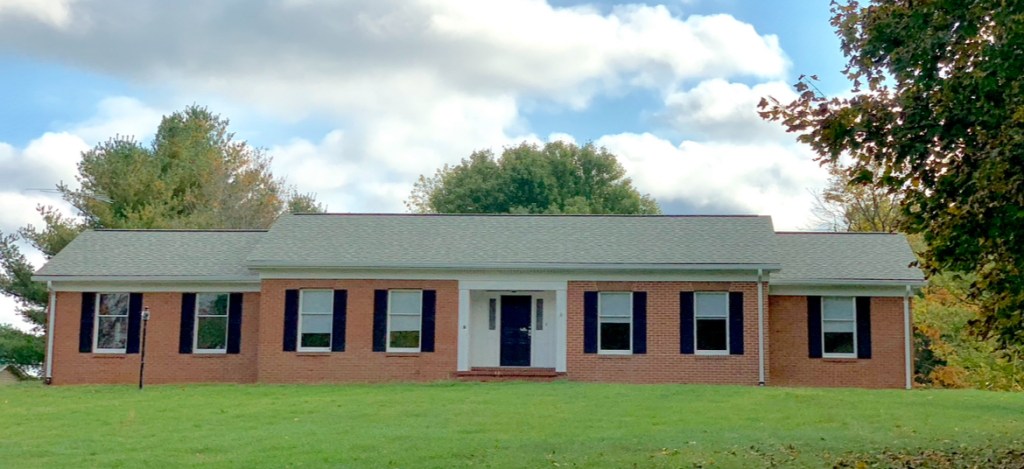
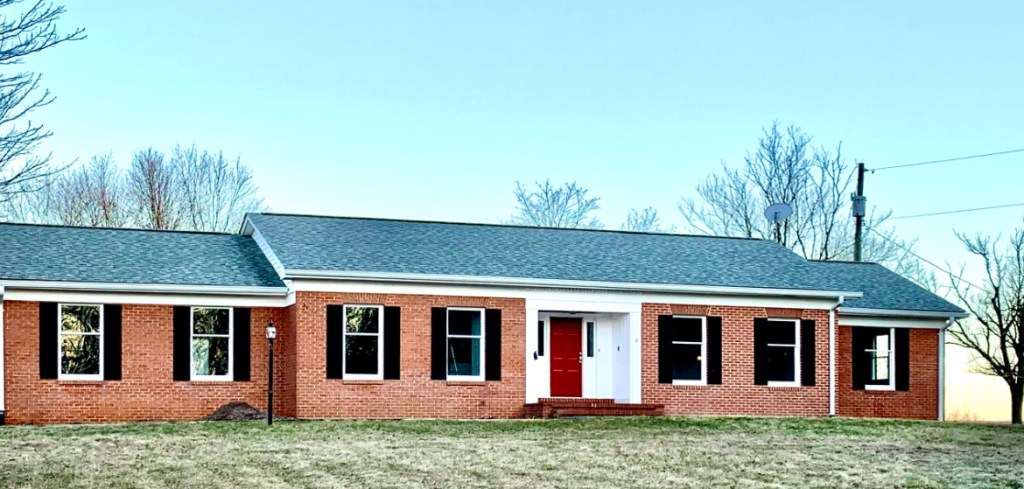
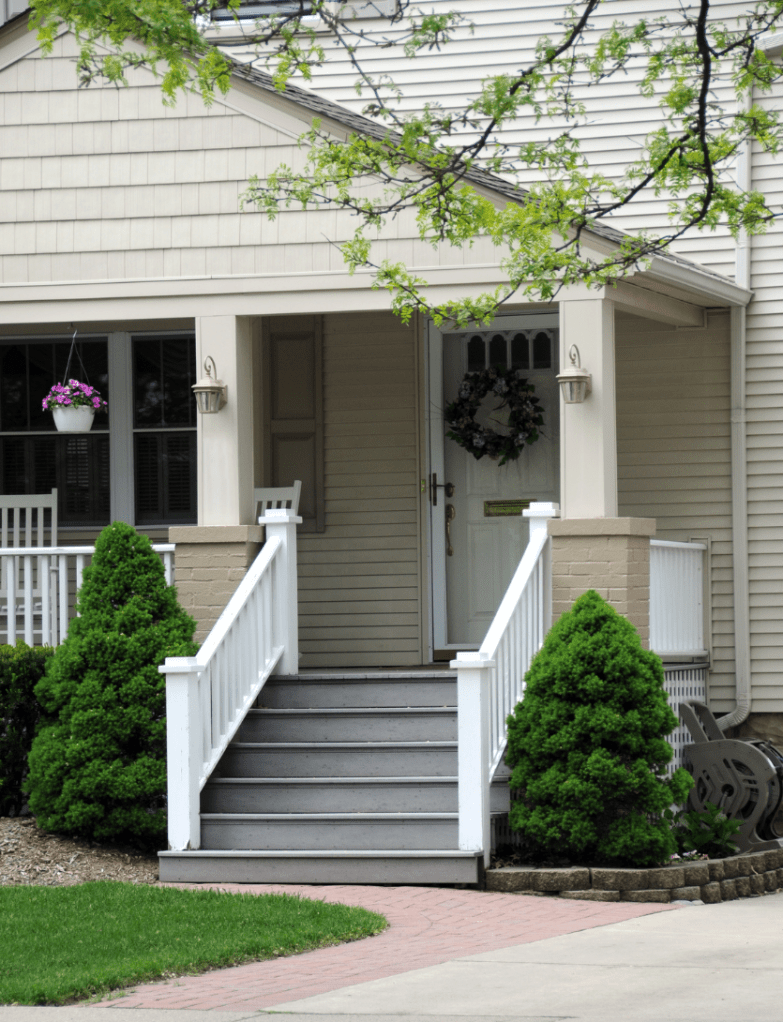
Ranch-style homes have been a popular choice for decades thanks to their practical single-story layouts and flexible spaces. While some home buyers may overlook older ranch houses in favor of newer construction, these modest homes actually offer great opportunities. With some creativity and wise investments, you can remodel a ranch house on a budget.

The Benefits of Buying an Older Ranch:

  • Mail level primary bedroom(s)
  • Mature trees and landscaping
  • Established neighborhoods
  • Lower property taxes
  • Good value per square foot
  • Flexible floor plans
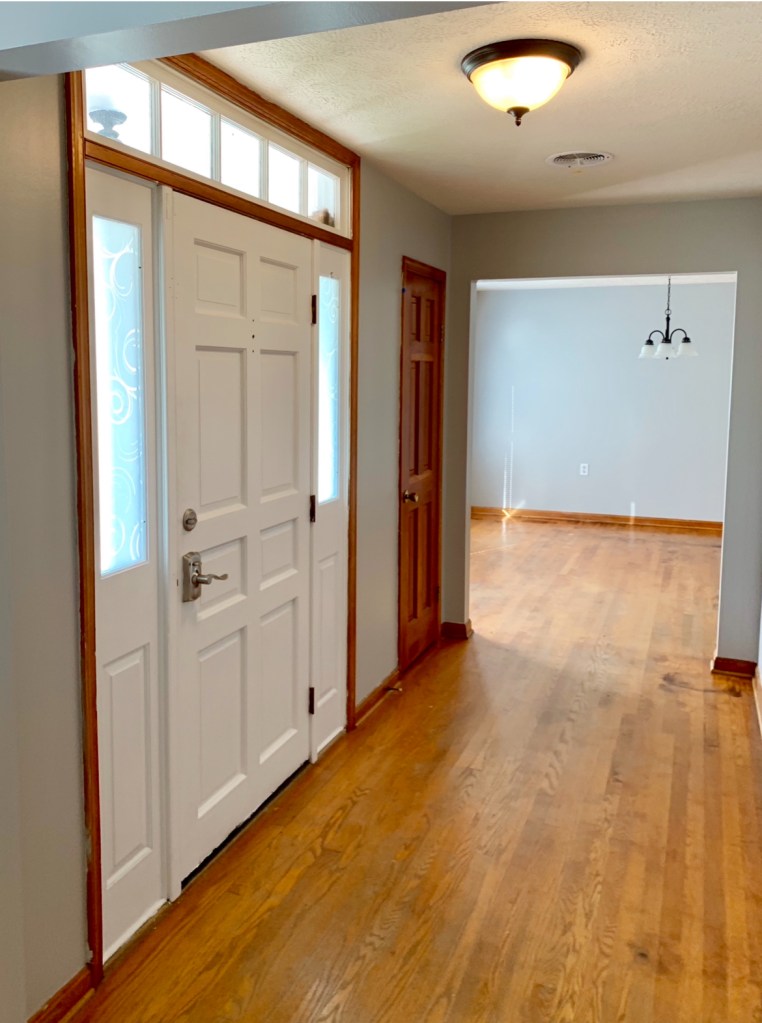
  • Hardwood floors or solid mid-century materials

The Blank Canvas:

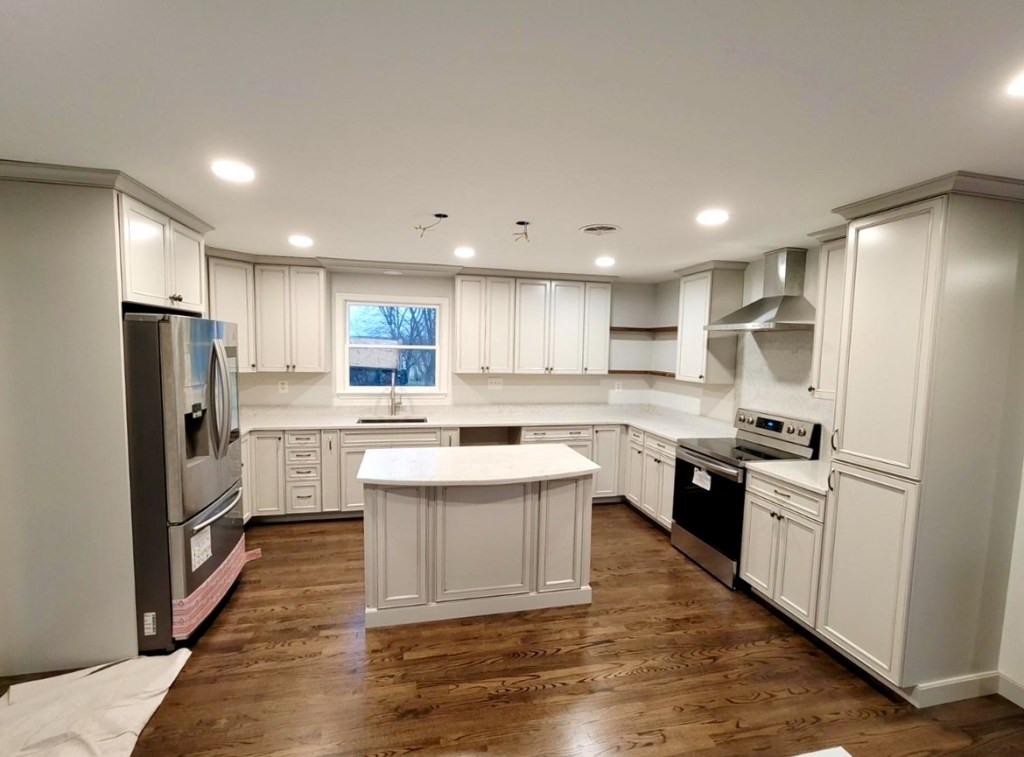
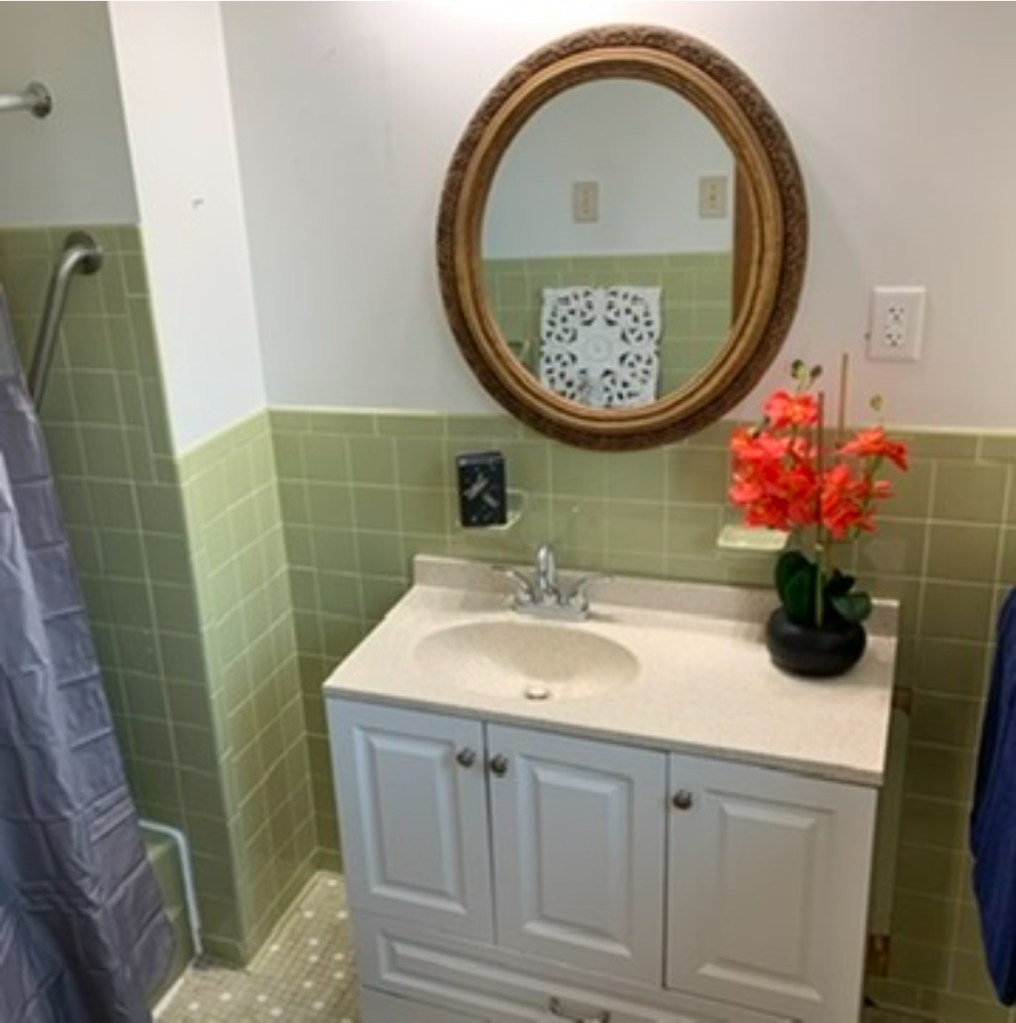
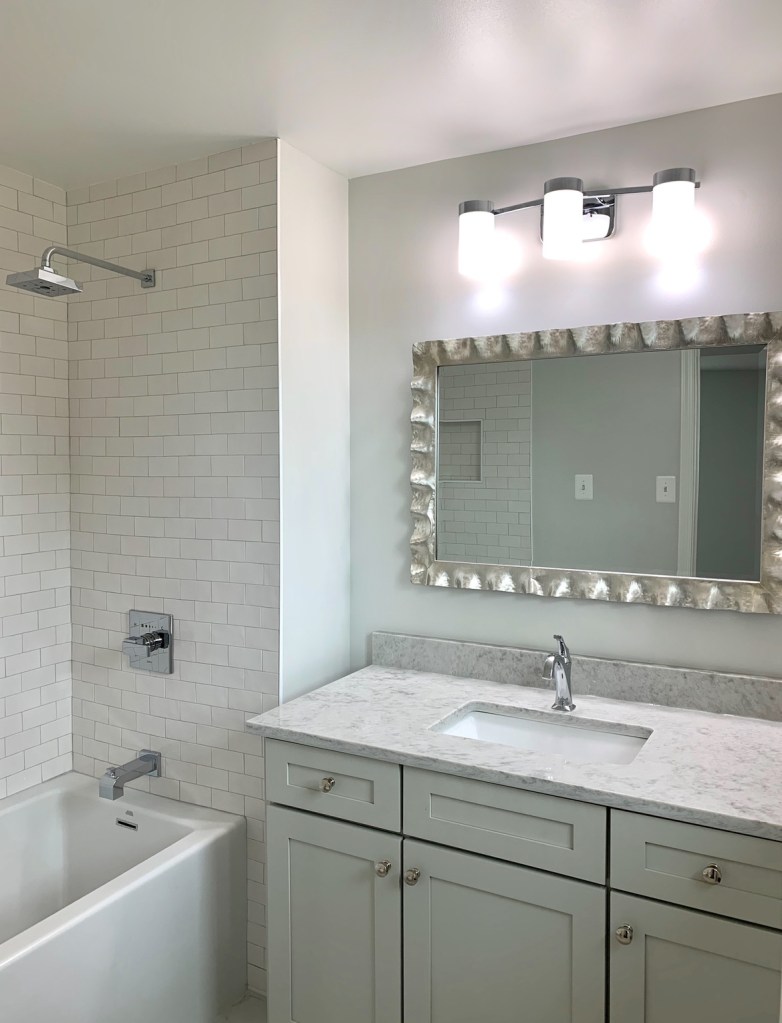
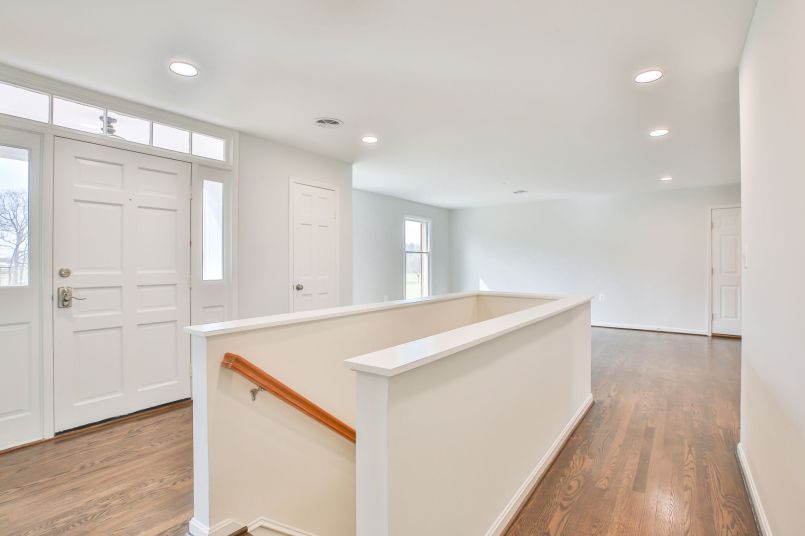
The simple shapes of ranch homes make them perfect blank canvases to incorporate modern style. Minor changes can make ranch homes feel fresh and new without blowing the budget. Consider these economical updates:

  • New paint in contemporary hues
  • Swap dated lighting for streamlined fixtures
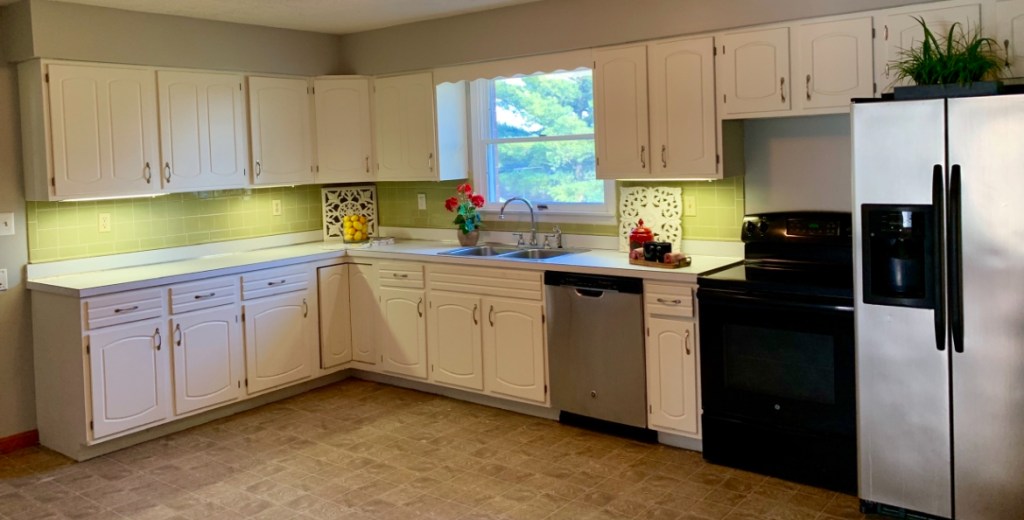
  • Replace builder-basic kitchens and baths with IKEA systems
  • Refinish hardwood flooring hidden under outdated carpeting
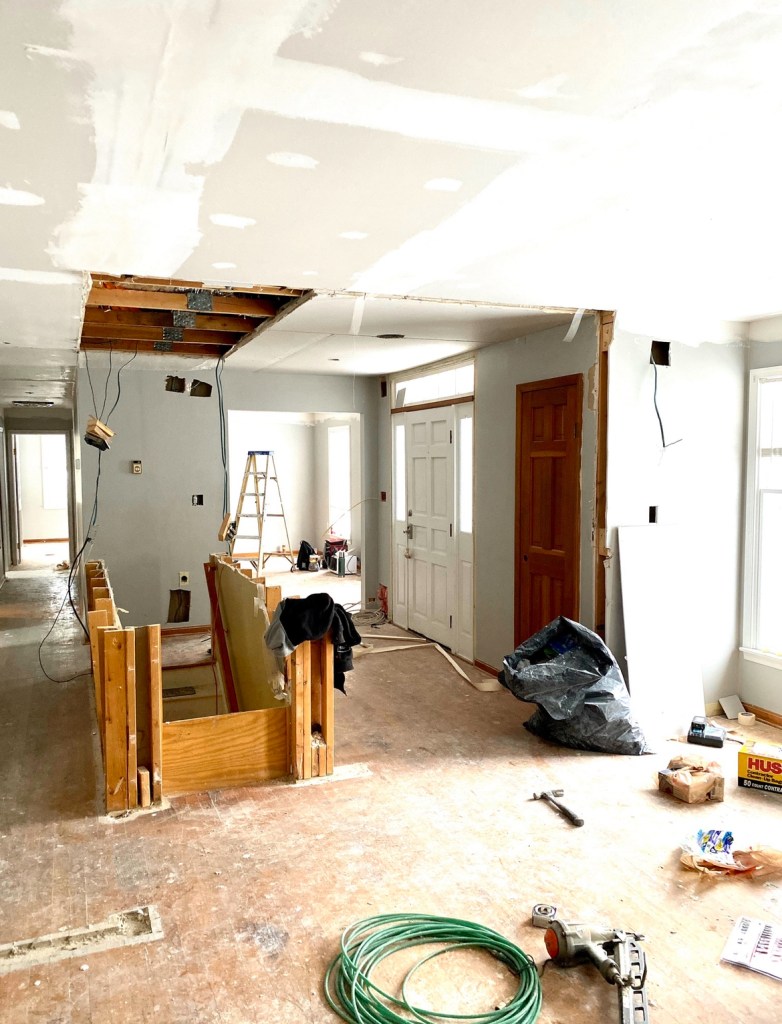
  • Knock down walls to create open-concept spaces
  • Add an addition

Big Style for Small Budgets

You don’t need expensive materials to give a ranch home an interior facelift. Use these design insider tips:

  • Shop for unique vintage details
  • Use bold wallpaper or paint instead of new cabinets
  • Stain concrete floors for an industrial look
  • Upgrade windows and patio doors even if you keep other structural elements

The single-level living and unused basement or attics in ranch homes present opportunities for expansion or converting unused areas into rental units for extra income.

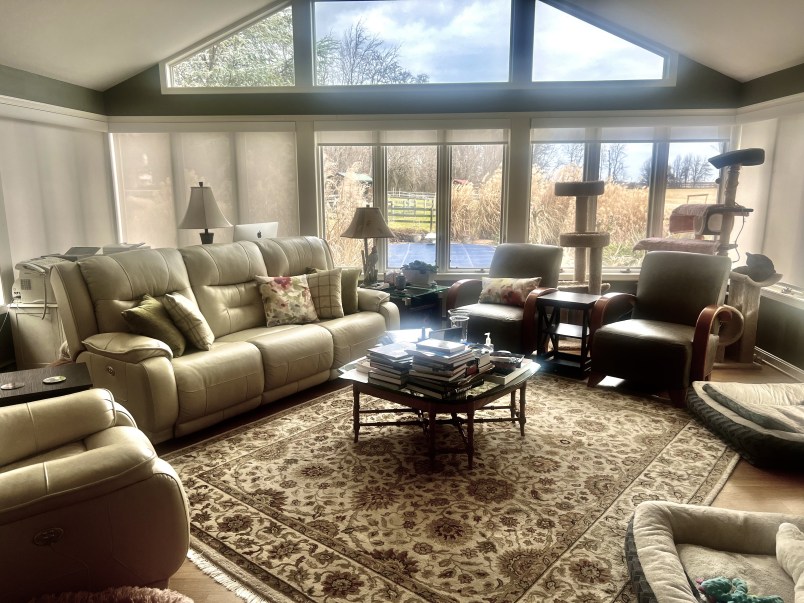
Addition to a ranch home provides tall, open spaces with abundant views

Take a fresh look at older ranch houses. With an updated exterior paint color, strategic refreshes indoors, and your own custom vision, you can personalize a home to suit your needs and style for less than you might expect. The charm and practicality of ranch homes continue to win over buyers who see their outstanding potential.

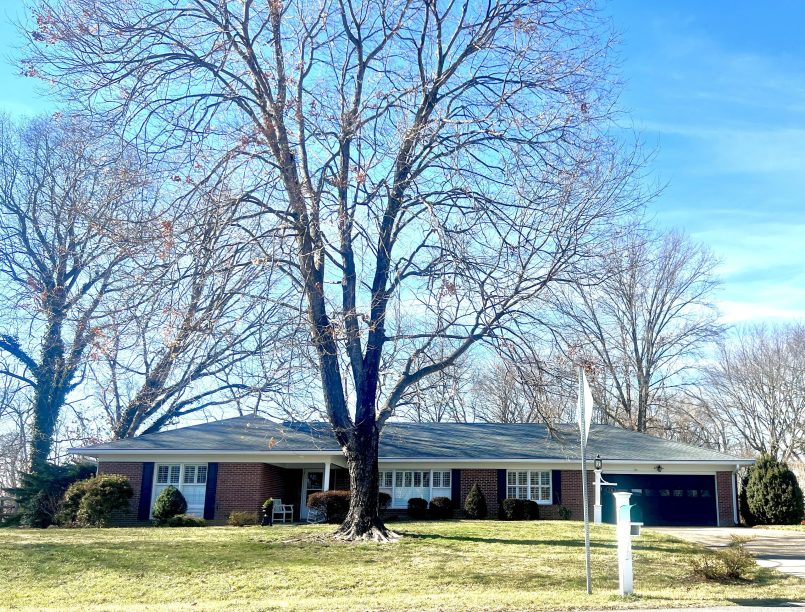
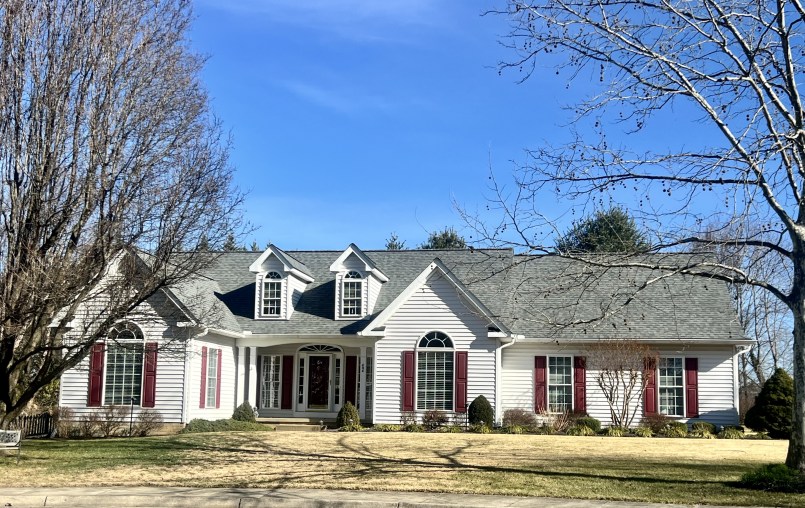
One of my favorite ranch homes in a subdivision that I have sold many ranches and that I love to walk my dog!

Embarking on the journey to homeownership can be a daunting task, especially for those who might need a little extra help to turn their dream into reality. The Greater Capital Area Association of Realtors (GCAAR) curated a list of financing opportunities in the District of Columbia, Maryland, and Virginia. This guide aims to make the American dream possible for potential homebuyers by highlighting various programs designed to provide financial assistance:

Chenoa Fund (National):

   – National down payment program offering up to 5% toward down payment and/or closing costs.
  – Available for both FHA and conventional mortgages.
  – Funds come in the form of a second mortgage loan, potentially forgivable in some cases.
  – Accessible through approved lenders. (chenoafund.org)

City of Takoma Park’s Down Payment Assistance Program (Takoma Park, MD):

   – “The Home Stretch” program providing $10,000 for down-payment assistance.
  – For income-eligible, first-time homebuyers.
  – Requires completion of a homebuyer education course and a certified inspection.
  – First-come, first-served basis.
  – Website: takomaparkmd.gov

D.C. Open Doors with Down Payment Assistance (D.C.):

   – Offers deferred repayable loans for a down payment and below-market interest rates for first trust mortgages.
  – Eligible for both first-time and repeat homebuyers.
  – Down-payment assistance in the form of a deferred 0% non-amortizing loan.
  – Website: dchfa.org/homeownership/available-programs/dc-open-doors

Employer-Assisted Housing Program (EAHP) (D.C.):

   – Offers eligible District government employees a deferred, 0% interest loan and matching funds grant.
  – No income cap or cash contribution requirement.
  – Maximum purchase price of $765,600.
  – Website: dhcd.dc.gov/service/employer-assisted-housing-program-eahp

Federal Housing Administration (FHA) 3.5% Loan (National):

   – Good option for individuals with credit issues (minimum eligible credit score is 580).
  – FHA loan amount tops out at $970,800.
  – No requirement to be a first-time homebuyer.
  – Website: hud.gov/buying/loans

Federal Housing Loan Bank Down Payment Assistance (FHLB DPA) (D.C., MD, VA):

   – Down-payment assistance grant of up to $10,000 for eligible homebuyers.
  – Available in the District, Maryland, and Virginia.
  – Website: fhfa.gov

With an array of financing opportunities at your fingertips, homeownership is within reach. Take advantage of these programs and turn the key to your dream home.

Our team is dedicated to support you every step of the way. Contact Properties on the Potomac at 703-624-8333 today and explore these financing opportunities to make your dream home a reality. Our expert team is here to guide you through the process and help you find the perfect financial solution tailored to your needs.

Information is provided from the Greater Capital Area Association of REALTORS®. “Unlocking Your Dream Home: A Comprehensive Guide to Financing Opportunities.” GCAAR Housing Booklet. gcaar.com/docs/default-source/default-document-library/102623-gcaar-housing-booklet–single-pages.pdf, Accessed 01/23/2024. Please note that the information provided is deemed to be up-to-date as of the publication date but cannot be guaranteed. Real estate financing programs may undergo changes, and it is advisable to verify the latest details with relevant authorities or financial institutions.

By Krasi Henkel

As opinions have currency in real estate, the cultured credibility offered by a home library can sway buyers and add significant value to a house. Though e-readers and digital books are common, there remains strong appeal to the tangible permanence and character of print books lining built-in shelves.

More than a storage place for novels and non-fiction, the home library represents intellectualism and refined tastes which many affluent buyers seek in a residence. Beyond superficial decor, an elegant library signals the substance of both current and past owners. It communicates that interesting dinner conversations, music, and art have filled those rooms.

Built-in bookcases hold special weight over stand-alone shelving. They demonstrate forethought in the home’s original design and construction and cannot be easily moved or changed on impulse like furniture. As integral house features, custom built-in bookcases can add 10-15% of their initial cost to listing prices. Their fixed nature also means volumes collected over years remain on display.

The permanence, personalization, and intellectual substance embodied in a home library comprises a unique asset. For buyers seeking both image and lifestyle, rooms of books can add eight to fifteen percent in perceived worth…or perhaps prove literally priceless among competing listings.

In showcasing owners’ sophistication, libraries reveal character that cannot be fabricated. Where furniture and paint colors change on trends, libraries accumulate over lifetimes. They bestow cultured credibility more reliable than passing fashions. For buyers sharing such values, a house with a library makes tangible the intellectual and cultural traditions they wish to perpetuate.


If you’re in search of a home with a library, or perhaps a home with the perfect space to build the library of your dreams, we’re here to help! Call Properties on the Potomac at 703-624-8333 today.

By Krasi Henkel, Broker

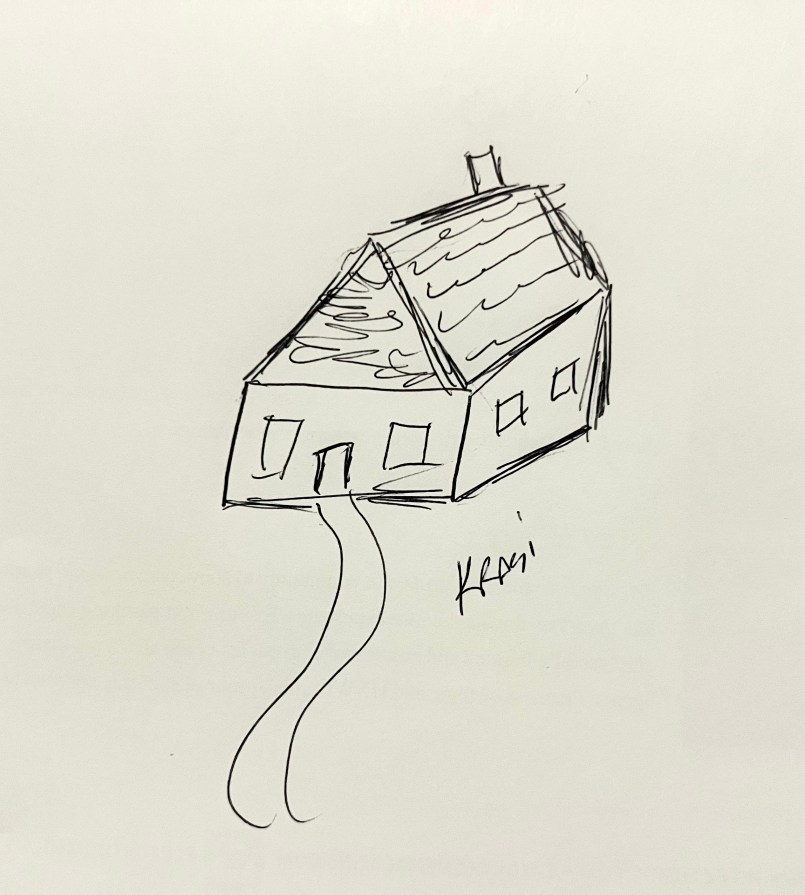
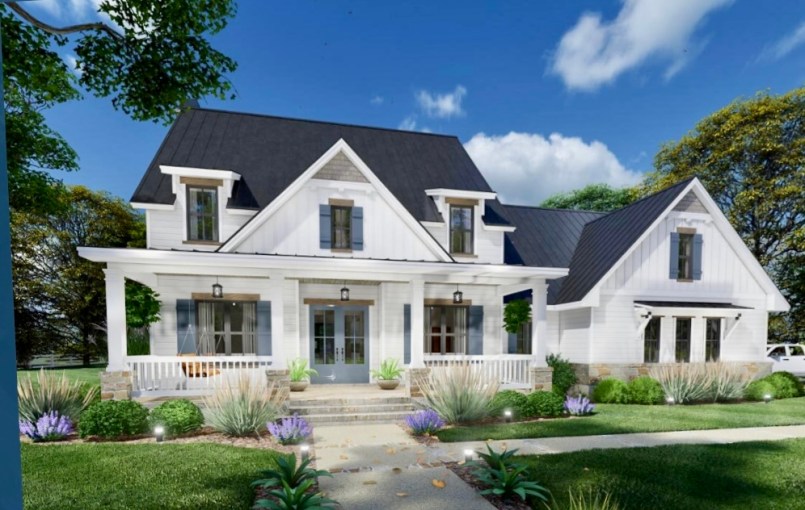
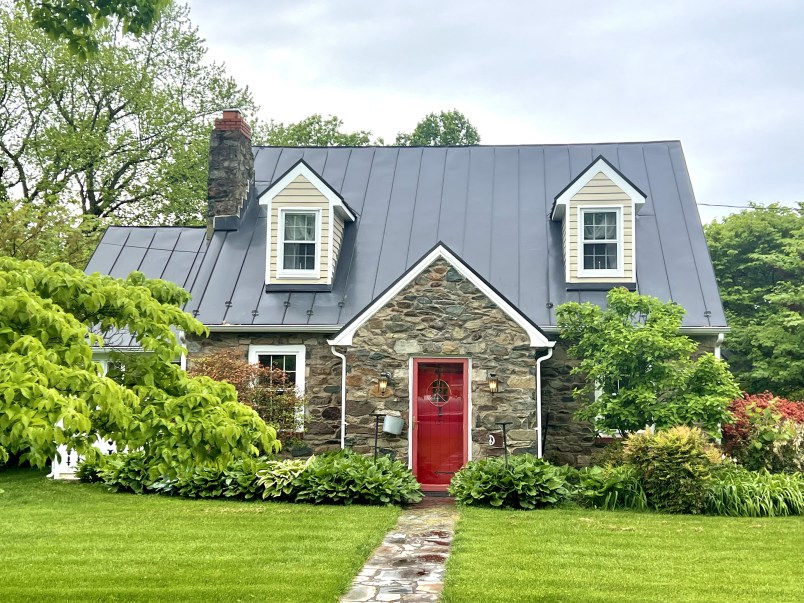
When asked to draw a house, the image that likely comes to mind is a rectangular box with a triangle roof (probably better than mine) — the quintessential Cape Cod style. This simple, no-frills architectural approach has captivated homebuyers for over 300 years and, due to its popularity, has been placed on millions of Monopoly boards.

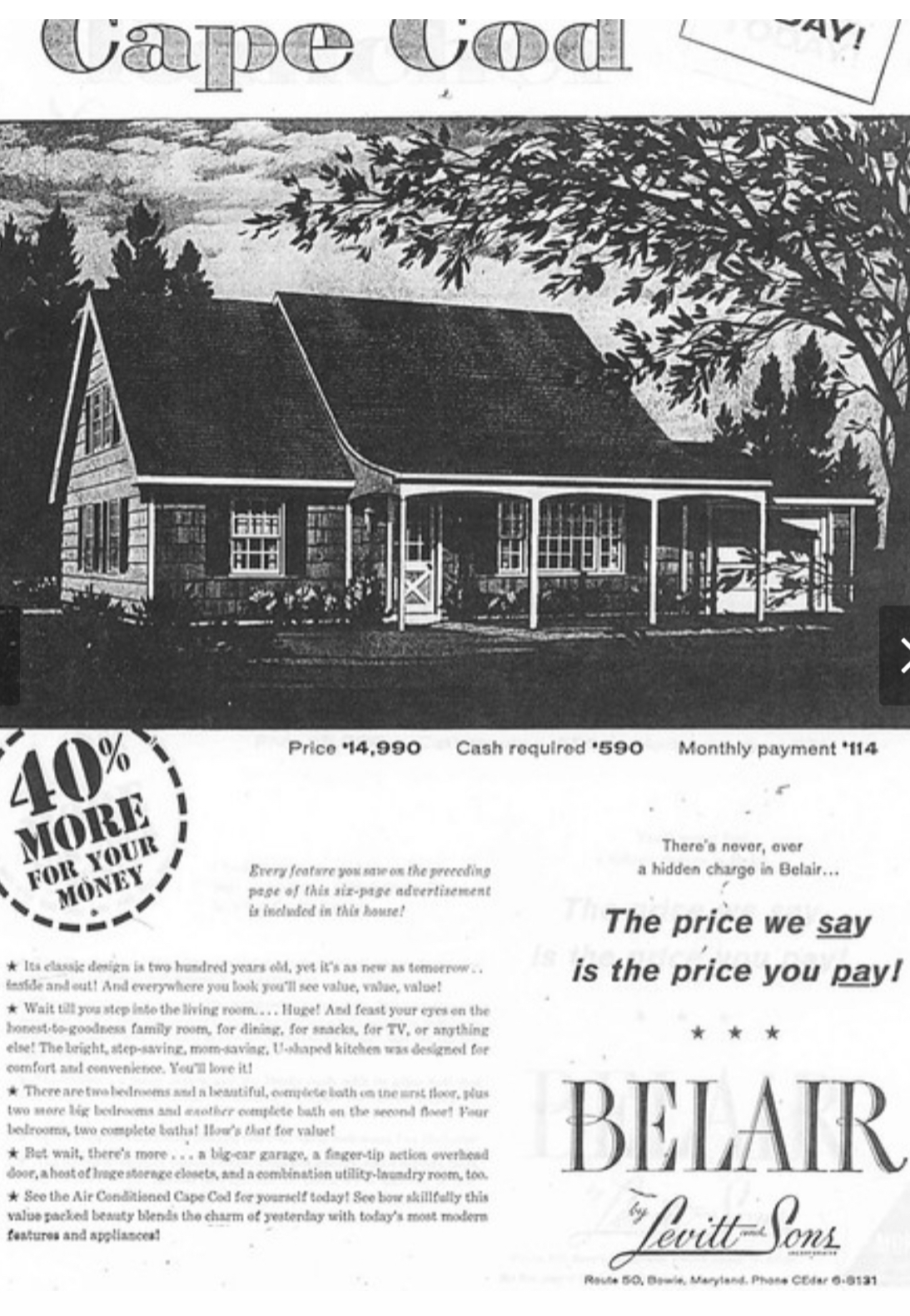
The Cape Cod dates back to the early 18th century when early settlers built modest wood-frame homes along the Massachusetts coastline. With its steep roof, central chimney, symmetrical shape and lack of ornamentation, the style embodied frugal values.

Yet over the centuries, the appeal of the Cape Cod has proven surprisingly enduring. Today’s popular “farmhouse chic” aesthetic traces its roots back to these humble colonial dwellings. The modern suburban tract house owes a debt to visionary developers like Levitt & Sons, who revived the Cape Cod in the postwar period as an affordable option for families.

Today, newly built Capes routinely sell for over $1 million, representing a nearly ten-thousandfold price increase from their mid-20th century counterparts. Even modest Levitt homes regularly sell for half million dollars. It seems that this back-to-basics architecture always finds an eager audience.

Perhaps the timeless draw of the Cape Cod lies in its efficiency and practicality. With a spacious great room and oversized bedrooms, the layout perfectly suits modern family life. Its classic façade blends seamlessly into both historic and contemporary neighborhoods.

Whatever the reason, the staying power of this architectural  favorite is clear. As we enter a new year, it’s wise to remember that sometimes, simple is best. Whether buying a home or custom building a new one, the tried and true Cape Cod formula continues to deliver – frills are optional.

If you’re looking for the perfect Cape Cod in the DC Metro region, contact Properties on the Potomac at 703-624-8333 today!

Are you planning to sell your home? Getting your home ready to sell can be an exciting and stressful time. You may be thinking about making updates or whether it’s worth it to stage your home. But one thing you should always consider before inviting potential buyers into your space is the safety of your home, valuables, and personal information. Below are valuable tips on how to keep your home and valuables safe while it’s listed for sale.

1) Secure Your Valuables & Medications: Before listing your home, take an inventory of your valuable items and consider moving them to a secure location. This might include important documents, jewelry, electronics, and heirlooms. If possible, use a safe or rent a safety deposit box at your local bank. Secure any prescription medications in a locked cabinet or drawer. This is both for your safety and to prevent potential theft. Put away any breakables as well.

2) Remove Personal Information: Remove any personal information from your home, including bills, mail, and identification. Identity theft is a real concern, and it’s best to safeguard your personal data.

3) Install Proper Lighting: A well-lit property is less attractive to potential burglars. This is especially important if you have already moved and no one will be living in your home while it’s on the market. Consider installing motion-activated lights around your property, especially in entryways and dark corners.

4) Update Your Locks: Ensure that all locks on doors and windows are in good working condition. Consider upgrading to smart locks that allow you to monitor and control access remotely.

5) Maintain Landscaping: Trim bushes and trees near windows and entryways to eliminate potential hiding spots for burglars. A well-maintained landscape also gives the impression that the property is actively cared for. Again, this is especially important if your home is empty before selling.

6) Be Cautious with Showings: When scheduling showings, work with your real estate agent to establish strict protocols. Ensure that all potential buyers are accompanied by a licensed realtor. Properties on the Potomac realtors always use tamper proof, electronic lockboxes–that way we can see a log of everyone who has accessed the box and when.

7) Consider Security Cameras: Installing security cameras can provide an added layer of protection. Nowadays, there are affordable options that allow you to monitor your property remotely through a smartphone app.

8) Get to Know Your Neighbors: Your neighbors can be valuable allies in home security. Inform them about your plans to sell your home and ask them to keep an eye out for any suspicious activity.

Keeping your home and valuables safe while it’s listed for sale requires careful planning and precautions. By following these tips and working with a reputable real estate company like Properties on the Potomac, you can confidently navigate the selling process while safeguarding your home and belongings. Your security matters to us, and we’re here to help you every step of the way.

Planning to sell soon? Give Properties on the Potomac a call at 703-623-8333.

This week’s blog was co-authored with Ann Flaherty with First Home Mortgage.

As the federal government teeters on the brink of a potential shutdown, the consequences could ripple across various sectors, including the housing market. The looming threat of a government shutdown can have far-reaching effects, disrupting housing-related services and potentially harming homeowners, buyers, and renters. In this blog, we’ll explore the potential impacts of a government shutdown on the housing market, drawing insights from reputable sources like The Washington Post, HUD, and Newsweek.

1. Delayed Mortgage Approvals:
One of the immediate consequences of a government shutdown is the disruption of federal agencies’ operations, including those related to housing. As documented in The Washington Post’s report on the longest government shutdown, federal agencies like the Department of Housing and Urban Development (HUD) often operate with reduced staff or cease certain functions during a shutdown. This can lead to delays in processing mortgage applications and approvals, affecting both prospective homebuyers and homeowners seeking refinancing.

According to HUD’s Shutdown FAQs, during a government shutdown, “FHA will endorse new loans, but there will be no staff available to underwrite and approve new loans.” This can lead to frustrating delays for individuals in the midst of their home purchase process, potentially affecting closing dates and interest rates.

2. Housing Market Uncertainty:
A government shutdown creates uncertainty in the housing market. Potential homebuyers may hesitate to enter the market due to concerns about how the shutdown will affect interest rates, the availability of mortgage financing, and the stability of the economy. In the 2023 Washington Post business report, experts warned about the calamitous and costly impacts of a government shutdown on various sectors, including housing.

Uncertainty can lead to decreased demand for homes, which can impact sellers and potentially lead to reduced property values. Sellers may need to adjust their pricing expectations, especially if the shutdown persists for an extended period.

3. Risk to Flood Insurance:
The housing market also has a strong connection to flood insurance, particularly in flood-prone areas. A government shutdown can jeopardize the National Flood Insurance Program (NFIP), which is administered by the Federal Emergency Management Agency (FEMA). As reported in Newsweek, Congress’s actions during a shutdown can threaten the stability of the flood insurance program, impacting homeowners in flood-prone regions.

Without access to federally backed flood insurance, homeowners might find it challenging to secure affordable coverage, affecting the saleability and value of their properties. Furthermore, lenders often require flood insurance for properties in high-risk areas, so a lapse in the NFIP could disrupt real estate transactions.

4. Impact on Housing Programs:
Government shutdowns can also affect housing assistance programs. Low-income individuals and families who rely on housing vouchers, Section 8 assistance, or public housing may face disruptions in their housing stability. The HUD Shutdown FAQs note that while most HUD programs are funded for the short term, a prolonged shutdown could result in delayed payments to landlords, making it harder for those in need to find or maintain housing.

A government shutdown has the potential to create a cascade of challenges in the housing market, from delayed mortgage approvals to increased uncertainty and disruptions in housing assistance programs. As the October 1 deadline approaches, stakeholders in the housing market, including homebuyers, sellers, and renters, should remain vigilant and prepared for potential disruptions. It underscores the interconnectedness of government operations and the real estate sector, emphasizing the need for timely resolutions to budgetary disputes to maintain a stable and thriving housing market.

If you have questions about how a government shutdown could potentially impact your real estate plans, give Properties on the Potomac a call at 703-624-8333 today!

Congratulations! You’ve just taken a significant step in your life by purchasing a new home, and now it’s time to celebrate this exciting milestone with a housewarming party. But when and how should you go about it? In this blog, we’ll guide you through the process of throwing a fantastic housewarming party that will leave a lasting impression on your friends and family.

When to Host Your Housewarming Party:

1. Time to Settle: Before hosting your housewarming party, make sure you’ve had enough time to settle into your new home. This typically means waiting at least a few weeks or even a couple of months after moving in. This gives you time to unpack, arrange your belongings, and make your house feel like a home.

2. Consider the Season: The timing of your housewarming party can also depend on the season. Many people prefer hosting their parties during the spring or summer when the weather is more conducive to outdoor gatherings. However, any season can work if you plan accordingly.

3. Guest Availability: Think about the availability of your friends and family. Avoid scheduling your party on major holidays or during times when many of your potential guests might be away.

How to Plan a Housewarming Party:

1. Invitations: Send out invitations well in advance. You can opt for traditional paper invitations, evites, or social media event pages. Include essential details such as the date, time, address, and any specific instructions or themes like stock the bar, a BBQ, or a wine and cheese tasting.

2. Décor: Decorate your home to create a warm and welcoming atmosphere. Fresh flowers, scented candles, and cozy lighting can make a significant difference. Consider incorporating elements that reflect your personal style and the theme of the party.

3. Food and Drinks: Plan a menu that suits your style and the size of your guest list. You can go all out with a catered meal, organize a potluck, or prepare some homemade dishes. Don’t forget to offer a variety of beverages to cater to different tastes.

4. Entertainment: Depending on your space and interests, you can organize various entertainment options, such as board or lawn games, music, or even a DIY craft station. Ensure that there’s something for everyone to enjoy.

5. House Tours: Most guests will be curious about your new home, so be prepared to give guided tours. Highlight your favorite features, share interesting stories, and make it an engaging experience.

6. Party Favors: Consider sending your guests home with a small party favor or thank-you gift. It’s a thoughtful touch that shows your appreciation for their presence. Examples could include mini succulent planters or candles.

7. Capture the Memories: Don’t forget to capture the moments. Set up a photo booth or hire a photographer to document the event, so you have lasting memories of your housewarming party. At the very least make sure to get some snapshots on your phone.

Cheers to your new home and all the exciting adventures that await! If your friends or family are inspired by your housewarming party and want to start their own home-buying adventure, encourage them to contact Properties on the Potomac at 703-624-8333. We specialize in helping individuals and families find their dream homes and they’ll be one step closer to hosting their very own housewarming party in no time!

As the sun-drenched days of summer start to wane and the leaves take on their vibrant hues, there’s a palpable sense of change in the air. Labor Day, observed on the first Monday of September, stands as a testament to the hard work and dedication of the American workforce. This holiday not only provides us with a well-deserved break, but it also offers a unique opportunity to reflect on the connection between labor, prosperity, and real estate in the United States.

The Origins of Labor Day
Labor Day emerged during the late 19th century as a response to the dire working conditions and long hours that many laborers faced during the Industrial Revolution. The labor movement, driven by courageous individuals and collectives, sought to secure fair wages, reasonable working hours, and improved working conditions. This movement paved the way for the eventual establishment of Labor Day as a federal holiday in 1894.

Labor, Prosperity, and Real Estate
The relationship between labor, prosperity, and real estate is a multifaceted one. The economic progress achieved through the tireless efforts of the American workforce has played a pivotal role in shaping the nation’s real estate landscape.

  1. Homeownership Dreams: One of the most tangible connections between labor and real estate lies in the realm of homeownership. Over the decades, the sweat and toil of generations have transformed the concept of a home from a basic necessity into a symbol of financial stability and personal achievement. As workers earned steady incomes and improved their economic standing, the dream of owning a piece of land and a home became more attainable. This led to the expansion of suburbs, the rise of housing developments, and the establishment of communities that have defined the American way of life.
  2. Urban Revitalization: Labor’s influence on real estate isn’t limited to residential spaces. Cities, too, have been shaped by the efforts of workers. As industries grew and laborers flocked to urban centers, the need for housing, infrastructure, and commercial spaces skyrocketed. This demand, coupled with the innovative spirit of architects and developers, led to the construction of towering skyscrapers, bustling downtown areas, and thriving business districts. The labor movement’s impact on wages and working conditions also indirectly contributed to the rise of a burgeoning middle class, further fueling real estate growth.
  3. Construction and Innovation: The construction industry, a cornerstone of real estate, is intrinsically tied to the labor force. The commitment of construction workers, from skilled tradespeople to engineers, has shaped the built environment we see today. From historic landmarks to modern eco-friendly buildings, the collaboration between labor and innovation has led to a diverse and dynamic real estate market.

Labor Day stands as a reminder of the strides made by American workers, paving the way for prosperity and shaping the nation’s real estate landscape. From the dream of homeownership to the innovation of urban spaces, labor’s impact is deeply ingrained in the places we call home. As we commemorate Labor Day, let’s celebrate not only the achievements of the past but also the potential for a future where labor and real estate continue to evolve hand in hand, building a more inclusive, sustainable, and vibrant community for all.

At Properties on the Potomac, we understand the vital connection between labor, prosperity, and real estate. Our dedicated team of professionals is committed to helping you achieve your homeownership dreams, navigate the ever-changing real estate market, and find the perfect property that suits your needs and aspirations. Contact us at 703-624-8333 to learn more about how we can assist you in your real estate journey.

Here’s to a prosperous future built on the foundations of hard work, innovation, and the spaces we proudly call our own. Happy Labor Day!

The aspiration of homeownership, often regarded as a key driver of wealth for many Americans, faces significant hurdles in the current real estate landscape. The housing market has evolved into a complex arena, particularly for first-time home buyers. This blog post delves into the challenges encountered by these buyers, exploring factors such as high interest rates and soaring property prices that are reshaping the journey toward owning a home.

First-Time Home Buyers at a Crossroads
As economic conditions shift, those looking to purchase their first homes have found themselves facing slow economic growth since entering the workforce. Coupled with student loan debt and childcare expenses, their path to homeownership has been far from smooth. Rising interest rates and elevated property prices have further compounded their challenges, influencing their purchasing power and timelines. As a result, the median age of first-time home buyers has risen to 36, marking a departure from historical trends.

The Struggle for First-Time Buyers
The housing market’s changing landscape is evident from the numbers. Federal Reserve data indicates a 26% increase in median home prices since early 2020, with average prices reaching $416,100 nationally. This surge is particularly noticeable in the Northeast and the West. Meanwhile, the average 30-year, fixed-rate mortgage is currently hovering around 7%, nearly triple the rate recorded in 2021!

Navigating Uncertainty
First-time home buyers, regardless of their generational labels, find themselves at a crossroads due to the unpredictability of interest rates and property values. The adage “marry the house, date the rate” has gained popularity, suggesting that buyers secure a property and consider refinancing later when rates drop. However, experts caution that this approach comes with inherent risks and complexities. Refinancing entails costs that need to be balanced against potential savings from lower rates.

Planning for the Future
For those contemplating their first home purchase, the dilemma of whether to buy now or await changes in rates and prices is a significant consideration. Amidst the prevailing uncertainty, experts advise careful planning and preparation. Acknowledging the reality of high interest rates and planning for them is a prudent strategy. The historical pattern of fluctuating rates underscores the importance of making decisions aligned with long-term financial objectives, rather than attempting to time the market. If you wait until rates drop, we will see a surge of homebuyers flooding back into the market, raising prices further.

The evolving housing market presents a challenging landscape for first-time home buyers with dreams of owning their own homes. Despite the hurdles, first-time home buyers persist in their pursuit of a place to call their own, working to reshape the American dream for their generation.

At Properties on the Potomac, we understand the unique challenges that first-time home buyers face in today’s dynamic market. Our dedicated team of professionals has a proven track record of successfully guiding clients through these complexities to find the right property for them. With a deep understanding of market trends, interest rate fluctuations, and financial planning, we provide personalized solutions tailored to each client’s needs. Our commitment to empowering first-time home buyers sets us apart, as we strive to make the journey to homeownership a rewarding and fulfilling experience. Give us a call at 703-624-8333 today–with our expertise by your side, you can confidently navigate this intricate market and secure a place to call your own.

As the fireworks light up the night sky and the scent of barbecues fills the air, Independence Day reminds us of the cherished values that define our great nation. It’s a time to celebrate the freedom we hold dear, and for many, that freedom extends to the pride and joy of owning their own homes. As a Realtor, I am thrilled to share this moment with you and explore how homeownership reflects the spirit of independence and the pursuit of the American dream.

Owning your own home represents a significant milestone on your journey to personal freedom. It’s more than just a financial investment; it’s a place to call your own, where you can create lasting memories and build a foundation for the future. A home is where you can express your unique style, make your own rules, and have the freedom to shape your living space according to your needs and desires. It offers stability and a sense of belonging, providing a safe haven where you can truly be yourself.

This Independence Day, take a moment to reflect on the many benefits of homeownership. It’s a symbol of your hard work, determination, and commitment to building a better life. From the pride of homeownership to the financial advantages of building equity and potential tax benefits, owning a home offers a sense of security and stability that can truly enhance your quality of life.

Whether you’re a first-time buyer or considering a new home, there’s no better time than now to explore the possibilities of homeownership. At Properties on the Potomac, we are here to guide you through the process, helping you navigate the market and find the perfect home that aligns with your dreams and aspirations. Let’s celebrate the freedom of homeownership and embark on a journey towards a brighter, more independent future.

Contact Properties on the Potomac at 703-624-8333 to discuss your homeownership goals and let’s make your dream of owning a home a reality. Together, we can navigate the real estate market and find the perfect property that suits your needs.