By Krasi Henkel, Broker

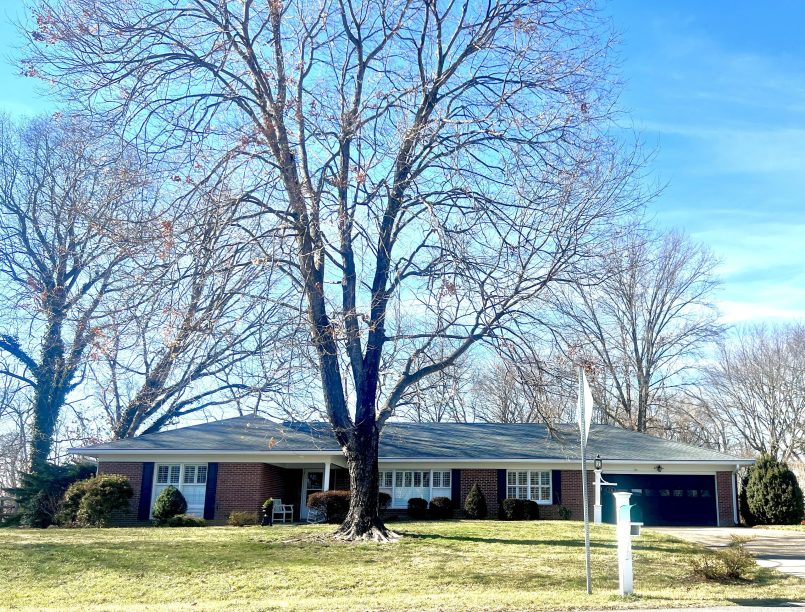
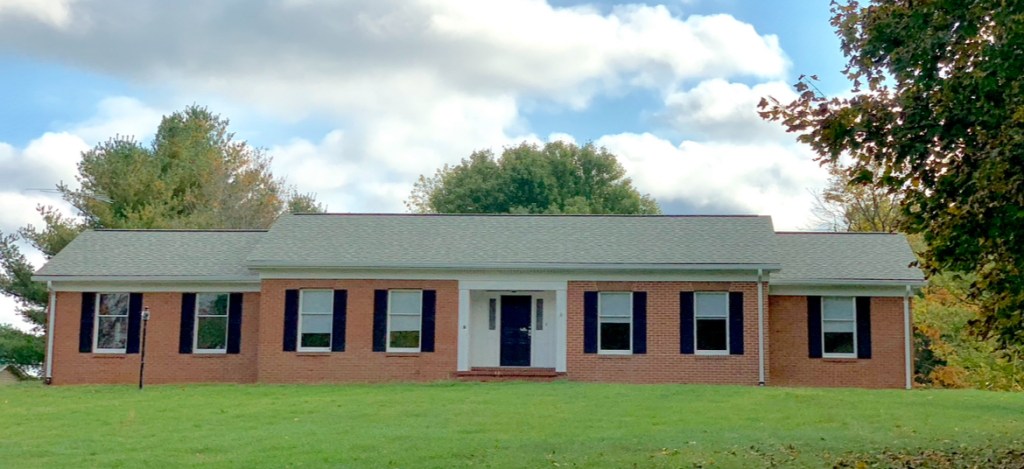
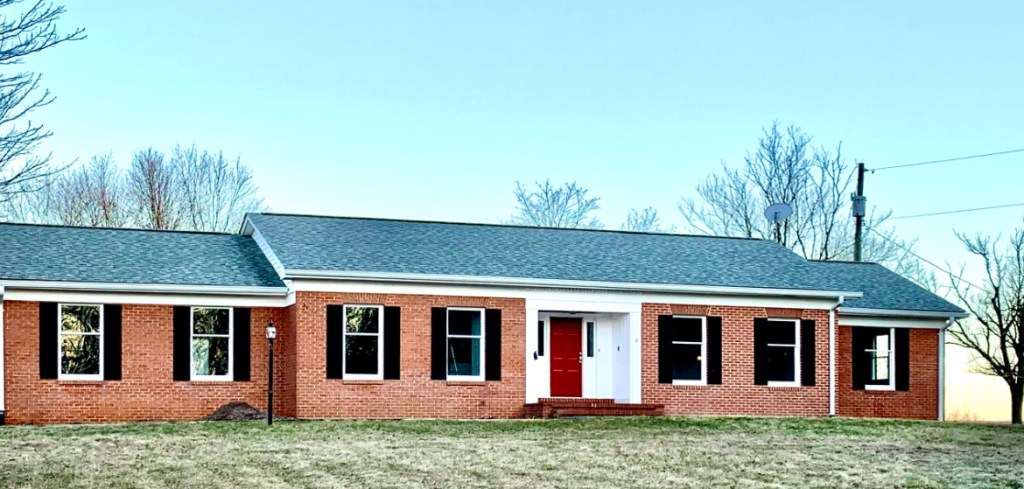
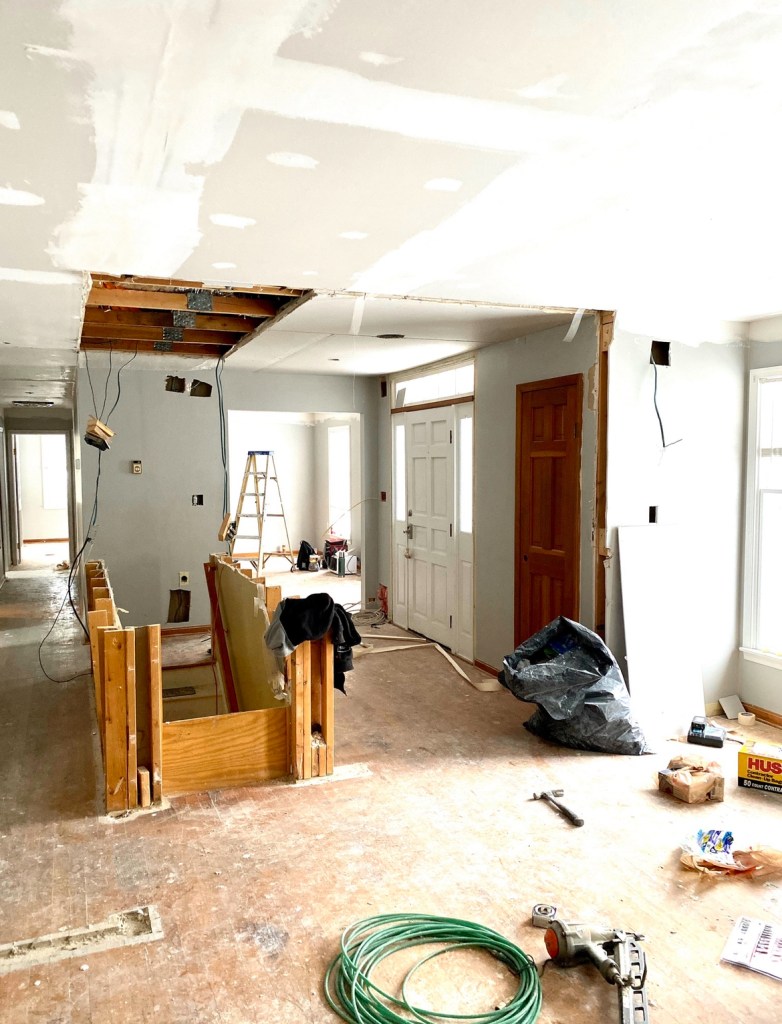
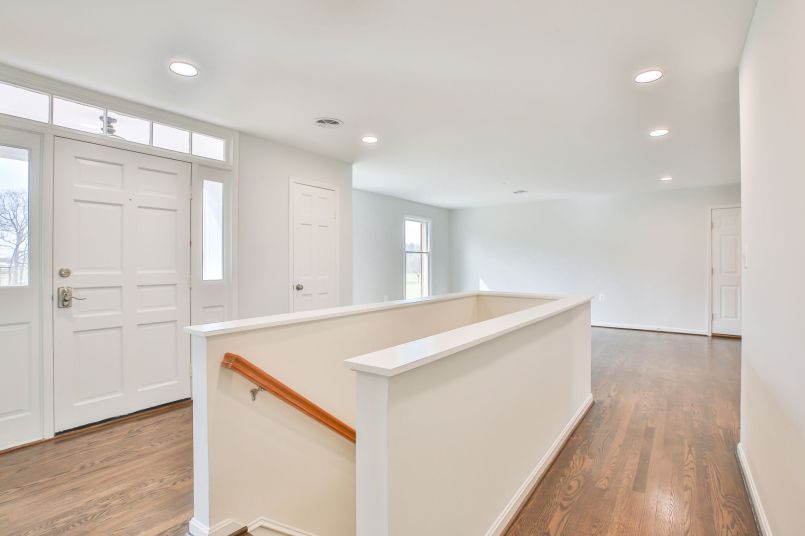
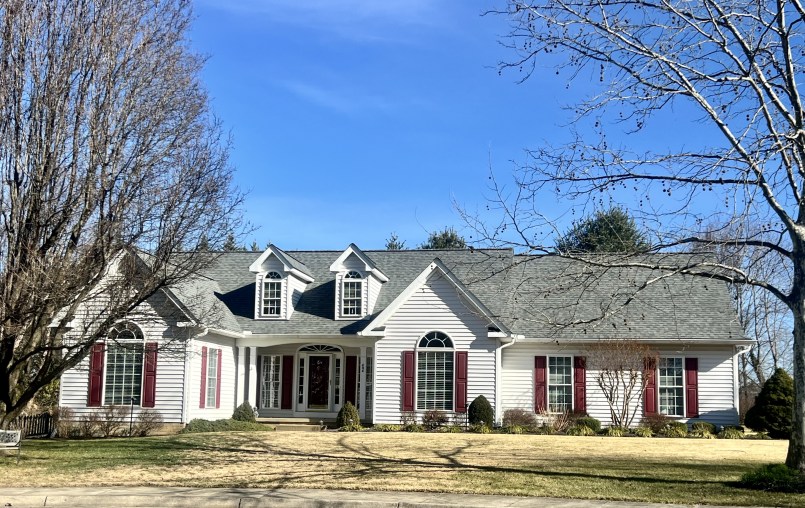
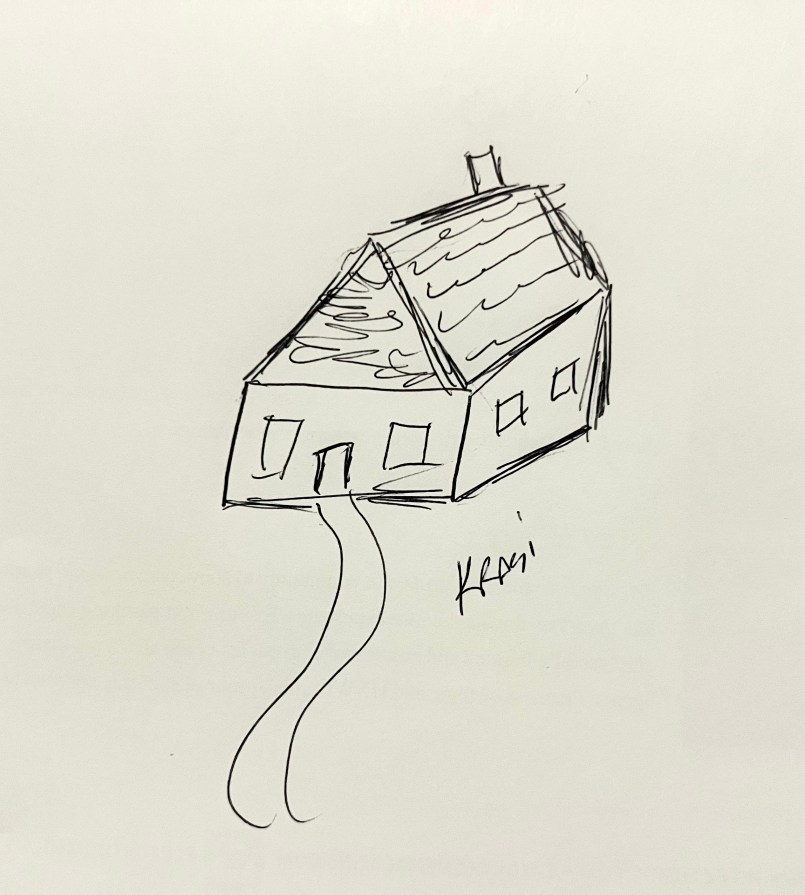
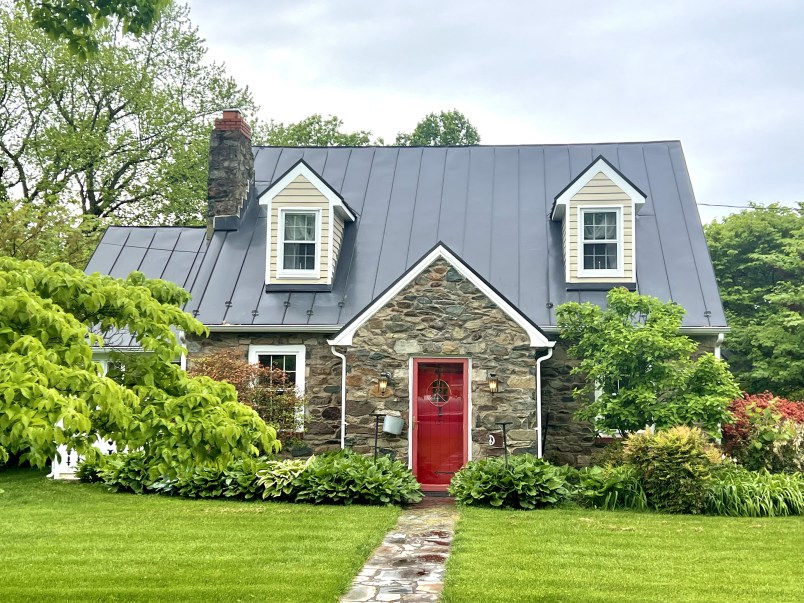
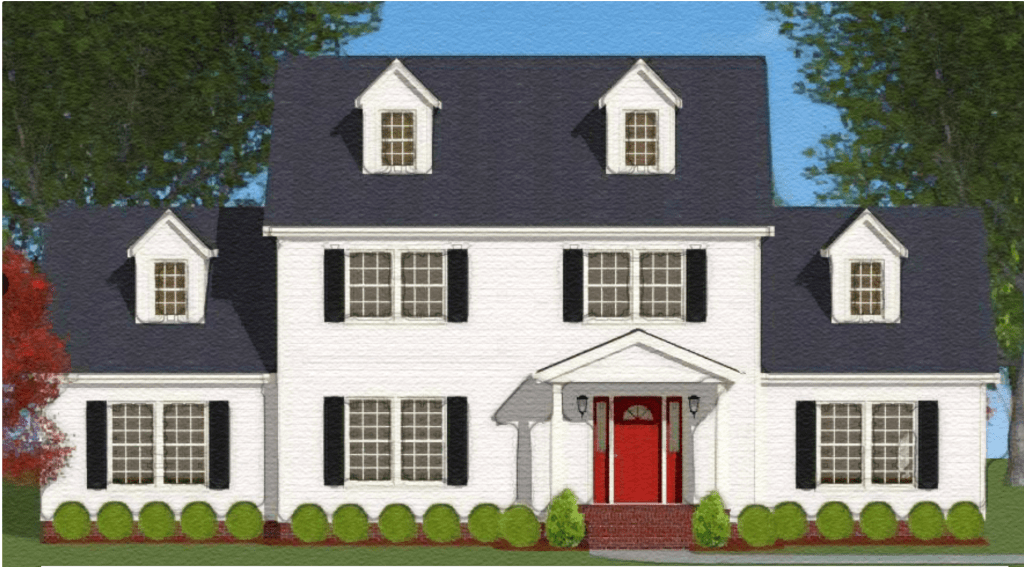
When asked to draw a house, the image that likely comes to mind is a rectangular box with a triangle roof (probably better than mine) — the quintessential Cape Cod style. This simple, no-frills architectural approach has captivated homebuyers for over 300 years and, due to its popularity, has been placed on millions of Monopoly boards.

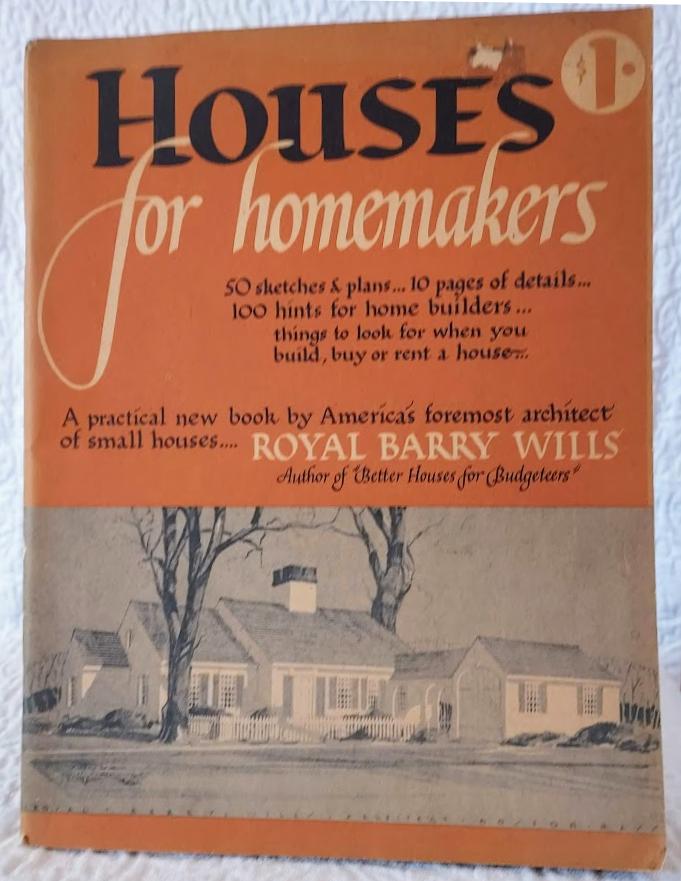
The Cape Cod dates back to the early 18th century when early settlers built modest wood-frame homes along the Massachusetts coastline. With its steep roof, central chimney, symmetrical shape and lack of ornamentation, the style embodied frugal values.

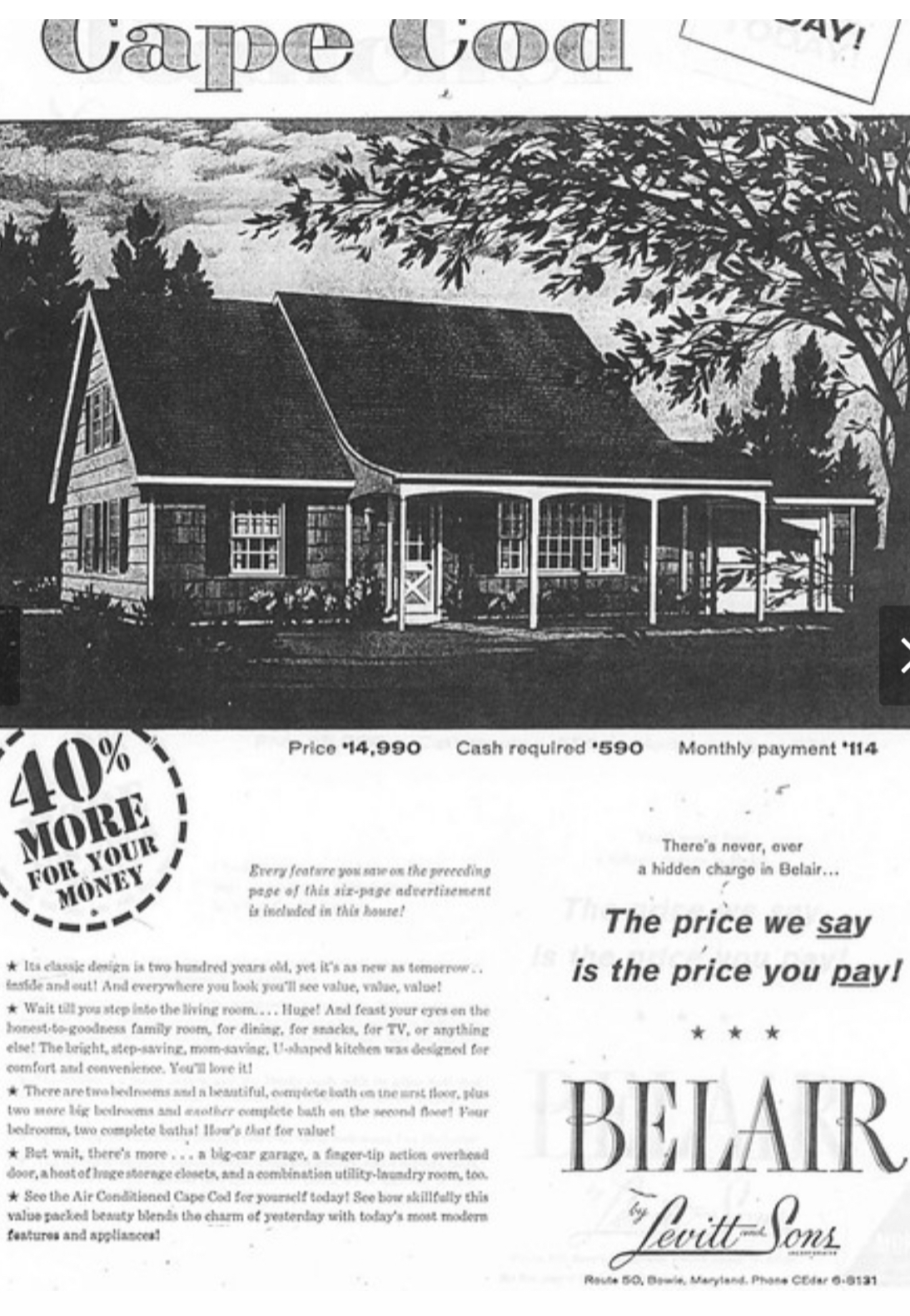
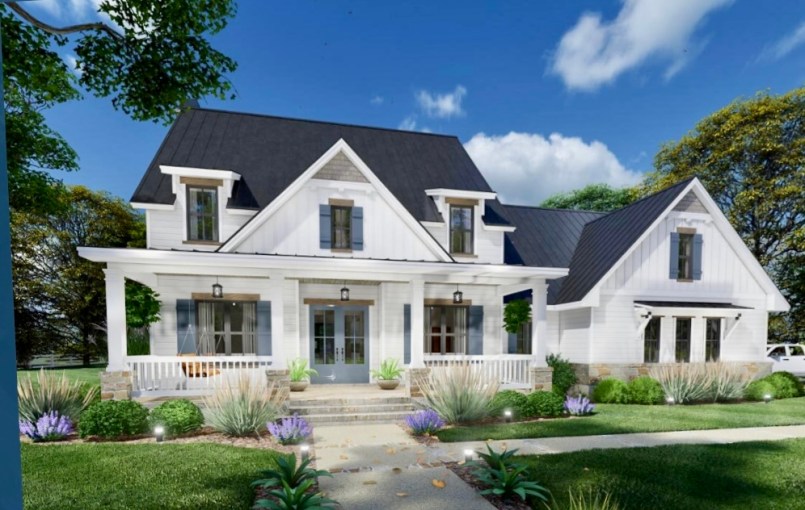
Yet over the centuries, the appeal of the Cape Cod has proven surprisingly enduring. Today’s popular “farmhouse chic” aesthetic traces its roots back to these humble colonial dwellings. The modern suburban tract house owes a debt to visionary developers like Levitt & Sons, who revived the Cape Cod in the postwar period as an affordable option for families.

Today, newly built Capes routinely sell for over $1 million, representing a nearly ten-thousandfold price increase from their mid-20th century counterparts. Even modest Levitt homes regularly sell for half million dollars. It seems that this back-to-basics architecture always finds an eager audience.

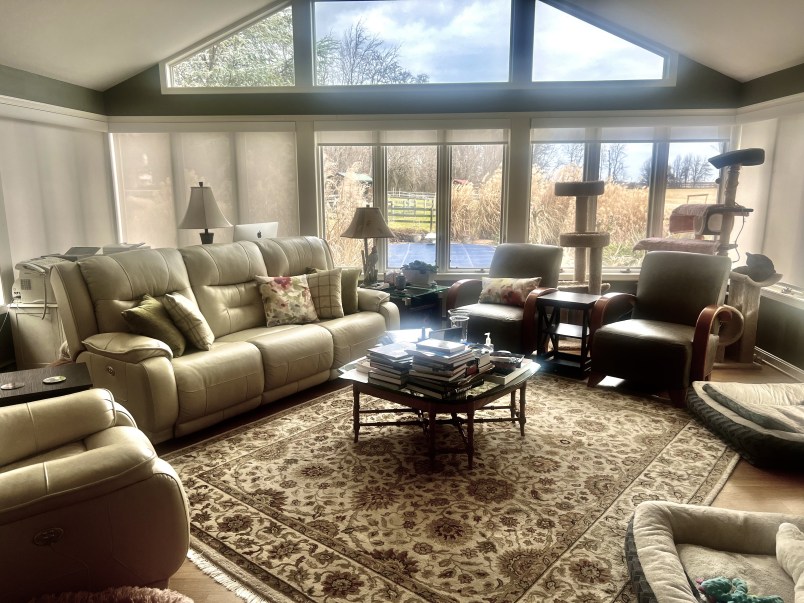
Perhaps the timeless draw of the Cape Cod lies in its efficiency and practicality. With a spacious great room and oversized bedrooms, the layout perfectly suits modern family life. Its classic façade blends seamlessly into both historic and contemporary neighborhoods.

Whatever the reason, the staying power of this architectural  favorite is clear. As we enter a new year, it’s wise to remember that sometimes, simple is best. Whether buying a home or custom building a new one, the tried and true Cape Cod formula continues to deliver – frills are optional.

If you’re looking for the perfect Cape Cod in the DC Metro region, contact Properties on the Potomac at 703-624-8333 today!

“How is the market?”

This is our most frequently asked question. It is understandable given low inventory, rising interest rates, and homes often selling for over list price. Real estate headlines can seem daunting. Headlines notwithstanding, our market is still active. Home values climbed at about 3.5% in the first half of this year as demand continues to outpace supply.

The key to this market is being an educated buyer or seller. Now more than ever, working with the right agent is critical. Selecting a savvy, experienced agent who will give you expert guidance will make all the difference in this competitive market.

Our proven systems help our clients find the right homes and make the best offers. Our success speaks for itself. We leave no details to chance. Our sellers optimize their properties to attract the most qualified buyers who are ready to move quickly.

Today’s most successful real estate agents are taking advance reservations from qualified clients. By planning ahead and partnering with a top agent, buyers and sellers can still achieve their property goals, even in this fast-paced market.

Bottom line: real estate remains an essential need and purchases are happening every day. With the right preparation and guidance, your real estate goals can absolutely become reality. The key to our clients’ success are our well-honed systems.

Do you have real estate plans for 2024? Connect with Properties on the Potomac at 703-624-8333 to start strategizing for your next move!

by Krasi Henkel, Broker, Properties on the Potomac, Inc.

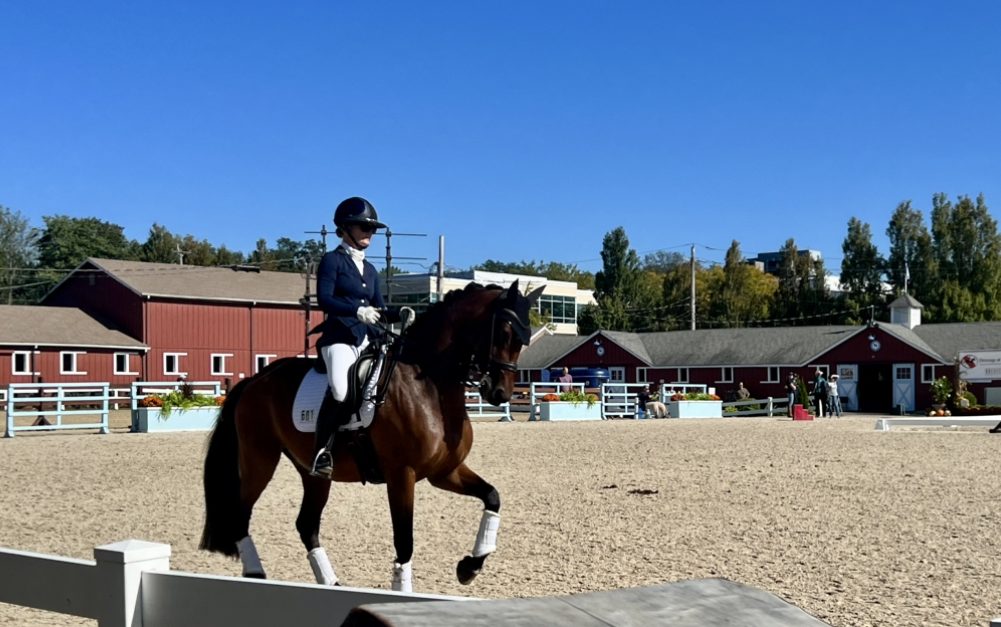
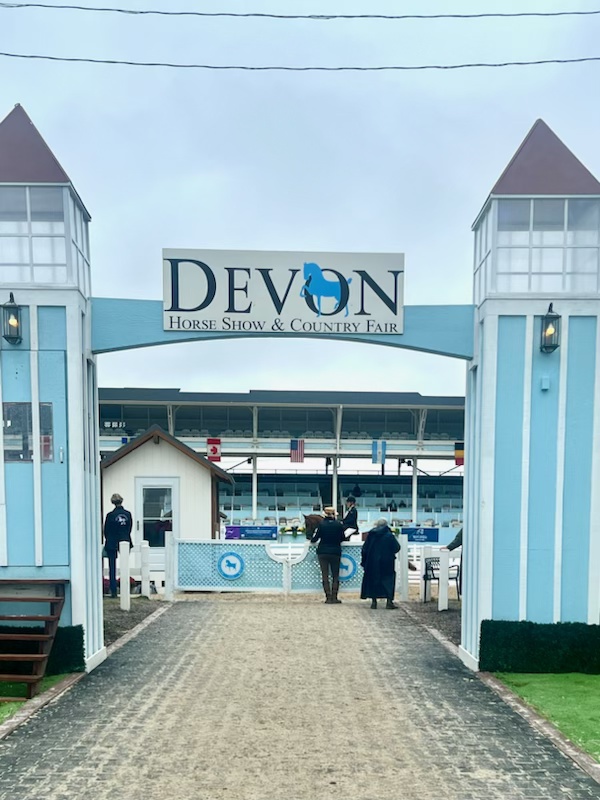
In the horse world, there’s no show quite like Dressage at Devon. The iconic showgrounds just outside Philadelphia draw elite competitors from across the nation and globe. To ride in the Dixon arena at Devon is a lifelong dream for many equestrians.

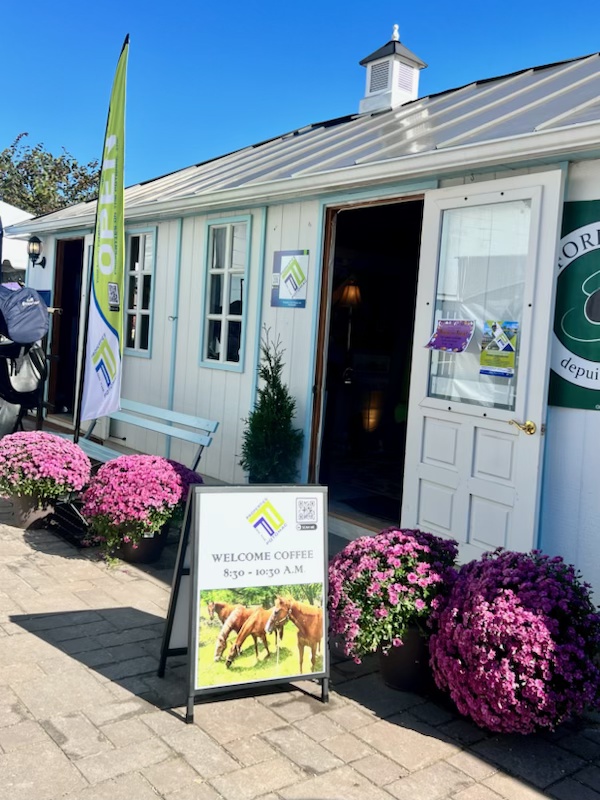
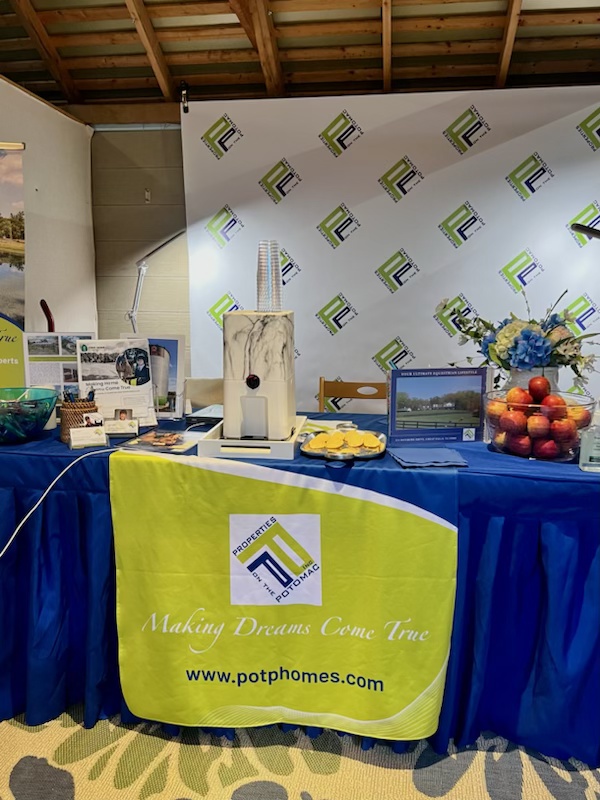
As a Virginia, Maryland, D.C. – based real estate brokerage specializing in estates, land, and horse properties, we were thrilled to secure the last vendor “cottage”  for Dressage at Devon 2023 the last week in September. Having exhibited at weekend expos before, I didn’t initially grasp the magnitude of having a presence for a full week. The concept of a “cottage” also took some getting used to — a simple table and banner would not  represent our commitment to excellence.

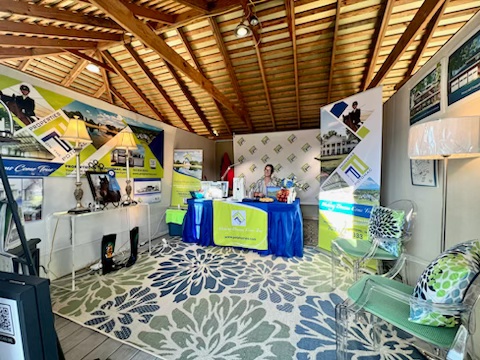
In the three weeks leading up to the show, I devoted extensive preparation to designing and outfitting our cottage. I wanted every detail to align with our mission statement’s promise of “impeccable service.” For Properties on the Potomac, that meant creating a space that exemplified sophistication, expertise, and understanding that home is where the heart is. For horse lovers, the heart is where the horses are!

My cottage design process involved drawing scale models and imagining hosting guests in a warm, welcoming environment. I made copious lists and checked off each logistical task from ordering furnishings to packing the truck strategically to get everything to Devon. That diligent organization gave me peace of mind that nothing would be omitted or left to chance.

The day of departure brought chilly rain, making the drive more challenging, but I arrived ready to set up. A missing screwdriver complicated things, but we adapted with a Phillips head key from a lamp box. After two days of assembling the cottage, it matched my vision without excuses. The electric fireplace I chided myself over bringing created a cozy ambiance on the cold rainy days, drawing admirers in from the cold.

The week that followed was filled with industry connections and new friendships. A number of international vendors provided excellent international contacts for me as a Certified International Property Specialist. Covering for each other’s cottages with our neighboring vendors led to pleasant camaraderie.

Promoting our boutique brokerage at a national show enabled conversations with horse owners from across state lines. I presented a talk on horse farm buying considerations, applying my recently printed book, Finding and Buying a Horse Farm.

If I took away just one thing from Dressage at Devon, it was confirmation that person-to-person interactions build relationships in a way websites can’t replicate. Preparing meticulously and sweating the details paid dividends. While a huge undertaking, exhibiting at Devon was ultimately an amazing opportunity to represent our brand and bring the authenticity of impeccable service to the heart of horse country.

If you’re in the market for an estate, land, or horse property, Properties on the Potomac is the right brokerage for you! Give us a call at 703-624-8333 today!

Why does one house sell in a day and another on the same street stays on the market? The answer is often an intangible “feeling” that one house provides over the other.

That feeling is happiness. Happy houses sell faster even if they are not perfectly staged and pristine. The occupants have decorated their house with joy and incorporated elements that they love. The house feels authentic and welcoming. Unlike formulaic staging, happiness cannot be “staged.” It has to be accumulated over time in layers and often begins on the day the occupants moved in.

Often, homeowners decorate and improve their houses for “resale” value; not necessarily that the improvement pleases them. That is when the authenticity issues rise. Those who design and furnish their homes to their taste, incorporating personal and family treasures and art, remain authentic to themselves and their homes show it.

Whenever my husband and I bought a new house, I decorated for our taste. I boldly painted two walls in a two-story foyer in a gloss “shutter green.” At the time, beige was the color of choice. Every time we entered our foyer, we were thrilled with the color. Neighbors and family expressed concerns that nobody would buy the house with the colors. The reality was that when we decided to sell it, we received two full price offers almost immediately.

Clients often ask me to give them “permission” to improve their homes for resale value even though they may have just moved in. My response is categorically, “Will this improvement make you happy?”

We spend a lot of time in our houses. Our environment must please us and not a prospective buyer. Tastes and trends change quickly so best to design and enjoy the home for yourself and your family.

When the time to sell approaches, that is when condition and design must be evaluated. Below is a list of improvements to make to improve resale value:

  • Replace carpets
  • Declutter
  • Clear closets
  • Clean landscaping and mulch
  • Seal driveway
  • Have windows washed
  • Replace/remove any worn or broken elements
  • Paint, if walls show wear or if paint is dated
  • Make sure that everything works properly
  • Have the house professionally cleaned

Below are some things not to do in preparation for sale:

  • Do not replace appliances
  • Do not change kitchen or bath counter tops
  • Do not remodel bathrooms or kitchen
  • If the basement is not finished, do not finish it for resale

When we meet with potential sellers, we discuss what it will take to get the house sold. We suggest improvements and staging, if any. Our goal is to make your house sell well and quickly.

If you are considering a move, please contact Properties on the Potomac at 703-624-8333 to review your house and design a plan for making it irresistible.

While scam artists have always been around, modern technology has made their work easier and more effective. Readily accessible public records are fodder for them.

Recently, I received a text with the look and feel of an authentic inquiry. The writer inquired about commissions and timing. When I called the writer, he answered the phone. Our dialogue was typical of a potential seller. They responded with an Outlook email address to my request for their email address. The property address and description matched as well as the name given during our conversation.

The potential “seller” knew about the property’s features, details, and general acquisition information. My intuition had an initial twinge when I learned that the caller was out of town and wanted to sell as soon as possible. My scam antennae were on mild alert. I was planning identity verification measures before concluding the initial conversation.

The property in question was a vacant lot of substantial value. Fortunately, I am familiar with the area and the associated lots. My former investigator self was devising plans to verify the veracity of the caller.

Upon my return to my office, I dug deeper into the owner. I discovered phone numbers that did not match the one from which the text was sent. A phone call to the newly discovered phone number confirmed my suspicions. The caller/texter was a scam. The actual property owner confirmed that they had not spoken to me or asked to sell their lot. The owner was naturally upset. Was he being targeted, was someone trying to steal the lot, or was the texter trying to “tunnel” into my computer network?

How can someone other than the actual owner sell a property? There are many ways. One of the easiest ways is a gullible agent. Forged documents, identity theft, an absentee owner, an owner’s death, and many other scenarios can separate a rightful owner from their property.

What can a property owner do to protect the titles to their properties? Here are some ways:

  • If closing on a new purchase, buy owner’s title insurance. However, enhanced title insurance is typically not available for vacant land.
  • Another option is to subscribe to an identity protection service with a title monitoring option.
  • If you own investment property or vacant land, visit your properties, introduce yourself to the neighbors and ask them to alert you to any suspicious activities or strange or repeated visitors, visits or unexpected surveys.

At Properties on the Potomac, Inc., we are implementing new and higher levels of security to safeguard our community from this form of theft. We are educating our agents, working with professionals, and designing stringent security measures. The increased security measures might seem invasive to callers to our office and agents. Please know that we intend to protect property owners’ rights and never be duped to the contrary.

Through our affiliation with the National Association of Realtors, Northern Virginia Association of Realtors, and the Greater Capital Area Association of Realtors, we have available sophisticated resources and research tools with which we can help protect our clients and our community. If you have questions or concerns about real estate scams, call Properties on the Potomac at 703-624-8333.

Loudoun County, Virginia is the wealthiest and fastest growing county in the country. While these statistics may bring to mind McMansions crowding the landscape, those visions couldn’t be farther from the truth. In fact, the western portion of the county is actually very rural, with breathtaking views. The rolling hillsides are dotted with horses grazing, cows, grape vines, and countless fields of hay, corn, and other crops. Loudoun County is known for horses, horse shows, fox hunting, and multidisciplinary horseback riding from children’s lead line to world class show jumping, Olympic level eventing and dressage. With robust real estate demand, Loudoun is where technology and rural pursuits blend.

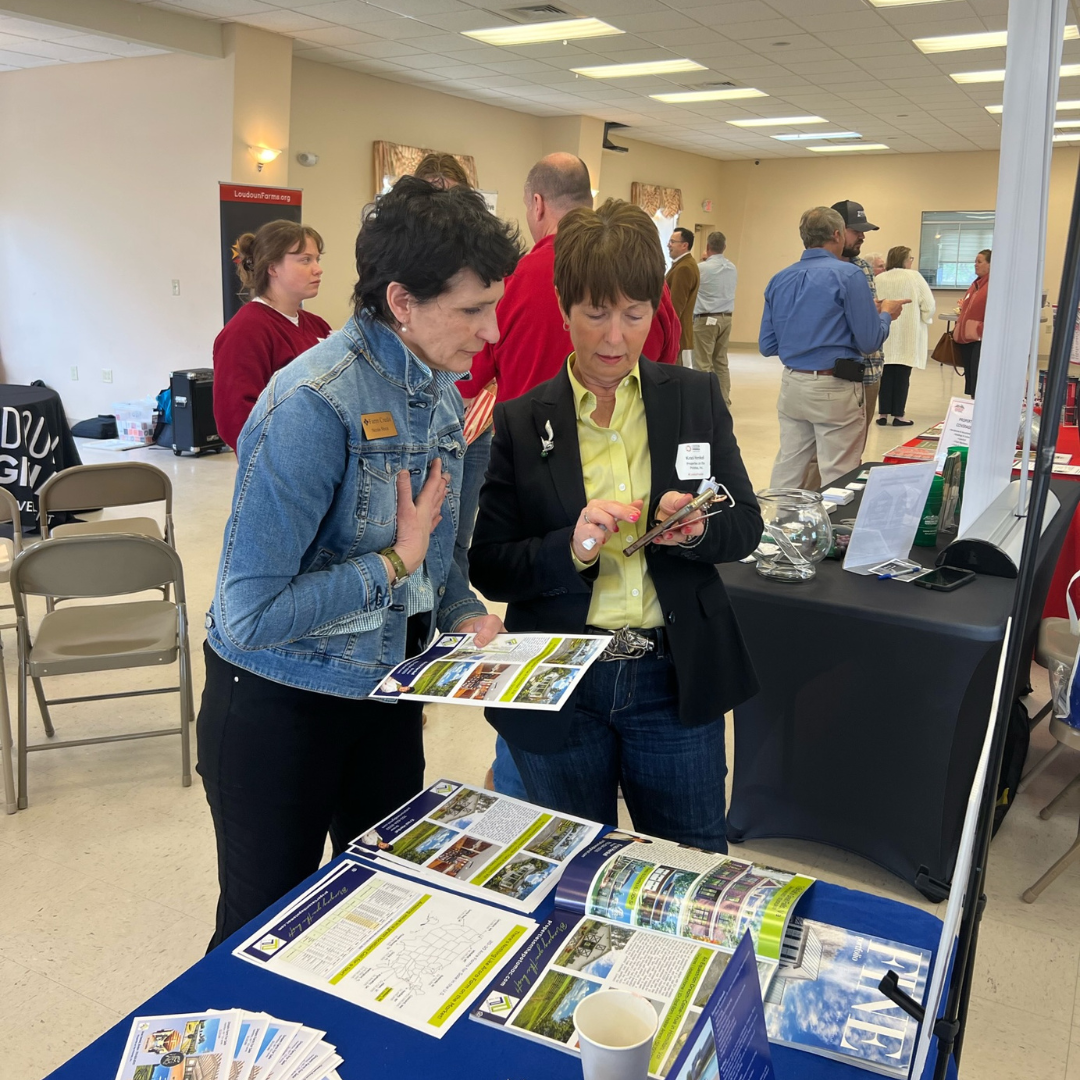
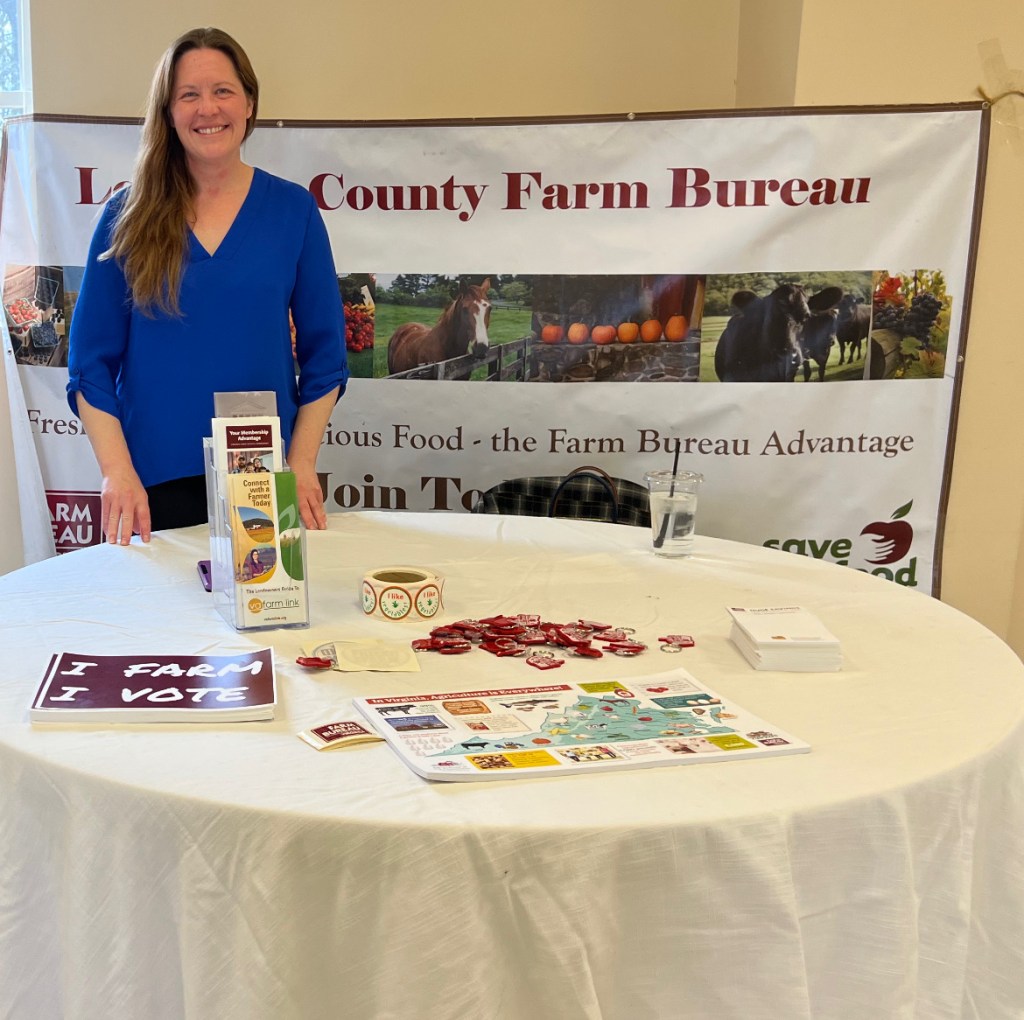
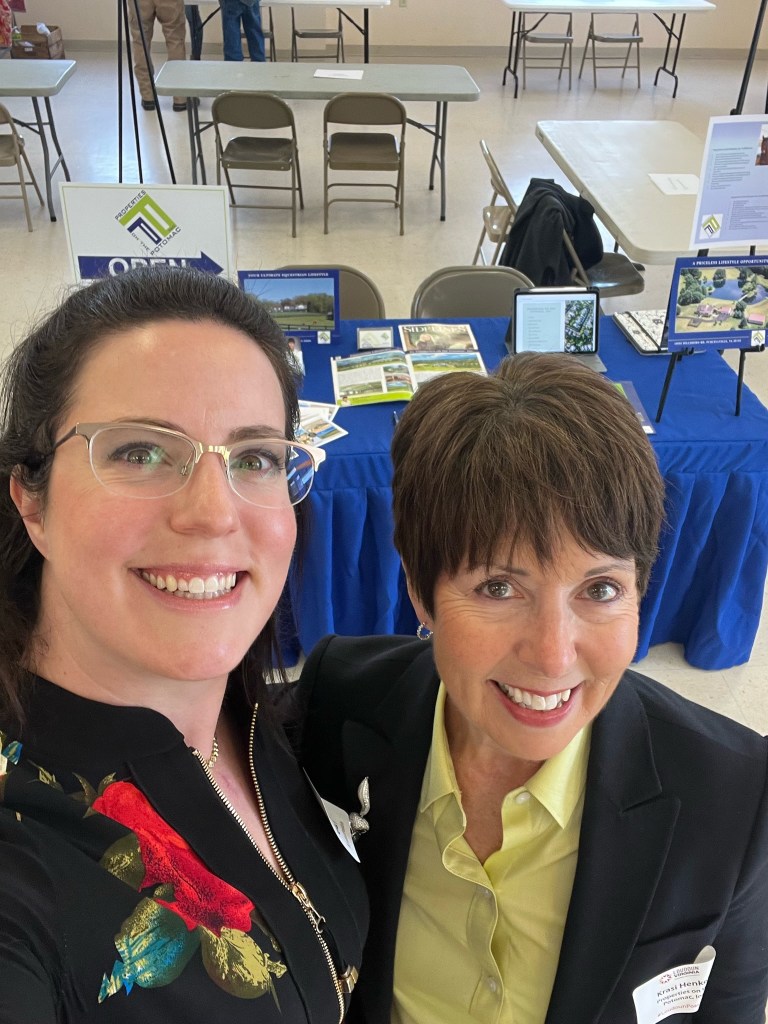
And so it makes sense that the Loudoun County Department of Economic Development recently hosted a Farm Exchange event. As the name suggests, participants discovered, or “exchanged,” resources, suppliers, and service providers related to agribusiness. Those who participated are right here in the community and offer valuable services that can help our clients achieve their agribusiness goals in the upcoming season.

As the only real estate services provider present, we promoted our farm property listings as well as upcoming custom homes. In addition to representing our services, we also forged valuable connections that we can utilize for our clients, including mortgage lenders, barn builders, insurance companies, landscape and tree services, soil and water management, farm equipment sales, rentals, and service, and a number of other businesses that would make any new farm owners’ business and recreation activities more pleasant and efficient.

This was the first such “exchange” and it was well received. Properties on the Potomac was honored to participate, and we look forward to additional events where we can make even more connections for our clients.

Whether you are looking to acquire raw land for development or an existing horse farm, our contacts and recourses can assist with every aspect of land acquisition and development. Contact Properties on the Potomac at 703-624-8333 today!

Pre-fabricated homes come in a variety of prebuilt conditions. You may have heard the terms “modular home” or “panelized home” but what do these really mean? Regardless of the name, the ultimate outcome is that the house arrives in some form of units to be assembled on a lot. The idea often conjures up visions of mobile homes or plain houses without character, but the reality of these homes is very different.

Properties on the Potomac has sold homes that were panelized for millions of dollars. In McLean, Virginia, an entire subdivision was developed with modular homes that now resell for over $1.5 million. From a real estate perspective, modular houses can perform similar to those that were stick built on the lot.

Modular homes come in “modules.” Typically, a module would be 12 feet wide. Therefore, many of the rooms in such houses max out at 12 feet. Modules come complete with hung doors, installed windows, and even with drywall.

Panelized homes come in panels ready to assemble. The panels are typically the lumber part of the construction and streamline construction time. Many contemporary designs rely on panels to create the clean lines and tall walls. Panels do not warp and often come pre-insulated.

Another form of panels are precast cement panels used for basement walls. They are taller and energy efficient.

In the modular systems, the houses provide minimum change opportunities from the plans as presented. The key is to find the right plan. These homes save hundreds of thousands of dollars over custom-built or stick-built.

Some of the benefits of using modular include the following:

  • The structure is built indoors and is not exposed to the elements.
  • Because it is not in the elements, the structures remain clean and free of mold.
  • According to the manufacturers, the joints at connections are stronger and more rigid, thus less susceptible to storm damage and soil shifts;
  • The timing of a project is predictable.
  • Modular homes are less susceptible to supply chain fluctuations.
  • Pricing is very predictable and often fixed at time of order.

Modular house square footage can range from under 1,000 to over 5,000. The cost for the package as listed is typically the cost of the building materials. The price does not reflect the cost of land, land engineering, basements and foundations, and water and sewer taps or well and septic development.

The builders that we recommend can build from scratch or build with modules or panels. They can also add to modules, including garages and porches.

If you have considered a custom home only to be discouraged by the high cost of building, let’s explore modular or panelized systems to determine if that would be a good option. Call Properties on the Potomac at
703-624-8333.

The facts indicate that there is a market shift in progress. Higher interest rates with minimal inventory is spurring some sellers to remain aggressive when pricing their homes for sale. Last year at this time, some listings were selling for as much as 33% over their list prices. However, interest rates were in the low 3% range. In the end, it is about what buyers can afford to pay in a monthly payment.

The active homes (for sale) inventory across our region is at historic lows. The current Washington, D.C. Metro inventory is between a 30-60 day (depending on location) supply based on last week’s contract activities.

My market analysis disclosed that the active to under contract prices show a dramatic price disparity of 15% to 60% (location based) higher than the average prices of the properties that went under contract. Accordingly, the average days on the market for the active properties is also 33-57 days longer (about 66%) than the under contract properties.

In our recently wild market, it was impossible to underprice a property because it would get bid up to above its market value. Therefore, the real estate agent’s role was that of order taker and contract dissector. That condition has now changed. Now, the experienced, knowledgeable agent will analyze the market’s activity, study recent comparable sales, and recommend the best pricing for your property to get is sold as quickly as possible because that is when the optimal price will be received.

Under today’s changing circumstances, we often hear, “If they don’t like our price, they can make us an offer.” The reality is that they will not make an offer and will buy another property that they deem better priced. Buyers do not want to get too creative or too aggressive. They do not want to enter into negotiations that could end badly while losing better opportunities.

In any market, an overpriced property will languish. In fact, not only will the property languish, but it will ultimately sell for below market value. The chart below shows how the initial price affects the sales price. You can see the importance of pricing the property correctly from the outset.

If a property is overpriced by five percent, it is not unusual to have a final sales price of 3%-5% below actual market value. Why give up value on the gamble that a buyer will overpay in today’s market?

In our industry, the saying goes, “The first offer is usually the best offer.” The first offer typically comes in quickly with a good price and strong terms. Missing out on that first offer will diminish the seller’s ultimate return.

How is market value determined? The skilled, experienced, and knowledgeable real estate agent knows their market, their buyers’ expectations, and is well connected with the top agents in the area. Their wealth of knowledge and experience will help you make the correct pricing decision.

The bottom line: properties that are priced in line with buyer affordability are selling quickly. Properties pushing prices beyond market values are staying on the market.

Are prices falling? No. Many homes are being priced incorrectly and need reductions to bring them in line with actual market values.

If you are thinking about selling your property this year, do yourself a favor and call one of our exceptional agents for a market analysis at 703-624-8333. You will know that the price you set on your property will be competitive, thus bringing you the best returns.

By Andrea Justus, Properties on the Potomac Realtor

It’s that time of year: the time to plan your garden and start seeds. Vegetable gardening is easy and fun and the prep starts eight weeks prior to planting time. In Northern Virginia, planting time is generally the weekend of Mother’s Day. Although beautiful Spring days are tempting, I have “early planted” and lost a garden or two due to late season snow and cold snaps. I now am a firm advocate of Mother’s Day planting.   

Seeds can be planted directly into the ground for items like spinach, radishes, beets and herbs, as long as the ground is 50 degrees. For non-leafy vegetables, it’s important to start your plants early to get a jump on the growing season. I start tomatoes, eggplant, okra, cucumbers, squash and pumpkins in early March so that by early May the plants are large and healthy enough to withstand weather and insects and flourish. (For pumpkins, you can also sow the seeds in the ground in June for pumpkins in Fall.) March is also a good time to start flowers like Astilbe, Dahlias, and Croscomia. By starting in March, the flowers will bloom early and throughout summer.

What is the best method for starting seeds? There are many approaches, from dirt in a cup to seed-starting trays with heating pads and overhead lights. I make my own seed-starting blend with a Miracle Grow soil, worm castings, vermiculite and peat moss mixture. The mix is approximately 5 parts soil, two parts worm castings, one part vermiculite and a handful of peat moss. This gives the seeds an airy and nutritious start. You can use seed-starting trays or mini pots available at most gardening stores. Solo cups in trays also work well. I start mine in the basement next to the door so they get natural light. I use solar blankets on the ground and behind the seed table to capture any warmth and sunlight available.

Once the seed starts come up, I transfer them to larger cups and plant them deeper. Sometimes more than one transplant is needed. Water lightly every other day so that the soil is slightly damp, not wet. A gentle hand is critical to transferring the seed starts. Plan on starting more seeds than you need plants so that it’s not a crisis if you break a tender shoot. About 2 weeks before planting, start hardening off the plants by putting them outside. Start with an hour or two and gradually increase the time outside. You can also cover the plants while they are outside with burlap to keep them from being wind and sun burned. Once the plants are hardened, get ready to plant your garden in early May. I like to plant and fertilize with Abernethy and Spencer’s TLC. It gets healthy plants off to a roaring start!

I enjoy gardening and sharing the fruits of my labor with others! If you know me, you know I’m a plant person. Happy Gardening!

Need help figuring out the best landscaping for resale value? Reach out to Properties on the Potomac at
703-624-8333 now!

If you think of the word “cottage,” what do you see?  Do you envision images of warmth, coziness, and flowers climbing on front porches? Or maybe a smaller, less ornate house, and a lifestyle of tranquility and serenity.

A cottage may look different depending on the beholder, but one thing that is certain is that the term describes a category of house and a lifestyle rather than an architectural style.

Historically, the term was used to denote more than charm and tranquility. During the Gilded Age in Newport, Rhode Island, the “Summer Cottages” were anything but today’s typical image of a cottage. There, the opulent and sumptuously appointed summer retreats were built to outshine one another among the wealthy elite during the summer months of vacationing and partying.

Today, the term has evolved to denote a quaint, cozy, charming, smaller house, often in a more rural setting, although cottages can be found in some cities as well. There are thatched-roof cottages in the English countryside, Tudor-style cottages on both sides of the Atlantic, and even fairy tale cottages in, well, fairy tales. Among the more famous cottages is Green Gables of Anne of Green Gables fame.

But the history of the word goes back even further than Gilded Age New England: according to Southern Living writer Maggie Burch, “The term ‘cottage’ and the house style most closely associated with it originated in England during the Middle Ages. Peasant farmers were known as “cotters,” and their modest, rural homes came to be called cottages. Even today, a cottage-style house in the U.K. has the same description it did hundreds of years ago—the homes are simple dwellings meant to fight off the cold, typically with one large living room downstairs and two bedrooms upstairs, under a thatched roof.” The house in the Cotswolds featured in the movie, The Holiday, is the quintessential English cottage.

Today, there are a variety of cottage styles in the U.S.

The “Coastal Cottage” denotes being near the beach. Massachusetts and Connecticut have a great many of these charming homes. The architectural term “Cape Cod” is a cottage style associated with Cape Cod, Martha’s Vineyard, and Nantucket. The clapboard siding, the red brick chimneys, their meandering walkways, and charming flower-covered fences evoke a longing for innocence.

The “English Cottage,” with its thatched roof and overgrown gardens and open spaces, will be found in the English countryside. (Designing an overgrown garden in many newer communities in our areas could invoke the wrath of homeowners’ associations.)

“Creole Cottages” have evolved from New Orleans and the “Low Country.” They are often narrow, have front porches, and covered outdoor living areas. They are light and breezy: picture white gauze curtains billowing in the breeze.

A “bungalow” can be a cottage. Its defining features are a sloping roof, dormer windows, and an overhanging porch. This style of house can be found throughout the U.S., from Craftsman post-and-beam construction to brick bungalows with horizontal dormers found in the Chicago area.

What are the key elements of the cottage? Outside, they will have natural building material – callboard and/or wood shingles all set amid casual and lush landscapes. The interior elements of the cottage will feature lush textiles, pillows, rugs, curtains, blankets, and comfortable furniture. Fireplaces, nooks, and cozy kitchens are hallmarks of the style.

In our local real estate market, many homeowners love the cottage style. Although recent trends have been minimalistic in shades of gray; cottage-style homes with their cozy elements have resold quickly –  many over list price. Cottage style tugs at the heartstrings, offering the dream of intimate and quiet family times.

In search of your diamond-in-the-rough cottage? Contact Properties on the Potomac at 703-624-8333 today!