Gone are the days when dining rooms sat empty 360 days a year, waiting for Thanksgiving dinner. Today’s buyers want spaces that work as hard as they do—and the dining room has completely reinvented itself as the multi-purpose hub of the home.


What’s In: The Multi-Tasking Dining Room

Conference Room by Day, Dinner Party by Night
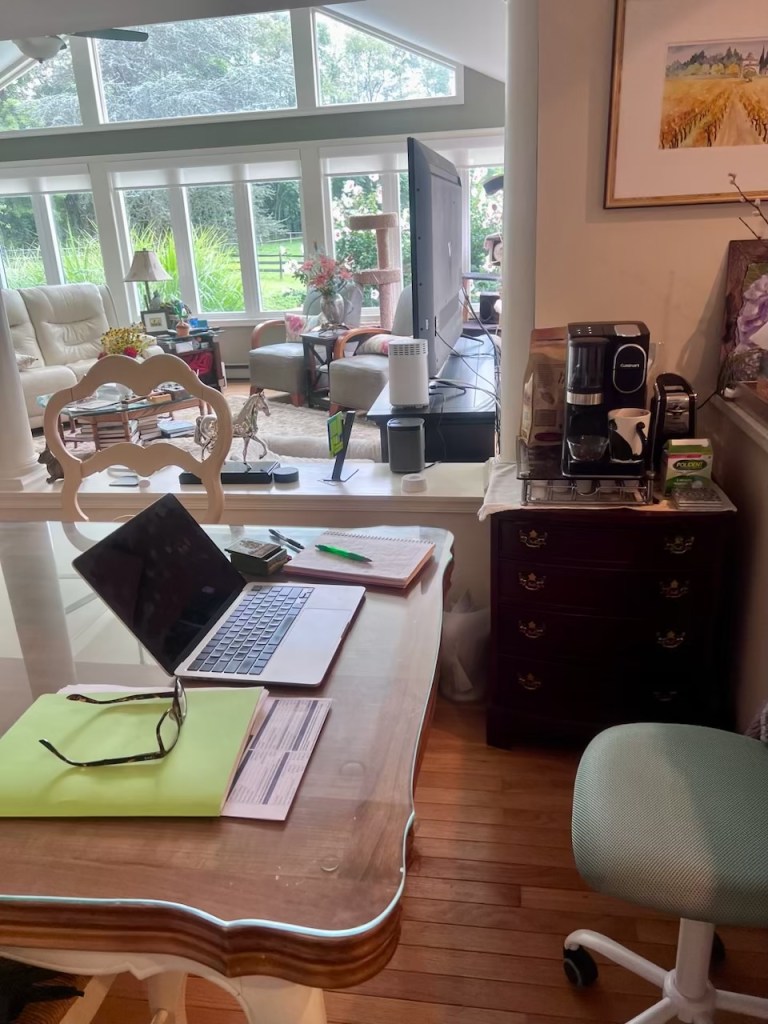
Modern dining rooms serve triple duty as home offices, meeting spaces, and entertainment centers. The same table that hosts your morning video calls transforms into homework central for the kids, then becomes the stage for weekend dinner parties. Buyers are not just looking for a place to eat. They want a command center that adapts to their lifestyle.

Casual Elegance Over Formal Stiffness
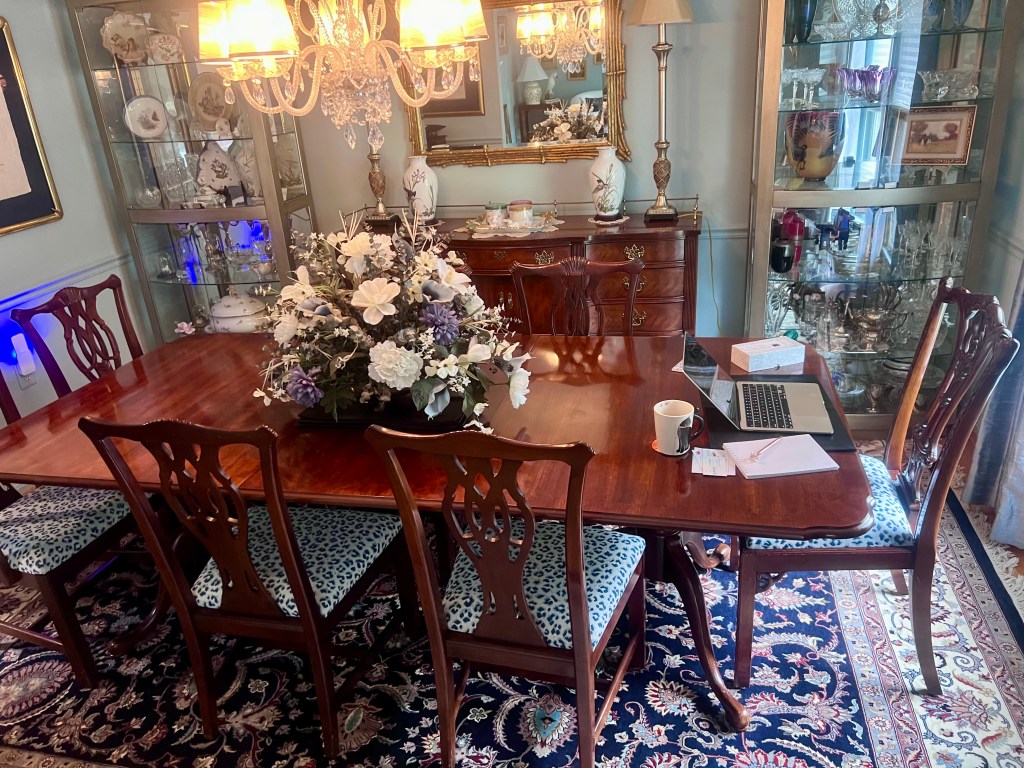
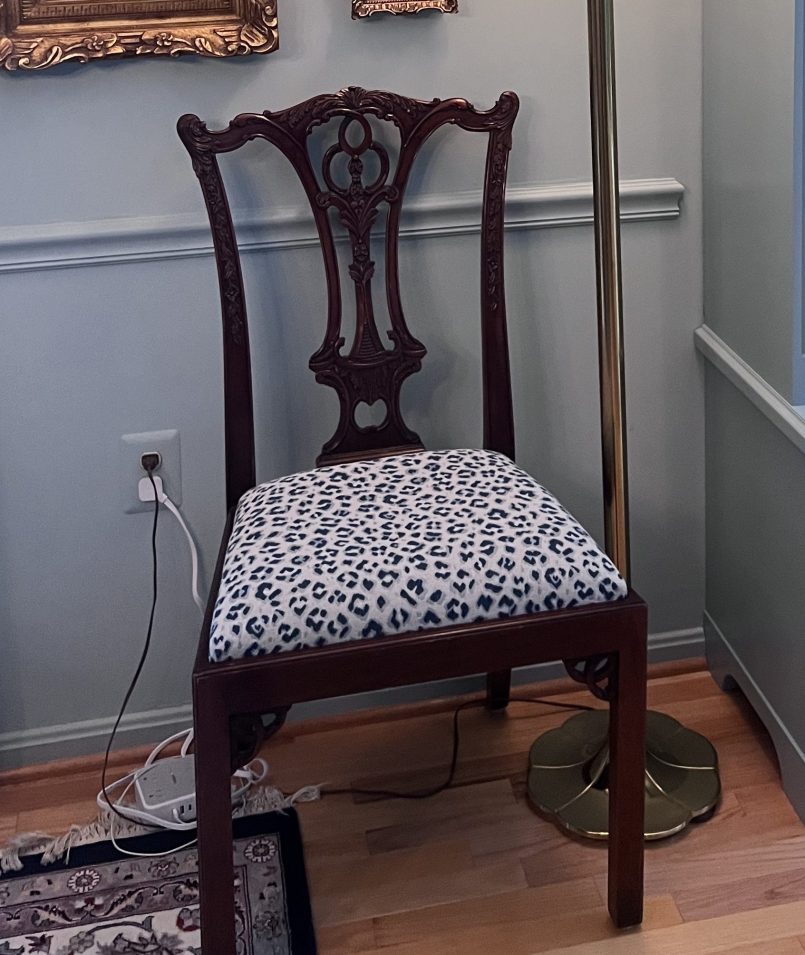
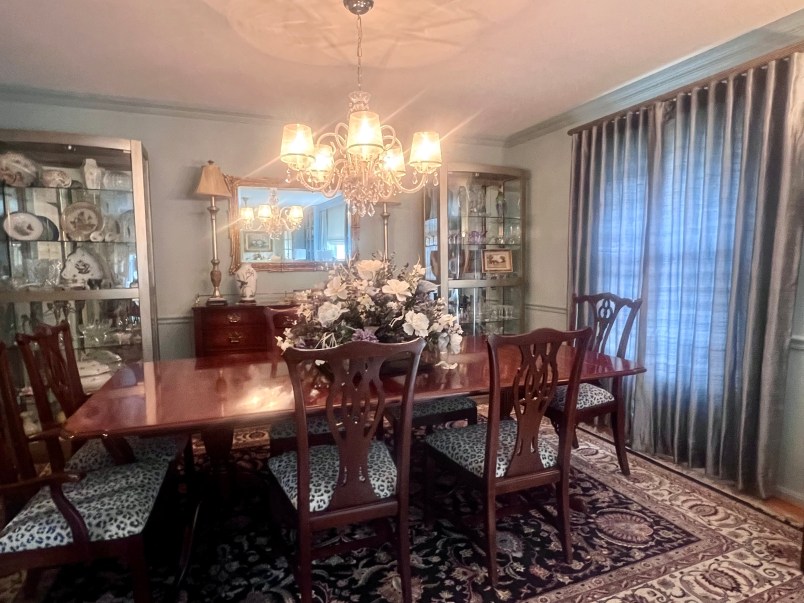
The new dining room aesthetic blends sophistication with comfort. Think mahogany tables paired with leopard print chairs, or rustic farmhouse tables dressed up with crystal chandeliers. This approachable luxury means spaces feel “put together” without being precious or untouchable. Guests can relax while still feeling like they are somewhere special.

Storage That Works
Built-in cabinets, banquettes with hidden storage, and multi-functional furniture pieces make every square foot count. These are not just display cases—they store everything from office supplies to board games to extra linens. Smart storage keeps the space flexible and clutter-free.

Kitchen Connection
The most successful dining spaces create seamless flow with the kitchen. Whether it is an open concept layout or pass-throughs, the goal is integration, not separation. Quartz countertops become natural staging areas for buffets, while islands provide casual seating for overflow guests or quick morning coffee.

What’s Out: The Single-Purpose Shrine

The Unused Formal Room
Buyers are rejecting dining rooms that only see action during holidays. Spaces that feel like furniture showrooms—complete with matching sets that nobody dares use—are unappealing. If a room does not earn its square footage, it is wasted space in today’s market.

Disconnected Layouts
Dining rooms that feel like isolated islands, cut off from the kitchen and family life, no longer appeal to buyers. People want to stay connected while cooking, not disappear into a separate room while guests sit in silence.

Inflexible Furniture
Fixed seating arrangements and furniture that cannot adapt to different group sizes or activities are increasingly problematic. Buyers want options: intimate dinners for four, homework sessions for multiple kids, or extended celebrations for twelve.

Why Dining Rooms Still Matter

Dining rooms remain crucial selling points.


The Experience Factor
Despite predictions of their demise, dining rooms remain crucial selling points—but only when they demonstrate real value. The magic happens when buyers can envision their own families creating memories: kids doing art projects while parents prep dinner nearby, multi-generational gatherings flowing naturally between kitchen and table, or friends lingering over conversation long after the meal ends.

Home Value and Market Appeal
Buyers recognize that flexible dining spaces increase a home’s entertaining capacity without requiring formal hosting skills. A dining room that can extend from intimate meals to large gatherings shows the home can handle life’s important moments. It is not about the size of the space—it is about its adaptability.

The Modern Family Hub
Today’s dining rooms function as the new family room. They are where homework gets done under good lighting, where teenagers can spread out group projects, where parents conduct business calls at a proper table, and where everyone still gathers for the meals that matter. The most successful spaces support both planned activities and spontaneous moments.

Making It Work: The Real-Life Test


The best dining rooms pass the “real life” test. Can you carve watermelons for a family project? Host a conference call with professional lighting? Set up a kids’ craft station that will not stress you out? Transform from casual Tuesday dinner to elegant Saturday entertaining without major furniture rearrangement?

Watch what happens when spaces truly work: people naturally gravitate toward them. Teenagers willingly join conversations instead of disappearing to their rooms. Adults linger in the kitchen while dinner preparations happen around them. Multi-generational gatherings flow effortlessly between formal dining and casual kitchen areas without anyone feeling out of place.

When dining spaces can seamlessly shift from business meeting to birthday party to homework session, they prove their worth. These rooms create value not just in dollars per square foot, but in quality of life for the families who live there.

The Bottom Line for Buyers and Sellers

For buyers: Look for dining spaces that spark your imagination. Can you picture your daily routines happening here? Does the flow between kitchen and dining feel natural? Is there enough flexibility to grow with your family’s changing needs?

For sellers: Stage your dining room in action, not as a museum piece. Show a laptop open for work, some books for homework help, or a partially set table that says, “dinner’s almost ready.” Help buyers envision the experiences, not just the furniture.

The dining room that survives and thrives in today’s market is not about formality—it is about functionality with style. It is the space where life happens, just dressed up enough to make every day feel a little more special.

Looking for your perfect dining room space? Contact Properties on the Potomac today!

Banner image: Leadership and mentorship discussion, Diana Bell-McKoy

As a real estate professional constantly seeking to expand my horizons and connections, I recently had the privilege of attending the French-American Chamber of Commerce Business Summit on May 1st at the Embassy of France. This gathering proved to be far more than a typical networking event. It was a vibrant celebration of cross-cultural collaboration and innovation right here, in the DC Metro area.

A Feast for Mind and Palate
The Embassy of France provided an elegant backdrop for this meeting of minds, and true to French tradition, the culinary offerings were nothing short of spectacular. From the carefully curated breakfast pastries to the sumptuous lunch spread, the attention to detail reflected the French commitment to excellence that permeated the entire summit. And of course, French Champagne.

While the food nourished the body, it was the intellectual exchange that fed the soul. Speakers from diverse sectors shared cutting-edge technological developments, innovative marketing approaches, mentorship programs, and even artistic perspectives that bridge our two cultures. The breadth of knowledge on display was both impressive and humbling.

Tomorrow’s Leaders Today
Among the most inspiring aspects of the summit was meeting several French interns currently working at the Embassy. Their enthusiasm, professionalism, and global perspective were remarkable. These young professionals embodied the future of international relations. They were fluent not just in multiple languages but in the nuanced art of cross-cultural communication.

Their presence reminded me that in real estate, we’re not just selling properties; we’re facilitating lives in new communities. Whether helping expatriates find their American home or assisting locals looking to embrace new cultural experiences, understanding diverse perspectives enriches our ability to serve clients meaningfully.

Tech discussions with Alain Briancon, PhD – Senior Technology Executive, Arch System

Technology and Humanity: Finding the Balance
A recurring theme throughout the presentations was the role of technology in modern business. Speakers showcased impressive advances in various fields—from golf lawn mowing robots to marketing strategies and Woman-on-Woman mentorship, there were limitless applications for real estate.

The most profound takeaway came not from discussions of technology but from experiencing its limitations. Despite all our digital connections—emails, texts, social platforms, and virtual meetings that fill our days, nothing replaces the energy of face-to-face conversation. As attendees exchanged ideas over coffee or shared business cards after presentations, it became abundantly clear: human connection remains the foundation of meaningful business relationships.

Bringing It Home to Properties on the Potomac
At Properties on the Potomac, we value the human element of real estate. The insights gained from this summit reinforce our commitment to combining technological efficiency with personal connection. In our communities, where history and innovation flow together like the waters of the Potomac, this balanced approach resonates deeply.

The French-American Chamber of Commerce exemplifies how different perspectives can create something greater than the sum of their parts. Similarly, in real estate, bringing together diverse clients, properties, and communities creates value that transcends transaction.

Leadership discussion: Laurant Tari

As I reflect on the day’s experiences, I’m reminded that bridges, whether between cultures, businesses, or people seeking new homes, are not built with technology alone. They require understanding, patience, and genuine human interest. In our increasingly digital world, these qualities may well be the most valuable currency of all.

The summit may have ended, but its impact continues. As a Certified International Property Specialist, I look forward to incorporating these cross-cultural insights into our work at Properties on the Potomac, Inc., where each client’s story adds another chapter to our community’s rich narrative.

In keeping with the international theme of the day, I had the pleasure of dining with a client who is Bulgarian. After a day of hearing French and partially conversing in it, I switched to Bulgarian and ended the day on a note of optimistic plans for my client. In spite of being up since 5 AM, I was still energized when I walked through my door after 10 PM.

Nestled among the wooded hills of Bethesda, Maryland lies a remarkable architectural treasure that many drive past without recognizing its significance. Carderock Springs, a planned community established in 1962, stands as one of the region’s finest examples of Situated Modernism—where architecture and nature exist in thoughtful conversation.


Developer Edmund Bennett brought his revolutionary vision to life by collaborating with the leading modernist architects of the Capital area, Keyes, Lethbridge, and Condon. What makes Carderock truly special is how each home responds to its specific landscape.

Unlike the cookie-cutter developments of the era, Carderock’s designers let the natural contours of the land dictate which model would be built on each half-acre lot. This approach created a neighborhood where homes appear to grow organically from their surroundings, with clean horizontal lines that echo the woodland setting.

Interestingly, when these homes were first marketed, the term “Mid-Century Modern” didn’t even exist. Instead, brochures highlighted features like “cathedral ceilings,” “indoor/outdoor” living spaces, and “the latest materials”—never once using the word “modern” that collectors now prize these homes for.


The Clubview model, with its dramatic open interiors flooded with natural light, exemplifies the community’s commitment to bringing the outdoors in through thoughtful design. Large windows frame the surrounding trees, creating living spaces that change with the seasons.

Today, Carderock Springs stands as more than just a neighborhood—it’s a living museum of architectural principles that feel remarkably current. As we rediscover the value of harmonious relationships between built environments and natural landscapes, this hidden modernist gem offers timeless lessons in sustainable, contextual design.

Are you looking for your own modernist gem? Give Properties on the Potomac a call at 703-624-8333 today!
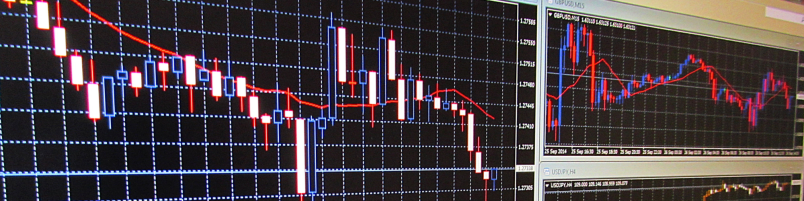
As cherry blossoms grace our beautiful capital, the DC Metro real estate market is experiencing subtle yet important shifts. At Properties on the Potomac, we’ve carefully analyzed current trends to provide you with a comprehensive outlook for the next six months, helping you navigate this evolving landscape with confidence.

Understanding the Market Adjustment


The Washington DC Metro area has always demonstrated remarkable resilience during economic fluctuations, largely due to our unique relationship with the federal government. Recent developments in the stock market, trade policies, and federal workforce adjustments are now creating noticeable ripples across our real estate landscape.

Rest assured—this is not a repeat of 2008. What we’re experiencing is a market recalibration rather than a crash. Most property segments will see modest corrections rather than steep declines, with transaction volume likely decreasing by 10-15% compared to previous years.

Federal Employment Impact


Recent federal workforce adjustments have introduced some uncertainty into our market. However, historically, DC’s government employment tends to stabilize more quickly than private sector jobs during economic shifts.

What’s particularly notable is the neighborhood-specific impact we’re observing. Areas closely tied to certain agencies may experience localized effects, while contractors and supporting businesses might face more significant adjustments than direct federal employees.

Interest Rate Outlook


For prospective buyers hoping for interest rate relief, we recommend maintaining realistic expectations. The Federal Reserve appears committed to its current positions given ongoing inflation concerns, suggesting mortgage rates will likely remain at current levels throughout 2025.

This interest rate environment continues to limit refinancing opportunities while presenting challenges for first-time buyers. Rather than waiting for potential rate drops, we encourage clients to focus on finding value in today’s market conditions.

Inventory Considerations


Despite economic headwinds, housing inventory levels remain historically low throughout the region. New construction continues to face supply chain and labor challenges, though we anticipate a modest inventory increase as some federal workforce shifts occur.

This slight inventory expansion won’t be sufficient to create a strong buyer’s market, but it does present negotiation opportunities that were simply unavailable during the competitive pandemic market.

Market Segment Analysis


Luxury Properties ($1M+)
This segment faces the strongest headwinds, with 5-8% price adjustments expected. Properties remaining on the market for 60+ days are becoming more common. However, this creates a genuine opportunity window for financially secure buyers who have been waiting for more leverage.

Mid-Market Properties ($600K-$1M)
This segment demonstrates remarkable resilience. Expect price stability with only minor adjustments (1-3%). Properties in premium locations maintain their value better than those in peripheral areas, reinforcing the timeless principle that location remains paramount during uncertain periods.

Entry-Level Homes (Under $600K)
Strong demand persists in this segment, though affordability challenges are increasingly evident. While competitive bidding has cooled, well-priced properties continue to move quickly. We’re also noting renewed investor interest as rental demand remains robust throughout the region.

Geographic Insights


District of Columbia
Historic neighborhoods like Georgetown and Capitol Hill continue showing remarkable stability, while emerging areas demonstrate greater price sensitivity. The condominium market is adjusting more quickly than single-family homes, potentially creating opportunities for long-term investors.

Maryland Suburbs
Montgomery County maintains its reputation for stability, while Prince George’s County attracts increased interest driven by relative affordability. Areas with convenient public transit consistently outperform car-dependent neighborhoods.

Northern Virginia
The ongoing Amazon HQ2 effect provides a welcome balance to federal contractions. Arlington and Alexandria maintain strong market positions, while technology corridor growth continues attracting professionals despite broader economic uncertainty.

Strategic Recommendations


For Sellers
– Price realistically based on current conditions, not past market peaks
– Invest in proper preparation and staging—presentation is increasingly important
– Prepare for potentially longer marketing periods
– Consider timing relative to federal policy announcements

For Buyers
– Recognize the emerging window for negotiation leverage
– Focus on long-term neighborhood fundamentals rather than short-term discounts
– Secure financing pre-approvals early in your search process
– Consider properties with “good bones” that may need updates

For Investors
– The rental market remains strong as home purchasing power adjusts
– Focus on properties near stable employment centers
– Be selective with renovation projects given ongoing supply chain considerations
– Plan for longer-term investments (5+ years) for optimal returns

Our Perspective
The Washington DC Metro real estate market is experiencing an adjustment period rather than a crisis. Our region’s fundamental economic strengths remain intact despite short-term challenges. The coming months will reward strategic buyers and sellers who understand neighborhood-specific dynamics and maintain a long-term perspective.

Have questions about how these trends might affect your specific property or search? Contact Properties on the Potomac at 703-624-8333 for a personalized consultation tailored to your unique situation.

Nestled in Virginia’s northwest corner, Western Loudoun County represents one of the region’s most distinctive real estate markets. Properties here offer a captivating blend of agricultural heritage and contemporary country living, with investment opportunities ranging from historic estates to luxury new construction. Rolling hills dotted with stone fences frame breathtaking Blue Ridge Mountain vistas, creating premium viewsheds that significantly enhance property values.


The region’s thriving agribusiness sector supports strong agricultural property demand, from century-old family farms to boutique agricultural ventures. Over 45 award-winning wineries have established Western Loudoun as Virginia’s wine country epicenter, driving specialized vineyard property values. The robust equestrian market features everything from modest hobby farms to world-class training facilities, with proximity to riding trails and hunt country commanding premium pricing.

Western Loudoun proudly preserves its rich foxhunting tradition through prestigious hunt clubs like Loudoun Hunt and Middleburg Hunt. Properties within established hunt territories often enjoy enhanced market appeal and stronger value retention, particularly among equestrian buyers.


Families invest here for top-rated public schools and prestigious private academies. The real estate market benefits from exceptional recreational amenities, charming historic towns, and proximity to Washington DC, creating a perfect balance of rural tranquility and metropolitan access that continues to attract discerning buyers seeking authentic country living without compromise.

If you are considering quality of life and a upscale rural lifestyle, contact our broker, long-term resident, and equestrienne, Krasi Henkel at 703-624-8333, to discuss your goals and options.

Navigating Uncertainty: Real Estate at a Crossroads
Never has the real estate landscape been so contradictory – simultaneously showing signs of strength and vulnerability. Are we facing a boom, a bubble, or an impending bust?

Properties on the Potomac’s Krasi Henkel has accurately predicted the last three real estate cycles from downturns to upswings. Her proven foresight is more valuable than ever in today’s complex market.

While technology floods us with information at unprecedented speeds, we mustn’t forget the human element of real estate – these are decisions about your most significant asset and potentially your largest liability.

Are We Heading for Another 2008?
The question on everyone’s mind: Are we reliving 2007, with 2026 poised to mirror the 2008 collapse? Perhaps – but today’s landscape features critical differences:

  • Severe Housing Shortage: Virginia alone faces a deficit of 300,000-500,000 units
  • Historic Low Affordability: Homeownership remains out of reach for many
  • Improved Interest Rates: Creating new opportunities for strategic buyers
  • Record-High Prices: Pushing market elasticity to its limits
  • Building Market Pressure: Indicators point toward an inevitable correction

Make Decisions with Expertise, Not Algorithms
Should you buy now? Is it time to sell? These questions demand more than automated valuation models and trending hashtags.

With firsthand experience navigating multiple real estate cycles, Krasi has developed a proprietary system to help Properties on the Potomac clients evaluate their options and craft intelligent, personalized strategies.

The bottom line: Don’t trust algorithms alone with your financial future. At Properties on the Potomac, Inc., our agents bring sophisticated understanding of real estate economics, finance, and equity evaluation to every client relationship.

Our singular mission is protecting our clients’ best interests during these uncertain times. For 2025, we have limited availability to welcome new clients. Don’t miss your window to explore your options with true market experts.

Contact us today to secure your consultation!

The rise of iBuyer or “instant cash offer” programs has introduced a new way for homeowners to sell their properties quickly. These companies, backed by deep-pocketed investors, purchase homes directly from sellers, often closing transactions in just days. Unlike traditional homebuyers looking for a place to live or rent out, iBuyers aim to buy at the lowest possible price, make necessary repairs, and quickly resell the home for a profit. While this model provides convenience, sellers should fully understand the pros and cons before deciding if this is the best option for them.  

Advantages for Sellers  

  • No need to make repairs before selling  
  • Flexible options to cater to urgent selling timelines  
  • Guidance from local real estate experts  
  • A streamlined, turnkey process covering:
    • Contracts
    • Disclosures
    • State laws
    • Negotiations 

Disadvantages for Sellers  

  • Instant home purchase offers prioritize the iBuyer’s profit, not the seller’s best interest  
  • Sellers typically receive low offers and still pay high fees, sometimes exceeding traditional agent commissions  


The True Costs of iBuying  
iBuyer platforms operate with the goal of making a profit. That means the offers they make are often significantly lower than market value. On top of that, sellers face additional fees. While iBuyers market themselves as a way to avoid agent commissions, the reality is that their convenience fees range from 6% to 9.5%. Some even charge sellers additional fees that buyers would typically cover, adding another 1% or more to the cost.  

In total, the direct costs of selling to an iBuyer—excluding repair credits—can range from 7% to 10%, compared to the 5% to 9% in total costs when selling through a traditional agent. That “convenience” often results in sellers giving up a significant portion of their hard-earned equity.  

Repairs and closing costs are another key issue. In a traditional sale, these expenses are negotiable. With an iBuyer, there is no room for negotiation—sellers are simply charged for any necessary repairs. Once the iBuyer acquires the property, they will list it on the market, often for a higher price, within weeks. 

Why Using an Agent May Be the Better Choice  
The primary goal of iBuyers is to make money—not to give sellers the best deal. However, homeowners looking for a fast and hassle-free sale can still achieve that with an experienced real estate agent. Rather than eliminating agents from the process, the key to a smooth and profitable sale is proper preparation and an aggressive pricing strategy.  

Before accepting an iBuyer’s offer, consult a knowledgeable real estate professional. Invite an agent to review your net offer from the iBuyer before signing anything. A thorough analysis can reveal just how much equity you might be giving up. If an iBuyer sees your home as a profitable investment, you should take a closer look at your options before handing over your property at a discount.  

We break down the numbers in the video below:

Check out this real-world example of a home sale completed with a realtor versus an iBuyer.

As shown in the video, that’s over 10% less than what you could earn from a traditional sale. Is the convenience really worth that much? Your home is likely your largest asset—don’t let an iBuyer take a big cut of your investment.  

For more details, check out this article from Realtor.com.

Final Thoughts  
If you’re considering selling to an iBuyer, take the time to explore all your options. Before signing anything, consult with a real estate professional who can give you a clear picture of your home’s true value and the potential costs involved. You worked hard for your home—make sure you’re making the best financial decision for your future.

If you’re in the DC Metro area, give Properties on the Potomac a call at 703-624-8333 today!

Finding the right real estate professional to advise and guide you through the acquisition or sale of one of your largest assets can make all the difference in your real estate journey. Whether buying your dream home or selling a property, an excellent Realtor® doesn’t just facilitate transactions—they provide expertise, guidance, and peace of mind during one of life’s most  significant financial decisions.

Why the Right Realtor® Matters
The real estate market can be complex and competitive. An excellent Realtor® brings market knowledge, negotiation skills, and professional connections that can save you time, money, and stress. They’ll help you navigate state and federal rules, paperwork, deadlines, and potential pitfalls while advocating for your best interests.

The Realtor® Advantage
Working with a Realtor® who is a member of the National Association of Realtors (NAR) provides significant advantages due to their commitment to a strict Code of Ethics. NAR members pledge to protect and promote their clients’ interests while treating all parties honestly.

The Code of Ethics goes beyond legal requirements, holding these real estate professionals to high standards of integrity, professionalism, and fairness in all transactions. This ethical framework ensures that the Realtor® provides accurate information, discloses potential conflicts of interest, and maintains confidentiality.

Their commitment to these principles means clients receive more transparent, ethical representation throughout the complex real estate process. Ultimately this leads to informed decisions and smoother transactions with reduced risk of miscommunication or ethical breaches.

How to Find Your Ideal Realtor®

Ask for Recommendations
Start by tapping into your personal network. Friends, family members, and colleagues who have recently bought or sold property can provide honest feedback about their experiences. Ask specific questions about what made their Realtor® exceptional or disappointing.

Research Online Presence and Reviews
Once you have some names, investigate their online presence:

  • Check their professional website and social media accounts
  • Read client reviews on platforms like Zillow, Realtor.com, and Google
  • Focus on feedback about communication, market knowledge, and negotiation skills

Verify Credentials and Experience
Make sure your potential real estate professional is:

  • Licensed in your state
  • A Realtor®; not merely a salesperson
  • An expert in your type of transaction (first-time buying, luxury homes, investment properties, etc.)
  • Holds relevant certifications or additional training

Interview Multiple Candidates
Schedule interviews with several realtors. During these conversations:

  • Discuss your specific needs and timeline
  • Ask about their recent transactions and success rates
  • Inquire about their communication styles and availability
  • Request examples of how they have handled challenging situations
  • Discuss what services you expect

Look for Local Expertise
A Realtor® with extensive knowledge of your target neighborhood or property type can provide invaluable insights about:

  • Market values
  • School districts
  • Community amenities
  • Future development plans
  • Property tax trends
  • Local regulations and zoning

Assess Communication Skills
Pay attention to how promptly and clearly they respond to your inquiries. Your Realtor® should:

  • Be responsive and professional
  • Listen deeply to your needs and concerns
  • Ask questions to verify their understanding and confirm your goals
  • Explain complex concepts in understandable terms
  • Provide regular and relevant updates throughout the process
  • Be honest, even when the news isn’t what you want to hear

Trust Your Instincts
Beyond credentials and recommendations, consider personal compatibility. You will be working closely with this person. Mutual trust and respect are essential.

Red Flags to Watch For
Be cautious of agents who:

  • Pressure you to make quick decisions
  • Are difficult to reach or slow to respond
  • Dismiss your questions or concerns
  • Can’t provide references from recent clients
  • Have limited knowledge of your target area
  • Promise unrealistic outcomes

Final Thoughts
Taking the time to find an excellent Realtor® is an investment that pays dividends throughout your real estate journey. The right professional will not only help you achieve your property goals but will also make the process smoother and less stressful.

One potential concern for buyers and sellers is that the exceptional Realtor’s guard their time. They do so because they give optimal services to their clients. Most top Realtor’s establish their annual goals as to how many clients they can and want to represent during the year. If you are considering a real estate transaction with a top Realtor® be sure to get on their calendars early.

Remember that you’re hiring someone to provide a service—ask questions, check references, and ensure the right fit for your needs. With the right Realtor® by your side, you will be well-positioned to navigate the real estate market effectively.

On February 22, 2025, Duke Ellington School of the Arts (DESA) in Washington, D.C., celebrated their 50th year. We were honored to be a Silver Record sponsor of their celebration. At Properties on the Potomac, Inc., we believe that investing in the arts means investing in our community’s future.

Supporting Artistic Excellence in Our Nation’s Capital

The Duke Ellington School of the Arts stands as a beacon of creative excellence, nurturing the next generation of artistic talent in our nation’s capital. For 50 years this prestigious institution has transformed the lives of countless young artists, many of whom have gone on to achieve remarkable success in their fields. Several students from this year’s graduating class have already been accepted by Harvard and Yale Universities.

Their alumni list reads like the ‘who’s who’ of Hollywood, Broadway, and the world of fine arts and television production. This celebration represents everything we value as a company: excellence, community connection, and the transformative power of the arts.

This year’s Ellington Experience was hosted by one of the school’s most accomplished alumni—acclaimed actor and star of the hit series The Black Hamptons, Lamman Rucker. Lamman spoke about his Duke Ellington experience, explaining that his victories and sacrifices made him the person he is today. About his experience being a Duke Ellington alum in Hollywood, he said, “It is literally an industry joke that any show you see on Broadway, any tour that’s touring around the country, any show I’ve opened on multiple sets –  and immediately we know all you got to do is say, ‘Duke’ and  we noticed that we are everywhere…Whether you are a performer or not, God lives and works through you, too. Not just in the pen or check but how you work, how you live, how you treat other people, and how you let that voice come through…Thank you to all of our board, our sponsors, our staff, our faculty, our leadership.”

Lamman Rucker captivated the audience

Tony-nominated Broadway producer and Ellington alum, Marjuan Canady, shared her enthusiasm and love for the Ellington vision, standards of excellence, and perseverance. Canady addressed the audience, saying,

“I see a lot of familiar faces here. My professors are here and it’s really full circle for me. Now I am a writer, director, Broadway producer, and most recently Hell’s Kitchen…You know, our excellence training, the rigor, the family that’s created here most importantly taught me what it means to be an artist citizen, an artist scholar, and that has gone with me every, every, every role that I’ve been on—thanks to Peggy Cooper Cafritz and Mike Malone. When I was a student here, musical theater was a new program. Some of you might know Corey Hawkins, who is Tony and Emmy nominated, Samira Wiley, Emmy nominated actress…they were all my classmates—they’re so incredible. It was experimental, it was structured but not very strong, and it allowed us to play. It allowed us to grow. It allowed us to make mistakes. And we took all of those gems with us wherever we went. So now, we have artistic directors, we have producers, we’re in all different areas of the industry because Ellington gave that to us and we stayed connected. My quick story is years after graduating college and grad school, I did the whole auditioning and you know, working 3 or 4 jobs hustling in New York as an actor. I started writing, producing my own work…all the things that we were doing here. You taught me how to produce grassroots style right as the organizer, as a cultural worker and as I started, I had these ideas of writing scripts, a story about my own history being a first-generation Caribbean American growing up in the city. So I had this idea to create a children’s story called Cantaloupe Kids. I pitched it to different companies and directors just like they tell you you’re supposed to do and I got rejected—make that hundreds of rejections. So what did I do? I called up my Ellington family. My sister, Crystal, is here who also graduated my year—she was one of my dance choreographers. Some visual arts students were my animators. As business partners all of us got together. It was about 20 of us, just friends, and we said we’re going to do this thing. Two years, three years, still doing it and performing, building all these shows the way that we used to do. And then that’s when PBS Kids called, that’s when the Kennedy Center called, that’s when the Smithsonian called and we were telling black and brown stories for young people to see us. If you are an alumni in this room, not only give but come back.”

Why We Support the Ellington Fund

As Lamman Rucker put it, “We want to be sure that the next generation of visionaries, of creators, of storytellers, of artists, receives the support they need to prove that the arts are more than just entertainment…they are a force for change and a means of expression. That’s all in a world that often prioritizes everything but creativity. But it is our duty to invest in the voices and visions that shape the future. The generosity tonight helps sustain the program’s scholarships and opportunities that allow students to chase their dreams just as I did once. I know this stage well.”

Our commitment to the Ellington Fund stems from our deep roots in the Washington, D.C. community. As a local real estate brokerage, we understand that truly vibrant neighborhoods require more than just beautiful homes—they need cultural institutions that inspire and unite.

The funds raised through this event directly support:

  • Scholarships for talented students regardless of financial background
  • State-of-the-art equipment and facilities
  • Master classes with industry professionals
  • Performance opportunities that showcase student talent

We Celebrate Artistic Excellence

Together with our community, we ensure that the Duke Ellington School of the Arts continues its legacy of excellence for generations to come.

The Ellington Experience was not just a fundraiser—it was a celebration of what makes our community special. From the stunning student performances to the inspiring student stories, this event punctuates the power of artistic expression to transform lives and communities.

At Properties on the Potomac, we’re proud to play a small role in supporting this incredible institution and the talented young artists who call it home.

Rumors abound about the state of the current DC-area housing market…but what’s real and what isn’t? Are prices plummeting? Is inventory skyrocketing? Properties on the Potomac is here with some facts backed up by MLS data:

  • There are a total of 2.3 million units in the DC Metro area;
  • 3% of those units are currently on the market;
  • The average price of listed homes is approximately $710,000;
  • with an average of 78 days on the market.

This video by the Northern Virginia Association of Realtors® (NVAR) does a great job of explaining the current housing situation in the DC Metro area.

Worried about the market or want the latest on your specific neighborhood? Give Properties on the Potomac a call at 703-624-8333 today!