
Renting a storage unit can be a convenient solution when you need extra space for your belongings. However, there are some traps that renters often fall into when choosing and using a storage facility. Being aware of these pitfalls can help you avoid hassles and unexpected costs. Here are some common storage unit traps to watch out for:

Trap #1: Not Understanding the Contract Terms
Before signing a rental agreement, carefully read through all the terms and conditions. Look out for things like administration fees, insurance requirements, late payment penalties, and restrictions on what you can store. Clarify anything you don’t understand to avoid surprises down the line.
Trap #2: Not Doing the Math
Before contracting for a storage unit(s), look at what you plan to store. If you will be moving, will you want the things you plan to store? Cull out unneeded items and save money on the size of the unit you choose. That could mean several hundreds or even thousands of dollars in the long run.
Trap#3: Underestimating or Overestimating Space Needs
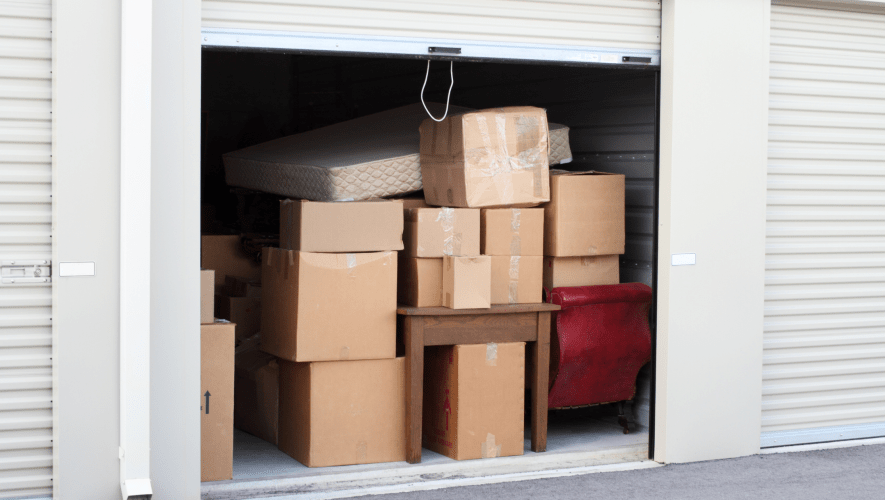
Cramming a unit too full will make it hard to access your belongings. This can lead to damage and waste. Overestimating will lead to overpaying for unused space. Discuss with the storage company your space and items that you plan to store.

Trap #4: Poor Unit Condition
When viewing units, inspect them thoroughly for any signs of moisture, pests, or structural issues that could damage your goods. Check that locks, lighting, ventilation, and security provisions are adequate. Don’t settle for a substandard unit.
Trap #5: Overlooking Climate Control
If you’re storing valuables, paperwork, furniture, or anything that could get ruined by extreme temperatures and humidity, opting for a climate-controlled unit can prevent damage. Weigh the extra cost against potential losses.
Trap #6: Cheap but Inaccessible
Sometimes the most affordable units are in inconvenient locations or have very limited access hours. Consider the hassle of getting to your stuff when needed. For frequently accessed storage, closer and more accessible may be worth paying a bit more.
Trap #7: Lack of Proper Insurance
Most storage companies require you to have your own insurance to cover anything stored in their units. From the outset, look into getting the right coverage amount and type of policy to adequately protect your belongings.
By doing your homework and being aware of these common traps, you can steer clear of headaches and make sure your storage unit experience is a smooth, secure, and cost-effective one.
Are you planning to sell your house and thinking of renting a storage unit to offload excess belongings? Before putting in more work and expense than might be needed, contact Properties on the Potomac at 703-624-8333 now to discuss your staging needs.
 Properties on the Potomac, Inc.